What Communication Protocols Are Used in AGV Motor Control Systems?
Views: 0 Author: Site Editor Publish Time: 2026-07-31 Origin: Site
Automated Guided Vehicles (AGVs) have become essential components in modern smart factories, intelligent warehouses, and automated logistics systems. As AGV applications continue to evolve toward higher speed, greater precision, and improved intelligence, the motor control system has become increasingly important. The communication protocol used between the AGV controller, motor driver, servo system, and onboard control devices directly affects motion accuracy, response speed, system reliability, and scalability.
In an AGV motor control system, communication protocols are responsible for transmitting motion commands, speed instructions, position feedback, torque data, diagnostic information, and safety signals between different components. Selecting the right communication protocol allows AGVs to achieve smoother operation, better synchronization, and more efficient industrial automation performance.
The most commonly used communication protocols in AGV motor control systems include CANopen, EtherCAT, Modbus RTU/TCP, RS485, Ethernet/IP, PROFINET, and CAN bus. Each protocol has different advantages depending on AGV requirements such as load capacity, navigation accuracy, real-time performance, and system complexity.
The Role of Communication Protocols in AGV Motor Control Systems
An AGV motor control system typically consists of several key components:
AGV main controller (PLC, industrial computer, or embedded controller)
Motor driver or servo drive
BLDC motors, servo motors, or integrated servo motors
Encoders for position and speed feedback
Battery management system
Sensors and safety devices
The communication network connects these components and enables coordinated operation.
For example, when an AGV receives a navigation command from a warehouse management system, the onboard controller must convert this instruction into precise motor movements. The controller sends speed, direction, and acceleration commands to the motor drive through a communication protocol. Meanwhile, the motor encoder continuously returns feedback information to ensure accurate positioning.
A high-performance communication protocol must provide:
Fast data transmission
Low communication delay
High reliability
Multi-device networking capability
Real-time motion control
Error detection and diagnostics
Different AGV applications require different communication solutions.
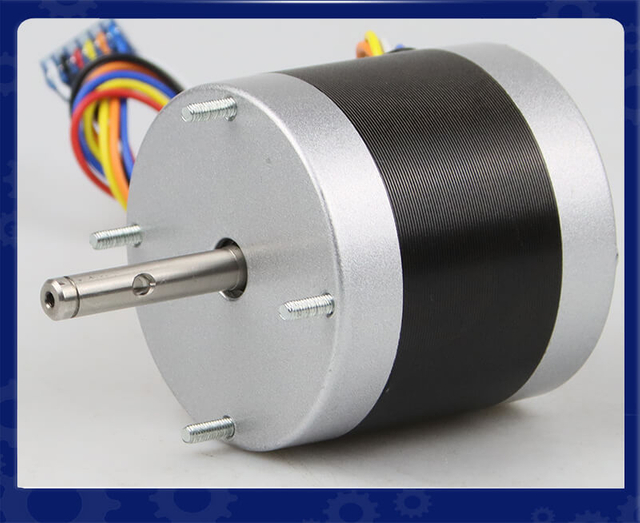
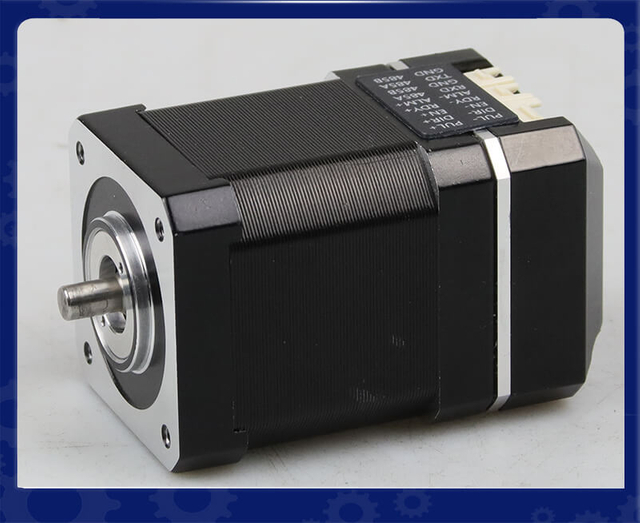
IDC60 Integrated BLDC Servo Motor — High-Efficiency, Compact, and Smart Closed-Loop Motion Control Solution
Product Overview:The IDC60 integrated BLDC servo motor from LeanMotor is a compact NEMA 24 solution combining motor, drive, and encoder in one unit. It provides precise closed-loop control, stable torque, and fast response. Its integrated design reduces wiring, saves space.
Key Technical Highlights
Integrated All-in-One Design Combines BLDC motor, servo drive, and encoder in a compact unit, reducing wiring complexity and improving installation efficiency.
High-Precision Closed-Loop Control Ensures accurate position, speed, and torque regulation with real-time feedback for stable and smooth motion performance.
Powerful Modular Customization (OEM/ODM) Supports flexible customization options, including voltage, torque, communication protocols, and encoder resolution to meet diverse application requirements.
High Efficiency & Compact Structure Delivers strong torque density with optimized thermal performance, making it ideal for space-limited automation and robotics systems.
Typical Applications
Pipeline Inspection Robots Provides stable low-speed torque and precise motion control for navigating narrow, curved, and complex pipeline environments.
Automated Guided Vehicles (AGVs) Ensures smooth acceleration, accurate positioning, and reliable operation in logistics and smart warehouse systems.
Robotic Automation Systems Ideal for robotic arms, grippers, and compact motion modules requiring high precision and fast response.
Smart Manufacturing Equipment Supports high-accuracy motion control in assembly lines, packaging machines, and precision industrial automation devices.
IDC60 Series Key Specifications for AGV Applications
Parameter
IDC60 Specification
Motor Type
Integrated BLDC Servo Motor
Frame Size
60mm
Power Range
200W / 400W
Rated Voltage
24V / 48V
Rated Speed
3000rpm
Rated Torque
0.63Nm / 1.27Nm
Encoder
17-bit Magnetic Encoder
Communication
Pulse / RS485 / CANopen
Optional Features
Gearbox, Brake, Cooling Fan
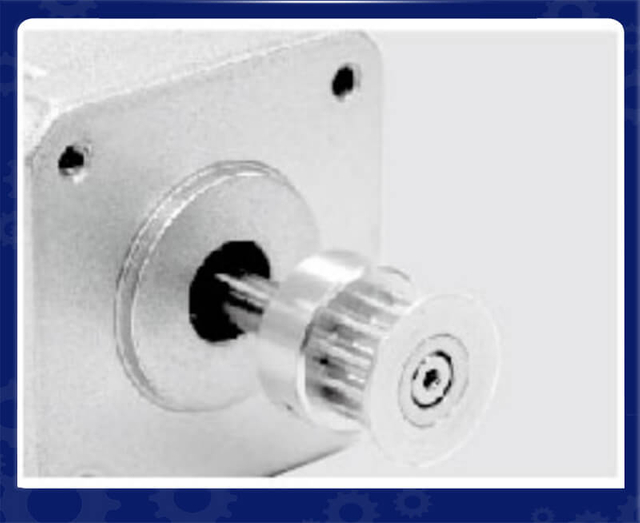
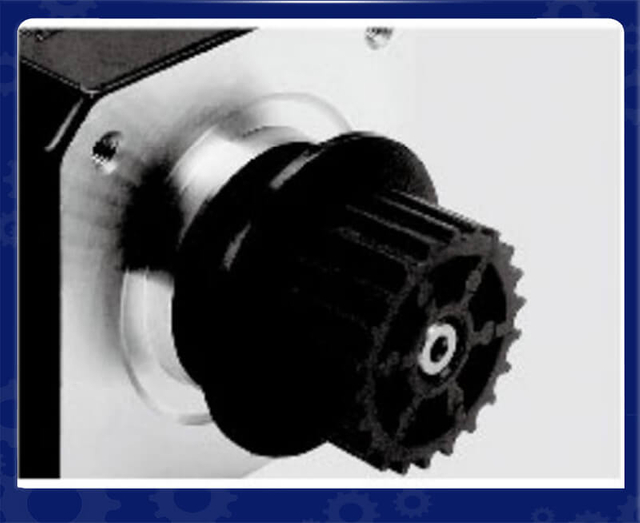
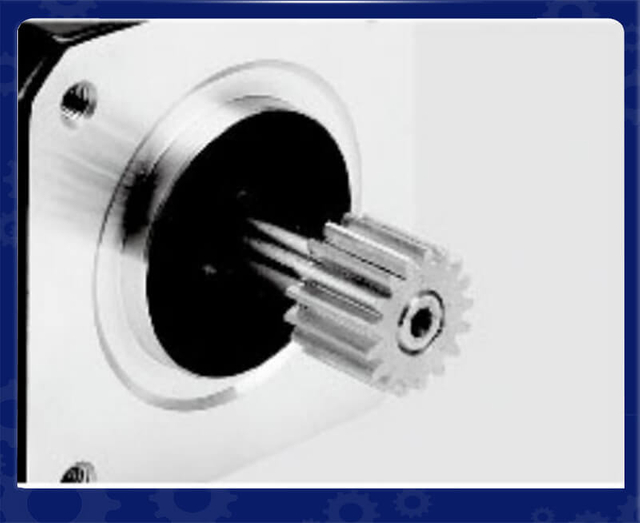
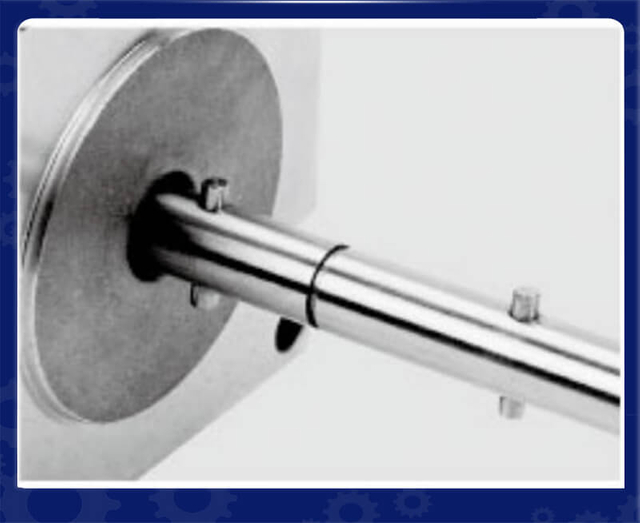
LEANMOTOR Customized Service
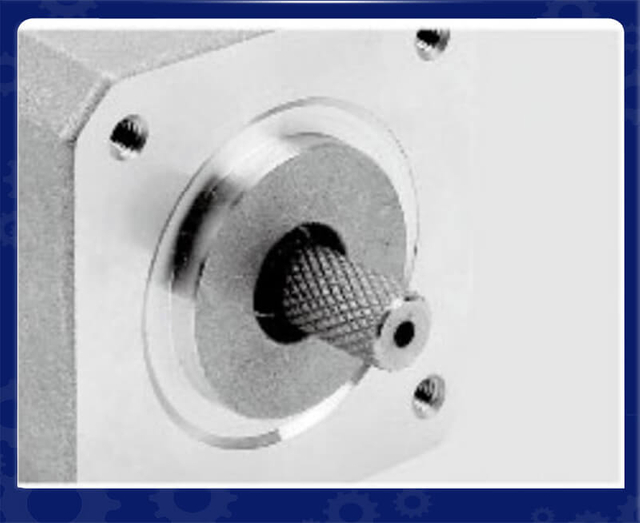
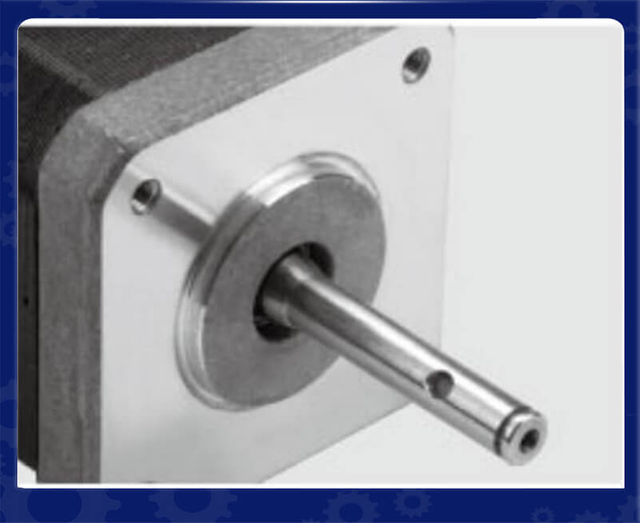
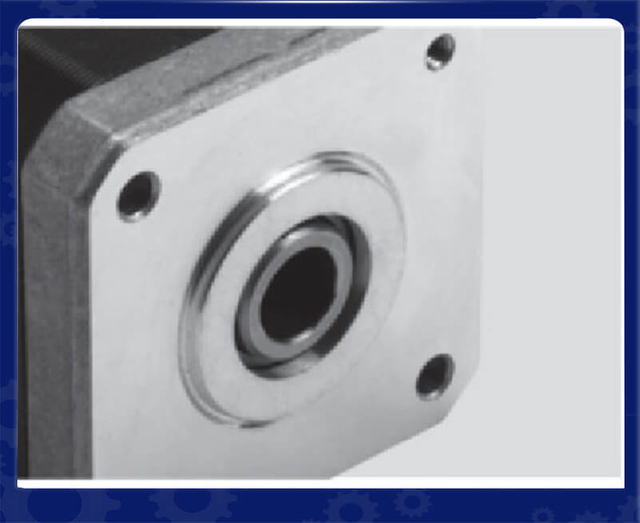
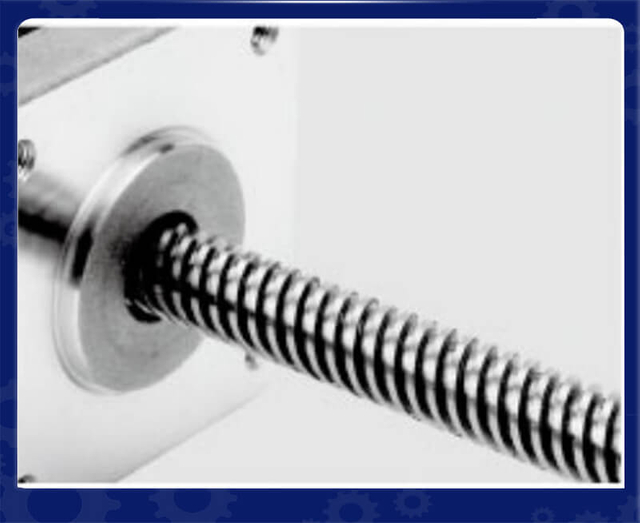
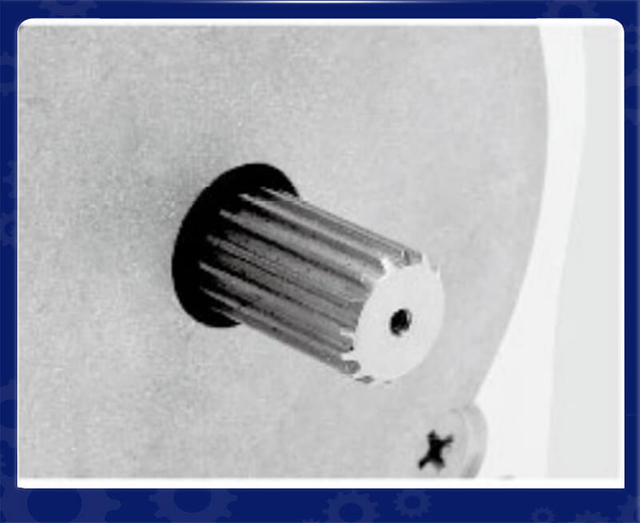
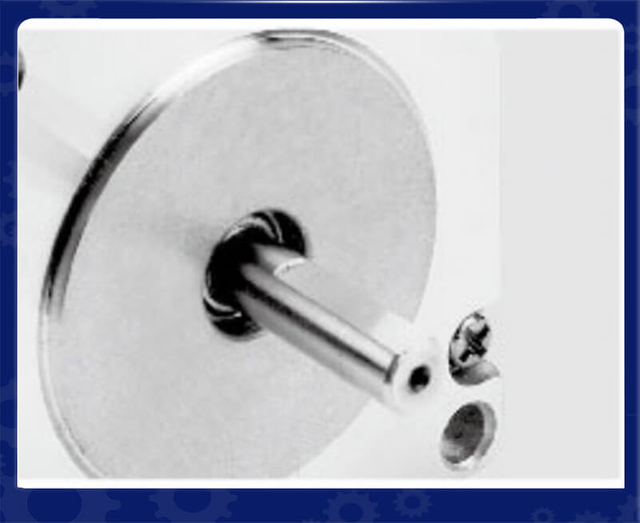
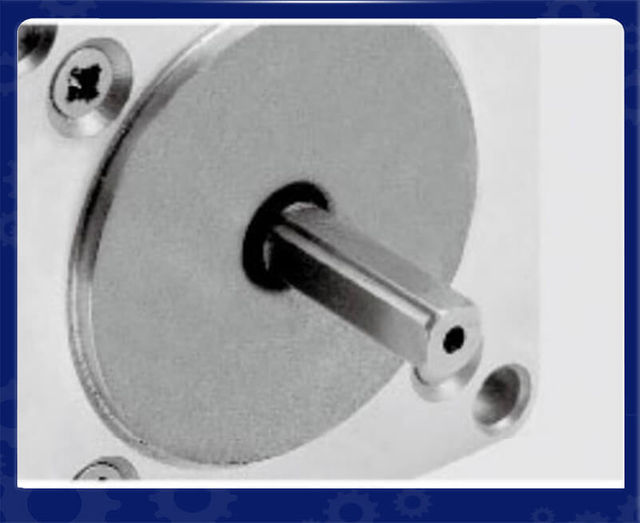
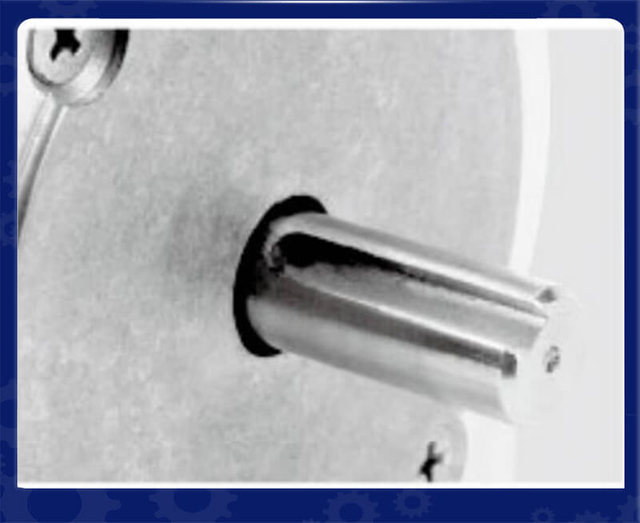
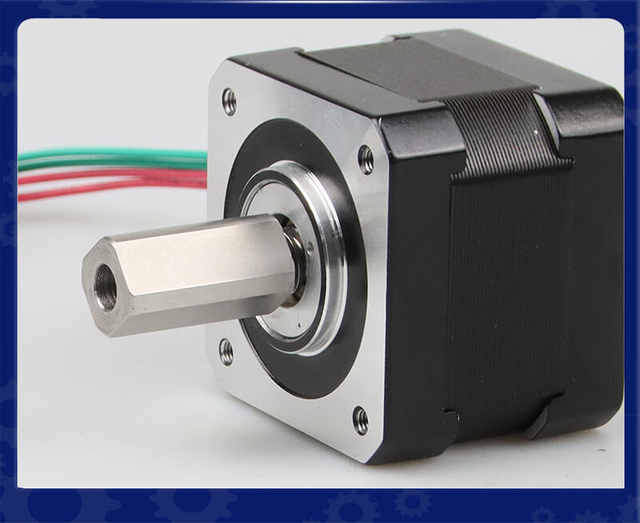
Customized Shaft Service
Metal Pulleys
Plastic Pulley
Gear
Shaft Pin
Threaded Shaft
Panel Mount
Hollow Shaft
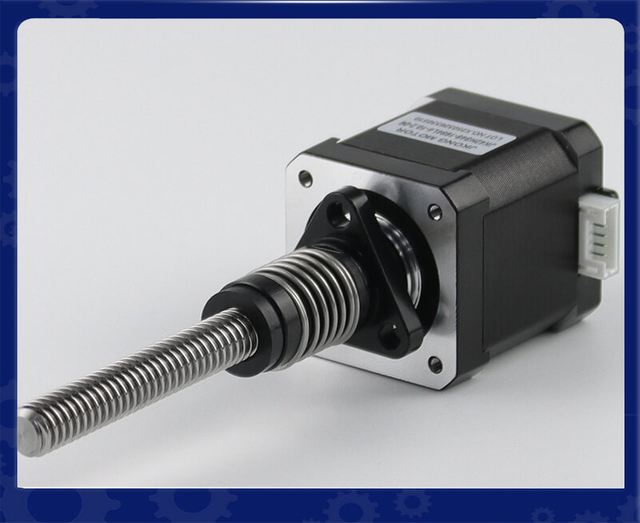
Lead Screw
Panel Mount
Single Flat
Dual Flat
Key Shaft
Customized Motor Service
Cables
Covers
Shaft
Lead Screw Rod
Encoders
Brakes
Gearboxes
Linear Module
Integrated Drivers
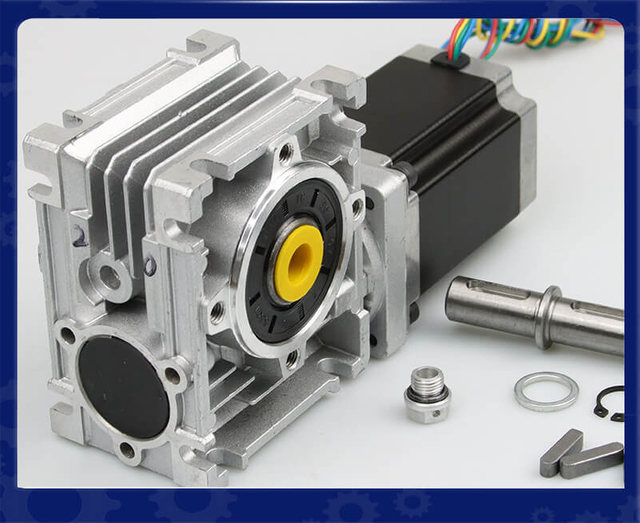
Worm Gearbox
CANopen: One of the Most Widely Used AGV Motor Communication Protocols
CANopen is one of the most popular communication protocols used in AGV motor control systems. Based on the CAN bus physical layer, CANopen was originally developed for industrial automation and motion control applications.
Many AGV manufacturers choose CANopen because it provides a reliable balance between cost, performance, and flexibility.
Advantages of CANopen for AGV Motor Control
1. Reliable Communication
CANopen uses a robust communication structure with built-in error detection mechanisms. It can maintain stable communication even in environments with electrical noise, vibration, and industrial interference.
This makes it suitable for:
Warehouse AGVs
Mobile robots
Automated forklifts
Manufacturing transport vehicles
2. Support for Multiple Motor Axes
An AGV usually requires multiple motors, including:
Left and right drive motors
Steering motors
Lifting motors
Conveyor motors
CANopen allows multiple motor drives to communicate on the same network, reducing wiring complexity.
3. Standardized Motor Control Functions
CANopen supports the CiA 402 device profile, which is widely used for servo drives and motion control devices.
Through CiA 402, AGV controllers can manage:
Position control mode
Velocity control mode
Torque control mode
Motor status monitoring
Fault management
This makes CANopen-compatible motors easier to integrate into AGV platforms.
EtherCAT: High-Speed Real-Time Communication for Advanced AGVs
EtherCAT (Ethernet Control Automation Technology) is a high-performance industrial Ethernet protocol designed for applications requiring extremely fast and precise motion control.
Compared with traditional CAN-based communication, EtherCAT provides significantly higher bandwidth and lower latency.
Why AGVs Use EtherCAT Motor Control
Modern AGVs, especially AMRs (Autonomous Mobile Robots) and high-precision industrial robots, increasingly require real-time synchronization between multiple motors.
EtherCAT offers:
Microsecond-level communication response
High synchronization accuracy
Large data capacity
Real-time multi-axis control
For example, an omnidirectional AGV using four-wheel independent drive motors requires precise coordination between all wheels. EtherCAT can synchronize motor commands with extremely small timing errors, improving:
Position accuracy
Turning performance
Path tracking
Dynamic response
EtherCAT Applications in AGV Systems
EtherCAT is commonly found in:
High-speed logistics robots
Semiconductor manufacturing AGVs
Precision assembly transportation systems
Large automated production lines
Although EtherCAT provides excellent performance, the system cost and integration requirements are usually higher than CANopen.
Modbus RTU and Modbus TCP in AGV Motor Systems
Modbus is a widely used industrial communication protocol known for its simplicity and compatibility.
Many AGV motor controllers and industrial devices support Modbus because it is easy to implement and maintain.
Modbus RTU
Modbus RTU typically operates through RS485 communication.
Advantages include:
Low hardware cost
Long communication distance
Simple configuration
Good compatibility
It is commonly used for:
Motor parameter configuration
Battery monitoring
Sensor communication
Auxiliary control systems
However, Modbus RTU is generally not preferred for high-performance motion control because its communication speed and real-time capability are limited.
However, for applications requiring precise synchronized motor control, EtherCAT or CANopen is usually preferred.
RS485 Communication in AGV Motor Applications
RS485 is a physical communication interface widely used in industrial equipment.
Although RS485 itself is not a complete communication protocol, it provides the electrical communication foundation for protocols such as Modbus RTU.
Advantages of RS485
Long transmission distance
Strong noise resistance
Low cost
Simple wiring
In AGV systems, RS485 is often used for:
Encoder communication
Battery monitoring
Auxiliary controllers
Industrial sensors
However, RS485 is limited when controlling multiple motors requiring high-speed synchronized movement.
EtherNet/IP and PROFINET for Industrial AGV Integration
Large manufacturing facilities often integrate AGVs with existing factory automation networks. In these environments, industrial Ethernet protocols such as EtherNet/IP and PROFINET are commonly used.
EtherNet/IP
EtherNet/IP is widely used in North American industrial automation systems.
Benefits include:
Easy integration with PLC systems
High network scalability
Industrial Ethernet compatibility
It is commonly used when AGVs need to communicate with:
Factory PLCs
Manufacturing execution systems (MES)
Warehouse control systems
PROFINET
PROFINET is popular in European automation industries, especially where Siemens PLC systems are used.
Advantages include:
Real-time communication
Industrial-grade reliability
Strong PLC integration
For large-scale smart factories, PROFINET and EtherNet/IP can provide seamless communication between AGVs and factory automation equipment.
CAN Bus: The Foundation of Many AGV Motor Networks
Before CANopen became widely adopted, many AGV systems used traditional CAN bus communication.
CAN bus provides:
High reliability
Good electromagnetic compatibility
Low communication cost
It remains widely used in:
Battery-powered vehicles
Mobile robots
Electric vehicles
Industrial transportation equipment
However, CAN bus alone does not define application-level motor control functions. Therefore, many modern AGV systems use CANopen to achieve standardized motor communication.
How to Choose the Right Communication Protocol for AGV Motors
Choosing the right communication protocol for AGV motors is critical for achieving reliable motion control, accurate positioning, and efficient system integration. Different AGV applications have different requirements in terms of real-time performance, communication speed, system complexity, and cost.
Common communication protocols used in AGV motor systems include CANopen, EtherCAT, Modbus, RS485, EtherNet/IP, and PROFINET. The best choice depends on the AGV design, motor type, control requirements, and application environment.
1. Consider AGV Motion Control Requirements
The first factor is the required motion performance.
Basic AGV Applications
For standard transportation AGVs that mainly move materials between fixed locations, the requirements are usually moderate.
Recommended protocols:
CANopen
Modbus RTU
Advantages:
Low cost
Simple integration
Reliable communication
Suitable for basic speed and direction control
Typical applications:
Warehouse transport AGVs
Factory material handling vehicles
Simple automated carts
High-Precision AGV and AMR Applications
Advanced Autonomous Mobile Robots (AMRs) require accurate trajectory tracking, smooth acceleration, and synchronized motor operation.
Recommended protocol:
EtherCAT
Advantages:
Ultra-fast communication
Low latency
Multi-axis synchronization
High positioning accuracy
Typical applications:
Intelligent logistics robots
Semiconductor AGVs
Precision manufacturing systems
2. Match the Protocol with Motor Control Requirements
AGV motors may require different levels of control:
Speed control
Position control
Torque control
Real-time feedback
Fault diagnosis
For example:
Motor Control Requirement
Recommended Protocol
Basic speed control
Modbus, CAN bus
Standard servo control
CANopen
Multi-axis synchronization
EtherCAT
High-performance motion control
EtherCAT, PROFINET
For AGVs using BLDC motors, servo motors, or integrated servo motors, CANopen and EtherCAT are commonly selected because they support standardized motor control profiles.
3. Evaluate Communication Speed and Real-Time Performance
Communication speed directly affects AGV response and movement accuracy.
Protocol
Performance
Typical Use
RS485
Low speed
Sensors, auxiliary devices
Modbus RTU
Medium speed
Simple motor communication
CANopen
Medium-high speed
General AGV motor control
EtherCAT
Very high speed
Precision AMR systems
PROFINET / EtherNet/IP
High speed
Factory automation integration
For applications requiring fast acceleration, precise turning, or coordinated wheel control, high-speed Ethernet-based protocols are usually preferred.
4. Consider the Number of Motors and System Complexity
The number of controlled motors also affects protocol selection.
A simple AGV may include:
Two drive motors
One steering motor
A complex AMR may include:
Multiple wheel motors
Lifting motors
Conveyor motors
Robotic modules
For systems with multiple motor axes, EtherCAT provides better synchronization, while CANopen remains a cost-effective option for smaller systems.
5. Consider Integration with Existing Factory Networks
AGVs are often connected with factory automation systems.
Choose protocols based on the existing industrial network:
Siemens-based systems → PROFINET
Rockwell automation systems → EtherNet/IP
CAN-based control systems → CANopen
Industrial Ethernet environments → EtherCAT
Good protocol compatibility reduces development time and improves system stability.
6. Balance Performance and Cost
The communication protocol should match the AGV's performance requirements without unnecessary complexity.
Cost-Effective Solution
CANopen
Best for:
Standard AGVs
Small mobile robots
Medium-speed applications
Benefits:
Affordable hardware
Easy maintenance
Strong industrial reliability
High-Performance Solution
EtherCAT
Best for:
High-speed AMRs
Precision motion systems
Multi-axis robotic platforms
Benefits:
Real-time control
High synchronization accuracy
Large data capacity
7. Consider Future Expansion and Maintenance
A suitable communication protocol should support future upgrades.
Important factors include:
Additional motor axes
More sensors
Remote diagnostics
Predictive maintenance
Fleet management integration
Protocols with strong industrial support, such as CANopen and EtherCAT, provide better long-term scalability.
Conclusion
Choosing the right AGV motor communication protocol depends on motion accuracy, system complexity, integration requirements, and budget.
CANopen is ideal for cost-effective and reliable AGV motor control.
EtherCAT is suitable for high-performance AMRs requiring precise multi-axis synchronization.
Modbus and RS485 work well for simple communication tasks and auxiliary devices.
PROFINET and EtherNet/IP are preferred for AGVs integrated into large industrial automation networks.
By selecting the appropriate communication protocol, AGV manufacturers can achieve better motion performance, system reliability, and automation efficiency.
Future Trends of AGV Motor Communication Technology
With the development of Industry 4.0, smart manufacturing, and autonomous mobile robots, AGV communication systems are becoming increasingly intelligent.
Future AGV motor systems will focus on:
Higher-Speed Industrial Networks
Ethernet-based communication will continue growing due to increasing requirements for:
Real-time control
Large data transmission
Cloud connectivity
Integrated Servo Motor Solutions
More AGVs are adopting integrated servo motors that combine:
Motor
Encoder
Driver
Communication interface
into one compact unit.
Protocols such as CANopen and EtherCAT enable these integrated motors to simplify AGV design and reduce wiring.
Improved Diagnostic Capability
Advanced communication protocols allow AGVs to monitor:
Motor temperature
Current consumption
Encoder status
Overload conditions
Maintenance requirements
This supports predictive maintenance and improves operational reliability.
Conclusion
Communication protocols play a critical role in determining the performance and reliability of AGV motor control systems. Among the available solutions, CANopen, EtherCAT, Modbus, RS485, EtherNet/IP, and PROFINET are the most commonly used technologies.
For general AGV applications, CANopen provides an excellent combination of reliability, cost efficiency, and standardized motor control. For advanced AMRs requiring high-speed and precise multi-axis synchronization, EtherCAT offers superior real-time performance. Industrial Ethernet protocols such as PROFINET and EtherNet/IP are ideal for large factory automation environments.
As AGV technology continues to advance, communication systems will become faster, smarter, and more integrated, enabling next-generation autonomous vehicles to achieve higher efficiency, accuracy, and intelligence in modern industrial environments.
FAQs:
FAQ 1: What communication protocols are commonly used in AGV motor control systems?
Answer: The most commonly used communication protocols in AGV motor control systems include CANopen, EtherCAT, CAN bus, Modbus RTU/TCP, RS485, EtherNet/IP, and PROFINET. The choice depends on AGV requirements such as motion accuracy, communication speed, real-time performance, system complexity, and cost.
FAQ 2: Why is CANopen widely used for AGV motor control?
Answer: CANopen is widely used in AGV motor control because it provides reliable communication, low hardware cost, and standardized motion control functions. It supports the CiA 402 device profile, allowing AGV controllers to easily manage servo motors, BLDC motors, and integrated servo motors for speed, position, and torque control.
FAQ 3: Is EtherCAT better than CANopen for AGV motor applications?
Answer: EtherCAT offers higher communication speed and better real-time performance than CANopen, making it suitable for advanced AGVs and AMRs requiring precise multi-axis synchronization. However, CANopen remains a cost-effective solution for standard AGV applications where extreme motion accuracy is not required.
FAQ 4: What protocol is best for high-precision AGV motor control?
Answer: For high-precision AGV motor control, EtherCAT is usually the preferred choice because it provides low communication latency, high synchronization accuracy, and fast data transmission. It is commonly used in AMRs, intelligent logistics robots, and industrial mobile robots requiring precise movement control.
FAQ 5: Can Modbus be used for AGV motor control?
Answer: Yes, Modbus RTU and Modbus TCP can be used in AGV systems, especially for simple motor communication, parameter configuration, monitoring, and auxiliary devices. However, Modbus is generally not recommended for high-performance motion control applications because it has limited real-time capabilities compared with CANopen and EtherCAT.
FAQ 6: What is the difference between CAN bus and CANopen in AGV applications?
Answer: CAN bus defines the physical communication method, while CANopen is a higher-level communication protocol based on CAN bus. CANopen provides standardized motor control functions, device profiles, and network management, making it more suitable for AGV motor drives and servo systems.
FAQ 7: How does communication protocol affect AGV motor performance?
Answer: The communication protocol directly affects AGV motor performance by influencing response time, positioning accuracy, synchronization capability, and system reliability. A high-speed protocol such as EtherCAT can improve motion control accuracy, while CANopen provides stable and efficient operation for general AGV applications.
FAQ 8: Which communication protocol is suitable for integrated servo motors in AGVs?
Answer: CANopen and EtherCAT are commonly used for integrated servo motors in AGV applications. These protocols allow communication between the motor controller, driver, encoder, and AGV control system, reducing wiring complexity while improving system integration and reliability.
FAQ 9: How do I choose the right communication protocol for AGV motors?
Answer: The right communication protocol should be selected based on:
Motion accuracy requirements
Number of motor axes
Real-time control needs
Factory network compatibility
System cost
Future expansion requirements
CANopen is suitable for cost-effective AGVs, while EtherCAT is recommended for advanced AMRs requiring high-speed synchronized control.
FAQ 10: What are the future trends of AGV motor communication technology?
Answer: Future AGV motor communication technology will move toward faster industrial Ethernet solutions, integrated servo motor systems, and intelligent diagnostic capabilities. Protocols such as EtherCAT, PROFINET, and EtherNet/IP will continue growing as AGVs become more connected, autonomous, and integrated with Industry 4.0 systems.