How To Select The Right DC Servo Motor for AGV And AMR Applications?
Views: 0 Author: Site Editor Publish Time: 2026-08-12 Origin: Site
Introduction: Choosing the Best DC Servo Motor for AGV and AMR Systems
The rapid development of Automated Guided Vehicles (AGVs) and Autonomous Mobile Robots (AMRs) has created increasing demand for high-performance motion control solutions. As the core driving component of mobile robots, the DC servo motor for AGV and AMR applications directly affects vehicle performance, positioning accuracy, energy efficiency, safety, and operational reliability.
Unlike traditional industrial machines, AGV and AMR platforms operate in dynamic environments where motors must frequently accelerate, decelerate, reverse direction, carry different payloads, and maintain precise movement control. Therefore, selecting the correct AGV servo motor requires comprehensive consideration of torque requirements, speed range, encoder feedback, communication protocols, safety functions, motor size, and environmental adaptability.
A properly selected DC servo motor system can improve navigation accuracy, reduce maintenance costs, extend battery life, and ensure stable operation in warehouses, factories, hospitals, logistics centers, and smart manufacturing facilities.
Understanding the Role of DC Servo Motors in AGV and AMR Applications
A DC servo motor is a precision motion device that combines a DC motor, encoder feedback system, and servo control technology to achieve accurate speed, position, and torque control.
In AGV and AMR systems, servo motors are mainly used for:
Driving wheels and traction systems
Steering mechanisms
Lifting platforms
Conveyor modules
Robot arm attachments
Precision positioning systems
Compared with standard DC motors, servo motors provide:
Higher positioning accuracy
Faster dynamic response
Closed-loop control capability
Better overload performance
Stable low-speed operation
Improved energy efficiency
For mobile robots that must navigate narrow aisles, stop accurately at workstations, and operate continuously for many hours, a high-quality AGV DC servo motor is essential.
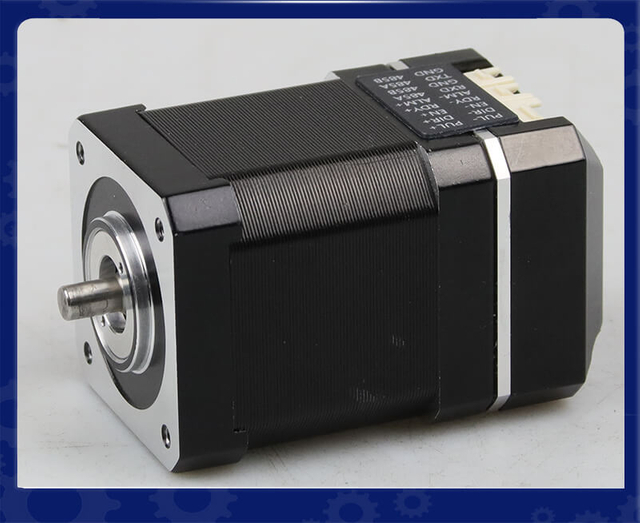
IDC60 Integrated BLDC Servo Motor — High-Efficiency, Compact, and Smart Closed-Loop Motion Control Solution
Product Overview:The IDC60 integrated BLDC servo motor from LeanMotor is a compact NEMA 24 solution combining motor, drive, and encoder in one unit. It provides precise closed-loop control, stable torque, and fast response. Its integrated design reduces wiring, saves space.
Key Technical Highlights
Integrated All-in-One Design Combines BLDC motor, servo drive, and encoder in a compact unit, reducing wiring complexity and improving installation efficiency.
High-Precision Closed-Loop Control Ensures accurate position, speed, and torque regulation with real-time feedback for stable and smooth motion performance.
Powerful Modular Customization (OEM/ODM) Supports flexible customization options, including voltage, torque, communication protocols, and encoder resolution to meet diverse application requirements.
High Efficiency & Compact Structure Delivers strong torque density with optimized thermal performance, making it ideal for space-limited automation and robotics systems.
Typical Applications
Pipeline Inspection Robots Provides stable low-speed torque and precise motion control for navigating narrow, curved, and complex pipeline environments.
Automated Guided Vehicles (AGVs) Ensures smooth acceleration, accurate positioning, and reliable operation in logistics and smart warehouse systems.
Robotic Automation Systems Ideal for robotic arms, grippers, and compact motion modules requiring high precision and fast response.
Smart Manufacturing Equipment Supports high-accuracy motion control in assembly lines, packaging machines, and precision industrial automation devices.
IDC60 Series Key Specifications for AGV Applications
Parameter
IDC60 Specification
Motor Type
Integrated BLDC Servo Motor
Frame Size
60mm
Power Range
200W / 400W
Rated Voltage
24V / 48V
Rated Speed
3000rpm
Rated Torque
0.63Nm / 1.27Nm
Encoder
17-bit Magnetic Encoder
Communication
Pulse / RS485 / CANopen
Optional Features
Gearbox, Brake, Cooling Fan
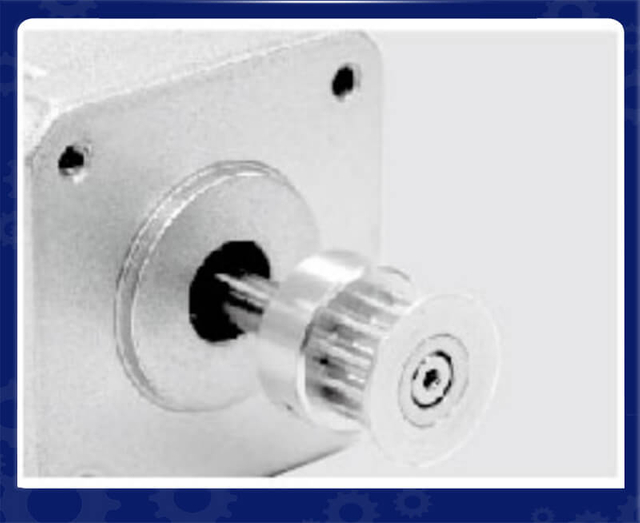
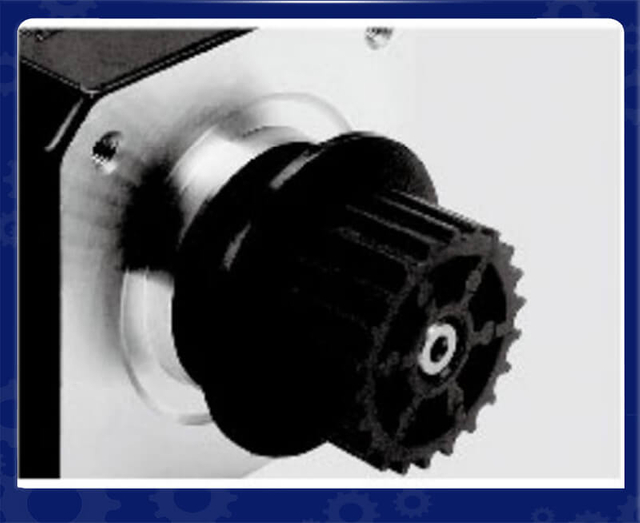
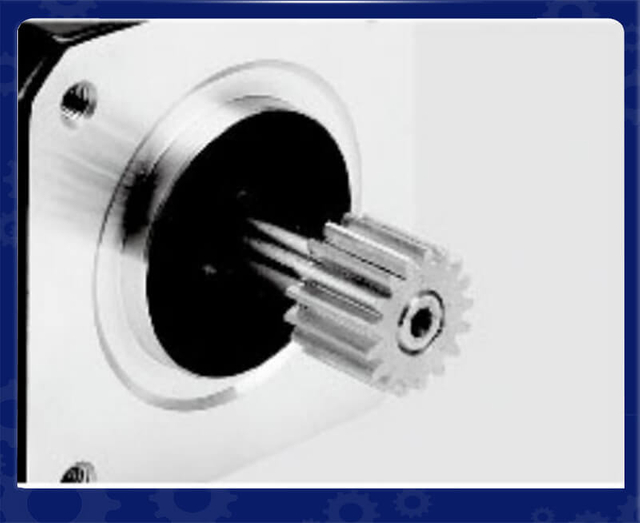
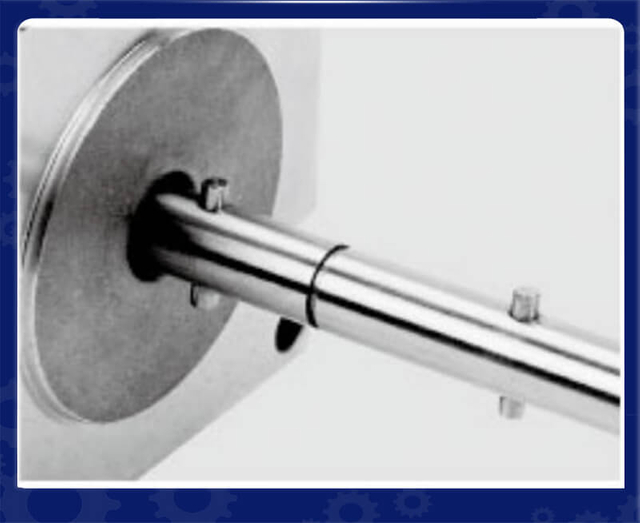
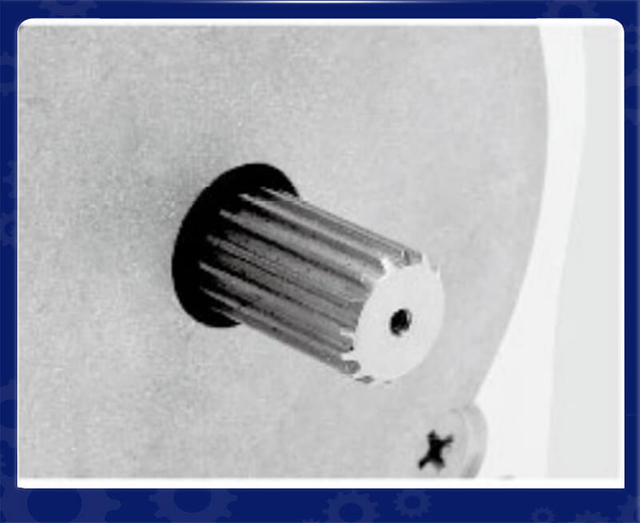
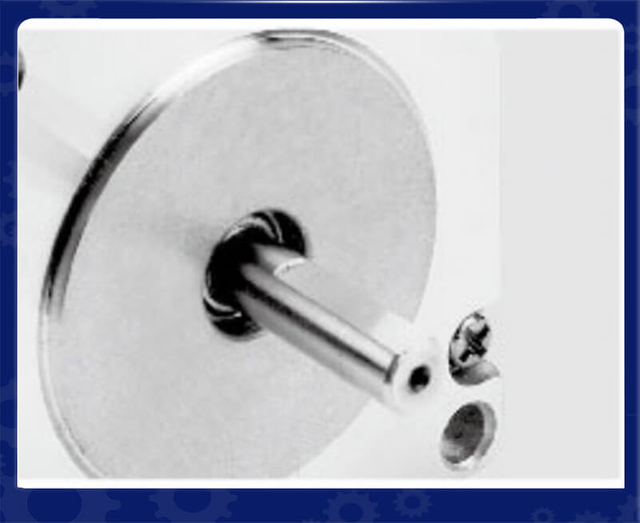
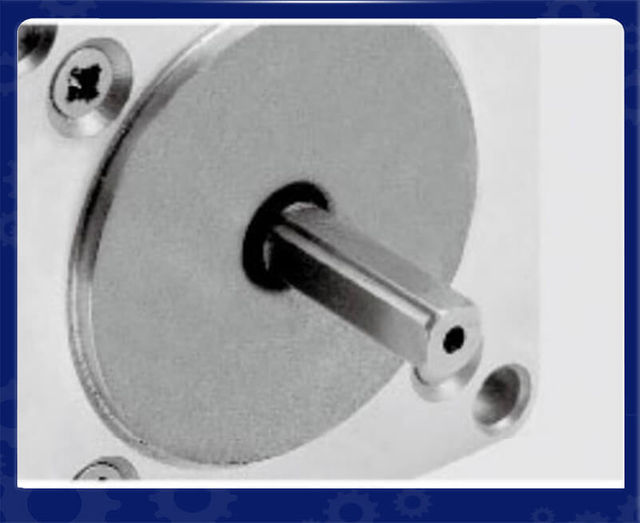
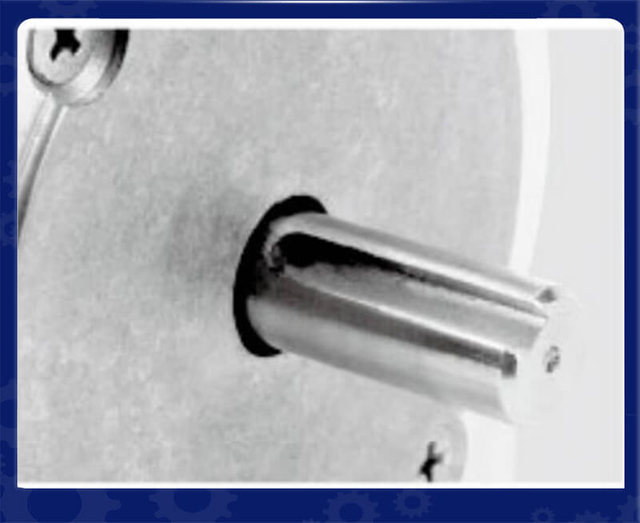
LEANMOTOR Customized Service
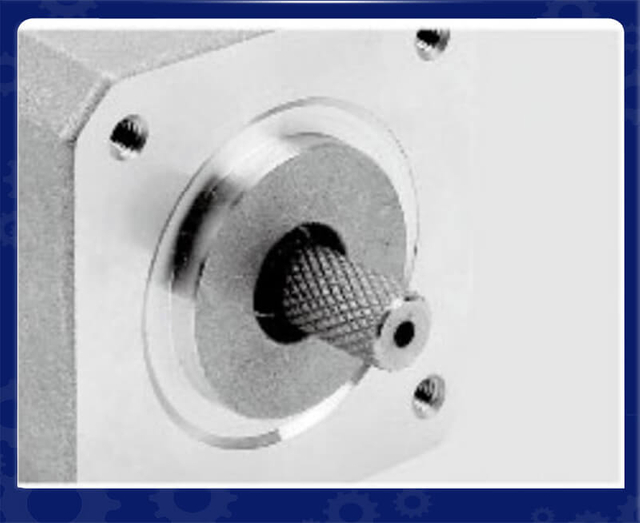
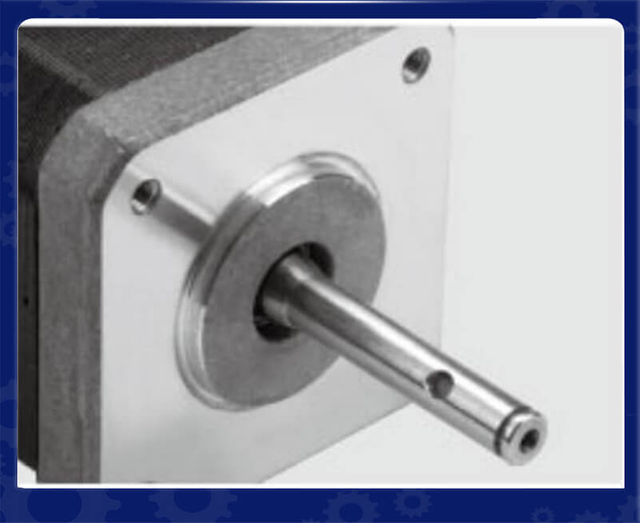
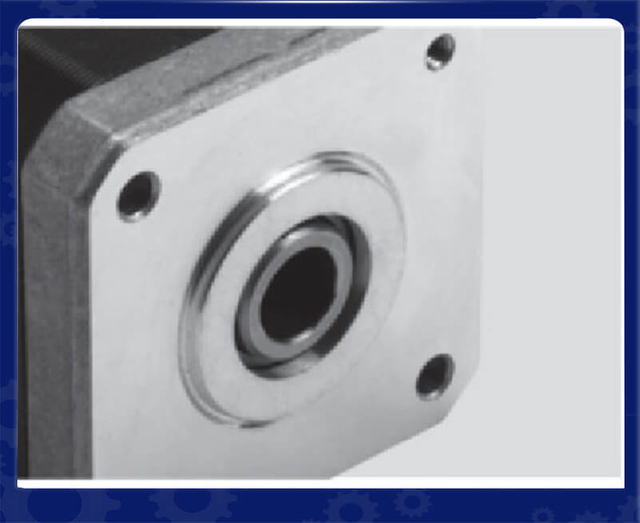
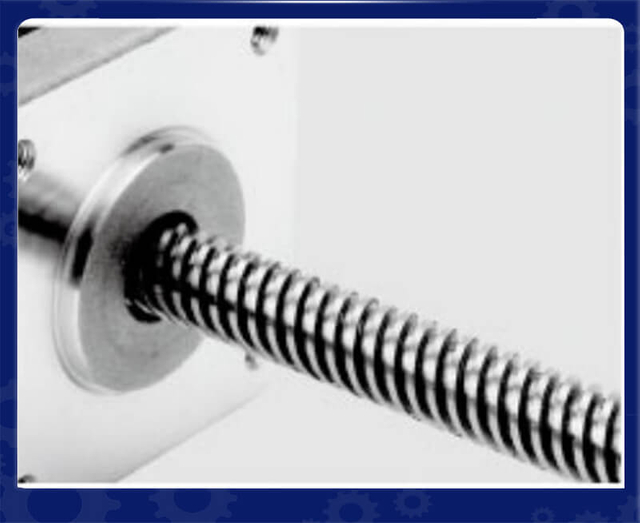
Customized Shaft Service
Metal Pulleys
Plastic Pulley
Gear
Shaft Pin
Threaded Shaft
Panel Mount
Hollow Shaft
Lead Screw
Panel Mount
Single Flat
Dual Flat
Key Shaft
Customized Motor Service
Cables
Covers
Shaft
Lead Screw Rod
Encoders
Brakes
Gearboxes
Linear Module
Integrated Drivers
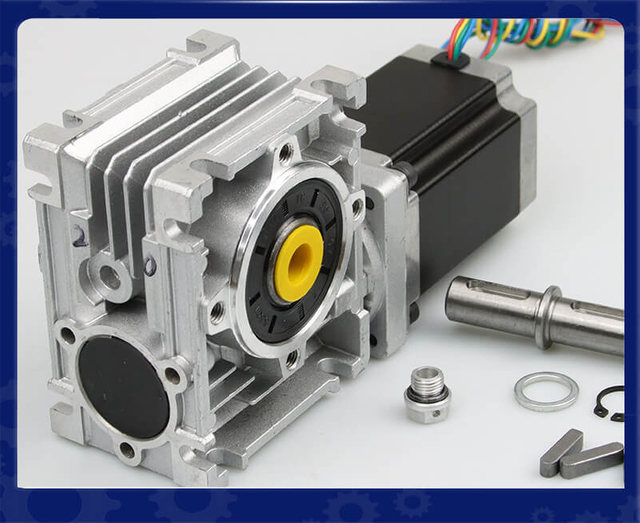
Worm Gearbox
Key Factors When Selecting a DC Servo Motor for AGV and AMR
1. Calculate the Required Motor Torque
Torque is one of the most important parameters when selecting an AGV servo motor. The motor must generate enough torque to overcome:
Vehicle weight
Payload weight
Rolling resistance
Floor conditions
Incline angles
Acceleration requirements
The required torque can be calculated according to:
Motor Torque = Driving Force × Wheel Radius
For AGV applications, it is important to consider both:
Continuous Torque
Continuous torque represents the motor's ability to operate steadily for long periods without overheating.
Peak Torque
Peak torque represents the temporary torque capability during:
Starting
Acceleration
Emergency braking
Load changes
A DC servo motor with insufficient torque may cause:
Slow acceleration
Motor overheating
Position errors
Reduced battery efficiency
Therefore, engineers should select a motor with enough torque margin rather than operating near the maximum limit.
2. Select the Correct Motor Speed Range
AGV and AMR systems usually require relatively low-speed but high-torque operation. Unlike industrial spindle motors, mobile robot motors prioritize controlled movement rather than extremely high rotation speed.
Typical AGV motor speed requirements depend on:
Vehicle size
Wheel diameter
Maximum traveling speed
Gear reduction ratio
Common operating ranges include:
Low-speed applications: 50–300 RPM
Medium-speed AGVs: 300–1000 RPM
High-speed mobile robots: 1000 RPM and above
When selecting a DC servo motor for AMR, the motor speed should match the mechanical transmission system.
A motor running too fast may require a larger gearbox, increasing:
Mechanical complexity
Noise
Energy consumption
Maintenance requirements
3. Choose the Appropriate Encoder Feedback System
Encoder selection is critical for AGV and AMR motion accuracy.
A servo motor without accurate feedback cannot achieve precise closed-loop control.
Common encoder options include:
Incremental Encoder
Incremental encoders provide:
Speed feedback
Rotation direction detection
Cost-effective control
They are commonly used in standard AGV drive systems.
Absolute Encoder
Absolute encoders provide:
Real-time position information
No position loss after power interruption
Higher positioning accuracy
They are suitable for:
High-precision AMRs
Medical robots
Semiconductor transportation systems
Magnetic Encoder
Magnetic encoders are increasingly popular because they offer:
Compact size
High reliability
Resistance to dust and vibration
For modern AGV applications, an integrated encoder servo motor can simplify installation and improve system reliability.
4. Consider Communication Protocol Compatibility
Modern AGV and AMR systems require efficient communication between the motor controller and the main robot control system.
The selected AGV DC servo motor should support suitable communication protocols, such as:
CANopen
CANopen is widely used in mobile robotics because of:
High reliability
Real-time communication
Simple wiring
Strong industrial compatibility
EtherCAT
EtherCAT provides:
Ultra-fast communication
High synchronization accuracy
Multi-axis coordination
It is suitable for advanced AMR platforms requiring precise motion control.
RS485 / Modbus
These protocols are commonly used for:
Cost-sensitive applications
Simple control systems
Basic AGV platforms
Selecting a servo motor with the correct communication interface ensures seamless integration with the robot controller.
5. Evaluate Motor Size and Installation Space
AGVs and AMRs often have strict size limitations because:
Battery space is limited
Robot dimensions must remain compact
Weight reduction improves efficiency
When selecting a compact DC servo motor, engineers should consider:
Motor diameter
Motor length
Mounting dimensions
Shaft size
Weight
A smaller motor does not always mean better performance. The motor must provide sufficient torque density while fitting within the mechanical structure.
For example, integrated servo motors combine:
DC servo motor
Encoder
Driver
Communication interface
into one compact unit, reducing wiring complexity and saving installation space.
6. Check Battery Voltage Compatibility
AGV and AMR systems are usually powered by rechargeable batteries, including:
Lithium-ion batteries
Lithium iron phosphate batteries
Lead-acid batteries
Common AGV motor voltage ratings include:
12V DC
24V DC
36V DC
48V DC
72V DC
The motor voltage must match the vehicle power system.
Incorrect voltage selection may result in:
Reduced motor performance
Excessive current consumption
Controller damage
Shortened battery life
For warehouse AGVs, 24V and 48V DC servo motors are among the most commonly used solutions.
7. Consider Safety Functions for AGV Applications
Safety is a critical requirement in modern autonomous mobile robots.
Advanced AGV servo motors may include safety functions such as:
STO (Safe Torque Off)
STO immediately disables motor torque generation while preventing uncontrolled movement.
Advantages include:
Improved personnel safety
Reduced external safety components
Compliance with industrial safety standards
STO is especially important for AGVs operating alongside humans in:
Smart factories
Warehouses
Hospitals
Logistics environments
8. Analyze Environmental Conditions
AGV and AMR motors often operate in challenging environments.
Before selecting a motor, consider:
Temperature Range
The motor should maintain performance under:
Cold storage conditions
High-temperature factories
Continuous operation environments
Protection Rating
A higher IP rating provides better protection against:
Dust
Water
Industrial contamination
Common choices include:
IP54
IP65
IP67
Vibration Resistance
Mobile robots experience continuous vibration from:
Uneven floors
Vehicle movement
Load changes
A robust servo motor design improves long-term reliability.
DC Servo Motor with Gearbox: When Is It Required?
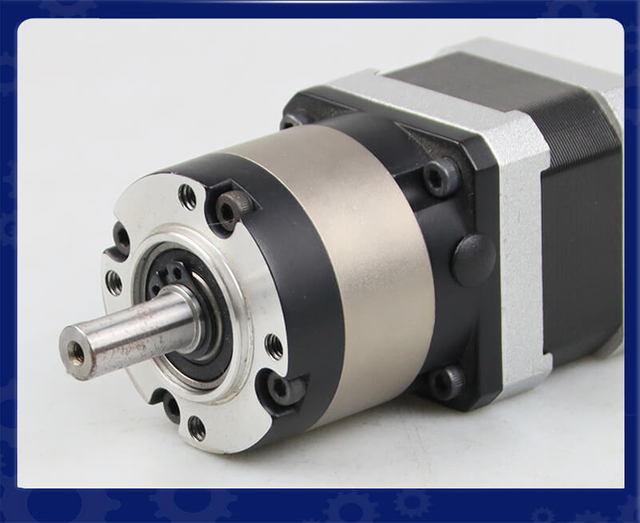
Many AGV systems use a DC servo motor with gearbox because mobile robots require high torque at low speeds.
A gearbox provides:
Increased output torque
Reduced motor speed
Improved load handling capability
Common gearbox types include:
Planetary Gearbox
Advantages:
High efficiency
Compact structure
High torque density
Suitable for:
Heavy-duty AGVs
Industrial AMRs
Worm Gearbox
Advantages:
High reduction ratio
Self-locking capability
Suitable for:
Lifting mechanisms
Applications requiring holding torque
How to Select Between Standard Servo Motors and Integrated Servo Motors
Selecting the right motion solution is critical for AGV (Automated Guided Vehicle) and AMR (Autonomous Mobile Robot) performance. While traditional standard servo motors have been widely used in industrial automation, integrated servo motors are becoming increasingly popular in mobile robot applications due to their compact design, simplified installation, and intelligent control capabilities.
The choice between a standard servo motor and an integrated servo motor depends on several factors, including system architecture, available installation space, communication requirements, maintenance considerations, and application complexity.
Understanding the differences between these two solutions helps engineers select the most suitable AGV servo motor system for their specific requirements.
What Is a Standard Servo Motor?
A standard servo motor system is a traditional motion control solution consisting of multiple independent components:
Servo motor
Encoder
Servo drive/controller
Power cables
Signal cables
Control cabinet
In this configuration, the motor generates mechanical motion, while the external servo drive processes feedback signals and controls motor operation.
Standard servo motors are commonly used in:
CNC machines
Industrial robots
Packaging equipment
Assembly lines
Large automation systems
For AGV and AMR applications, standard servo motors can provide excellent performance when the vehicle requires centralized control, high power output, or complex multi-axis synchronization.
What Is an Integrated Servo Motor?
An integrated servo motor combines multiple motion control components into one compact unit:
DC servo motor
Encoder
Servo driver
Communication interface
Control electronics
This integrated design eliminates many external components and reduces wiring complexity.
For AGVs and AMRs, integrated servo motors provide significant advantages because mobile robots typically have:
Limited installation space
Battery-powered operation
Distributed motion requirements
Requirements for quick assembly and maintenance
An integrated servo motor can be installed directly near the drive wheel, creating a compact and efficient motion module.
Standard Servo Motor vs Integrated Servo Motor: Key Differences
Feature
Standard Servo Motor
Integrated Servo Motor
Motor and driver design
Separate components
Combined in one unit
Installation complexity
Higher
Lower
Wiring requirements
More cables
Reduced wiring
Cabinet space
Requires control cabinet
Minimal space required
Maintenance
More components to troubleshoot
Simplified maintenance
System flexibility
High
High for distributed systems
Heat management
Easier centralized cooling
Requires integrated thermal design
Best application
Large automation systems
AGV, AMR, compact robots
1. Consider Available Installation Space
Space limitation is one of the most important factors when selecting a servo motor for AGV applications.
AGVs and AMRs usually require compact mechanical structures because space is needed for:
Battery systems
Sensors
Navigation modules
Safety equipment
Payload mechanisms
A standard servo motor requires additional space for:
Servo drive installation
Electrical cabinet mounting
Cable routing
This increases the overall system footprint.
An integrated servo motor for AGV systems combines the motor and drive electronics into one compact package, allowing installation closer to the wheel or mechanical load.
Advantages include:
Reduced robot size
Simplified mechanical design
Lower weight
Easier integration
For small AMRs operating in warehouses or hospitals, integrated servo motors are often the preferred solution.
2. Evaluate Wiring Complexity
Traditional servo systems require multiple connections between:
Motor
Encoder
Servo amplifier
Controller
These cables can increase:
Assembly time
Installation cost
Potential failure points
In mobile robots, cables are exposed to continuous movement and vibration, making cable management especially important.
Integrated servo motors reduce wiring by combining control electronics inside the motor housing.
Benefits include:
Fewer cables
Faster installation
Improved reliability
Reduced electromagnetic interference
For manufacturers producing large quantities of AGVs, simplified wiring can significantly reduce production time and labor costs.
3. Compare Control and Communication Requirements
Both standard and integrated servo motors can support advanced communication methods, but their system structures are different.
Standard servo systems commonly use:
Pulse/Direction control
Analog signals
EtherCAT
CANopen
Modbus
Integrated servo motors often provide built-in communication interfaces such as:
CANopen
EtherCAT
RS485
Modbus RTU
For AGV and AMR applications, distributed communication is highly valuable because each motor module can communicate directly with the main controller.
For example, a four-wheel AMR may use four integrated servo motors, with each motor independently receiving:
Speed commands
Position commands
Torque control instructions
Diagnostic information
This architecture simplifies system design and improves scalability.
4. Consider Motion Performance Requirements
Motion performance is another important selection factor.
Standard Servo Motors
Advantages:
Higher peak power capability
More flexible drive selection
Better customization options
Suitable for complex motion control
They are suitable for:
Heavy-duty AGVs
High-load transportation robots
Applications requiring advanced synchronization
Integrated Servo Motors
Advantages:
Optimized motor-driver matching
Faster response
Compact motion control
Easy deployment
They are suitable for:
Warehouse AMRs
Logistics robots
Medical delivery robots
Autonomous mobile platforms
For most mobile robot applications, integrated servo motors provide sufficient performance while simplifying system design.
5. Analyze Maintenance and Reliability Requirements
AGVs and AMRs often operate continuously, sometimes:
24 hours per day
7 days per week
In automated production environments
Reliability is therefore a critical consideration.
A standard servo system contains more independent components, including:
External drives
Multiple connectors
Additional cables
More components can increase potential failure points.
Integrated servo motors reduce system complexity by minimizing external connections.
Typical reliability advantages include:
Fewer wiring failures
Easier replacement
Faster troubleshooting
Lower maintenance workload
For factories that operate large fleets of AMRs, simplified maintenance can significantly improve system availability.
6. Consider Heat Dissipation Requirements
Heat management is an important factor when selecting servo motors.
Standard servo systems usually separate:
Motor heat generation
Drive electronics heat generation
This allows flexible cooling designs.
Integrated servo motors combine both components, meaning the motor housing must manage:
Motor winding heat
Power electronics heat
Continuous operating temperature
When selecting an integrated servo motor, engineers should evaluate:
Rated torque
Continuous current
Thermal design
Operating environment
Duty cycle
A properly designed integrated servo motor can provide reliable performance even under continuous AGV operation.
7. Select According to AGV System Architecture
The overall AGV design determines which servo motor solution is more suitable.
Choose Standard Servo Motors When:
The AGV requires very high power output
A centralized control cabinet already exists
Multiple axes require synchronized control
Custom servo drives are required
The application demands maximum flexibility
Examples:
Heavy industrial AGVs
Automated forklifts
Large transport robots
Choose Integrated Servo Motors When:
Installation space is limited
Fast integration is required
Wiring reduction is important
Distributed motor control is preferred
The robot requires modular design
Examples:
Warehouse AMRs
Hospital delivery robots
Smart logistics vehicles
Small autonomous robots
Future Trend: Integrated Servo Motors in Intelligent Mobile Robots
With the growth of Industry 4.0, intelligent factories increasingly require smaller, smarter, and more flexible automation equipment.
Integrated servo motors are becoming a key technology for next-generation AGV and AMR systems because they support:
Compact mechanical design
Intelligent communication
Real-time diagnostics
Distributed control architecture
Easy system expansion
Many modern mobile robot manufacturers are moving toward integrated motion modules that combine:
Motor
Encoder
Gearbox
Brake
Servo drive
into a complete solution.
Summary
There is no universal answer when choosing between standard servo motors and integrated servo motors. The best choice depends on the specific AGV or AMR design requirements.
Standard servo motors are ideal for applications requiring maximum flexibility, high power, and centralized control.
Integrated servo motors are better suited for modern mobile robots that require compact size, simplified wiring, intelligent communication, and easy integration.
For most compact and intelligent AGV/AMR systems, integrated servo motors provide significant advantages in efficiency, reliability, and system simplicity, making them an increasingly preferred solution for future autonomous mobile robot development.
Common Mistakes When Selecting AGV DC Servo Motors
Choosing Motors Based Only on Power Rating
Motor power alone does not determine suitability. Torque, speed, acceleration, and control performance are equally important.
Ignoring Peak Load Requirements
AGVs frequently experience changing loads. Selecting only for average conditions may cause motor failure.
Using Incorrect Encoder Resolution
Low-resolution feedback can reduce:
Navigation accuracy
Positioning performance
Motion smoothness
Overlooking Communication Compatibility
A motor that cannot communicate properly with the AGV controller may increase development time and cost.
Conclusion: Selecting the Right DC Servo Motor for AGV and AMR Success
Choosing the right DC servo motor for AGV and AMR applications requires careful evaluation of torque, speed, encoder feedback, communication protocols, safety functions, voltage compatibility, and environmental requirements.
The ideal AGV motor should provide:
Reliable torque output
Accurate closed-loop control
Efficient energy consumption
Compact installation
Strong safety performance
Long service life
As autonomous mobile robots continue to expand across industries, high-performance DC servo motors, integrated servo motors, and intelligent motor drive solutions will remain essential components for achieving safer, smarter, and more efficient automation systems.
FAQ:
FAQ 1: What factors should be considered when selecting a DC servo motor for AGV applications?
When selecting a DC servo motor for AGV applications, engineers should consider several key factors, including motor torque, speed range, encoder resolution, voltage rating, communication protocol, installation space, protection level, and safety functions. The motor must provide sufficient torque to move the vehicle and payload while maintaining accurate speed and position control.
Other important considerations include operating environment, duty cycle, battery system compatibility, and whether additional features such as STO (Safe Torque Off) or integrated servo control are required.
FAQ 2: How do I calculate the required torque for an AGV DC servo motor?
The required torque of an AGV DC servo motor depends on the total vehicle weight, payload, wheel diameter, acceleration requirements, floor resistance, and slope conditions.
The basic calculation is:
Motor Torque = Driving Force × Wheel Radius
Engineers should also consider peak torque requirements during:
Startup acceleration
Direction changes
Heavy payload transportation
Inclined movement
Selecting a motor with sufficient torque margin prevents overheating, performance loss, and premature failure during continuous AGV operation.
FAQ 3: Why is encoder feedback important for AGV and AMR servo motors?
Encoder feedback is essential because AGV and AMR systems require precise motion control and accurate positioning.
An encoder provides real-time information about:
Motor speed
Rotation direction
Position accuracy
Motion status
Common encoder options include:
Incremental encoders for basic speed control
Absolute encoders for high-precision positioning
Magnetic encoders for compact and reliable designs
A high-resolution encoder improves navigation accuracy and enables smoother movement in automated environments.
FAQ 4: What communication protocols are commonly used in AGV servo motors?
Modern AGV servo motors typically support industrial communication protocols to communicate with the robot controller.
Common protocols include:
CANopen – widely used for reliable real-time AGV control
EtherCAT – suitable for high-speed and synchronized motion systems
RS485/Modbus – commonly used in cost-effective applications
The correct communication protocol depends on the AGV control architecture, system complexity, and required response speed.
FAQ 5: What is the difference between a standard servo motor and an integrated servo motor for AGV systems?
A standard servo motor requires separate components, including:
Servo motor
Encoder
Servo drive
Control wiring
An integrated servo motor combines the motor, encoder, and driver into one compact unit.
Integrated servo motors provide advantages such as:
Reduced wiring
Smaller installation space
Easier system integration
Lower maintenance requirements
For compact AMRs and mobile robots, integrated servo motors are increasingly preferred due to their simplified design.
FAQ 6: What voltage rating should an AGV DC servo motor use?
The correct voltage rating depends on the AGV battery system.
Common AGV servo motor voltage options include:
12V DC
24V DC
36V DC
48V DC
72V DC
Many warehouse AGVs and AMRs use 24V or 48V DC servo motors because these voltage levels provide a good balance between performance, efficiency, and battery compatibility.
The motor voltage should always match the vehicle power supply to ensure stable operation.
FAQ 7: Why do AGV systems use DC servo motors instead of standard DC motors?
Compared with standard DC motors, DC servo motors provide closed-loop control through encoder feedback.
Advantages include:
Higher positioning accuracy
Better speed regulation
Faster response
Improved torque control
More stable low-speed operation
AGVs and AMRs require precise movement, frequent acceleration/deceleration, and reliable positioning, making servo motors a better choice than traditional open-loop DC motors.
FAQ 8: Do AGV servo motors require a gearbox?
Many AGV systems use a DC servo motor with gearbox because mobile robots require high torque at relatively low speeds.
A gearbox helps provide:
Higher output torque
Lower operating speed
Better load handling capability
Common gearbox options include:
Planetary gearbox for high efficiency and compact design
Worm gearbox for high reduction ratios and holding torque
The gearbox selection depends on vehicle weight, wheel size, speed requirements, and operating conditions.
FAQ 9: What safety functions are important for AGV servo motors?
Safety is critical for AGVs and AMRs operating around humans.
One important safety function is:
STO (Safe Torque Off)
STO disables motor torque output immediately while preventing unexpected movement.
Benefits include:
Improved operator safety
Reduced external safety components
Compliance with industrial safety requirements
STO-enabled servo motors are commonly used in smart factories, warehouses, and collaborative robot environments.
FAQ 10: How can I improve the service life of an AGV DC servo motor?
The service life of an AGV DC servo motor can be improved by:
Selecting the correct torque rating
Avoiding continuous operation near maximum load
Maintaining proper temperature conditions
Using suitable encoder feedback
Ensuring correct voltage supply
Performing regular inspection
Choosing a motor designed specifically for AGV and AMR environments ensures better reliability under continuous operation, vibration, and changing load conditions.