How Does STO Improve Safety in Warehouse AGV Systems?
Views: 0 Author: Site Editor Publish Time: 2026-08-07 Origin: Site
Introduction: The Importance of Functional Safety in Modern Warehouse AGV Systems
Automated Guided Vehicles (AGVs) have become a critical component of modern smart warehouses, intelligent factories, and automated logistics systems. These autonomous mobile robots improve material handling efficiency, reduce labor costs, and enable continuous operation in highly automated environments. However, as AGV systems become faster, more powerful, and more interconnected, functional safety has become one of the most important considerations in AGV motor and motion control design.
One of the key safety technologies used in advanced AGV systems is STO (Safe Torque Off). STO is a safety function designed to immediately prevent a motor from generating torque while maintaining electrical power to the drive system. By stopping the motor’s ability to produce movement without requiring complete power disconnection, STO provides a reliable and efficient method for protecting operators, equipment, and the surrounding environment.
For warehouse AGV applications, where robots operate alongside workers, automated storage systems, conveyors, and other machines, STO improves operational safety by preventing unexpected movement, reducing accident risks, and supporting compliance with international functional safety standards.
What Is STO (Safe Torque Off) in AGV Motor Systems?
Safe Torque Off (STO) is a functional safety feature integrated into modern servo drives, motor controllers, and integrated AGV motor systems. Its primary purpose is to disable the torque-generating capability of an electric motor when a safety event occurs.
When STO is activated, the motor drive interrupts the power supply to the motor’s torque-producing components. The motor can no longer create rotational force, meaning the AGV cannot accelerate or continue driving unexpectedly.
Unlike traditional emergency stop methods that completely disconnect electrical power, STO provides a safer and more controlled solution:
The motor stops producing torque immediately.
The drive electronics remain powered.
Communication systems can continue operating.
The system can quickly restart after safety conditions are restored.
For warehouse AGVs, this function is especially valuable because the robot can safely stop while maintaining system intelligence and operational readiness.
IDC60 Integrated BLDC Servo Motor — High-Efficiency, Compact, and Smart Closed-Loop Motion Control Solution
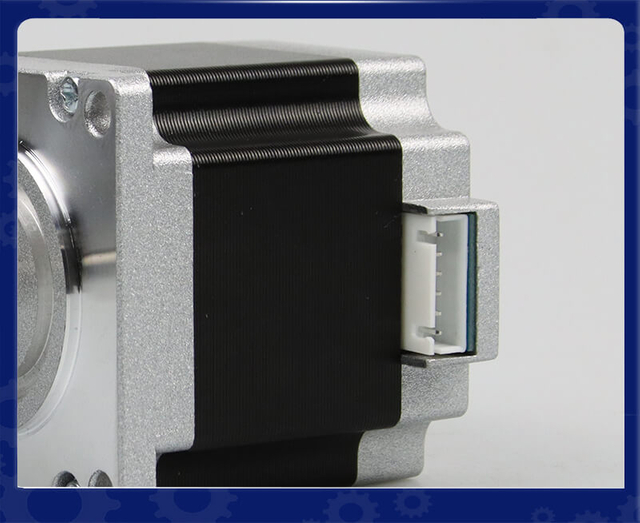
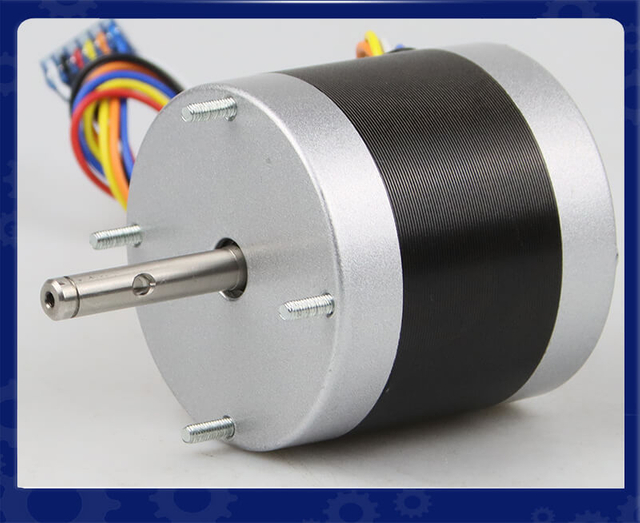
Product Overview:The IDC60 integrated BLDC servo motor from LeanMotor is a compact NEMA 24 solution combining motor, drive, and encoder in one unit. It provides precise closed-loop control, stable torque, and fast response. Its integrated design reduces wiring, saves space.
Key Technical Highlights
Integrated All-in-One Design Combines BLDC motor, servo drive, and encoder in a compact unit, reducing wiring complexity and improving installation efficiency.
High-Precision Closed-Loop Control Ensures accurate position, speed, and torque regulation with real-time feedback for stable and smooth motion performance.
Powerful Modular Customization (OEM/ODM) Supports flexible customization options, including voltage, torque, communication protocols, and encoder resolution to meet diverse application requirements.
High Efficiency & Compact Structure Delivers strong torque density with optimized thermal performance, making it ideal for space-limited automation and robotics systems.
Typical Applications
Pipeline Inspection Robots Provides stable low-speed torque and precise motion control for navigating narrow, curved, and complex pipeline environments.
Automated Guided Vehicles (AGVs) Ensures smooth acceleration, accurate positioning, and reliable operation in logistics and smart warehouse systems.
Robotic Automation Systems Ideal for robotic arms, grippers, and compact motion modules requiring high precision and fast response.
Smart Manufacturing Equipment Supports high-accuracy motion control in assembly lines, packaging machines, and precision industrial automation devices.
IDC60 Series Key Specifications for AGV Applications
Parameter
IDC60 Specification
Motor Type
Integrated BLDC Servo Motor
Frame Size
60mm
Power Range
200W / 400W
Rated Voltage
24V / 48V
Rated Speed
3000rpm
Rated Torque
0.63Nm / 1.27Nm
Encoder
17-bit Magnetic Encoder
Communication
Pulse / RS485 / CANopen
Optional Features
Gearbox, Brake, Cooling Fan
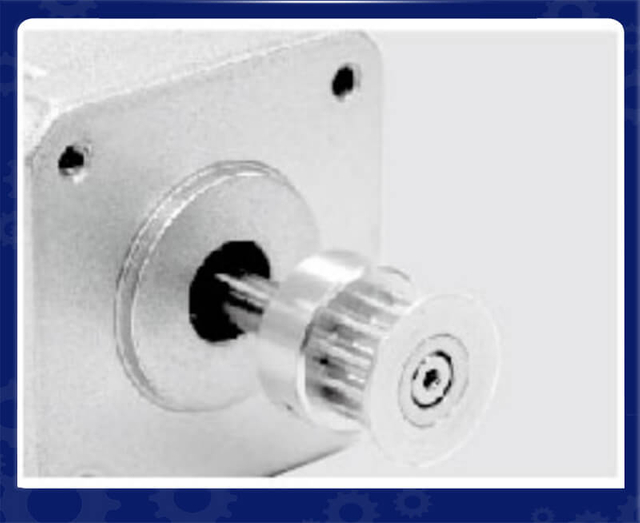
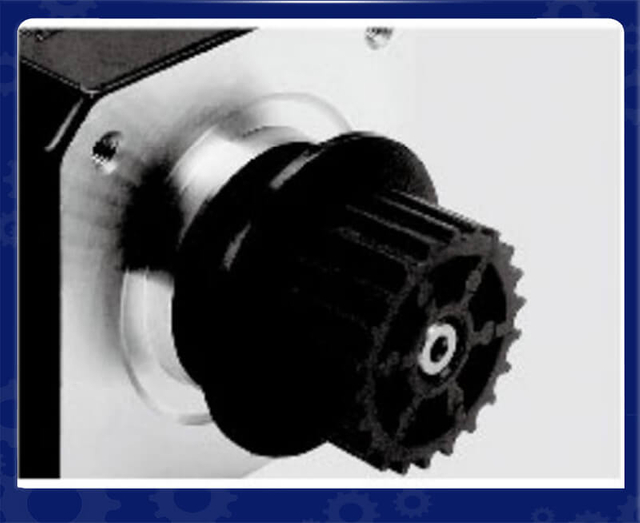
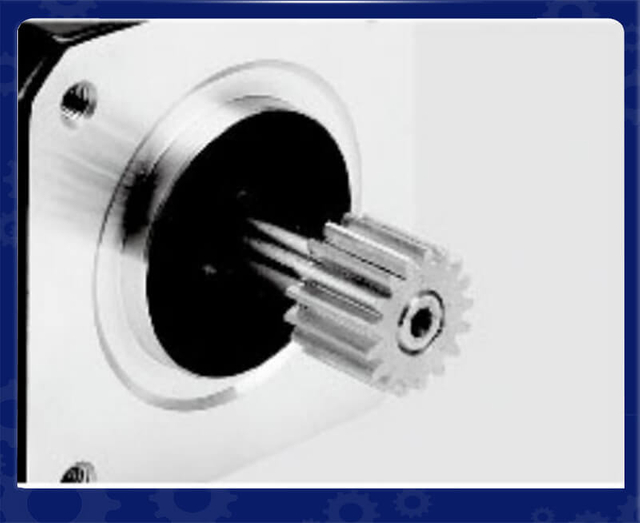
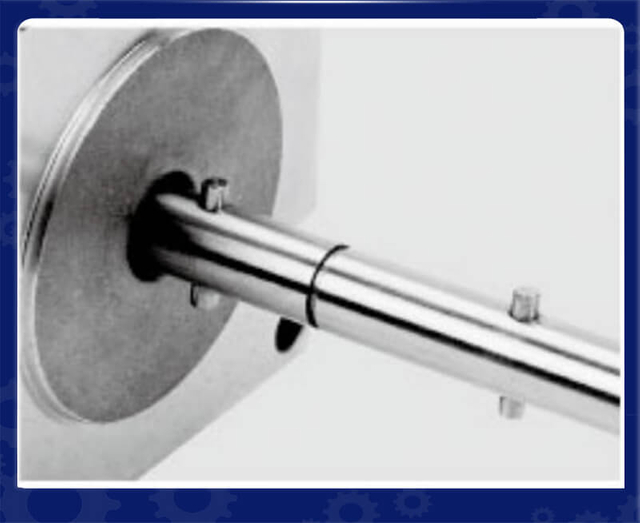
LEANMOTOR Customized Service
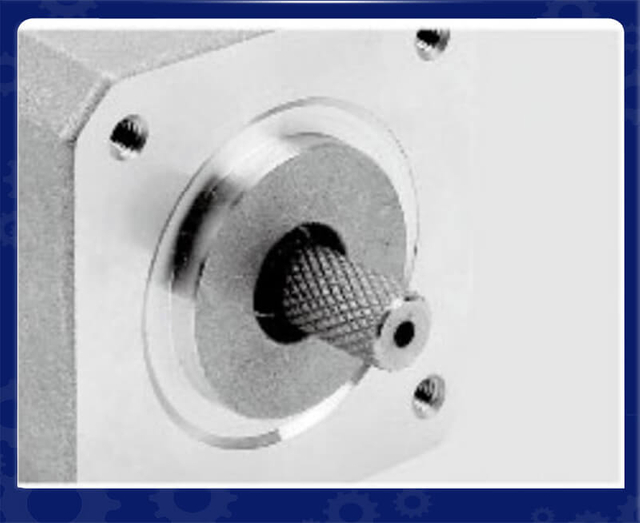
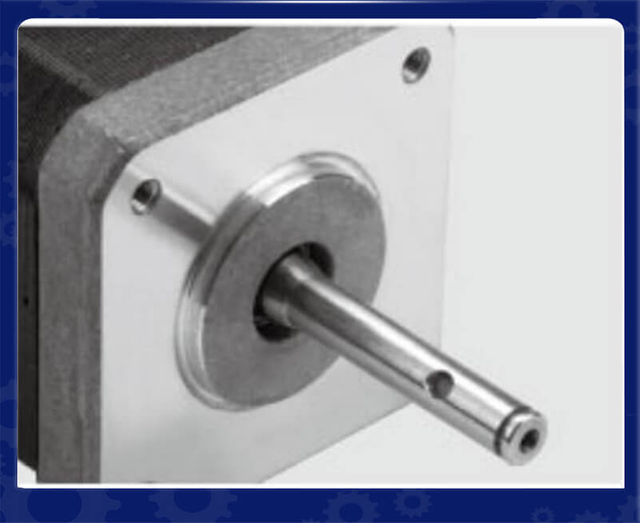
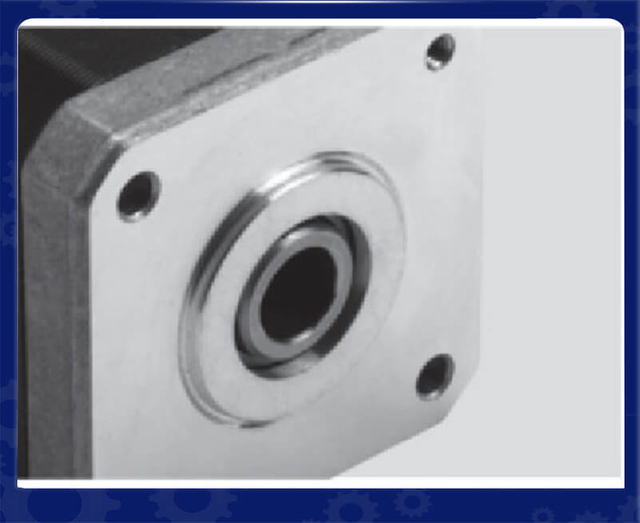
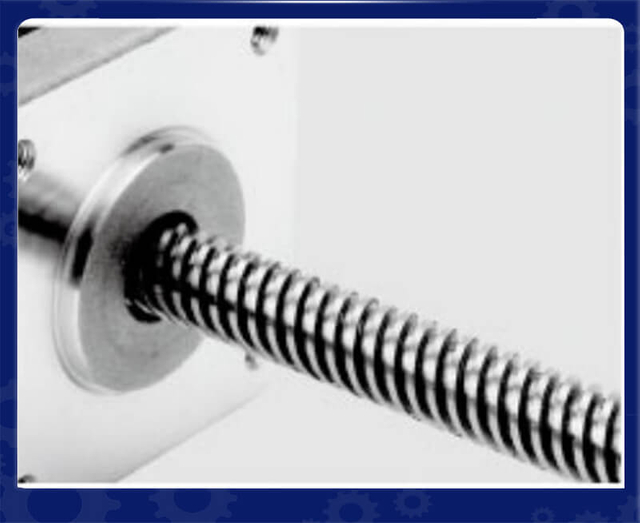
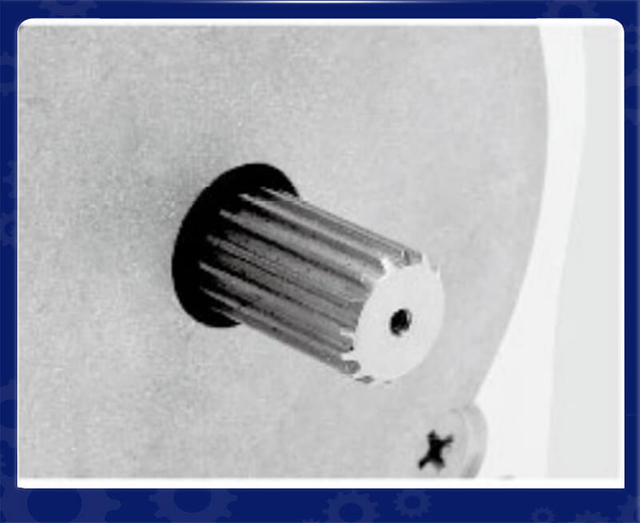
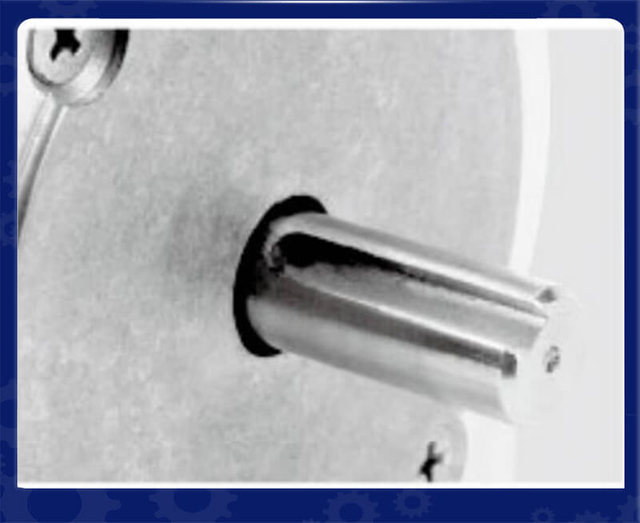
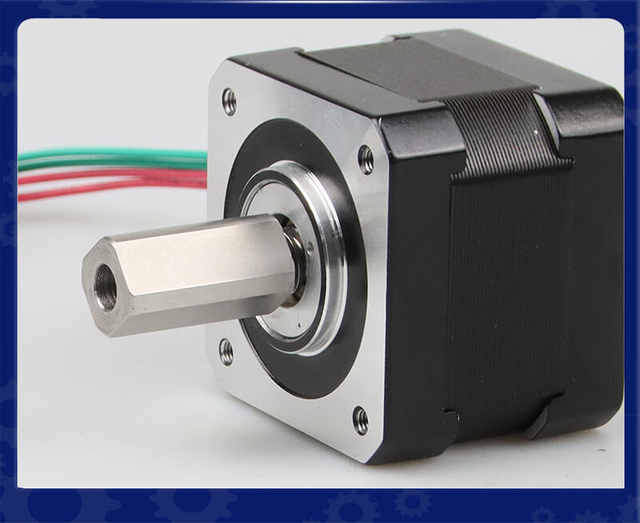
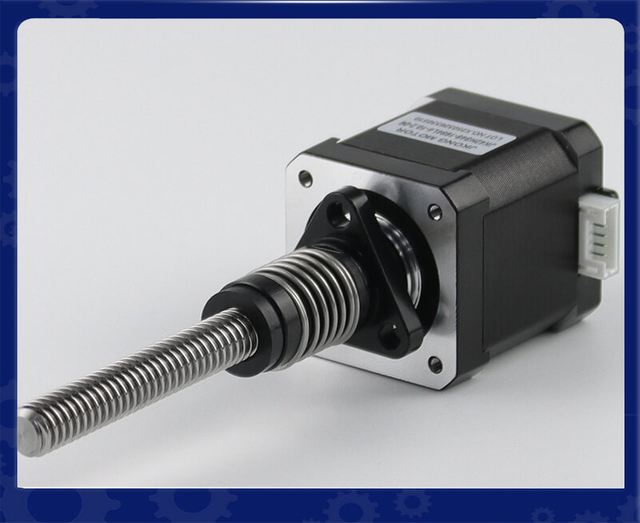
Customized Shaft Service
Metal Pulleys
Plastic Pulley
Gear
Shaft Pin
Threaded Shaft
Panel Mount
Hollow Shaft
Lead Screw
Panel Mount
Single Flat
Dual Flat
Key Shaft
Customized Motor Service
Cables
Covers
Shaft
Lead Screw Rod
Encoders
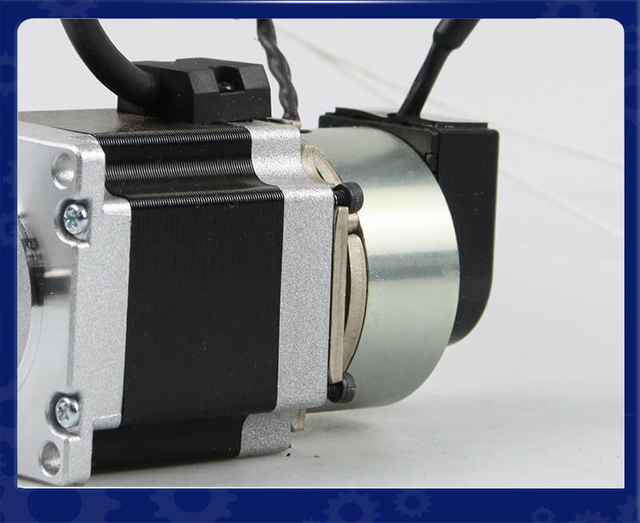
Brakes
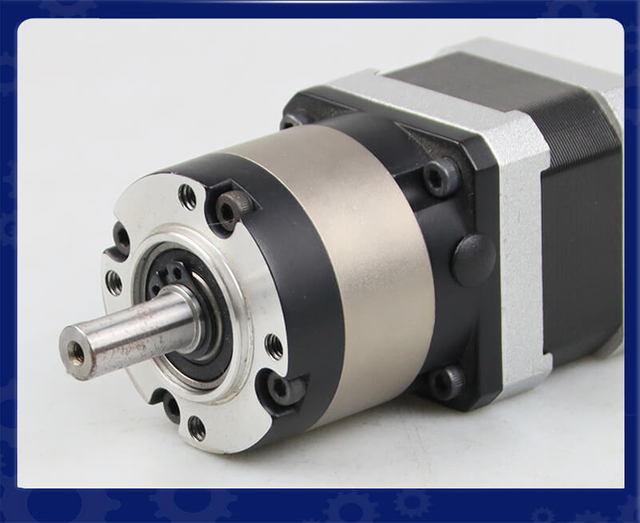
Gearboxes
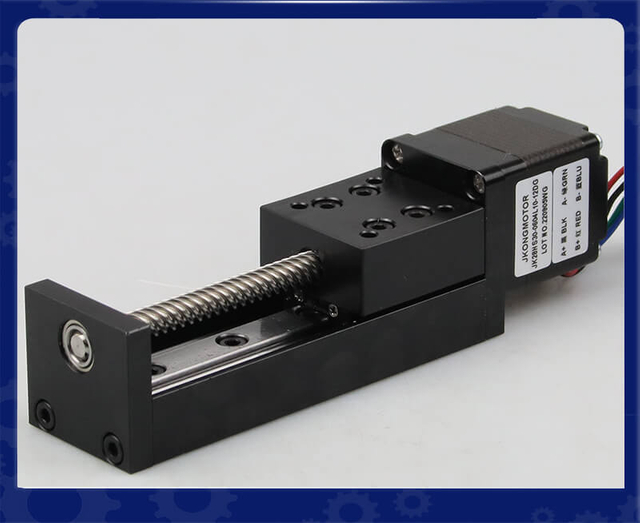
Linear Module
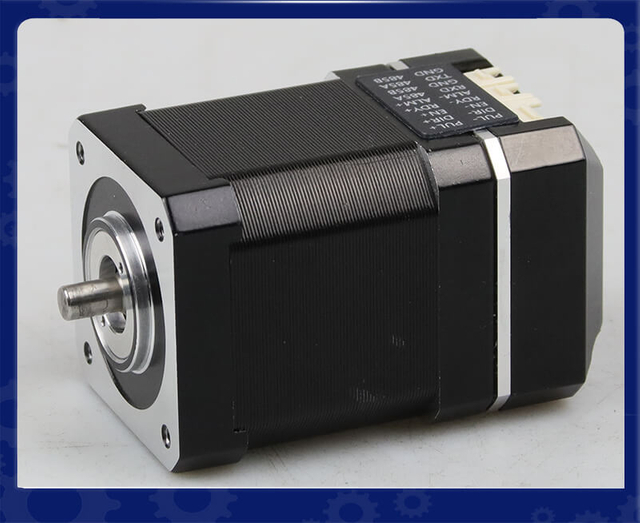
Integrated Drivers
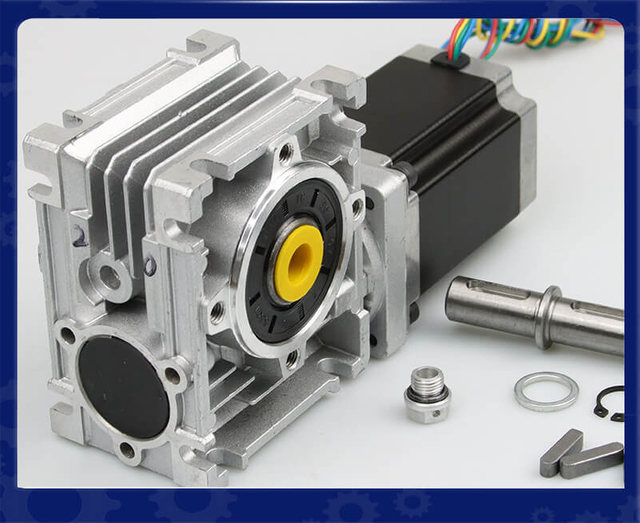
Worm Gearbox
Why Do Warehouse AGV Systems Need STO Functionality?
Modern warehouses increasingly rely on AGV (Automated Guided Vehicle) systems to improve logistics efficiency, reduce labor costs, and support intelligent automation. As AGVs operate in environments shared with workers, machines, and other equipment, safety control has become a critical requirement.
STO (Safe Torque Off) is an essential safety function in AGV motor systems. It prevents the motor from generating torque when a safety risk occurs, helping avoid unexpected movement and improving overall system reliability.
1. Prevent Unexpected AGV Movement
One of the biggest safety risks in warehouse AGV applications is uncontrolled or unexpected motion caused by:
Control system errors
Communication failures
Sensor malfunctions
Incorrect operation commands
With STO functionality, the AGV drive can immediately disable motor torque output. Even if the control system continues sending movement commands, the motor cannot produce driving force.
This helps ensure the AGV remains safely stopped until normal operating conditions are restored.
2. Improve Emergency Stop Performance
Traditional emergency stop methods often disconnect the entire power supply, which can cause:
Longer restart times
Loss of system communication
Increased component wear
STO provides a faster and more efficient solution by stopping motor torque generation while keeping the control system powered.
Benefits include:
Quick safety response
Fast system recovery
Reduced electrical stress
Improved equipment availability
3. Enhance Human-Robot Collaboration Safety
Warehouse AGVs often operate alongside workers. Safety functions are necessary to prevent accidents during human-machine interaction.
STO can work together with:
Safety scanners
Emergency stop buttons
Safety doors
Protective sensors
When a person enters a dangerous area, the safety controller can activate STO and immediately stop AGV movement, reducing the risk of collisions and injuries.
4. Support Functional Safety Standards
AGV manufacturers must meet international safety requirements. STO is commonly designed according to standards such as:
IEC 61800-5-2
ISO 13849-1
IEC 61508
By integrating STO into AGV servo motors and drives, manufacturers can achieve higher safety levels, including:
SIL 2 / SIL 3
PL d / PL e
This helps AGV systems meet industrial safety regulations worldwide.
5. Improve AGV System Reliability
STO improves not only safety but also system reliability. Unlike traditional power shutdown methods, STO does not require frequent power cycling.
Advantages include:
Longer service life of electrical components
Reduced maintenance requirements
Lower risk of system damage
Faster machine restart after safety events
6. Optimize Integrated AGV Servo Motor Design
Modern AGV systems increasingly use integrated servo motors that combine:
Motor
Drive
Encoder
Communication interface
STO safety function
An integrated STO servo motor reduces wiring complexity, saves installation space, and improves safety performance.
This makes it ideal for compact AGVs and AMRs used in smart warehouses.
Final
STO functionality is a key safety technology for warehouse AGV systems. It prevents unexpected motor torque, improves emergency stop response, supports human-machine collaboration, and helps AGVs meet international safety standards.
By integrating STO into AGV servo motors and drive systems, manufacturers can create safer, more reliable, and more efficient autonomous logistics solutions.
How STO Enhances AGV Emergency Stop Safety
Traditional emergency stop systems often rely on cutting power completely through contactors or relays. While effective, this approach has several disadvantages:
Longer restart procedures.
Increased mechanical wear.
Loss of communication functions.
Higher maintenance requirements.
STO provides a more advanced emergency stopping method.
When an emergency stop button, safety scanner, or protective sensor triggers an AGV safety event, the STO input can quickly disable motor torque without shutting down the entire system.
The benefits include:
Faster Safety Response
STO operates directly through the motor drive safety circuit, allowing rapid torque interruption. This reduces stopping time and minimizes potential collision distances.
Improved System Availability
Because power remains available to control electronics, the AGV can quickly resume operation after the safety condition is cleared.
Reduced Mechanical Stress
Unlike repeated power cycling, STO avoids unnecessary switching of main power components, extending the service life of electrical and mechanical parts.
STO and AGV Motor Safety During Human-Robot Collaboration
Modern warehouses increasingly use collaborative automation, where workers and AGVs share the same operating space. This requires advanced safety technologies capable of preventing dangerous interactions.
AGV motors equipped with STO functions provide a safer foundation for human-machine cooperation.
Common warehouse safety scenarios include:
Safety Door Protection
When maintenance personnel open a machine access door or enter an AGV charging area, STO can disable the motor torque to prevent accidental movement.
Safety Scanner Integration
Laser scanners and safety sensors continuously monitor AGV surroundings. If an obstacle or person enters the danger zone, the safety system can trigger STO to stop movement immediately.
Manual Operation Mode
During maintenance or manual positioning, STO provides additional protection by preventing unexpected motor activation.
The Role of STO in Integrated AGV Servo Motors
Modern AGV designs increasingly adopt integrated servo motors, which combine multiple components into a compact solution:
Servo motor
Servo drive
Encoder
Communication interface
Safety functions
An integrated AGV servo motor with STO provides several advantages compared with traditional motor and drive combinations.
Compact System Design
Traditional AGV drive systems require separate motors, controllers, and safety modules. Integrated servo motors reduce wiring complexity and save installation space.
Improved Safety Reliability
Because STO is built directly into the motor drive architecture, the safety signal path becomes shorter and more reliable.
Simplified Installation
Manufacturers can reduce:
Cable connections
Control cabinet size
Installation time
Potential wiring errors
This makes integrated STO servo motors particularly suitable for compact warehouse robots and autonomous mobile robots (AMRs).
STO Safety Standards for AGV Applications
STO functions are commonly designed according to international functional safety standards, including:
IEC 61800-5-2 – Functional safety requirements for adjustable speed electrical power drive systems
ISO 13849-1 – Safety-related parts of control systems
IEC 61508 – Functional safety of electrical/electronic systems
These standards define safety performance levels and requirements for industrial automation equipment.
Depending on the AGV application requirements, STO can help achieve safety ratings such as:
SIL 2 / SIL 3 (Safety Integrity Level)
PL d / PL e (Performance Level)
Meeting these standards allows AGV manufacturers to design safer systems for warehouses, manufacturing facilities, and logistics centers worldwide.
STO Compared With Traditional Motor Stopping Methods
Different stopping methods provide different levels of safety and control.
Stopping Method
Working Principle
Safety Performance
AGV Suitability
Power Disconnect
Cuts all electrical power
Basic safety
Limited
Mechanical Brake
Physically locks movement
Holding function
Used with STO
Controlled Stop
Decelerates through software
Depends on control system
Suitable for normal stopping
STO
Removes motor torque generation
High functional safety
Ideal for emergency safety
STO is not designed to replace mechanical brakes completely. Instead, it works together with brakes, encoders, and safety controllers to create a complete AGV safety system.
For example:
STO stops torque generation.
Mechanical brakes hold the load when required.
Encoders provide position feedback.
Safety controllers manage system logic.
Together, these technologies create a reliable safety architecture.
Benefits of STO for Warehouse AGV Manufacturers
For warehouse AGV manufacturers, integrating STO (Safe Torque Off) functionality into motor and drive systems provides significant advantages in safety, reliability, and product competitiveness. As AGV applications become more advanced, STO has become an important feature for developing safer and smarter autonomous mobile robots.
1. Enhanced AGV Safety Performance
STO improves AGV system safety by preventing the motor from generating torque during emergency situations.
When a safety event occurs, such as obstacle detection, emergency stop activation, or unauthorized access, STO quickly disables motor torque to prevent unexpected movement.
Key benefits include:
Reduced risk of collisions and accidents
Improved operator protection
Safer human-machine collaboration
More reliable emergency response
2. Easier Compliance with Safety Standards
Modern AGV systems must comply with international functional safety standards, including:
IEC 61800-5-2
ISO 13849-1
IEC 61508
By using motors and drives with built-in STO functionality, AGV manufacturers can simplify safety design and improve compliance with requirements such as:
SIL 2 / SIL 3
PL d / PL e
This helps AGV products enter global markets more easily.
3. Reduced System Complexity
Traditional AGV safety designs often require additional safety relays, contactors, and external components.
Integrated STO solutions reduce system complexity by combining safety functions directly into the motor drive.
Benefits include:
Fewer electrical components
Reduced wiring requirements
Smaller control cabinets
Easier installation and maintenance
4. Improved Product Reliability
STO avoids frequent power disconnection during safety stops, reducing stress on electrical components.
This helps AGV manufacturers achieve:
Longer equipment lifetime
Lower maintenance costs
Higher system availability
More stable operation
5. Increased Market Competitiveness
Customers increasingly require AGVs with advanced safety functions for warehouses, factories, and logistics centers.
AGV manufacturers that provide STO-enabled motor systems can offer:
Higher safety standards
Better automation performance
More reliable operation
Stronger product differentiation
STO becomes an important selling point for competing in the intelligent automation market.
6. Better Integration with Advanced AGV Technologies
STO can be combined with modern AGV technologies, including:
Integrated servo motors
EtherCAT communication
CANopen networks
Safety controllers
AMR navigation systems
This enables manufacturers to develop compact, intelligent, and highly reliable AGV solutions for next-generation warehouses.
Summary
STO functionality provides warehouse AGV manufacturers with safer designs, easier certification, improved reliability, and stronger market advantages. By integrating STO into AGV servo motors and drive systems, manufacturers can deliver advanced autonomous robots that meet the growing demand for safe and efficient industrial automation.
Future Development of STO in Intelligent AGV Systems
As warehouses move toward Industry 4.0 and fully autonomous logistics, AGV safety requirements will continue to increase.
Future AGV motor systems will combine STO with advanced technologies such as:
Functional safety communication networks
EtherCAT Safety
CANopen Safety
AI-based obstacle detection
Real-time motion monitoring
Predictive maintenance systems
The combination of intelligent control and safety functions will allow AGVs to operate faster while maintaining high safety standards.
Integrated servo motors with STO capability will become an essential component of next-generation autonomous mobile robots.
Conclusion: STO Is a Key Safety Technology for Warehouse AGV Systems
Safe Torque Off (STO) plays an essential role in improving the safety, reliability, and efficiency of modern warehouse AGV systems. By preventing motors from generating unexpected torque while maintaining system communication and control functions, STO provides a faster and more reliable safety solution than traditional power-disconnection methods.
For AGVs operating in complex warehouse environments, STO helps prevent unexpected movement, supports human-machine collaboration, improves compliance with international safety standards, and increases overall system reliability.
As automation continues to expand, AGV manufacturers that integrate STO-enabled servo motors, intelligent drives, and advanced safety functions will be better positioned to meet the growing demand for safer and smarter logistics solutions.
FAQ
1. What is STO in an AGV system?
STO (Safe Torque Off) is a functional safety feature that disables the torque output of an AGV motor when a safety risk occurs. It prevents the motor from generating movement while keeping the drive electronics powered, allowing faster recovery and safer operation.
2. Why do warehouse AGV systems need STO functionality?
Warehouse AGV systems require STO to prevent unexpected movement caused by control errors, communication failures, or safety events. STO provides a reliable method to stop motor torque immediately, reducing the risk of collisions and improving operator safety.
3. How does STO improve AGV safety performance?
STO improves AGV safety by interrupting the motor’s torque generation when triggered by safety devices such as emergency stop buttons, safety scanners, or safety controllers. This prevents unintended AGV movement and creates a safer working environment.
4. Does STO completely cut power to an AGV motor?
No. STO does not disconnect the main power supply. Instead, it disables the motor’s ability to generate torque while keeping the control system and communication functions active. This allows faster restart and reduces system downtime.
5. What is the difference between STO and an emergency stop function?
An emergency stop function is a complete safety action that stops hazardous motion, while STO is the specific motor safety function that removes torque generation. In AGV systems, emergency stop devices often activate STO to achieve a fast and reliable stop.
6. Can STO improve human-robot collaboration in warehouses?
Yes. STO improves human-robot collaboration by allowing AGVs to safely stop when workers enter restricted areas. It can be integrated with safety scanners, protective sensors, and safety controllers to reduce the risk of accidents.
7. What safety standards support STO functionality in AGV systems?
STO is commonly designed according to international functional safety standards, including:
IEC 61800-5-2
ISO 13849-1
IEC 61508
These standards define requirements for safety performance levels such as SIL 2/SIL 3 and PL d/PL e.
8. What are the benefits of STO-enabled servo motors for AGVs?
STO-enabled servo motors provide several advantages, including:
Improved functional safety
Reduced wiring complexity
Faster emergency response
Lower maintenance requirements
Easier compliance with safety regulations
They are widely used in modern AGV and AMR applications.
9. Can STO work with AGV brakes and encoders?
Yes. STO is usually combined with other safety components such as mechanical brakes and encoders. STO removes motor torque, while brakes help hold the load and encoders provide accurate position feedback for reliable AGV operation.
10. Why should AGV manufacturers choose motors with built-in STO?
AGV motors with built-in STO simplify system design, reduce external safety components, and improve overall reliability. They help manufacturers develop safer, more compact, and more competitive AGV solutions for smart warehouses.