How To Solve AGV Motor Noise And Vibration Problems?
Views: 0 Author: Site Editor Publish Time: 2026-08-04 Origin: Site
Automated Guided Vehicles (AGVs) are widely used in smart factories, warehouses, logistics centers, and industrial automation systems. As AGV applications continue to expand, requirements for stable operation, low noise, high positioning accuracy, and long service life are becoming increasingly important.
Among various AGV performance issues, motor noise and vibration problems are two of the most common challenges affecting reliability and user experience. Excessive vibration can reduce navigation accuracy, accelerate mechanical wear, damage electronic components, and shorten the service life of the AGV drive system. Abnormal motor noise may indicate problems related to motor design, installation, control parameters, transmission systems, or operating conditions.
Understanding the causes and solutions of AGV motor noise and vibration is essential for selecting the right motor, optimizing system design, and ensuring efficient long-term operation.
Common Causes of AGV Motor Noise and Vibration Problems
AGV motor noise and vibration usually result from a combination of electrical, mechanical, and control-related factors. Identifying the root cause is the first step toward effective troubleshooting.
1. Motor Mechanical Imbalance
Mechanical imbalance is one of the most common reasons for AGV motor vibration.
During operation, the motor rotor rotates at high speed. If the rotor mass distribution is uneven, centrifugal force will generate periodic vibration. This problem becomes more noticeable when the AGV operates at higher speeds or carries heavier loads.
Common causes include:
Unbalanced motor rotor
Uneven magnet installation inside the rotor
Shaft deformation
Poor manufacturing tolerance
Incorrect assembly between motor and gearbox
A high-quality BLDC motor or servo motor for AGV applications should maintain precise rotor balance to minimize vibration and improve operational stability.
Solution
To reduce mechanical imbalance:
Select motors with strict dynamic balancing standards
Check rotor balance during motor manufacturing
Inspect shaft straightness and bearing alignment
Avoid excessive mechanical loads on the motor shaft
Perform regular maintenance inspections
2. Improper Motor and Gearbox Matching
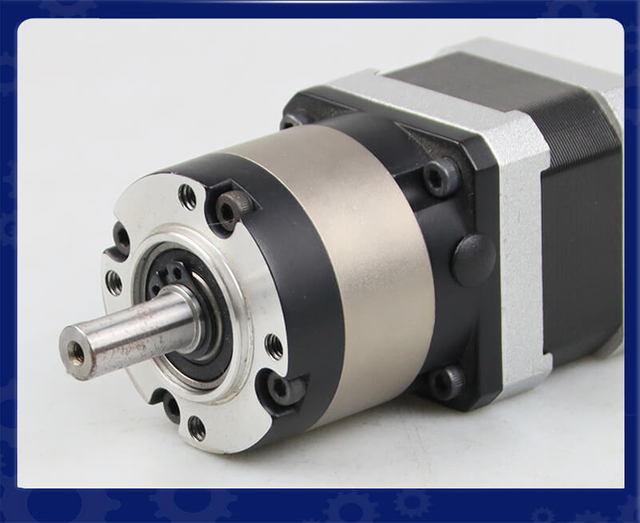
Many AGVs use gear motors or geared servo motors to achieve higher torque and lower operating speed. However, an improper match between the motor and gearbox can lead to excessive noise, vibration, and reduced efficiency.
Common causes include:
Incorrect gear ratio selection
Excessive gear backlash
Poor gearbox precision
Insufficient lubrication
Gear wear caused by overload
When the motor and gearbox are not properly matched, the system may experience unstable acceleration, increased mechanical stress, and abnormal operating noise.
Solutions
To reduce AGV motor noise and vibration:
Select the correct gear ratio and torque capacity according to AGV load requirements
Ensure the gearbox has suitable precision and durability
Maintain proper lubrication
Avoid continuous operation under overload conditions
Use a well-matched AGV geared motor or servo motor system
A properly selected motor and gearbox combination can improve AGV driving stability, reduce vibration, and extend system service life.
3. Incorrect Motor Installation and Alignment
Even a high-performance AGV motor can generate vibration if it is installed incorrectly.
Common installation problems include:
Motor shaft misalignment
Loose mounting screws
Incorrect wheel installation
Uneven mounting surface
Excessive coupling stress
Misalignment creates additional radial and axial forces on the motor shaft and bearings, leading to increased vibration and abnormal noise.
Solution
To improve installation accuracy:
Ensure the motor mounting surface is flat
Tighten all fixing bolts according to recommended torque
Check wheel and shaft alignment
Use precision couplings when required
Verify mechanical clearance after installation
Proper installation is especially important for AGV differential drive systems, where small mechanical errors can affect both movement accuracy and vibration performance.
4. Bearing Wear or Bearing Quality Issues
Bearings directly affect AGV motor smoothness. Since AGVs often operate continuously in industrial environments, bearing performance plays an important role in system reliability.
Possible bearing-related problems include:
Bearing wear
Lack of lubrication
Contamination from dust or particles
Excessive bearing clearance
Bearing damage caused by overload
A damaged bearing often produces:
Grinding noise
Periodic vibration
Increased motor temperature
Reduced rotation accuracy
Solution
To prevent bearing-related vibration:
Use high-quality industrial bearings
Select bearings according to load requirements
Maintain proper lubrication
Protect motors from dust and moisture
Replace damaged bearings promptly
For AGVs operating 24/7, selecting motors with durable bearing structures is critical.
5. Incorrect Motor Control Parameters
Modern AGVs typically use BLDC motors, servo motors, or integrated servo motors controlled by advanced drive systems. Incorrect controller settings can cause electrical vibration and audible noise.
Common control-related causes include:
Incorrect PID parameters
Poor speed loop tuning
Incorrect current control settings
Encoder feedback errors
Improper acceleration and deceleration curves
When the control system continuously compensates for unstable feedback, the motor may experience oscillation, producing vibration and noise.
Solution
Optimize motor control parameters:
Adjust PID gains properly
Verify encoder signal accuracy
Optimize acceleration and braking profiles
Match motor parameters with the controller
Use advanced motion control algorithms
For high-precision AGV applications, servo motors with encoder feedback provide better control accuracy and smoother operation compared with open-loop systems.
6. Electrical Noise Caused by Motor Drive Systems
AGV motor noise is not always mechanical. Electrical factors can also create abnormal sounds and vibration.
Potential electrical causes include:
Electromagnetic torque fluctuation
Poor PWM frequency selection
Insufficient motor current control
Harmonic interference
Incorrect commutation timing
BLDC motors rely on electronic commutation. If the commutation process is not optimized, torque ripple may occur, causing vibration at certain speeds.
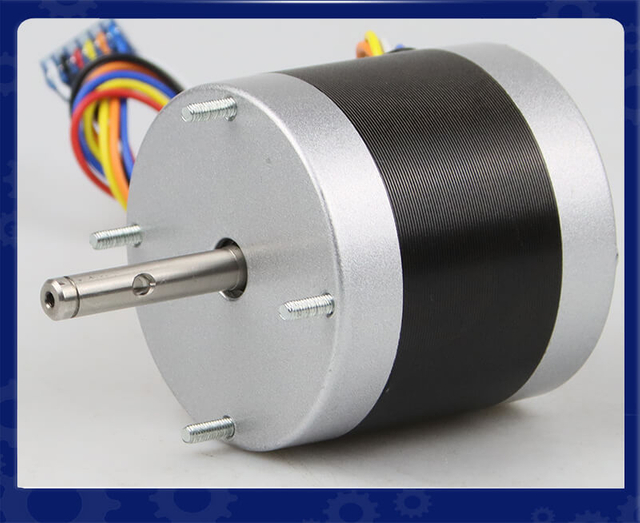
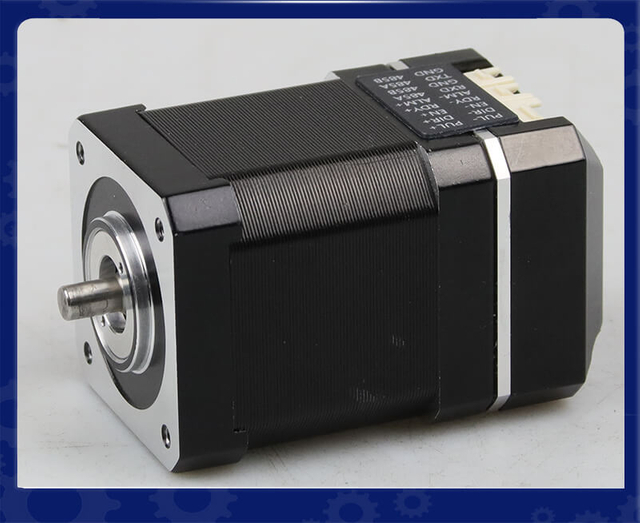
IDC60 Integrated BLDC Servo Motor — High-Efficiency, Compact, and Smart Closed-Loop Motion Control Solution
Product Overview:The IDC60 integrated BLDC servo motor from LeanMotor is a compact NEMA 24 solution combining motor, drive, and encoder in one unit. It provides precise closed-loop control, stable torque, and fast response. Its integrated design reduces wiring, saves space.
Key Technical Highlights
Integrated All-in-One Design Combines BLDC motor, servo drive, and encoder in a compact unit, reducing wiring complexity and improving installation efficiency.
High-Precision Closed-Loop Control Ensures accurate position, speed, and torque regulation with real-time feedback for stable and smooth motion performance.
Powerful Modular Customization (OEM/ODM) Supports flexible customization options, including voltage, torque, communication protocols, and encoder resolution to meet diverse application requirements.
High Efficiency & Compact Structure Delivers strong torque density with optimized thermal performance, making it ideal for space-limited automation and robotics systems.
Typical Applications
Pipeline Inspection Robots Provides stable low-speed torque and precise motion control for navigating narrow, curved, and complex pipeline environments.
Automated Guided Vehicles (AGVs) Ensures smooth acceleration, accurate positioning, and reliable operation in logistics and smart warehouse systems.
Robotic Automation Systems Ideal for robotic arms, grippers, and compact motion modules requiring high precision and fast response.
Smart Manufacturing Equipment Supports high-accuracy motion control in assembly lines, packaging machines, and precision industrial automation devices.
IDC60 Series Key Specifications for AGV Applications
Parameter
IDC60 Specification
Motor Type
Integrated BLDC Servo Motor
Frame Size
60mm
Power Range
200W / 400W
Rated Voltage
24V / 48V
Rated Speed
3000rpm
Rated Torque
0.63Nm / 1.27Nm
Encoder
17-bit Magnetic Encoder
Communication
Pulse / RS485 / CANopen
Optional Features
Gearbox, Brake, Cooling Fan
LEANMOTOR Customized Service
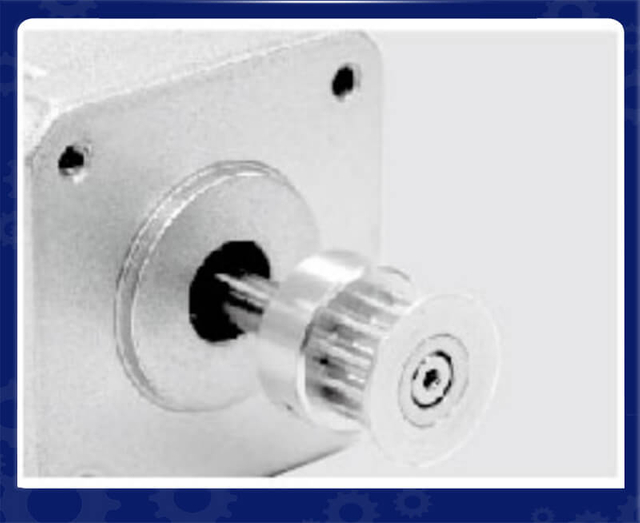
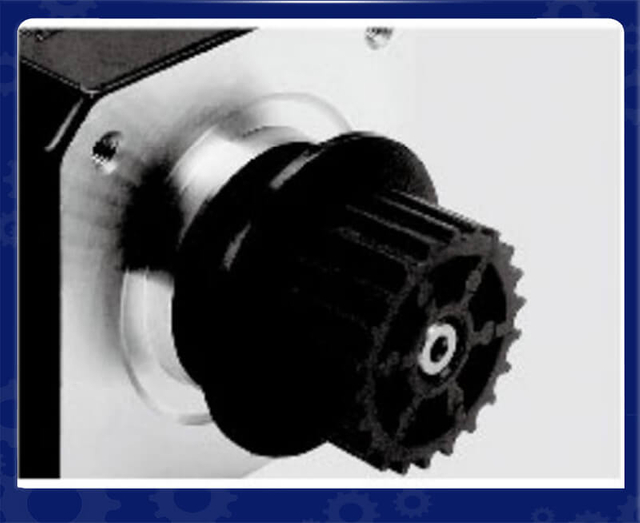
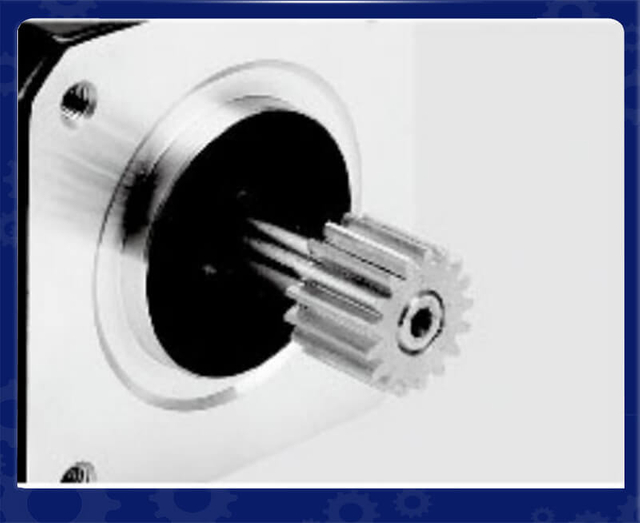
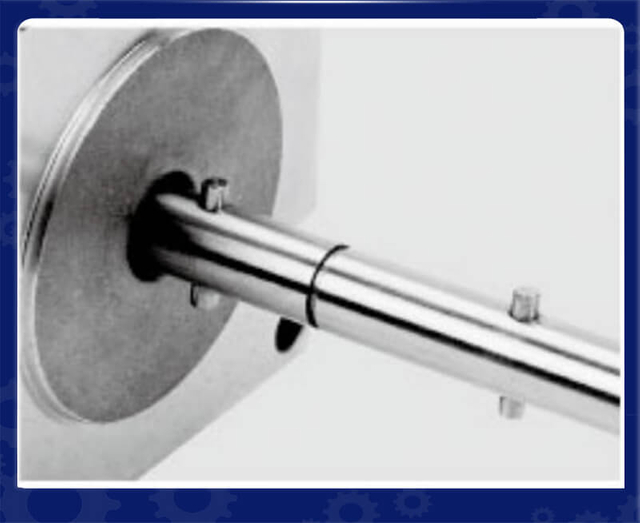
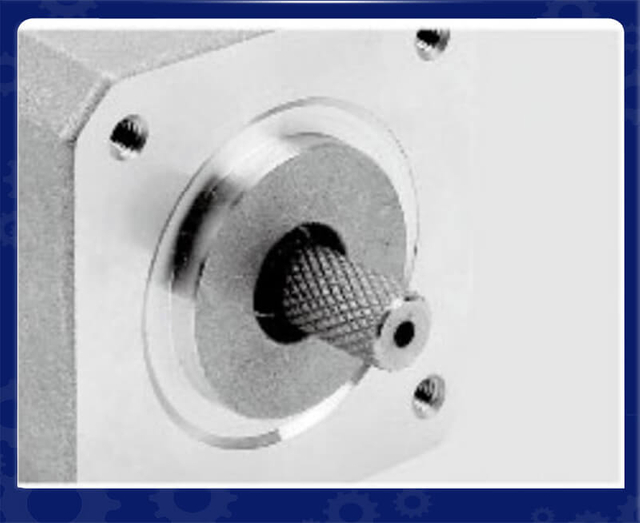
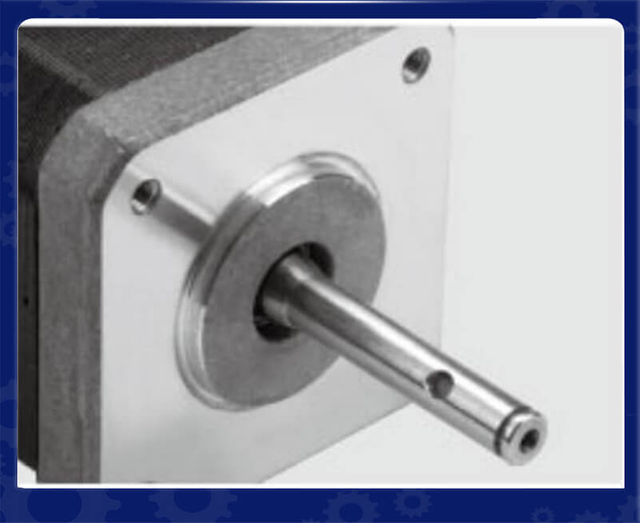
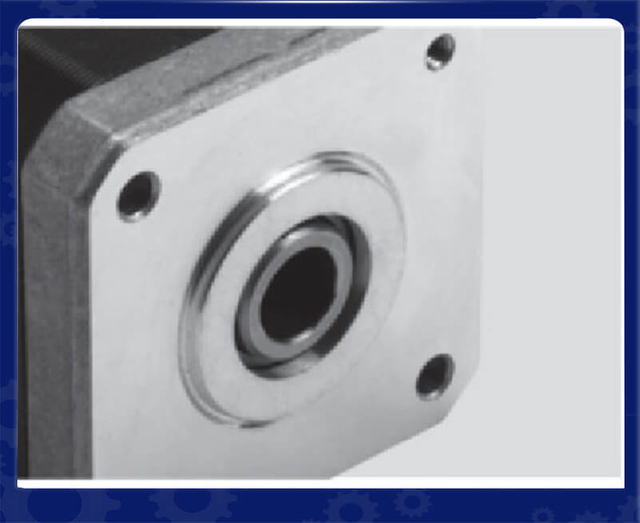
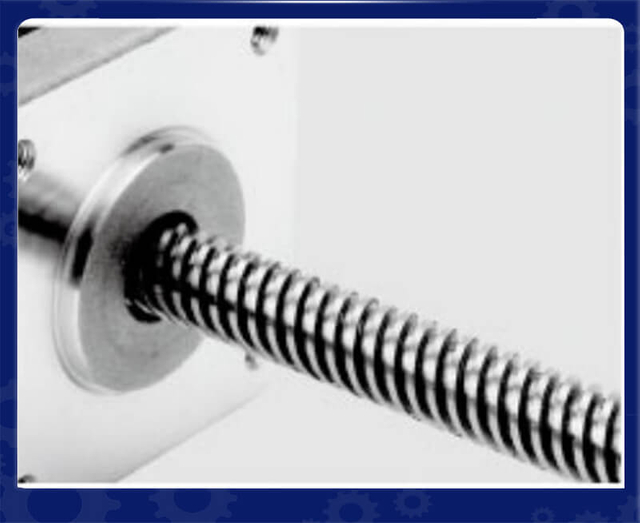
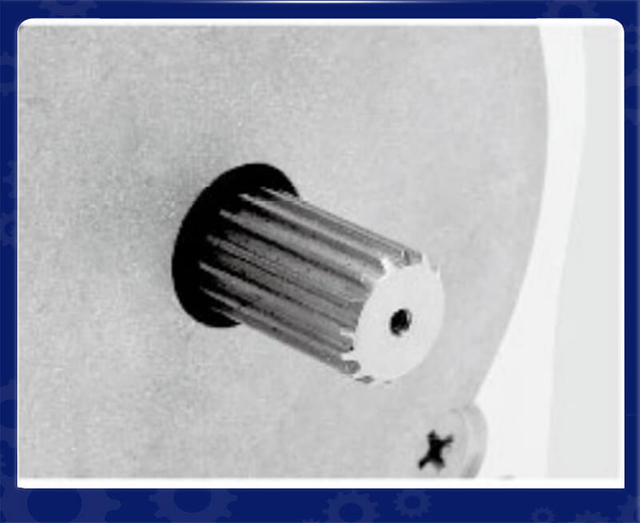
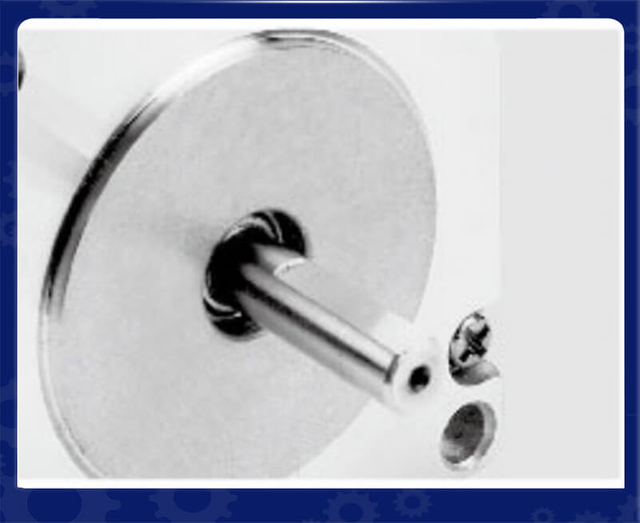
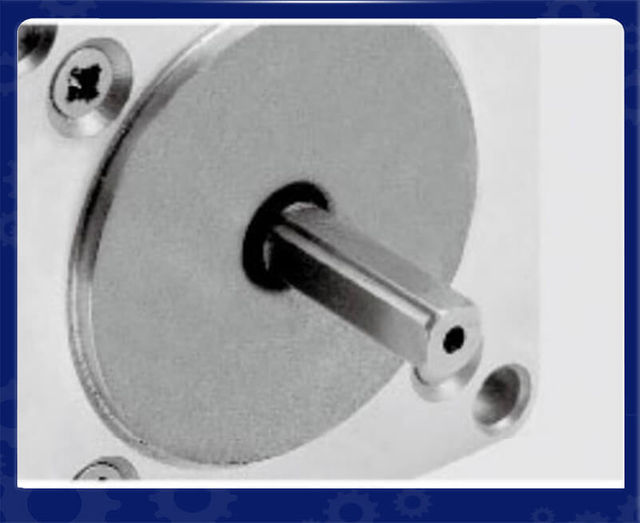
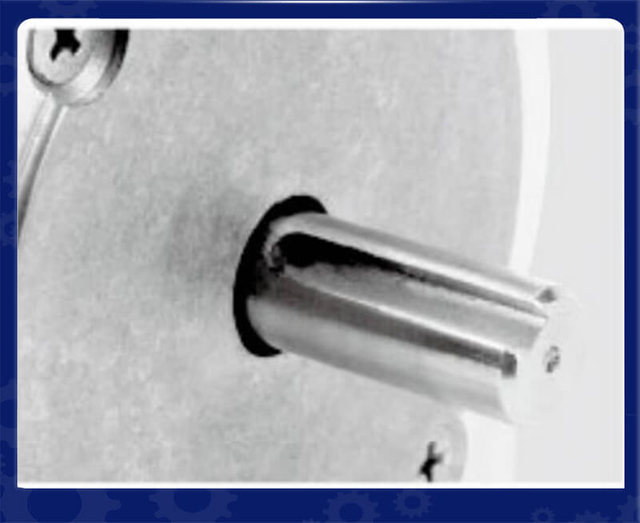
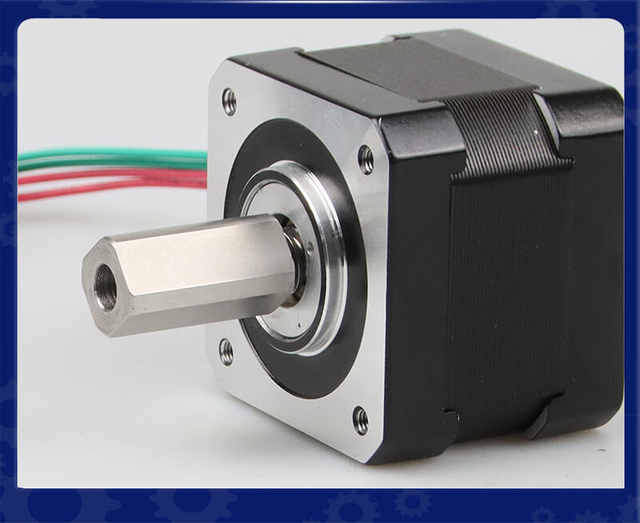
Customized Shaft Service
Metal Pulleys
Plastic Pulley
Gear
Shaft Pin
Threaded Shaft
Panel Mount
Hollow Shaft
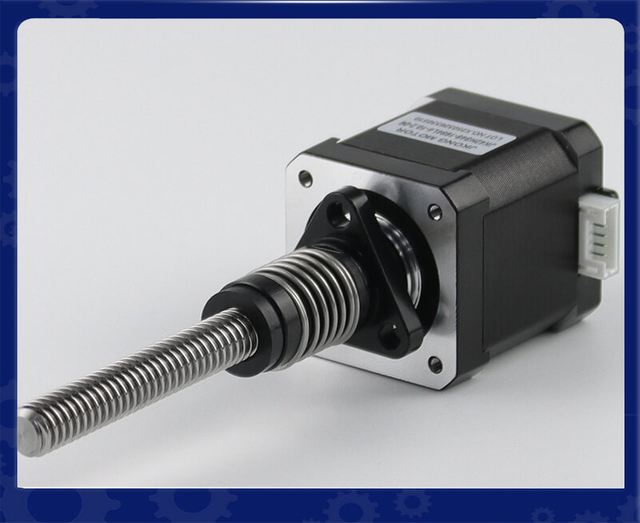
Lead Screw
Panel Mount
Single Flat
Dual Flat
Key Shaft
Customized Motor Service
Cables
Covers
Shaft
Lead Screw Rod
Encoders
Brakes
Gearboxes
Linear Module
Integrated Drivers
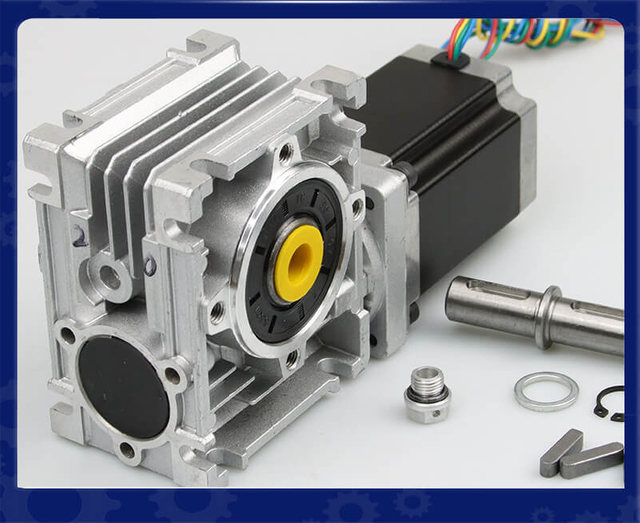
Worm Gearbox
How to Diagnose AGV Motor Noise and Vibration Problems
A systematic diagnostic process can quickly identify the source of the problem.
Step 1: Identify the Noise Type
Different sounds indicate different issues:
Noise Type
Possible Cause
High-frequency whine
PWM frequency or electrical noise
Grinding sound
Bearing damage
Clicking sound
Gearbox problem
Low-frequency vibration
Mechanical imbalance
Sudden impact noise
Loose components
Understanding the sound characteristics helps narrow down possible causes.
Step 2: Check Mechanical Components
Inspect:
Motor mounting structure
Wheels
Gearbox
Couplings
Bearings
Fasteners
Loose or damaged components should be repaired immediately.
Step 3: Analyze Motor Operating Data
Modern AGV systems can monitor:
Motor current
Speed feedback
Temperature
Encoder signals
Error codes
Abnormal current fluctuations often indicate overload, control problems, or mechanical resistance.
How to Reduce AGV Motor Noise and Vibration During Design
Reducing AGV motor noise and vibration at the design stage is more effective than solving problems after installation. A well-designed AGV drive system should consider motor selection, mechanical structure, transmission components, and control performance to achieve smooth, quiet, and reliable operation.
1. Select a Low-Noise AGV Motor
Choosing the right motor is the first step in reducing vibration and noise. AGV applications should use motors with:
Low torque ripple design
High-precision rotor balancing
High-quality bearings
Optimized electromagnetic structure
Low cogging torque
High protection rating
BLDC motors and servo motors with optimized electromagnetic performance can provide smoother rotation and lower operating noise.
2. Optimize Motor and Gearbox Matching
A properly matched AGV motor and gearbox can significantly reduce mechanical vibration.
During design, consider:
Required output torque
Vehicle load capacity
Driving speed
Acceleration and braking requirements
Gearbox precision and backlash
An unsuitable gearbox ratio or insufficient torque capacity may cause unstable operation, gear noise, and excessive mechanical stress.
3. Improve Mechanical Structure Design
The AGV mechanical structure directly affects motor vibration performance.
Design improvements include:
Increasing mounting rigidity
Reducing shaft misalignment
Using precision mechanical components
Ensuring proper wheel alignment
Minimizing unnecessary mechanical clearance
A stable mechanical structure helps reduce resonance and improves driving accuracy.
4. Optimize Motor Control Parameters
Modern AGVs rely on electronic control systems to achieve precise motion. Incorrect control parameters can create motor oscillation and vibration.
To improve performance:
Adjust PID parameters properly
Optimize acceleration and deceleration curves
Ensure accurate encoder feedback
Use advanced current control algorithms
Servo motors with encoder feedback can provide better speed regulation and smoother operation compared with traditional open-loop systems.
5. Select Suitable Communication Protocols
Stable communication between the motor controller and AGV control system is important for smooth operation.
Common industrial communication protocols include:
CANopen
EtherCAT
RS485
Modbus
Fast and reliable communication helps reduce control delays, positioning errors, and unnecessary motor vibration.
6. Reduce Structural Resonance
Mechanical resonance can amplify small vibrations into noticeable noise.
During design, engineers should:
Analyze natural frequencies of the structure
Avoid operating near resonance points
Add vibration damping materials when necessary
Optimize chassis and motor mounting designs
This helps improve AGV stability, especially during high-speed movement or heavy-load operation.
By selecting the right AGV motor, gearbox, control system, and mechanical structure, manufacturers can effectively reduce motor noise and vibration, improve vehicle reliability, and achieve smoother performance in automated logistics and industrial environments.
Maintenance Tips to Prevent AGV Motor Noise and Vibration
Regular maintenance is essential to keep AGV motors operating smoothly and prevent excessive noise and vibration. Proper inspection and preventive maintenance can help identify early problems, reduce downtime, and extend the service life of the motor system.
1. Regularly Check Motor and Gearbox Components
Inspect key mechanical components, including:
Motor mounting screws
Gearbox connections
Drive wheels
Couplings
Bearings
Loose components or worn parts can increase vibration and create abnormal operating noise.
2. Monitor Motor Temperature and Operating Conditions
Abnormal temperature increases may indicate motor overload, bearing wear, or poor ventilation.
Regularly monitor:
Motor temperature
Operating current
Load conditions
Running speed
Keeping the motor within its rated operating range helps prevent performance issues.
3. Maintain Proper Gearbox Lubrication
For AGVs equipped with geared motors, insufficient lubrication can cause:
Gear wear
Increased friction
Higher noise levels
Reduced efficiency
Regularly check lubricant levels and replace lubricants according to the manufacturer’s recommendations.
4. Inspect Bearings and Moving Parts
Damaged or worn bearings are common causes of AGV motor vibration.
Maintenance should include:
Checking bearing noise
Inspecting rotation smoothness
Replacing worn bearings
Preventing dust and contamination
High-quality bearings help maintain stable motor operation.
5. Check Motor Alignment and Wheel Condition
Incorrect alignment between the motor, gearbox, and wheels can create additional mechanical stress.
Regular inspections should verify:
Wheel alignment
Shaft alignment
Mounting accuracy
Wheel wear condition
Proper alignment improves driving stability and reduces vibration.
6. Monitor Motor Control System
Electrical and control issues can also cause motor vibration.
Check:
Encoder feedback signals
Motor driver status
Communication connections
Control parameters
Stable control performance ensures smooth acceleration, braking, and positioning.
7. Use Predictive Maintenance Methods
Modern AGV systems can use sensors and monitoring software to detect early problems.
Useful monitoring data includes:
Vibration levels
Motor current changes
Temperature variations
Error alarms
Predictive maintenance helps prevent unexpected failures and improves AGV reliability.
Proper maintenance of the AGV motor, gearbox, bearings, and control system can significantly reduce noise and vibration problems, ensuring long-term stable operation in automated warehouses and industrial environments.
Conclusion
AGV motor noise and vibration problems are usually caused by a combination of mechanical design, motor selection, installation accuracy, gearbox matching, and control system optimization.
The most effective solutions include selecting the correct AGV motor, improving mechanical alignment, optimizing motor control parameters, maintaining transmission components, and using advanced servo control technology.
By understanding the causes of vibration and noise, manufacturers can improve AGV reliability, reduce maintenance costs, and achieve smoother operation in modern automated logistics and manufacturing environments.
FAQ:
1. Why does an AGV motor produce abnormal noise during operation?
AGV motors may produce abnormal noise due to several factors, including mechanical imbalance, bearing wear, gearbox problems, improper installation, electrical interference, or incorrect motor control parameters. Identifying the noise type and checking the motor, gearbox, and control system can help determine the root cause.
2. What are the main causes of AGV motor vibration?
The main causes of AGV motor vibration include rotor imbalance, shaft misalignment, loose mounting parts, damaged bearings, improper gearbox matching, overload operation, and unstable motor control parameters. Proper motor selection, installation, and maintenance can effectively reduce vibration.
3. How can I reduce noise from an AGV geared motor?
To reduce noise from an AGV geared motor, ensure proper motor and gearbox matching, select a suitable gear ratio, maintain sufficient lubrication, reduce gear backlash, and regularly inspect gearbox components. High-precision gearboxes can significantly improve AGV operating smoothness.
4. Can incorrect motor selection cause AGV vibration problems?
Yes. Selecting an AGV motor with insufficient torque, unsuitable speed, or incorrect load capacity can cause unstable operation and increased vibration. The motor should be selected based on AGV weight, acceleration requirements, driving speed, working environment, and duty cycle.
5. How does gearbox quality affect AGV motor noise and vibration?
The gearbox directly affects the mechanical performance of an AGV drive system. A gearbox with excessive backlash, poor machining accuracy, or insufficient lubrication can generate gear noise and vibration. A properly matched AGV gear motor improves efficiency, stability, and service life.
6. Can motor control parameters affect AGV vibration?
Yes. Incorrect control parameters, such as improper PID settings, inaccurate encoder feedback, or unsuitable acceleration curves, may cause motor oscillation and vibration. Optimizing the motor controller settings helps achieve smoother AGV movement.
7. How can maintenance prevent AGV motor noise and vibration problems?
Regular maintenance can prevent AGV motor issues by checking motor mounting, gearbox lubrication, bearing condition, wheel alignment, temperature, and operating current. Predictive monitoring of vibration and motor performance can detect potential failures before they occur.
8. Are BLDC motors suitable for low-noise AGV applications?
Yes. BLDC motors are widely used in AGV systems because they provide high efficiency, low maintenance requirements, and smooth operation. Motors with low torque ripple, optimized electromagnetic design, and precise manufacturing can further reduce noise and vibration.
9. How do bearings affect AGV motor vibration?
Bearings play an important role in motor stability. Worn, damaged, or improperly lubricated bearings can create abnormal noise, increased friction, and vibration. Using high-quality bearings and performing regular inspections can improve AGV motor reliability.
10. What is the best way to reduce AGV motor noise and vibration?
The best approach is a combination of proper motor selection, gearbox matching, mechanical optimization, control parameter tuning, and preventive maintenance. A complete AGV drive system design ensures quieter operation, higher accuracy, and longer service life.