How Does An Integrated Servo Motor Work in Tablet Compression Machines?
Views: 0 Author: Site Editor Publish Time: 2026-04-23 Origin: Site
In tablet manufacturing, maintaining consistent tablet weight and thickness is non-negotiable. Integrated servo motors—combining the motor, drive, and encoder in one unit—deliver decentralized, high-precision force control at speeds exceeding 100,000 tablets per hour.
1. The Anatomy of an Integrated Servo Motor
The "All-in-One" Architecture
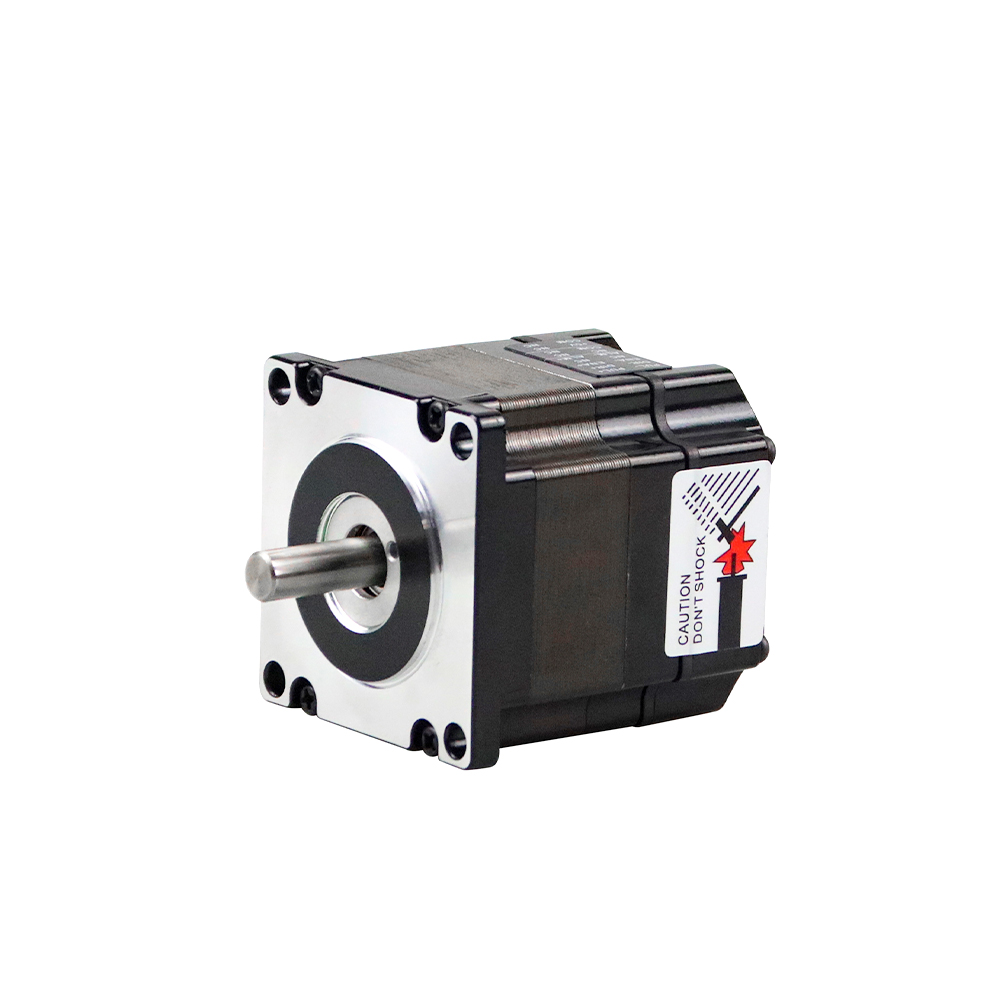
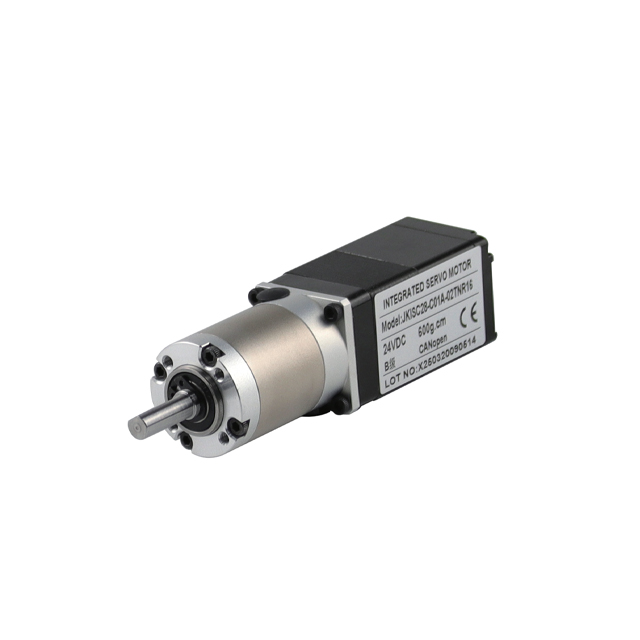
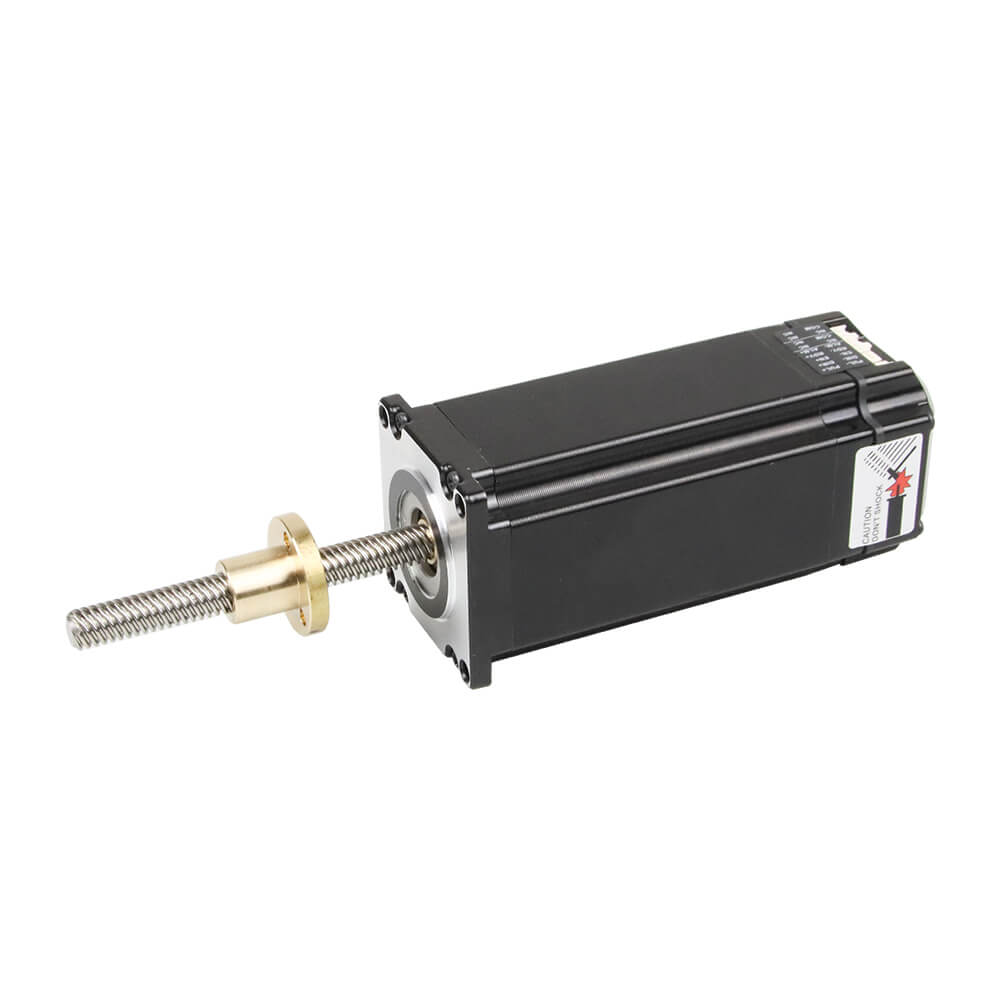
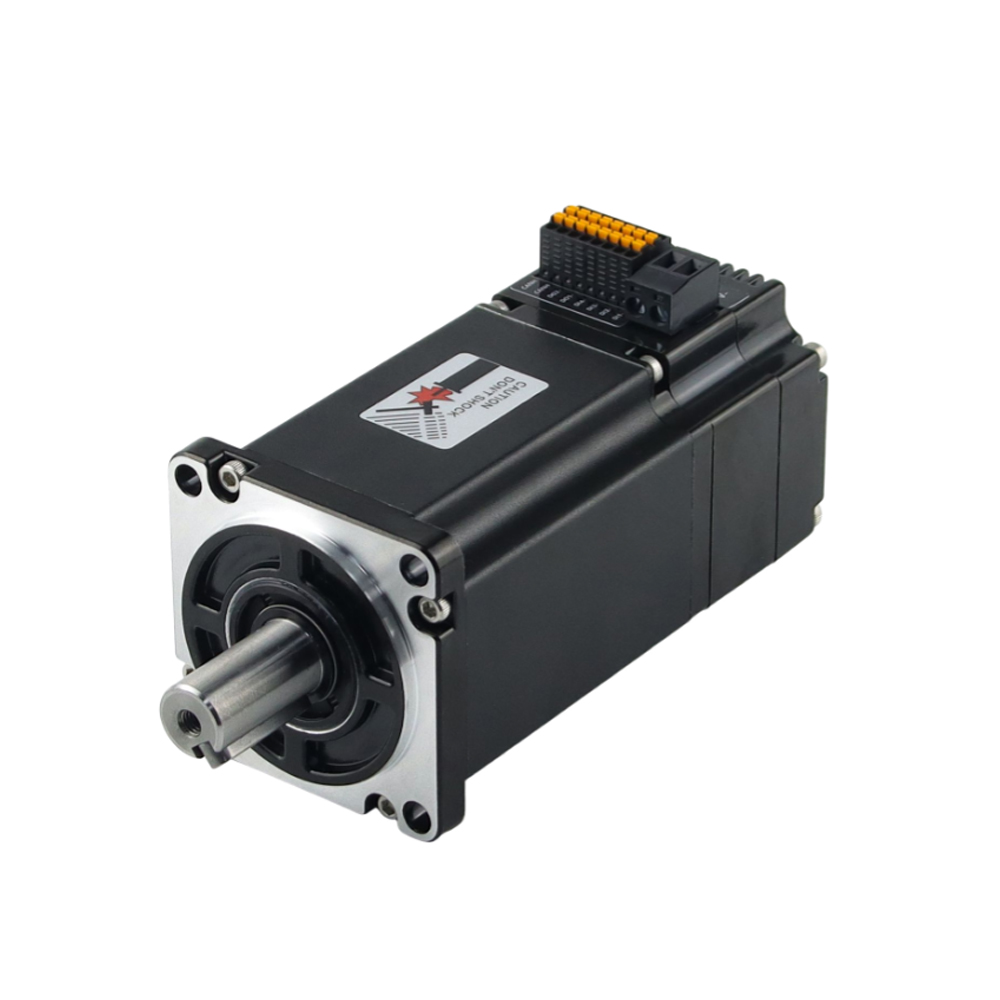
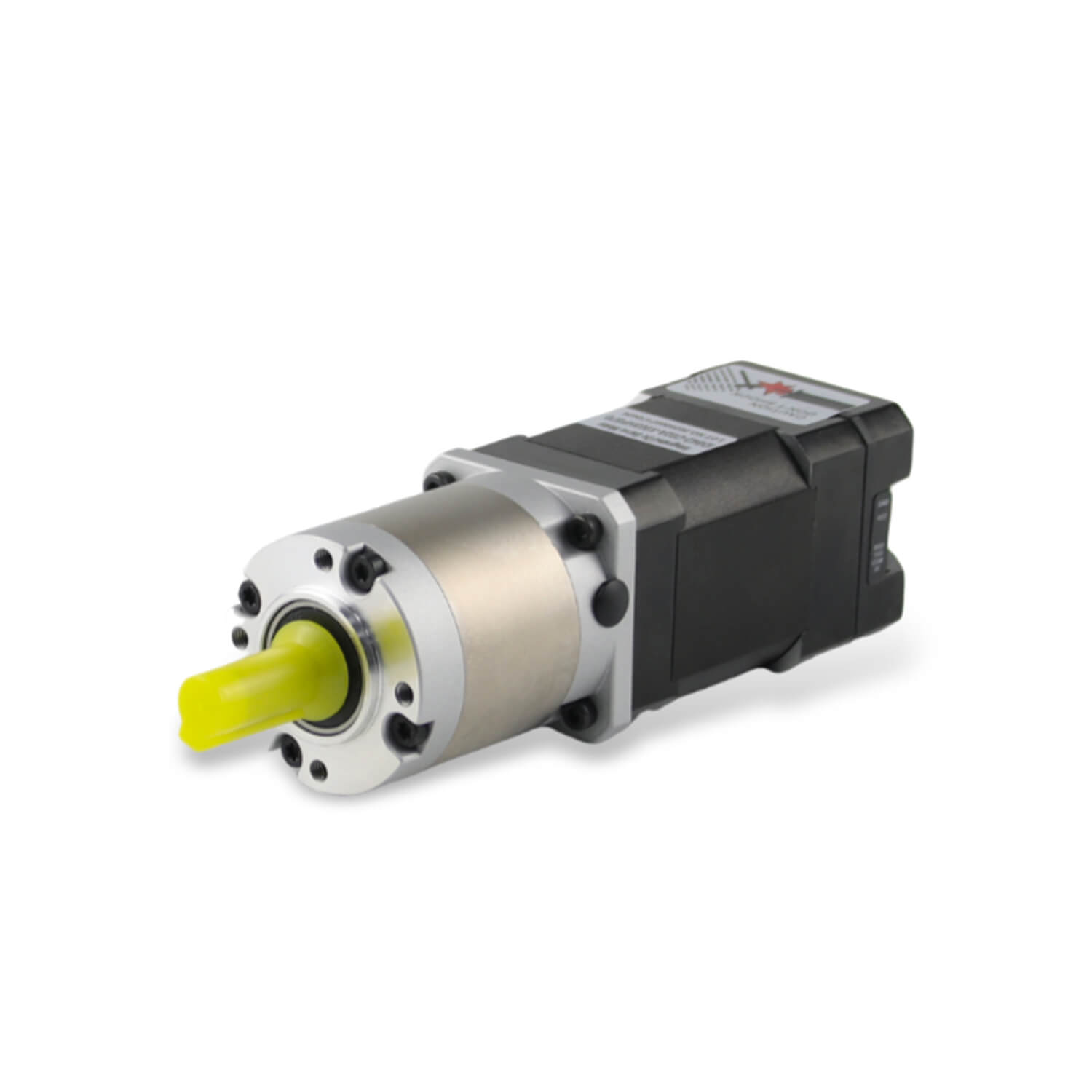
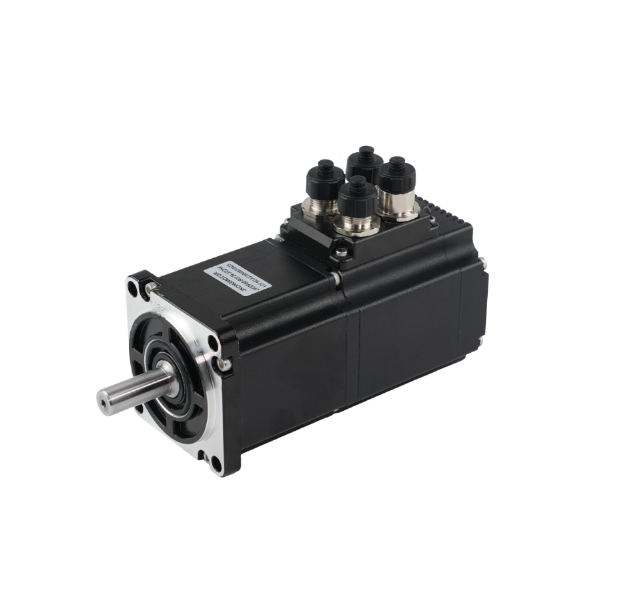
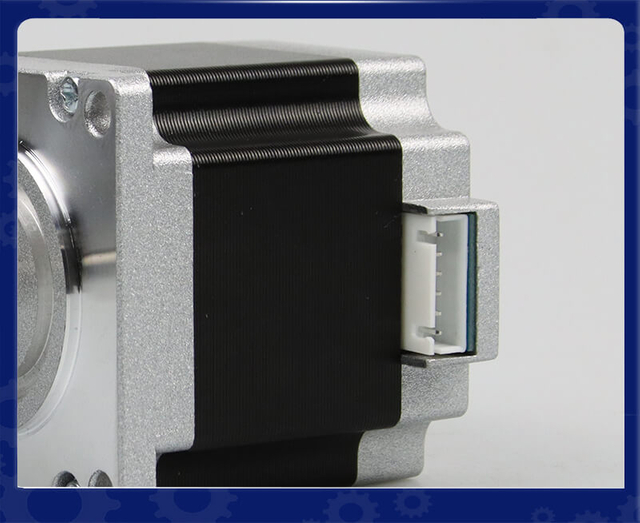
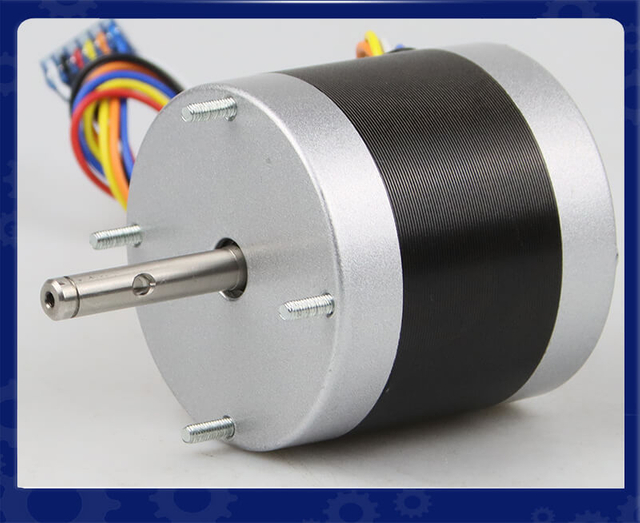
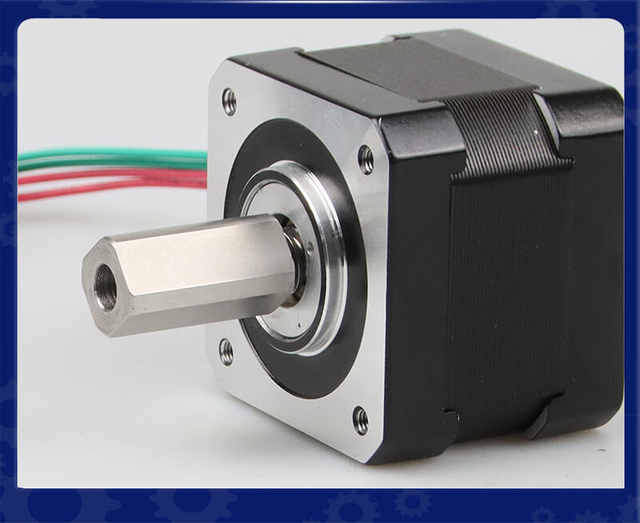
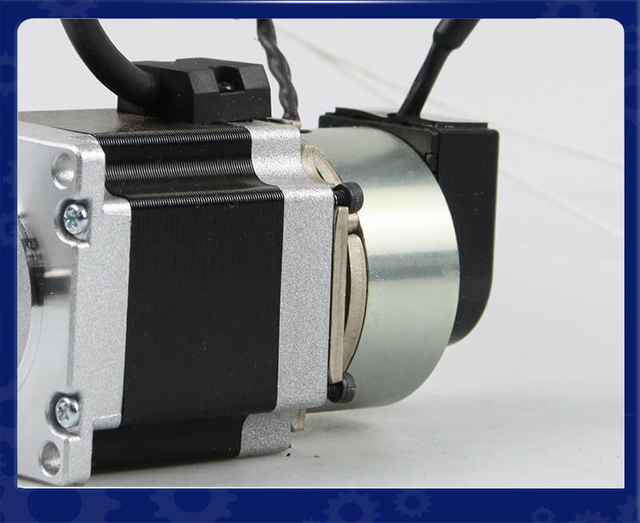
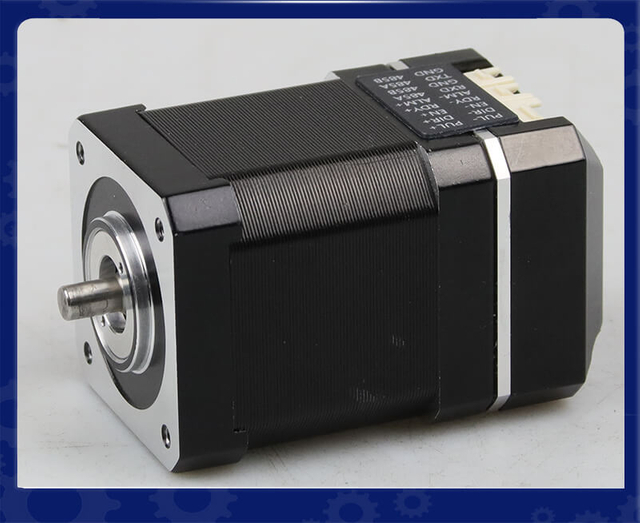
Anintegrated servo motorcombines the motor, encoder, and drive/controller into a single compact unit. This design eliminates bulky external drives, simplifies wiring, and allows precise decentralized motion control.
The Motor:
Provides high torque density for continuous rotary or linear motion.
Powers compression rollers, turrets, and powder feeders with exact force.
The Encoder:
Delivers real-time closed-loop feedback for position, speed, and torque.
Ensures every punch stroke and paddle rotation is accurate and repeatable.
The Drive/Controller:
Processes logic locally without a massive external cabinet.
Handles motion profiles, torque limits, and communication with the machine PLC.
This compact architecture enables high-speed, precise, and hygienic operation, critical for pharmaceutical tablet presses.
2. Core Applications: Where Are They Used in a Tablet Press?
Integrated servo motors are deployed across critical functions in a tablet compression machine, ensuring precise control over weight, thickness, hardness, and ejection.
Force Feeder Control (Tablet Weight)
Regulates paddle speed in powder feeders to match die filling cycles.
Ensures consistent die cavity fill, preventing weight variation between tablets.
Responds dynamically to flow changes in powder for exact dosing.
Main & Pre-Compression Rollers (Tablet Thickness & Hardness)
Adjusts roller gap with sub-micron accuracy.
Controls tablet density, thickness, and hardness for consistent quality.
Maintains precise compression at high-speed production rates.
Ejection Cam Control
Coordinates tablet ejection into the discharge chute.
Reduces chipping or surface defects.
Synchronizes with turret rotation for smooth, continuous operation.
By integrating servos into these applications, tablet presses achieve repeatable precision, reduced mechanical wear, and improved hygiene compliance.
Leanmotor Customized Service
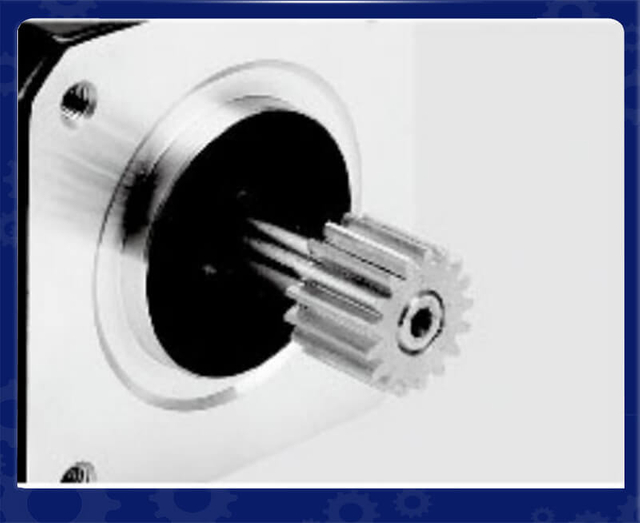
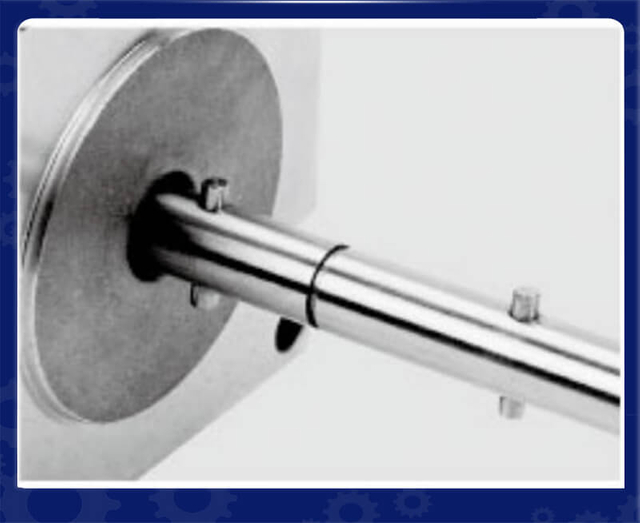
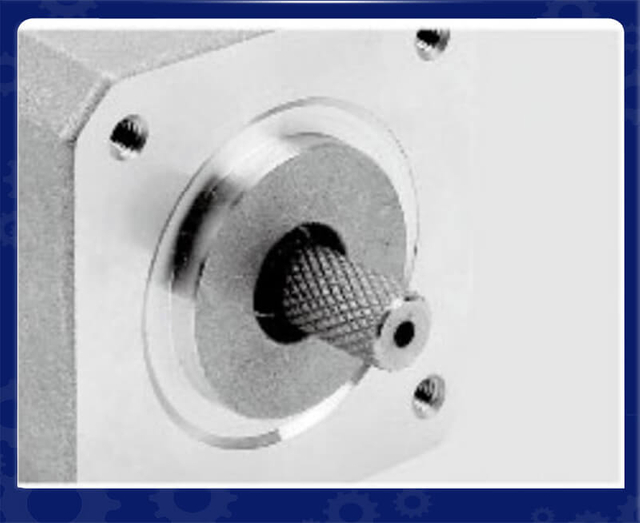
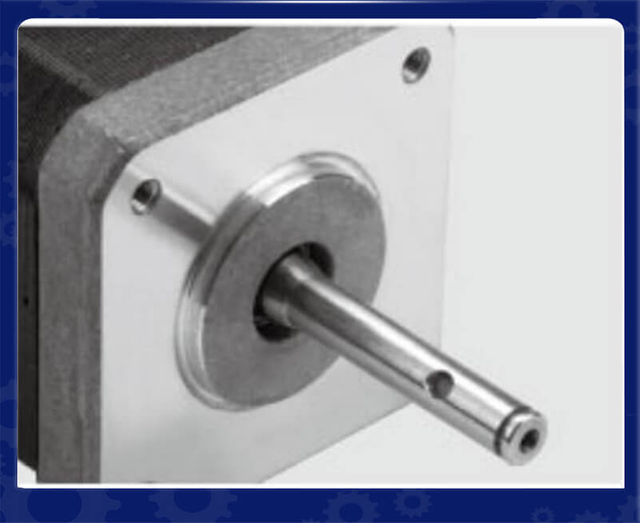
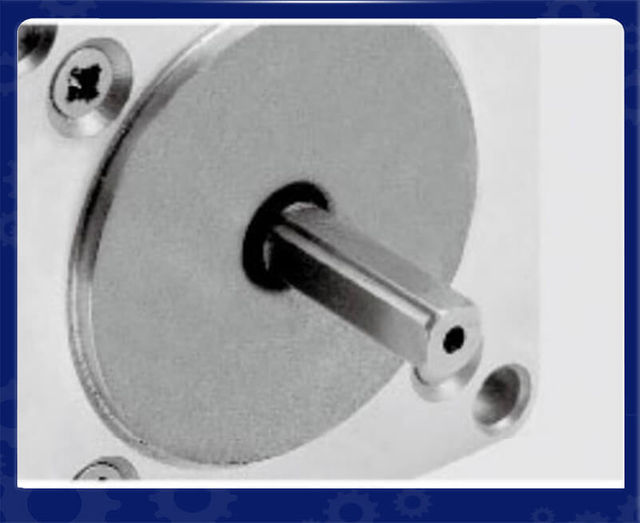
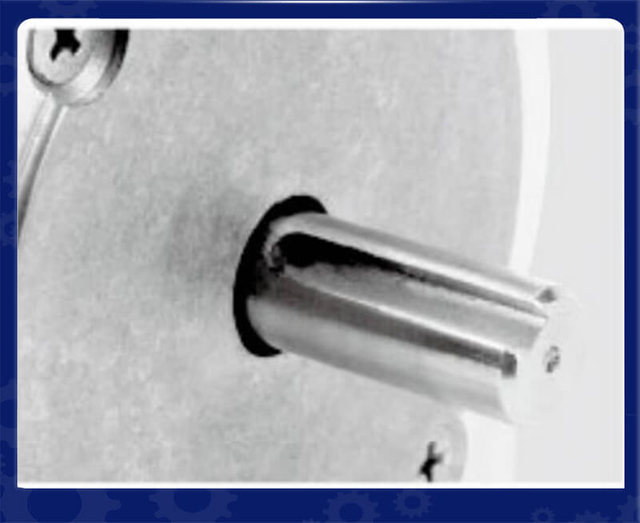
Customized Shaft Service
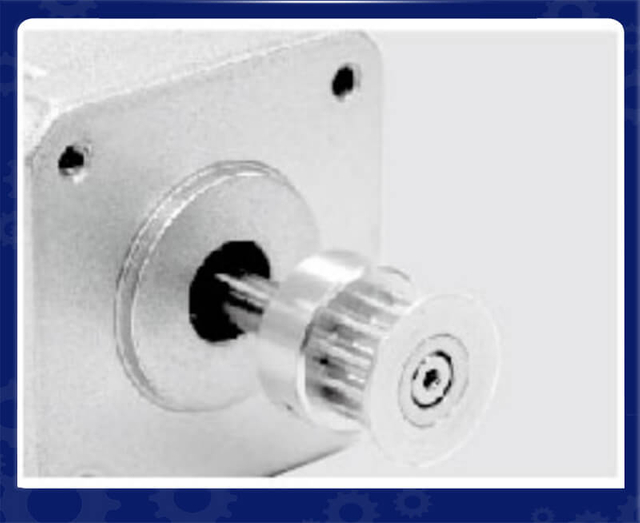
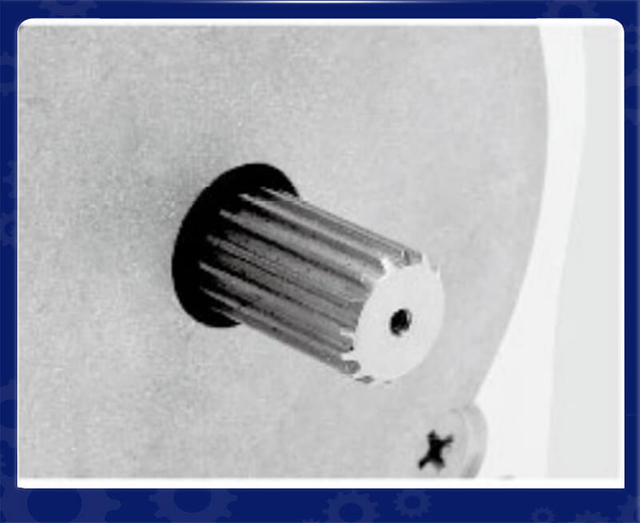
Metal Pulleys
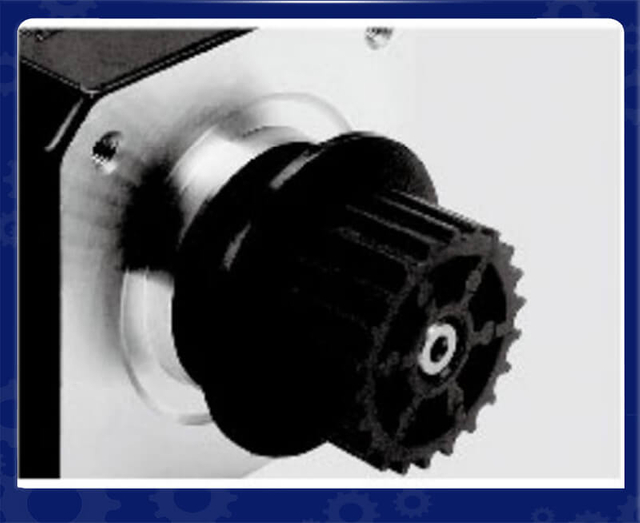
Plastic Pulley
Gear
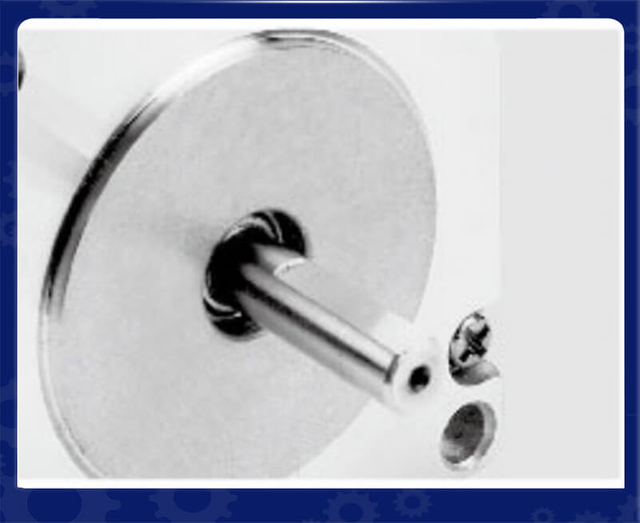
Shaft Pin
Threaded Shaft
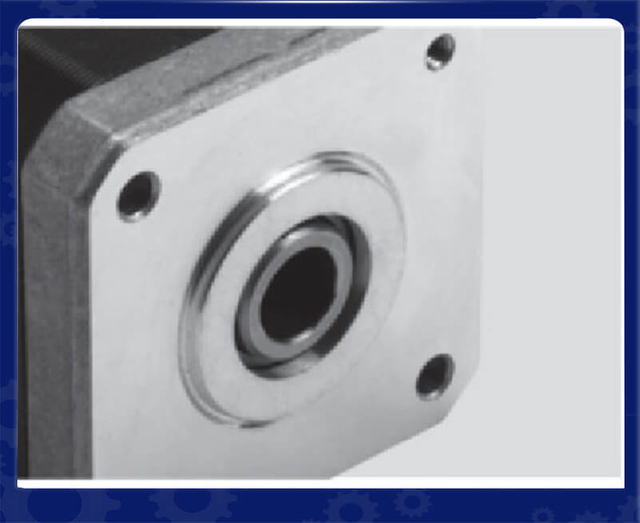
Panel Mount
Hollow Shaft
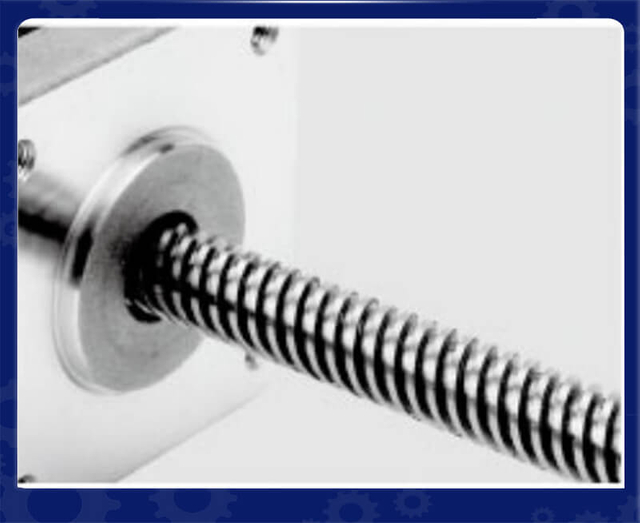
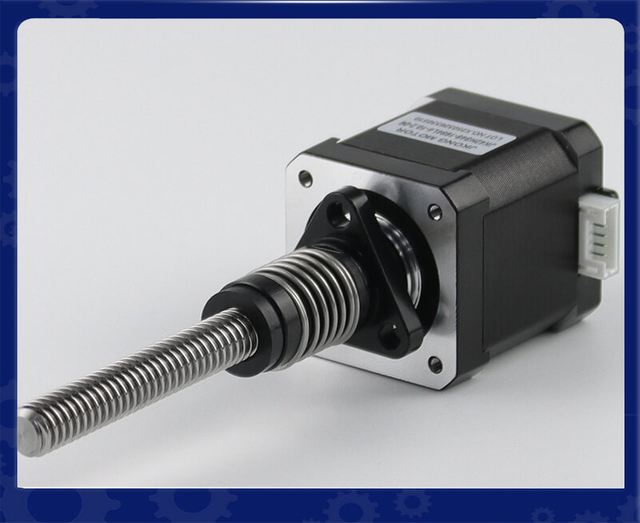
Lead Screw
Panel Mount
Single Flat
Dual Flat
Key Shaft
Customized Motor Service
Cables
Covers
Shaft
Lead Screw Rod
Encoders
Brakes
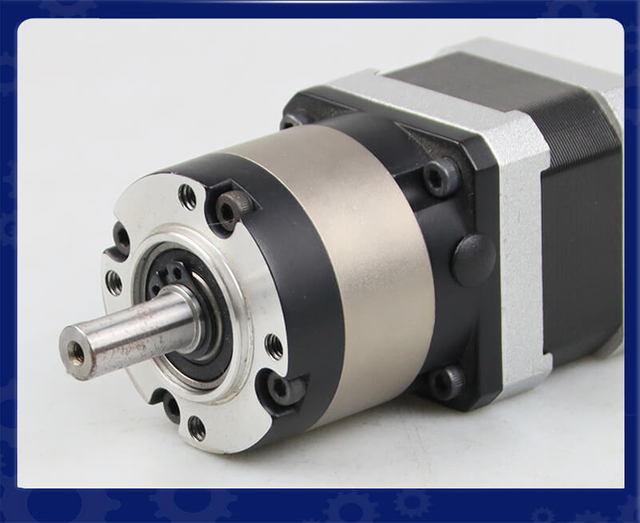
Gearboxes
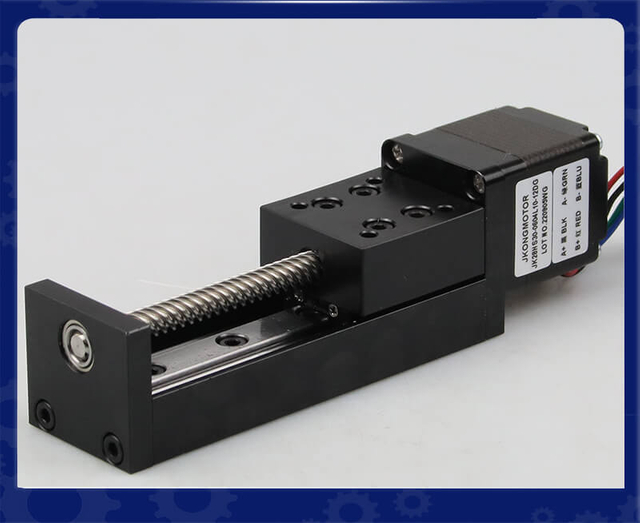
Linear Module
Integrated Drivers
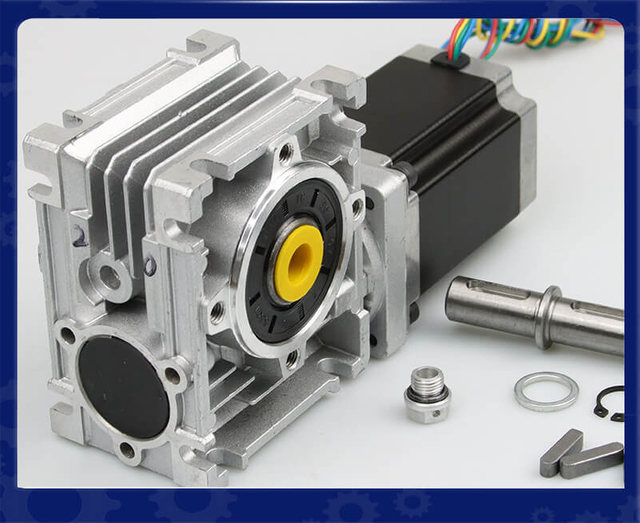
Worm Gearbox
3. Engineering Advantages: Why Upgrade to Integrated Servos?
Integrated servo motors provide tangible benefits for tablet press automation, directly addressing the mechanical, hygienic, and compliance requirements of pharmaceutical production. Key engineering advantages include:
Motors are available with IP65/IP67 ratings, suitable for direct washdown cleaning.
Cabinet Space Reduction (Decentralization):
Moving the drive electronics into the motor frees up to 50% of electrical cabinet space.
Simplifies machine layout and reduces installation costs.
Real-Time Data Logging:
Built-in torque and position monitoring allows closed-loop verification of each compression cycle.
Supports FDA 21 CFR Part 11 compliance, providing audit trails for tablet weight, hardness, and production quality.
Precision Motion Control:
Sub-micron adjustment of compression rollers ensures consistent tablet thickness and hardness.
Powder feeder speed is precisely controlled to prevent weight variation across batches.
Reduced Mechanical Wear:
Fewer gears and couplings lower maintenance frequency.
Extends machine service life while maintaining high-speed throughput.
Energy Efficiency:
Motors draw power only during motion, reducing energy consumption compared to traditional cam-driven systems.
These advantages make integrated servos the standard choice for modern tablet presses, combining precision, hygiene, and operational efficiency in a single compact solution.
4. Head-to-Head: Traditional Servos vs. Integrated Servos
Feature
Traditional Servo
Integrated Servo
Control Cabinet Footprint
Large, central cabinet required
Compact, decentralized (50% space saved)
Cabling Complexity
Two power & feedback cables per axis
Single network cable per motor
Susceptibility to Electrical Noise (EMI)
Higher risk due to long cabling
Reduced risk, signal processed locally
Cleanroom Suitability
More surfaces for dust accumulation
Cleaner footprint, easier washdown
The Verdict:
Integrated servos are the standard for next-generation, high-speed tablet presses due to compact footprint, cleaner design, and superior control.
5. Total Cost of Ownership (TCO) for Machine Builders
The Procurement Takeaway
Integrated servo motors reduce both capital and operational costs for pharmaceutical machine builders. Key TCO benefits include:
✓ Reduced copper wiring and shielding costs – fewer cables and shorter runs lower material expenses.
✓ Faster assembly and commissioning – decentralized drives simplify installation and alignment on the factory floor.
✓ Smaller, cheaper cooling systems – reduced heat from compact drives lowers HVAC requirements.
✓ Lower maintenance costs – fewer mechanical components and simplified cabling reduce downtime and service frequency.
✓ Improved energy efficiency – motors consume power only during motion, cutting operational expenses over time.
These savings make integrated servos a strategic investment for OEMs, supporting both ROI and long-term reliability in high-speed tablet presses.
Conclusion & Technical Support
Integrated servo motors link mechanical output with digital quality control, ensuring every tablet meets specifications. Engineers should download the "Integrated Motor Selection Guide" or contact the Besfoc engineering team to discuss IP-rated motors for the next pharmaceutical machine.