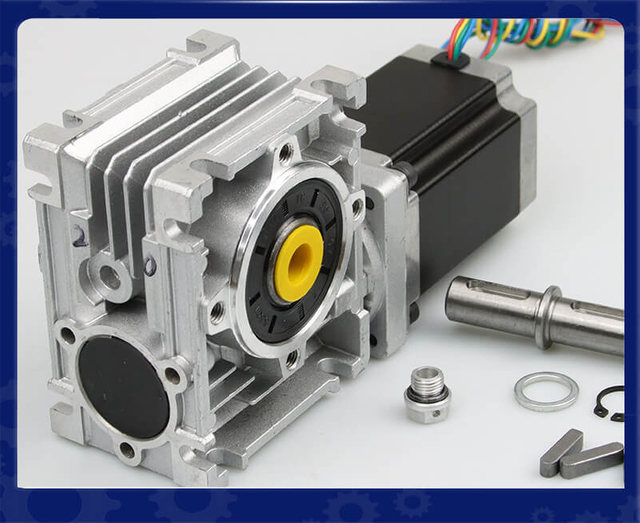
Why Use Linear Stepper Motors in Packaging And Textile Machinery?
Views: 0 Author: Site Editor Publish Time: 2026-05-13 Origin: Site
Linear stepper motors are widely used in packaging and textile machinery because they provide high positioning accuracy, fast response, energy efficiency, low maintenance, and reliable automation performance for modern industrial production systems.
Modern industrial automation demands high precision, fast response, low maintenance, and consistent repeatability. In both the packaging and textile industries, machinery operates continuously under demanding production schedules where even small positioning errors can lead to material waste, reduced efficiency, and product defects. This is why manufacturers increasingly rely on linear stepper motors as a core motion control solution.
Linear stepper motors combine precise linear motion with simplified mechanical structures, making them ideal for automated systems that require accurate positioning, synchronized movement, and reliable operation. From filling machines and labeling equipment to embroidery systems and textile cutting platforms, these motors provide substantial advantages over traditional rotary systems and pneumatic actuators.
What Are Linear Stepper Motors?
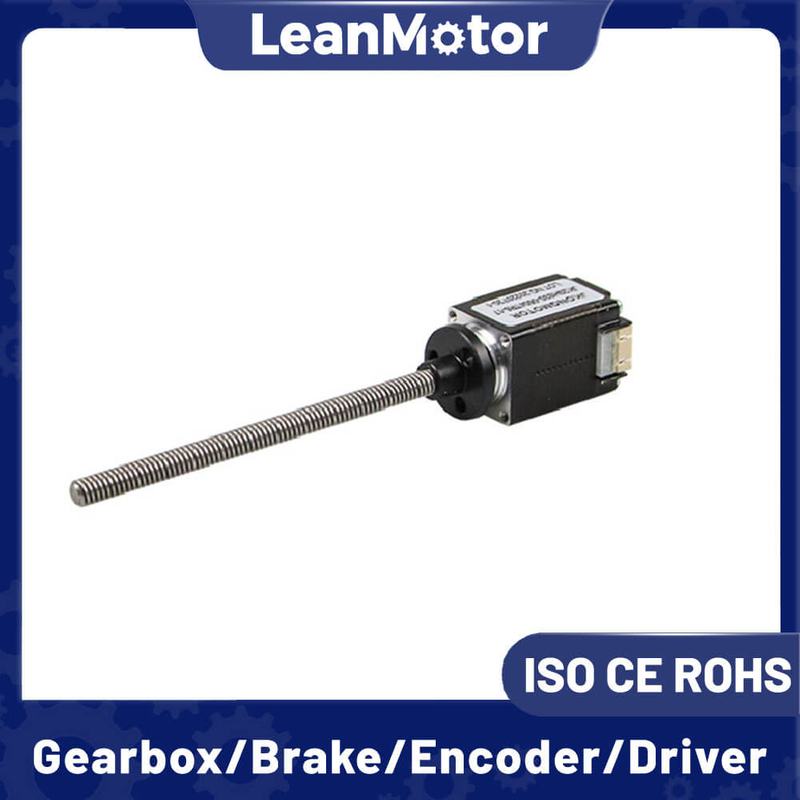
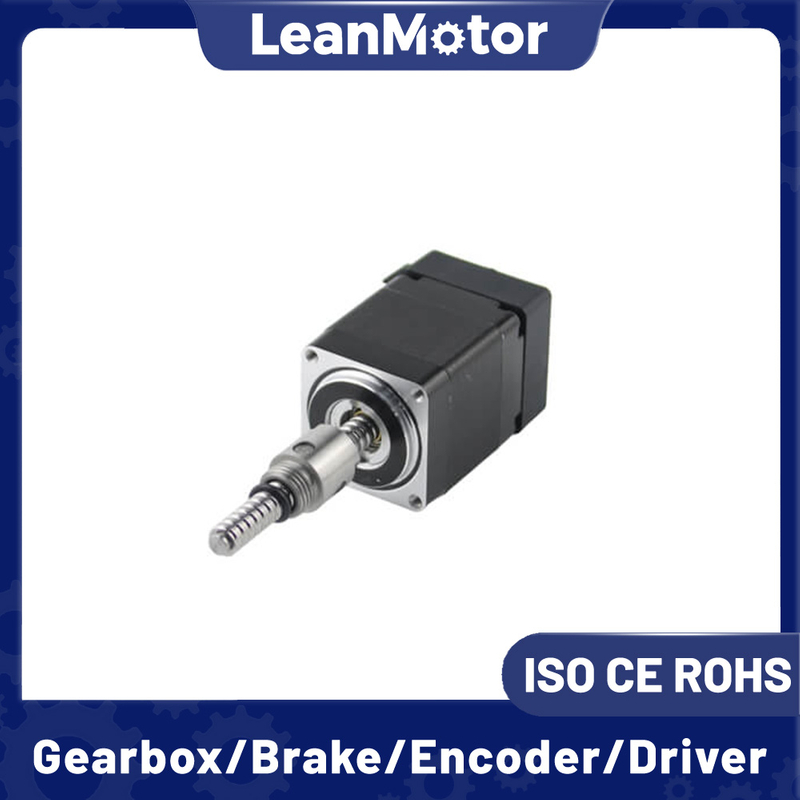
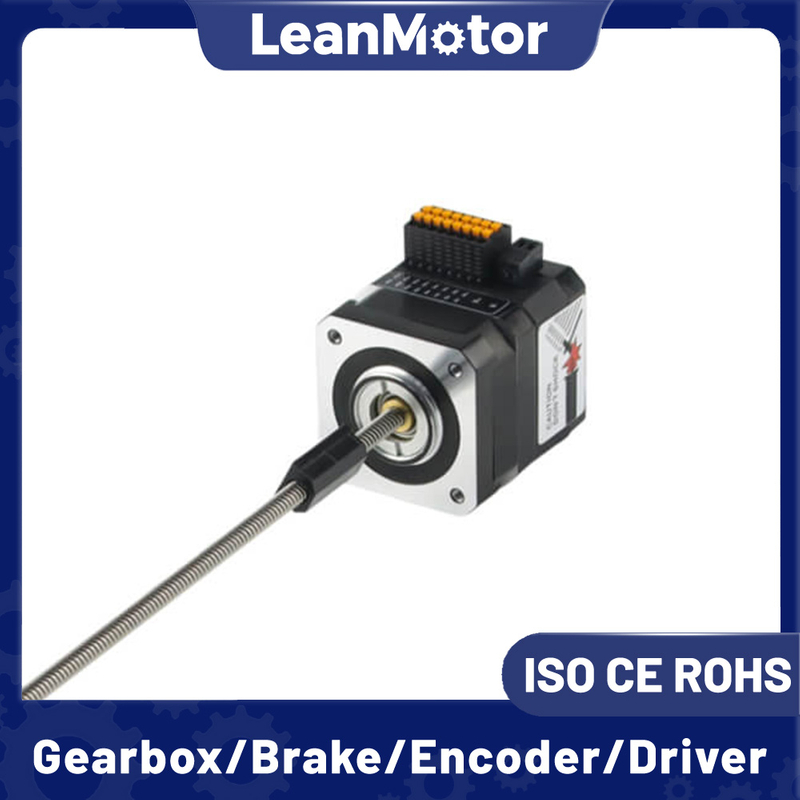
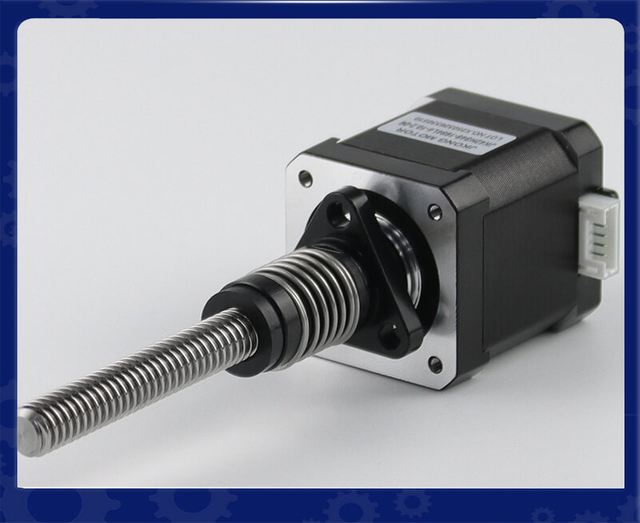
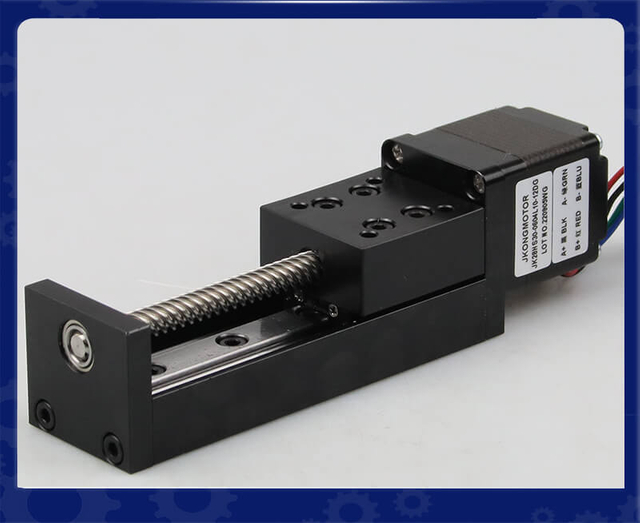
A linear stepper motor is an electromechanical device that converts electrical pulse signals directly into precise linear motion without requiring additional rotary-to-linear conversion mechanisms such as lead screws or belts.
Unlike conventional rotary stepper motors, linear stepper motors produce movement in a straight line. Each pulse moves the motor by a fixed incremental distance, enabling:
Precise positioning
Repeatable motion
Open-loop control capability
High responsiveness
Compact machine design
These motors are widely used in automation systems where precision and efficiency are critical.
Why Packaging Machinery Requires Linear Stepper Motors
Packaging equipment operates at extremely high speeds while maintaining strict accuracy standards. Whether handling food packaging, pharmaceutical blister packs, labeling systems, or carton sealing, motion systems must deliver synchronized and repeatable movement.
High-Speed Positioning Accuracy
Packaging lines depend on accurate motion control to align products, labels, and sealing components. Linear stepper motors provide:
Precise indexing
Accurate stop positions
Controlled acceleration and deceleration
Minimal positioning error
This precision helps reduce:
Misaligned labels
Incorrect filling positions
Product jams
Packaging defects
For high-volume production environments, reducing even minor errors significantly improves overall operational efficiency.
Simplified Mechanical Structure
Traditional motion systems often require:
Gearboxes
Couplings
Belts
Ball screws
Pneumatic cylinders
Linear stepper motors eliminate many of these components by generating direct linear motion. This simplified structure offers several advantages:
Advantage
Benefit
Fewer moving parts
Reduced mechanical wear
Compact design
Smaller machine footprint
Lower maintenance
Reduced downtime
Higher reliability
Longer service life
Packaging manufacturers benefit from cleaner machine layouts and easier maintenance access.
Excellent Repeatability for Automated Processes
Consistency is essential in automated packaging systems. Linear stepper motors offer exceptional repeatability, ensuring each movement cycle remains identical.
Applications include:
Pouch positioning
Label dispensing
Bottle indexing
Carton feeding
Film alignment
Even after millions of cycles, properly designed linear stepper systems maintain stable motion performance.
Energy Efficiency in Continuous Operation
Many packaging systems run 24/7. Energy consumption becomes a major operational cost factor. Linear stepper motors improve efficiency through:
Direct-drive operation
Reduced transmission losses
Precise current control
Lower idle energy requirements
Compared with pneumatic systems, linear stepper motors eliminate compressed air consumption, significantly reducing factory energy expenses.
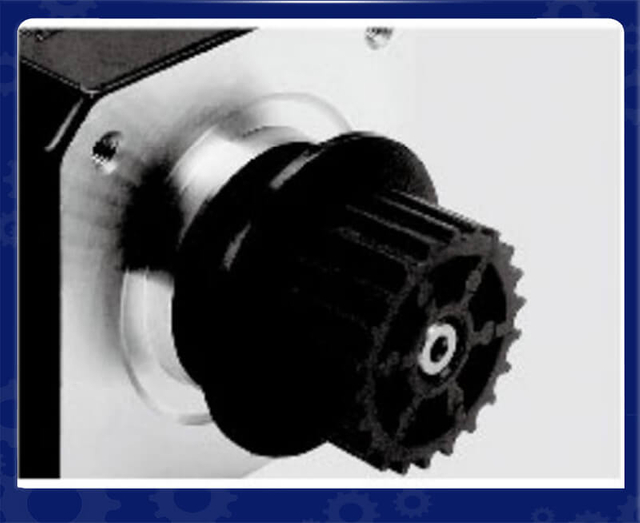
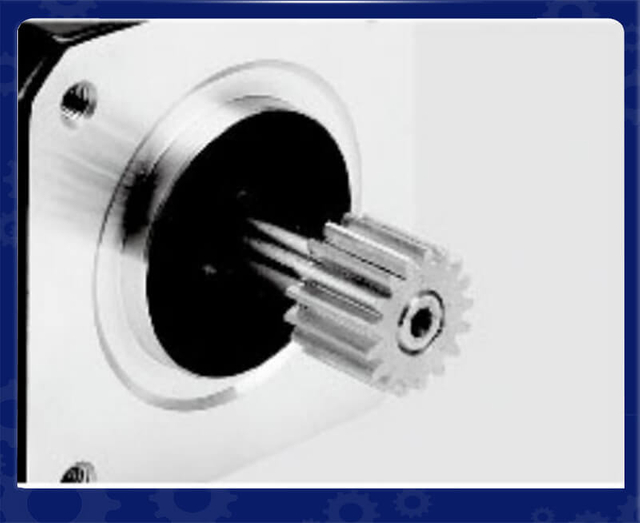
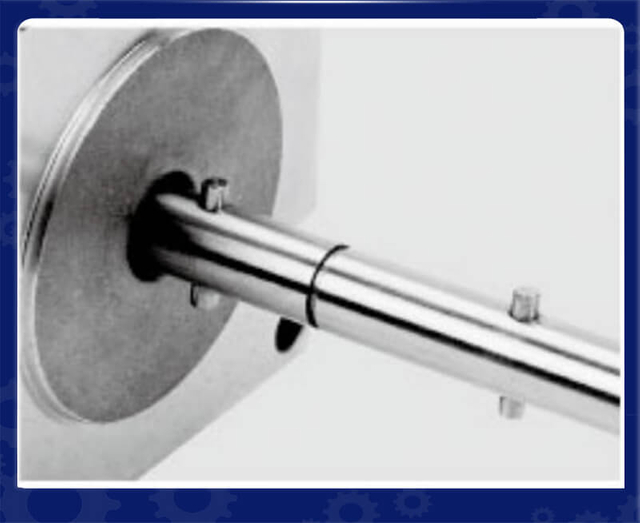
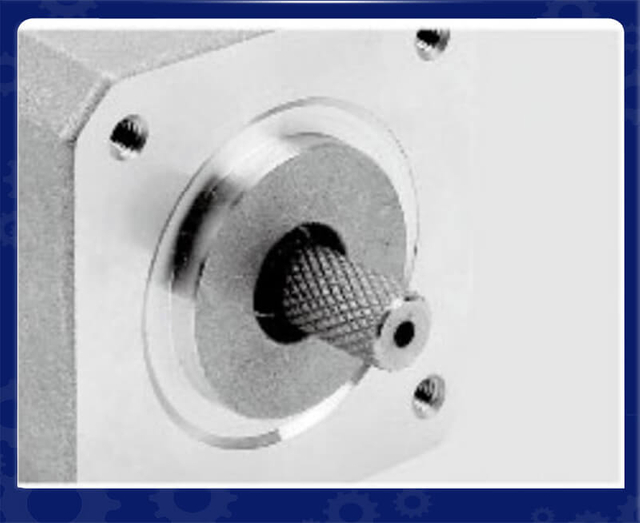
Leanmotor Customized Service
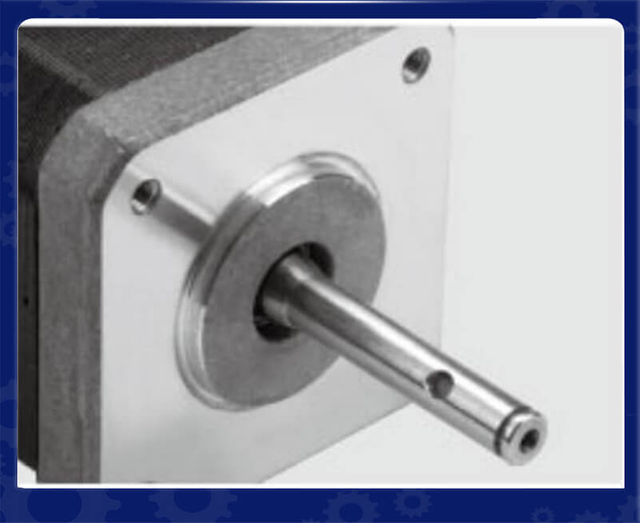
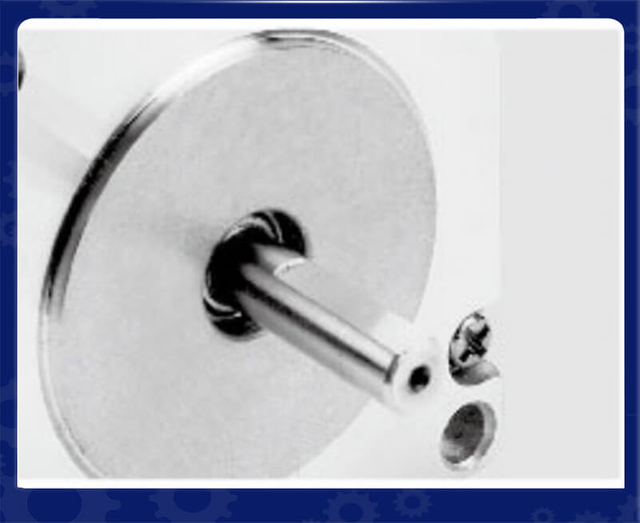
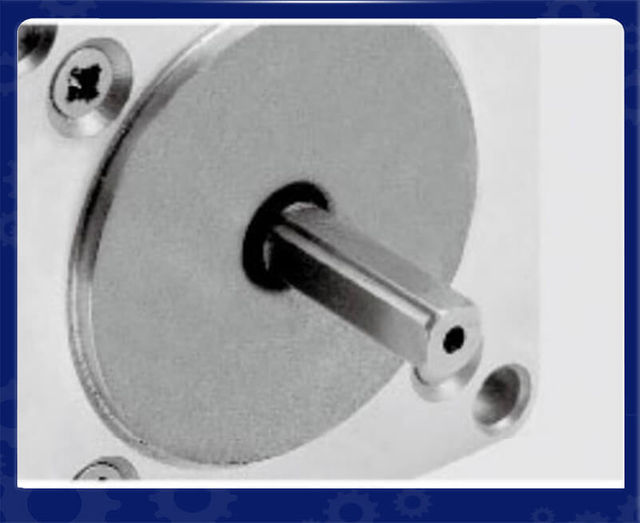
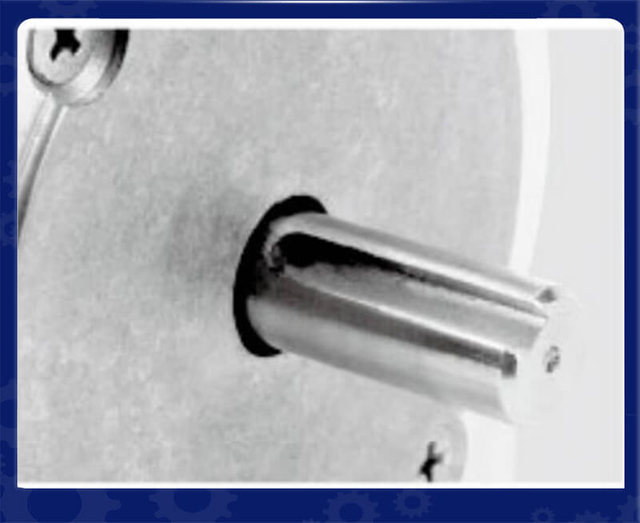
Customized Shaft Service
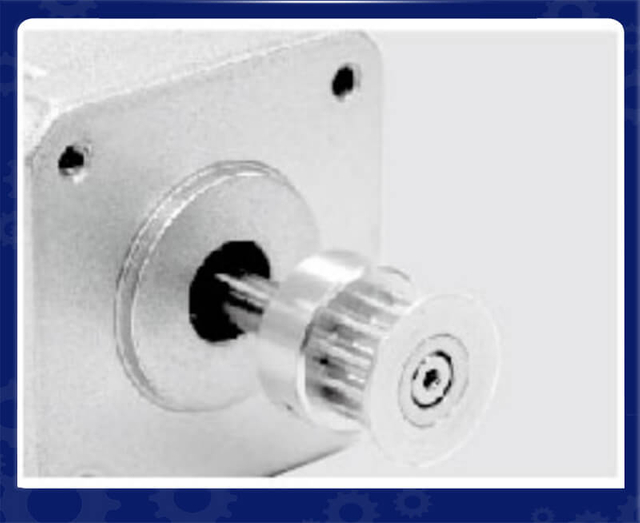
Metal Pulleys
Plastic Pulley
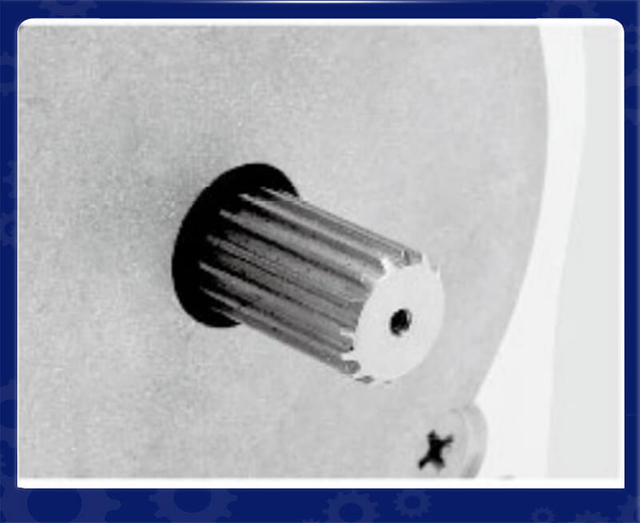
Gear
Shaft Pin
Threaded Shaft
Panel Mount
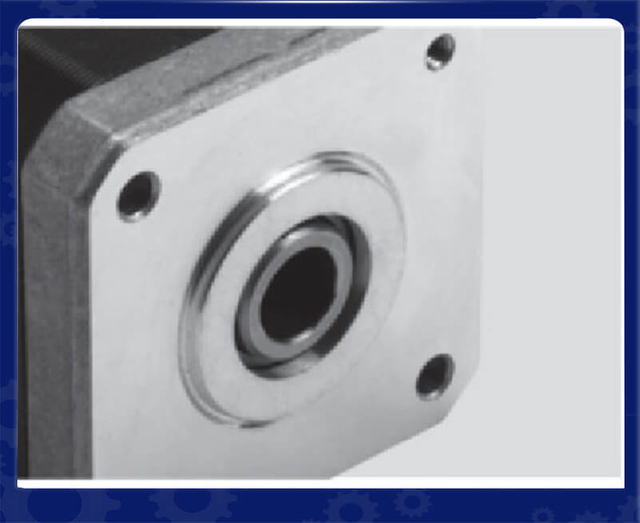
Hollow Shaft
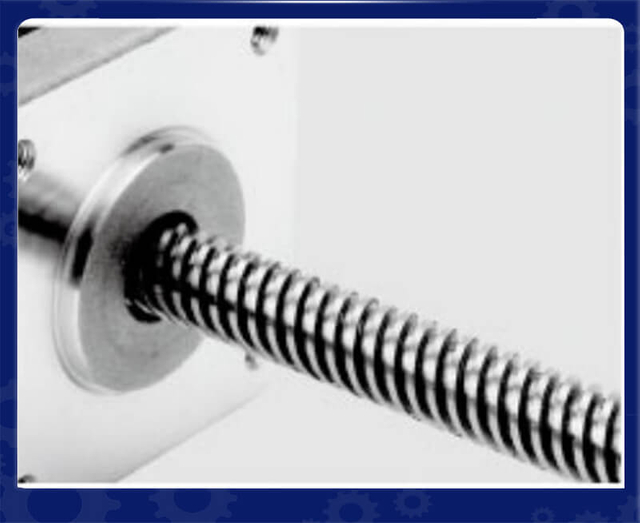
Lead Screw
Panel Mount
Single Flat
Dual Flat
Key Shaft
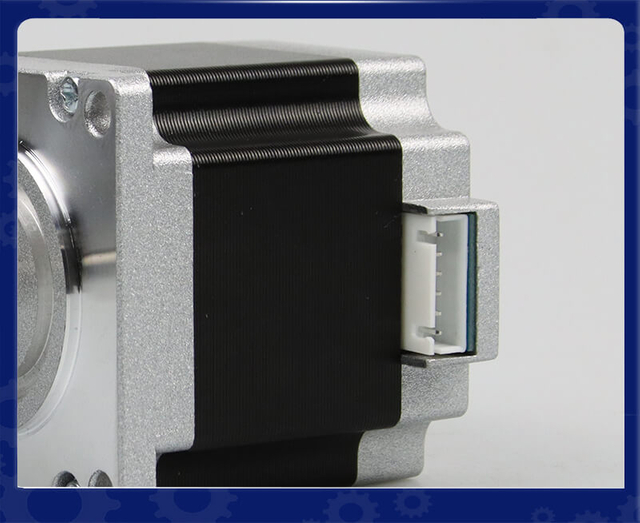
Customized Motor Service
Cables
Covers
Shaft
Lead Screw Rod
Encoders
Brakes
Gearboxes
Linear Module
Integrated Drivers
Worm Gearbox
Advantages of Linear Stepper Motors in Textile Machinery
Textile manufacturing requires highly coordinated motion systems capable of handling delicate materials while maintaining production speed and accuracy.
These characteristics make them highly suitable for modern textile automation systems.
Precise Fabric Positioning
Textile machines often process soft and flexible materials that are highly sensitive to positioning errors. Linear stepper motors ensure accurate movement during:
Fabric feeding
Pattern alignment
Cutting operations
Embroidery positioning
Printing registration
Accurate positioning minimizes:
Material waste
Pattern distortion
Misalignment defects
Production inconsistencies
For high-value fabrics, this precision directly impacts profitability.
Smooth and Low-Vibration Motion
Excessive vibration can damage fabrics or affect stitching accuracy. Linear stepper motors provide smooth incremental motion that reduces mechanical shock.
Benefits include:
Better stitching quality
Improved fabric handling
Reduced machine noise
Lower mechanical stress
Advanced microstepping technology further enhances motion smoothness in textile automation systems.
Fast Dynamic Response
Textile machinery frequently requires rapid starts, stops, and directional changes. Linear stepper motors respond quickly to pulse commands, enabling:
High-speed indexing
Rapid material positioning
Precise synchronized movement
Faster production cycles
This fast response supports modern high-output textile production requirements.
Applications of Linear Stepper Motors in Packaging Machinery
Precise label placement is essential for branding and regulatory compliance. Linear stepper motors ensure accurate label positioning even at high production speeds.
Key Benefits:
Consistent label alignment
Reduced label waste
High-speed synchronization
Filling and Dispensing Systems
In liquid and powder filling equipment, accurate nozzle positioning improves filling precision.
Common Uses:
Pharmaceutical filling
Food packaging
Cosmetic dispensing
Chemical packaging
Linear stepper motors help maintain consistent fill volumes and reduce spillage.
Carton Handling Systems
Packaging lines rely on accurate carton movement for folding, sealing, and stacking operations.
Advantages:
Precise carton indexing
Improved throughput
Reduced mechanical complexity
Vacuum Packaging Machines
Linear motion systems control sealing bars and product positioning inside vacuum chambers.
Linear stepper motors provide:
Controlled sealing movement
Repeatable positioning
Stable operational performance
Applications of Linear Stepper Motors in Textile Machinery
Embroidery Machines
Embroidery systems require highly accurate X-Y positioning.
This improves embroidery detail and production consistency.
Textile Cutting Machines
Automated cutting systems rely on precise fabric movement.
Benefits:
Accurate cutting paths
Reduced material waste
Faster processing speeds
Linear stepper motors improve cutting repeatability across large production runs.
Digital Textile Printing
Digital printing requires precise printhead positioning and fabric feeding synchronization.
Linear stepper motors ensure:
Accurate print registration
Consistent image quality
High-speed operation
This is especially important in high-resolution textile printing applications.
Knitting and Weaving Equipment
Modern knitting and weaving machines require synchronized linear movement for yarn handling and material positioning.
Linear stepper motors help achieve:
Stable tension control
Reduced vibration
Improved production precision
Linear Stepper Motors vs Pneumatic Systems
Many traditional packaging and textile machines use pneumatic cylinders. However, linear stepper motors offer significant advantages.
Feature
Linear Stepper Motor
Pneumatic Cylinder
Positioning Accuracy
Very High
Limited
Repeatability
Excellent
Moderate
Energy Consumption
Lower
Higher
Motion Control
Fully Programmable
Limited
Maintenance
Low
Higher
Noise Level
Low
Higher
Speed Control
Precise
Less Flexible
As industries move toward smarter automation, linear stepper motors increasingly replace pneumatic systems.
Integration with Smart Automation Systems
Industry 4.0 manufacturing environments require intelligent motion control solutions. Linear stepper motors integrate easily with:
PLC systems
Motion controllers
Industrial Ethernet networks
Vision systems
Sensor-based automation
This integration enables:
Real-time monitoring
Adaptive motion control
Predictive maintenance
Production optimization
Manufacturers gain greater operational visibility and improved process efficiency.
Low Maintenance and Long Service Life
Packaging and textile facilities prioritize uptime and reliability. Linear stepper motors reduce maintenance demands because they feature:
Fewer wear components
No brushes
Minimal transmission parts
Reduced lubrication requirements
This leads to:
Lower maintenance costs
Longer operational lifespan
Reduced downtime
Improved production continuity
For continuous manufacturing environments, reliability directly affects profitability.
How Linear Stepper Motors Improve Production Efficiency
Linear stepper motors play a critical role in modern industrial automation by delivering high precision, fast response, and stable linear motion. In industries such as packaging, textile manufacturing, medical equipment, and semiconductor production, these motors help manufacturers increase output while reducing operational costs.
Higher Positioning Accuracy
One of the biggest advantages of linear stepper motors is their precise positioning capability. Each electrical pulse moves the motor a fixed distance, allowing accurate and repeatable motion without complex feedback systems.
This precision helps:
Reduce positioning errors
Improve product consistency
Minimize material waste
Enhance assembly accuracy
In packaging and textile machinery, accurate motion directly improves production quality and reduces defective products.
Faster Production Cycles
Linear stepper motors provide rapid acceleration and quick response times, making them ideal for high-speed automation systems.
They support:
Fast indexing
Quick start-stop movement
High-speed material handling
Efficient repetitive motion
As a result, machines can complete more cycles in less time, increasing overall production throughput.
Reduced Mechanical Complexity
Unlike traditional rotary systems that require belts, gears, or lead screws, linear stepper motors generate direct linear motion. This simplifies machine structures and reduces the number of moving components.
Benefits include:
Lower maintenance requirements
Reduced mechanical wear
Improved reliability
Less downtime
Simplified systems also make installation and servicing easier for manufacturers.
Improved Energy Efficiency
Linear stepper motors consume power only when movement or holding force is required. Their efficient motion control reduces unnecessary energy loss compared with pneumatic or hydraulic systems.
This leads to:
Lower electricity consumption
Reduced operating costs
Better thermal performance
More sustainable production
Energy-efficient systems are especially valuable in factories operating continuously for long production hours.
Enhanced Automation Integration
Modern linear stepper motors integrate easily with PLCs, motion controllers, and smart factory systems. This allows manufacturers to achieve synchronized automation and real-time production control.
With improved motion precision and automation flexibility, businesses can optimize workflows, improve productivity, and maintain consistent manufacturing quality across large-scale operations.
Key Factors When Selecting a Linear Stepper Motor
Selecting the right linear stepper motor is critical for achieving optimal performance, reliability, and efficiency in industrial automation systems. Whether used in packaging machinery, textile equipment, medical devices, semiconductor handling, or CNC platforms, the motor must match the application's mechanical, electrical, and environmental requirements. A poorly selected motor can lead to positioning errors, overheating, vibration, reduced lifespan, and unnecessary maintenance costs.
Below are the most important factors engineers and procurement professionals should evaluate when choosing a linear stepper motor.
Load Capacity and Thrust Requirements
One of the first considerations is the amount of force the motor must generate. Linear stepper motors are rated by their thrust force, typically measured in Newtons (N).
The required thrust depends on:
Payload weight
Friction levels
Acceleration requirements
Vertical or horizontal movement
External resistance forces
Applications involving heavy loads or rapid acceleration require motors with higher thrust capabilities. Underestimating load requirements can cause:
Missed steps
Reduced accuracy
Motor stalling
Excessive heat generation
Engineers should always include a safety margin when calculating required thrust force.
Stroke Length and Travel Distance
The required linear travel distance directly affects motor selection. Different applications require varying stroke lengths, from a few millimeters to several meters.
Typical examples include:
Application
Typical Stroke Length
Medical devices
10–50 mm
Labeling systems
50–300 mm
Textile machinery
100–1000 mm
Industrial automation
Custom long travel
Longer stroke systems may require:
Enhanced guide mechanisms
Improved alignment accuracy
Reinforced structural support
Selecting the correct stroke length improves positioning stability and overall system reliability.
Positioning Accuracy and Resolution
Precision is one of the biggest advantages of linear stepper motors. However, applications vary greatly in their accuracy demands.
High-precision systems such as:
Semiconductor equipment
Laboratory automation
Medical instruments
Precision textile cutting
require finer positioning resolution than standard industrial systems.
Important parameters include:
Step size
Linear resolution
Repeatability
Microstepping capability
Smaller step increments enable smoother and more precise movement, especially in applications requiring delicate positioning control.
Operating Speed Requirements
Linear stepper motors must meet both speed and acceleration requirements without losing synchronization.
When evaluating speed requirements, consider:
Maximum travel speed
Acceleration rate
Duty cycle
Start-stop frequency
Packaging and textile systems often demand:
Rapid indexing
High-speed repetitive motion
Quick directional changes
The motor must maintain stable torque output throughout the required speed range. Excessive speed demands may reduce available thrust force, so balancing speed and force is essential.
Motor Type and Design Configuration
Linear stepper motors are available in several configurations, each suited for specific applications.
Choosing the proper motor design simplifies system integration and improves operational performance.
Environmental Conditions
Industrial environments can significantly impact motor lifespan and performance.
Critical environmental factors include:
Dust exposure
Humidity
Temperature extremes
Chemical exposure
Vibration levels
For harsh environments, manufacturers may require:
IP-rated protection
Corrosion-resistant materials
Sealed motor housings
High-temperature insulation
Textile factories, for example, often contain airborne fibers and dust, while packaging systems may operate in washdown environments.
Proper environmental protection improves durability and reduces maintenance frequency.
Power Supply and Electrical Compatibility
The motor must match the system’s electrical specifications.
Key electrical considerations include:
Parameter
Importance
Voltage rating
Ensures proper operation
Current rating
Prevents overheating
Driver compatibility
Enables stable control
Power consumption
Affects energy efficiency
Selecting an incompatible driver can cause:
Unstable motion
Noise
Vibration
Reduced positioning accuracy
Integrated driver solutions are increasingly popular because they simplify wiring and improve system reliability.
Microstepping and Motion Smoothness
Microstepping technology divides full motor steps into smaller increments, significantly improving motion smoothness.
Benefits include:
Reduced vibration
Lower noise levels
Improved positioning accuracy
Smoother low-speed operation
This is especially important in:
Textile machinery
Optical systems
Medical automation
Precision dispensing equipment
Advanced microstepping drivers also improve machine stability during delicate operations.
Thermal Performance and Heat Dissipation
Linear stepper motors generate heat during operation, especially under high loads or continuous duty cycles.
Poor thermal management can result in:
Reduced efficiency
Positioning instability
Shortened motor lifespan
Important thermal considerations include:
Continuous current rating
Ambient operating temperature
Cooling methods
Heat sink requirements
For demanding industrial systems, forced-air cooling or optimized motor housing designs may be necessary.
Noise and Vibration Levels
In industries such as medical automation, textile production, and laboratory systems, low noise operation is essential.
Factors affecting noise include:
Step resolution
Driver technology
Mechanical resonance
Load conditions
Modern linear stepper systems with advanced drivers can achieve extremely quiet operation while maintaining high precision.
Reducing vibration also improves:
Machine lifespan
Product quality
Operator comfort
Control System Compatibility
Modern automation systems require seamless integration with industrial controllers.
Linear stepper motors should support compatibility with:
PLC systems
Motion controllers
Industrial communication protocols
Closed-loop feedback systems
Advanced closed-loop linear stepper systems provide:
Real-time position correction
Improved efficiency
Higher reliability
Reduced risk of missed steps
Integration flexibility is increasingly important in Industry 4.0 environments.
Conclusion
Selecting the right linear stepper motor requires careful evaluation of multiple technical and operational factors. Load capacity, positioning accuracy, speed requirements, thermal performance, environmental conditions, and system compatibility all play critical roles in achieving reliable and efficient motion control.
For packaging, textile, medical, semiconductor, and industrial automation systems, choosing the correct linear stepper motor improves productivity, reduces maintenance costs, enhances positioning precision, and increases overall machine reliability.
As automation technologies continue advancing, high-performance linear stepper motors remain an essential solution for modern precision motion systems.
Future Trends in Packaging and Textile Automation
The packaging and textile industries are rapidly evolving as manufacturers pursue higher efficiency, smarter production, lower operating costs, and improved product quality. Automation technologies are becoming the foundation of modern manufacturing, and linear motion systems, robotics, artificial intelligence, and smart control platforms are driving this transformation.
Smart Factory Integration
Future packaging and textile facilities will increasingly adopt Industry 4.0 technologies. Machines will be connected through intelligent networks that allow real-time monitoring, predictive maintenance, and automated production optimization.
Key developments include:
IoT-enabled machinery
Cloud-based production monitoring
Real-time data analysis
Remote equipment diagnostics
These systems help manufacturers reduce downtime and improve operational efficiency.
Greater Use of Precision Motion Control
As product quality standards continue rising, manufacturers require more accurate and repeatable motion systems. Linear stepper motors and integrated servo systems are becoming more common because they provide:
High positioning accuracy
Smooth high-speed motion
Reduced vibration
Better synchronization
This is especially important in:
High-speed packaging lines
Digital textile printing
Automated cutting systems
Precision labeling equipment
Energy-Efficient Automation
Energy consumption is becoming a major concern for industrial manufacturers. Future automation systems will focus heavily on reducing power usage while maintaining high productivity.
Modern consumers increasingly demand customized products and shorter production cycles. As a result, packaging and textile machinery must become more flexible and adaptable.
Future automation systems will support:
Rapid product changeovers
Modular machine designs
Multi-product production lines
Faster programming adjustments
This flexibility allows manufacturers to respond quickly to changing market demands.
Advanced Robotics and Collaborative Automation
Collaborative robots and automated handling systems will play a larger role in production environments. These systems improve material transport, sorting, packaging, and textile processing efficiency.
Benefits include:
Reduced labor dependency
Improved workplace safety
Higher production consistency
Continuous operation capability
Robotic automation is expected to become standard in high-volume manufacturing facilities.
Summary
The future of packaging and textile automation will focus on smart connectivity, precision motion control, energy efficiency, AI-driven monitoring, and flexible manufacturing systems. Technologies such as linear stepper motors, intelligent robotics, and advanced automation platforms will continue improving production speed, accuracy, and reliability.
Manufacturers that invest in modern automation technologies will gain stronger competitiveness, lower operating costs, and greater long-term production efficiency in rapidly evolving global markets.
Conclusion
Linear stepper motors have become a critical technology in modern packaging and textile machinery because they provide high precision, smooth motion, fast response, energy efficiency, and low maintenance. Their ability to deliver direct linear motion simplifies machine design while improving production accuracy and operational reliability.
From automated labeling systems and filling equipment to embroidery machines and textile cutting platforms, linear stepper motors help manufacturers achieve higher productivity, lower operating costs, and superior product quality.
As industrial automation continues evolving toward intelligent and highly efficient production systems, linear stepper motors will remain a key solution for advanced motion control applications in both packaging and textile industries.
FAQs
Q: Why are linear stepper motors widely used in packaging machinery?
A:Linear stepper motors provide precise positioning, fast response speed, and stable repeatability, making them ideal for automated packaging systems. They improve labeling accuracy, product indexing, filling consistency, and sealing performance while reducing mechanical complexity and maintenance requirements.
Q: What advantages do linear stepper motors offer in textile machinery?
A:In textile applications, linear stepper motors deliver smooth and accurate motion control for fabric feeding, embroidery, cutting, and printing systems. Their high precision helps reduce material waste, improve pattern alignment, and enhance overall production efficiency.
Q: How do linear stepper motors improve production efficiency?
A:Linear stepper motors increase efficiency through high-speed positioning, rapid acceleration, and accurate motion control. Their direct-drive structure reduces transmission losses and minimizes downtime, allowing machines to operate faster and more reliably.
Q: Are linear stepper motors more energy efficient than pneumatic systems?
A:Yes. Linear stepper motors consume power more efficiently because they eliminate the need for compressed air systems. They provide controlled motion with lower energy loss, helping manufacturers reduce operating costs and improve energy efficiency.
Q: What packaging applications commonly use linear stepper motors?
A:Linear stepper motors are widely used in labeling machines, filling systems, carton handling equipment, pouch packaging machines, sealing systems, and automated sorting platforms where precise linear motion is required.
Q: Can linear stepper motors handle high-speed industrial operations?
A:Yes. Modern linear stepper motors are designed for high-speed automation environments. They provide fast acceleration, accurate positioning, and stable performance even during continuous repetitive motion cycles.
Q:What are the maintenance advantages of linear stepper motors?
A:Linear stepper motors feature fewer mechanical components than traditional transmission systems. Without belts, gears, or complex rotary-to-linear mechanisms, maintenance requirements are significantly reduced, leading to lower downtime and longer service life.
Q: How do linear stepper motors improve positioning accuracy?
A:Linear stepper motors move in fixed incremental steps controlled by electrical pulse signals. This enables highly accurate and repeatable positioning without requiring complicated feedback systems in many applications.
Q: Are linear stepper motors suitable for smart factory automation systems?
A:Yes. Linear stepper motors integrate easily with PLCs, motion controllers, sensors, and industrial communication systems, making them highly compatible with Industry 4.0 and intelligent automation environments.
Q: What factors should be considered when selecting a linear stepper motor?
A:Important selection factors include load capacity, stroke length, positioning accuracy, operating speed, environmental conditions, thermal performance, and control system compatibility. Proper motor selection ensures stable and efficient machine operation.