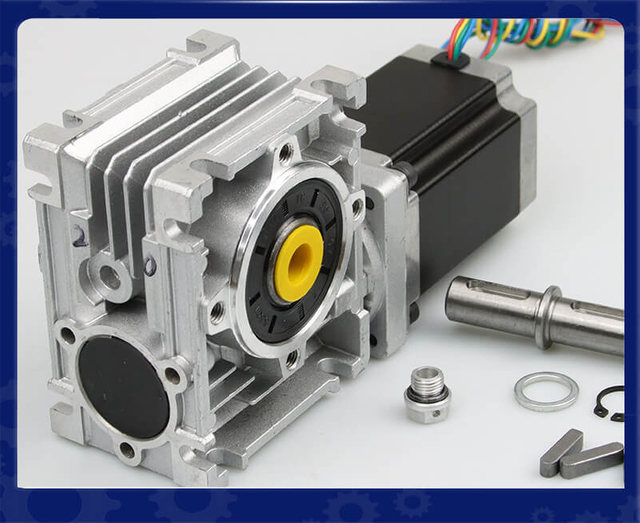
What Are Common Failure Modes of Linear Stepper Motors?
Views: 0 Author: Site Editor Publish Time: 2026-05-07 Origin: Site
LeanMotor linear stepper motors are engineered for high precision, long service life, and stable linear motion. Proper installation, thermal control, lubrication, and driver optimization help reduce common failure modes and improve automation system reliability.
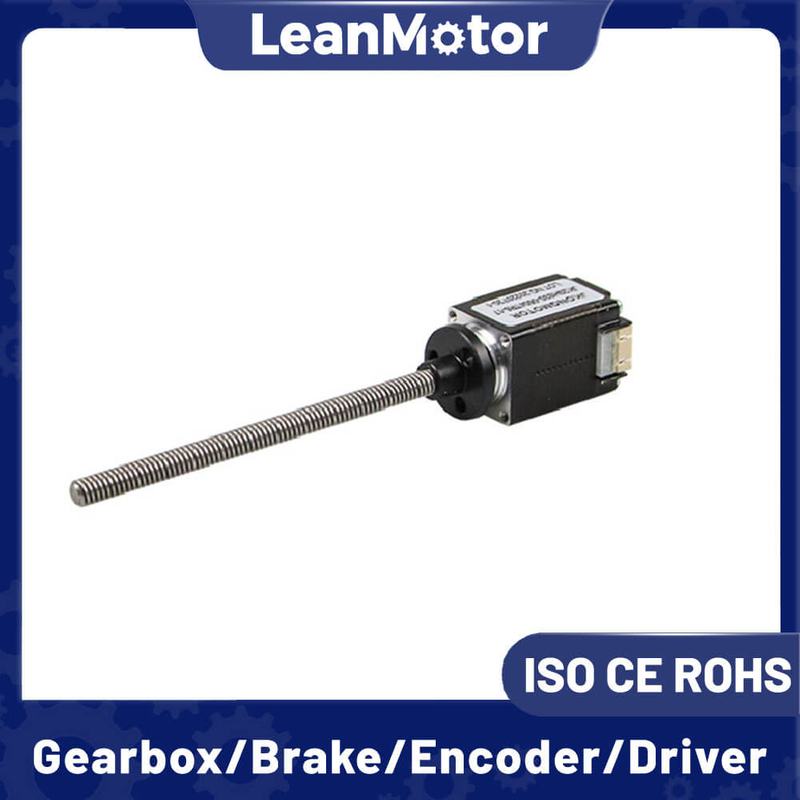
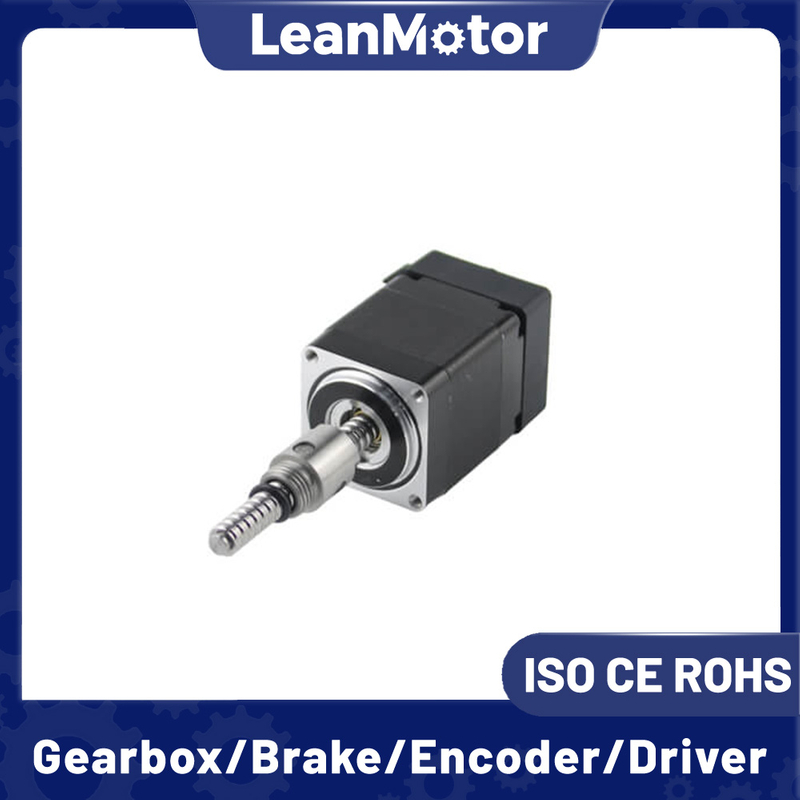
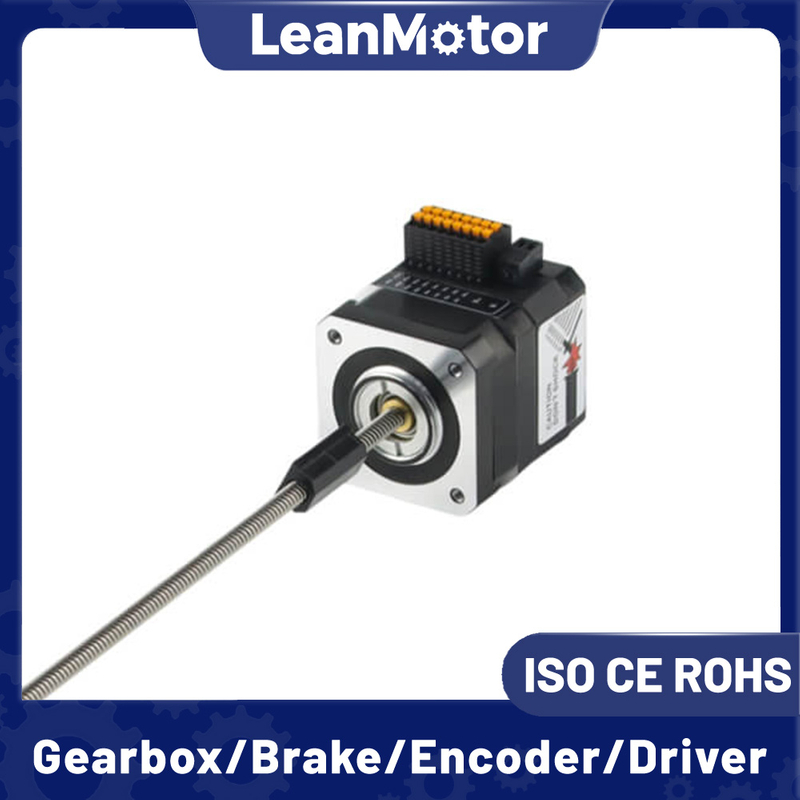
Linear stepper motors are advanced electromechanical devices designed to convert electrical pulse signals directly into precise linear motion. Unlike traditional rotary motors that require additional mechanical components such as lead screws, belts, or gearboxes to create linear movement, linear stepper motors generate straight-line motion inherently within the motor structure. This direct-drive capability improves positioning accuracy, reduces mechanical complexity, and enhances overall system reliability.
Because of their exceptional precision and repeatability, linear stepper motors are widely used in automation equipment, semiconductor manufacturing, medical devices, robotics, laboratory instruments, CNC machinery, packaging systems, and optical positioning platforms.
How Linear Stepper Motors Work
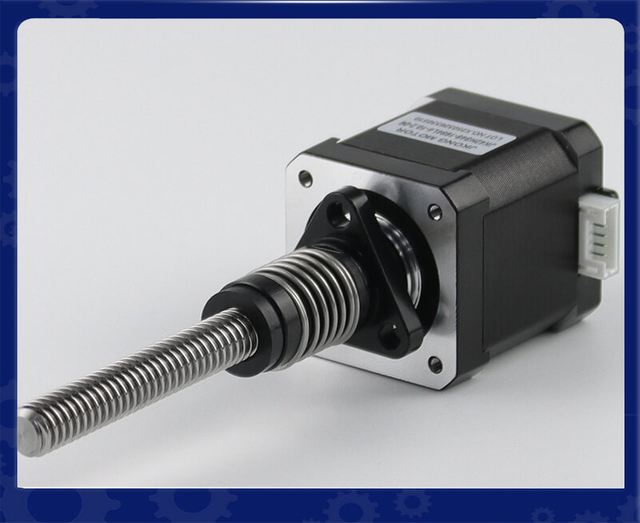
A linear stepper motor operates by energizing electromagnetic coils in a specific sequence. Each electrical pulse sent from the motor driver causes the motor shaft or threaded actuator to move a fixed linear distance, commonly referred to as a “step.”
The movement process involves several key components:
Component
Function
Stator
Contains electromagnetic coils that generate magnetic fields
Rotor or Screw Assembly
Responds to magnetic field changes to create motion
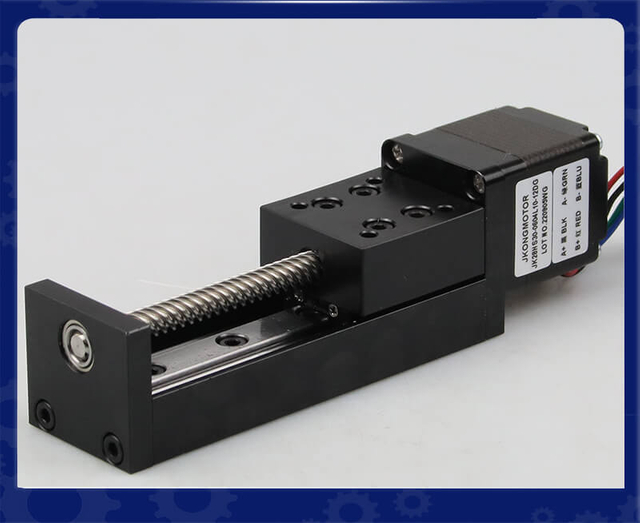
Lead Screw
Converts electromagnetic force into linear displacement
Nut or External Slider
Travels along the screw to produce linear motion
Motor Driver
Controls pulse timing, direction, and current
As pulse signals are applied in sequence, the magnetic fields pull or push the motor’s internal threaded shaft, generating highly controlled incremental linear movement.
Basic Operating Principle
The operation of a linear stepper motor follows a highly synchronized electromagnetic process:
The controller sends pulse signals to the driver.
The driver energizes motor windings in sequence.
Magnetic fields interact with the rotor or threaded shaft.
The shaft advances one incremental step per pulse.
Continuous pulse sequences create smooth linear travel.
Each pulse corresponds to a specific linear distance, allowing accurate open-loop positioning without requiring feedback systems in many applications.
For example:
200 pulses may move the actuator 10 mm
2000 pulses may move the actuator 100 mm
The exact travel distance depends on:
Step angle
Screw pitch
Microstepping settings
Driver configuration
Types of Linear Stepper Motors
Linear stepper motors are available in several structural configurations to suit different application requirements.
Immediate start-stop capability with precise control.
Low Maintenance
Minimal wear components compared to belt or gear systems.
Excellent Holding Force
Maintains position firmly even at standstill.
Common Industrial Applications
Linear stepper motors are essential in industries requiring controlled linear positioning.
Semiconductor Manufacturing
Wafer handling, lithography positioning, and inspection systems.
Medical Equipment
Diagnostic analyzers, infusion pumps, and laboratory automation.
Packaging Machinery
Labeling, filling, cutting, and sealing systems.
Robotics
Linear actuators for precision robotic movement.
CNC and Laser Equipment
Precision table positioning and tool movement.
Optical Systems
Camera focusing, scanning, and alignment systems.
Factors Affecting Performance
Several operating conditions influence linear stepper motor efficiency and lifespan.
Load Conditions
Excessive load reduces positioning reliability.
Temperature
Overheating can degrade winding insulation.
Voltage and Current
Improper driver settings affect torque output.
Mechanical Alignment
Misalignment increases friction and wear.
Environmental Conditions
Dust, moisture, and vibration may reduce motor reliability.
Importance of Proper Driver Selection
The driver plays a critical role in motor performance.
A high-quality driver provides:
Accurate current control
Smooth microstepping
Thermal protection
Stable pulse generation
Reduced resonance
Improper drivers often lead to:
Missed steps
Overheating
Excessive vibration
Reduced motor lifespan
Conclusion
Linear stepper motors are highly efficient precision motion devices capable of delivering accurate, repeatable, and reliable linear movement in advanced automation systems. Their direct-drive operation, compact structure, and excellent control characteristics make them ideal for industrial, medical, semiconductor, and robotics applications.
By understanding the operating principles, structural types, performance factors, and control methods of linear stepper motors, engineers and manufacturers can optimize system performance, improve positioning accuracy, and extend equipment service life in demanding industrial environments.
Leanmotor Customized Service
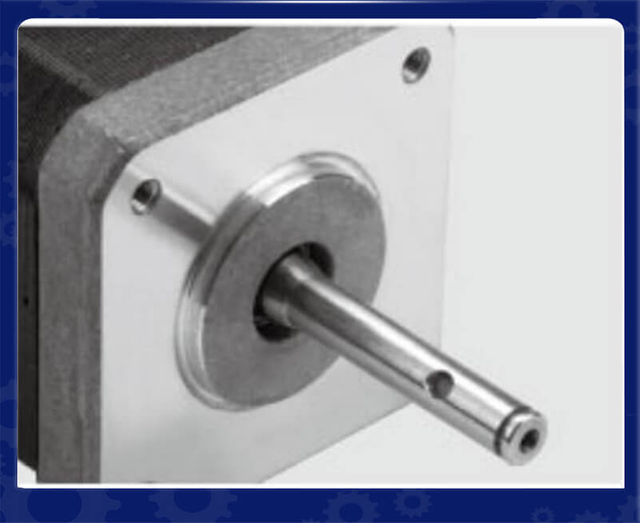
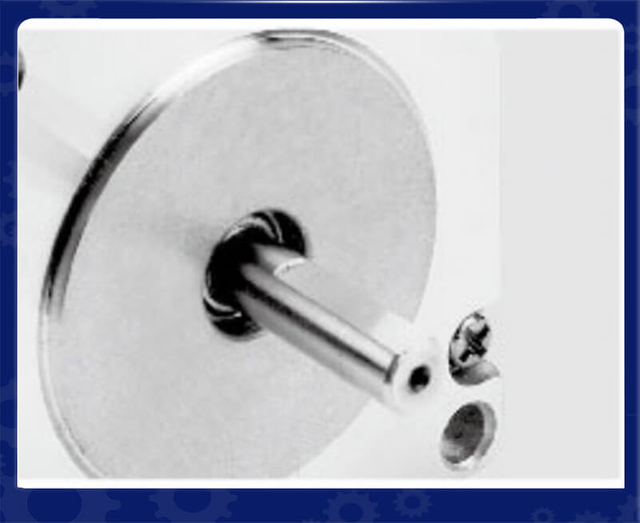
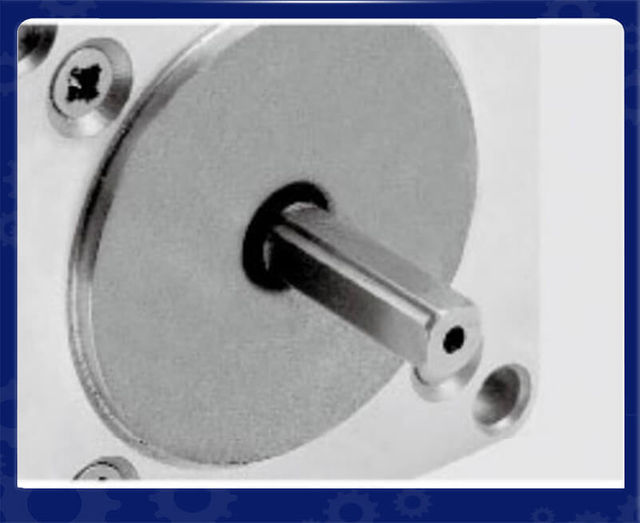
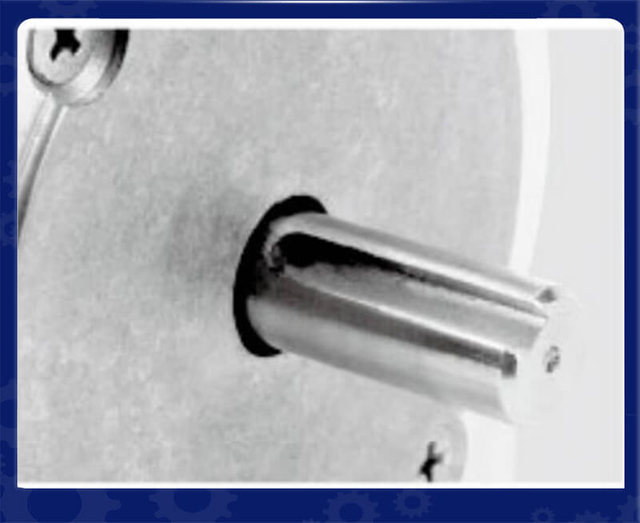
Customized Shaft Service
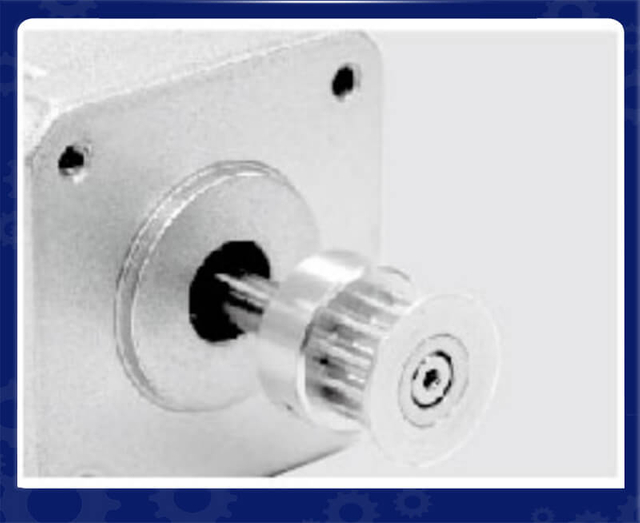
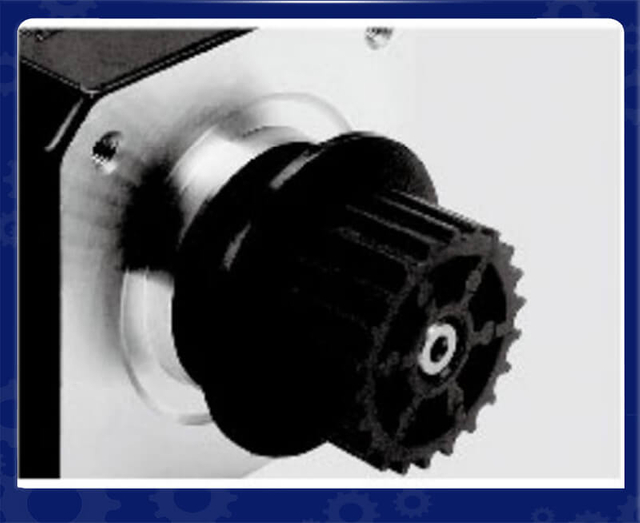
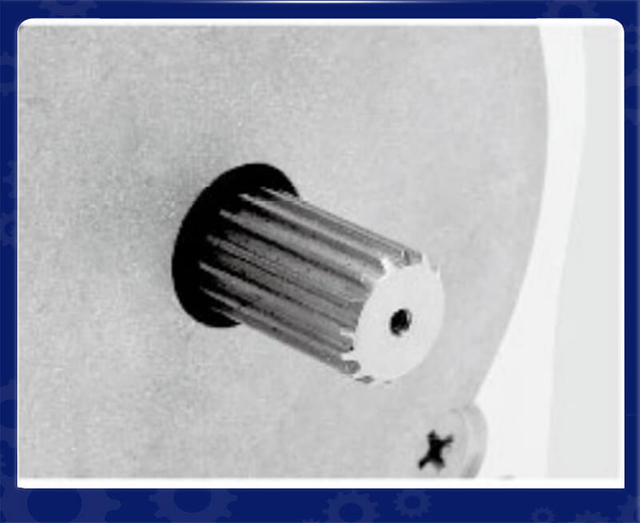
Metal Pulleys
Plastic Pulley
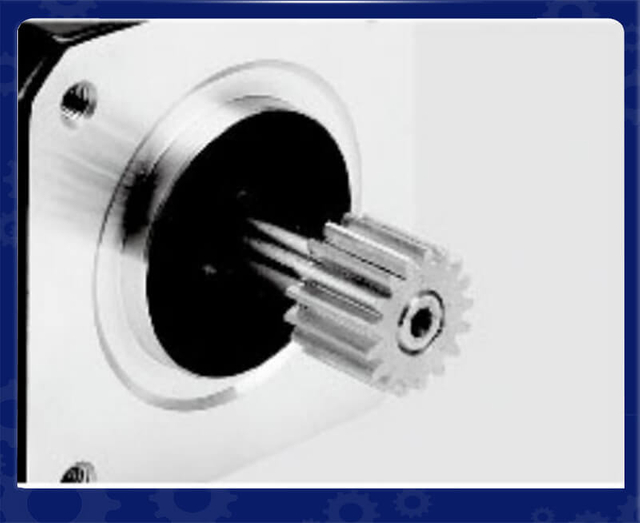
Gear
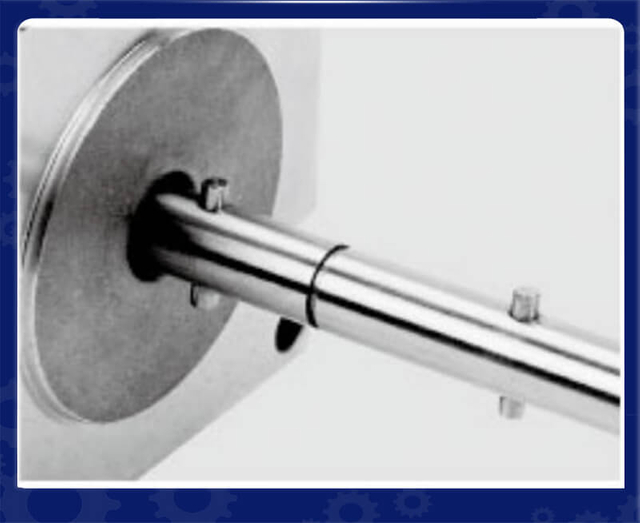
Shaft Pin
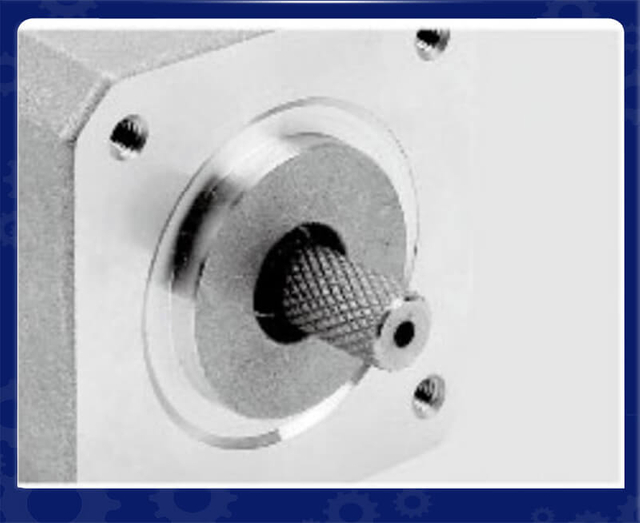
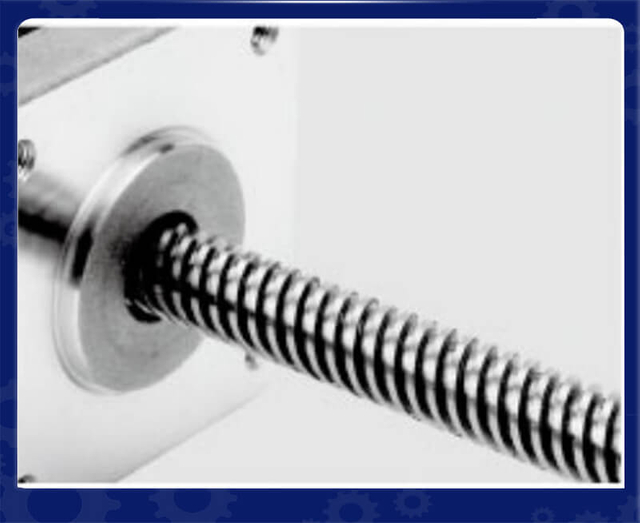
Threaded Shaft
Panel Mount
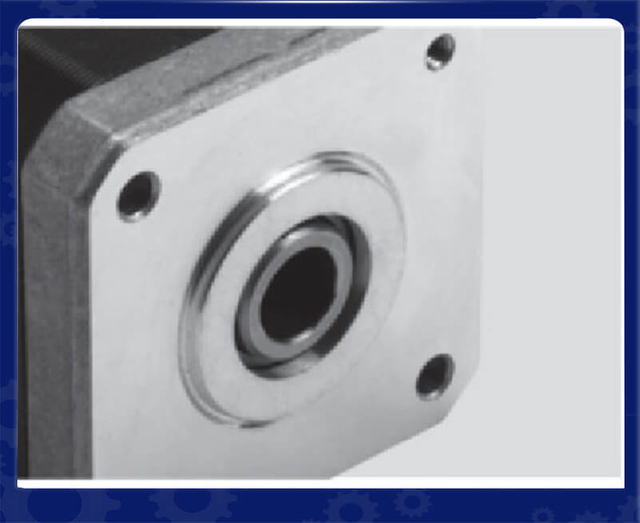
Hollow Shaft
Lead Screw
Panel Mount
Single Flat
Dual Flat
Key Shaft
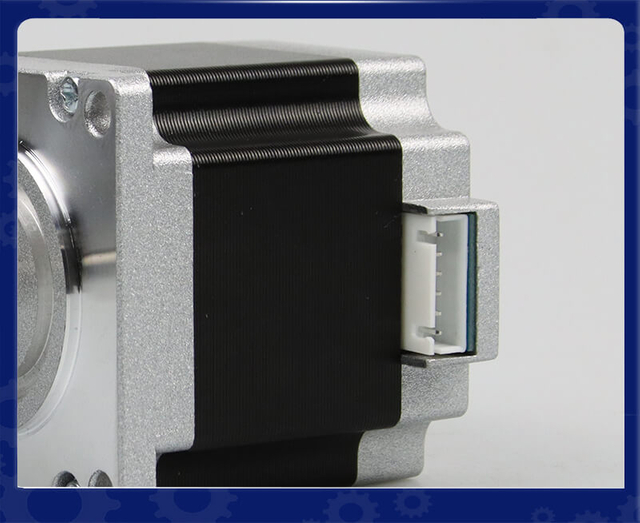
Customized Motor Service
Cables
Covers
Shaft
Lead Screw Rod
Encoders
Brakes
Gearboxes
Linear Module
Integrated Drivers
Worm Gearbox
1. Overheating Failure
One of the Most Common Linear Stepper Motor Problems
Overheating is among the leading causes of linear stepper motor failure. Stepper motors naturally generate heat because they continuously consume current even when stationary.
Primary Causes of Overheating
Excessive drive current
Poor ventilation
High ambient temperature
Continuous high-load operation
Improper current settings in drivers
Inadequate heat dissipation
Frequent acceleration and deceleration cycles
Symptoms of Overheating
Motor casing becomes excessively hot
Reduced holding force
Missed steps
Thermal shutdown of drivers
Coil insulation degradation
Shortened motor lifespan
Effects on Performance
Excessive temperature can damage internal windings, reduce magnetic efficiency, weaken insulation materials, and permanently deform motor components.
Prevention Methods
Use properly matched drivers
Set appropriate current limits
Add cooling fans or heat sinks
Avoid operating above rated temperatures
Reduce duty cycles when possible
Ensure proper airflow around the motor
2. Bearing Wear and Mechanical Fatigue
Mechanical Degradation Over Time
Linear stepper motors contain moving mechanical components that gradually wear during repeated operation.
Common Causes
Continuous high-speed motion
Excessive radial or axial loading
Contaminated environments
Lack of lubrication
Misalignment during installation
Mechanical shock or vibration
Warning Signs
Increased operational noise
Vibration during movement
Reduced positioning accuracy
Uneven travel motion
Increased friction resistance
Consequences
Bearing wear increases internal resistance and reduces movement smoothness, eventually causing motor seizure or positioning instability.
Preventive Solutions
Perform periodic maintenance inspections
Maintain proper alignment
Use dust-proof protection
Avoid overload conditions
Replace worn bearings proactively
3. Missed Steps and Position Loss
Critical Failure in Precision Motion Systems
Linear stepper motors operate using discrete step movements. When the motor cannot follow command pulses accurately, missed steps occur.
Main Causes
Excessive load inertia
Sudden acceleration
Incorrect driver tuning
Insufficient torque
Resonance effects
Mechanical binding
Voltage instability
Common Symptoms
Inaccurate positioning
Drift from programmed coordinates
Repetitive dimensional errors
Unexpected machine behavior
Industrial Impact
In CNC equipment, semiconductor systems, and medical devices, missed steps can lead to:
Product defects
Process interruptions
Calibration loss
Reduced manufacturing precision
Solutions
Optimize acceleration profiles
Increase supply voltage
Use microstepping drivers
Match motor size correctly to application load
Reduce friction in linear systems
Add closed-loop feedback when required
4. Coil Insulation Breakdown
Electrical Failure of Internal Windings
Motor coils are insulated to prevent short circuits between winding layers. Over time, insulation can deteriorate.
Contributing Factors
Excessive temperature
Voltage spikes
Moisture exposure
Chemical contamination
Aging insulation materials
Poor-quality power supplies
Failure Indicators
Unstable motor operation
Sudden current spikes
Burning smell
Reduced torque output
Complete motor failure
Potential Damage
Insulation breakdown may cause:
Short circuits
Driver damage
Coil burnout
Permanent winding failure
Prevention Strategies
Use stable regulated power supplies
Install surge protection
Avoid excessive operating temperatures
Protect motors from humidity
Select industrial-grade insulation systems
5. Lead Screw Wear and Backlash
Common in Captive and External Linear Stepper Motors
Lead screws are critical components responsible for linear movement transmission.
Causes of Lead Screw Failure
Continuous high-load operation
Poor lubrication
Dust contamination
Excessive friction
Improper nut engagement
Misalignment
Signs of Lead Screw Problems
Increased backlash
Reduced repeatability
Noise during movement
Jerky linear motion
Loss of thrust efficiency
Impact on Precision Applications
Backlash reduces motion accuracy and can severely affect:
Semiconductor manufacturing
Optical systems
Laboratory automation
Medical diagnostic equipment
Preventive Maintenance
Apply suitable lubrication regularly
Use anti-backlash nuts
Keep screw assemblies clean
Inspect wear periodically
Replace damaged screws promptly
6. Resonance and Vibration Problems
Performance Instability During Operation
Stepper motors are prone to resonance at certain speeds, especially in open-loop systems.
Root Causes
Natural frequency matching
Improper microstepping settings
Poor mechanical damping
Lightweight structures
Sudden speed transitions
Observable Symptoms
Loud humming noise
Motor vibration
Loss of synchronization
Reduced torque
Irregular movement
Long-Term Effects
Persistent vibration accelerates:
Mechanical fatigue
Bearing wear
Coupling damage
Fastener loosening
Solutions
Use microstepping drivers
Add dampers
Optimize motion profiles
Avoid operating near resonance frequencies
Improve mechanical rigidity
7. Contamination and Environmental Damage
Environmental Factors That Reduce Reliability
Industrial environments expose linear stepper motors to contaminants that negatively impact performance.
Common Environmental Hazards
Dust
Oil mist
Metal particles
Moisture
Corrosive chemicals
Extreme temperatures
Damage Mechanisms
Contaminants can enter moving assemblies and cause:
Increased friction
Corrosion
Electrical shorts
Mechanical blockage
Premature wear
Symptoms
Reduced travel smoothness
Higher operating temperatures
Erratic movement
Rust formation
Increased maintenance frequency
Protection Measures
Use sealed motor designs
Install protective covers
Implement clean operating environments
Use IP-rated enclosures
Perform routine cleaning
8. Driver and Electrical Control Failures
External Electronics Can Cause Motor Failure
Many apparent motor problems actually originate from the driver or control system.
Common Electrical Issues
Incorrect wiring
Driver overheating
Power supply instability
EMI interference
Faulty connectors
Grounding problems
Typical Symptoms
Motor stalls
Random movement
Excessive noise
Inconsistent speed
Driver alarms
Troubleshooting Tips
Verify wiring connections
Check driver current settings
Measure supply voltage
Inspect connector integrity
Improve shielding and grounding
Prevention
Use industrial-grade drivers
Maintain proper electrical grounding
Avoid cable interference
Select compatible motor-driver combinations
9. Lubrication Failure
Critical for Long-Term Reliability
Inadequate lubrication increases friction and accelerates wear in moving components.
Causes
Dry operating conditions
Incorrect lubricant type
Contaminated grease
Excessive lubrication intervals
Effects
Increased heat generation
Mechanical resistance
Reduced efficiency
Premature wear
Maintenance Recommendations
Follow manufacturer lubrication schedules
Use high-quality industrial lubricants
Avoid over-lubrication
Inspect moving assemblies regularly
10. Improper Installation and Alignment
A Hidden Cause of Premature Failure
Incorrect installation often creates unnecessary stress within the motor assembly.
Installation Errors
Shaft misalignment
Uneven mounting surfaces
Excessive tightening force
Improper coupling installation
Incorrect load distribution
Resulting Problems
Increased vibration
Mechanical binding
Reduced bearing life
Excessive current draw
Positioning instability
Best Practices
Use precision alignment tools
Follow torque specifications
Verify load balancing
Inspect installation geometry carefully
How to Extend Linear Stepper Motor Lifespan
Linear stepper motors are designed for high-precision motion control and long-term industrial operation. However, their actual service life depends heavily on proper selection, installation, operating conditions, and maintenance practices. In demanding automation environments, even minor issues such as overheating, contamination, or improper alignment can gradually reduce motor efficiency and lead to premature failure.
Use Proper Motor Sizing for the Application
Selecting the correct linear stepper motor is one of the most important factors in maximizing lifespan. An undersized motor often operates under excessive load conditions, generating unnecessary heat and mechanical stress. Over time, this accelerates wear on bearings, lead screws, and internal windings.
When choosing a motor, engineers should carefully evaluate:
Load mass
Required thrust force
Travel speed
Duty cycle
Acceleration and deceleration requirements
Environmental conditions
A properly sized motor operates within safe torque margins, reducing thermal buildup and ensuring stable long-term performance. Oversizing slightly for demanding applications can also improve operational reliability and reduce strain during peak loads.
Maintain Proper Temperature Control
Excessive heat is one of the leading causes of linear stepper motor failure. Continuous operation at high temperatures can damage insulation materials, weaken magnetic performance, and shorten the lifespan of internal components.
To maintain safe operating temperatures:
Use appropriate current settings on the driver
Ensure adequate airflow around the motor
Install cooling fans or heat sinks when necessary
Avoid operating beyond rated duty cycles
Monitor motor temperature during continuous operation
Thermal management becomes especially important in compact automation systems where multiple motors operate in enclosed spaces. Keeping operating temperatures stable helps preserve motor efficiency and prevents premature electrical failure.
Perform Regular Lubrication and Mechanical Maintenance
Linear stepper motors contain moving mechanical components that require periodic inspection and lubrication. Lead screws, bearings, and guide assemblies experience continuous friction during operation, making preventive maintenance essential for smooth and accurate motion.
Proper maintenance practices include:
Applying suitable industrial-grade lubricants
Cleaning dust and debris from moving parts
Inspecting lead screw wear
Checking for abnormal vibration or noise
Replacing worn bearings before failure occurs
Insufficient lubrication increases friction resistance and operating temperature, while contaminated grease can accelerate mechanical wear. Establishing a scheduled maintenance routine significantly improves motion stability and extends overall system lifespan.
Protect the Motor from Environmental Contamination
Industrial environments often expose linear stepper motors to dust, oil mist, moisture, metal particles, and chemical contaminants. These external factors can damage internal components, increase friction, and reduce positioning accuracy over time.
To improve environmental protection:
Use sealed or IP-rated motor designs
Install protective covers or bellows
Maintain clean operating conditions
Prevent exposure to corrosive chemicals
Reduce humidity in sensitive applications
In industries such as semiconductor manufacturing, medical automation, and laboratory systems, maintaining a clean operating environment is critical for preserving long-term motor reliability and precision performance.
Optimize Driver Settings and Motion Profiles
The performance of a linear stepper motor depends heavily on its driver configuration and motion control parameters. Incorrect current settings, aggressive acceleration, or unstable voltage can place unnecessary stress on the motor and shorten its service life.
For optimal operation:
Use compatible high-quality drivers
Enable microstepping for smoother motion
Reduce sudden acceleration and deceleration
Maintain stable power supply voltage
Minimize resonance and vibration
Well-optimized motion profiles reduce mechanical shock, improve positioning stability, and lower heat generation. Smooth operation not only enhances precision but also protects internal motor components from long-term fatigue damage.
Ensure Correct Installation and Alignment
Improper installation can create excessive side loading, mechanical binding, and vibration that gradually damage the motor assembly. Even high-quality linear stepper motors may fail prematurely if mounting conditions are incorrect.
Best installation practices include:
Using precision alignment tools
Ensuring flat and rigid mounting surfaces
Avoiding excessive tightening force
Verifying load balance and guide rail alignment
Preventing shaft misalignment
Accurate installation minimizes mechanical resistance and allows the motor to operate efficiently throughout its intended lifespan.
Summary
Extending the lifespan of a linear stepper motor requires a combination of proper motor sizing, thermal management, preventive maintenance, environmental protection, optimized driver settings, and precise installation practices. By reducing mechanical stress, controlling operating temperatures, and maintaining clean operating conditions, manufacturers can significantly improve system reliability and long-term positioning accuracy.
Well-maintained linear stepper motors deliver stable performance, reduced downtime, lower maintenance costs, and extended operational life across industrial automation, medical equipment, semiconductor systems, and precision motion control applications.
Conclusion
Linear stepper motors deliver exceptional precision, reliability, and efficiency across advanced automation systems, but they are not immune to failure. The most common failure modes include overheating, missed steps, bearing wear, lead screw degradation, resonance, contamination, insulation breakdown, lubrication issues, and electrical control failures.
By understanding these failure mechanisms and implementing proper preventive maintenance strategies, manufacturers can significantly improve equipment uptime, reduce maintenance costs, and extend the operational lifespan of linear motion systems.
Careful motor selection, correct installation, optimized driver configuration, and regular inspection remain the most effective methods for ensuring long-term linear stepper motor performance in demanding industrial applications.
FAQs
Q: What are the most common failure modes of linear stepper motors?
A:The most common failure modes of linear stepper motors include overheating, missed steps, lead screwMotor Answer:** The most common failure modes of linear stepper motors include overheating, missed steps, lead screw wear, bearing fatigue, insulation breakdown, vibration resonance, contamination damage, lubrication failure, and driver-related electrical issues. LeanMotor recommends proper motor sizing, optimized driver settings, and routine maintenance to reduce these risks and maintain stable motion accuracy.
Q: Why do linear stepper motors overheat during operation?
A:Linear stepper motors may overheat due to excessive current, high ambient temperatures, poor ventilation, continuous heavy loads, or improper driver configuration. LeanMotor motors are designed with efficient electromagnetic structures, but correct current settings and proper cooling are still essential for long-term reliability.
Q:What causes missed steps in a linear stepper motor system?
A:Missed steps are commonly caused by excessive load inertia, rapid acceleration, insufficient torque, unstable voltage, or mechanical resistance. LeanMotor recommends using suitable microstepping drivers, optimizing acceleration profiles, and correctly matching the motor to the application load to improve positioning stability.
Q: How does lead screw wear affect linear stepper motor performance?
A:Lead screw wear increases backlash, reduces positioning precision, and creates uneven linear movement. Over time, friction and mechanical wear can reduce overall efficiency. LeanMotor uses precision-machined screw assemblies to improve durability and recommends regular lubrication and inspection for maximum service life.
Q: Can poor lubrication damage a linear stepper motor?
A:Yes. Inadequate lubrication increases friction, heat generation, and mechanical wear inside the motor assembly. LeanMotor advises using high-quality industrial lubricants and following regular maintenance schedules to ensure smooth operation and extended motor lifespan.
Q:How does contamination impact linear stepper motors?
A:Dust, moisture, oil mist, and metal particles can enter moving components and cause corrosion, increased friction, and positioning instability. LeanMotor provides customizable sealing and protection solutions for harsh industrial environments, including cleanroom and high-dust applications.
Q:What role does the motor driver play in preventing failures?
A:The motor driver directly affects motion smoothness, current control, and thermal performance. Incorrect driver settings may cause overheating, vibration, or unstable motion. LeanMotor recommends using compatible high-performance drivers with proper current and microstepping configuration for optimal operation.
Q:Why does vibration or resonance occur in linear stepper motors?
A:Resonance occurs when operating speeds match the motor’s natural vibration frequency. This may result in noise, unstable movement, or reduced torque. LeanMotor suggests using microstepping technology, proper damping methods, and optimized speed profiles to minimize resonance issues.
Q:How can proper installation extend linear stepper motor lifespan?
A:Correct alignment and mounting reduce unnecessary mechanical stress and friction. Improper installation can cause vibration, side loading, and premature wear. LeanMotor recommends precision alignment, rigid mounting surfaces, and balanced load distribution for reliable long-term performance.
Q:How can users maximize the lifespan of a linear stepper motor?
A:To maximize service life, users should maintain proper lubrication, avoid overload operation, optimize driver settings, prevent contamination, and inspect the motor regularly. LeanMotor linear stepper motors are engineered for high durability, precision motion, and long operational life in demanding automation systems.