Why Do Linear Stepper Motors Overheat in Continuous Operation?
Views: 0 Author: Site Editor Publish Time: 2026-05-09 Origin: Site
Linear stepper motor overheating in continuous operation is mainly caused by excessive current, poor cooling, mechanical load, vibration, and continuous holding torque. Proper thermal management, optimized driver settings, and efficient system design are essential for maintaining stable performance, high precision, and long service life.
Understanding the root causes of overheating is critical for improving performance, reliability, and operational stability. In this article, we examine the major reasons why linear stepper motors overheat and provide practical engineering solutions to prevent thermal issues in demanding industrial environments.
Understanding Heat Generation in Linear Stepper Motors
Heat generation is a natural and unavoidable characteristic of all electromagnetic motion systems, and linear stepper motors are no exception. During operation, these motors convert electrical energy into controlled linear motion through the interaction of magnetic fields inside the stator and mover assembly. However, not all supplied electrical energy becomes useful mechanical output. A portion is inevitably lost in the form of heat, especially during high-speed, high-load, or continuous-duty operation.
Unlike conventional rotary motors, linear stepper motors often operate inside compact automation equipment where airflow is restricted and thermal dissipation is limited. This makes temperature management significantly more critical in precision applications such as semiconductor manufacturing, laboratory automation, medical positioning systems, CNC equipment, and optical inspection platforms.
Primary Sources of Heat in Linear Stepper Motors
The heat generated inside a linear stepper motor mainly originates from four core areas:
Heat Source
Description
Thermal Impact
Copper Losses
Electrical resistance in motor windings converts current into heat
Highest contributor
Iron Losses
Magnetic hysteresis and eddy current losses inside the core
Increases at high speed
Mechanical Friction
Contact friction from guides, bearings, and moving assemblies
Moderate contributor
Driver & Current Losses
Excessive drive current or inefficient control algorithms
Can rapidly elevate temperature
Why Continuous Operation Creates More Thermal Stress
In intermittent applications, motors have sufficient time to cool between motion cycles. In continuous operation, however, the windings remain energized for extended periods, causing heat to accumulate faster than it can dissipate. This thermal buildup is especially severe in applications requiring constant holding force or repetitive acceleration and deceleration cycles.
Common continuous-duty conditions include:
Automated production lines
Pick-and-place systems
Packaging machinery
Semiconductor wafer handling
Precision medical stages
Under these conditions, the motor housing, internal magnets, bearings, and insulation materials are all exposed to sustained thermal stress.
Thermal Accumulation Directly Affects Performance
As internal temperature increases, several performance changes occur simultaneously:
Winding resistance rises
Motor efficiency decreases
Thrust output may decline
Positioning accuracy can drift
Insulation aging accelerates
The following chart summarizes the relationship between temperature rise and operational impact:
Motor Temperature
Operational Effect
40–60°C
Normal operating range
60–80°C
Reduced efficiency begins
80–100°C
Accelerated insulation wear
100°C+
Risk of thermal shutdown or failure
For this reason, understanding how heat is generated inside a linear stepper motor is the foundation for improving reliability, extending service life, and maintaining high-precision motion performance in demanding industrial environments.
Excessive Current Is the Leading Cause of Overheating
High Drive Current Increases Copper Losses
One of the most common reasons for overheating is excessive current supplied by the motor driver. The heat generated in the winding is proportional to the square of the current:
P=I2RP = I^2R
P=I2R
This means even a small increase in current can dramatically raise heat production.
Many systems operate motors at unnecessarily high current settings to maximize force output. While this improves thrust temporarily, it significantly increases coil temperature during continuous operation.
Common Symptoms
Motor housing becomes too hot to touch
Thermal shutdown of the driver
Reduced motor lifespan
Coil insulation degradation
Recommended Solutions
Set the drive current according to actual load requirements
Use dynamic current reduction during idle periods
Select a driver with automatic current scaling
Monitor coil temperature continuously
Leanmotor Customized Service
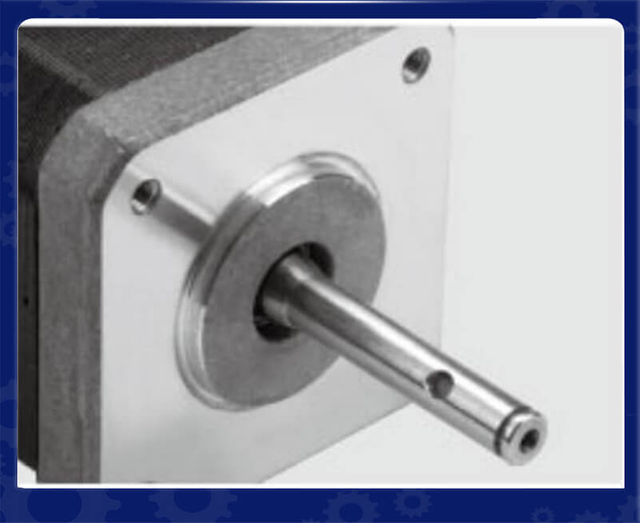
Customized Shaft Service
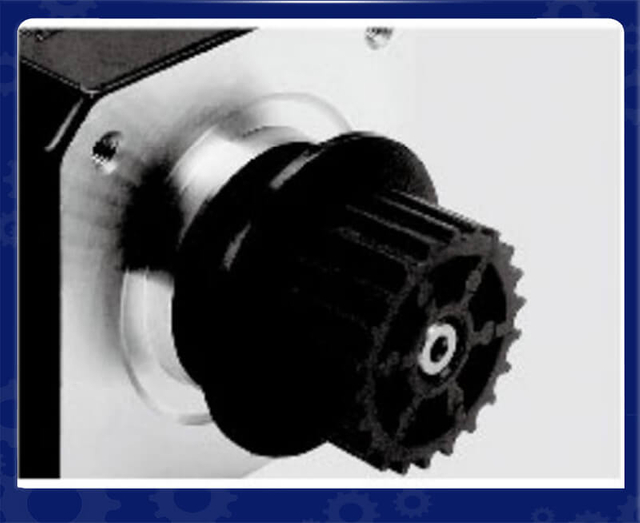
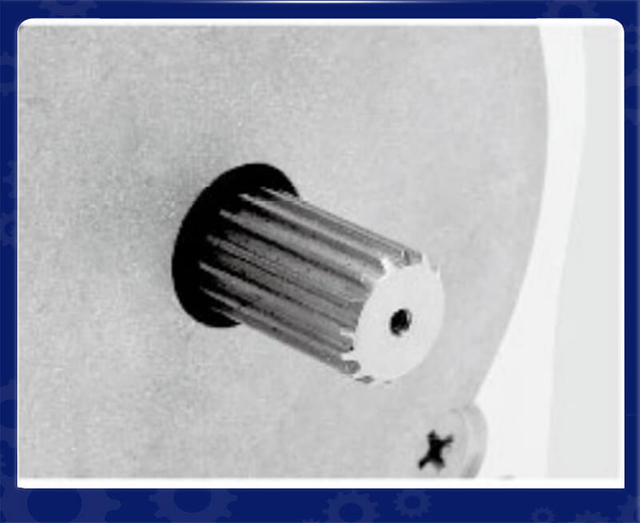
Metal Pulleys
Plastic Pulley
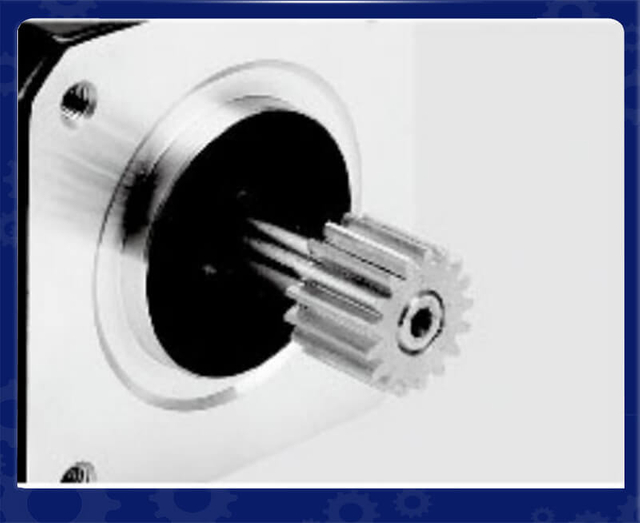
Gear
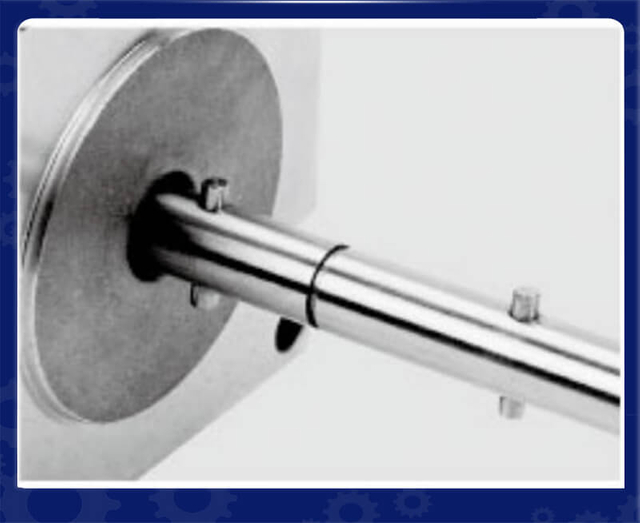
Shaft Pin
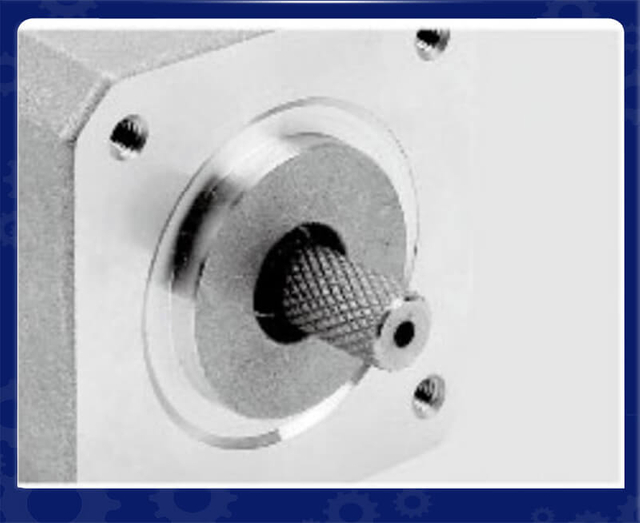
Threaded Shaft
Panel Mount
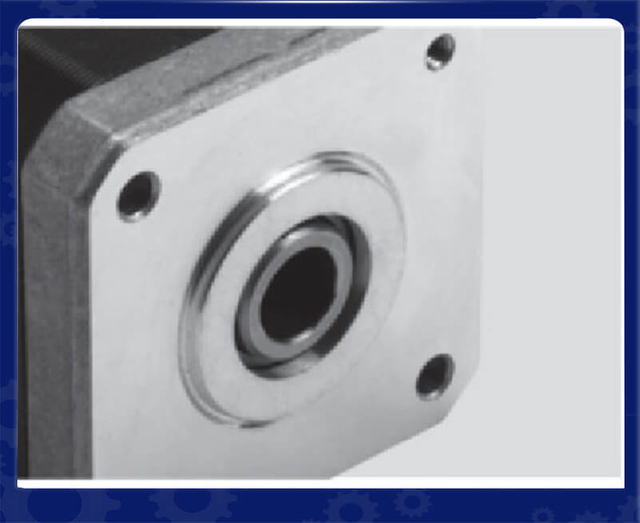
Hollow Shaft
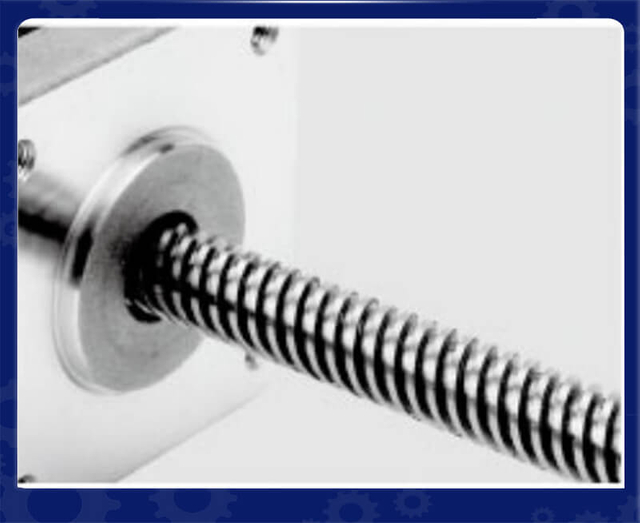
Lead Screw
Panel Mount
Single Flat
Dual Flat
Key Shaft
Customized Motor Service
Cables
Covers
Shaft
Lead Screw Rod
Encoders
Brakes
Gearboxes
Linear Module
Integrated Drivers
Worm Gearbox
Continuous Holding Torque Creates Constant Heat
Holding Current Keeps Windings Energized
Linear stepper motors typically require continuous current even when stationary to maintain holding force and positional accuracy. This holding current continuously energizes the windings, generating heat even without movement.
In applications requiring long-term positioning stability, such as:
Semiconductor manufacturing
Optical inspection systems
Medical positioning stages
Precision assembly lines
the motor may remain energized for hours or days.
Why This Causes Thermal Accumulation
Without motion, there is minimal airflow or cooling effect. Heat accumulates internally, especially in enclosed machine structures.
Effective Solutions
Enable holding current reduction mode
Reduce standby current to 30–50%
Use brakes or mechanical locking mechanisms when possible
Optimize motion profiles to minimize idle holding periods
Poor Heat Dissipation Design
Limited Cooling Accelerates Temperature Rise
Even when current settings are correct, inadequate thermal dissipation can still cause overheating.
Heat generated inside the motor cannot escape efficiently, causing internal temperatures to rise rapidly.
Design Factors That Affect Cooling
Factor
Impact on Temperature
Enclosed housing
Traps heat
Plastic mounting surfaces
Reduce heat transfer
High ambient temperature
Lowers cooling efficiency
Dense equipment layouts
Restrict airflow
Lack of heat sinks
Increases thermal buildup
Engineering Improvements
Use aluminum mounting structures
Install cooling fans or forced-air systems
Add external heat sinks
Improve ventilation paths
Maintain adequate spacing between components
High Ambient Temperature Environments
External Heat Sources Affect Motor Stability
Many industrial environments expose motors to elevated temperatures from nearby equipment such as:
Power supplies
Servo drives
Heating systems
Furnaces
Laser equipment
When ambient temperature rises, the motor’s ability to dissipate internally generated heat decreases significantly.
Consequences of High Ambient Temperature
Faster insulation aging
Reduced magnetic efficiency
Increased winding resistance
Lower thrust performance
Higher risk of thermal runaway
Prevention Methods
Use motors with higher insulation classes
Relocate heat-sensitive components
Separate motors from heat-producing equipment
Implement temperature-controlled cabinets
Improper Driver Configuration
Microstepping and Current Tuning Matter
Motor drivers directly influence thermal performance. Incorrect driver settings can dramatically increase heat generation.
Common Configuration Problems
Excessive RMS current
Incorrect phase current settings
Poor microstepping configuration
Aggressive acceleration profiles
Improper decay mode selection
How Drivers Affect Heating
Certain decay modes produce smoother current control and lower heat generation, while poor tuning causes excessive current ripple and power losses.
Best Practices
Match driver specifications to motor ratings
Use sinusoidal microstepping
Optimize acceleration and deceleration curves
Enable smart current reduction features
Mechanical Friction and Excessive Load
Overloading Forces the Motor to Work Harder
Mechanical resistance significantly contributes to overheating. When a linear stepper motor encounters excessive friction or load, it demands higher current to maintain thrust and positioning accuracy.
Common Mechanical Causes
Misaligned guide rails
Poor lubrication
Excessive payload
Damaged bearings
Contaminated linear tracks
Thermal Effects
As motor torque demand increases, current consumption rises, producing more winding heat.
Recommended Maintenance Actions
Regularly inspect mechanical alignment
Lubricate moving components properly
Minimize unnecessary load mass
Use low-friction linear guides
Resonance and Vibration Increase Energy Loss
Resonance and vibration are common operating issues in linear stepper motor systems. When the motor runs at certain speeds or under unstable load conditions, vibration can increase energy consumption, reduce motion efficiency, and generate additional heat. Over time, excessive resonance may also affect positioning accuracy and mechanical reliability.
How Resonance Causes Additional Heat
Stepper motors move in discrete steps, and these repeated motion pulses can create natural vibration frequencies within the motor and mechanical structure. When the operating frequency approaches the system’s resonant frequency, oscillation becomes stronger and the motor must work harder to maintain stable motion.
This condition can lead to:
Higher current consumption
Increased winding temperature
Mechanical stress on moving parts
Loss of synchronization
Reduced motion smoothness
In continuous operation, these effects contribute directly to thermal buildup and reduced system efficiency.
Common Signs of Resonance Problems
Symptom
System Impact
Audible Noise
Indicates unstable motor operation
Mechanical Oscillation
Reduces positioning stability
Excessive Heat
Increases thermal stress
Missed Steps
Causes positioning errors
Reduced Efficiency
Higher energy consumption
Factors That Increase Resonance
Several system conditions can worsen vibration and resonance:
Improper acceleration settings
Sudden speed changes
Lightweight or flexible structures
Poor motor tuning
High inertial loads
Low microstepping resolution
Mechanical installation quality also plays a major role. Weak mounting structures or misaligned guide systems can amplify vibration during operation.
Methods to Reduce Resonance and Vibration
Effective resonance control improves both thermal stability and motion accuracy.
Recommended Solutions
Use microstepping drivers for smoother motion
Avoid operating continuously at resonance speeds
Optimize acceleration and deceleration curves
Install dampers or vibration absorbers
Improve machine rigidity and alignment
Use closed-loop control systems when necessary
Microstepping technology is particularly effective because it reduces abrupt motion transitions, minimizing vibration and lowering overall energy loss.
Why Vibration Control Matters
Reducing resonance not only lowers heat generation but also improves:
Positioning precision
Motion smoothness
Equipment lifespan
Noise reduction
Continuous-duty reliability
In high-precision automation systems, stable and low-vibration operation is essential for maintaining consistent performance and preventing unnecessary thermal stress on the linear stepper motor system.
Duty Cycle Exceeds Motor Design Limits
Continuous Operation Requires Proper Sizing
Some linear stepper motors are designed for intermittent operation rather than continuous-duty applications.
Using undersized motors in high-duty-cycle systems causes constant thermal stress.
Indicators of Incorrect Motor Sizing
Persistent overheating
Reduced thrust at high temperatures
Frequent driver alarms
Premature failure
Proper Motor Selection Guidelines
Engineers should evaluate:
Continuous thrust requirements
Peak load conditions
Ambient temperature
Motion cycle duration
Required acceleration
Choosing a motor with adequate thermal margin is essential for long-term reliability.
Insulation Breakdown Due to Excessive Heat
Thermal Damage Reduces Motor Lifespan
Overheating gradually damages internal insulation materials surrounding the windings. Once insulation degrades, electrical shorts may occur.
Common Consequences
Coil failure
Reduced winding resistance
Loss of positioning accuracy
Permanent motor damage
Protection Strategies
Install thermal sensors
Use temperature monitoring systems
Select motors with Class F or Class H insulation
Implement over-temperature protection circuits
How to Prevent Linear Stepper Motor Overheating
Comprehensive Thermal Management Strategies
Preventing overheating requires a combination of electrical, mechanical, and thermal optimization.
Recommended Best Practices
Electrical Optimization
Reduce unnecessary current
Use advanced digital drivers
Enable idle current reduction
Optimize microstepping settings
Mechanical Improvements
Reduce friction
Improve alignment
Lower moving mass
Maintain lubrication
Thermal Enhancements
Add cooling fans
Use aluminum heat sinks
Improve airflow
Monitor ambient temperature
System-Level Design
Choose correctly sized motors
Analyze duty cycles
Monitor thermal performance
Integrate temperature feedback systems
Advanced Cooling Technologies for Continuous Operation
Modern industrial systems increasingly adopt advanced cooling methods to improve thermal stability.
Forced Air Cooling
Fans improve airflow around the motor surface and reduce thermal accumulation.
Liquid Cooling Systems
High-performance automation equipment may use liquid cooling jackets for precise temperature regulation.
Integrated Thermal Sensors
Smart motors equipped with thermal sensors provide real-time temperature monitoring and predictive maintenance capability.
Closed-Loop Stepper Systems
Closed-loop control systems optimize current dynamically, reducing unnecessary power consumption and heat generation.
Why Thermal Management Matters in Precision Applications
In precision automation systems, thermal stability directly affects motion accuracy, repeatability, and equipment reliability. Even small temperature increases inside a linear stepper motor can cause thermal expansion, positioning deviation, unstable thrust output, and reduced operational efficiency. For industries that rely on micron-level precision, uncontrolled heat can quickly compromise production quality.
Applications such as semiconductor manufacturing, medical devices, optical inspection equipment, laboratory automation, and high-speed assembly systems demand continuous and highly accurate motion control. In these environments, maintaining stable motor temperature is just as important as achieving precise positioning.
How Heat Impacts Precision Performance
Thermal Effect
Impact on Application
Thermal Expansion
Reduces positioning accuracy
Increased Winding Resistance
Lowers motor efficiency
Magnetic Flux Reduction
Decreases thrust force
Component Wear
Shortens service life
Temperature Drift
Affects repeatability
As temperature rises, internal motor components expand slightly, which may alter alignment and positioning consistency. In high-precision systems, even minor dimensional changes can affect overall machine accuracy.
Benefits of Proper Thermal Management
Effective thermal control helps improve:
Motion accuracy
System stability
Continuous-duty performance
Equipment lifespan
Production consistency
Common thermal management methods include:
Optimized current control
Cooling fans or heat sinks
Temperature monitoring sensors
Reduced holding current
Improved ventilation design
By controlling heat effectively, linear stepper motors can maintain stable performance during long operating cycles while ensuring the precision and reliability required in advanced industrial applications.
Conclusion
Linear stepper motor overheating during continuous operation is primarily caused by excessive current, poor heat dissipation, continuous holding torque, mechanical overload, improper driver configuration, and high ambient temperatures. Without proper thermal control, overheating can reduce efficiency, damage insulation, shorten service life, and compromise positioning accuracy.
By optimizing motor sizing, driver settings, cooling methods, mechanical design, and operating conditions, engineers can significantly improve thermal stability and long-term reliability. Advanced cooling technologies and intelligent motor control systems further enhance performance in demanding industrial applications.
Modern automation systems require linear stepper motors that deliver not only precision and force, but also stable thermal performance under continuous-duty conditions. Choosing the right motor design and implementing effective heat management strategies are essential for maximizing operational efficiency and equipment lifespan.
FAQs
Q: Why do linear stepper motors generate heat during operation?
A:Linear stepper motors generate heat because electrical energy passing through the windings creates resistance losses, magnetic losses, and mechanical friction. During continuous operation, the motor coils remain energized for long periods, causing heat to accumulate faster than it can dissipate.
Q: Is overheating normal in linear stepper motors?
A:A certain level of heat is normal during operation, especially in continuous-duty applications. However, excessive overheating indicates issues such as overcurrent, poor cooling, incorrect driver settings, or mechanical overload that should be corrected to prevent performance loss or motor damage.
Q:What is the most common cause of overheating in continuous operation?
A:The most common cause is excessive drive current. When the supplied current exceeds the motor’s actual load requirements, copper losses increase significantly, resulting in rapid temperature rise inside the windings.
Q: Can high ambient temperature affect motor overheating?
A:Yes. High ambient temperatures reduce the motor’s ability to dissipate heat effectively. Industrial environments with poor ventilation or nearby heat-generating equipment can accelerate thermal buildup and reduce motor efficiency.
Q: How does continuous holding torque contribute to overheating?
A:Linear stepper motors often require holding current to maintain position accuracy. Even when stationary, the energized windings continuously generate heat, which can accumulate during long operating cycles.
Q: Can poor mechanical design increase motor temperature?
A:Yes. Misaligned guide rails, excessive friction, poor lubrication, and oversized loads force the motor to work harder, increasing current consumption and thermal stress during operation.
Q:How can resonance and vibration increase heat generation?
A:Resonance and vibration reduce motion efficiency and force the motor to consume more energy to maintain stable movement. This additional energy loss appears as heat inside the motor system.
Q: What are the signs of an overheating linear stepper motor?
A:Common signs include excessive surface temperature, reduced thrust, unstable positioning accuracy, unusual noise, driver alarms, missed steps, and thermal shutdown during operation.
Q: How can overheating problems be reduced or prevented?
A:Overheating can be minimized by optimizing current settings, improving ventilation, using heat sinks or cooling fans, reducing holding current, improving mechanical alignment, and selecting a properly sized motor for the application.
Q: Why is thermal management important in precision applications?
A:Thermal stability directly affects positioning accuracy, repeatability, and system reliability. Effective thermal management helps maintain consistent performance, extend motor lifespan, and improve operational stability in precision automation equipment.