What Causes Positioning Errors in Linear Stepper Motors?
Views: 0 Author: Site Editor Publish Time: 2026-05-13 Origin: Site
Linear stepper motors are widely used in precision automation systems, semiconductor equipment, medical devices, CNC machinery, textile machinery, and high-speed packaging systems due to their ability to provide accurate linear motion without complex transmission mechanisms. However, even advanced linear stepper motor systems can experience positioning errors that affect accuracy, repeatability, and overall system performance.
Understanding the root causes of positioning errors is essential for engineers, machine designers, and automation manufacturers seeking higher motion precision and operational reliability. In this article, we examine the most common factors that cause positioning inaccuracies in linear stepper motors and discuss effective methods to minimize these errors in industrial applications.
Understanding Positioning Errors in Linear Stepper Motors
Positioning error refers to the difference between the commanded position and the actual final position achieved by the motor. Even small deviations can significantly impact applications requiring micron-level precision.
Positioning errors generally fall into several categories:
Cumulative positioning errors
Repeatability errors
Lost step errors
Thermal drift
Mechanical backlash-related inaccuracies
Load-induced displacement errors
In linear stepper motor systems, these errors can originate from electrical, mechanical, thermal, magnetic, or environmental sources.
Insufficient Motor Thrust Causes Positioning Deviation
One of the most common reasons for positioning errors is inadequate thrust force.
When the load exceeds the motor’s available thrust capacity, the motor cannot accurately follow the commanded step sequence. This often leads to:
Missed steps
Reduced acceleration capability
Position lag
Unstable movement
Applications involving heavy payloads, rapid acceleration, or vertical motion are especially vulnerable.
Typical Symptoms
Motor vibration during movement
Inconsistent stopping positions
Reduced repeatability
Sudden position loss at high speed
Solutions
Select a motor with higher continuous thrust
Optimize acceleration and deceleration profiles
Reduce moving mass
Use closed-loop control systems
Increase drive current within safe thermal limits
Proper motor sizing is critical for preventing positioning instability.
Leanmotor Customized Service
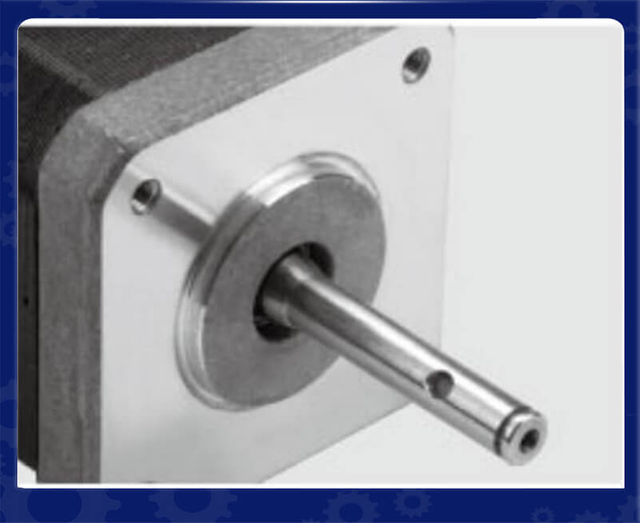
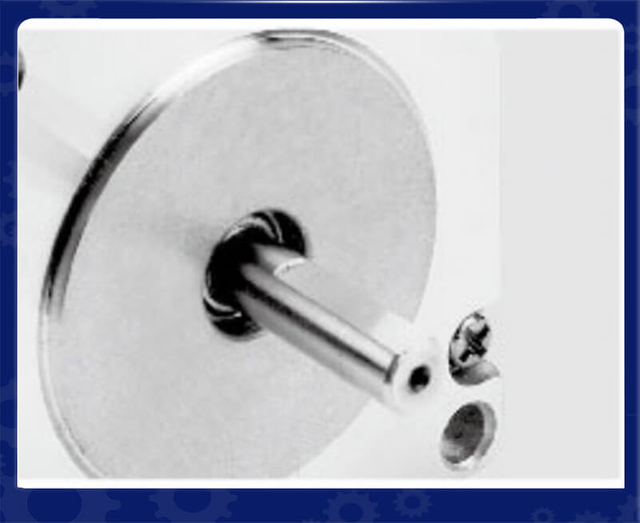
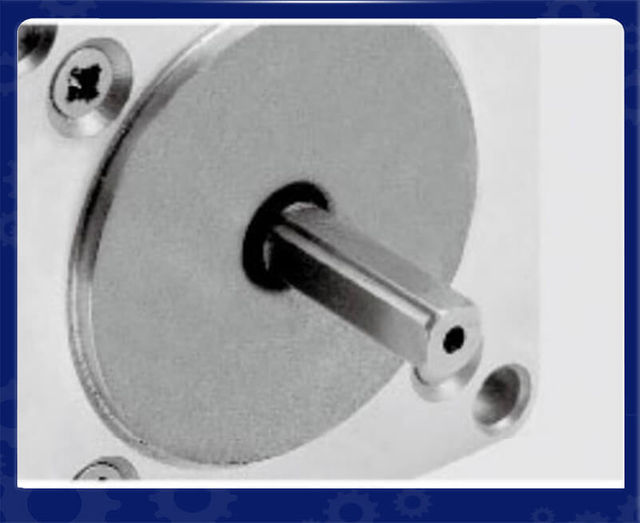
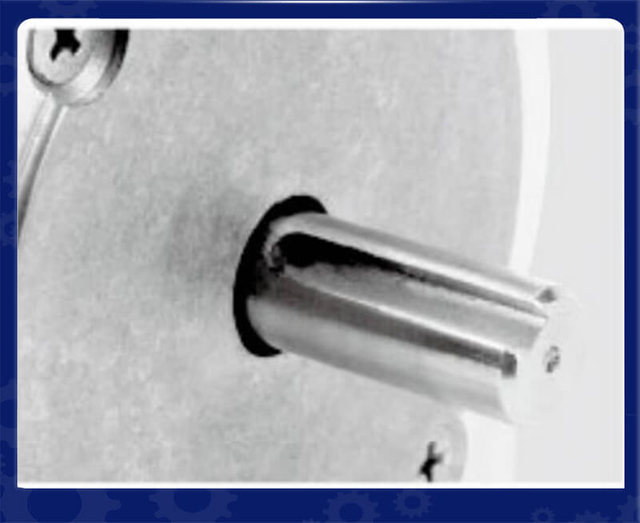
Customized Shaft Service
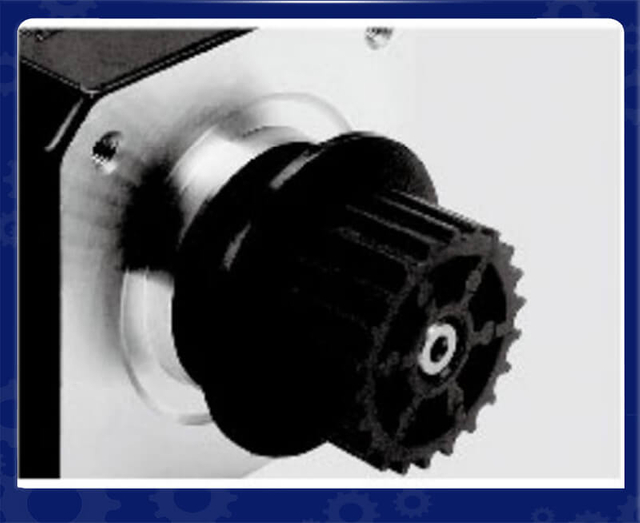
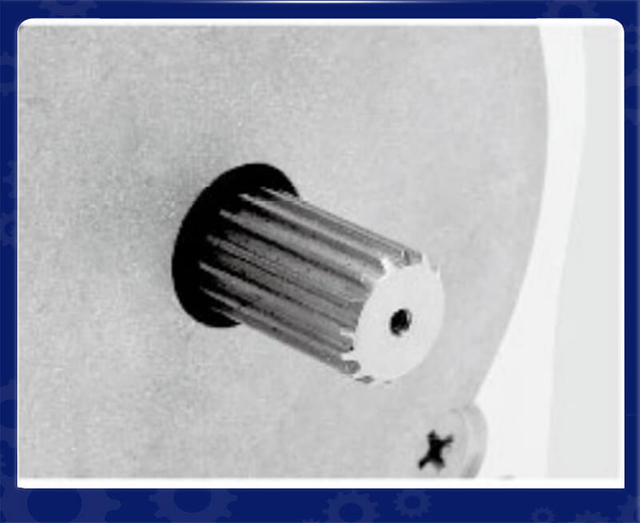
Metal Pulleys
Plastic Pulley
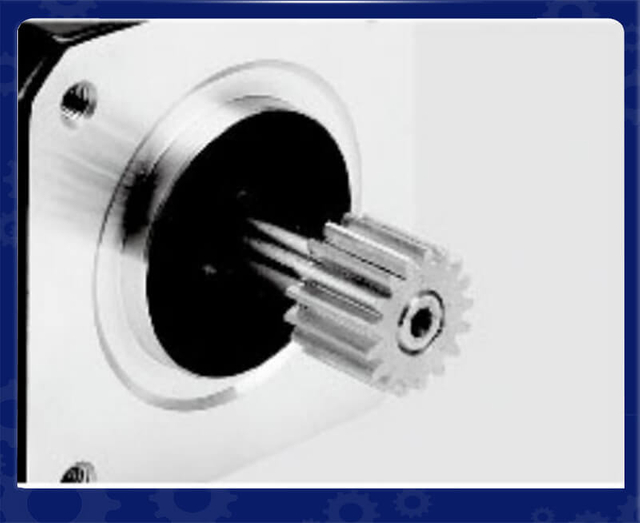
Gear
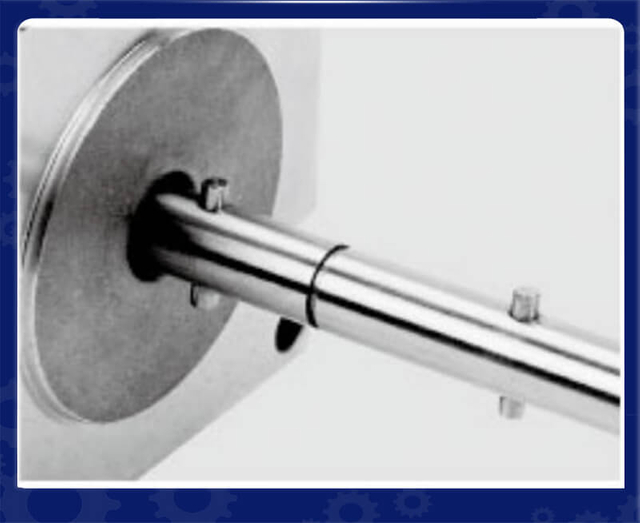
Shaft Pin
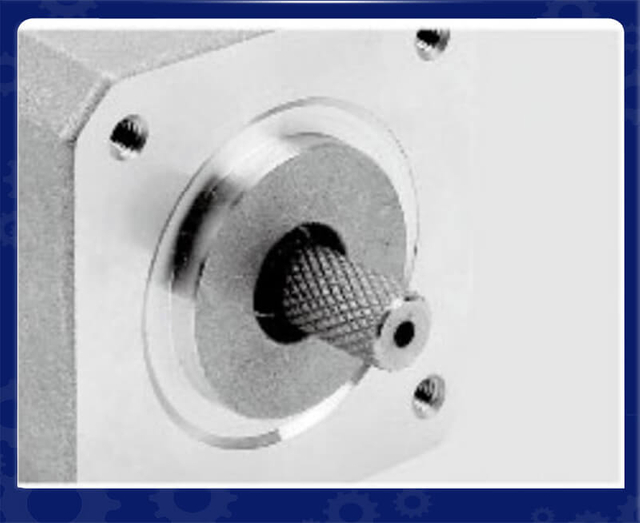
Threaded Shaft
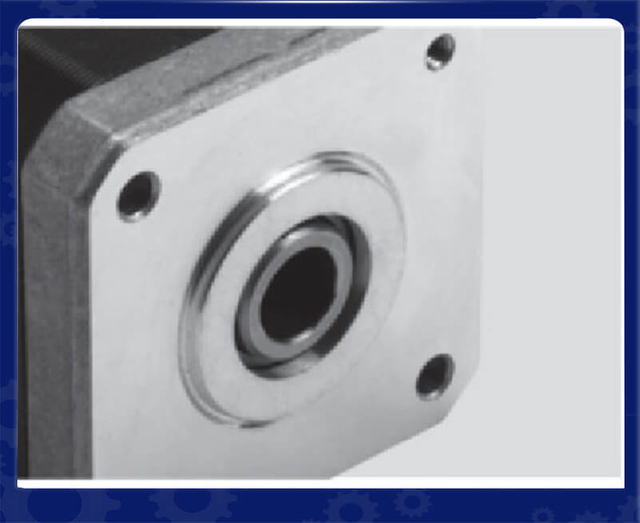
Panel Mount
Hollow Shaft
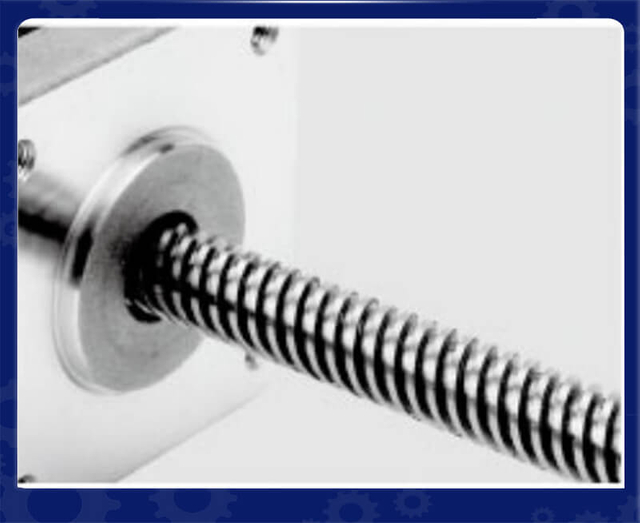
Lead Screw
Panel Mount
Single Flat
Dual Flat
Key Shaft
Customized Motor Service
Cables
Covers
Shaft
Lead Screw Rod
Encoders
Brakes
Gearboxes
Linear Module
Integrated Drivers
Worm Gearbox
Resonance and Vibration Affect Position Accuracy
Linear stepper motors naturally operate through incremental electromagnetic steps. Certain operating speeds can create resonance frequencies that generate vibration and positioning instability.
Resonance may cause:
Oscillation around target positions
Step synchronization loss
Increased settling time
Audible noise
Reduced motion smoothness
Mid-range resonance is especially common in stepper motor systems.
How Resonance Impacts Accuracy
When resonance occurs, the motor may temporarily lose synchronization with the drive pulses. Even minor oscillations can create measurable positioning deviations in high-precision applications.
Methods to Reduce Resonance
Implement microstepping drives
Use dampers or vibration absorbers
Optimize system stiffness
Avoid resonance speed ranges
Use advanced digital drivers with anti-resonance algorithms
Modern drivers significantly improve positioning stability by smoothing current waveforms.
Poor Driver Settings Lead to Motion Errors
Improper driver configuration is another major source of positioning inaccuracies.
Stepper motor drivers control:
Current regulation
Pulse interpolation
Microstepping
Acceleration ramps
Torque output
Incorrect settings can reduce motor efficiency and positional stability.
Common Driver-Related Issues
Driver Problem
Positioning Impact
Low current setting
Insufficient thrust
Excessive current
Overheating and instability
Improper microstepping
Uneven movement
Incorrect pulse frequency
Step loss
Poor acceleration tuning
Mechanical shock
Optimization Recommendations
Match driver current to motor specifications
Use high-resolution microstepping
Optimize pulse frequency
Tune acceleration and deceleration carefully
Use high-quality digital drivers
A properly tuned drive system can dramatically improve positioning repeatability.
Mechanical Misalignment Creates Linear Position Errors
Misalignment between the motor, guide rails, and moving platform creates unwanted friction and side loading. This increases resistance and disrupts smooth linear motion.
Common Mechanical Problems
Rail parallelism errors
Uneven mounting surfaces
Coupling misalignment
Bearing preload issues
Structural deformation
Even minor installation deviations can amplify positioning inaccuracies over long travel distances.
Effects of Misalignment
Increased motor load
Irregular movement
Reduced repeatability
Premature wear
Position drift
Best Practices
Use precision-machined mounting surfaces
Verify rail alignment with dial indicators
Minimize structural flex
Maintain consistent bearing preload
Use rigid support structures
Mechanical precision is equally important as electrical performance.
Thermal Expansion Causes Position Drift
Heat generation is unavoidable in linear stepper motors due to copper losses, magnetic losses, and continuous current flow.
As temperature increases:
Motor dimensions expand
Guide rails lengthen
Structural components deform
Magnetic characteristics change
These thermal effects create gradual positioning drift.
Many assume that higher microstep counts automatically increase positioning accuracy. In reality, microstepping primarily improves motion smoothness and reduces vibration.
Actual microstep accuracy may only achieve a fraction of the theoretical resolution.
Optimization Recommendations
Use precision drivers
Select high-quality motors
Calibrate positioning systems
Avoid excessive microstep settings
Balancing resolution and torque stability is important for reliable operation.
Guide Rail Friction and Wear Reduce Repeatability
Linear guide systems are designed to provide smooth and stable movement with minimal resistance. However, continuous operation, heavy loads, poor lubrication, and environmental contamination gradually increase friction between moving components. As friction becomes inconsistent, the motor may experience unstable motion, reduced repeatability, and higher positioning errors.
How Friction Affects Linear Motion Accuracy
Friction directly influences the force required for movement. When guide rail resistance changes during operation, the motor must compensate by generating additional thrust. If friction varies unpredictably, positioning stability decreases.
Common friction-related problems include:
Uneven movement speed
Position lag
Stick-slip motion
Increased vibration
Reduced low-speed smoothness
Stick-slip behavior is especially problematic in precision applications because the moving platform may suddenly jump after overcoming static friction, causing inaccurate positioning.
Mechanical Wear Causes Positioning Instability
Over time, repeated motion causes wear on bearings, rails, and sliding surfaces. As components wear, mechanical clearance increases and motion stability decreases.
Typical wear-related issues include:
Reduced repeatability
Rail surface damage
Increased backlash
Vibration during movement
Irregular travel resistance
Excessive wear can also shorten system lifespan and increase maintenance costs.
Contamination Accelerates Guide Rail Degradation
Industrial environments often expose guide systems to contaminants such as:
Dust
Metal particles
Oil residue
Moisture
Chemical debris
These contaminants increase surface abrasion and friction, accelerating rail and bearing wear. Contaminated guide rails may also create inconsistent resistance along the travel path, resulting in unstable positioning accuracy.
Protective covers and sealed guide systems help reduce contamination risks.
Poor Lubrication Increases Friction
Lubrication is essential for maintaining smooth guide rail operation. Insufficient or degraded lubricant increases metal-to-metal contact, causing:
Higher operating resistance
Heat generation
Premature wear
Motion instability
Over-lubrication can also attract contaminants and negatively affect performance. Proper lubrication intervals and suitable lubricant selection are important for long-term precision.
Misalignment Creates Uneven Rail Loading
Improper installation or structural deformation may cause guide rail misalignment. Misaligned rails generate uneven loading on bearings and sliding components, increasing localized friction.
This can lead to:
Increased motor load
Reduced movement smoothness
Accelerated bearing wear
Position drift
Precision alignment during installation is essential for maintaining repeatable motion.
Temperature changes and humidity can affect guide rail behavior. Thermal expansion may slightly alter rail geometry, while moisture can lead to corrosion and increased friction.
Proper maintenance and system design significantly improve guide rail performance and positioning consistency.
Recommended Solutions
Optimization Method
Benefit
Regular lubrication
Reduced friction and wear
Precision rail alignment
Improved motion smoothness
Protective covers
Reduced contamination
High-quality bearings
Better repeatability
Clean operating environment
Longer service life
Routine maintenance inspections
Early wear detection
Using precision-grade linear guides designed for high-load and high-speed applications also improves overall motion stability.
Summary
Guide rail friction and wear are major factors affecting the repeatability and positioning accuracy of linear stepper motor systems. Increased friction, contamination, poor lubrication, and mechanical wear can all reduce motion consistency and create positioning deviations. Through proper maintenance, precise alignment, effective lubrication, and contamination control, manufacturers can maintain stable linear motion performance and improve long-term system reliability in demanding industrial applications.
Control System Limitations Affect Precision
Modern linear stepper motor systems rely on motion controllers to generate pulse commands, regulate acceleration, coordinate multi-axis movement, and maintain synchronization. If the controller cannot process motion data efficiently or generate stable pulse signals, positioning accuracy will suffer.
Low Pulse Resolution Reduces Position Accuracy
Motion controllers with limited pulse resolution may not provide sufficiently fine positioning increments. This becomes especially problematic in applications requiring micron-level precision, such as semiconductor manufacturing, laser cutting, or medical equipment.
Low-resolution pulse output can lead to:
Rough motion transitions
Reduced positioning smoothness
Increased interpolation error
Limited repeatability
Using high-speed controllers with finer pulse generation capability improves motion precision significantly.
Processing Delays Cause Position Lag
In complex automation systems, the controller must process large amounts of motion data in real time. Slow processing speed or communication delays can create lag between the commanded position and actual motor response.
This may result in:
Delayed acceleration response
Inconsistent motion timing
Multi-axis synchronization errors
Position overshoot
High-performance processors and real-time control algorithms help minimize these timing-related inaccuracies.
Poor Acceleration and Deceleration Tuning
Improper motion profiles can introduce mechanical shock and instability. If acceleration is too aggressive, the motor may lose synchronization and miss steps. If acceleration is too slow, overall efficiency decreases.
Incorrect ramp settings often cause:
Vibration during startup
Overshoot near stopping positions
Unstable low-speed operation
Reduced repeatability
Carefully optimized acceleration and deceleration curves improve positioning consistency and motion smoothness.
Communication Errors Affect Motion Stability
Industrial automation systems frequently use communication protocols such as:
EtherCAT
Modbus
CANopen
RS485
Ethernet/IP
Unstable communication or signal interference can interrupt command transmission and create positioning errors.
Typical communication-related issues include:
Packet loss
Delayed command updates
Synchronization instability
Random motion interruptions
Reliable industrial communication networks are essential for accurate motion control.
Open-Loop Systems Have Inherent Limitations
Traditional open-loop linear stepper motor systems do not verify whether the commanded movement was successfully completed. If the motor misses steps due to overload, resonance, or sudden load changes, the controller cannot detect the error.
This can cause:
Cumulative positioning deviation
Loss of synchronization
Reduced accuracy over time
Closed-loop systems solve this issue by using encoder feedback to monitor actual position continuously.
Feedback System Quality Influences Precision
In closed-loop systems, encoder resolution and feedback accuracy directly affect positioning performance. Low-quality feedback devices may introduce:
Signal noise
Measurement errors
Delayed correction
Position oscillation
High-resolution encoders provide more accurate position correction and better repeatability.
Interpolation Errors in Multi-Axis Motion
In CNC machines, robotic systems, and automated assembly equipment, multiple axes often move simultaneously. Poor interpolation algorithms can create path deviation and contour inaccuracies.
Common symptoms include:
Uneven circular motion
Corner positioning errors
Path distortion
Inconsistent speed transitions
Advanced controllers with high-speed interpolation improve trajectory accuracy during complex motion tasks.
Software Limitations Reduce System Accuracy
Motion control software also affects precision. Poorly optimized software may generate unstable timing signals, inaccurate compensation values, or inefficient motion planning.
Software-related positioning problems may include:
Incorrect parameter calculations
Motion command conflicts
Inadequate error compensation
Slow response to load variation
Modern intelligent motion software improves positioning through adaptive control and real-time correction algorithms.
Electrical Noise Disrupts Control Signals
Electrical noise can interfere with pulse commands and encoder feedback signals. In industrial environments, nearby high-power equipment often generates electromagnetic interference that affects control accuracy.
Noise-related problems include:
False triggering
Pulse corruption
Encoder signal instability
Unexpected motion behavior
Using shielded cables, proper grounding, and isolated control circuits helps maintain signal integrity.
Methods to Improve Control System Precision
Manufacturers can significantly reduce positioning errors by optimizing the control system architecture.
Recommended Solutions
Optimization Method
Benefit
High-speed motion controllers
Faster signal processing
Closed-loop feedback systems
Real-time error correction
Advanced interpolation algorithms
Improved path accuracy
Proper acceleration tuning
Reduced vibration
Industrial communication protocols
Stable data transmission
Shielded wiring and grounding
Lower electrical interference
Careful integration of hardware and software ensures stable, accurate linear motion performance.
Conclusion
Control system limitations are a major source of positioning errors in linear stepper motor applications. Issues such as low pulse resolution, processing delays, poor tuning, communication instability, and lack of feedback can all reduce motion precision. By using advanced controllers, closed-loop systems, optimized software, and stable communication networks, manufacturers can achieve higher positioning accuracy, smoother motion, and better long-term reliability in demanding automation environments.
Environmental Conditions Influence Linear Stepper Motor Accuracy
Industrial environments require robust protection and environmental control to maintain precision.
How to Minimize Positioning Errors in Linear Stepper Motors
To achieve high positioning accuracy, manufacturers should optimize the entire motion system rather than focusing on a single component.
Key Optimization Strategies
Select properly sized motors
Use advanced digital drivers
Implement closed-loop feedback
Optimize mechanical alignment
Reduce vibration and resonance
Maintain stable thermal conditions
Protect against EMI
Perform regular maintenance
Use precision guide systems
Optimize motion control algorithms
A comprehensive system-level approach delivers the best long-term positioning performance.
Conclusion
Positioning errors in linear stepper motors can result from multiple interconnected factors, including insufficient thrust, resonance, thermal expansion, mechanical misalignment, electromagnetic interference, driver configuration issues, and environmental conditions. In high-precision automation systems, even minor inaccuracies can reduce productivity, compromise product quality, and increase operational costs.
By combining proper motor selection, advanced drive technology, precision mechanical design, thermal management, and intelligent motion control, manufacturers can significantly improve positioning accuracy and long-term system reliability. Modern linear stepper motor systems equipped with optimized control strategies are capable of delivering exceptional precision for demanding industrial applications.
FAQs
Q: What are the main causes of positioning errors in linear stepper motors?
A:The most common causes include insufficient thrust force, mechanical misalignment, resonance vibration, thermal expansion, guide rail friction, electrical interference, and improper driver settings. LeanMotor recommends optimizing both the electrical control system and the mechanical structure to achieve stable and accurate positioning performance.
Q: How does resonance affect linear stepper motor accuracy?
A:Resonance can cause vibration, oscillation, and synchronization loss during operation. This leads to unstable movement and positioning deviation, especially at certain operating speeds. LeanMotor minimizes resonance issues through advanced driver tuning, optimized motion profiles, and precision motor design.
Q:Can thermal expansion cause positioning drift in linear stepper motors?
A:Yes. Continuous operation generates heat inside the motor and surrounding mechanical components. Thermal expansion can slightly change dimensions and create positioning drift over long operating periods. LeanMotor recommends proper cooling, ventilation, and thermal compensation for high-precision applications.
Q: Why do linear stepper motors lose steps during operation?
A:Step loss usually occurs when the motor is overloaded, accelerated too quickly, or affected by excessive friction or vibration. Incorrect driver settings and unstable power supply conditions can also contribute. LeanMotor advises proper motor sizing and optimized acceleration parameters to prevent missed steps.
Q: How does guide rail friction influence positioning precision?
A:Excessive guide rail friction increases movement resistance and creates inconsistent motion. This can reduce repeatability and cause stick-slip behavior at low speeds. LeanMotor recommends precision linear guides, proper lubrication, and regular maintenance to maintain smooth operation.
Q: What role does the driver play in positioning accuracy?
A:The driver controls current output, pulse processing, and microstepping performance. Incorrect current settings or poor-quality drivers may cause vibration, uneven movement, and unstable positioning. LeanMotor uses high-performance digital drivers to improve smoothness and positioning consistency.
Q: Can electromagnetic interference affect linear stepper motor positioning?
A:Yes. Electromagnetic interference from industrial equipment can disrupt pulse signals and encoder feedback, causing motion instability and positioning errors. LeanMotor recommends shielded cables, proper grounding, and separated signal wiring for reliable operation.
Q: Why is mechanical alignment important in linear stepper motor systems?
A:Poor alignment increases side loading, friction, and uneven mechanical stress. This negatively affects motion smoothness and positioning repeatability. LeanMotor emphasizes precision installation and rigid structural support to ensure stable linear motion accuracy.
Q: Are closed-loop linear stepper motors more accurate than open-loop systems?
A:Closed-loop systems generally provide higher accuracy because they continuously monitor actual motor position through encoder feedback. generally provide higher accuracy because they continuously monitor actual motor position through encoder feedback. This allows automatic correction of missed steps and load variations. LeanMotor offers closed-loop linear stepper motor solutions for demanding precision automation applications.
Q:How can positioning errors in linear stepper motors be reduced?
A:Positioning errors can be minimized through proper motor selection, optimized driver configuration, accurate mechanical alignment, vibration reduction, thermal management, and regular maintenance. LeanMotor provides integrated motion solutions designed to improve positioning stability and long-term reliability.