Why Do Fabric Cutting Machines Use Integrated Servo Motors?
Views: 0 Author: Site Editor Publish Time: 2026-04-17 Origin: Site
In modern textile manufacturing, fabric cutting machines play a decisive role in determining production efficiency, material utilization, and finished product quality. As automation continues to transform the textile and garment industries, manufacturers increasingly rely on integrated servo motors to drive cutting systems with precision, speed, and reliability.
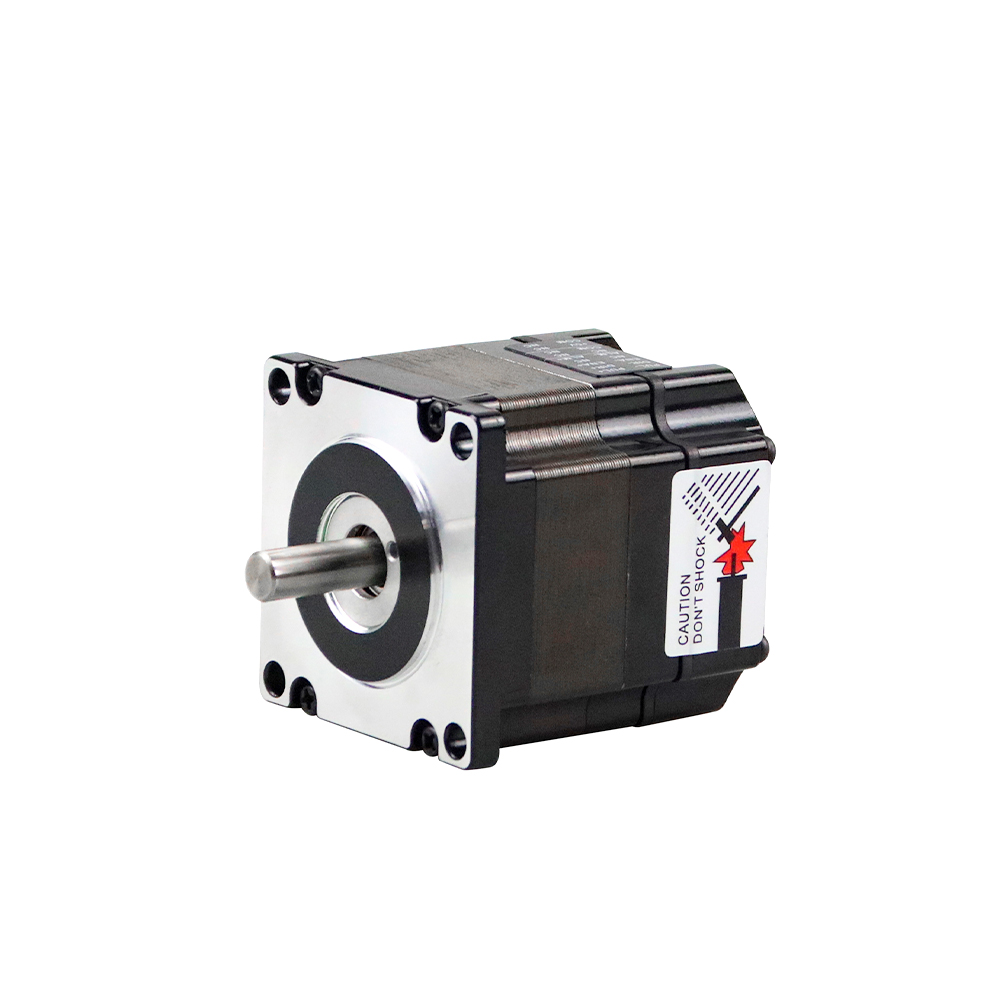
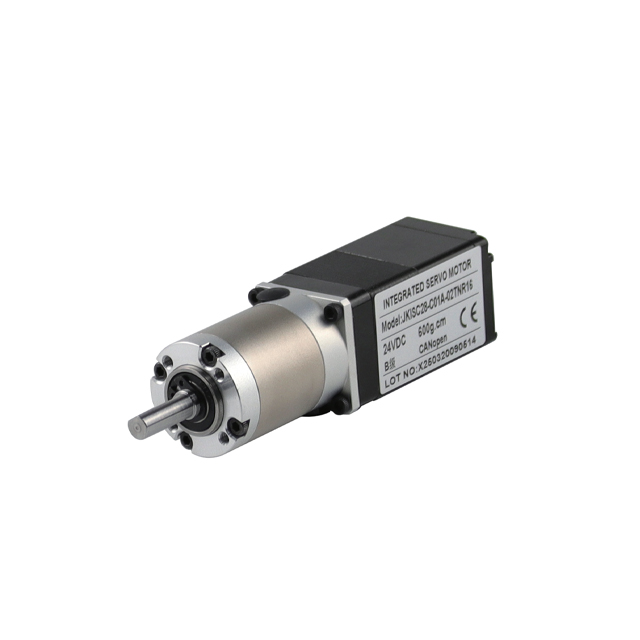
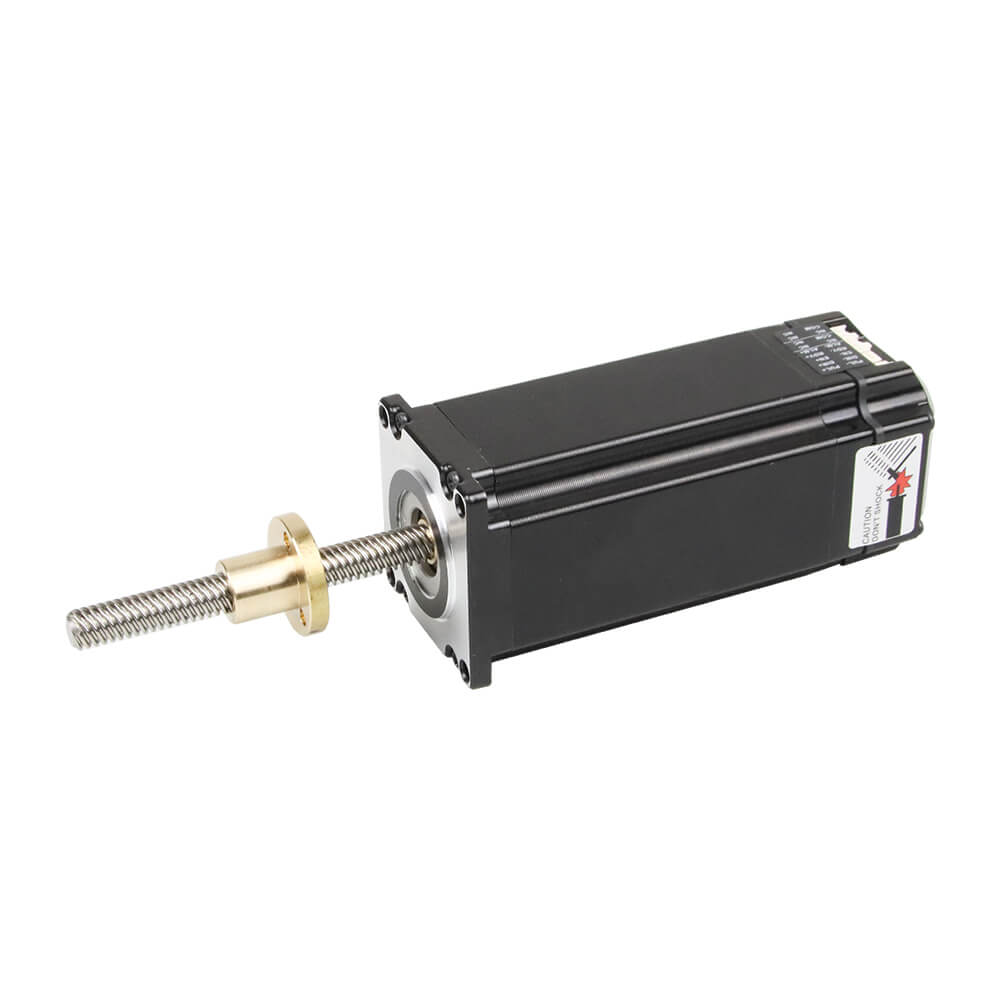
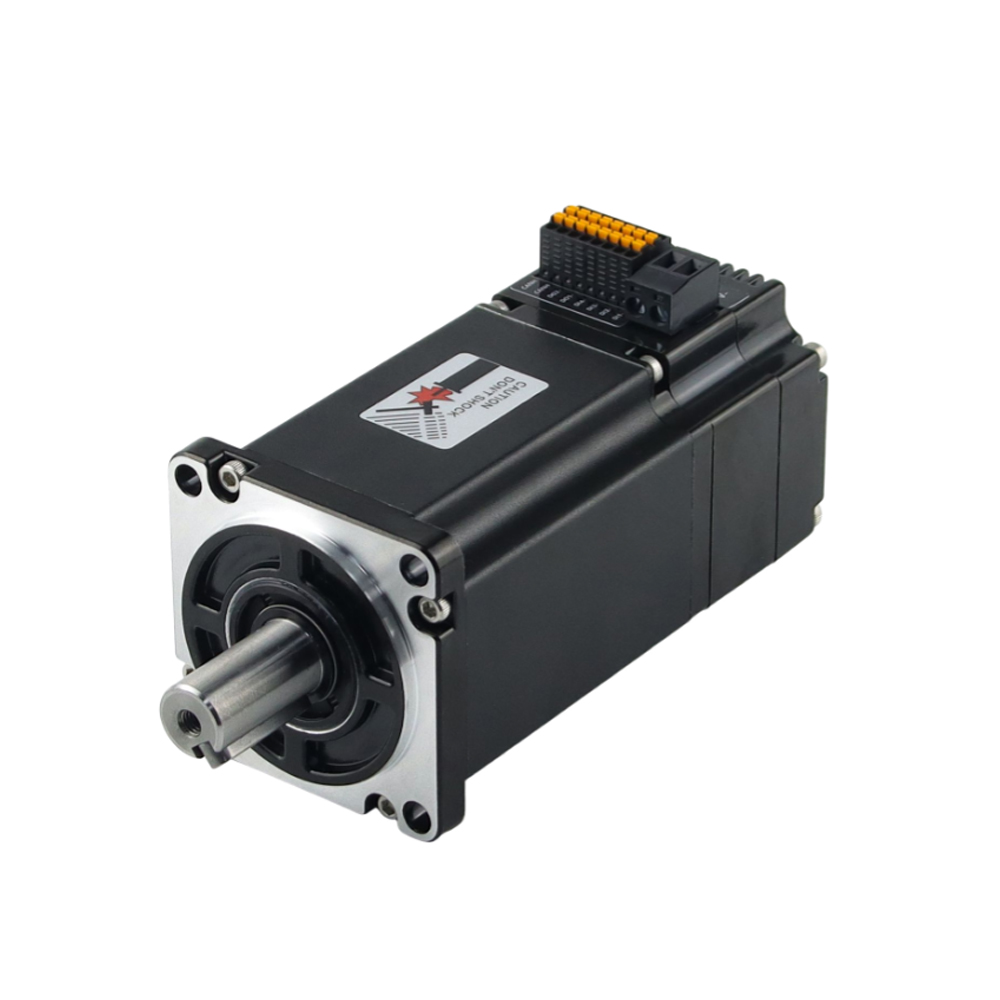
We see a clear shift from traditional motor systems to compact, intelligent integrated servo solutions that combine motor, driver, controller, and feedback system into a single unit. This evolution is not merely a trend — it represents a strategic upgrade that enhances cutting accuracy, reduces downtime, and optimizes machine performance.
This article explores why fabric cutting machines use integrated servo motors, examining their technical advantages, operational benefits, and industry impact.
Understanding Fabric Cutting Machines in Modern Manufacturing
Fabric cutting machines are widely used in industries including:
Garment manufacturing
Automotive textiles
Furniture upholstery
Technical textiles
Footwear production
Industrial fabric processing
These machines must perform precise, repetitive, high-speed cutting operations across different materials such as:
Cotton
Polyester
Leather
Non-woven fabrics
Composite materials
Technical fabrics
To maintain consistent quality, cutting systems must control:
Speed
Position
Torque
Acceleration
Repeatability
Traditional motor systems struggle to meet these requirements efficiently. This is where integrated servo motors become essential.
The compact structure allows more flexible machine layouts and cleaner system design.
4. Improved Reliability and Reduced Maintenance
Fabric cutting machines often operate in environments with:
Dust
Fabric fibers
Continuous operation cycles
Integrated servo motors enhance reliability by:
Reducing cable connections
Minimizing failure points
Improving signal stability
Providing built-in protection functions
These motors also feature:
Overload protection
Over-temperature protection
Voltage protection
Fault diagnostics
This reduces:
Unexpected downtime
Maintenance costs
Production interruptions
Manufacturers benefit from longer machine lifespan and lower operational costs.
5. Superior Synchronization for Multi-Axis Cutting
Advanced fabric cutting machines use multi-axis motion systems for:
Multi-layer cutting
Contour cutting
Pattern cutting
CNC knife control
Integrated servo motors provide:
Precise axis synchronization
Real-time communication
Coordinated motion control
This allows:
Multiple cutting heads to work simultaneously
Accurate complex cutting patterns
Smooth curve cutting
Reduced vibration and noise
These capabilities significantly improve cutting quality and productivity.
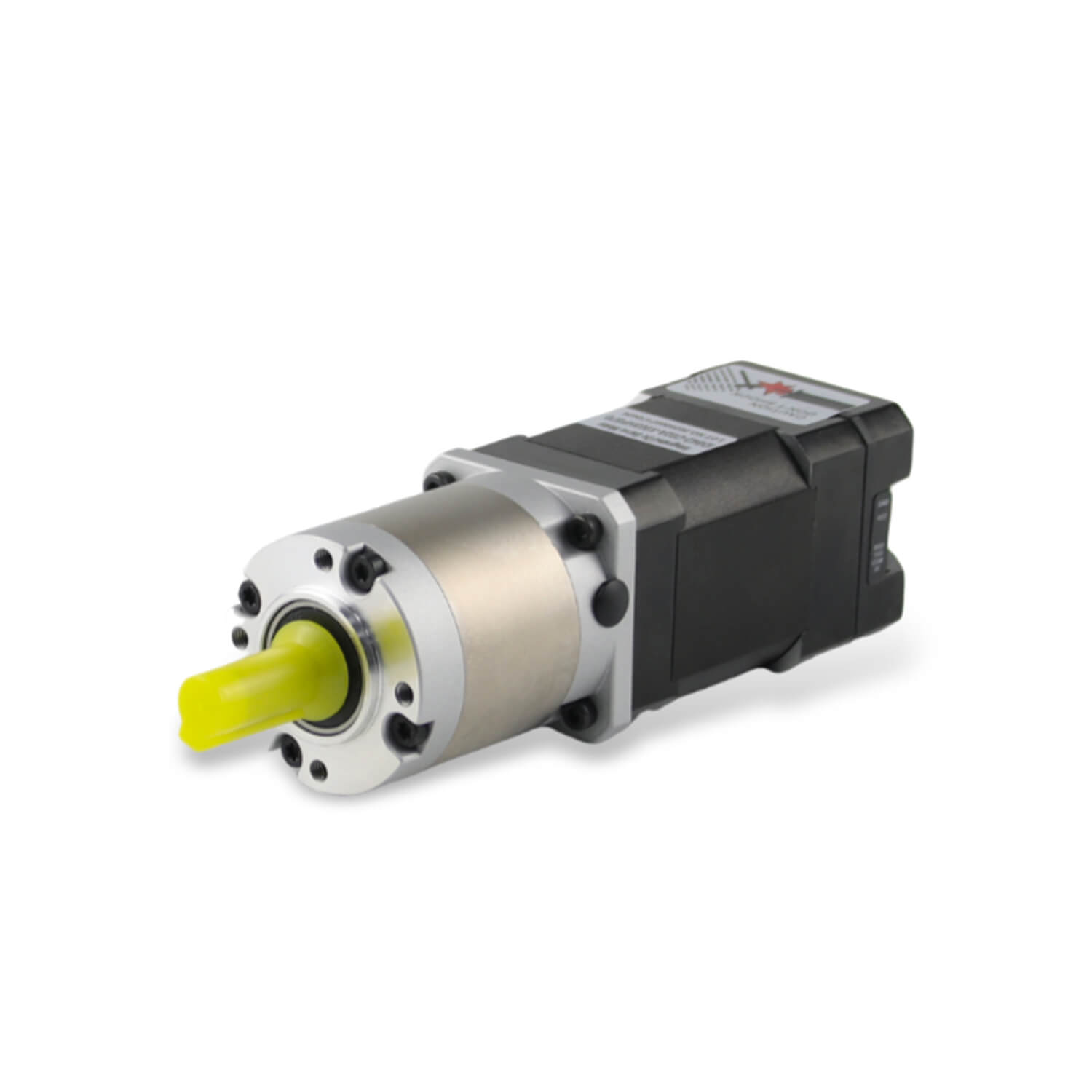
Leanmotor Customized Service
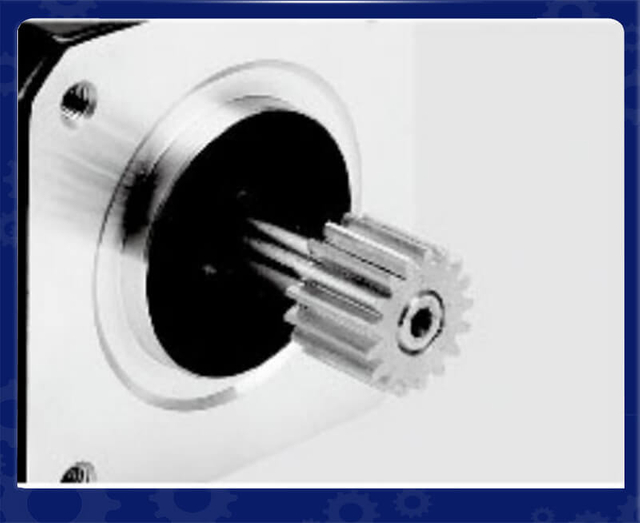
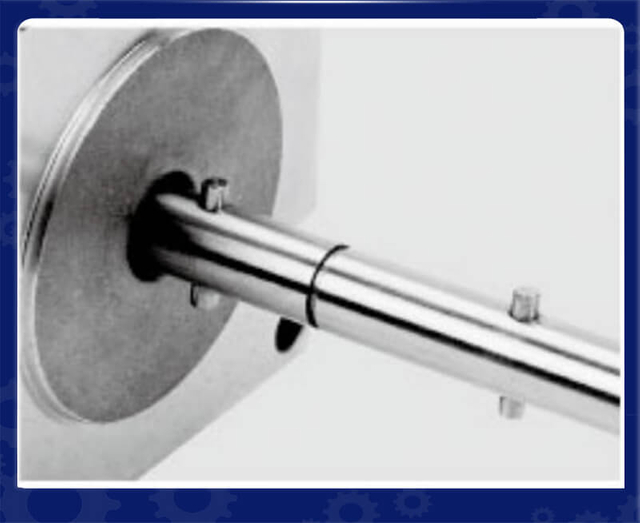
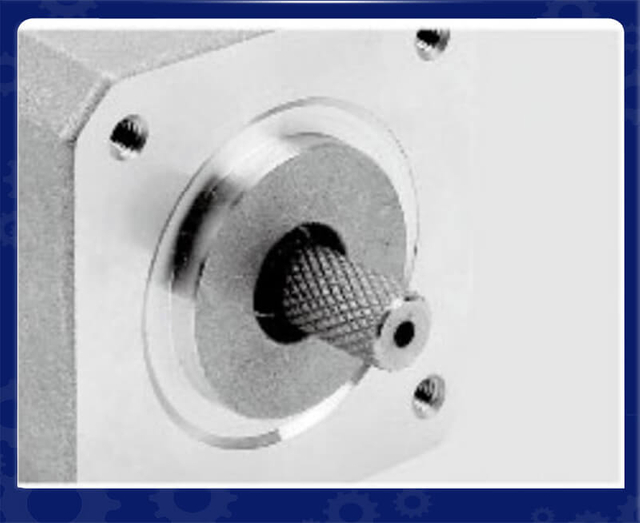
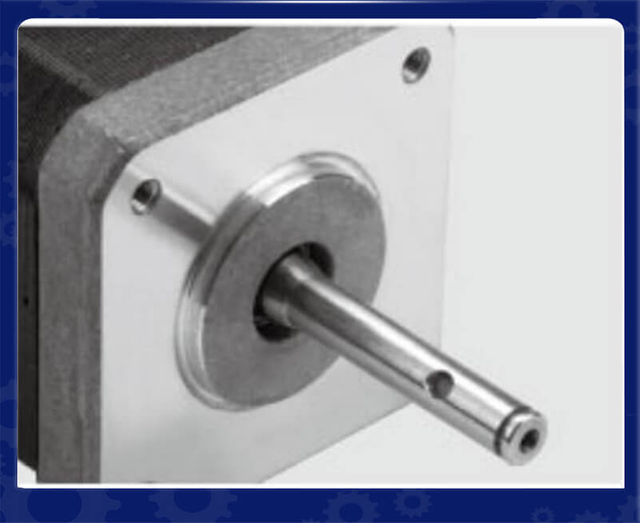
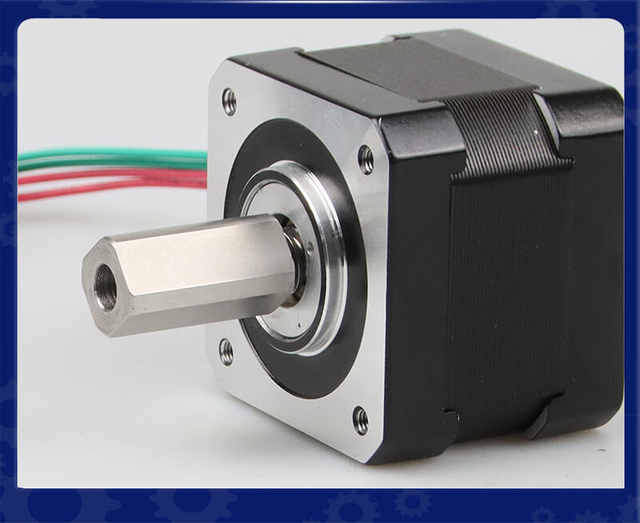
Customized Shaft Service
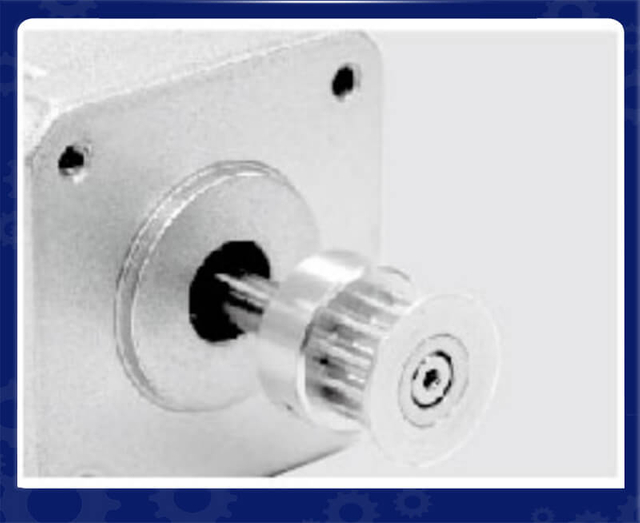
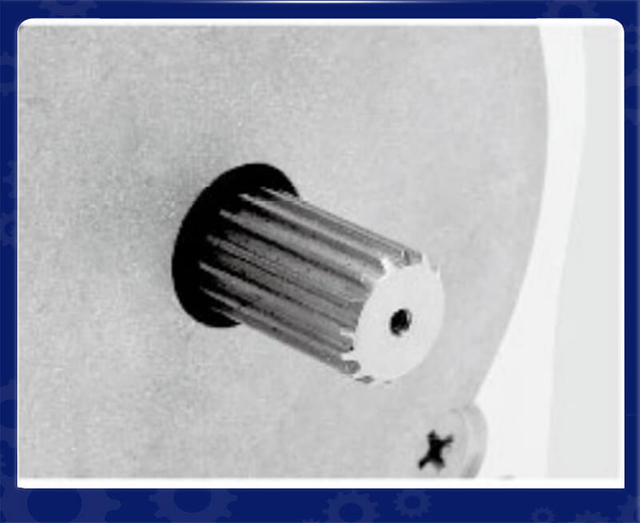
Metal Pulleys
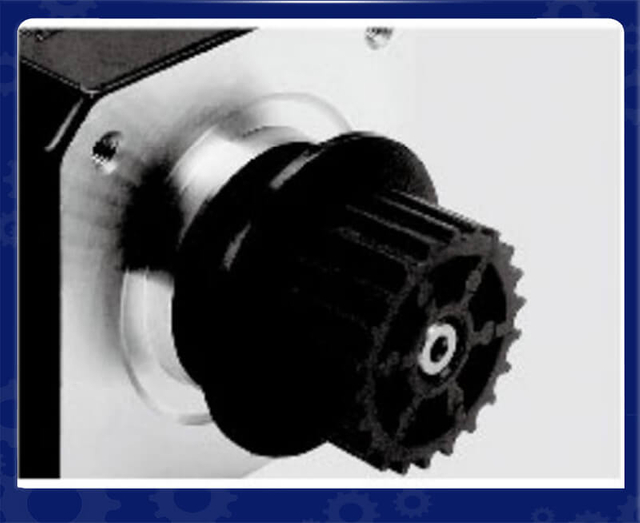
Plastic Pulley
Gear
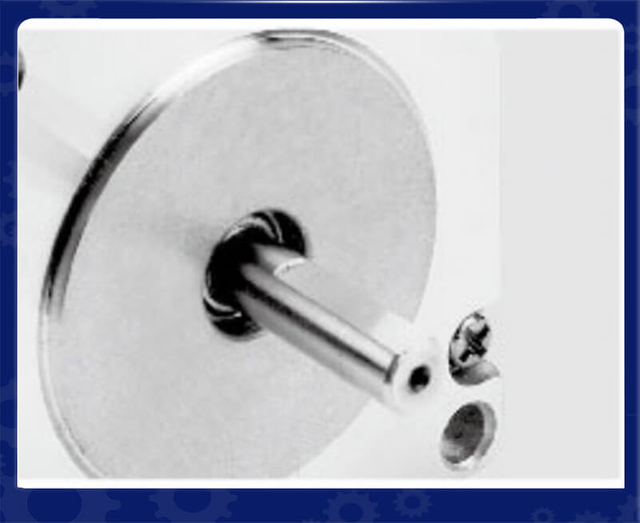
Shaft Pin
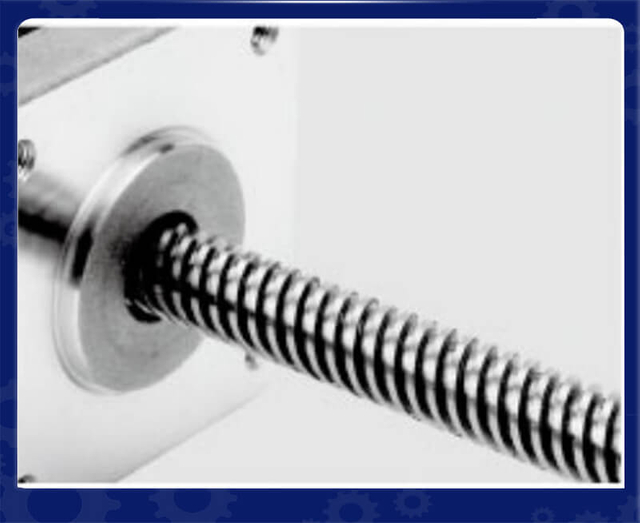
Threaded Shaft
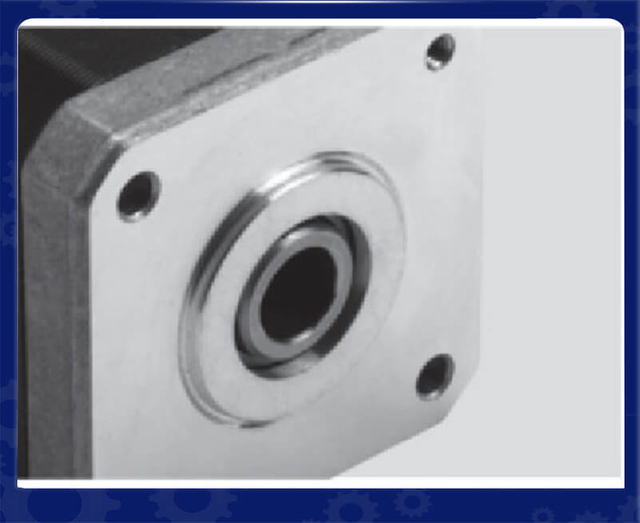
Panel Mount
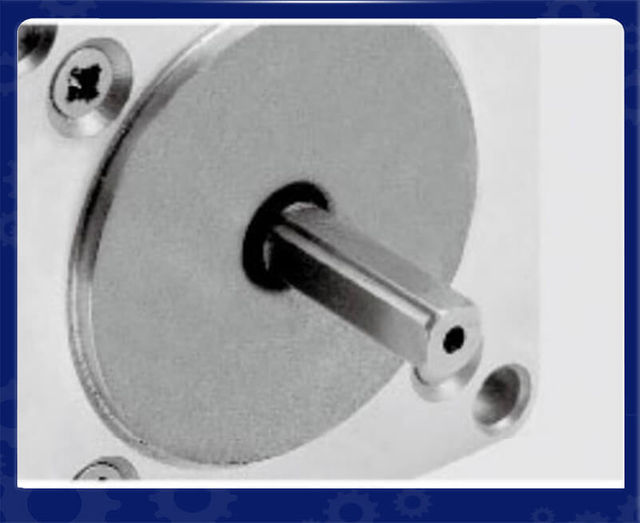
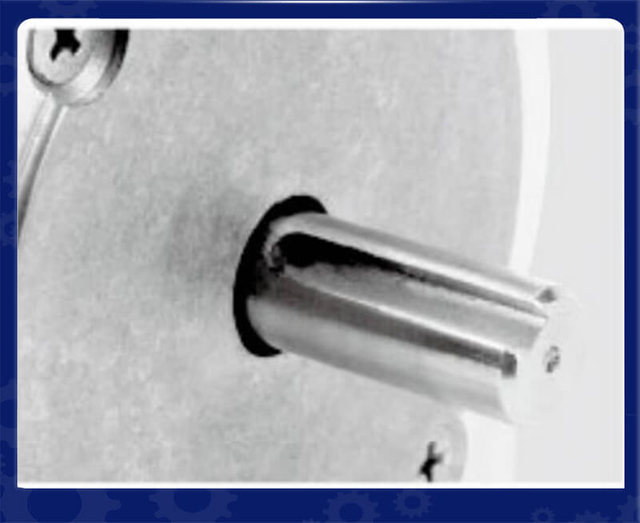
Hollow Shaft
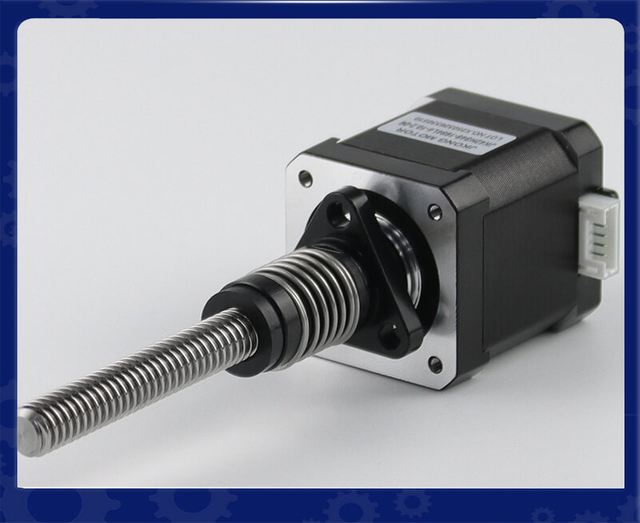
Lead Screw
Panel Mount
Single Flat
Dual Flat
Key Shaft
Customized Motor Service
Cables
Covers
Shaft
Lead Screw Rod
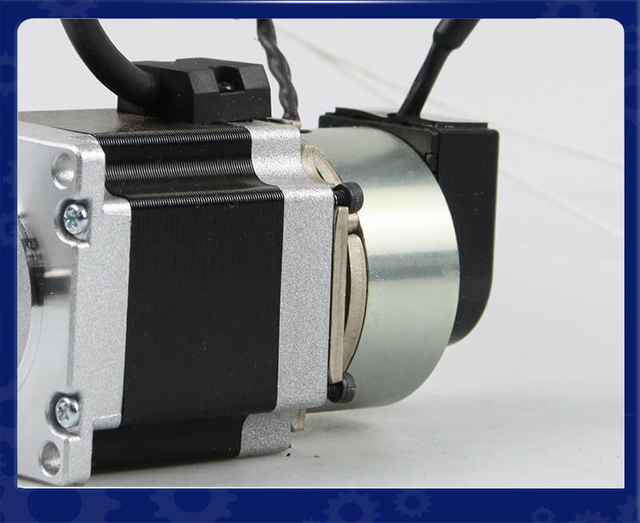
Encoders
Brakes
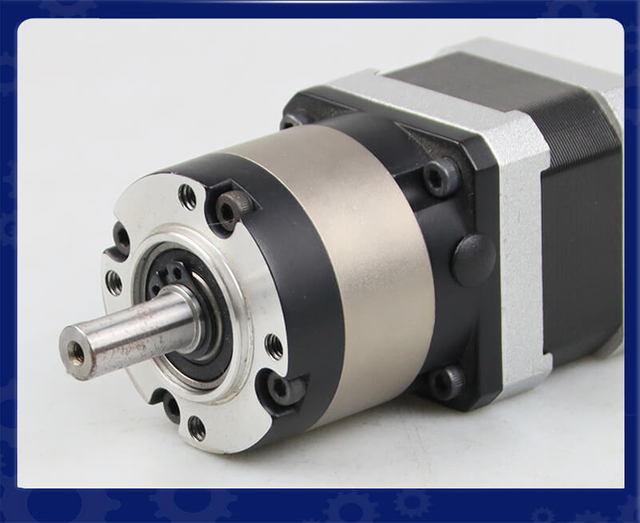
Gearboxes
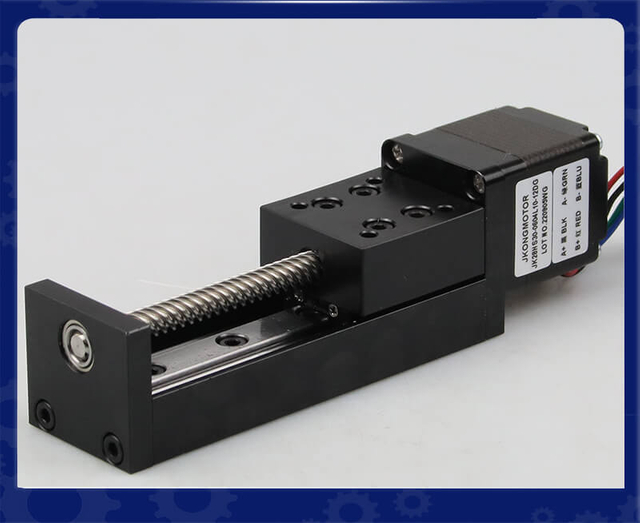
Linear Module
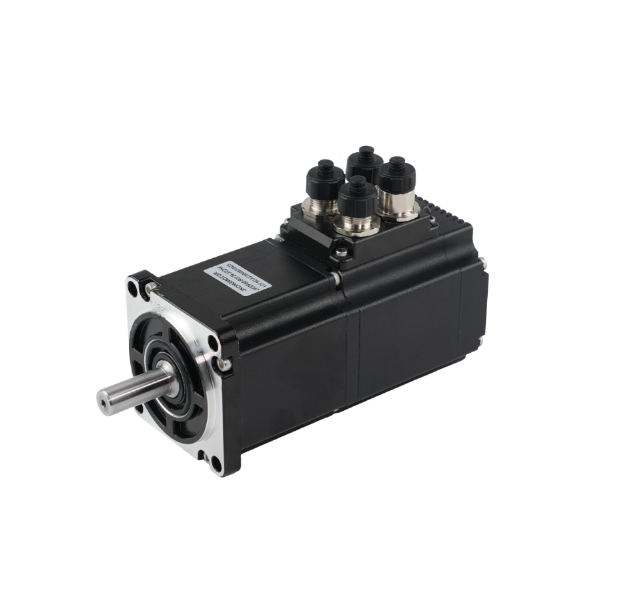
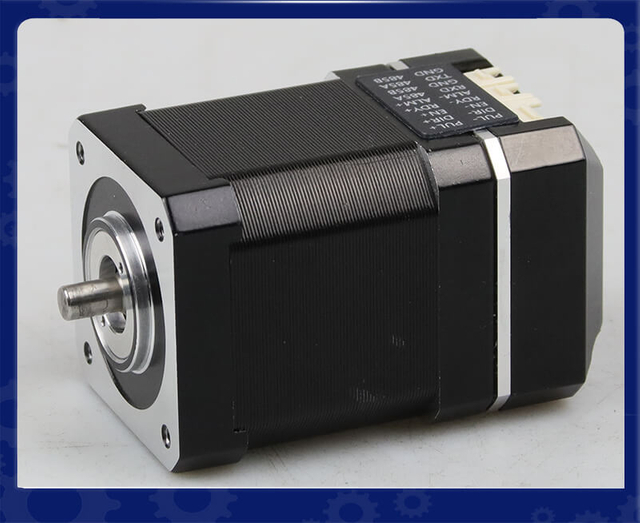
Integrated Drivers
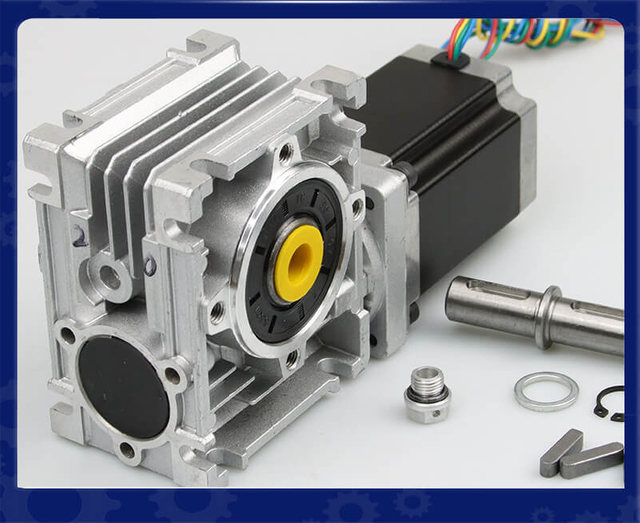
Worm Gearbox
Energy Efficiency Advantages of Integrated Servo Motors
Energy efficiency has become a critical factor in modern fabric cutting machines, particularly as manufacturers strive to reduce operational costs, improve sustainability, and enhance overall system performance. Integrated servo motors provide significant energy-saving benefits compared to traditional motor technologies, making them an ideal choice for high-performance textile automation systems.
High-Efficiency Motor Design Reduces Power Consumption
Integrated servo motors are engineered with advanced electromagnetic design, high-performance magnets, and optimized winding structures. These design features enable:
Higher torque output with lower power input
Reduced copper and iron losses
Improved overall system efficiency
Stable performance under varying loads
Unlike conventional motors that often operate inefficiently at partial loads, integrated servo motors adjust power consumption dynamically, ensuring that only the required energy is used during cutting operations. This intelligent energy usage leads to substantial reductions in electricity consumption over time.
On-Demand Power Delivery Minimizes Energy Waste
Fabric cutting machines typically operate with frequent acceleration and deceleration cycles. Traditional motors continue consuming power even when the machine is idle or operating at low speed. Integrated servo motors solve this problem through precise motion control and real-time feedback.
These motors deliver:
Power only when needed
Instant torque response
Optimized speed regulation
Reduced idle energy consumption
This on-demand power delivery significantly minimizes energy waste, especially in automated cutting systems with variable workloads.
Reduced Heat Generation Improves Energy Efficiency
Excess heat in motor systems often results in:
Energy loss
Reduced component lifespan
Additional cooling requirements
Integrated servo motors generate less heat due to their high-efficiency architecture and optimized motion control algorithms. Lower heat generation provides several advantages:
Reduced cooling system requirements
Improved motor lifespan
Higher operational stability
Lower energy consumption
This contributes to long-term operational savings and improved system reliability.
Regenerative Energy Capability Enhances Efficiency
During deceleration or braking phases, integrated servo motors can recover energy and feed it back into the system. This regenerative capability allows:
Reuse of kinetic energy
Reduced energy loss during braking
Lower overall power consumption
Improved system efficiency
In fabric cutting machines that operate with frequent start-stop cycles, regenerative energy functionality can significantly reduce total energy usage.
Compact Integration Reduces System Energy Loss
Traditional servo systems involve multiple components connected through long cables, which can lead to:
Electrical losses
Signal interference
Reduced efficiency
Integrated servo motors eliminate these issues by combining components into a single compact unit. This results in:
Shorter cable lengths
Reduced power loss
Improved signal quality
Higher overall system efficiency
The integrated design ensures optimal energy utilization throughout the motion control system.
Smart Control Algorithms Optimize Energy Usage
Integrated servo motors utilize intelligent control algorithms that continuously optimize performance. These smart features include:
Adaptive speed control
Load-based torque adjustment
Dynamic power optimization
Real-time feedback correction
These capabilities allow fabric cutting machines to operate at maximum efficiency under varying conditions, ensuring consistent performance with minimal energy consumption.
Lower Standby Power Consumption
Fabric cutting machines may experience periods of inactivity during material loading, repositioning, or maintenance. Integrated servo motors consume minimal standby power, which helps:
Reduce idle energy consumption
Lower electricity costs
Improve overall energy efficiency
This is particularly beneficial in automated production lines that run continuously.
Supporting Sustainable Manufacturing Goals
As sustainability becomes a priority in textile manufacturing, integrated servo motors support eco-friendly production by:
Reducing energy consumption
Lowering carbon emissions
Improving resource efficiency
Supporting green manufacturing initiatives
Manufacturers adopting integrated servo motors can achieve both economic and environmental benefits, making them a future-ready solution.
Long-Term Cost Savings Through Energy Efficiency
Energy-efficient integrated servo motors provide significant long-term cost savings by:
Lowering electricity bills
Reducing cooling system costs
Minimizing maintenance expenses
Extending equipment lifespan
These benefits make integrated servo motors a cost-effective investment for fabric cutting machine manufacturers and end users alike.
Conclusion
Integrated servo motors deliver superior energy efficiency, making them ideal for modern fabric cutting machines. Through intelligent power management, high-efficiency design, and regenerative energy capability, these motors help manufacturers achieve lower operational costs, improved productivity, and sustainable manufacturing performance.
Enhanced Automation and Smart Manufacturing Compatibility
Modern fabric cutting machines are becoming part of Industry 4.0 smart factories. Integrated servo motors support:
EtherCAT
CANopen
Modbus
RS485 communication
These features allow:
Real-time monitoring
Remote diagnostics
Predictive maintenance
Data collection
Manufacturers gain:
Higher production transparency
Better process control
Reduced downtime
Improved production planning
Integrated servo motors therefore serve as key components in smart textile manufacturing.
Noise Reduction and Smooth Operation
Fabric cutting machines operating at high speed can produce:
Mechanical vibration
Noise
Cutting instability
Integrated servo motors provide:
Smooth torque output
Low vibration performance
Quiet operation
This results in:
Better working environment
Reduced machine wear
Improved cutting accuracy
These benefits are particularly important for high-precision textile applications.
Customization Flexibility for Fabric Cutting Applications
Fabric cutting machines operate across a wide range of industries, materials, and production environments. Each application requires specific motion control characteristics, making customization flexibility one of the most important advantages of integrated servo motors. By offering adaptable configurations, integrated servo motors enable manufacturers to design highly optimized fabric cutting systems that meet precise operational requirements.
Custom Torque and Speed Configurations
Different fabric cutting applications demand varying torque and speed levels. For example:
Lightweight textile cutting requires high speed and moderate torque
Multi-layer fabric cutting demands high torque and stable performance
Heavy material cutting such as leather or composite fabrics requires strong torque output
This flexibility ensures consistent cutting accuracy regardless of material thickness or density.
Multiple Size and Mounting Options
Fabric cutting machines often have limited installation space or unique mechanical structures. Integrated servo motors offer:
Compact housing designs
Various flange sizes
Different shaft configurations
Flexible mounting orientations
These customization options allow machine designers to:
Optimize mechanical layouts
Reduce machine footprint
Simplify installation
Improve structural stability
This is particularly beneficial for multi-axis cutting systems and compact automated cutting machines.
Encoder and Feedback System Customization
Accurate feedback is essential for precision fabric cutting. Integrated servo motors can be configured with:
High-resolution encoders
Absolute encoders
Incremental encoders
Multi-turn encoders
These options enable:
Precise position control
Smooth motion performance
High repeatability
Reduced positioning errors
Manufacturers can choose the most suitable encoder based on cutting accuracy requirements and machine complexity.
Communication Protocol Flexibility
Modern fabric cutting machines are often integrated into automated production lines. Integrated servo motors support various communication protocols, including:
EtherCAT
CANopen
Modbus
RS485
Pulse and direction control
These communication options allow seamless integration with:
PLC systems
CNC controllers
Industrial automation platforms
Smart factory systems
This ensures efficient coordination between multiple cutting axes and enhances automation capabilities.
Integrated Brake and Safety Options
Certain fabric cutting applications require precise stopping control or position holding. Integrated servo motors can be customized with:
Electromagnetic brakes
Safety stop functions
Emergency stop features
Holding torque capability
These features improve:
Cutting accuracy
Operator safety
Machine stability
Emergency handling
This is particularly important for vertical cutting axes or high-speed cutting systems.
Conclusion
Customization flexibility makes integrated servo motors the ideal solution for fabric cutting applications. With options for torque, speed, size, communication, protection, and control, manufacturers can design high-performance cutting machines tailored to specific production needs.
By leveraging these customization capabilities, fabric cutting machines achieve higher precision, greater efficiency, improved reliability, and optimized operational performance, making integrated servo motors a key technology in modern textile automation.
Applications of Integrated Servo Motors in Fabric Cutting Machines
Integrated servo motors are widely used in:
CNC fabric cutting machines
Automatic cloth cutting systems
Laser fabric cutting machines
Knife cutting machines
Multi-layer cutting equipment
Pattern cutting machines
Each application benefits from:
High precision
Fast response
Stable operation
Reduced maintenance
These advantages drive higher productivity and better cutting quality.
Future Trends of Integrated Servo Motors in Fabric Cutting Machines
As textile manufacturing moves toward greater automation, precision, and smart production, integrated servo motors are becoming increasingly important in fabric cutting machines. Future developments will focus on higher efficiency, smarter control, compact designs, and improved connectivity, enabling manufacturers to achieve faster production speeds, enhanced cutting accuracy, and reduced operational costs.
Integrated servo motors are expected to evolve significantly as the textile industry embraces Industry 4.0, intelligent automation, and sustainable manufacturing practices.
Smarter Motion Control with Intelligent Algorithms
Future integrated servo motors will incorporate advanced motion control algorithms that enable fabric cutting machines to operate with greater intelligence and adaptability. These intelligent systems will automatically adjust performance based on:
Material thickness
Cutting speed requirements
Load variations
Machine operating conditions
With built-in intelligence, integrated servo motors will deliver:
Adaptive speed control
Automatic torque adjustment
Real-time motion optimization
Improved cutting precision
This will allow fabric cutting machines to maintain consistent cutting quality even when handling complex materials and varying production demands.
Increased Integration and Compact Design
Space efficiency remains a major priority in modern textile equipment. Future integrated servo motors will feature:
Higher power density
Smaller form factors
Lightweight construction
Improved thermal management
These improvements will allow machine manufacturers to design:
More compact cutting systems
Multi-axis cutting machines
Portable fabric cutting equipment
Flexible automation solutions
As integration levels increase, wiring complexity will further decrease, resulting in simpler machine assembly and improved reliability.
Advanced Multi-Axis Synchronization and Precision Control
Fabric cutting machines are increasingly adopting multi-axis cutting systems for complex patterns and high-speed production. Future integrated servo motors will offer:
Ultra-precise synchronization
Faster communication speeds
High-resolution feedback systems
Improved motion coordination
These features will enable:
Complex pattern cutting
Multi-layer cutting accuracy
High-speed contour cutting
Reduced vibration and noise
As a result, manufacturers will achieve higher productivity and improved product quality.
Built-In Safety and Predictive Maintenance Features
Future integrated servo motors will incorporate advanced safety and predictive maintenance functions. These may include:
Temperature monitoring
Vibration detection
Load analysis
Fault prediction algorithms
With predictive maintenance, fabric cutting machines can:
Detect potential failures early
Reduce downtime
Extend equipment lifespan
Improve operational reliability
These features will significantly improve machine uptime and production efficiency.
Customization and Modular Design Trends
Future integrated servo motors will provide greater customization flexibility and modular architecture, allowing manufacturers to:
Select different performance levels
Customize communication protocols
Configure feedback systems
Optimize mechanical interfaces
Modular integrated servo motors will enable:
Faster machine development
Simplified upgrades
Reduced design complexity
Improved scalability
This flexibility will support diverse fabric cutting applications across various industries.
AI-Driven Fabric Cutting Optimization
Artificial intelligence will increasingly influence fabric cutting technology. Future integrated servo motors may integrate:
AI-based motion optimization
Self-learning control systems
Adaptive cutting algorithms
Intelligent load balancing
These AI-driven capabilities will allow machines to:
Automatically optimize cutting performance
Reduce material waste
Improve efficiency
Enhance cutting accuracy
This represents a major advancement in smart textile manufacturing.
Summary
The future of integrated servo motors in fabric cutting machines is driven by intelligent automation, compact integration, improved efficiency, and advanced connectivity. As textile manufacturing continues to evolve, integrated servo motors will become even more essential for achieving high precision, faster production, and reliable performance.
With innovations such as AI-driven control, predictive maintenance, enhanced energy efficiency, and smart factory integration, integrated servo motors will play a central role in the next generation of fabric cutting machines, enabling manufacturers to meet growing demands for quality, speed, and operational efficiency.
Conclusion: Why Integrated Servo Motors Are Essential for Fabric Cutting Machines
Fabric cutting machines require precision, speed, reliability, and efficiency. Integrated servo motors deliver all these advantages in a compact, intelligent solution.
As textile manufacturing continues to evolve, integrated servo motors will remain the preferred motion control solution for advanced fabric cutting machines, enabling smarter, faster, and more efficient production systems.