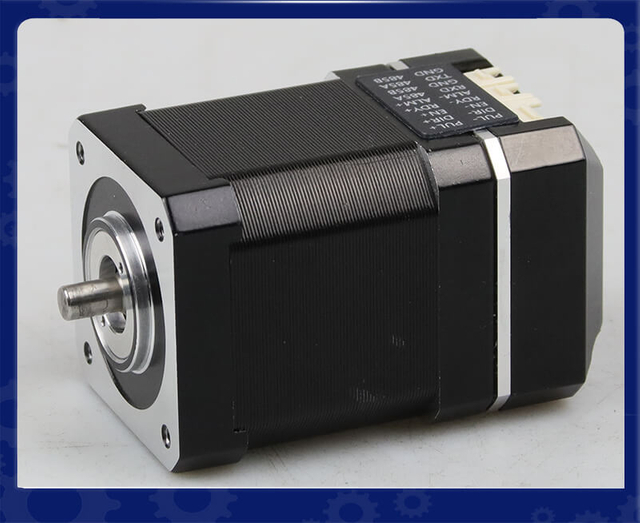
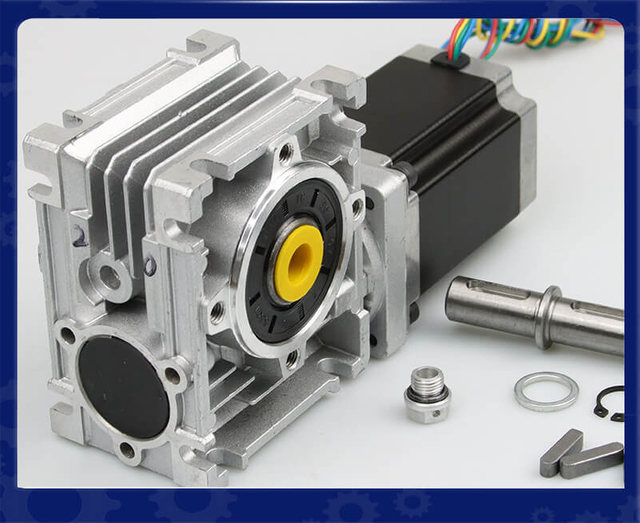
Why Are Waterproof Stepper Motors Used in Agricultural Robots?
Views: 0 Author: Site Editor Publish Time: 2026-06-23 Origin: Site
Introduction: The Growing Role of Waterproof Stepper Motors in Agricultural Robotics
Agricultural environments are challenging for electronic and mechanical components. Agricultural robots often operate outdoors and are exposed to rain, humidity, dust, soil, fertilizer, pesticides, and temperature fluctuations. These harsh conditions create significant reliability challenges for traditional motors.
This is why waterproof stepper motors are increasingly used in agricultural robots. With enhanced protection against moisture and environmental contamination, waterproof stepper motors provide the durability, precision, and stable motion control required for demanding agricultural applications.
By combining the advantages of stepper motor technology with waterproof protection, these motors help agricultural robots achieve higher operational reliability, longer service life, and more accurate automated movement.
Challenges Faced by Motors in Agricultural Robots
Agricultural robots operate in some of the most demanding environments compared with traditional industrial automation systems. Unlike factory robots that work in controlled indoor conditions, agricultural robots must perform reliably in open fields, greenhouses, farms, and outdoor environments where they are constantly exposed to changing weather, dust, moisture, and mechanical stress.
The motor is one of the most critical components in agricultural robots because it directly affects movement accuracy, operational efficiency, and system reliability. However, selecting and maintaining motors for agricultural applications presents several challenges.
1. Exposure to Water and High Humidity
One of the biggest challenges for motors used in agricultural robots is continuous exposure to moisture.
Agricultural equipment frequently operates in environments involving:
Rain
Irrigation water
Sprinkler systems
Wet soil
High-humidity greenhouse conditions
Condensation
When moisture enters a motor, it can cause problems such as:
Electrical short circuits
Corrosion of internal components
Reduced insulation performance
Bearing damage
Decreased motor lifespan
For this reason, agricultural robots often require waterproof motors, such as waterproof stepper motors, which feature sealed structures to prevent water and moisture from affecting internal components.
2. Dust, Soil, and Contaminant Protection
Agricultural environments naturally contain large amounts of dust, dirt, and organic materials. During farming operations, robots may encounter:
Soil particles
Crop residues
Fertilizer dust
Chemical sprays
Plant debris
These contaminants can enter traditional motors and create mechanical or electrical failures.
Dust accumulation may lead to:
Increased friction
Overheating
Reduced efficiency
Motor failure
Motors used in agricultural robots need strong protection against environmental contaminants. A suitable IP-rated motor design helps ensure stable operation even in dusty farming environments.
3. Requirement for High Precision and Accurate Motion Control
Modern agricultural robots rely on precise movement to complete tasks efficiently.
Applications such as:
Automated planting
Robotic harvesting
Crop inspection
Precision spraying
Greenhouse automation
require motors to provide accurate positioning and repeatable motion.
Small positioning errors can affect agricultural productivity. For example, inaccurate seed placement may reduce crop growth efficiency, while incorrect robotic arm movement can damage delicate plants.
Stepper motors are widely used in agricultural robotics because they provide:
Precise step-by-step movement
Excellent positioning accuracy
Stable low-speed operation
Simple control systems
However, maintaining this accuracy in harsh environments requires motors with strong environmental protection.
4. Continuous Operation and Long Working Cycles
Agricultural robots often operate for extended periods during planting, monitoring, and harvesting seasons.
Long operating cycles create challenges such as:
Heat generation
Mechanical wear
Reduced efficiency over time
Component fatigue
Motors must deliver consistent performance while minimizing maintenance requirements.
A reliable agricultural robot motor should provide:
Stable torque output
Efficient heat management
High durability
Long service life
Waterproof stepper motors help improve system reliability by protecting internal components from environmental damage.
5. Temperature Variation and Harsh Climate Conditions
Agricultural robots may operate under changing weather conditions, including:
Hot summer temperatures
Cold outdoor environments
Rapid temperature changes
Direct sunlight exposure
Extreme temperatures can affect:
Motor winding performance
Lubrication efficiency
Electronic components
Overall motor lifespan
Therefore, agricultural robot motors must be designed to operate within a wide temperature range while maintaining stable performance.
6. Limited Maintenance Opportunities
Unlike factory automation equipment, agricultural robots often operate far away from maintenance facilities.
A motor failure in the field can result in:
Production delays
Increased repair costs
Reduced farming efficiency
Frequent maintenance is difficult because agricultural robots may work across large areas or remote locations.
Motors with better protection and durability help reduce maintenance frequency and improve overall equipment availability.
7. Balancing Power, Size, and Efficiency
Agricultural robots often require compact but powerful motion systems.
The motor must provide sufficient performance while maintaining:
Lightweight design
Low energy consumption
Compact installation size
For battery-powered agricultural robots, motor efficiency is especially important because energy consumption directly affects operating time.
Selecting the right motor requires balancing:
Torque requirements
Speed performance
Power efficiency
Physical size
8. Resistance to Chemicals and Agricultural Materials
Modern farming often uses fertilizers, pesticides, and cleaning agents. These substances may come into contact with robotic equipment during operation.
Without proper protection, chemicals can damage:
Motor housing
Seals
Electrical connections
Metal components
Motors used in agricultural robots need materials and protective structures that can withstand these challenging conditions.
Conclusion
Motors used in agricultural robots face multiple challenges, including water exposure, dust contamination, harsh weather, continuous operation, precision requirements, and limited maintenance access.
To overcome these challenges, agricultural automation systems increasingly rely on waterproof stepper motors and other highly durable motion solutions. With strong environmental protection, accurate positioning capability, and reliable performance, waterproof stepper motors help agricultural robots operate efficiently in demanding farming environments.
How Waterproof Stepper Motors Improve Agricultural Robot Performance
1. Enhanced Reliability in Outdoor Farming Applications
One of the biggest advantages of waterproof stepper motors is improved reliability.
Agricultural robots often need to operate for long periods without frequent maintenance. Motor failure during farming operations can lead to:
Production delays
Increased maintenance costs
Reduced efficiency
Waterproof stepper motors protect internal components from environmental damage, allowing agricultural robots to maintain stable performance in outdoor conditions.
This makes them suitable for:
Autonomous field robots
Crop inspection robots
Agricultural drones with positioning systems
Smart irrigation equipment
2. Improved Resistance to Harsh Environmental Conditions
Agricultural robots must work across different seasons and climates. Waterproof stepper motors are designed to withstand:
High humidity
Heavy rainfall
Water splashes
Dust exposure
Temperature changes
The sealed motor structure helps prevent external elements from affecting the motor's internal operation.
This environmental durability is especially important for robots that work in open fields where protection from weather conditions is limited.
3. Accurate Positioning for Precision Agriculture
Precision agriculture depends on accurate control systems. Agricultural robots need to perform repetitive movements with minimal errors.
For example:
A planting robot must position seeds accurately.
A robotic sprayer must control nozzle movement precisely.
A harvesting robot must move mechanical arms smoothly.
Waterproof stepper motors provide controlled rotational movement through precise step-by-step operation, enabling accurate positioning without complex feedback systems in many applications.
Applications of Waterproof Stepper Motors in Agricultural Robots
1. Autonomous Farming Robots
Autonomous farming robots perform tasks such as:
Crop monitoring
Weed detection
Plant analysis
Field navigation
Waterproof stepper motors support these systems by controlling:
Wheel adjustment mechanisms
Sensor positioning systems
Robotic tools
Their durability allows robots to continue operating in outdoor agricultural environments.
2. Robotic Irrigation Systems
Smart irrigation systems require precise valve and actuator control.
Waterproof stepper motors are used for:
Water valve adjustment
Pipeline control
Sprinkler positioning
Because these systems are constantly exposed to water, waterproof motor protection is essential for long-term reliability.
3. Agricultural Robotic Arms
Robotic arms used in farming require accurate and repeatable motion.
Applications include:
Fruit picking
Vegetable harvesting
Plant handling
Greenhouse automation
Waterproof stepper motors provide the precise movement required for robotic joints while protecting against moisture and agricultural contaminants.
Their moisture resistance improves system stability in controlled agricultural environments.
Why Choose Waterproof Stepper Motors Instead of Standard Motors?
Agricultural robots, outdoor automation systems, and industrial equipment often operate in environments where motors are exposed to water, dust, humidity, and other contaminants. While standard motors can provide reliable performance in controlled environments, they may struggle when used in harsh conditions.
Waterproof stepper motors are designed to overcome these challenges by combining precise motion control with enhanced environmental protection. Their sealed construction, improved durability, and stable performance make them a preferred choice for applications that require reliable operation in demanding environments.
1. Superior Protection Against Water and Moisture
The most significant advantage of waterproof stepper motors is their ability to operate in wet environments.
Standard motors usually have limited protection against moisture. When exposed to water or high humidity, internal components may experience:
Electrical failures
Corrosion
Insulation damage
Reduced motor performance
Shortened service life
Waterproof stepper motors feature protective designs such as:
Sealed housings
Waterproof connectors
Improved insulation structures
Enhanced sealing systems
These features help prevent water from entering the motor and damaging critical components.
For applications such as agricultural robots, irrigation systems, car washing equipment, and outdoor automation, waterproof protection significantly improves operational reliability.
2. Better Resistance to Dust and Contaminants
Many industrial and agricultural environments contain dust, dirt, and particles that can affect motor performance.
Standard motors may experience:
Dust accumulation
Increased friction
Bearing wear
Reduced efficiency
Waterproof stepper motors are typically designed with higher IP protection ratings, such as IP65 or IP67, providing better resistance against:
Dust penetration
Soil particles
Chemical residues
Industrial contaminants
This makes them suitable for applications where cleanliness and durability are essential.
3. Longer Service Life and Reduced Maintenance Requirements
Frequent motor maintenance can increase operating costs and reduce equipment availability.
Standard motors operating in harsh environments may require:
Regular cleaning
Component replacement
Inspection of internal parts
More frequent repairs
Waterproof stepper motors reduce these risks through stronger protection against environmental damage.
Their durable construction helps:
Extend motor lifespan
Reduce downtime
Lower maintenance frequency
Improve equipment reliability
For automated systems that need continuous operation, this can provide significant long-term benefits.
4. More Reliable Performance in Harsh Environments
Industrial automation and agricultural robots often need to operate under changing conditions, including:
Rain
High humidity
Temperature variations
Dust exposure
Outdoor environments
Standard motors may experience performance changes when conditions become challenging.
Waterproof stepper motors are designed to maintain stable operation by protecting internal electrical and mechanical components.
They provide consistent:
Torque output
Position accuracy
Motion control
Operating reliability
This makes them ideal for applications where unexpected motor failure can cause production interruptions.
5. Maintains High Positioning Accuracy
One of the key advantages of stepper motors is their precise motion control.
Unlike many standard motors, stepper motors move through controlled steps, allowing accurate positioning without requiring complex feedback systems in many applications.
Waterproof stepper motors maintain these advantages while adding environmental protection.
They are commonly used for:
Robotic arms
Precision agricultural equipment
Automated valves
Medical equipment
Packaging machinery
The combination of precision control and waterproof protection makes them suitable for advanced automation systems.
6. Suitable for Outdoor and Washdown Applications
Many modern machines require regular cleaning or operate outdoors.
Examples include:
Food processing equipment
Agricultural robots
Water treatment systems
Vehicle washing systems
Outdoor inspection robots
Standard motors may not withstand direct exposure to water during cleaning or operation.
Waterproof stepper motors are designed for these situations, providing reliable performance even when exposed to water spray or humid conditions.
7. Improved Safety and System Reliability
Motor failure in automated equipment can create safety risks and operational problems.
A damaged motor may cause:
Unexpected machine stops
Incorrect positioning
Equipment damage
Production losses
Waterproof stepper motors help improve system reliability by reducing environmental-related failures.
Their protective design supports safer and more stable operation, especially in applications where continuous automation is required.
Conclusion
Choosing between a standard motor and a waterproof stepper motor depends on the operating environment and application requirements. While standard motors may be suitable for clean and controlled conditions, they are often less reliable in environments exposed to water, dust, and contaminants.
Waterproof stepper motors provide enhanced protection, precise motion control, longer service life, and improved reliability, making them an ideal solution for agricultural robots, outdoor automation systems, industrial machinery, and other demanding applications.
By combining the accuracy of stepper motor technology with strong environmental protection, waterproof stepper motors help build more efficient, durable, and reliable automated systems.
Key Factors When Selecting Waterproof Stepper Motors for Agricultural Robots
Choosing the right waterproof stepper motor requires consideration of several factors.
1. Protection Rating
The IP rating indicates the level of protection against dust and water.
Common choices include:
IP65: Protection against dust and water jets
IP67: Protection against dust and temporary water immersion
The required rating depends on the agricultural environment.
2. Torque Requirements
Different agricultural robots require different torque levels.
Factors affecting torque selection include:
Mechanical load
Robot size
Operating speed
Motion mechanism design
Selecting the correct torque ensures reliable operation without motor overload.
3. Operating Temperature Range
Agricultural robots may operate in extreme temperatures. The motor should support the expected environmental conditions to maintain performance.
4. Motor Size and Installation Space
Compact agricultural robots require motors with efficient designs.
A suitable waterproof stepper motor should balance:
Size
Power output
Installation requirements
Weight limitations
Future Development of Waterproof Stepper Motors in Smart Agriculture
As smart agriculture continues to adopt automation, AI, and IoT technologies, waterproof stepper motors will play an increasingly important role in improving the efficiency and reliability of agricultural equipment. Future developments will focus on enhanced durability, intelligent control, and energy efficiency.
1. Smarter Motor Integration
Future waterproof stepper motors will be integrated with:
IoT monitoring systems
Smart controllers
Remote diagnostics
Predictive maintenance platforms
These features will allow farmers to monitor motor performance in real time and reduce unexpected downtime.
2. Higher Protection Ratings
Agricultural environments expose motors to:
Rain
Mud
Dust
Fertilizers
Chemicals
Future motor designs will offer improved sealing technologies and higher IP ratings, providing greater resistance to harsh outdoor conditions and extending service life.
3. Improved Energy Efficiency
Energy consumption is a major concern for battery-powered agricultural robots.
Future waterproof stepper motors will feature:
Lower power consumption
Higher torque efficiency
Optimized drive technology
Reduced heat generation
This will help agricultural robots operate longer while reducing overall energy costs.
4. More Compact and Lightweight Designs
Modern agricultural robots require compact motion systems.
Manufacturers are expected to develop motors that provide:
Higher power density
Smaller dimensions
Reduced weight
Easier installation
These improvements will support the growth of autonomous field robots and precision farming equipment.
5. Greater Precision for Automated Farming
Precision agriculture relies on accurate motion control for tasks such as:
Seed planting
Crop monitoring
Precision spraying
Robotic harvesting
Future waterproof stepper motors will deliver improved positioning accuracy and smoother operation, helping increase farming productivity and crop quality.
6. Integration with AI-Powered Agricultural Robots
Artificial intelligence is transforming modern farming.
Waterproof stepper motors will become key components in AI-driven systems that can:
Detect crop conditions
Adjust operations automatically
Optimize resource usage
Improve harvesting efficiency
This combination of intelligent software and reliable motion control will accelerate agricultural automation.
Summary
The future of waterproof stepper motors in smart agriculture is driven by intelligence, efficiency, precision, and durability. As agricultural robots become more advanced, these motors will provide the reliable motion control needed to support automated planting, irrigation, monitoring, and harvesting systems, helping create more productive and sustainable farming operations.
Conclusion: Waterproof Stepper Motors Enable More Reliable Agricultural Robots
Agricultural robots require motors that can operate accurately and reliably in challenging outdoor environments. Waterproof stepper motors provide the combination of precision motion control, environmental protection, and long-term durability needed for modern farming automation.
By resisting water, dust, and agricultural contaminants, these motors help reduce maintenance requirements and improve the reliability of robotic systems used in planting, irrigation, harvesting, and greenhouse automation.
As smart agriculture continues to expand, waterproof stepper motors will remain a key component in building more efficient, intelligent, and dependable agricultural robots.