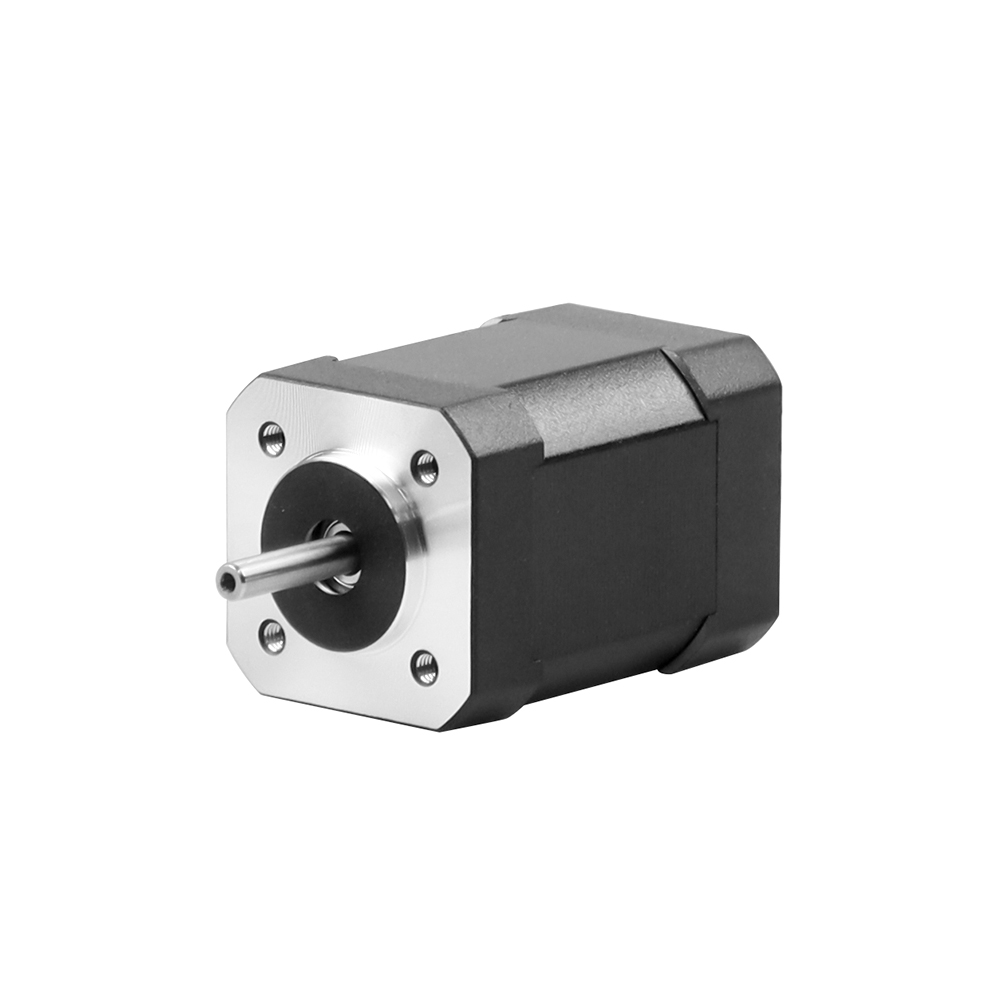
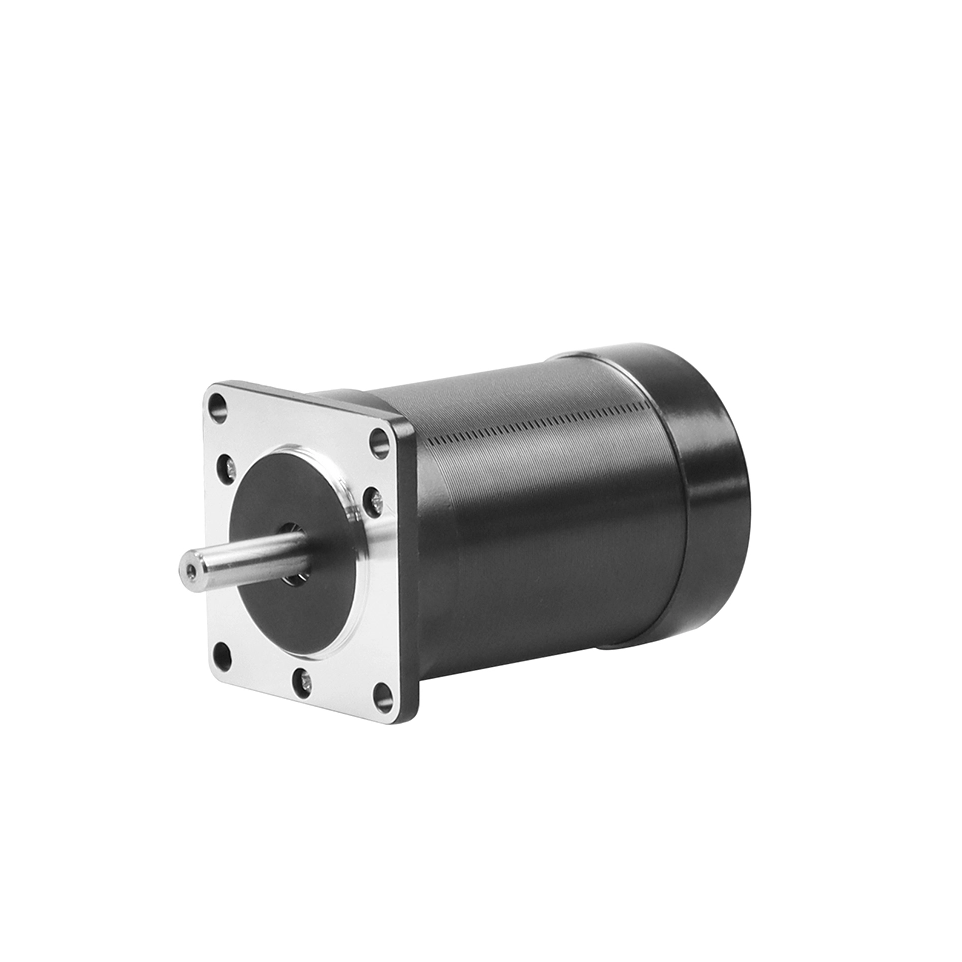
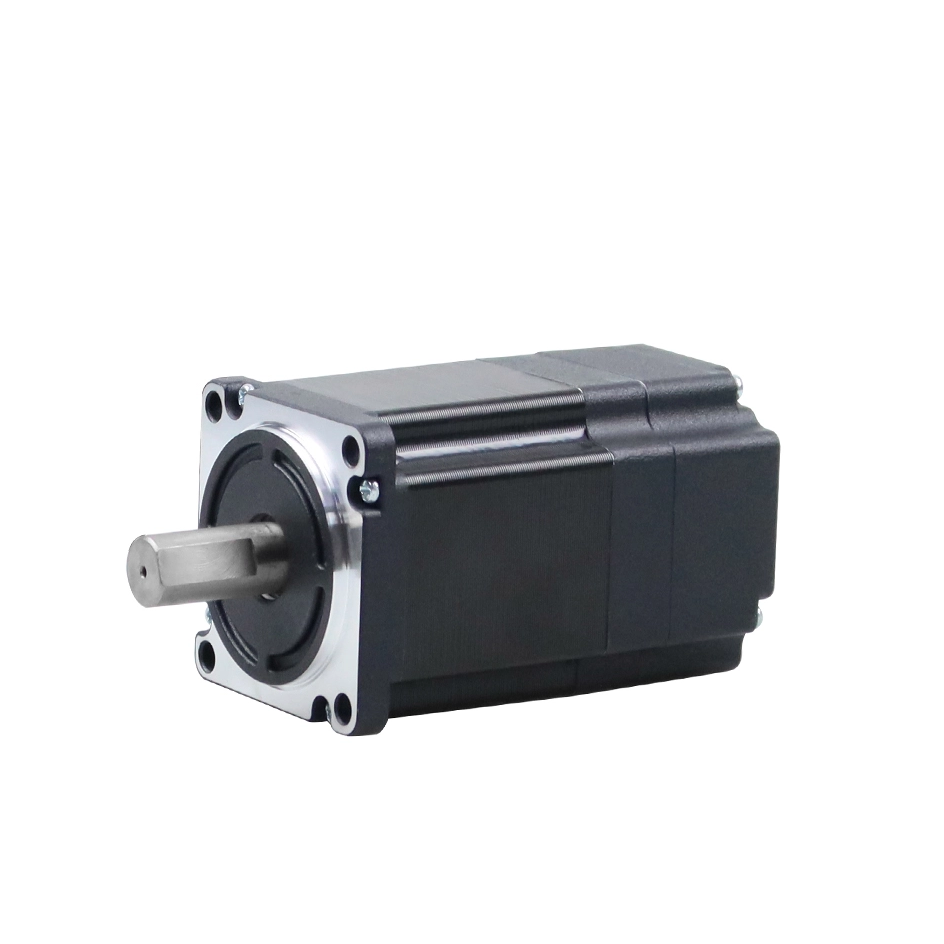
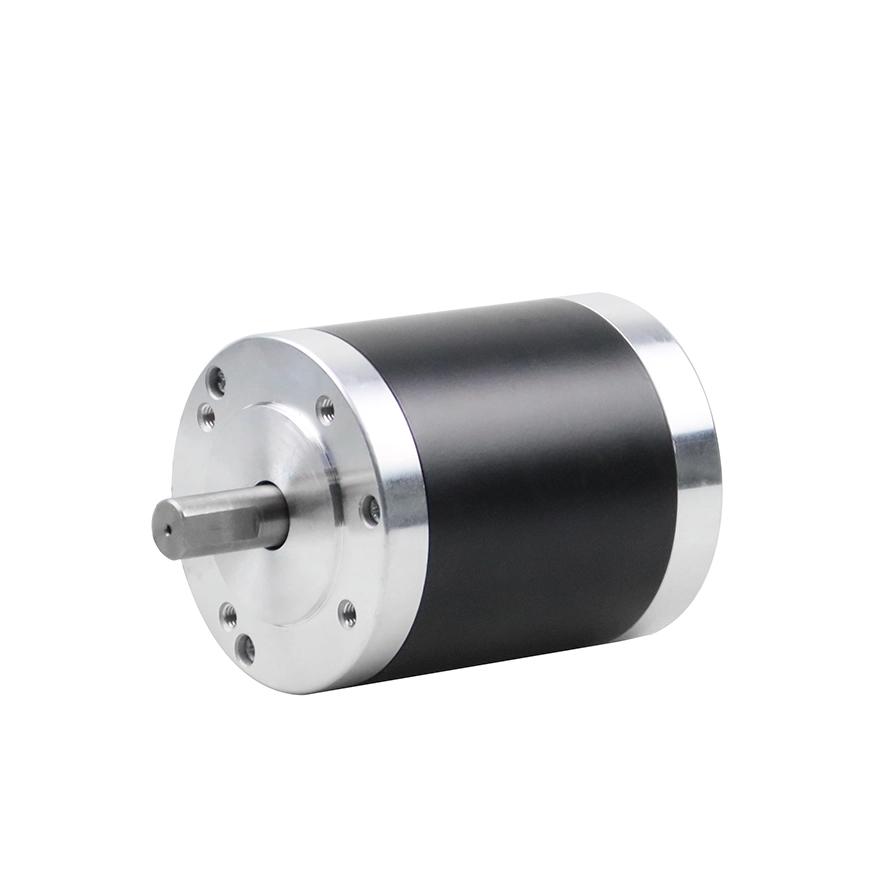
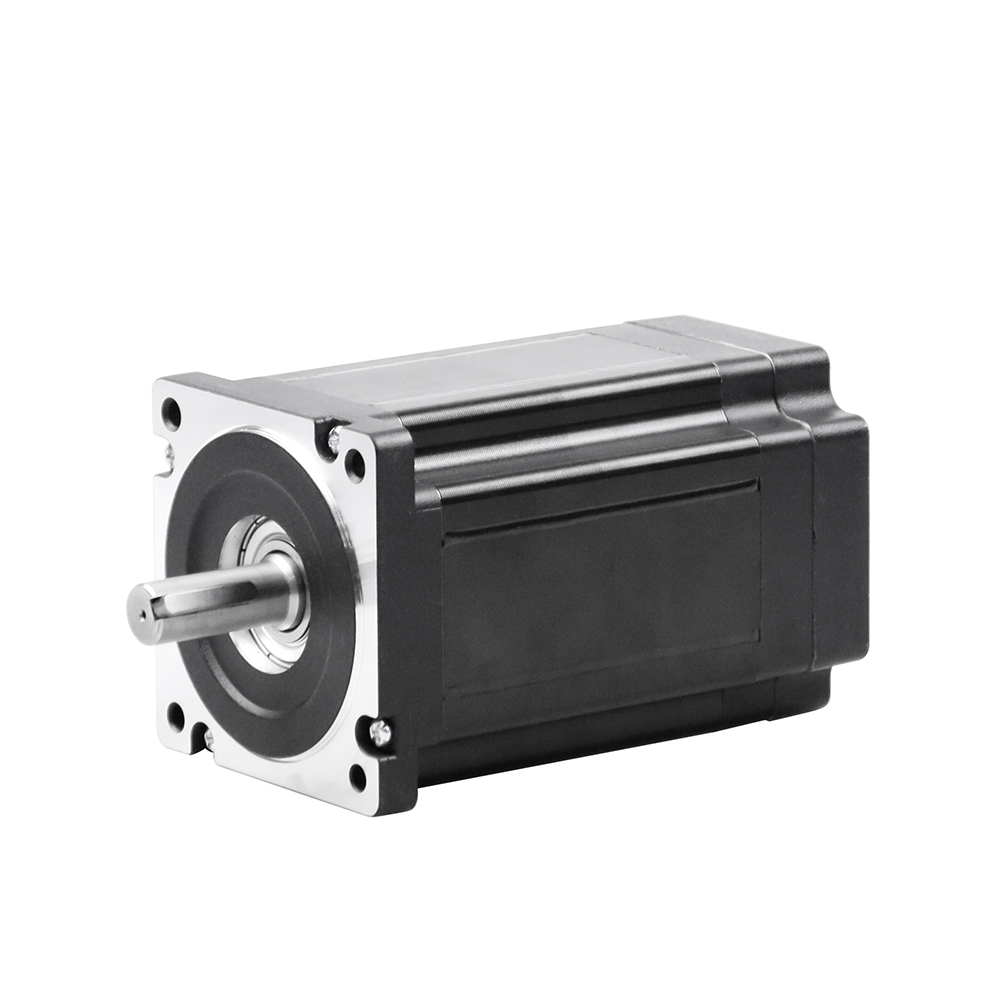
Battery-powered equipment places unique and demanding requirements on motor systems. Efficiency, torque density, thermal behavior, size, and intelligent control all directly influence runtime, reliability, and user experience. In this article, we provide a deep, technical, and application-driven analysis of how to select the best BLDC motor for battery-powered equipment, ensuring optimal performance across consumer, industrial, and medical devices.
Why BLDC Motors Dominate Battery-Powered Applications
Brushless DC motors have become the default choice for battery-driven systems due to their inherent structural and electrical advantages.
Key performance benefits include:
High electrical efficiency, often exceeding 85–90%
Low no-load current, preserving battery capacity
Extended service life due to the absence of brushes
Compact power-to-weight ratio
Superior controllability for speed and torque
For battery-powered equipment, every milliamp-hour matters. BLDC motors convert electrical energy into mechanical output with minimal losses, making them indispensable for portable and cordless systems.
Critical Selection Criteria for Battery-Powered BLDC Motors
Choosing the best BLDC motor is not about brand or cost alone. It is about matching motor characteristics precisely to the electrical and mechanical demands of the equipment.
Voltage Class Optimization for Battery Systems
Battery voltage defines the entire motor ecosystem.
Low-Voltage BLDC Motors (6V–24V)
These motors are ideal for compact, handheld, and portable devices.
Typical applications include:
Advantages:
Direct compatibility with lithium-ion battery packs
Simplified motor driver design
Lower insulation requirements
Low-voltage BLDC motors deliver excellent efficiency at partial loads, which is critical for extending runtime under variable operating conditions.
Medium-Voltage BLDC Motors (36V–60V)
These motors strike a balance between power and efficiency.
Common use cases:
Key benefits:
Reduced current for the same power output
Lower I⊃2;R losses in wiring and controllers
Improved thermal stability under continuous load
Torque Density: Maximizing Output per Battery Watt
For battery-powered equipment, high torque at low current is essential.
Outer Rotor vs Inner Rotor BLDC Motors
Outer rotor BLDC motors are often the superior choice for battery-powered systems requiring high starting torque.
Outer rotor advantages:
Inner rotor BLDC motors, on the other hand, excel in high-speed applications where compact size and rapid acceleration are required.
Inner rotor advantages:
Efficiency Curve Matching for Real-World Battery Use
In battery-powered equipment, motor efficiency under real operating conditions matters far more than peak efficiency values listed on datasheets. We focus on efficiency curve matching—aligning the BLDC motor’s highest-efficiency operating range with the actual speed, torque, and load profile experienced during everyday use.
Most battery-driven systems operate under variable loads, frequent start–stop cycles, and partial-speed conditions. If a motor is selected solely based on its maximum efficiency point, it may spend most of its working life outside that optimal zone, resulting in unnecessary energy losses, heat buildup, and reduced battery runtime.
To achieve optimal efficiency curve matching, we evaluate the following factors in detail:
Operating Speed Distribution
Battery-powered devices rarely run at full speed continuously. Motors should therefore maintain high efficiency across mid-speed and low-speed ranges, where the equipment spends the majority of its duty cycle. BLDC motors with flatter efficiency curves deliver consistent energy conversion even as speed fluctuates.
Torque-to-Current Relationship
Efficiency is directly affected by how much current is required to produce usable torque. Motors with optimized electromagnetic design deliver higher torque per ampere, reducing copper losses and minimizing battery drain during load changes.
Load Profile Alignment
Applications such as portable tools, pumps, and mobile robots experience intermittent peak loads followed by extended light-load operation. Selecting a motor whose efficiency curve remains stable across these transitions prevents excessive current spikes and protects battery health.
Voltage Decay Compensation
As battery voltage drops during discharge, poorly matched motors shift away from their efficient operating zone. Well-matched BLDC motors maintain stable efficiency over a wide voltage range, ensuring predictable performance from full charge to near depletion.
Avoiding Oversizing Pitfalls
Oversized motors often operate at low load percentages, where efficiency drops sharply. Properly sized BLDC motors run closer to their designed efficiency band, delivering longer runtime and improved thermal behavior without sacrificing performance.
By prioritizing efficiency curve matching rather than peak efficiency figures, we ensure that the BLDC motor works in harmony with the battery system. This approach results in extended operating time, reduced heat generation, improved reliability, and superior real-world performance—the defining characteristics of a well-engineered battery-powered solution.
Thermal Performance and Battery Protection
In battery-powered equipment, thermal performance is inseparably linked to battery protection. Excessive heat not only degrades motor efficiency but also accelerates battery aging, reduces available capacity, and compromises system safety. We prioritize BLDC motor designs that actively minimize heat generation while supporting stable, battery-friendly operation across all load conditions.
Minimizing Copper and Core Losses
Thermal efficiency begins at the electromagnetic level. BLDC motors optimized for battery-powered systems feature low-resistance windings and advanced lamination materials, significantly reducing copper and iron losses. Lower internal losses translate directly into reduced heat output and improved energy utilization.
High-Efficiency Operating Zones
Motors designed to operate within high-efficiency torque and speed ranges generate less waste heat during real-world use. By aligning the motor’s thermal profile with the equipment’s duty cycle, we prevent sustained temperature rise during continuous or repetitive operation.
Optimized Heat Dissipation Pathways
Effective thermal management requires efficient heat transfer away from critical components. High-quality BLDC motors employ direct stator-to-housing thermal paths, aluminum motor casings, and thermally conductive encapsulation materials, allowing heat to dissipate rapidly into the surrounding structure.
Battery-Friendly Current Consumption
Excessive current draw is a primary source of both motor heating and battery stress. Motors with optimized torque-per-ampere characteristics reduce peak current demand, protecting battery cells from overheating and extending overall battery lifespan.
Temperature Stability Under Voltage Fluctuations
As battery voltage declines during discharge, poorly designed motors compensate by drawing higher current, increasing thermal stress. BLDC motors engineered for wide voltage tolerance maintain stable thermal behavior across the full discharge curve, preventing runaway temperature conditions.
Protection Against Thermal Runaway
Reliable systems integrate BLDC motors capable of supporting temperature monitoring and intelligent controller interaction. This allows the system to limit current, reduce speed, or shut down safely before thermal thresholds are exceeded, safeguarding both motor and battery pack.
Magnet and Insulation Thermal Endurance
High operating temperatures can weaken permanent magnets and degrade winding insulation. Motors designed for battery-powered applications use high-temperature-rated magnets and insulation systems, ensuring long-term performance stability even under repeated thermal cycling.
Impact on Battery Health and Safety
Lower motor operating temperatures reduce heat transfer to nearby battery cells, slowing chemical degradation and preserving charge capacity. This thermal synergy between motor and battery directly enhances runtime consistency, safety margins, and total system reliability.
By emphasizing thermal performance and battery protection in BLDC motor selection, we ensure efficient energy conversion, controlled operating temperatures, and extended battery service life, delivering dependable performance throughout the product lifecycle.
Control Method Selection: Sensorless vs Sensored BLDC Motors
Motor control strategy strongly influences efficiency and startup behavior.
Sensorless BLDC Motors for Battery Efficiency
Sensorless designs eliminate Hall sensors, reducing:
Power consumption
Wiring complexity
Failure points
They are best suited for applications where startup torque requirements are moderate and speed remains above a minimum threshold.
Sensored BLDC Motors for Precision Equipment
Sensored motors provide accurate rotor position feedback, enabling:
These are ideal for medical devices, robotics, and battery-powered automation systems.
Gear Integration for Battery Runtime Optimization
In battery-powered equipment, gear integration plays a critical role in maximizing runtime and overall system efficiency. Rather than relying on direct-drive configurations, we strategically combine BLDC motors with precision gear systems to ensure the motor operates within its most efficient speed and torque range while meeting application-specific output requirements.
Operating the Motor at Peak Efficiency
BLDC motors achieve their highest efficiency at relatively high rotational speeds and moderate torque levels. Gear reduction allows the motor to run closer to this optimal operating point while delivering high output torque at lower shaft speeds, significantly reducing current draw from the battery.
Reduced Electrical Losses
By using a gearbox to multiply torque mechanically, the motor requires less phase current to overcome load demands. This reduction in current minimizes copper losses (I⊃2;R losses) in the windings, leading to lower heat generation and improved energy utilization across the duty cycle.
Optimized Torque Matching
Battery-powered applications often experience variable loads. Gear integration smooths these load fluctuations by allowing the motor to respond dynamically without operating outside its efficient torque band. This results in stable performance during acceleration, load transitions, and peak demand periods.
Improved Low-Speed Performance
Direct-drive BLDC motors operating at low speed typically suffer from reduced efficiency and higher torque ripple. Gear systems enable smooth low-speed output while maintaining high internal motor speed, improving controllability and conserving battery energy.
Extended Battery Runtime
When the motor operates efficiently and with reduced thermal stress, overall energy consumption drops. Gear-integrated BLDC systems consistently demonstrate longer runtime per charge, especially in applications with frequent start–stop cycles or continuous low-speed operation.
Thermal and Mechanical Protection
Lower operating current and improved torque distribution reduce internal heat buildup. Gear integration also decreases mechanical stress on the motor shaft and bearings, contributing to longer motor service life and stable long-term performance.
Compact System Design
Modern planetary and spur gearboxes are engineered for high efficiency and compactness. Integrating the gearbox directly with the BLDC motor creates a space-saving, high-torque drive unit, ideal for portable and battery-operated equipment with strict size and weight constraints.
Application Flexibility
Gear-integrated BLDC motors can be precisely tailored to specific output speeds and torque requirements. This flexibility allows system designers to fine-tune performance for tools, pumps, robotics, medical devices, and mobile equipment without compromising battery efficiency.
By integrating a well-matched gearbox with a BLDC motor, we optimize electrical and mechanical performance simultaneously. This approach delivers maximum battery runtime, improved reliability, and consistent output, making gear integration a key strategy in high-performance battery-powered systems.
Noise, Vibration, and User Experience
For portable and consumer-facing equipment, acoustic performance matters.
High-quality BLDC motors feature:
Lower vibration not only improves user comfort but also reduces mechanical losses, indirectly benefiting battery life.
Application-Specific BLDC Motor Recommendations
Handheld Battery Tools
Battery-Powered Pumps and Fans
Medical Battery Equipment
Mobile Robotics and AGVs
Reliability and Lifecycle Considerations
Battery-powered equipment often operates in demanding environments. The best BLDC motors are designed for:
High cycle life under frequent start-stop conditions
Stable efficiency across battery voltage decay
Consistent performance over thousands of charge cycles
Selecting motors with validated endurance testing ensures long-term cost efficiency and product reliability.
Final Evaluation: What Defines the Best BLDC Motor for Battery-Powered Equipment
The best BLDC motor is defined by system-level optimization, not isolated specifications.
Key defining characteristics include:
Voltage compatibility with battery architecture
High efficiency at real operating points
Optimal torque-to-current ratio
Thermal stability under discharge peaks
Control compatibility with application demands
By aligning motor design with battery characteristics and load profiles, manufacturers achieve longer runtime, better performance, and superior product differentiation.
FAQs: Which BLDC Motor Is Best for Battery-Powered Equipment?
I. Product Perspective: Efficiency, Power Consumption & Battery Performance
1. Why are BLDC motors ideal for battery-powered equipment?
BLDC motors offer high efficiency, low energy loss, and precise control, making a standard BLDC motor ideal for extending battery life in portable equipment.
2. What types of battery-powered equipment commonly use BLDC motors?
Battery-powered BLDC motors are widely used in power tools, medical devices, robots, AGVs, drones, lawn equipment, and portable industrial machines.
3. How does a standard BLDC motor improve battery life?
A standard BLDC motor minimizes electrical and mechanical losses, allowing equipment to run longer on a single battery charge.
4. What voltage range is best for battery-powered BLDC motors?
Common voltage options include 12V, 24V, 36V, and 48V, depending on battery configuration and power requirements.
5. How important is motor efficiency in battery-powered applications?
Efficiency is critical; a high-efficiency BLDC motor directly reduces current draw and heat generation.
6. Are low-speed or high-speed BLDC motors better for battery operation?
Low-speed, high-torque BLDC motors or geared BLDC motors are often preferred to avoid excessive current consumption.
7. Can standard BLDC motors handle frequent start-stop cycles?
Yes, standard BLDC motors perform well under frequent start-stop conditions without brush wear.
8. How does motor size affect battery-powered equipment design?
Compact BLDC motors reduce system weight and improve overall energy efficiency.
9. Is thermal performance important in battery-powered BLDC motors?
Yes, efficient thermal management prevents energy loss and protects battery health.
10. Can BLDC motors operate reliably under fluctuating battery voltage?
Yes, with proper driver design, BLDC motors can maintain stable performance as battery voltage changes.
II. Factory Customization Capability: OEM Solutions for Battery-Powered Devices
11. Can a BLDC motor manufacturer customize motors for battery-powered equipment?
Yes, a BLDC motor manufacturer can customize voltage, torque, efficiency curve, and housing for battery-powered applications.
12. What customization options are available beyond a standard BLDC motor?
Custom BLDC motors may include optimized windings, lightweight housings, and battery-matched electrical designs.
13. Can BLDC motors be customized for low-power standby consumption?
Yes, manufacturers can optimize electromagnetic design and control logic to reduce idle power loss.
14. Is it possible to integrate the driver with the BLDC motor?
Many BLDC motor manufacturers offer integrated motor-driver solutions to reduce wiring and power loss.
15. Can BLDC motors be designed for compact and lightweight systems?
Yes, custom BLDC motor designs focus on high power density for portable and handheld equipment.
16. What is the typical MOQ for customized BLDC motors?
MOQ varies, but many manufacturers support low-MOQ prototyping before mass production.
17. How does customization affect lead time for BLDC motors?
Standard BLDC motors have shorter lead times, while custom BLDC motors require additional engineering and testing time.
18. Can a BLDC motor manufacturer support high-volume production?
Yes, experienced manufacturers support scalable production from pilot runs to large-volume manufacturing.
19. How do manufacturers ensure consistent quality for battery-powered BLDC motors?
Quality assurance includes efficiency testing, load testing, thermal aging, and battery-simulation testing.
20. Why choose an experienced BLDC motor manufacturer for battery-powered equipment?
An experienced BLDC motor manufacturer delivers optimized efficiency, stable quality, and long-term supply reliability for battery-powered BLDC motor applications.