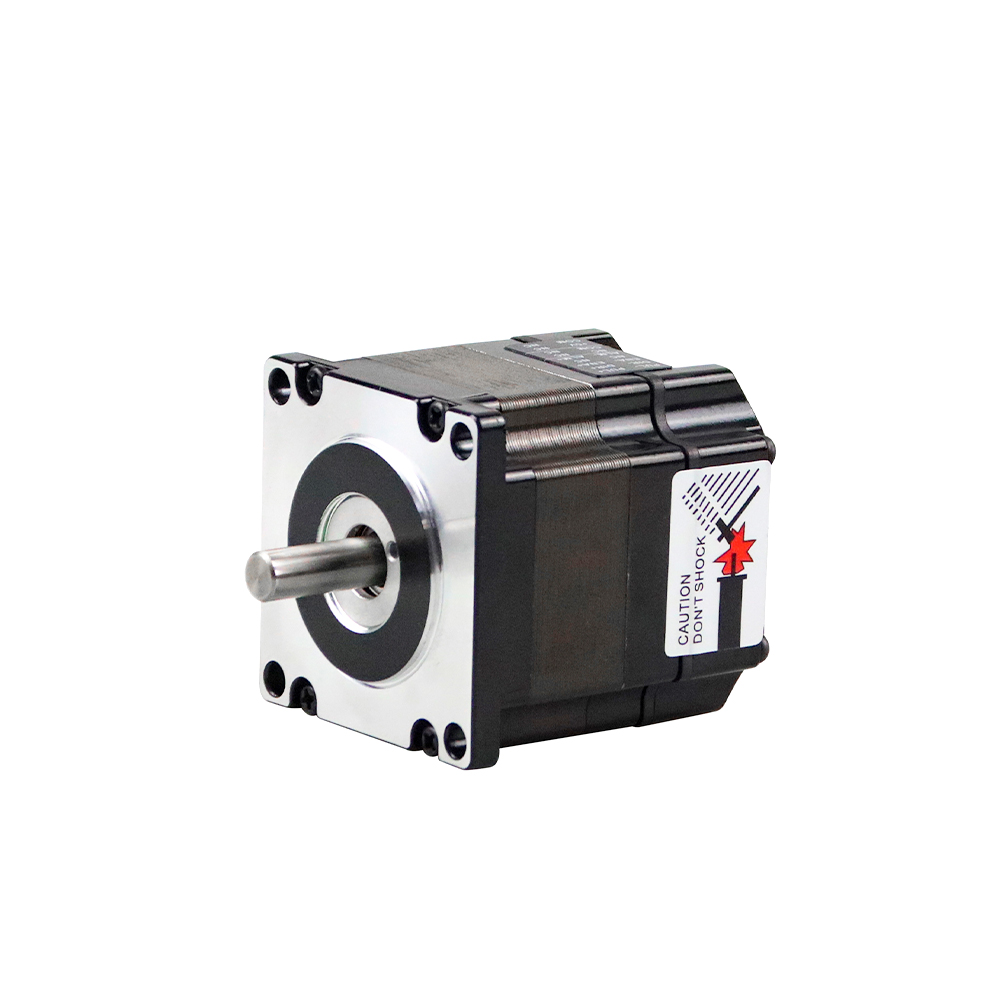
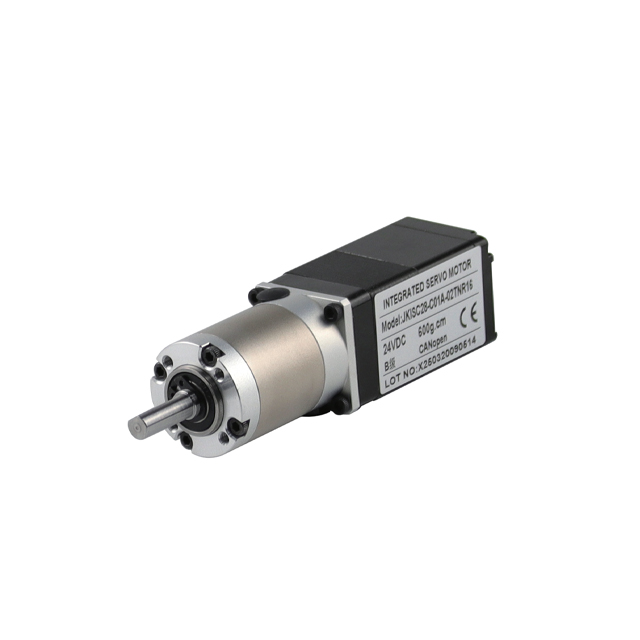
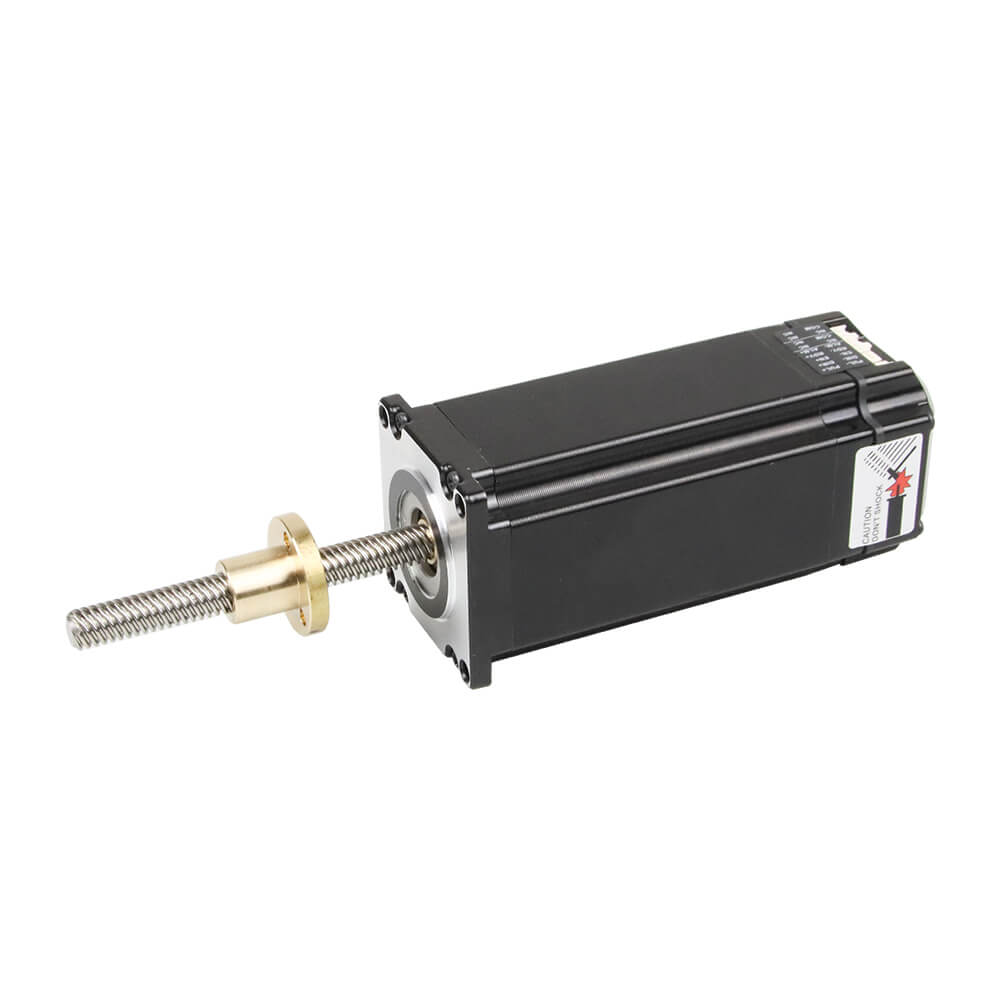
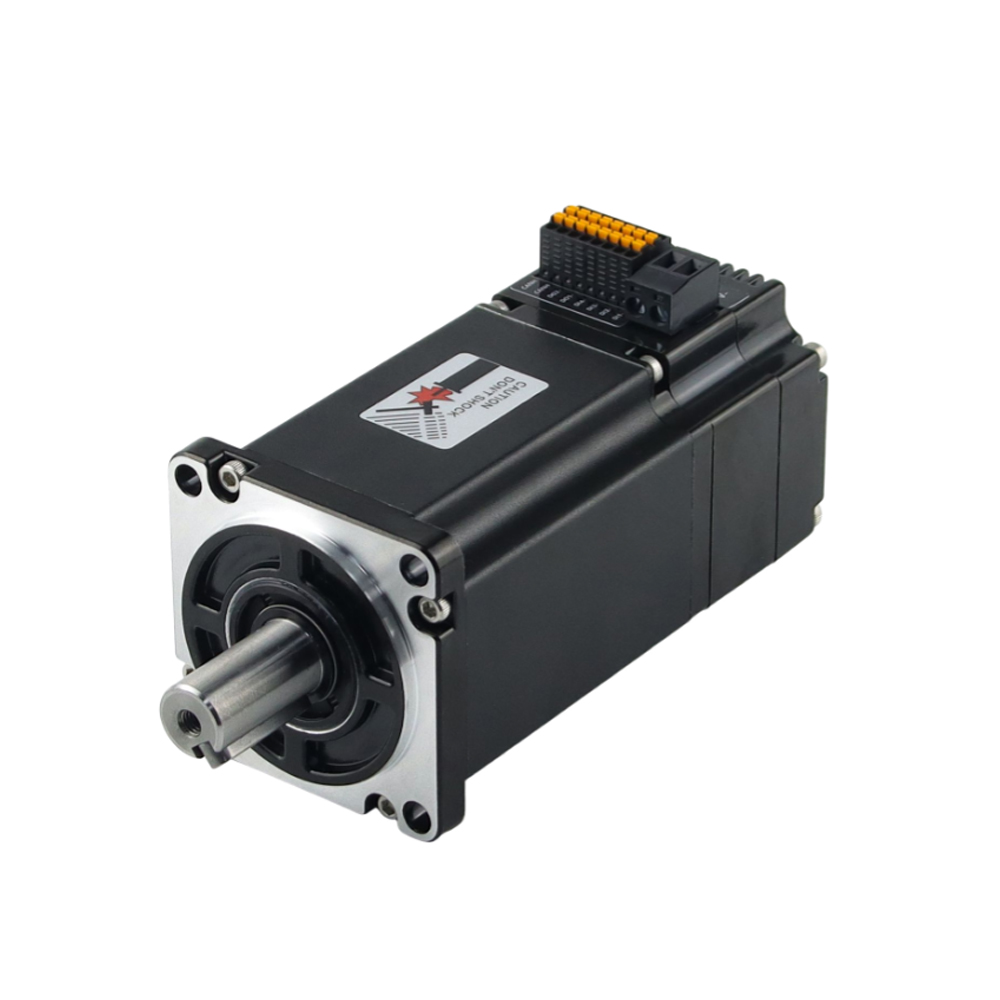
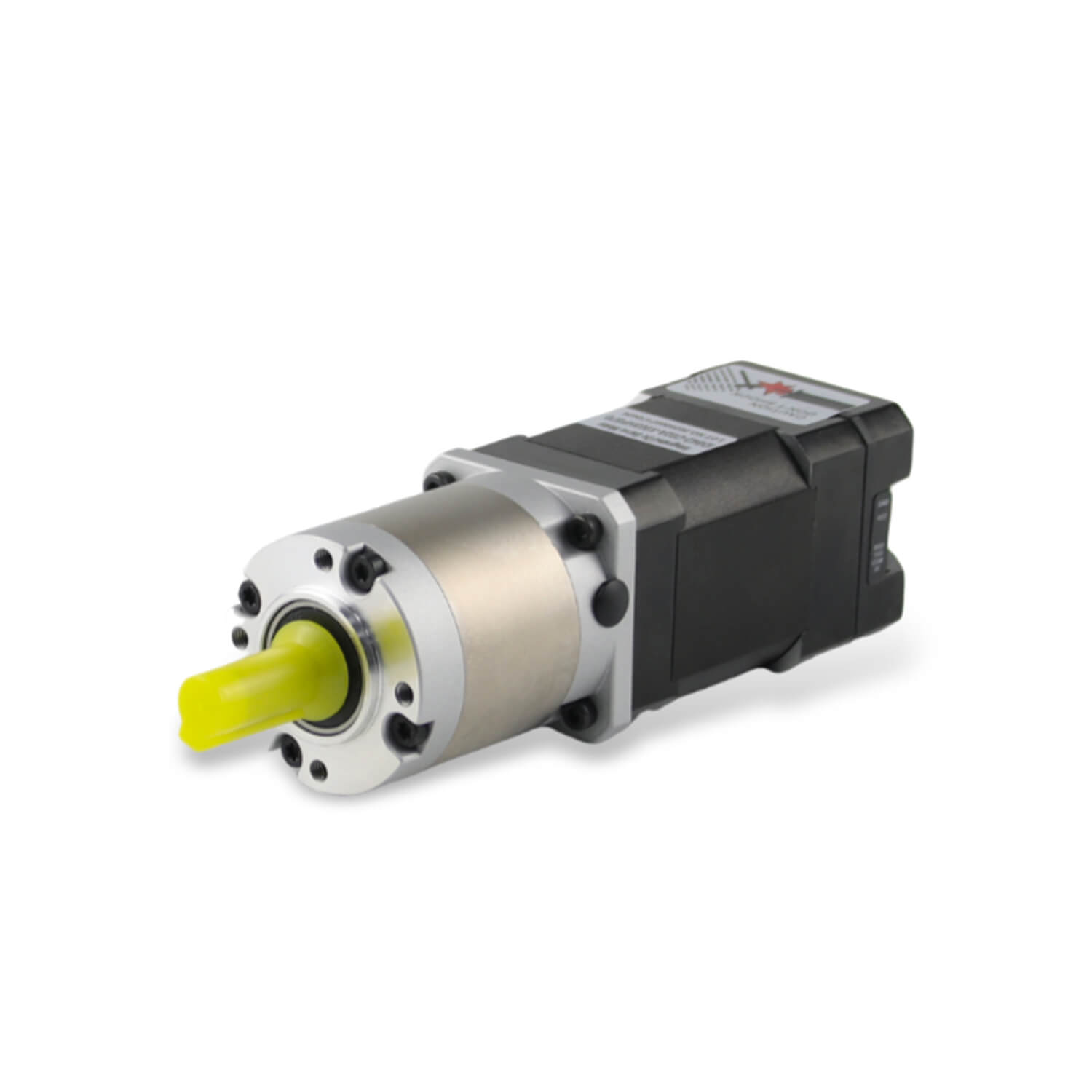
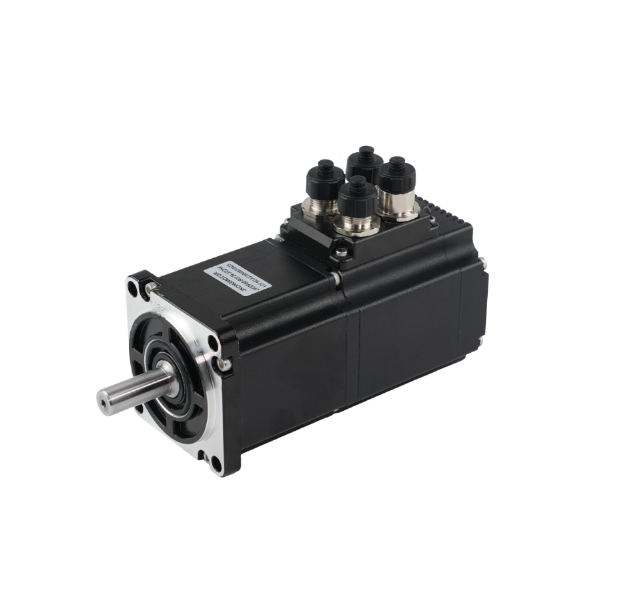
Integrated servo motors are at the core of modern Cartesian robot systems, offering high precision, compact design, and efficient motion control. For industries relying on automation, selecting the right supplier is critical to achieving optimal performance, minimal downtime, and long-term reliability. In this article, we provide a comprehensive guide on where to buy reliable integrated servo motors for Cartesian robots, highlighting key factors, top suppliers, and technical insights to help engineers and OEMs make informed decisions.
Understanding Integrated Servo Motors for Cartesian Robots
What is an Integrated Servo Motor?
An integrated servo motor combines the motor, encoder, and driver into a single compact unit. This integration simplifies wiring, reduces mechanical complexity, and provides enhanced motion accuracy compared to traditional motor setups.
Key Features:
High Torque Density: Provides strong performance without increasing size.
Closed-Loop Feedback: Ensures precise positioning and speed control.
Reduced Installation Complexity: Less wiring and fewer components.
Energy Efficiency: Optimized for lower power consumption while maintaining performance.
Why Cartesian Robots Require Integrated Servo Motors
Cartesian robots, also known as gantry robots, rely on precise linear motion along the X, Y, and Z axes to perform tasks such as pick-and-place operations, 3D printing, CNC machining, and assembly automation. The performance, accuracy, and efficiency of these robots are heavily dependent on the type of motors used to drive their axes. Integrated servo motors have become the preferred choice for Cartesian robots due to several key advantages:
1. High Precision and Repeatability
Cartesian robots demand accurate positioning for tasks that require repeatable motion. Integrated servo motors combine the motor, encoder, and driver into a single unit, allowing for precise Closed-Loop control. This ensures:
Consistent placement accuracy, often within micron-level tolerances.
Reduced deviation over multiple cycles, critical for assembly and additive manufacturing.
Smooth acceleration and deceleration, minimizing mechanical stress on the robot frame.
2. Simplified System Design
Traditional setups require separate motors, drivers, and encoders, which increase wiring complexity, installation time, and potential points of failure. Integrated servo motors simplify the system by:
Combining all components into a compact, plug-and-play unit.
Reducing the number of cables and connectors.
Minimizing the footprint of the motor system, which is essential in space-constrained applications.
3. Energy Efficiency
Integrated servo motors are designed to optimize power consumption while maintaining performance. For Cartesian robots that operate continuously:
Energy-efficient motors reduce operational costs.
Heat generation is minimized, prolonging motor lifespan.
Power can be dynamically adjusted based on load, improving overall efficiency.
4. Enhanced Torque and Speed Control
Cartesian robots often require varying torque across different axes depending on load and task:
Integrated servo motors provide precise torque control, ensuring smooth motion without overshooting.
High-speed capabilities improve cycle times for applications like pick-and-place and packaging.
Consistent torque prevents mechanical strain, reducing maintenance needs.
5. Compact Integration for Multi-Axis Coordination
A Cartesian robot relies on multiple motors operating in synchronized motion. Integrated servo motors allow:
Easy multi-axis synchronization due to built-in communication protocols (EtherCAT, CANopen, Modbus).
Reduced inertia and vibration, enhancing robot stability.
Streamlined maintenance with fewer components to monitor and replace.
6. Reliability and Reduced Downtime
The fewer components in a motion system, the lower the risk of failure. Integrated servo motors:
Reduce potential failure points by combining motor, encoder, and driver.
Provide robust performance under continuous operation.
Enable predictive maintenance using built-in monitoring and feedback features.
Summary Table: Advantages of Integrated Servo Motors for Cartesian Robots
| Advantage | Impact on Cartesian Robots |
| High Precision | Micron-level positioning accuracy |
| Simplified Design | Reduced wiring, installation time, and footprint |
| Energy Efficiency | Lower power consumption and heat generation |
| Torque & Speed Control | Smooth, consistent motion under varying loads |
| Multi-Axis Coordination | Synchronized motion and reduced vibration |
| Reliability | Fewer failures, longer operational life |
Conclusion:
Integrated servo motors are essential for Cartesian robots because they combine precision, compactness, efficiency, and reliability in a single solution. Without them, Cartesian robots would struggle to achieve the high performance and repeatability required for modern industrial automation, making integrated servo motors a critical component for any high-performance gantry system.
Top Factors to Consider When Choosing a Supplier
1. Product Quality and Performance
When sourcing integrated servo motors, prioritize manufacturers that adhere to strict quality control. Look for:
ISO-certified production lines.
Motors with high torque-to-size ratios.
Long lifespan ratings, including mean time between failures (MTBF).
2. Customization Options
Leading suppliers provide customized motor solutions tailored for specific Cartesian robot applications. This includes:
Variable torque and speed configurations.
Encoder resolution adjustments for precise control.
Specialized motor housing designs for unique environments.
3. Global Support and Warranty
Reliable suppliers offer:
Technical support for installation and troubleshooting.
Comprehensive warranty packages.
Availability of replacement parts to minimize downtime.
4. Supplier Reputation and Case Studies
Examine the supplier's track record:
Completed projects with OEMs or automation integrators.
Published technical case studies showcasing integration success.
Client testimonials on performance and service reliability.
Recommended Suppliers of Integrated Servo Motors for Cartesian Robots
| Supplier | Key Strengths | Customization | Warranty & Support |
| Lean Motor | Compact design, high torque, energy-efficient | Custom torque, speed, and encoder options | Global tech support, 24-month warranty |
| Yaskawa | Proven industrial reliability, scalable solutions | OEM-specific modifications | Technical training and extended warranty |
| Mitsubishi Electric | Advanced motion control, high precision | Multi-axis integration solutions | On-site support and spare parts availability |
| Oriental Motor | Cost-effective, robust design | Flexible installation and motor options | Global customer service and technical documentation |
Technical Specifications to Evaluate
Selecting the right Integrated servo motor for Cartesian robots requires careful evaluation of technical specifications to ensure optimal performance, longevity, and reliability. Below is a detailed breakdown of the key specifications to consider:
1. Motor Size and Mounting
Form Factor
The motor must fit within the physical constraints of the Cartesian robot's frame.
Smaller motors may be suitable for light-duty applications, while larger motors provide higher torque for heavy-load operations.
Mounting Options
Flange-Mounted: Common for precise alignment on linear rails.
Face-Mounted: Ideal for compact integration.
Shaft-Mounted: Used when direct coupling to lead screws or belts is needed.
Tip: Choose a form factor that balances space efficiency with mechanical stability.
2. Torque and Speed Ratings
Continuous Torque
Peak Torque
Speed Range
3. Encoder Resolution
Encoder type: Optical or magnetic encoders are common.
Resolution: Higher resolution allows finer positioning control.
For applications like 3D printing or precision assembly, choose encoders with sub-micron accuracy.
Supports closed-loop control, reducing overshoot and improving repeatability.
4. Control Interface
Compatibility with your robot's control system is essential.
Common protocols include:
EtherCAT: Real-time multi-axis control.
CANopen: Flexible networked communication.
Modbus: Simplified industrial communication.
Built-in drivers in integrated servo motors reduce the need for external controllers, simplifying installation.
5. Electrical Specifications
Voltage Rating: Ensure compatibility with your power supply.
Current Rating: Higher currents enable higher torque but require proper thermal management.
Power Consumption: Efficient motors minimize energy costs and heat buildup.
Protection Features: Look for overcurrent, overvoltage, and thermal protection to prevent damage.
6. Environmental and Mechanical Considerations
Operating Temperature
Vibration and Shock Resistance
Noise Levels
7. Maintenance and Monitoring Features
Summary Table: Key Specifications
| Specification | Why It Matters |
| Motor Size & Mounting | Ensures compatibility with robot frame |
| Torque (Continuous & Peak) | Determines load handling capability |
| Speed Range | Affects cycle time and throughput |
| Encoder Resolution | Improves positioning accuracy |
| Control Interface | Ensures seamless integration with robot controllers |
| Voltage & Current | Electrical compatibility and safety |
| Environmental Rating | Reliable operation under harsh conditions |
| Maintenance Features | Reduces downtime, extends lifespan |
Conclusion:
Evaluating these technical specifications is critical when choosing an integrated servo motor for Cartesian robots. Focusing on size, torque, speed, encoder resolution, control compatibility, and environmental durability ensures your robot achieves maximum efficiency, precision, and reliability in industrial applications.
Application Case Studies
Pick-and-Place Systems
Integrated servo motors in Cartesian pick-and-place robots provide repeatable, high-speed movement, reducing cycle times and improving productivity.
3D Printing and Additive Manufacturing
High-resolution servo control ensures layer-to-layer precision, minimizing defects and maintaining consistent print quality.
CNC and Assembly Automation
Integrated motors deliver stable torque and smooth acceleration, crucial for accurate cutting, drilling, and assembly tasks.
Comparative Benefits: Integrated vs. Traditional Servo Systems
| Feature | Integrated Servo Motor | Traditional Servo Motor |
| Installation Complexity | Low | High, requires separate driver and wiring |
| Space Efficiency | Compact | Larger footprint |
| Maintenance | Fewer components, lower cost | More frequent maintenance needed |
| Precision | High | Medium to high, dependent on external driver |
| Energy Efficiency | Optimized | Less efficient in some cases |
Tips for Maximizing ROI on Integrated Servo Motors
Investing in integrated servo motors for Cartesian robots is a significant decision. To ensure your organization achieves the highest return on investment (ROI), it is crucial to not only select the right motors but also optimize their performance, lifespan, and integration into your automation system. Here are detailed strategies to maximize ROI:
1. Assess Application Needs Accurately
Analyze Load Requirements: Determine the weight and type of payload your Cartesian robot will handle. Over-specifying motors can increase costs unnecessarily, while under-specifying can lead to premature wear.
Define Speed and Cycle Needs: High-speed operations require motors capable of rapid acceleration without sacrificing accuracy. Evaluate peak and continuous torque requirements for your workflow.
Consider Environmental Conditions: Dust, humidity, and temperature extremes affect motor lifespan. Choosing motors rated for your operating environment reduces downtime and repair costs.
2. Choose Modular and Scalable Designs
Future-Proof Your Investment: Modular motors allow you to upgrade or replace components without redesigning the entire system.
Adaptable Configurations: Use motors that support multiple mounting options, communication protocols, and power ranges. This flexibility ensures compatibility with future expansions or technology upgrades.
Ease of Maintenance: Modular systems simplify servicing, reduce replacement costs, and shorten repair times.
3. Implement Predictive Maintenance
Monitor Motor Health: Integrated servo motors often include temperature, vibration, and load sensors. Utilize these to track performance in real time.
Schedule Preventive Maintenance: Regular checks on bearings, couplings, and connectors can prevent unexpected failures.
Leverage Analytics: Use data analytics to predict potential failures, allowing maintenance to be performed proactively rather than reactively.
Impact: Reduced downtime, fewer emergency repairs, and longer motor lifespan.
4. Optimize System Integration
Synchronize Multi-Axis Operations: Ensure motors are properly calibrated for coordinated motion across all axes, which improves accuracy and reduces mechanical stress.
Use Compatible Controllers: Ensure your servo motors communicate efficiently with your robot controllers through EtherCAT, CANopen, or Modbus protocols.
Minimize Wiring Complexity: Integrated servo motors reduce the number of components and cables, simplifying installation and reducing the risk of connection errors.
5. Invest in Operator Training
Technical Training: Ensure operators and maintenance teams understand motor capabilities, safety protocols, and troubleshooting procedures.
Software Training: Train staff to use monitoring software for predictive maintenance and performance optimization.
Standard Operating Procedures (SOPs): Well-documented procedures reduce human error, improve efficiency, and extend motor life.
6. Optimize Energy Efficiency
Adjust Power Settings: Fine-tune motor power according to load requirements, avoiding unnecessary energy consumption.
Monitor Consumption: Track energy use per task to identify efficiency improvements.
Reduce Heat Generation: Proper power management reduces thermal stress on motors, extending service life.
7. Select High-Quality, Reliable Suppliers
Proven Track Record: Choose suppliers with a history of delivering robust and reliable integrated servo motors.
Customization and Support: Suppliers offering tailored solutions and global technical support help minimize integration challenges.
Warranty and Spare Parts: Access to replacement components ensures minimal downtime during maintenance.
Summary Table: Strategies to Maximize ROI
| Strategy | Key Benefits |
| Assess Application Needs | Avoid overspending and ensure motor suitability |
| Modular & Scalable Designs | Easier upgrades and reduced maintenance costs |
| Predictive Maintenance | Minimize downtime and extend motor life |
| Optimize System Integration | Improved motion accuracy and efficiency |
| Operator Training | Reduced errors and improved operational efficiency |
| Energy Efficiency | Lower operational costs and reduced heat stress |
| High-Quality Suppliers | Reliable performance, better support, and faster repairs |
Summary
Maximizing ROI on integrated servo motors requires a holistic approach, combining careful selection, proper installation, predictive maintenance, and operator training. By aligning motor capabilities with application requirements and leveraging modern monitoring tools, businesses can achieve higher productivity, lower operational costs, and extended motor lifespan, making the investment in integrated servo motors highly rewarding.
Conclusion
Choosing the right Integrated servo motor for Cartesian robots can dramatically impact efficiency, precision, and operational costs. By prioritizing quality, customization, and reliable supplier support, manufacturers can ensure their robotic systems deliver superior performance consistently. Trusted suppliers like Lean Motor, Yaskawa, and Mitsubishi Electric offer proven solutions tailored to diverse industrial applications, from pick-and-place systems to advanced manufacturing automation.
Investing in high-quality integrated servo motors is not just a purchase—it is a strategic decision that safeguards productivity, reliability, and scalability for the future of industrial automation.