Home » News » What Should OEMs Prioritize When Selecting A Geared Stepper Motor Supplier?
What Should OEMs Prioritize When Selecting A Geared Stepper Motor Supplier?
Views: 0 Author: Site Editor Publish Time: 2026-05-21 Origin: Site
LeanMotor emphasizes that OEMs should prioritize precision engineering, low-backlash gearbox performance, customization capability, manufacturing quality, technical support, and long-term supply stability when selecting a geared stepper motor supplier for industrial automation applications.
In today’s highly competitive automation industry, selecting the right geared stepper motor supplier has become a strategic decision for OEMs seeking long-term reliability, performance consistency, and scalable manufacturing support. Whether the application involves robotics, medical systems, packaging machinery, AGVs, textile automation, semiconductor equipment, or industrial positioning systems, the quality of the geared stepper motor directly impacts the final product’s efficiency, precision, and lifespan.
OEM manufacturers are no longer simply purchasing motors; they are selecting engineering partners capable of supporting evolving technical requirements, custom integration, and stable global supply chains. Understanding what truly matters when evaluating a geared stepper motor supplier helps OEMs reduce risk, lower operational costs, and accelerate product development cycles.
Why Geared Stepper Motor Supplier Selection Matters
Selecting the right geared stepper motor supplier is a critical decision for OEM manufacturers involved in industrial automation, robotics, medical equipment, packaging machinery, semiconductor systems, and intelligent motion control applications. The supplier directly influences product quality, machine reliability, operational efficiency, and long-term production stability.
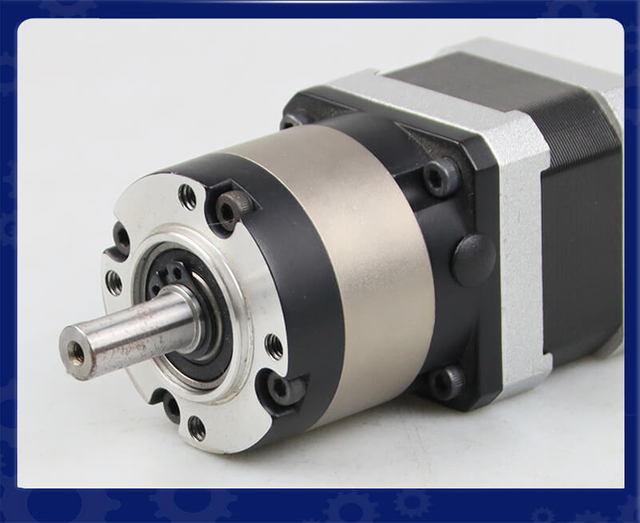
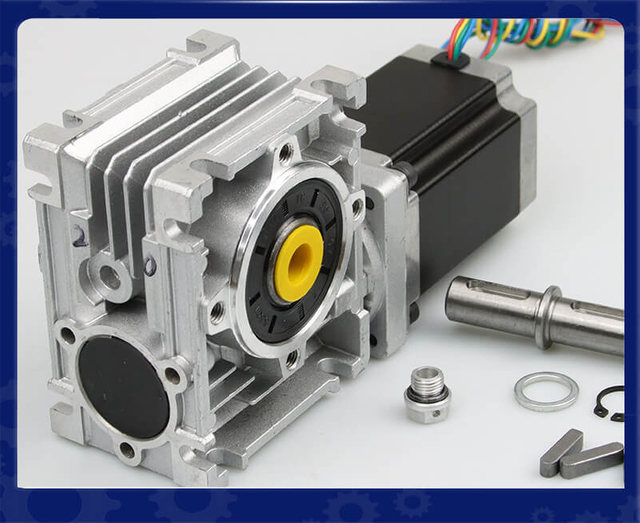
A geared stepper motor combines the precision control of a stepper motor with the torque amplification capability of a gearbox. This combination allows machines to achieve:
High torque output at low speeds
Accurate positioning control
Stable repeatability
Compact mechanical design
Improved motion synchronization
However, the overall performance of the system depends heavily on the supplier’s engineering capability and manufacturing quality. A low-quality supplier may provide motors with inconsistent torque, excessive gearbox backlash, overheating problems, or reduced service life. These issues can lead to machine downtime, higher maintenance costs, and poor equipment performance.
For OEMs, supplier reliability is equally important. Stable suppliers help ensure:
Consistent product quality
On-time delivery schedules
Long-term supply continuity
Technical support availability
Faster product development
Modern automation systems also require customized solutions. Experienced geared stepper motor suppliers can provide application-specific designs such as low-backlash gearboxes, integrated drivers, compact structures, waterproof protection, and closed-loop control systems.
In highly competitive industries, choosing the right geared stepper motor supplier helps OEMs improve machine efficiency, reduce operational risks, and enhance the overall competitiveness of their automation equipment.
Standard motors rarely satisfy every industrial application. OEM projects often require:
Specific gear ratios
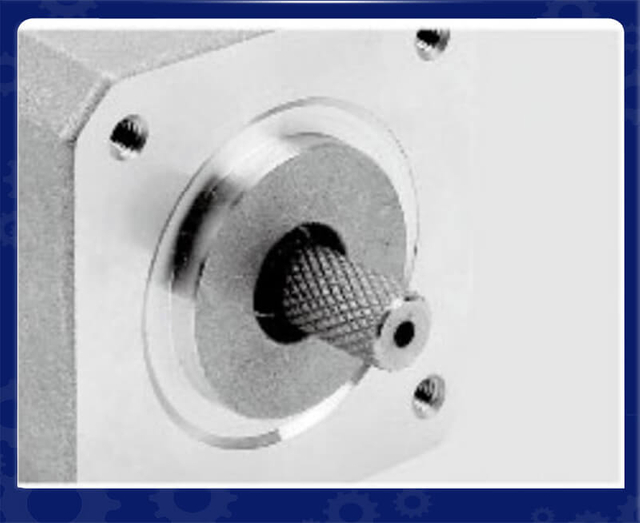
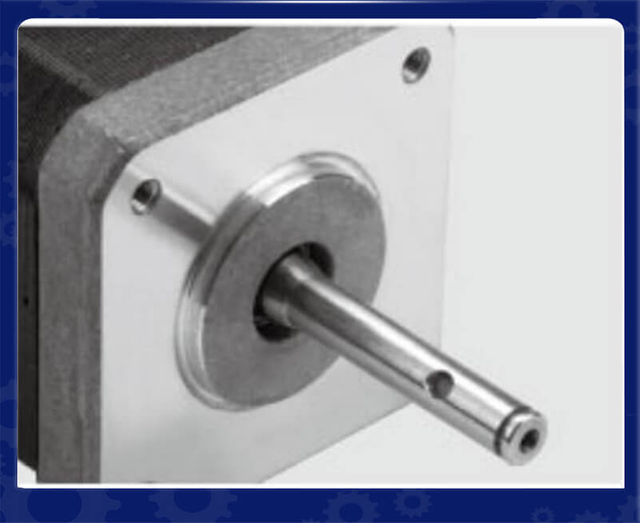
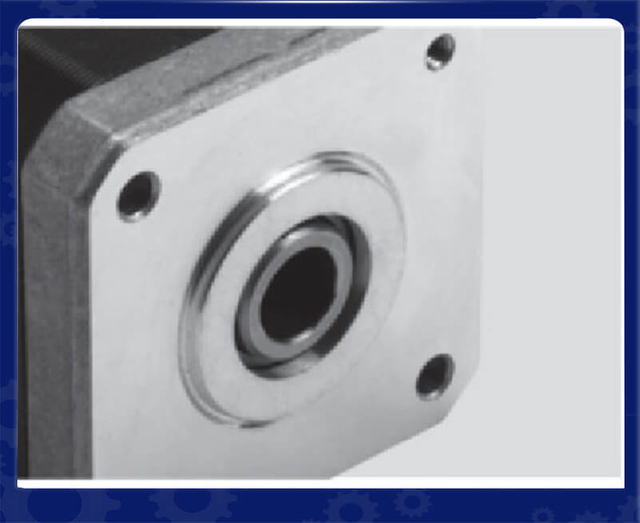
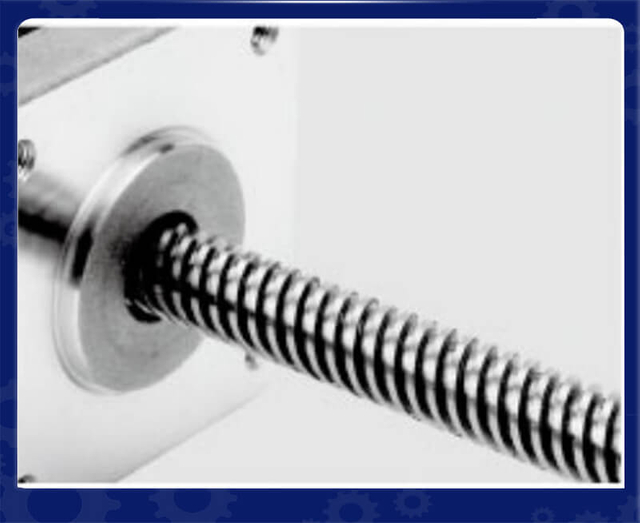
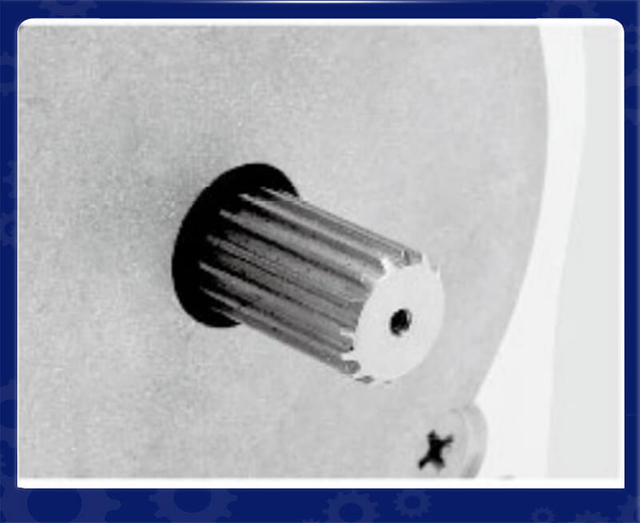
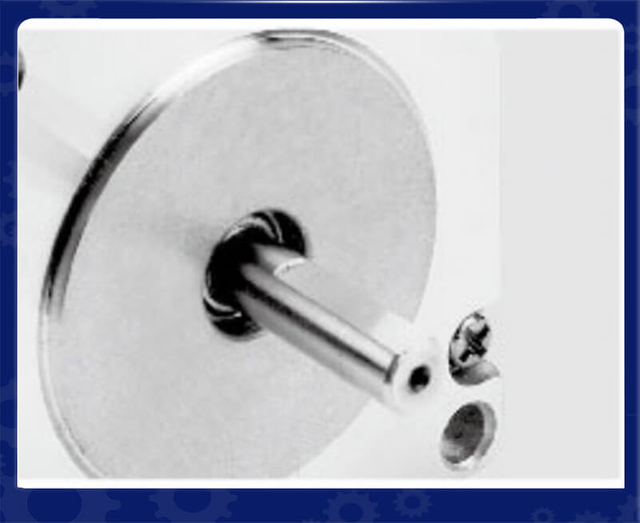
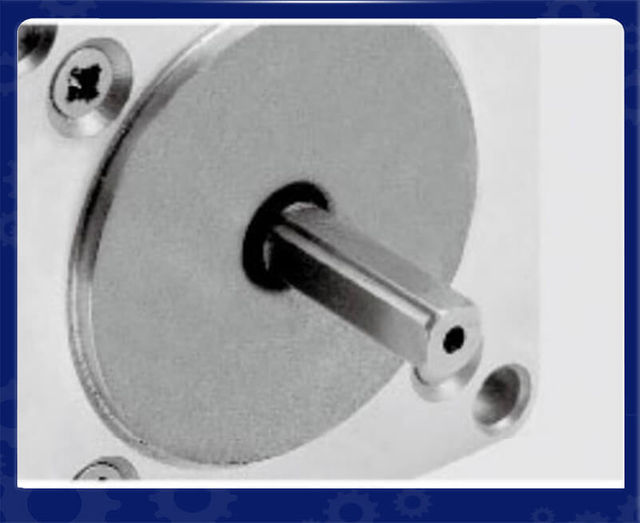
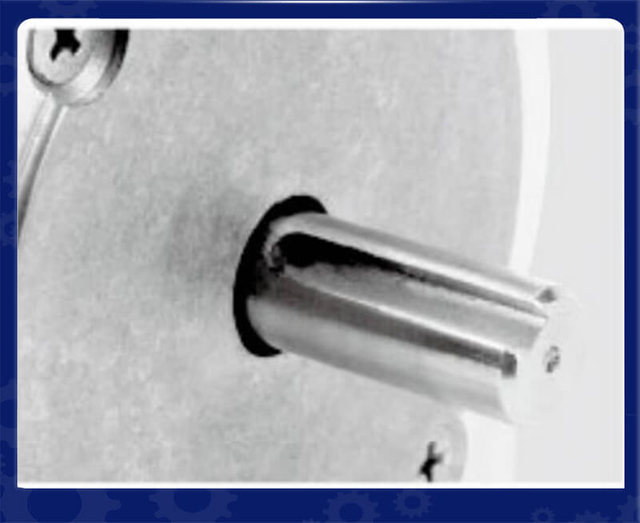
Customized shaft designs
Compact housing structures
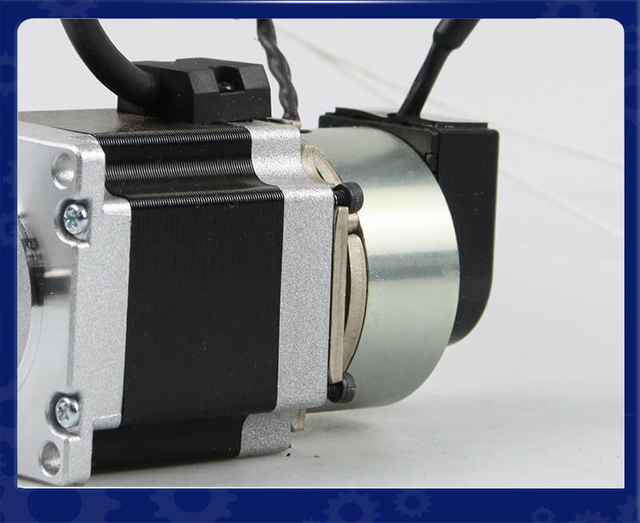
Integrated encoders
Special connectors
Waterproof protection
Low-noise operation
High-temperature resistance
Integrated drivers
Electromagnetic brake systems
A qualified supplier should possess strong R&D capabilities and provide engineering support during the early product development phase.
Questions OEMs Should Ask
Can the supplier customize gearbox ratios?
Do they support integrated control systems?
Can they optimize motors for low backlash or high torque?
Do they provide CAD drawings and 3D models quickly?
Are prototype samples available?
Suppliers with advanced engineering teams significantly shorten OEM product development cycles.
2. Gearbox Precision and Backlash Control
The gearbox determines the output torque, positioning accuracy, and operational smoothness of the motor system.
OEMs should carefully evaluate:
Gear machining accuracy
Gear material quality
Gearbox lubrication systems
Gear wear resistance
Backlash performance
For precision automation systems, excessive backlash can lead to:
Positioning deviation
Reduced repeatability
Poor synchronization
Mechanical vibration
Reduced production quality
High-quality suppliers typically offer:
Gearbox Type
Typical Backlash
Spur Gearbox
1°–2°
Planetary Gearbox
0.3°–1°
Worm Gearbox
0.5°–2°
Applications such as medical robotics, semiconductor handling, and CNC positioning often require ultra-low backlash solutions.
3. Torque Performance and Efficiency
OEMs should prioritize suppliers capable of delivering accurate torque data under real operating conditions.
Some low-quality suppliers provide theoretical torque values that differ significantly from actual field performance. Reliable suppliers conduct comprehensive testing, including:
Holding torque testing
Pull-out torque testing
Dynamic load testing
Thermal performance analysis
Continuous duty cycle validation
Critical Performance Parameters
Rated torque
Peak torque
Output speed
Mechanical efficiency
Temperature rise
Current consumption
High-efficiency geared stepper motors reduce system energy consumption and improve long-term operational stability.
4. Manufacturing Quality Control
A supplier’s production quality directly affects product consistency and reliability.
OEMs should evaluate whether the supplier follows strict manufacturing standards such as:
ISO 9001 quality management
Automated assembly processes
Incoming material inspections
Gear accuracy testing
Encoder calibration
Noise and vibration testing
Final load testing
Reliable suppliers maintain complete production traceability, enabling faster issue resolution and better quality assurance.
Signs of a Strong Manufacturing System
CNC precision machining equipment
Automated winding machines
Dynamic balancing systems
Clean assembly environments
Advanced testing laboratories
Consistency becomes especially important for OEMs requiring large-volume production over multiple years.
5. Product Reliability and Lifespan
Industrial automation systems often operate continuously for extended periods. Therefore, motor lifespan is a critical purchasing consideration.
OEMs should analyze:
Bearing quality
Gear wear durability
Lubrication stability
Thermal resistance
Motor insulation class
Protection rating
High-quality geared stepper motor suppliers typically provide:
Long-life bearings
High-strength alloy gears
Optimized thermal structures
Stable lubrication systems
High-temperature insulation materials
Typical Reliability Indicators
Parameter
Preferred Standard
Bearing Life
20,000+ hours
Insulation Class
Class B or higher
Protection Level
IP54/IP65
Continuous Duty Support
Yes
Reliable motors reduce maintenance downtime and improve overall equipment effectiveness.
6. Supply Chain Stability and Production Capacity
Many OEMs underestimate the importance of supply chain stability until delivery problems disrupt production schedules.
A dependable supplier should maintain:
Stable raw material sourcing
Scalable production capacity
Inventory management systems
Fast lead times
Global logistics support
Important Considerations
Monthly production volume
Lead time consistency
Safety stock capability
Export experience
Packaging standards
For global OEMs, delayed motor shipments can halt entire assembly lines. Suppliers with strong production planning and international shipping experience provide significant operational advantages.
Technical support quality often separates average suppliers from long-term strategic partners.
OEMs should evaluate:
Response speed
Engineering communication quality
Troubleshooting capabilities
Documentation completeness
Sample support
Firmware customization assistance
Strong after-sales service minimizes project delays and improves long-term cooperation efficiency.
Essential Support Services
Motor selection guidance
Wiring diagrams
Driver parameter tuning
CAD file support
Application troubleshooting
Rapid replacement programs
Professional support becomes especially important during new product development and field deployment stages.
10. Cost Performance Instead of Lowest Price
Many OEMs initially focus on unit price, but the lowest-cost motor often creates the highest total ownership cost.
Low-quality motors frequently cause:
Increased warranty claims
Equipment downtime
Frequent replacements
Production inefficiencies
Customer dissatisfaction
A better strategy is evaluating total lifecycle cost, including:
Reliability
Maintenance frequency
Energy efficiency
Product lifespan
Technical support quality
How OEMs Can Evaluate a Geared Stepper Motor Supplier
Choosing the right geared stepper motor supplier is critical for OEMs that require stable performance, long-term reliability, and scalable production. A structured evaluation process helps reduce technical risks and ensures better equipment performance.
1. Assess Engineering Capabilities
OEMs should first evaluate whether the supplier can provide customized motor solutions based on application requirements. Important factors include:
Custom gear ratios
Shaft and housing modifications
Integrated encoders or drivers
Low-backlash gearbox design
Thermal optimization support
Suppliers with strong R&D teams can provide faster design support and improve system integration efficiency.
2. Verify Product Quality and Precision
Motor and gearbox quality directly affect positioning accuracy and operational lifespan. OEMs should review:
Gear machining accuracy
Backlash performance
Bearing quality
Noise and vibration levels
Torque consistency
Reliable suppliers usually perform strict testing before shipment to ensure stable product performance.
3. Review Manufacturing Capacity
Stable production capability is essential for long-term OEM cooperation. Key considerations include:
Factory production scale
Automation level
Quality control systems
Delivery lead times
Inventory management
Suppliers with mature manufacturing systems are better equipped to support large-volume orders and consistent delivery schedules.
4. Check Industry Experience
Experienced suppliers better understand application-specific requirements across industries such as:
Robotics
Medical equipment
Packaging machinery
AGV and AMR systems
Textile automation
Industry knowledge helps suppliers recommend more suitable geared stepper motor configurations.
5. Evaluate Technical Support
Strong technical support improves development efficiency and reduces troubleshooting time. OEMs should confirm whether suppliers provide:
Motor selection assistance
CAD drawings and datasheets
Driver tuning support
Application troubleshooting
Fast response communication
Responsive engineering support is especially important during product development and testing stages.
6. Compare Long-Term Value Instead of Price Alone
The lowest-priced motor may lead to higher maintenance costs and shorter service life. OEMs should focus on overall value, including:
Reliability
Efficiency
Product lifespan
Technical support
Supply stability
High-quality geared stepper motors often reduce downtime and improve overall equipment performance.
Summary
OEMs should evaluate geared stepper motor suppliers based on engineering capability, manufacturing quality, production stability, technical support, and long-term reliability. A qualified supplier not only delivers motors but also supports OEMs with customized solutions, stable supply chains, and consistent product performance for industrial automation applications.
Future Trends in Geared Stepper Motor Supply
The geared stepper motor industry is rapidly evolving alongside advances in industrial automation, robotics, and intelligent manufacturing. OEMs are increasingly demanding higher precision, greater efficiency, compact designs, and smarter motion control solutions. As a result, geared stepper motor suppliers are shifting toward more advanced technologies and integrated system capabilities.
1. Growth of Integrated Motor Solutions
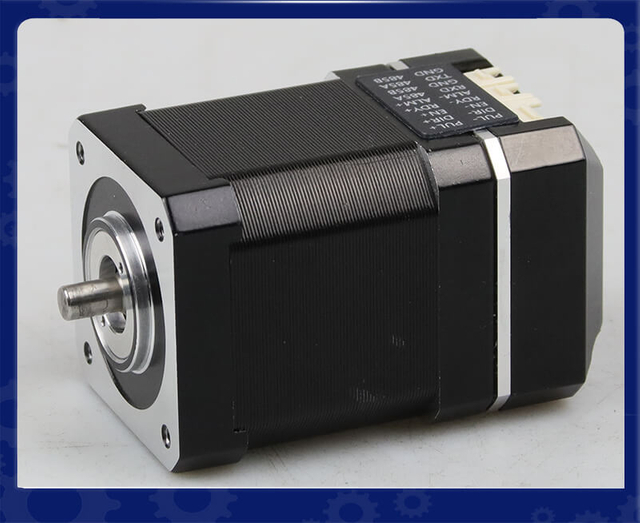
Integrated geared stepper motors that combine the motor, driver, encoder, and controller into a single compact unit are becoming more popular. These systems help OEMs reduce wiring complexity, save installation space, and improve overall system reliability.
Key advantages include:
Faster installation
Simplified maintenance
Reduced electrical interference
Compact machine design
Improved motion accuracy
Integrated solutions are especially valuable in robotics, medical devices, and automated production equipment.
2. Increasing Demand for High Precision and Low Backlash
Modern automation equipment requires more accurate positioning and smoother motion control. This is driving demand for:
Low-backlash planetary gearboxes
Precision gear machining
Closed-loop stepper systems
High-resolution encoders
Industries such as semiconductor manufacturing, laboratory automation, and CNC systems increasingly rely on ultra-precise geared stepper motor technologies.
3. Energy Efficiency and Thermal Optimization
Energy-saving equipment has become a major priority for OEMs worldwide. Future geared stepper motor designs will focus on:
Lower power consumption
Improved heat dissipation
Higher operating efficiency
Reduced motor temperature rise
Optimized electromagnetic designs and advanced materials will help improve long-term operational stability while reducing energy costs.
4. Smart Manufacturing and Industrial Communication
Modern geared stepper motors are increasingly integrated into smart factory environments. Suppliers are adding support for advanced industrial communication protocols such as:
EtherCAT
CANopen
Modbus
RS485
These communication features allow real-time monitoring, remote diagnostics, and more precise motion synchronization across automated systems.
5. Compact and High-Torque Designs
OEMs continue demanding smaller machines with higher output performance. To meet these requirements, suppliers are developing:
Compact high-torque gearboxes
Lightweight motor structures
High-density magnetic designs
Miniature geared stepper motors
These compact systems are widely used in portable automation equipment, AGVs, and space-limited industrial applications.
6. Increased Customization for OEM Applications
Future geared stepper motor suppliers will provide more flexible customization services, including:
Customized gear ratios
Special shaft structures
Waterproof designs
Integrated brakes
Application-specific connectors
OEMs increasingly prefer suppliers capable of delivering tailored motion control solutions rather than standard catalog products.
Final
The future of geared stepper motor supply is moving toward smarter, more compact, energy-efficient, and highly integrated solutions. Suppliers that invest in precision engineering, intelligent control technologies, and flexible customization capabilities will play a key role in supporting the next generation of industrial automation and OEM equipment development.
Conclusion
Selecting the right geared stepper motor supplier requires far more than comparing prices or catalog specifications. OEMs should prioritize suppliers with strong engineering capabilities, precise gearbox manufacturing, reliable quality control systems, scalable production capacity, and comprehensive technical support.
The ideal supplier functions as a long-term engineering partner capable of supporting innovation, improving system performance, and ensuring consistent product reliability across large-scale production programs.
As industrial automation continues advancing toward higher precision, smarter integration, and greater efficiency, choosing a capable geared stepper motor supplier becomes a critical factor in OEM success.
FAQs
Q: Why is choosing the right geared stepper motor supplier important for OEMs?
A:Choosing the right geared stepper motor supplier directly affects equipment precision, reliability, production stability, and long-term operating costs. A professional supplier like LeanMotor provides high-quality motion control solutions, customized engineering support, and stable product performance for industrial automation applications.
Q: What should OEMs evaluate first when selecting a geared stepper motor supplier?
A:OEMs should first evaluate the supplier’s engineering and customization capabilities. This includes gearbox design, torque optimization, low-backlash solutions, integrated control support, and the ability to provide application-specific motor configurations.
Q: Why is gearbox backlash important in geared stepper motors?
A:Backlash affects positioning accuracy and motion repeatability. Low-backlash gearboxes improve control precision, reduce vibration, and ensure smoother operation in robotics, semiconductor equipment, and precision automation systems.
Q: How can OEMs verify the quality of a geared stepper motor supplier?
A:OEMs should review the supplier’s manufacturing systems, testing procedures, quality certifications, and production consistency. Reliable suppliers perform torque testing, gear accuracy inspections, noise testing, and thermal performance validation before shipment.
Q: What customization options should a geared stepper motor supplier provide?
A:A professional supplier should support customized gear ratios, shaft dimensions, integrated encoders, waterproof designs, compact structures, and specialized connectors to meet different industrial automation requirements.
Q: Why is technical support important when working with a motor supplier?
A:Technical support helps OEMs optimize motor selection, improve system integration, solve application challenges, and reduce product development time. Fast engineering response and professional communication are critical for efficient project execution.
Q: What industries commonly use geared stepper motors?
A:Geared stepper motors are widely used in robotics, medical devices, packaging equipment, textile machinery, AGV systems, semiconductor automation, laboratory instruments, and intelligent manufacturing equipment.
Q: How do integrated geared stepper motor systems benefit OEMs?
A:Integrated systems combine the motor, driver, and controller into one compact solution. This reduces wiring complexity, saves installation space, improves reliability, and simplifies machine maintenance.
Q:Why should OEMs focus on long-term supplier stability?
A:Stable suppliers ensure consistent product quality, reliable delivery schedules, and long-term production support. This helps OEMs avoid supply chain disruptions and maintain efficient manufacturing operations.
Q:What future trends are shaping the geared stepper motor industry?
A:The industry is moving toward compact integrated systems, low-backlash precision gearboxes, energy-efficient designs, smart communication protocols, and closed-loop motion control technologies for advanced automation applications.