Home » News » Stepper Motor » What Is The Permissible Backlash in Precision Geared Stepper Motor Systems?
What Is The Permissible Backlash in Precision Geared Stepper Motor Systems?
Views: 0 Author: Site Editor Publish Time: 2026-05-19 Origin: Site
Permissible backlash in precision geared stepper motor systems depends on the required positioning accuracy and application type. Low-backlash gearboxes improve repeatability, reduce vibration, and enhance precision in robotics, CNC machinery, medical devices, and advanced automation systems.
Precision motion control systems rely heavily on the accuracy, repeatability, and stability of geared stepper motors. In high-performance automation equipment, even a small amount of mechanical play can reduce positioning precision, introduce vibration, and negatively impact system efficiency. One of the most critical mechanical factors affecting motion quality is backlash.
Understanding how much backlash is acceptable in a precision geared stepper motor system is essential for engineers, machine designers, and automation manufacturers seeking reliable and accurate motion performance. This article explores backlash in depth, including its causes, acceptable tolerance ranges, impact on applications, measurement methods, reduction techniques, and gearbox selection strategies.
What Is Backlash in a Precision Geared Stepper Motor?
Backlash in a precision geared stepper motor refers to the small amount of lost motion or free play that occurs between the meshing teeth of gears inside the gearbox. It becomes noticeable when the motor changes rotational direction and the output shaft does not immediately respond because the gears must first take up the clearance gap between the teeth.
In simple terms, backlash is the slight delay between the movement of the motor shaft and the movement of the gearbox output shaft during direction reversal.
How Backlash Occurs
Gears cannot be manufactured with perfectly tight contact because they need a small clearance manufactured with perfectly tight contact because they need a small clearance to:
Prevent excessive friction
Allow smooth rotation
Accommodate thermal expansion
Reduce wear during operation
Enable lubrication between gear teeth
This intentional clearance creates a small angular movement before torque is fully transmitted when reversing direction.
Example of Backlash
Imagine a geared stepper motor driving a positioning table:
The motor rotates clockwise.
The gearbox output follows normally.
The motor suddenly reverses counterclockwise.
Before the output shaft begins moving in the new direction, the gear teeth must re-engage on the opposite side.
Backlash directly affects the performance of motion control systems, especially in applications requiring precise positioning.
Excessive Backlash Can Cause:
Reduced positioning accuracy
Poor repeatability
Vibration and noise
Delayed response during reversal
Inconsistent motion control
Increased mechanical wear
In high-precision applications such as CNC machines, robotics, semiconductor equipment, and medical devices, even small amounts of backlash can create significant positioning errors.
Backlash vs Stepper Motor Accuracy
A stepper motor itself can provide highly accurate incremental motion, but when combined with a gearbox, the overall system precision depends heavily on gearbox backlash.
For example:
The stepper motor may rotate accurately by a commanded step angle.
However, the gearbox output may lag slightly because of gear clearance.
This creates a mismatch between commanded motion and actual output position.
Therefore, low-backlash gearboxes are critical in precision automation systems.
How Engineers Reduce Backlash
Several methods are used to minimize backlash in geared stepper motor systems:
1. Precision Gear Manufacturing
Higher machining accuracy reduces gear clearance.
2. Planetary Gearbox Design
Planetary gear systems distribute load evenly and naturally reduce backlash.
Backlash in a precision geared stepper motor is the small rotational clearance between gear teeth that creates lost motion during direction changes. While some backlash is mechanically unavoidable, excessive backlash can reduce positioning accuracy, repeatability, and overall system performance.
Choosing a high-quality low-backlash gearbox, precision gear design, and advanced motion control technologies helps ensure smooth, accurate, and reliable operation in demanding automation applications.
Leanmotor Customized Service
Customized Shaft Service
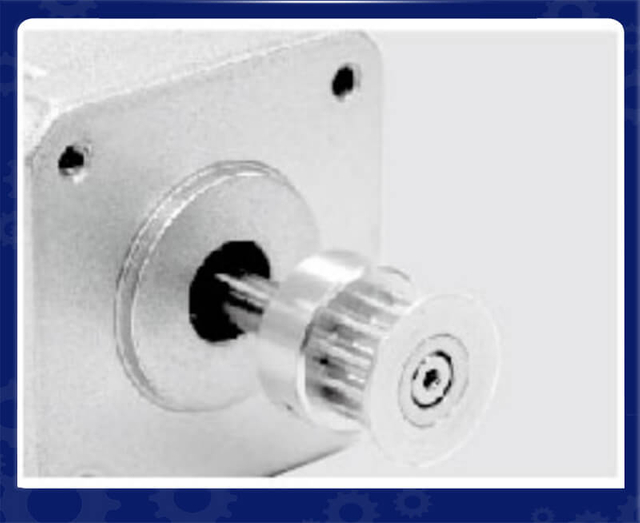
Metal Pulleys
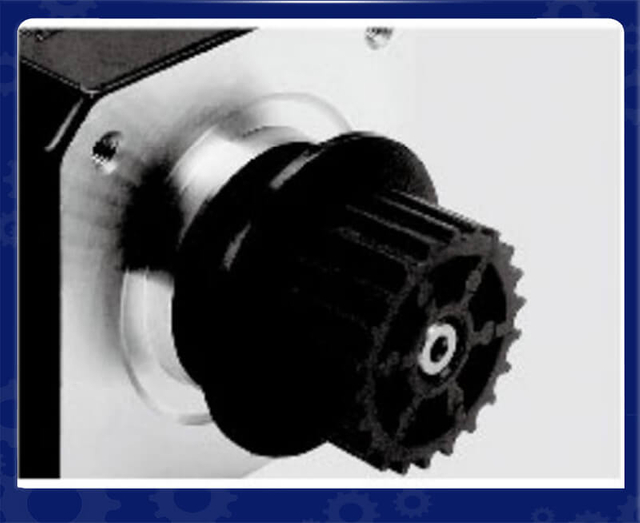
Plastic Pulley
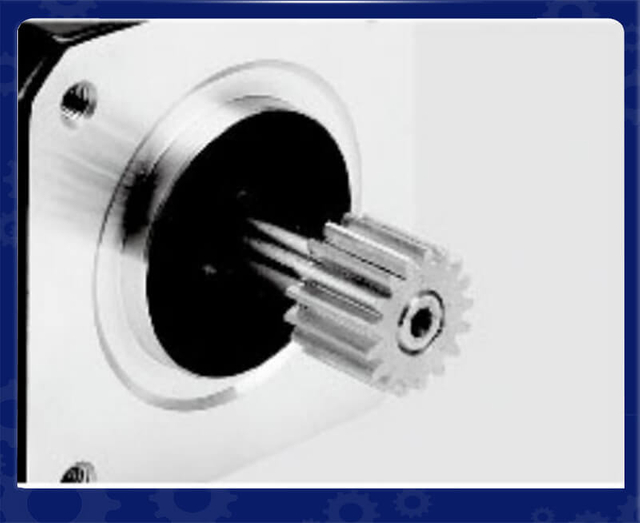
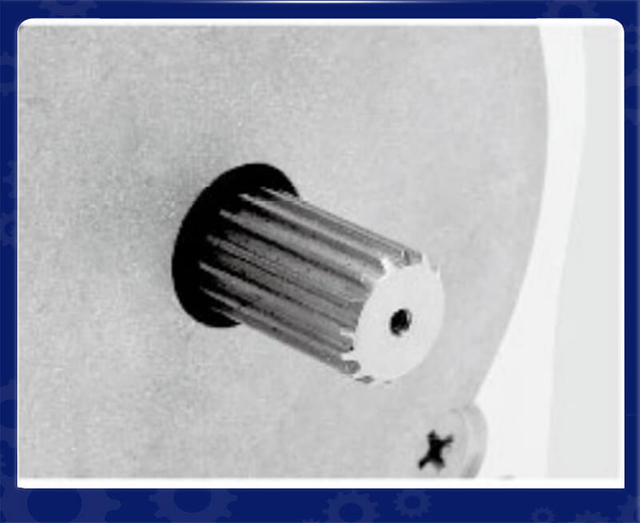
Gear
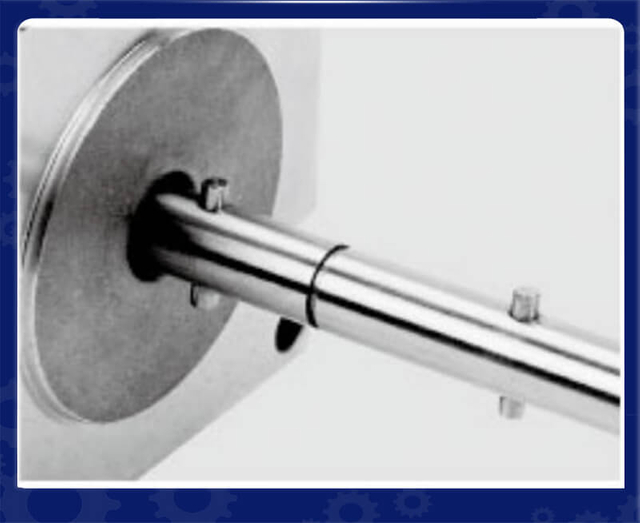
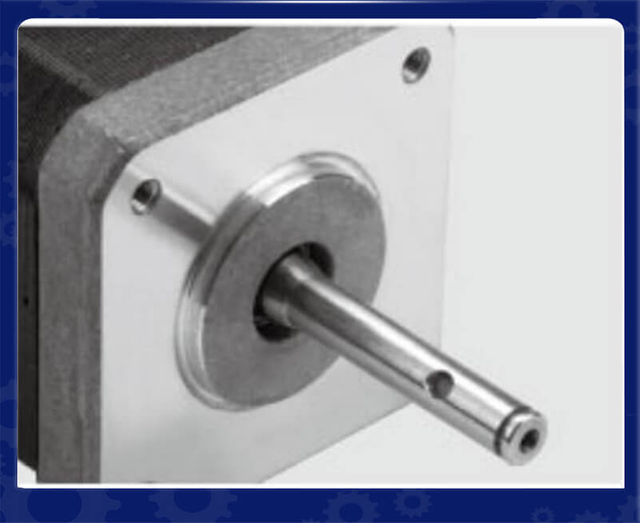
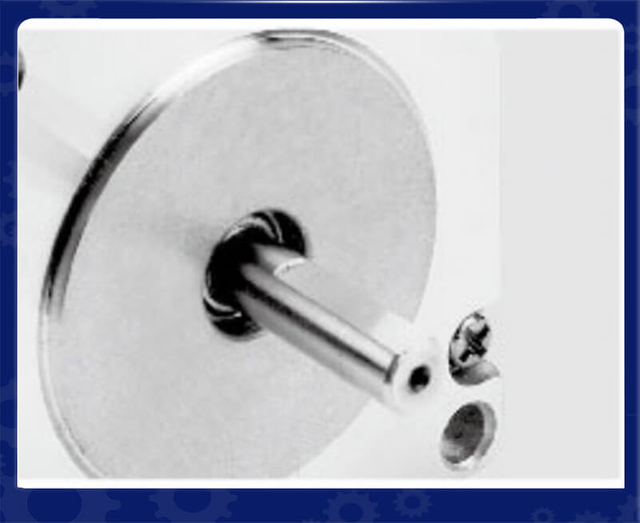
Shaft Pin
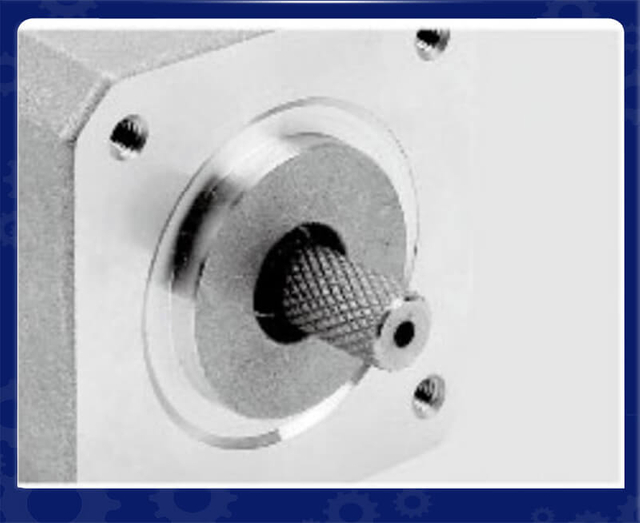
Threaded Shaft
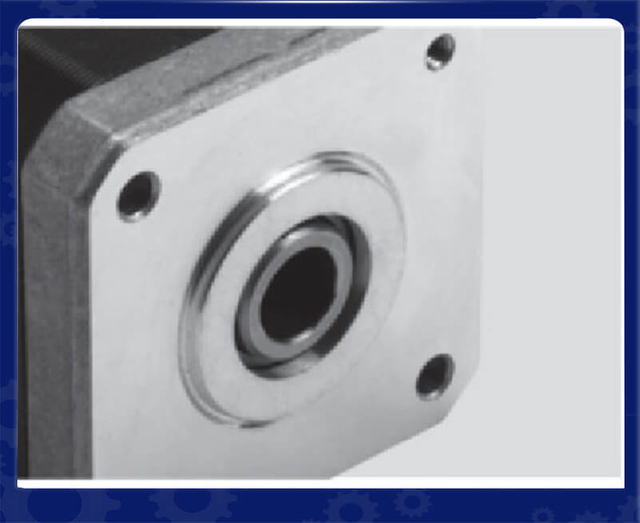
Panel Mount
Hollow Shaft
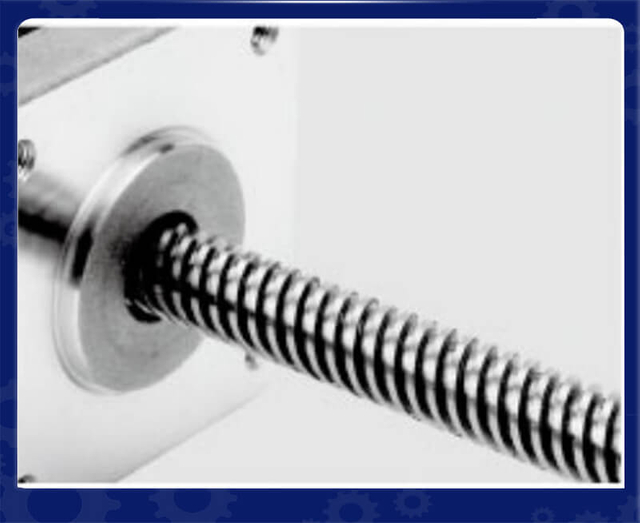
Lead Screw
Panel Mount
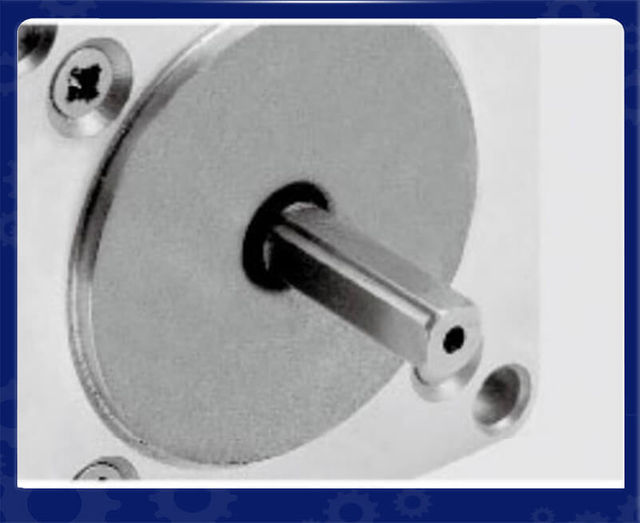
Single Flat
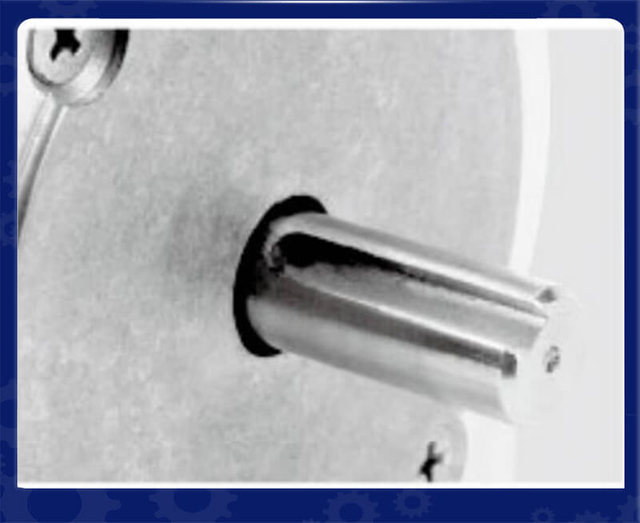
Dual Flat
Key Shaft
Customized Motor Service
Cables
Covers
Shaft
Lead Screw Rod
Encoders
Brakes
Gearboxes
Linear Module
Integrated Drivers
Worm Gearbox
Why Backlash Matters in Precision Motion Control
In many industrial systems, backlash directly affects performance quality. Precision geared stepper motors are often used in applications where exact positioning is mandatory.
Major Effects of Excessive Backlash
1. Reduced Positioning Accuracy
Backlash creates positional lag during directional changes. In CNC machines or robotics, this can lead to dimensional inaccuracies and poor repeatability.
2. Vibration and Noise
Loose gear engagement can introduce impact forces during acceleration or reversal, generating vibration and audible gear noise.
3. Poor Repeatability
Systems requiring repeated motion cycles may fail to return to identical positions due to inconsistent backlash behavior.
4. Motion Instability at Low Speeds
At slow speeds or microstepping conditions, backlash becomes more noticeable because small position changes are critical.
5. Increased Wear
Excessive backlash allows gear teeth to collide during reversal, accelerating mechanical wear and reducing gearbox lifespan.
How Much Backlash Is Acceptable?
The acceptable backlash level depends entirely on application precision requirements. Different industries tolerate different backlash values.
Typical Backlash Ranges in Geared Stepper Motors
Gearbox Type
Typical Backlash
Standard Spur Gearbox
1° to 3°
Precision Spur Gearbox
15 to 60 arc-min
Planetary Gearbox
3 to 15 arc-min
Harmonic Drive
Less than 1 arc-min
Worm Gearbox
30 to 90 arc-min
Typical Acceptable Backlash Ranges in Applications
Application Type
Acceptable Backlash
General Industrial Equipment
30–60 arc-min
Packaging & Automation Systems
10–30 arc-min
CNC Machinery
Below 10 arc-min
Robotics & Semiconductor Equipment
Below 5 arc-min
Medical & Optical Systems
Less than 1 arc-min
Lower backlash values provide better motion accuracy and smoother directional changes.
Factors That Determine Acceptable Backlash
Several factors influence how much backlash a system can tolerate:
Positioning accuracy requirements
Frequency of direction reversal
Load size and inertia
Motion speed
System rigidity
Control system compensation capability
Applications with frequent start-stop motion or precise positioning typically require extremely low backlash gear systems.
Choosing the Right Backlash Level
For standard automation equipment, moderate backlash may be acceptable without affecting productivity. However, high-precision systems such as robotic arms, laser equipment, and CNC machines require low-backlash or near-zero-backlash gearboxes to maintain consistent accuracy and repeatability.
Selecting the proper gearbox design, manufacturing quality, and control technology ensures the best balance between cost, efficiency, and precision performance.
How Backlash Impacts Stepper Motor Accuracy
Stepper motors themselves provide highly accurate incremental motion. However, adding a gearbox changes the overall mechanical dynamics.
Motor Step Accuracy vs Gearbox Backlash
A stepper motor may have:
±5% step accuracy
1.8° full-step angle
Excellent repeatability
But gearbox backlash can introduce significantly larger errors during directional reversals.
For example:
A motor rotates precisely
The gearbox output lags temporarily
The load does not move immediately
Position error accumulates
This is why gearbox quality is just as important as motor quality in precision systems.
How to Measure Gearbox Backlash
Accurate backlash measurement is essential during system design and maintenance.
Common Measurement Methods
1. Dial Indicator Method
The output shaft is fixed while the input direction changes slightly. The resulting shaft movement is measured with a dial indicator.
2. Rotary Encoder Analysis
High-resolution encoders detect angular displacement between input and output shafts.
3. Laser Measurement Systems
Used in ultra-precision industries where micron-level accuracy is required.
4. CNC Calibration Testing
Machine tools often use circular interpolation tests to identify backlash errors.
Factors That Influence Acceptable Backlash
Several operational factors determine whether a certain backlash level is acceptable.
Load Direction Changes
Applications with frequent reversals require lower backlash because the clearance becomes active repeatedly.
Speed Requirements
High-speed systems may tolerate slightly more backlash, while slow precision motion demands tighter gear engagement.
System Inertia
Heavy loads amplify backlash effects during acceleration and deceleration.
Control System Compensation
Modern controllers can compensate partially for backlash through software algorithms.
Mechanical Rigidity
Rigid systems expose backlash more clearly than compliant or flexible mechanisms.
How to Reduce Backlash in Precision Geared Stepper Motor Systems
Reducing backlash improves motion quality and system precision.
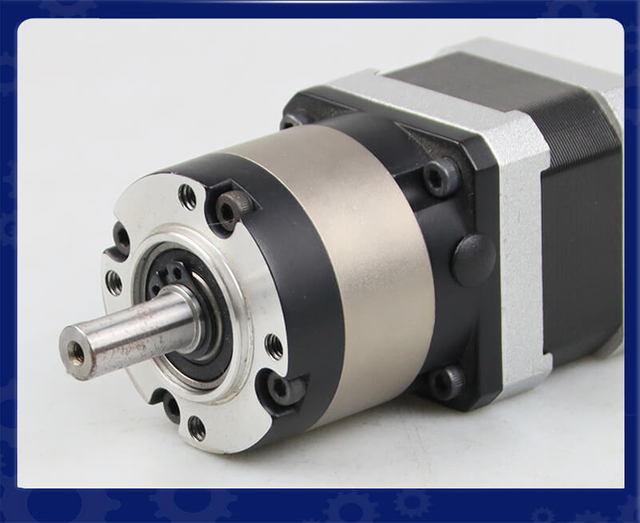
1. Use Precision Planetary Gearboxes
Planetary gearboxes offer:
Compact design
High torque density
Low backlash
Excellent load distribution
Precision planetary gearboxes are widely preferred in industrial automation.
2. Implement Harmonic Drive Systems
Harmonic gear drives provide:
Near-zero backlash
Extremely high positioning accuracy
Compact size
Excellent repeatability
They are ideal for robotics and semiconductor equipment.
3. Apply Gear Preloading
Spring-loaded or split-gear mechanisms maintain constant tooth contact and reduce clearance.
Closed-loop stepper motors integrate encoder feedback to compensate for positional deviations caused by backlash.
Advantages include:
Improved positioning accuracy
Reduced lost motion
Better dynamic performance
6. Optimize Gear Ratio Selection
Higher reduction ratios can sometimes amplify backlash effects at the output shaft.
Selecting the proper gear ratio balances:
Torque multiplication
Speed reduction
Output precision
Backlash Compensation Techniques
Modern automation systems often use software-based compensation methods.
Electronic Compensation
Motion controllers store backlash values and automatically compensate during reversals.
Benefits:
Lower hardware costs
Improved positioning
Easier calibration
However, software compensation cannot eliminate:
Mechanical vibration
Gear impact noise
Wear-related issues
Mechanical precision remains essential.
Comparing Gearbox Types for Backlash Performance
Spur Gearboxes
Advantages:
Low cost
Simple construction
Limitations:
Higher backlash
Lower precision
Best for general industrial applications.
Planetary Gearboxes
Advantages:
Low backlash
High efficiency
Compact size
Limitations:
Higher cost than spur gears
Excellent for precision automation systems.
Worm Gearboxes
Advantages:
High reduction ratios
Self-locking capability
Limitations:
Higher backlash
Lower efficiency
Suitable for lifting or holding applications.
Harmonic Drives
Advantages:
Ultra-low backlash
Exceptional precision
Limitations:
Higher cost
Complex design
Ideal for robotics and aerospace systems.
Industry Standards for Precision Gearbox Backlash
Many industries specify allowable backlash limits according to performance standards.
Common Industry Expectations
Industry
Preferred Backlash
Packaging Automation
<30 arc-min
CNC Machinery
<10 arc-min
Robotics
<5 arc-min
Semiconductor Equipment
<1 arc-min
Medical Devices
Near Zero
Selecting the proper gearbox specification ensures compliance with operational requirements.
Choosing the Right Precision Geared Stepper Motor
When selecting a geared stepper motor, backlash should never be evaluated alone.
Critical Selection Parameters
Torque capacity
Gear efficiency
Load inertia
Radial and axial load ratings
Speed range
Thermal stability
Gear material quality
Lubrication system
Noise requirements
Service life expectations
A balanced design approach delivers the best overall motion performance.
Future Trends in Low-Backlash Motion Systems
As industrial automation continues evolving toward higher precision and faster response speeds, low-backlash motion systems are becoming increasingly important in robotics, CNC machinery, semiconductor equipment, and medical devices. Manufacturers are focusing on improving positioning accuracy, reducing mechanical wear, and enhancing long-term motion stability.
Growing Demand for Ultra-Precision Motion Control
Modern manufacturing processes require tighter tolerances than ever before. Even microscopic positioning deviations can affect product quality in industries such as:
Semiconductor fabrication
Surgical robotics
Optical inspection systems
Laser cutting equipment
High-speed pick-and-place machines
Aerospace assembly
As a result, low-backlash transmission systems are evolving from optional performance upgrades into essential components of next-generation machinery.
Expansion of Harmonic Drive Technology
One of the most significant trends is the growing adoption of harmonic drive systems. Harmonic drives provide near-zero backlash performance and exceptional positioning accuracy.
Why Harmonic Drives Are Growing
Harmonic drives offer several advantages:
Extremely low backlash
Compact and lightweight structure
High torque density
Excellent repeatability
Smooth rotational motion
These characteristics make them ideal for:
Collaborative robots (cobots)
Medical robotic systems
Aerospace actuators
Precision optical equipment
Future harmonic drive developments are expected to focus on:
Increased load capacity
Longer service life
Reduced manufacturing cost
Improved lubrication systems
Higher rotational efficiency
As production technologies improve, harmonic drives will become more accessible across broader industrial applications.
Rise of Integrated Servo-Stepper Hybrid Systems
Another major trend is the integration of servo technology with stepper motor systems.
Traditional open-loop stepper systems can experience missed steps and positioning errors under dynamic loads. Modern hybrid systems combine:
Stepper motor simplicity
Servo feedback precision
Closed-loop control intelligence
Benefits of Hybrid Motion Systems
Integrated servo-stepper systems provide:
Reduced backlash compensation errors
Improved torque control
Higher efficiency
Lower heat generation
Enhanced positioning stability
These systems are especially valuable in:
Automated inspection equipment
Electronic assembly lines
Packaging automation
Precision medical instruments
Future designs will feature smaller integrated controllers, higher encoder resolutions, and AI-assisted tuning capabilities.
Advanced Planetary Gearbox Engineering
Planetary gearboxes remain one of the most widely used low-backlash transmission solutions in industrial automation.
Future gearbox designs are focusing on:
Higher precision gear grinding
Optimized tooth geometry
Advanced preload mechanisms
Reduced vibration characteristics
Lower acoustic noise
Emerging Innovations
Manufacturers are developing:
Multi-stage ultra-low-backlash planetary systems
Lightweight aluminum alloy housings
Ceramic hybrid bearings
Enhanced thermal management structures
These improvements help maintain precision even under heavy loads and continuous-duty cycles.
Miniaturization of Precision Motion Components
The demand for compact automation equipment is driving the miniaturization of low-backlash systems.
Industries such as:
Medical robotics
Portable diagnostic devices
Consumer electronics assembly
Drone systems
require extremely small yet highly accurate motion platforms.
Future Miniaturization Trends
Manufacturers are developing:
Micro planetary gearboxes
Compact harmonic drives
High-resolution miniature encoders
Integrated motor-gearbox assemblies
These smaller systems must maintain ultra-low backlash while operating within limited physical spaces.
Advanced Materials for Reduced Wear and Backlash
Material science is playing a major role in future motion system development.
New Materials Being Adopted
Future low-backlash systems increasingly use:
Hardened alloy steels
Carbon composite materials
Ceramic bearings
High-performance engineering plastics
Surface-coated gears
These materials improve:
Wear resistance
Thermal stability
Lubrication retention
Mechanical rigidity
Long-term backlash consistency
Improved material durability directly increases gearbox lifespan and precision retention.
Growth of Direct Drive Motion Systems
Direct drive technology eliminates the gearbox entirely, removing backlash at its source.
Advantages of Direct Drive Systems
Direct drive motors provide:
Zero mechanical backlash
Extremely smooth motion
High acceleration capability
Superior positioning precision
Reduced maintenance requirements
These systems are increasingly used in:
Semiconductor wafer stages
High-speed CNC machines
Precision inspection equipment
Aerospace testing systems
However, direct drive systems typically require:
Higher initial cost
Advanced control electronics
Larger motor sizes for high torque applications
As motor efficiency improves, direct drive adoption will continue expanding.
Digital Twin Technology for Motion Optimization
Digital twin technology is becoming a powerful tool in motion system engineering.
A digital twin creates a virtual model of the mechanical system that simulates:
Backlash behavior
Mechanical stress
Gear wear
Thermal expansion
Dynamic response
Benefits of Digital Twins
Engineers can:
Predict system degradation
Optimize gearbox selection
Improve motion profiles
Reduce commissioning time
Detect precision issues early
This technology enables more accurate long-term backlash management throughout the equipment lifecycle.
Increased Use of Precision Encoders
Encoder technology continues advancing rapidly.
Future low-backlash systems will rely on:
Ultra-high-resolution optical encoders
Absolute magnetic encoders
Multi-turn encoder systems
Real-time feedback monitoring
Improved encoder resolution allows motion controllers to compensate for even microscopic positional deviations.
This is especially critical in:
Semiconductor positioning stages
Surgical robotic systems
High-precision metrology equipment
Summary
Low-backlash motion systems are moving toward smarter control, higher precision, and more compact mechanical designs. With continuous improvements in gearbox technology, materials, and intelligent automation, future motion systems will deliver greater accuracy, reliability, and efficiency across advanced industrial applications.
Conclusion
The acceptable amount of backlash in a precision geared stepper motor system depends entirely on application accuracy requirements. General industrial systems may function well with moderate backlash, while CNC machinery, robotics, and medical equipment demand extremely low or near-zero backlash performance.
Precision planetary gearboxes, harmonic drives, preloaded gears, and closed-loop control technologies all help minimize backlash and improve positioning accuracy. Selecting the proper gearbox architecture and maintaining tight manufacturing tolerances are essential for achieving stable, repeatable, and high-performance motion control.
In modern automation, backlash is more than a mechanical specification—it is a defining factor in overall system precision, efficiency, reliability, and long-term operational quality.
FAQs
Q:What is backlash in a precision geared stepper motor system?
A:Backlash is the small amount of free rotational movement between meshing gear teeth when the motor changes direction. It creates a slight delay before the output shaft responds and is usually measured in arc-minutes or degrees. In precision motion systems, minimizing backlash is essential for maintaining positioning accuracy and repeatability.
Q: Why is backlash important in motion control applications?
A:Backlash directly affects positioning precision, motion smoothness, and system stability. Excessive backlash can cause positioning errors, vibration, noise, and inconsistent repeatability, especially in CNC machines, robotics, and automated inspection equipment where directional changes are frequent.
Q: How much backlash is generally considered acceptable?
A:Acceptable backlash depends on the application. General industrial systems may tolerate 30–60 arc-min, while precision automation systems usually require less than 10 arc-min. High-end robotics and semiconductor equipment often demand backlash below 5 arc-min or near-zero backlash performance.
Q: What applications require ultra-low backlash gear systems?
A:Applications such as CNC machining, robotic arms, semiconductor manufacturing, medical devices, laser positioning systems, and optical inspection equipment require ultra-low backlash to achieve high positioning accuracy and repeatable motion control.
Q: What causes backlash in geared stepper motors?
A:Backlash is mainly caused by the intentional clearance between gear teeth required for smooth operation. Additional factors include manufacturing tolerances, bearing play, assembly errors, gear wear, and thermal expansion during operation.
Q: How is backlash measured in a gearbox system?
A:Backlash is commonly measured by fixing the gearbox input or output and measuring the free rotational movement during directional reversal. Measurement tools include dial indicators, rotary encoders, and precision motion testing equipment.
Q: Can backlash be completely eliminated?
A:Completely eliminating backlash mechanically is extremely difficult because gears require minimal clearance for lubrication and smooth rotation. However, precision planetary gearboxes, harmonic drives, preloaded gear systems, and electronic compensation technologies can reduce backlash to near-zero levels.
Q: What gearbox types offer the lowest backlash?
A:Harmonic drive systems typically provide the lowest backlash, often below 1 arc-min. Precision planetary gearboxes also offer very low backlash and are widely used in industrial automation because of their balance between accuracy, torque capacity, and durability.
Q:How does backlash affect positioning accuracy?
A:During direction reversal, backlash creates a temporary dead zone where motor movement does not immediately transfer to the output shaft. This delay causes positioning deviation, reduced repeatability, and lower overall motion precision.
Q: How can engineers reduce backlash in geared stepper motor systems?
A:Engineers can reduce backlash by using high-precision gear manufacturing, preloaded gear mechanisms, precision planetary gearboxes, harmonic reducers, closed-loop feedback systems, and proper gearbox alignment and maintenance practices.