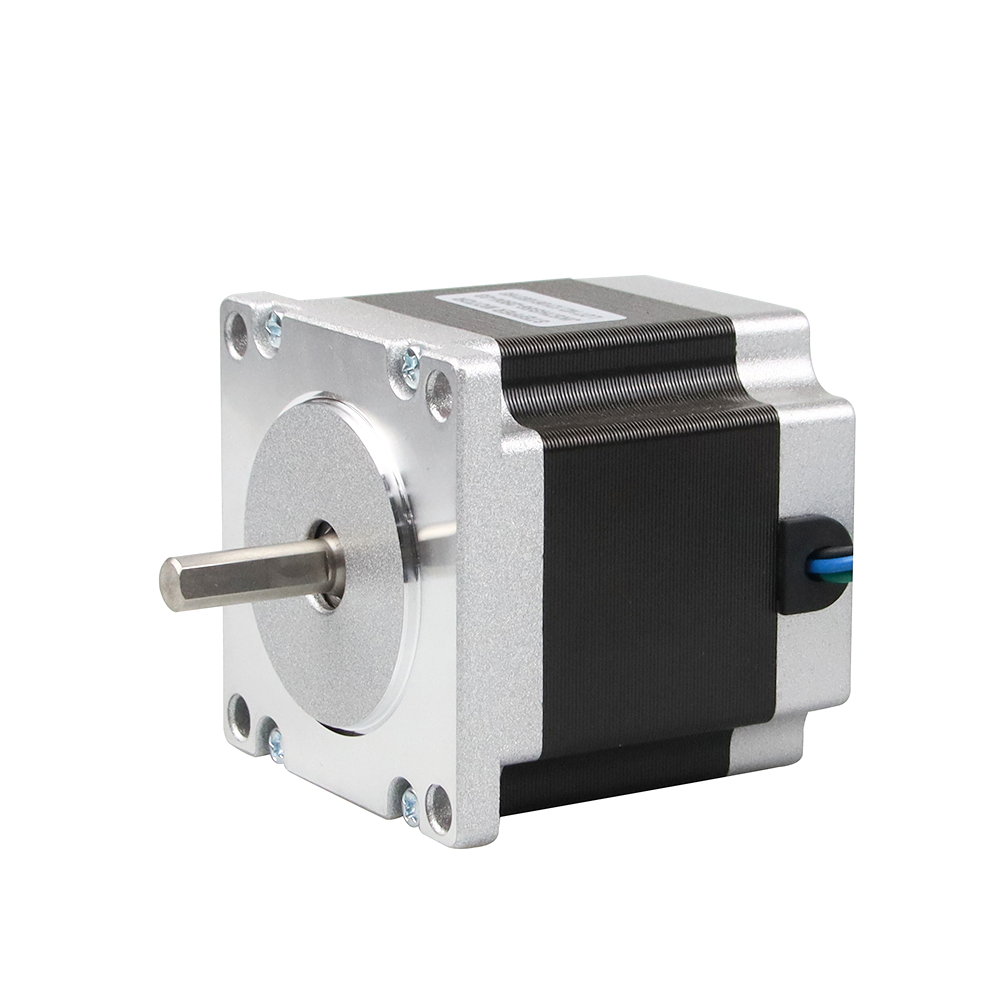
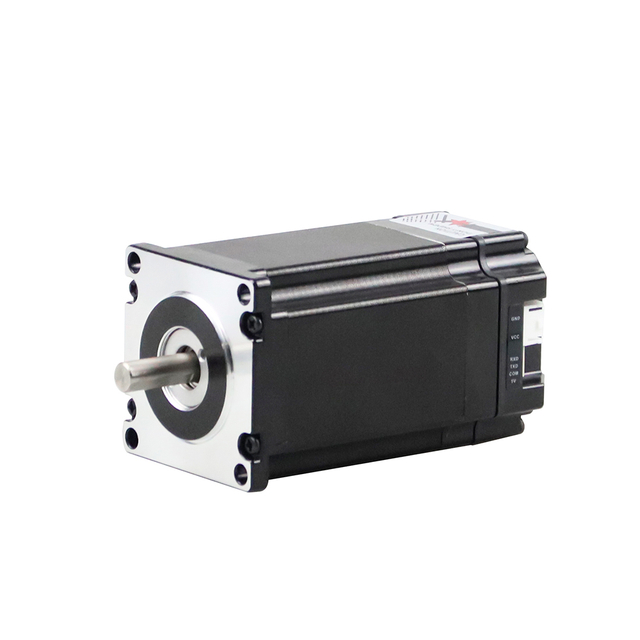
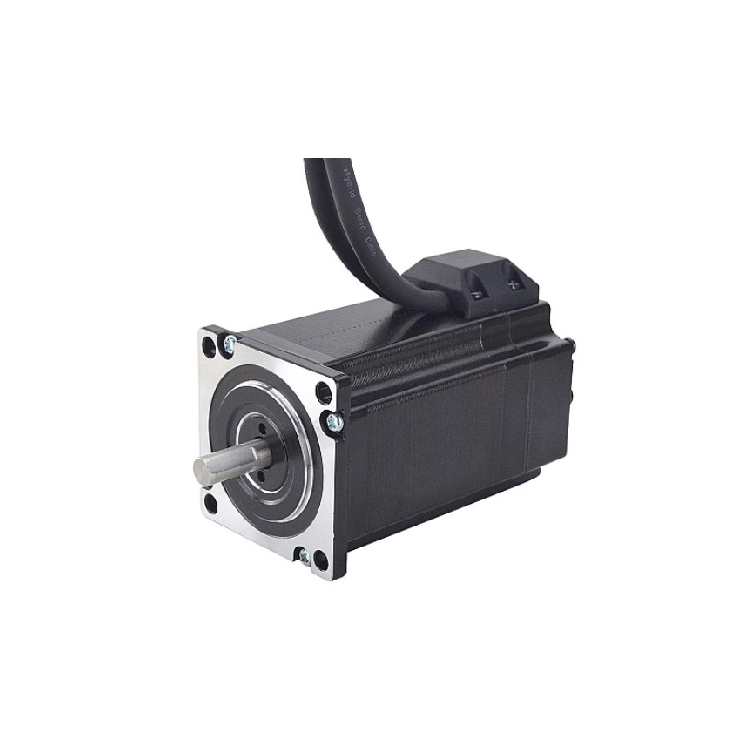
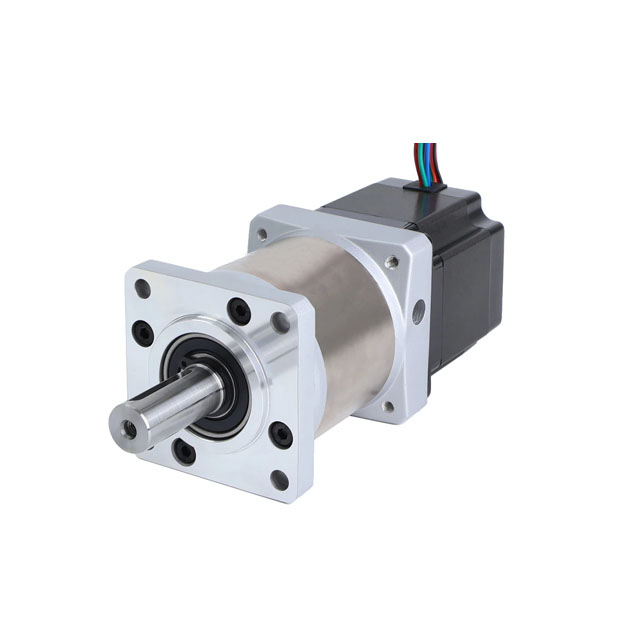
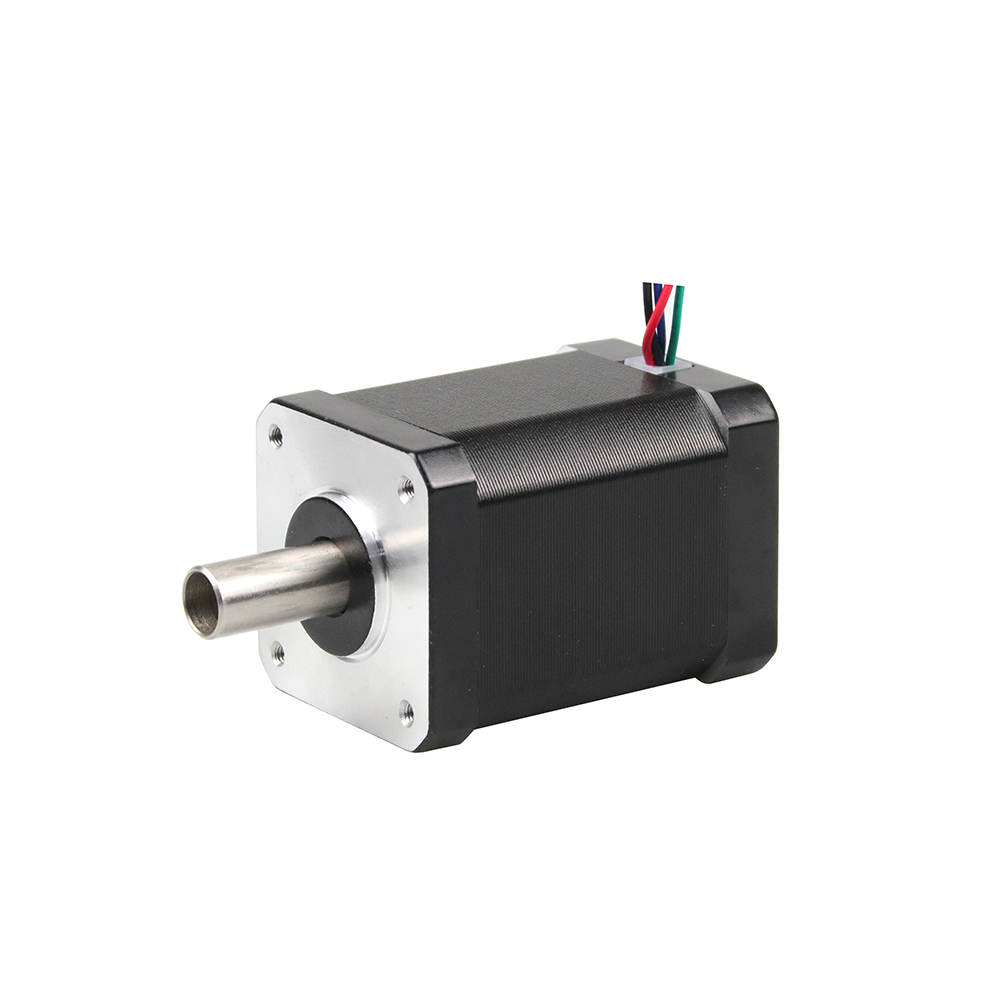
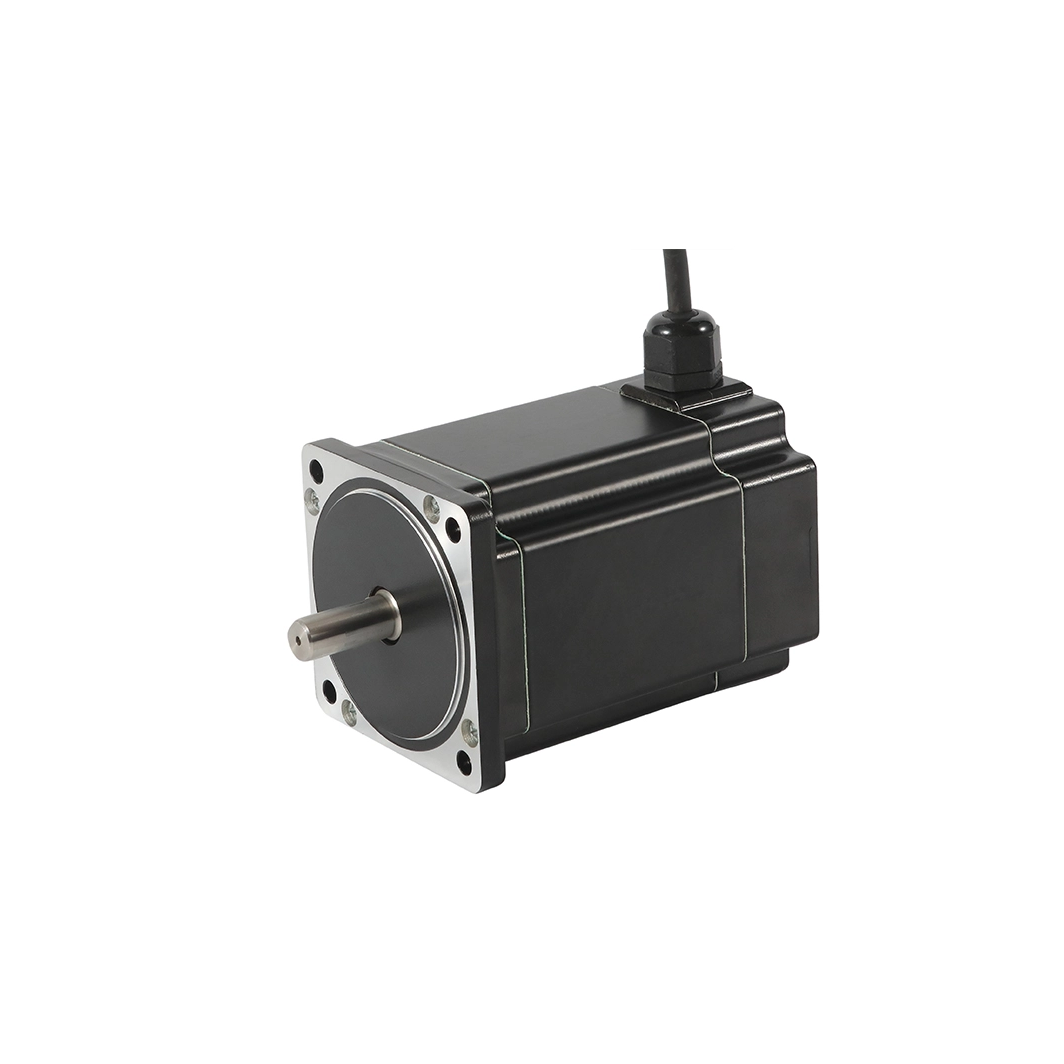
Stepper motor overheating is one of the most common yet misunderstood issues in motion control systems. We frequently encounter situations where a stepper motor feels excessively hot to the touch, raises concerns about reliability, or even leads to unexpected downtime. Understanding why stepper motors overheat, how to mitigate thermal risks, and how to optimize system design is essential for long-term performance, safety, and efficiency.
This in-depth guide provides a comprehensive, engineering-focused explanation of stepper motor overheating causes, proven cooling and control solutions, and practical design tips that help extend motor life while maintaining precision and torque.
Understanding Normal Stepper Motor Operating Temperature
Stepper motors are inherently designed to run hot. Unlike many other motor types, they continuously draw current—even when holding position. As a result, surface temperatures between 60°C and 90°C are often considered normal, depending on insulation class and motor construction.
However, overheating becomes a concern when:
The motor exceeds its rated temperature class
Torque output degrades significantly
Insulation life is shortened
Bearings and lubricants deteriorate prematurely
Distinguishing normal heat generation from damaging overheating is the first step toward effective thermal management.
Primary Causes of Stepper Motor Overheating
Excessive Drive Current
The most common cause of overheating is overcurrent. Stepper motors generate torque proportional to phase current. When the drive current is set higher than the motor’s rated value, copper losses (I⊃2;R losses) increase exponentially, causing rapid temperature rise.
Common overcurrent scenarios include:
Incorrect driver current settings
Using rated current values without considering duty cycle
Applying constant full current during holding states
Proper current tuning is critical to balancing torque and temperature.
Stepper motors draw nearly full current even when stationary to maintain holding torque. In applications with long dwell times, this continuous power dissipation leads to unnecessary heat buildup.
Without current reduction strategies, motors may overheat despite minimal mechanical work being performed.
Inadequate Heat Dissipation
Poor thermal design significantly contributes to overheating. Common issues include:
Mounting motors to non-conductive surfaces
Enclosures with limited airflow
High ambient temperatures
Compact designs with insufficient spacing
Stepper motors rely heavily on conduction and convection to dissipate heat. When these pathways are restricted, internal temperatures rise rapidly.
High Load Torque and Mechanical Stress
Operating a stepper motor near or beyond its torque limit increases current demand and losses. Mechanical factors such as:
Mechanical inefficiencies often manifest as thermal problems.
Improper Voltage Selection
While higher supply voltage improves high-speed performance, it also increases switching losses and iron losses. When voltage is significantly higher than required for the application, unnecessary heat is generated in both the motor and driver.
Voltage optimization is essential for thermal stability.
Electrical and Control Strategies to Reduce Overheating
Optimizing Current Settings
We recommend setting the drive current to 70–85% of the motor’s rated current for most applications. This approach significantly reduces heat while maintaining adequate torque margins.
Advanced drivers allow precise RMS current control, enabling fine thermal tuning without sacrificing performance.
Implementing Idle Current Reduction
Idle or standstill current reduction is one of the most effective ways to lower motor temperature. By automatically reducing current when the motor is not moving, heat generation drops substantially.
Typical idle current reduction strategies include:
This feature alone can reduce motor temperature by 10–25°C.
Using Microstepping Drivers
Microstepping drivers distribute current more smoothly across phases, reducing torque ripple and vibration. As a result:
Mechanical losses decrease
Acoustic noise is reduced
Thermal stress is more evenly distributed
Modern microstepping drivers also offer higher efficiency and improved thermal performance compared to legacy full-step drivers.
Mechanical and Thermal Design Solutions
Enhancing Heat Dissipation
Effective thermal design focuses on maximizing heat transfer away from the motor. Proven methods include:
Mounting motors to aluminum or steel frames
Using thermal interface materials
Increasing exposed surface area
Adding passive heat sinks
In high-duty applications, forced-air cooling can further stabilize operating temperatures.
Optimizing Mounting Orientation
Motor orientation affects natural convection. Vertical mounting with unobstructed airflow around the motor body promotes better heat dissipation than enclosed horizontal installations.
Designing with airflow in mind reduces reliance on active cooling.
Selecting the Right Motor Size
An undersized stepper motor operates closer to its thermal limits. Selecting a motor with higher torque capacity allows operation at lower current levels, improving efficiency and reducing heat.
In many cases, a slightly larger motor running cooler delivers better overall system reliability than a smaller motor pushed to its limits.
Environmental Factors That Accelerate Overheating
Environmental conditions play a decisive role in stepper motor thermal behavior. Even a correctly sized motor with optimized current settings can overheat prematurely if external factors are not properly controlled. In real-world industrial and commercial applications, environmental influences often become the hidden driver behind excessive temperature rise, reduced efficiency, and shortened service life.
High Ambient Temperature
Ambient temperature directly reduces a stepper motor's thermal margin. Most stepper motors are rated for an ambient temperature of 40°C. When operating in environments above this threshold, the motor has less capacity to dissipate internally generated heat. As a result, winding temperatures rise faster, increasing insulation stress and accelerating thermal aging.
In high-temperature environments, derating the motor current is essential. Failure to adjust current settings can push winding temperatures beyond safe limits, even under moderate loads.
Poor Ventilation and Restricted Airflow
Inadequate airflow is one of the most underestimated contributors to overheating. Stepper motors primarily rely on natural convection to dissipate heat. When installed in tightly sealed enclosures, compact cabinets, or densely packed systems, heat becomes trapped around the motor body.
Common airflow-related issues include:
Enclosures without ventilation slots or fans
Motors mounted close to heat-generating components
Limited clearance around the motor housing
Restricted airflow prevents heat from escaping efficiently, causing gradual temperature accumulation during continuous operation.
Enclosed, Sealed, or IP-Rated Installations
Waterproof and dustproof stepper motors, while essential for harsh environments, inherently retain more heat. IP-rated housings limit airflow and reduce convective cooling, making thermal management more challenging.
In sealed designs, internal heat must be conducted through the motor housing and mounting surface. Without proper thermal paths—such as metal frames or heat-conductive brackets—internal temperatures can rise rapidly even at standard operating currents.
Proximity to External Heat Sources
Stepper motors installed near other heat-producing equipment experience elevated baseline temperatures. Power supplies, servo drives, transformers, hydraulic systems, and industrial ovens can all raise local ambient conditions.
This cumulative thermal exposure reduces the motor’s ability to shed heat, increasing the likelihood of overheating under normal load conditions.
High Altitude Operation
At higher altitudes, air density decreases, reducing the effectiveness of convective cooling. Stepper motors operating in elevated locations dissipate heat less efficiently, leading to higher surface and winding temperatures compared to sea-level operation.
In such environments, conservative current settings and enhanced heat dissipation strategies become critical for maintaining thermal stability.
Contaminants and Surface Insulation
Dust, oil mist, grease, and other contaminants can accumulate on the motor housing over time. These layers act as thermal insulation, limiting heat transfer from the motor surface to the surrounding air.
Regular cleaning and proper enclosure design help preserve heat dissipation efficiency and prevent gradual temperature increases caused by surface contamination.
Vibration and Mechanical Shock Environments
Excessive vibration can indirectly contribute to overheating by increasing mechanical losses. Misalignment, bearing wear, and coupling degradation caused by vibration increase frictional load, forcing the motor to draw higher current and generate more heat.
Thermal issues in these environments often originate from mechanical degradation rather than electrical misconfiguration.
Humidity and Corrosive Atmospheres
High humidity and corrosive gases do not directly generate heat, but they accelerate insulation breakdown and increase electrical resistance over time. As resistance rises, copper losses increase, resulting in higher operating temperatures for the same torque output.
Environmental sealing must be balanced with effective thermal design to avoid trapping heat while protecting internal components.
Summary
Environmental factors significantly influence stepper motor temperature behavior. High ambient temperature, poor airflow, sealed enclosures, external heat sources, altitude, contamination, vibration, and humidity all reduce thermal efficiency. Effective stepper motor design must account for these conditions from the outset, ensuring stable operation, extended service life, and reliable performance across real-world environments.
Long-Term Risks of Uncontrolled Overheating
Uncontrolled overheating poses serious and often irreversible risks to stepper motor systems. While short-term temperature spikes may appear manageable, persistent thermal stress gradually degrades both electrical and mechanical components, leading to reduced performance, higher maintenance costs, and premature system failure.
Accelerated Insulation Degradation
The winding insulation inside a stepper motor is highly sensitive to temperature. Every sustained increase beyond the motor's rated thermal class dramatically shortens insulation life. For example, a continuous rise of 10°C above the rated limit can reduce insulation lifespan by up to 50%. Once insulation begins to break down, the risk of short circuits, phase imbalance, and catastrophic failure increases significantly.
Loss of Magnetic Strength
Stepper motors rely on permanent magnets in the rotor to maintain torque accuracy and positioning stability. Excessive heat can cause partial demagnetization, especially in motors using lower-grade magnetic materials. This loss is often permanent and results in:
Even after cooling, the motor may never return to its original performance level.
Bearing Wear and Lubricant Breakdown
High temperatures accelerate lubricant oxidation and evaporation within motor bearings. As lubrication degrades, friction increases, generating even more heat and creating a destructive feedback loop. Over time, this leads to:
Increased mechanical noise
Shaft runout and vibration
Bearing seizure or mechanical lockup
Bearing failure is one of the most common end-of-life modes for overheated stepper motors.
Rising Electrical Resistance and Efficiency Loss
Copper windings experience increased electrical resistance as temperature rises. Higher resistance leads to:
To compensate, systems may demand higher current, which further intensifies heat generation and accelerates thermal damage.
Unstable Motion and Positioning Errors
Thermal expansion affects internal tolerances and air gaps within the motor. Over time, uncontrolled heat causes inconsistent step accuracy, microstepping errors, and repeatability loss, which is especially critical in CNC machines, medical devices, and precision automation systems.
Increased System Downtime and Total Cost of Ownership
The cumulative effect of overheating is not limited to the motor alone. Drivers, power supplies, cables, and nearby components are also exposed to elevated temperatures, increasing the likelihood of system-wide failures. This results in:
From a lifecycle perspective, poor thermal control significantly increases the total cost of ownership.
Compliance and Safety Risks
Excessive motor temperatures can violate safety standards and regulatory requirements, particularly in industrial and medical environments. Surface temperatures beyond allowable limits may pose burn hazards, trigger emergency shutdowns, or compromise system certifications.
In summary, uncontrolled stepper motor overheating is not merely a thermal inconvenience—it is a direct threat to reliability, accuracy, and long-term operational stability. Proactive temperature management is essential to preserving motor integrity and ensuring consistent system performance over time.
Design Tips for Thermally Stable Stepper Motor Systems
Always validate current settings under real load conditions
Enable idle current reduction whenever possible
Avoid continuous holding torque unless absolutely necessary
Design mechanical systems to minimize friction and inertia
Provide conductive mounting surfaces for heat transfer
Consider closed-loop or hybrid solutions for high-duty cycles
Thermal stability should be treated as a core design parameter, not an afterthought.
Conclusion: Managing Stepper Motor Heat for Optimal Performance
Stepper motor overheating is rarely caused by a single factor. It is the result of electrical, mechanical, thermal, and environmental interactions within the system. By addressing current control, mechanical efficiency, and thermal design holistically, we can achieve reliable, efficient, and long-lasting stepper motor performance.
A well-managed stepper motor system runs warm—but never uncontrolled.