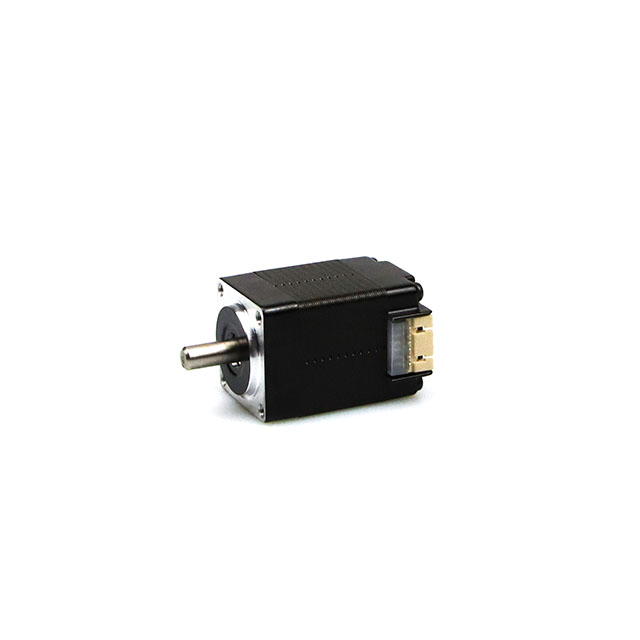
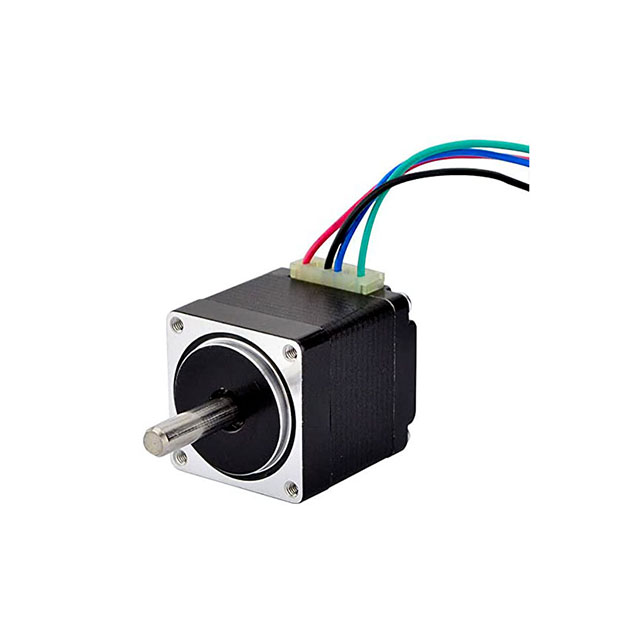
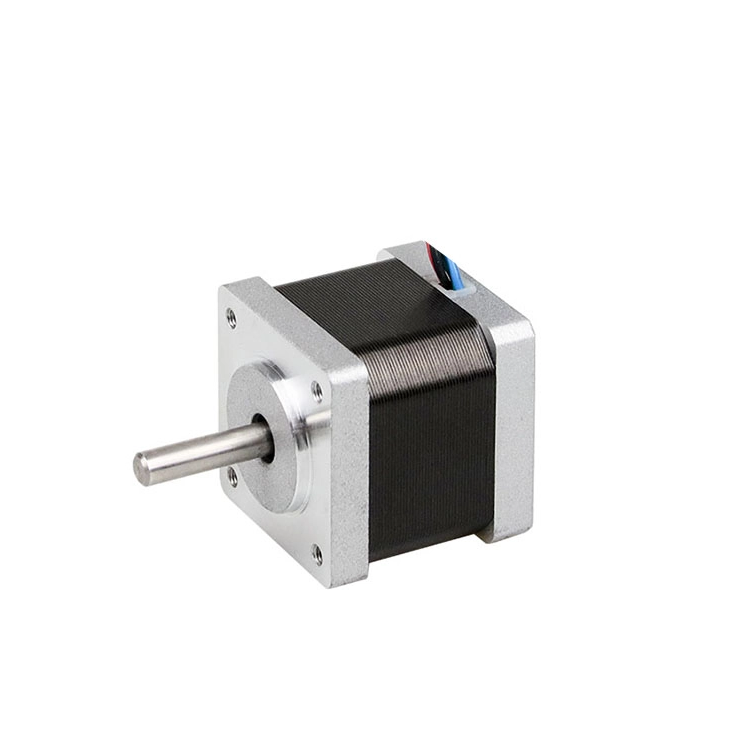
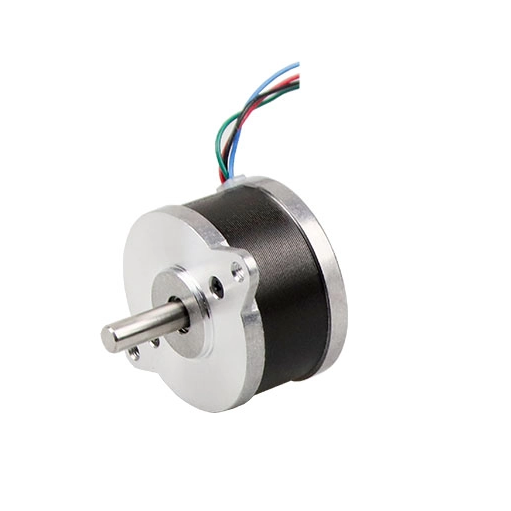
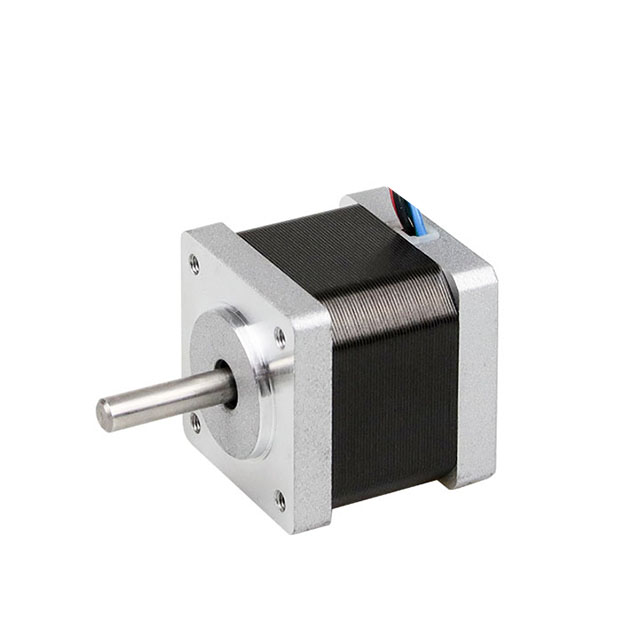
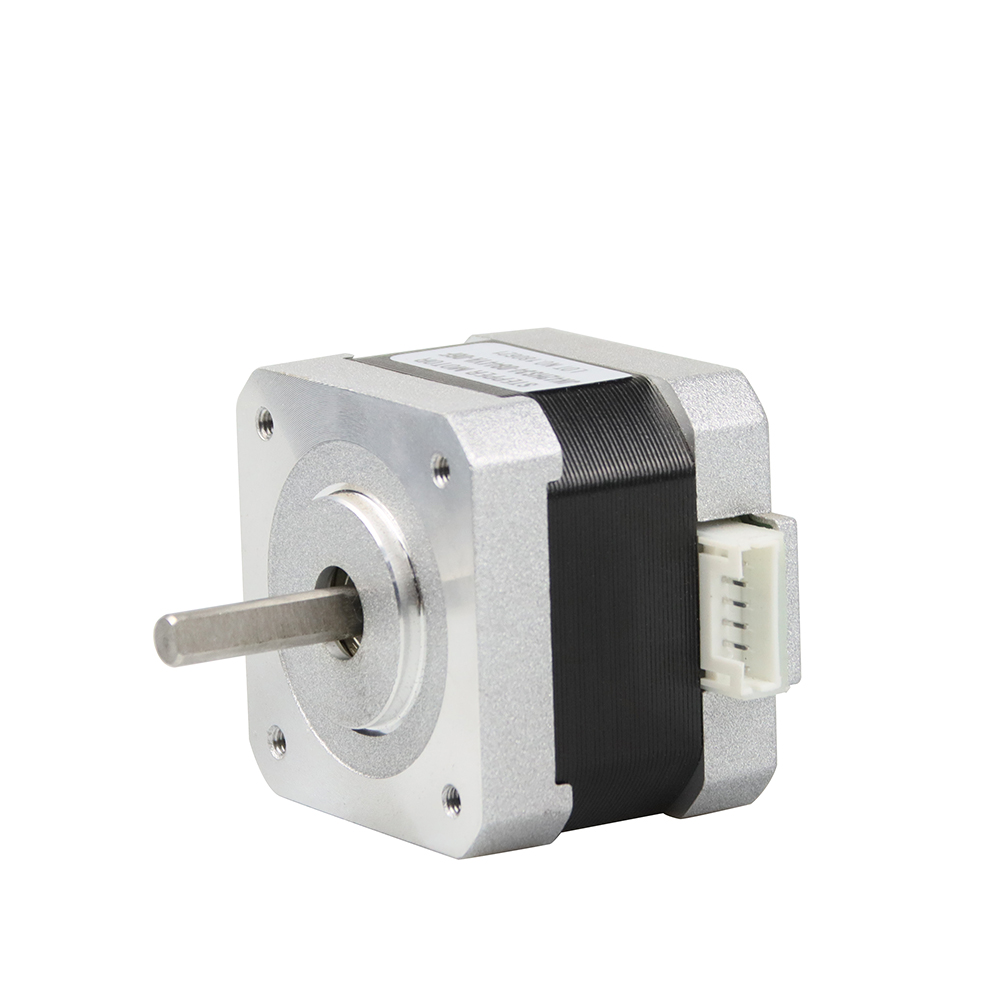
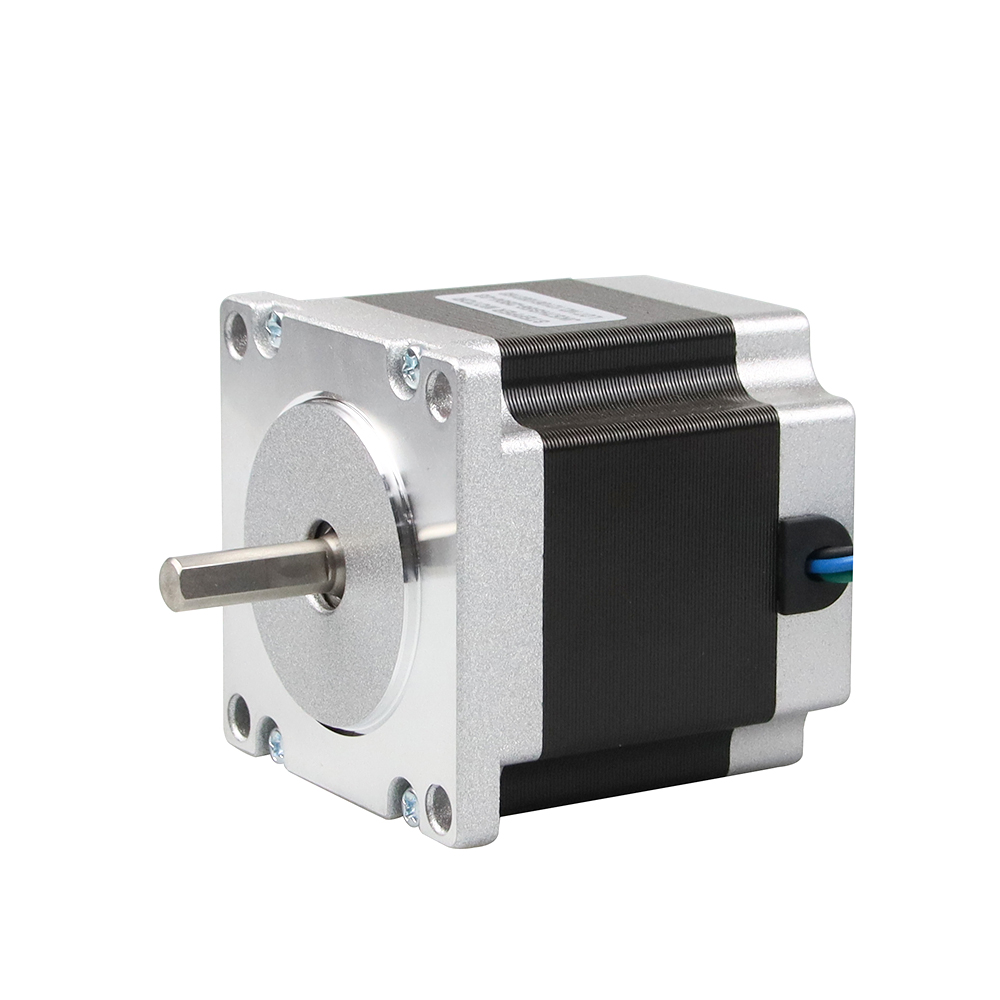
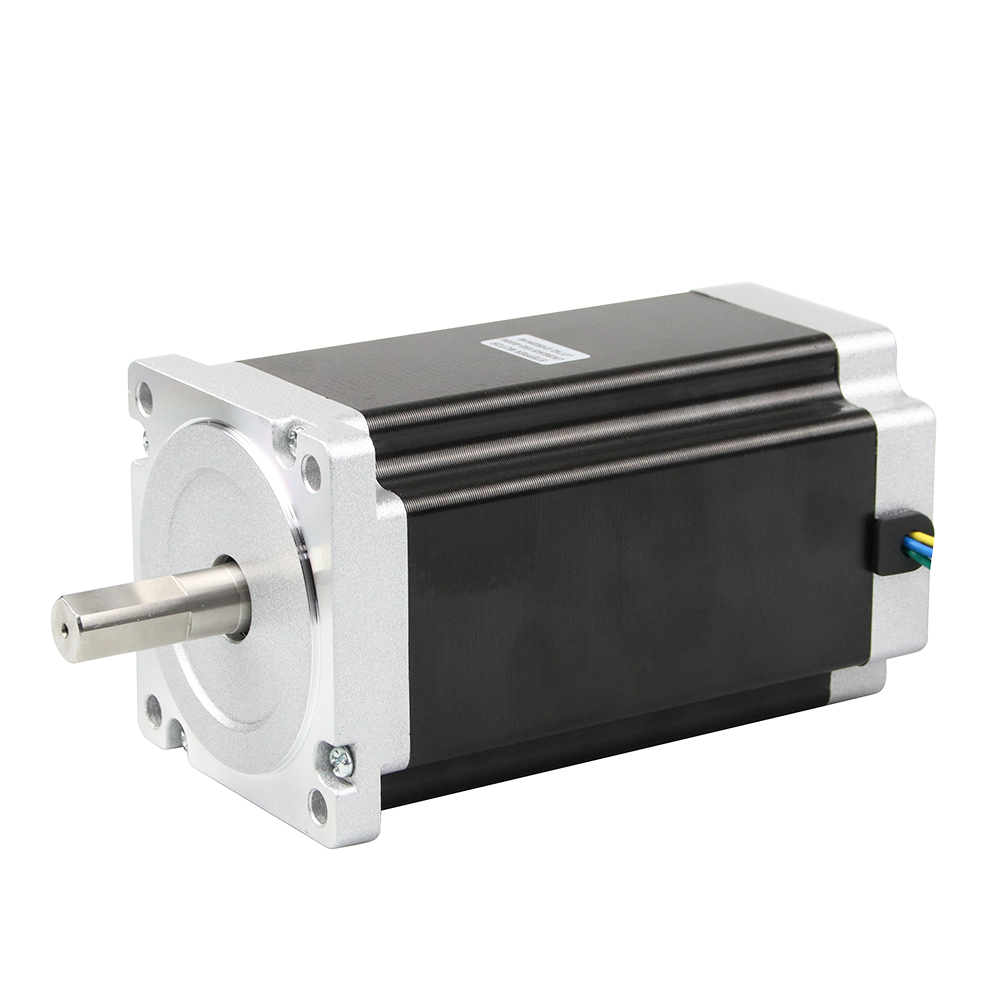
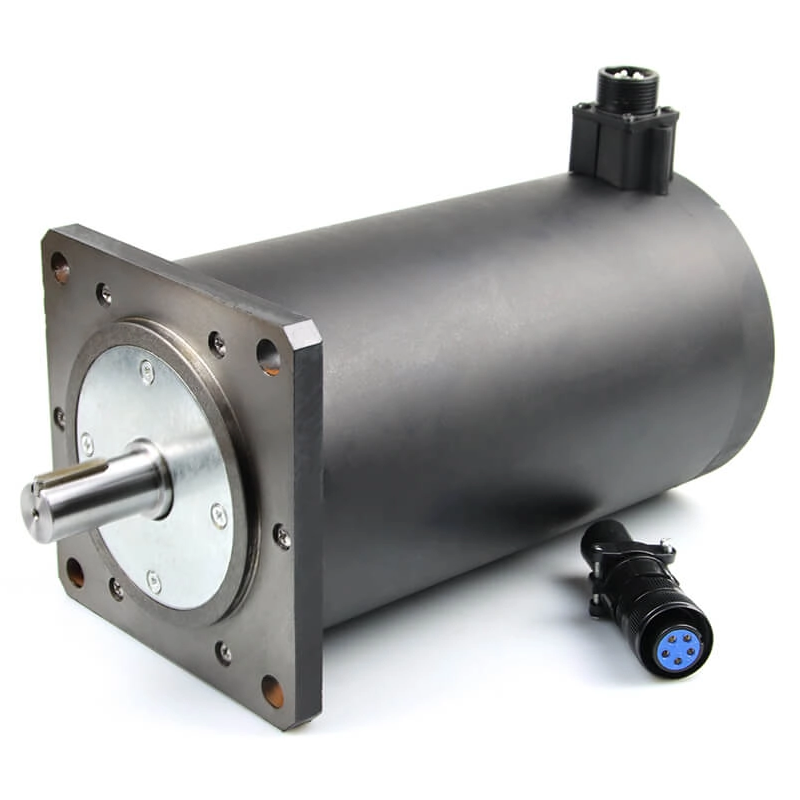
In the field of industrial automation and precision motion control, stepper motors remain one of the most widely adopted drive solutions. Among them, Hybrid Stepper Motors and Permanent Magnet (PM) Stepper Motors dominate the market due to their stability, controllability, and cost efficiency. However, their differences in performance, cost structure, and application suitability are often misunderstood.
In this article, we provide a comprehensive, engineering-focused comparison of Hybrid Stepper Motors and PM Stepper Motors, enabling OEMs, system integrators, and equipment manufacturers to make accurate, application-driven motor selections.
Understanding the Two Motor Technologies
What Is a Hybrid Stepper Motor?
A Hybrid Stepper Motor combines the design principles of variable reluctance motors and permanent magnet motors. Its rotor contains a permanent magnet with fine-toothed structures, while the stator features multiple phases with precisely machined teeth.
Key characteristics include:
Small step angle (typically 1.8° or 0.9°)
High positioning accuracy
Strong holding torque
Excellent compatibility with microstepping drivers
This hybrid structure enables superior performance in applications requiring precision, repeatability, and smooth motion.
What Is a PM Stepper Motor?
A Permanent Magnet Stepper Motor uses a magnetized rotor without rotor teeth. The stator windings generate magnetic fields that directly interact with the rotor poles.
Typical features include:
Larger step angles (commonly 7.5° or 15°)
Simpler mechanical construction
Lower manufacturing cost
Basic control requirements
PM stepper motors prioritize cost-efficiency and simplicity over high precision.
Performance Comparison
Step Angle and Resolution
Hybrid Stepper Motors deliver high resolution due to their smaller step angles. With microstepping, resolution can reach thousands of steps per revolution, ideal for precision positioning.
PM Stepper Motors have significantly lower resolution, making them suitable for coarse positioning tasks where fine accuracy is not critical.
Winner: Hybrid Stepper Motor
Torque Characteristics
Hybrid Stepper Motors provide higher holding torque and dynamic torque, especially at low to medium speeds. Their toothed rotor design improves magnetic flux utilization.
PM Stepper Motors generate moderate torque but experience faster torque drop-off at higher speeds.
Winner: Hybrid Stepper Motor
Speed Performance
Hybrid Stepper Motors maintain usable torque across a wider speed range, particularly when paired with advanced current-controlled drivers.
PM Stepper Motors are best suited for low-speed, constant-load operations.
Winner: Hybrid Stepper Motor
Positioning Accuracy and Repeatability
Hybrid Stepper Motors excel in applications requiring high repeatability and minimal step loss, especially under closed-loop configurations.
PM Stepper Motors offer acceptable repeatability for basic motion tasks but are not suitable for precision systems.
Winner: Hybrid Stepper Motor
Cost Structure and Economic Considerations
Motor Unit Cost
PM Stepper Motors are generally 30–60% cheaper than hybrid models due to simpler materials and manufacturing processes.
Hybrid Stepper Motors involve higher costs due to precision machining, higher-grade magnets, and tighter tolerances.
Cost Advantage: PM Stepper Motor
Driver and Control Cost
Hybrid Stepper Motors often require advanced drivers, especially for microstepping or closed-loop control, increasing system cost.
PM Stepper Motors can operate with simple, low-cost drivers.
Cost Advantage: PM Stepper Motor
Total Cost of Ownership (TCO)
When evaluating long-term operational cost, Hybrid Stepper Motors often outperform PM motors by:
For production equipment, Hybrid Stepper Motors frequently offer lower TCO despite higher upfront cost.
Reliability and Stability
In motion control systems, reliability and long-term operational stability are often more critical than peak performance figures. When comparing Hybrid Stepper Motors and Permanent Magnet (PM) Stepper Motors, clear differences emerge in thermal behavior, load tolerance, lifespan consistency, and environmental adaptability.
Thermal Stability and Heat Management
Hybrid Stepper Motors are designed to operate under higher current densities with greater thermal resilience. Their laminated stator structure, optimized magnetic circuits, and industrial-grade insulation systems allow for stable torque output even under continuous-duty or high-load conditions. As a result, hybrid stepper motors maintain consistent performance in demanding industrial environments where temperature fluctuations are common.
In contrast, PM Stepper Motors are more sensitive to thermal stress. Excessive heat can reduce magnetic strength in the rotor over time, leading to torque degradation and positional drift. For applications with extended operating hours or limited cooling, this can directly impact system reliability.
Load Adaptability and Anti-Stall Performance
Hybrid stepper motors exhibit superior load adaptability, particularly in applications with frequent acceleration, deceleration, or variable loads. When combined with advanced drivers or closed-loop control systems, they can detect and correct position errors, effectively eliminating missed steps and improving overall motion stability.
PM stepper motors, typically operating in open-loop mode, perform best under constant and predictable loads. Sudden load changes increase the risk of stalling or step loss, which may go undetected and compromise positioning accuracy.
Mechanical Durability and Service Life
Thanks to tighter manufacturing tolerances and higher-quality materials, Hybrid Stepper Motors offer longer service life and greater mechanical consistency. Bearings, shafts, and rotor assemblies are engineered for industrial duty cycles, making them suitable for 24/7 operation.
PM stepper motors, while mechanically simpler, are generally intended for light-duty or intermittent use. In long-term continuous operation, wear and performance variation become more pronounced.
Environmental Resistance
Hybrid stepper motors are widely available with:
Enhanced insulation classes
Industrial-grade coatings
Optional IP-rated housings
These features allow stable operation in dusty, humid, or mildly corrosive environments.
PM stepper motors are better suited for controlled environments, such as office equipment or consumer devices, where exposure to harsh conditions is minimal.
Consistency in Precision-Critical Systems
For applications where repeatability and uptime are mission-critical, hybrid stepper motors deliver higher system confidence. Their ability to maintain positional accuracy over long operating periods ensures stable process control and reduced maintenance requirements.
PM stepper motors provide acceptable reliability for basic motion tasks but lack the robustness required for precision-critical industrial systems.
Summary:
From a reliability and stability perspective, Hybrid Stepper Motors clearly outperform PM Stepper Motors in industrial, high-duty, and precision-focused applications. PM stepper motors remain reliable within their intended scope—simple, low-load, and cost-sensitive systems—but are not designed for demanding operational environments.
Control Flexibility and System Integration
Control Modes
Automation Compatibility
Hybrid stepper motors integrate seamlessly with:
PM stepper motors are primarily used in standalone or low-complexity systems.
Application Use Case Comparison
Best Applications for Hybrid Stepper Motors
Hybrid stepper motors are the preferred choice for:
CNC machines
3D printers
Medical imaging and diagnostic equipment
Semiconductor manufacturing tools
Robotics and precision stages
Packaging and labeling automation
These applications demand high precision, reliability, and scalability.
Best Applications for PM Stepper Motors
PM stepper motors are commonly used in:
These use cases prioritize low cost and simple motion control.
Environmental and Compliance Considerations
When evaluating stepper motor solutions, environmental suitability and regulatory compliance are essential for long-term deployment and global market access.
Hybrid Stepper Motors
Commonly available with RoHS and REACH compliance, higher insulation classes, and optional IP-rated enclosures, making them suitable for industrial environments with dust, humidity, and moderate temperature variation. Their robust construction supports stable operation under continuous-duty conditions.
PM Stepper Motors
Generally RoHS-compliant and well-suited for clean, controlled environments such as office equipment and consumer devices. However, their simpler construction limits performance in harsh or high-temperature conditions.
Summary:
Hybrid stepper motors offer broader environmental tolerance and industrial compliance, while PM stepper motors meet regulatory requirements for light-duty and cost-sensitive applications.
Selection Guidelines: Which Motor Should You Choose?
Selecting the right stepper motor depends on balancing performance requirements, operating conditions, and budget constraints.
Choose a Hybrid Stepper Motor if your application requires:
High positioning accuracy and repeatability
Higher torque at low to medium speeds
Stable performance under variable or dynamic loads
Compatibility with microstepping or closed-loop control
Industrial-grade reliability and long service life
Choose a PM Stepper Motor if your application prioritizes:
Low initial cost
Simple control and drive electronics
Low-speed, constant-load operation
Basic positioning where high precision is not critical
Compact or consumer-oriented system design
Summary:
Hybrid stepper motors are best suited for precision and industrial applications, while PM stepper motors are ideal for cost-sensitive, low-complexity motion systems.
Conclusion: Performance vs Cost, Precision vs Simplicity
The comparison between Hybrid Stepper Motors and PM Stepper Motors ultimately reflects a balance between performance demands and cost constraints. Hybrid stepper motors dominate in industrial, medical, and high-precision automation, while PM stepper motors remain a practical solution for cost-sensitive and low-complexity applications.
By aligning motor selection with real-world operating conditions, we ensure optimal system performance, reduced risk, and higher long-term value.