A ball screw linear actuator is a high-precision mechanical device designed to convert rotary motion into controlled, smooth, and efficient linear motion. In advanced automation systems, industrial machinery, robotics, and high-performance positioning applications, ball screw actuators play a critical role in delivering accuracy, repeatability, and high load-handling capability. In this article, we offer an in-depth, professional exploration of what a ball screw linear actuator is, how it works, and why it remains a preferred choice in precision motion control.
Understanding the Fundamentals of Ball Screw Linear Actuators
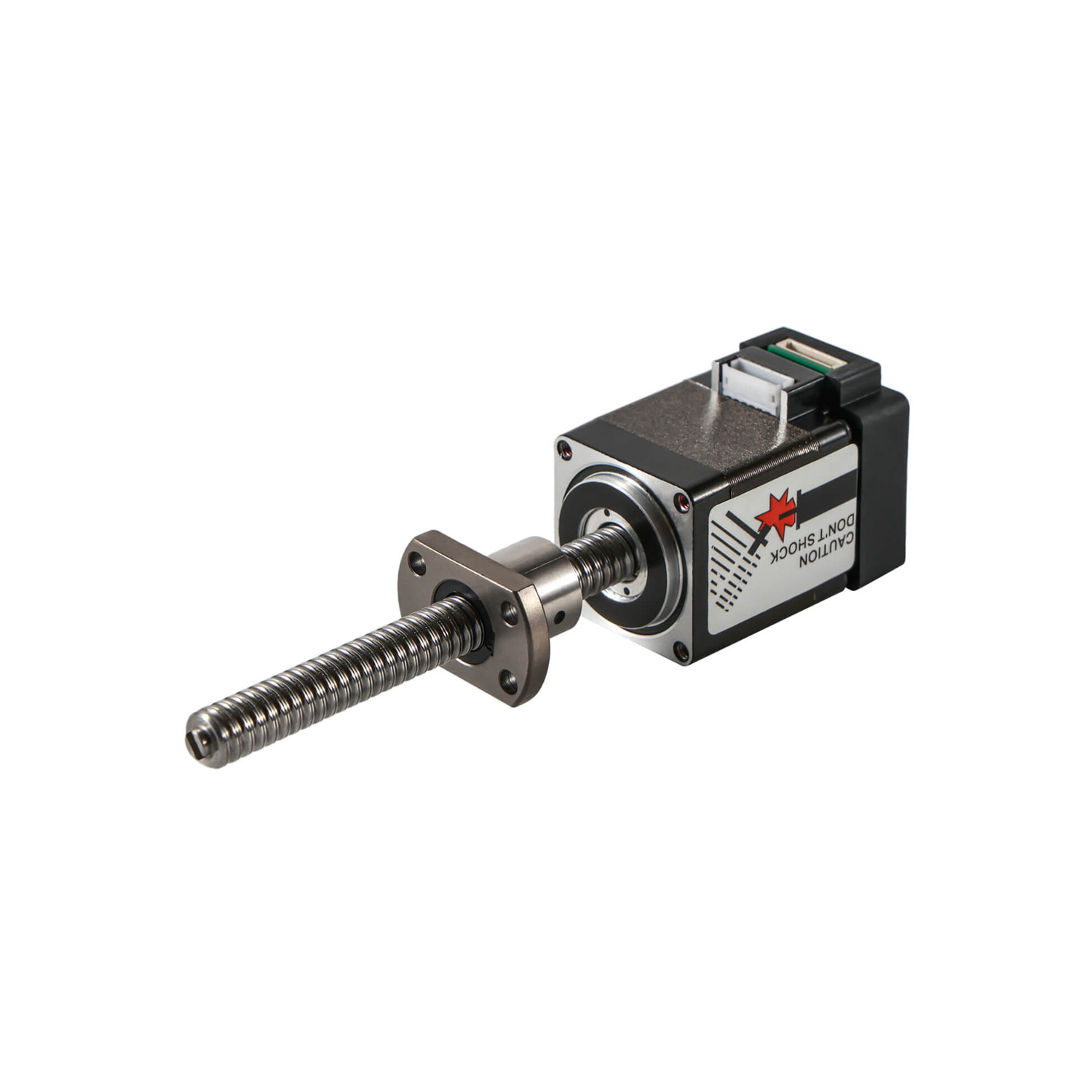
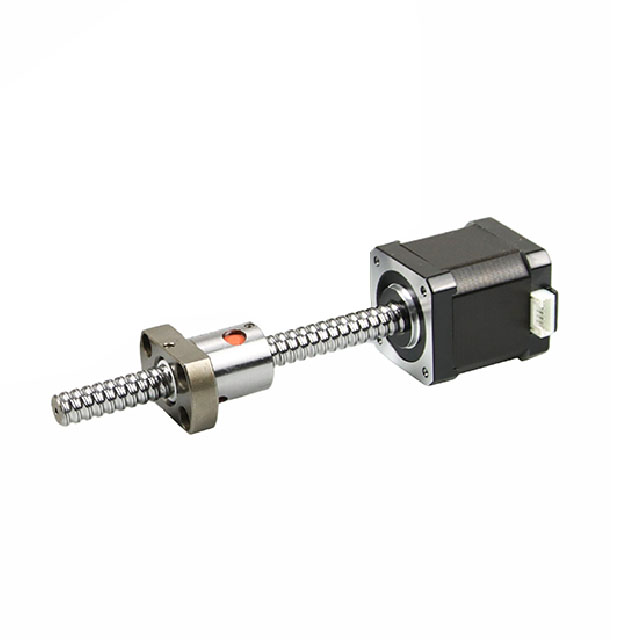
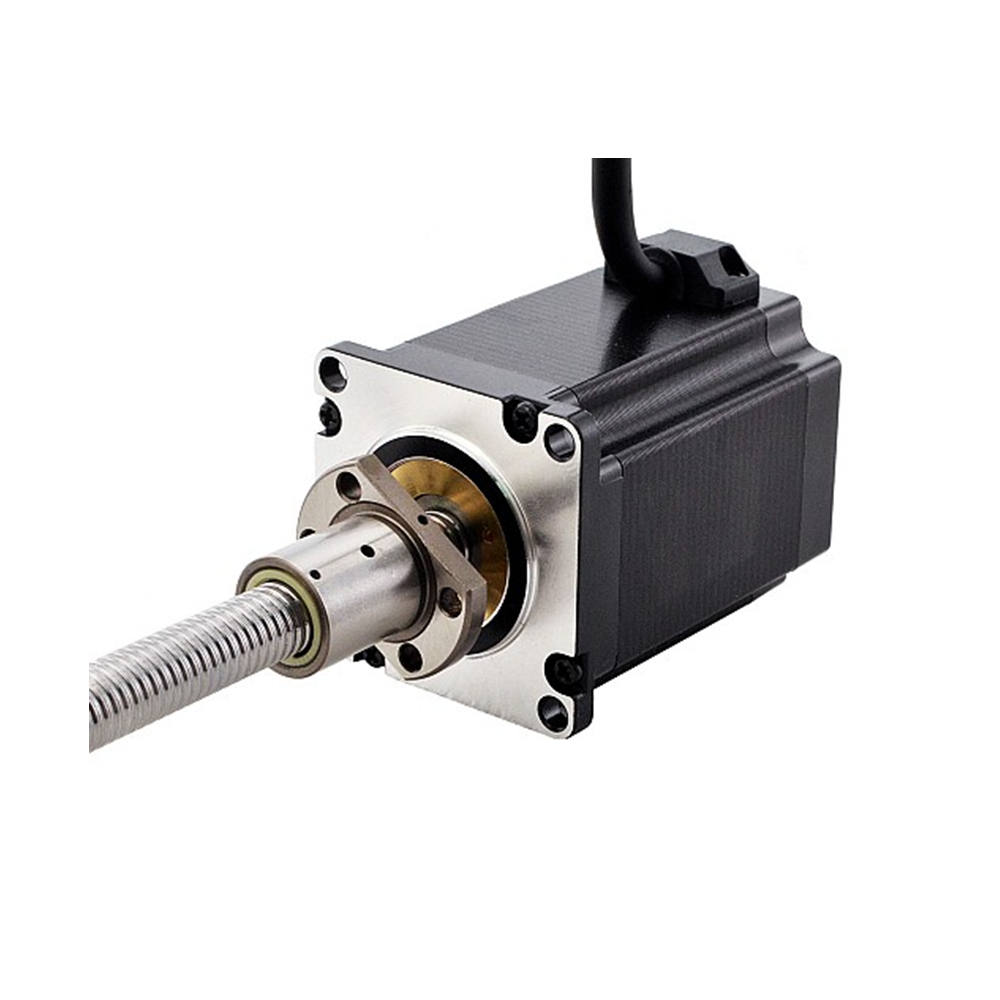
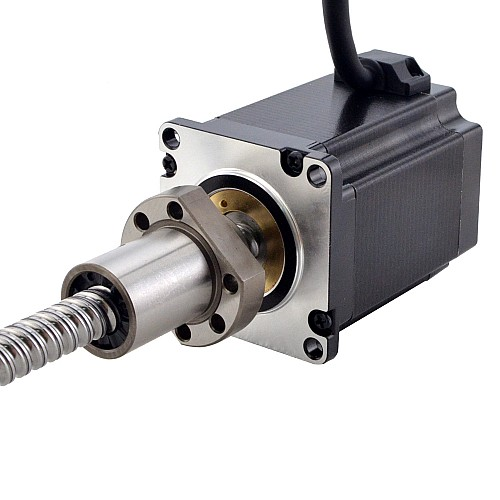
A ball screw linear actuator is a precision mechanical device designed to convert rotary motion into highly accurate linear motion using a ball screw mechanism. At its core, the system consists of a ball screw shaft, a ball nut filled with recirculating ball bearings, a motor, and a supporting housing or guide structure. Together, these components create a high-efficiency actuation system capable of handling demanding industrial tasks.
The defining characteristic of this actuator type is the use of rolling motion instead of sliding friction. As the screw rotates, the ball bearings inside the nut circulate smoothly within helical raceways, allowing the nut to move linearly along the shaft with minimal resistance. This reduces wear, increases efficiency, and enables extremely precise motion control compared to traditional lead screw mechanisms.
Ball screw actuators are particularly valued for their high mechanical efficiency—often above 90%, allowing faster speeds, higher loads, and reduced energy consumption. Their inherent rigidity and low backlash make them ideal for applications requiring accurate positioning, such as CNC machinery, robotics, laboratory automation, and advanced manufacturing equipment.
In essence, the ball screw linear actuator provides a balance of strength, precision, and longevity, making it a leading choice wherever controlled, repeatable, and reliable linear motion is essential.
How a Ball Screw Linear Actuator Works
A ball screw linear actuator operates by converting the rotary motion of a motor into highly controlled linear movement through the use of a precision-engineered ball screw and ball nut assembly. The mechanism is designed for efficiency, accuracy, and durability, making it ideal for applications requiring exact positioning and smooth motion.
1. Motor Generates Rotary Motion
The working process begins when a servo motor or stepper motor rotates the ball screw shaft. The motor’s rotational energy is transmitted directly to the screw through a coupling or integrated motor mount.
2. Ball Bearings Roll Between Screw and Nut
The ball screw features a helical groove along its shaft, and the ball nut features a matching internal groove. Between these two grooves are a series of hardened steel ball bearings.
As the screw turns:
The ball bearings roll within these grooves.
The rolling motion reduces friction dramatically—typically to less than 5% of that found in lead screws.
The ball bearings recirculate continuously through return channels inside the nut.
This rolling contact is the foundation of the ball screw actuator's high precision and efficiency.
3. Linear Movement of the Ball Nut
Because the ball nut cannot rotate (it is constrained by the actuator’s housing or guide system), it is forced to move linearly along the screw as the screw turns.
This movement is exceptionally smooth and controlled, allowing for accurate positioning down to microns.
4. Actuator Housing Guides and Supports Motion
The actuator body or guide rail ensures the ball nut moves along a straight, stable path. This prevents rotation, reduces vibration, and absorbs side loads. The housing may also include:
Linear rails
Bearings
Protective covers
Lubrication systems
These components collectively enhance durability and consistency.
5. Mechanical Output for Linear Force
As the ball nut moves, it pushes or pulls the actuator’s external load—such as a carriage, platform, or tooling component. The high mechanical efficiency of the ball screw allows significant linear force output, often exceeding that of belt-driven or lead screw systems.
6. Controlled by Feedback and Motion Systems
In advanced applications, sensors such as:
Encoders
Linear scales
Limit switches
provide feedback to motion controllers, ensuring precise speed, acceleration, and position control.
Key Advantages of Ball Screw Linear Actuators
1. Exceptional Precision and Repeatability
The design of the ball screw enables micron-level positioning accuracy, making these actuators suitable for demanding positioning tasks. Recirculating ball bearings ensure that motion is consistent, predictable, and stable.
2. High Mechanical Efficiency
Ball screw actuators achieve efficiencies of up to 95%, similar to gearbox-driven systems but with smoother operation and lower friction. This means:
3. High Load Capacity
Because of their robust construction and optimized thread geometry, ball screws can support very high axial loads while maintaining accuracy. This is critical in applications involving:
Heavy equipment
Industrial automation
Manufacturing presses
CNC machinery
4. Long Operational Life
The rolling contact between the screw and nut significantly reduces mechanical wear. As a result, these actuators last far longer than traditional lead screw assemblies.
Common Applications of Ball Screw Linear Actuators
Industrial Automation
Ball screw actuators deliver the reliability and precision required for processes such as:
Pick-and-place systems
Assembly automation
Packaging equipment
Robotics
Robotic arms often rely on ball screw actuators for:
Medical and Laboratory Equipment
The precise, clean motion is ideal for:
CNC Machinery
Milling machines, lathes, and grinders use ball screw systems for:
Axis positioning
Tool alignment
Precision cuts
Aerospace and Defense
These sectors demand actuators with:
Comparing Ball Screw Linear Actuators to Other Actuation Systems
Ball Screw vs. Lead Screw Actuators
Ball Screw Advantages:
Higher efficiency
Lower friction
Much longer lifespan
Higher load capacity
Minimal backlash
Lead Screw Advantages:
Ball Screw vs. Belt-Driven Actuators
Ball Screw Advantages:
Higher precision
Better load handling
Superior repeatability
Belt Drive Advantages:
Longer travel lengths
Higher speeds
Lower cost
Ball Screw vs. Linear Motors
Ball screw Advantages:
Linear Motor Advantages:
Unmatched speed
Zero mechanical contact
Ultra-smooth motion
Each actuation method has its own niche, but ball screw actuators strike an ideal balance of speed, force, accuracy, and cost.
Key Features to Consider When Choosing a Ball Screw Linear Actuator
Selecting the right ball screw linear actuator is critical for achieving optimal performance, long service life, and reliable operation in precision motion applications. Because ball screw actuators are used in everything from robotics to manufacturing machinery, understanding the key selection criteria ensures proper sizing, compatibility, and efficiency. Below are the most important features to evaluate.
1. Load Capacity (Static and Dynamic)
The actuator must be capable of supporting both the static load (load at rest) and the dynamic load (load while moving). Choosing an actuator with inadequate load capacity can lead to premature wear, excessive backlash, or catastrophic failure.
Consider:
2. Required Stroke Length
The stroke length defines how far the actuator can travel in a single cycle. Selecting the appropriate stroke is essential to ensure full reach without exceeding the screw’s structural limitations.
Key considerations:
3. Linear Speed and Desired Acceleration
Ball screw actuators can achieve high speeds, but their maximum speed is limited by:
Screw lead (distance traveled per revolution)
Critical speed, which depends on screw diameter and unsupported length
Motor torque and RPM capabilities
High-speed applications typically require a screw with:
4. Positioning Accuracy and Repeatability
Ball screws are known for excellent precision, but different grades offer varying levels of accuracy. Evaluate:
For applications requiring micrometer-level precision, choose:
5. Duty Cycle and Operating Environment
Environmental and usage conditions can significantly influence actuator performance. Consider:
Operating temperature
Humidity or exposure to moisture
Dust, chemicals, or corrosive environments
Vibration levels
Harsh conditions may require:
6. Mounting and Alignment Requirements
Improper alignment can cause premature failure, excessive friction, and decreased accuracy. Evaluate:
Mounting orientation
Parallelism and perpendicularity tolerances
End support type (fixed, supported, floating)
High-precision systems may require:
7. Motor Compatibility and Control System
The actuator must integrate seamlessly with your motor and motion controller. Consider:
Motor type (servo, stepper, integrated motor)
Coupling requirements
Encoder or feedback device compatibility
Control mode (position, velocity, torque)
For advanced automation, servo motors with closed-loop feedback typically offer superior performance.
8. Life Expectancy and Maintenance Requirements
Ball screw actuators require regular lubrication to maintain efficiency and reduce wear. Evaluate:
Expected service life under load
Lubrication intervals
Type of grease or oil required
Ease of maintenance access
Higher-load or high-speed systems may require:
9. Cost vs. Performance Balance
While ball screw actuators offer excellent precision, performance varies based on the quality of the screw, nut, guide system, and motor. It’s important to match the actuator’s capabilities to the application’s needs.
Balance the following:
Investing in higher precision typically reduces downtime, increases reliability, and improves overall system performance.
Why Ball Screw Linear Actuators Are Essential in Modern Automation
Ball screw actuators have become a foundational component in modern industrial systems because they combine power, precision, and durability in a way few other actuation technologies can match. Their ability to handle heavy loads with minimal friction makes them indispensable for manufacturers seeking greater efficiency and accuracy.
From CNC machinery to robotics and medical equipment, these actuators deliver consistent, high-performance motion that accelerates productivity and maintains long-term operational stability.
By integrating a ball screw actuator into an automated system, companies gain:
In a world increasingly reliant on automation and precision engineering, ball screw linear actuators continue to be a high-value solution for complex motion control tasks.