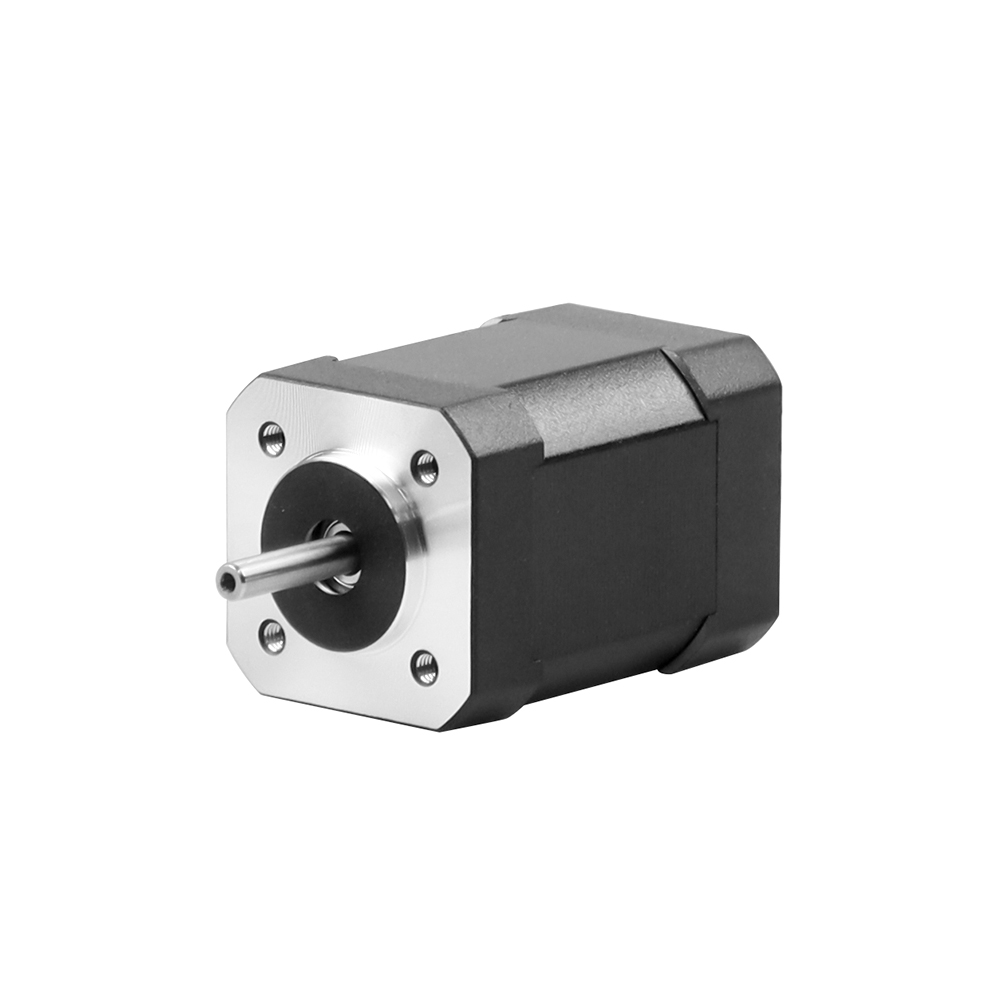
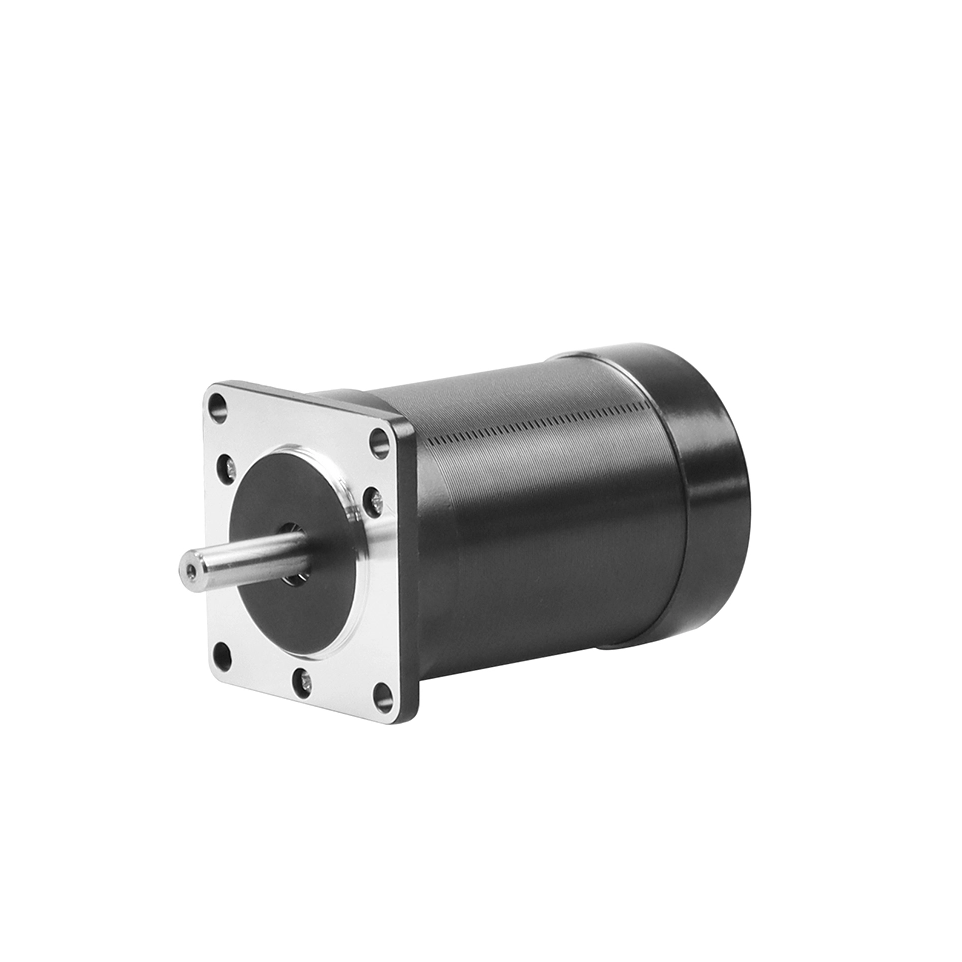
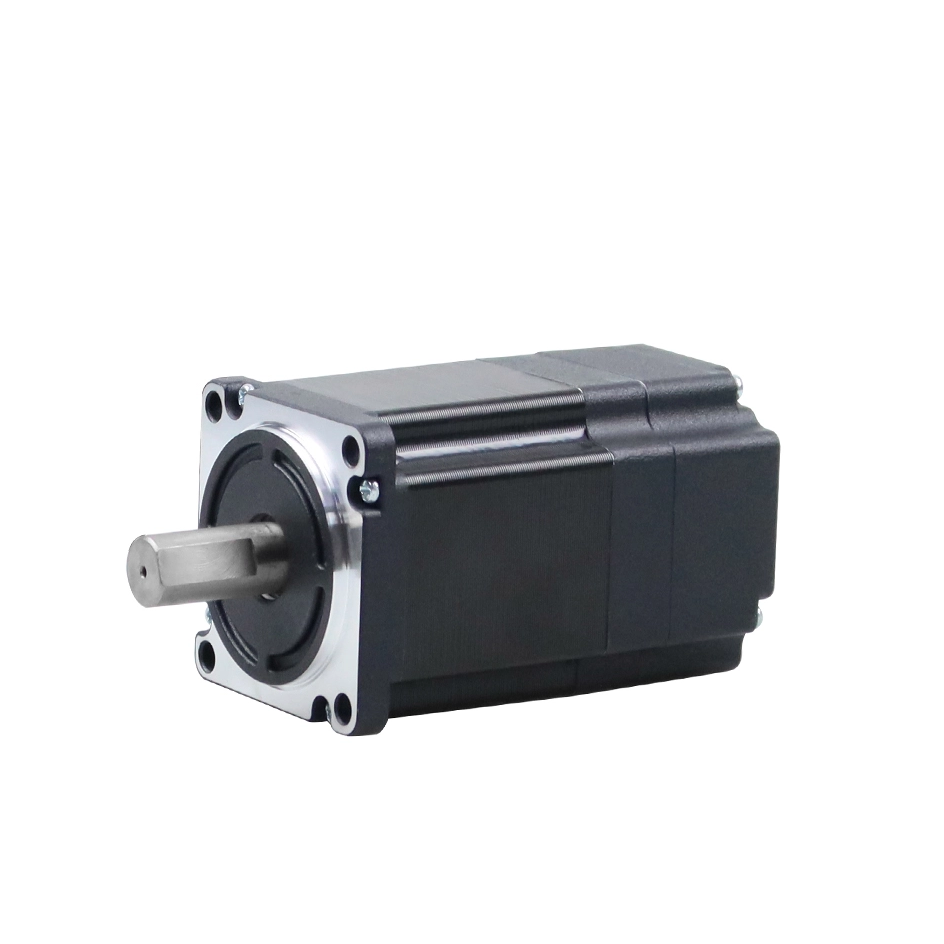
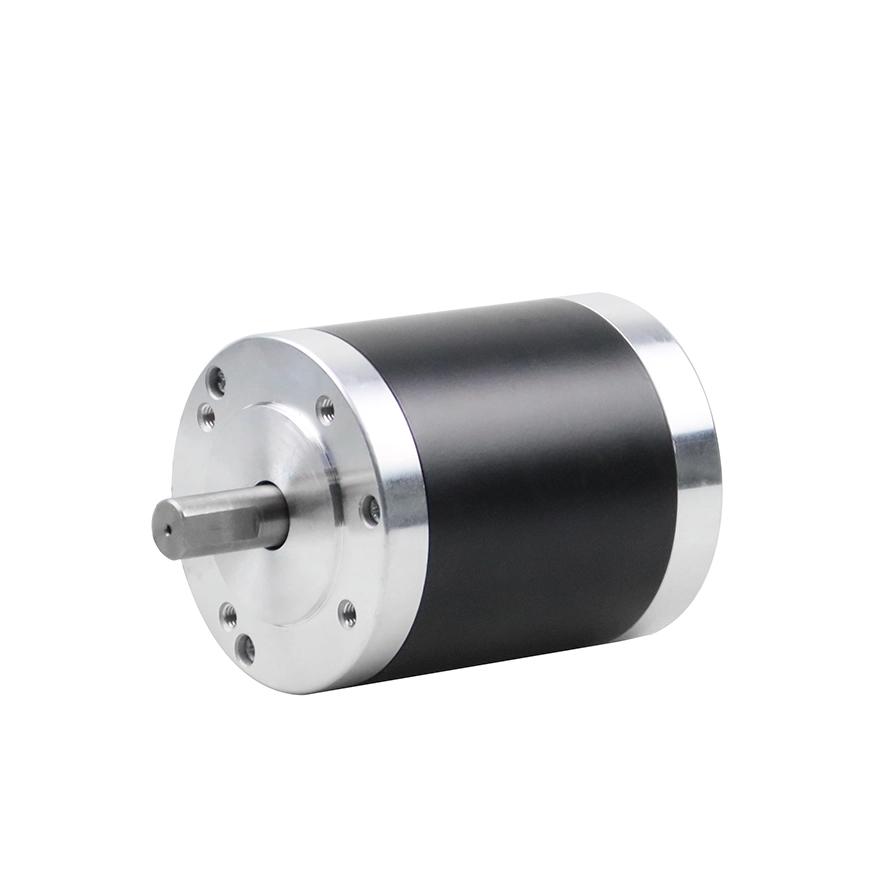
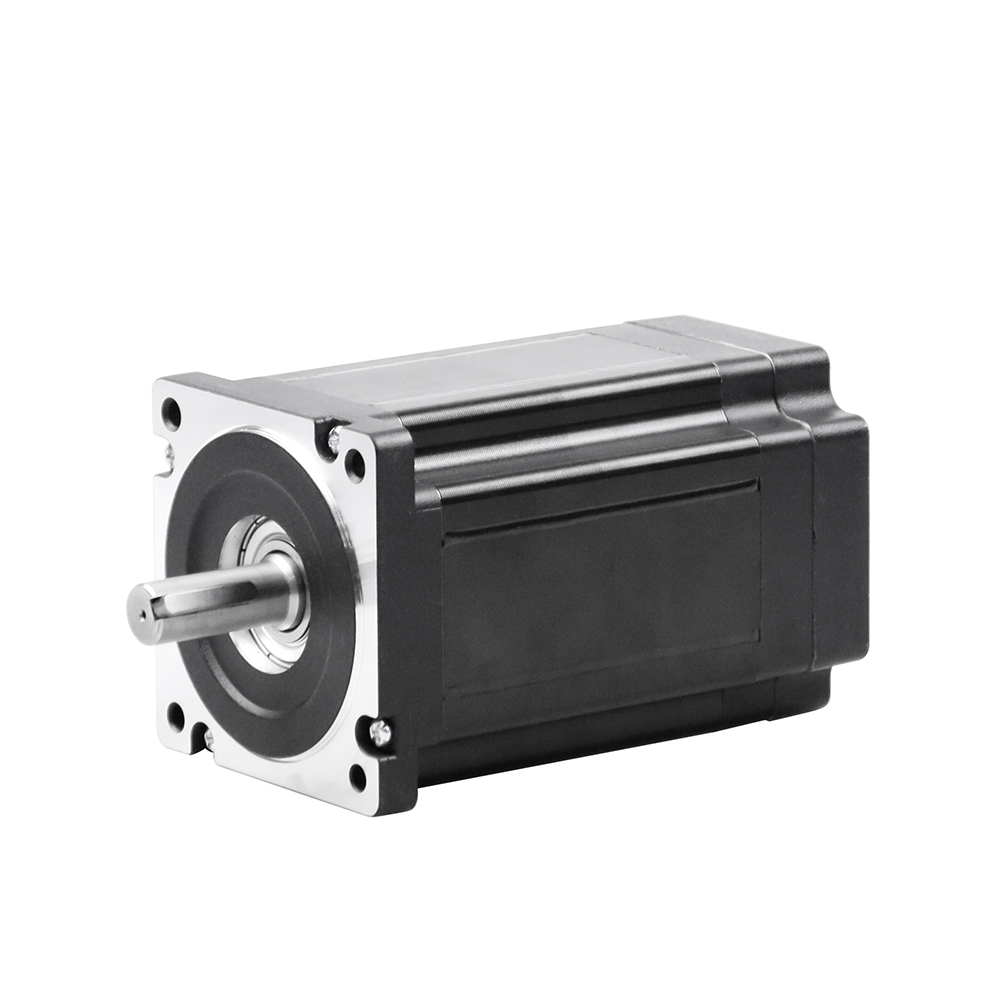
Brushless DC (BLDC) motors are widely used across industries because of their high efficiency, compact design, long service life, and excellent controllability. However, one persistent technical challenge in BLDC motor operation is torque ripple. Torque ripple refers to the periodic variation in the output torque of a motor during rotation, even when the motor is supplied with constant current.
Excessive torque ripple leads to vibration, acoustic noise, mechanical wear, reduced precision, and poor control stability. In applications such as robotics, electric vehicles, medical equipment, CNC machinery, and precision automation, minimizing torque ripple is essential to achieve smooth and reliable operation.
In this comprehensive guide, we analyze the root causes of torque ripple in BLDC motors and present engineering-level solutions to minimize it through motor design, control strategies, and manufacturing optimization.
Understanding Torque Ripple in BLDC Motors
Torque ripple in Brushless DC (BLDC) motors refers to the periodic variation or fluctuation of torque during motor rotation, even when the motor is supplied with a constant current. Ideally, a motor should deliver smooth and constant torque to ensure stable and efficient mechanical motion. However, in real-world BLDC motors, torque output is rarely perfectly uniform due to electromagnetic interactions, switching behavior in electronic commutation, and structural characteristics of the motor.
Understanding torque ripple is critical because it directly affects motor performance, noise levels, efficiency, and long-term reliability. In precision applications such as robotics, CNC equipment, electric vehicles, medical devices, and automated manufacturing systems, excessive torque ripple can lead to vibration, acoustic noise, reduced positioning accuracy, and increased mechanical wear.
How Torque Is Generated in BLDC Motors
To understand torque ripple, it is important to first understand how torque is produced in a BLDC motor. A BLDC motor generates torque through the interaction between the magnetic field produced by the stator windings and the permanent magnets on the rotor.
The process involves:
Electronic commutation sequentially energizes stator windings.
This generates a rotating magnetic field within the stator.
The permanent magnets in the rotor follow this rotating field.
The interaction produces electromagnetic torque, causing the rotor to rotate.
In an ideal BLDC motor, the magnetic field interaction would produce perfectly constant torque throughout each electrical cycle. In reality, small variations occur because the magnetic forces change as the rotor moves relative to stator teeth and slots.
These variations are what we refer to as torque ripple.
Types of Torque Ripple in BLDC Motors
Torque ripple generally consists of multiple components that originate from different sources within the motor system. The most common types include:
1. Cogging Torque
Cogging torque is caused by the magnetic attraction between rotor magnets and stator teeth. As the rotor rotates, magnets tend to align with stator slots where magnetic reluctance is lowest. This alignment produces a periodic torque variation even when no current flows in the windings.
Cogging torque is particularly noticeable at low speeds and during motor startup.
2. Electromagnetic Torque Ripple
Electromagnetic torque ripple occurs due to non-ideal current waveforms and magnetic field distribution inside the motor. In BLDC motors, phase currents interact with the back electromotive force (Back EMF) generated by rotor motion. If these waveforms are not perfectly matched, torque output fluctuates.
This type of ripple depends heavily on motor design, winding configuration, and control strategy.
3. Commutation Torque Ripple
BLDC motors rely on electronic commutation, typically using Hall sensors or sensorless control algorithms to switch current between stator phases. During this switching process, there is a short transition period where current shifts from one phase to another.
Because the current does not change instantaneously, the motor experiences temporary torque disturbances, which create ripple.
Characteristics of Torque Ripple
Torque ripple typically exhibits several identifiable characteristics:
Periodic fluctuation synchronized with rotor position
Higher amplitude at low speeds
Reduced smoothness in motor rotation
Increased vibration and noise
The frequency of torque ripple often depends on the number of stator slots, rotor poles, and electrical commutation cycles.
Impact on Motor Performance
Although small amounts of torque ripple are unavoidable, excessive ripple can significantly degrade system performance.
Mechanical Vibration
Torque variations cause oscillating mechanical forces that translate into vibration within the motor and connected equipment. Over time, these vibrations can damage mechanical components.
Acoustic Noise
Torque ripple often results in audible noise, especially in applications where motors operate continuously, such as fans, compressors, and HVAC systems.
Reduced Control Accuracy
In motion-control systems such as robot arms and CNC machines, torque ripple can introduce micro-positioning errors, making precise control more difficult.
Increased Wear and Fatigue
Continuous torque fluctuations place repeated stress on bearings, gears, and shafts, accelerating wear and reducing equipment lifespan.
Factors That Influence Torque Ripple
Several motor design and operational factors determine the magnitude of torque ripple in BLDC motors:
Engineers often rely on electromagnetic simulation tools such as Finite Element Analysis (FEA) to analyze these factors and optimize motor design.
Why Torque Ripple Matters in Modern Applications
As industries move toward higher automation, electrification, and precision control, the demand for motors with low torque ripple and smooth torque output continues to grow.
Applications that particularly require minimal torque ripple include:
Industrial robots
Electric vehicles
Medical diagnostic equipment
Semiconductor manufacturing systems
High-precision servo drives
In these applications, even minor torque fluctuations can affect system accuracy, product quality, and operational stability.
Engineering Focus on Torque Smoothness
Modern BLDC motor development places significant emphasis on reducing torque ripple through optimized electromagnetic design and advanced control technologies. Engineers carefully balance parameters such as slot-pole combinations, winding patterns, and magnet geometry to produce smoother torque profiles.
At the same time, improvements in digital motor controllers, current sensing technologies, and real-time feedback systems enable more precise current regulation, further minimizing torque ripple during operation.
Understanding torque ripple is therefore essential not only for motor designers but also for engineers selecting motors for high-performance industrial systems, ensuring the chosen BLDC motor delivers stable, quiet, and efficient operation across the full speed range.
Major Causes of Torque Ripple in BLDC Motors
1. Cogging Torque Due to Slot-Pole Interaction
Cogging torque is one of the most common causes of torque ripple. It occurs because of the magnetic attraction between rotor permanent magnets and stator slots.
When the rotor rotates, magnets align with stator teeth, creating periodic variations in magnetic reluctance. This causes torque pulsations even when no current flows through the stator windings.
Key factors influencing cogging torque include:
Motors with poorly optimized slot-pole combinations tend to exhibit higher cogging torque and stronger torque ripple.
2. Non-Ideal Back EMF Waveform
BLDC motors ideally operate with a trapezoidal back electromotive force (Back EMF) waveform synchronized with six-step commutation control. However, real motors often produce distorted back EMF waveforms due to design imperfections.
If the back EMF waveform deviates from the ideal trapezoidal shape, the current and magnetic field interaction becomes uneven, resulting in torque fluctuations during each electrical cycle.
Common causes include:
The mismatch between phase current waveform and back EMF waveform significantly increases torque ripple.
3. Commutation Torque Ripple
BLDC motors typically use electronic commutation controlled by Hall sensors or sensorless algorithms. During phase switching, the motor experiences brief torque disturbances because current transfers from one phase to another.
This phenomenon is known as commutation torque ripple.
It occurs due to:
Finite switching time of power electronics
Current overlap between phases
Delay in rotor position detection
Controller response limitations
In high-speed or high-load conditions, commutation ripple can become more noticeable, causing vibration and audible noise.
4. Magnetic Saturation in the Stator Core
Another cause of torque ripple is magnetic saturation within the stator core. When the magnetic flux exceeds the material's capability, the flux distribution becomes nonlinear, causing uneven torque generation.
Magnetic saturation can result from:
High current loading
Inadequate stator core design
Improper material selection
Excessive magnetic flux density
This nonlinearity disrupts the smooth interaction between rotor magnets and stator fields, producing torque oscillations.
5. Manufacturing Imperfections
Even well-designed BLDC motors can experience torque ripple due to manufacturing inconsistencies. Small deviations during production may introduce significant magnetic imbalance.
Typical manufacturing issues include:
High-performance BLDC motors require precision manufacturing processes to ensure consistent electromagnetic symmetry.
Effects of Torque Ripple on Motor Performance
Torque ripple in BLDC motors refers to the periodic fluctuation of torque during rotation. While some level of ripple is unavoidable, excessive torque variation can significantly affect motor stability, efficiency, and system reliability. In high-performance applications, minimizing torque ripple is essential to maintain smooth operation and long service life.
Increased Mechanical Vibration
One of the most noticeable effects of torque ripple is mechanical vibration. When the torque output fluctuates, the motor shaft experiences small but repeated acceleration and deceleration cycles. These variations transmit vibration through the motor housing and connected mechanical components.
Over time, excessive vibration can lead to:
Reduced mechanical stability
Loosening of mounting components
Increased stress on bearings and shafts
This is especially problematic in precision motion systems, where stable rotation is critical.
Higher Acoustic Noise
Torque ripple is a major contributor to motor noise. The periodic changes in torque create oscillating forces inside the motor, which generate audible sound. In applications such as HVAC systems, consumer appliances, and electric vehicles, this noise can reduce product quality and user comfort.
Low-noise motor operation requires minimizing torque ripple through optimized motor design and advanced control strategies.
Reduced Motion Control Accuracy
In systems requiring precise speed and position control, torque ripple can cause performance issues. Small fluctuations in torque translate into slight variations in rotational speed and position.
This can negatively impact:
Reducing torque ripple ensures smoother motion profiles and higher control precision.
Accelerated Wear of Mechanical Components
Continuous torque fluctuations impose cyclic loads on mechanical parts such as bearings, gears, couplings, and shafts. These repeated stress variations can accelerate wear and fatigue.
As a result, systems experiencing high torque ripple may face:
Shorter component lifespan
Increased maintenance requirements
Higher long-term operational costs
Maintaining smooth torque output helps extend overall equipment durability.
Lower Energy Efficiency
Torque ripple can also reduce overall motor efficiency. When torque is unstable, part of the input electrical energy is converted into unwanted vibration and heat rather than useful mechanical output.
This leads to:
Increased energy consumption
Higher operating temperatures
Reduced overall system efficiency
Efficient BLDC motor design aims to maximize smooth torque production while minimizing energy losses.
System Instability at Low Speeds
Torque ripple becomes particularly noticeable during low-speed operation. At lower speeds, the motor has less inertia to smooth out torque variations, making ripple effects more pronounced.
This can cause:
For applications such as robotics, conveyors, and precision automation equipment, stable low-speed performance is essential.
Impact on High-Precision Applications
Industries that rely heavily on high-precision motor control are particularly sensitive to torque ripple. Even small torque variations can affect the performance of:
In these environments, motors are specifically designed to deliver ultra-smooth torque output.
Overall Performance Degradation
When torque ripple is excessive, the combined effects of vibration, noise, reduced accuracy, and mechanical wear can degrade the entire system's performance. This not only affects the motor but also the equipment it drives.
Therefore, modern BLDC motor design emphasizes electromagnetic optimization, improved winding structures, precise rotor magnet placement, and advanced motor control algorithms to minimize torque ripple and ensure reliable operation.
By effectively controlling torque ripple, BLDC motors can deliver smoother motion, quieter performance, higher efficiency, and longer service life, making them ideal for demanding industrial and technological applications.
Effective Methods to Minimize Torque Ripple in BLDC Motors
1. Optimizing Slot-Pole Combination
One of the most effective methods to reduce torque ripple is selecting an optimal slot-to-pole ratio during motor design.
Certain combinations naturally minimize cogging torque. For example:
12-slot / 8-pole
9-slot / 6-pole
18-slot / 16-pole
These configurations help distribute magnetic forces more evenly, significantly reducing torque pulsation.
2. Skewing Stator Slots or Rotor Magnets
Magnetic skewing is a widely used design technique for minimizing cogging torque.
This method involves:
Skewing prevents the magnets from aligning with stator teeth simultaneously, smoothing the magnetic interaction and reducing torque ripple amplitude.
3. Improving Back EMF Waveform Quality
Designing a BLDC motor with highly symmetrical and optimized winding distribution helps produce a near-ideal trapezoidal back EMF waveform.
Important design improvements include:
Important design improvements include:
Fractional slot winding designs
Optimized coil pitch
High-quality permanent magnets
Finite Element Analysis (FEA) optimization
Advanced electromagnetic simulation tools allow engineers to refine the motor geometry to achieve minimal torque ripple.
4. Advanced Motor Control Algorithms
Modern motor controllers use advanced control algorithms to actively suppress torque ripple.
Examples include:
Field-Oriented Control (FOC)
Space Vector Pulse Width Modulation (SVPWM)
Direct Torque Control (DTC)
These methods precisely regulate phase currents and magnetic flux, producing smoother torque output compared to traditional six-step commutation.
5. Current Waveform Optimization
Torque ripple can also be minimized by shaping the phase current waveform to match the motor's back EMF profile.
Techniques include:
By synchronizing current with electromagnetic characteristics, the system achieves nearly constant torque production.
6. Precision Manufacturing and Quality Control
High-end BLDC motor manufacturers implement strict manufacturing precision standards to eliminate mechanical sources of torque ripple.
Key improvements include:
Automated magnet placement
Precision rotor balancing
Laser-based air gap measurement
High-accuracy stator lamination stamping
Consistent production quality ensures stable magnetic symmetry and minimal torque pulsation.
Design Innovations for Ultra-Low Torque Ripple Motors
Achieving ultra-low torque ripple in BLDC motors requires careful innovation in motor structure, electromagnetic design, and control technology. Modern motor manufacturers apply advanced engineering solutions to ensure smooth torque output, reduced vibration, and quieter operation, especially in high-precision applications such as robotics, medical equipment, and electric vehicles.
Optimized Slot–Pole Configuration
One of the most effective design strategies is selecting an optimal slot–pole combination. Proper matching between the number of stator slots and rotor poles helps distribute magnetic forces evenly, reducing cogging torque and minimizing torque pulsation. Well-balanced configurations significantly improve torque smoothness and motor stability.
Skewed Rotor Magnets and Stator Slots
Magnetic skewing is widely used to reduce torque ripple. By slightly skewing the rotor magnets or stator slots along the motor axis, the alignment between magnets and stator teeth occurs gradually instead of simultaneously. This technique smooths the magnetic interaction and lowers cogging torque and torque fluctuation.
Advanced Winding Structures
Innovative winding designs play a key role in achieving smoother torque production. Techniques such as fractional-slot concentrated windings and optimized coil pitch improve the motor's electromagnetic balance. These designs help generate a more consistent back EMF waveform, which directly contributes to reduced torque ripple.
Precision Magnet Design
Modern BLDC motors use high-quality rare-earth magnets with carefully optimized shapes and magnetization patterns. Accurate placement and uniform magnet strength create a balanced magnetic field inside the motor, ensuring stable torque generation throughout the rotation cycle.
Improved Air Gap Uniformity
Maintaining a uniform air gap between the rotor and stator is critical for smooth electromagnetic interaction. Advanced manufacturing techniques and tight tolerance control help eliminate air gap variations, which can otherwise cause torque fluctuations.
Advanced Control Algorithms
Motor control technology has evolved significantly, enabling further reduction of torque ripple. Techniques such as Field-Oriented Control (FOC) and Space Vector PWM (SVPWM) regulate current more precisely and ensure better synchronization between current and rotor position. This results in smoother torque delivery and improved dynamic performance.
Simulation and Electromagnetic Optimization
Engineers now rely on finite element analysis (FEA) and electromagnetic simulation tools to optimize motor design before production. These tools allow detailed analysis of magnetic flux distribution, torque characteristics, and harmonic effects, enabling designers to develop motors with minimal torque ripple and high efficiency.
High-Precision Manufacturing
Achieving ultra-low torque ripple also requires precision manufacturing processes. Automated magnet placement, high-accuracy stator lamination stamping, and dynamic rotor balancing ensure consistent quality and electromagnetic symmetry. These production improvements help maintain stable torque performance across large production volumes.
Applications Requiring Ultra-Low Torque Ripple
Motors with minimal torque ripple are essential in applications where smooth motion and precision control are critical, including:
Industrial robotics
CNC machinery
Medical diagnostic equipment
Semiconductor manufacturing
Electric vehicles
High-precision automation systems
Through a combination of optimized electromagnetic design, advanced motor control strategies, and precision manufacturing, modern BLDC motors can achieve extremely smooth torque output, delivering reliable and efficient performance in demanding industrial environments.
Applications Where Low Torque Ripple Is Critical
Minimizing torque ripple is essential in high-precision systems such as:
In these environments, smooth torque output ensures better control accuracy, quieter operation, and longer system lifespan.
Conclusion
Torque ripple in BLDC motors arises from multiple electromagnetic and mechanical factors, including cogging torque, back EMF distortion, commutation effects, magnetic saturation, and manufacturing tolerances. While these challenges are inherent in brushless motor operation, they can be effectively minimized through advanced motor design, optimized slot-pole combinations, skewing techniques, intelligent control algorithms, and precision manufacturing processes.
Modern engineering methods, particularly electromagnetic simulation and digital motor control technologies, allow manufacturers to produce high-performance BLDC motors with extremely low torque ripple, enabling smooth, quiet, and highly efficient operation across a wide range of industrial applications.
FAQs: What Causes Torque Ripple in BLDC Motors and How to Minimize It
I. Product Perspective: Causes, Performance Impact & Technical Solutions
Torque ripple refers to periodic fluctuations in torque output during rotation. In a standard BLDC motor, torque ripple can cause vibration, noise, and reduced motion smoothness.
2. What causes torque ripple in BLDC motors?
BLDC motor torque ripple is commonly caused by magnetic field variations, imperfect commutation, stator slotting effects, and rotor design characteristics.
3. How does torque ripple affect motor performance?
Excessive torque ripple in a standard BLDC motor can lead to vibration, acoustic noise, reduced efficiency, and lower precision in motion control systems.
4. Is torque ripple more noticeable at low speed?
Yes, BLDC motor torque ripple is often more noticeable at low speeds because fluctuations in torque become more pronounced.
5. Can improper driver settings increase torque ripple?
Yes, incorrect current control, PWM settings, or commutation timing from the motor driver can increase torque ripple.
6. Does motor design influence torque ripple levels?
Yes, factors such as pole count, slot configuration, and magnetic circuit design significantly affect BLDC motor torque ripple.
7. Can high-quality magnets reduce torque ripple?
Yes, strong and uniform permanent magnets improve magnetic field stability and reduce torque fluctuations.
8. Are sinusoidal control methods better for reducing torque ripple?
Yes, advanced control methods such as field-oriented control (FOC) can significantly reduce torque ripple compared to simple trapezoidal commutation.
9. How does rotor balancing affect torque ripple?
Precise rotor balancing ensures smoother rotation and helps minimize vibration caused by torque ripple.
10. Which applications are most sensitive to BLDC motor torque ripple?
Applications such as robotics, CNC equipment, medical devices, and precision automation require very low torque ripple.
II. Factory Customization Capability: Engineering Solutions for Low Torque Ripple
11. Can a BLDC motor manufacturer design motors with reduced torque ripple?
Yes, a professional BLDC motor Manufacturer can optimize electromagnetic design and slot/pole combinations to minimize torque ripple.
12. What customization options are available beyond a standard BLDC motor?
Custom BLDC motors may include skewed stator slots, optimized rotor magnets, and advanced winding configurations.
13. Can a custom BLDC motor improve motion smoothness?
Yes, a custom BLDC motor designed for low torque ripple delivers smoother rotation and improved positioning accuracy.
14. Can manufacturers optimize BLDC motors for precision applications?
Yes, a BLDC motor manufacturer can tailor motor design for robotics, servo systems, and medical equipment requiring minimal torque ripple.
15. Is it possible to integrate advanced control electronics to reduce ripple?
Yes, integrated drivers using FOC algorithms can significantly reduce BLDC motor torque ripple.
16. Can rotor skewing reduce torque ripple?
Yes, rotor or stator skewing is a common engineering technique used by BLDC motor manufacturers to smooth torque output.
17. What is the typical MOQ for a custom low torque ripple BLDC motor?
MOQ depends on design complexity, but many manufacturers support prototype orders for evaluation.
18. How does customization affect lead time?
A standard BLDC motor usually has shorter lead times, while custom low torque ripple motors require additional engineering and validation.
19. Can manufacturers provide torque ripple testing data?
Yes, reputable BLDC motor manufacturers conduct torque analysis and provide detailed performance test reports.
20. Why choose a professional BLDC motor manufacturer to minimize torque ripple?
A professional BLDC motor manufacturer offers advanced design expertise, precision manufacturing, and validated testing to ensure smooth and stable motor performance.