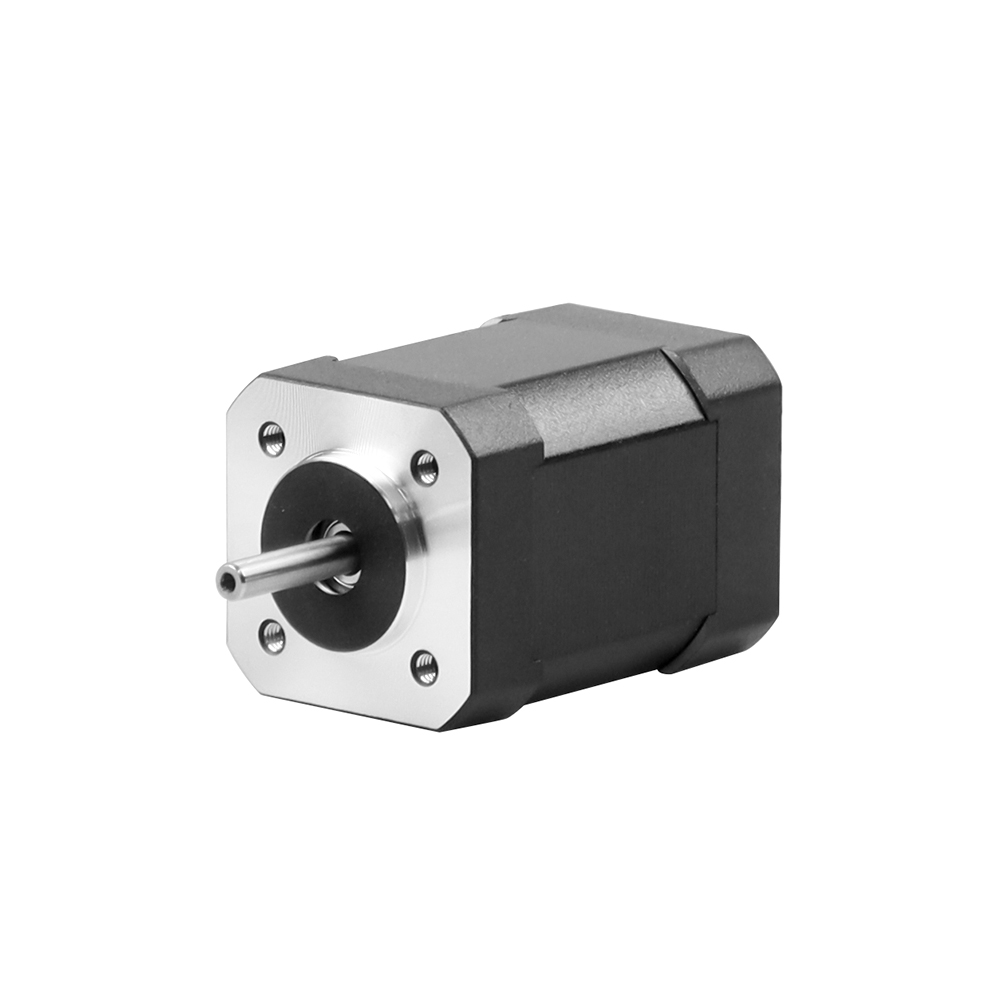
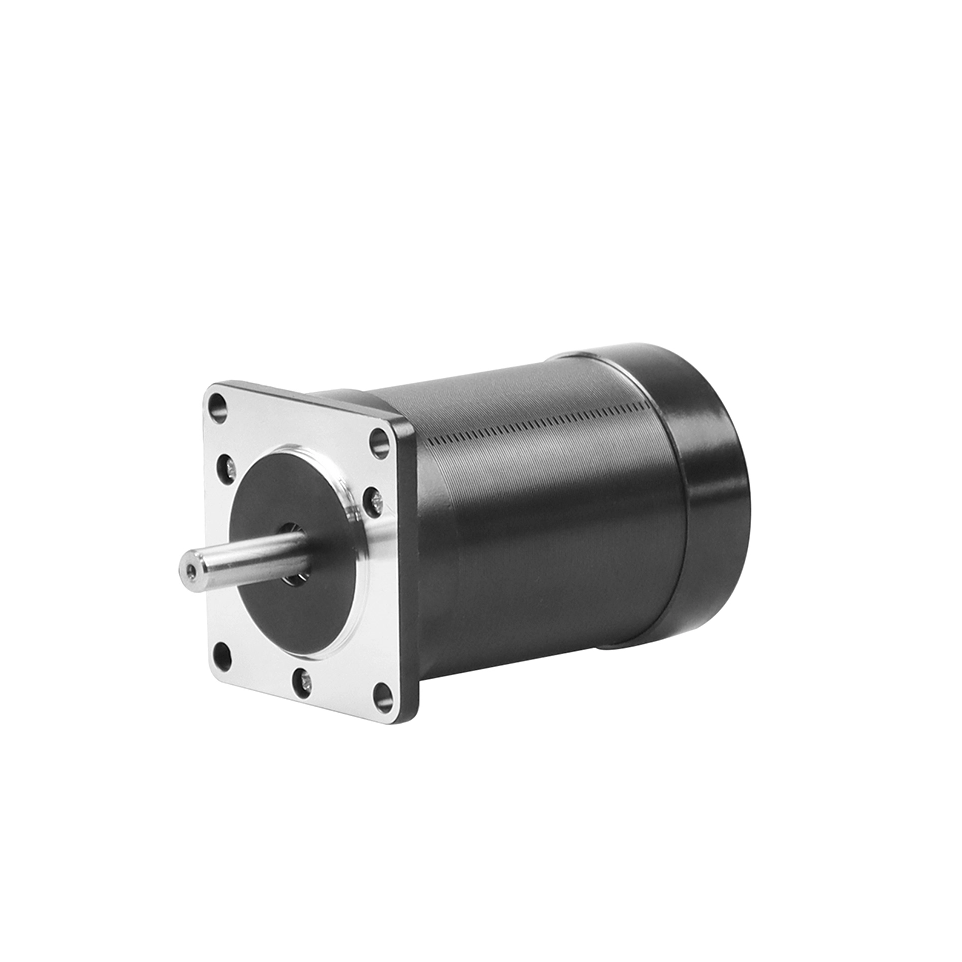
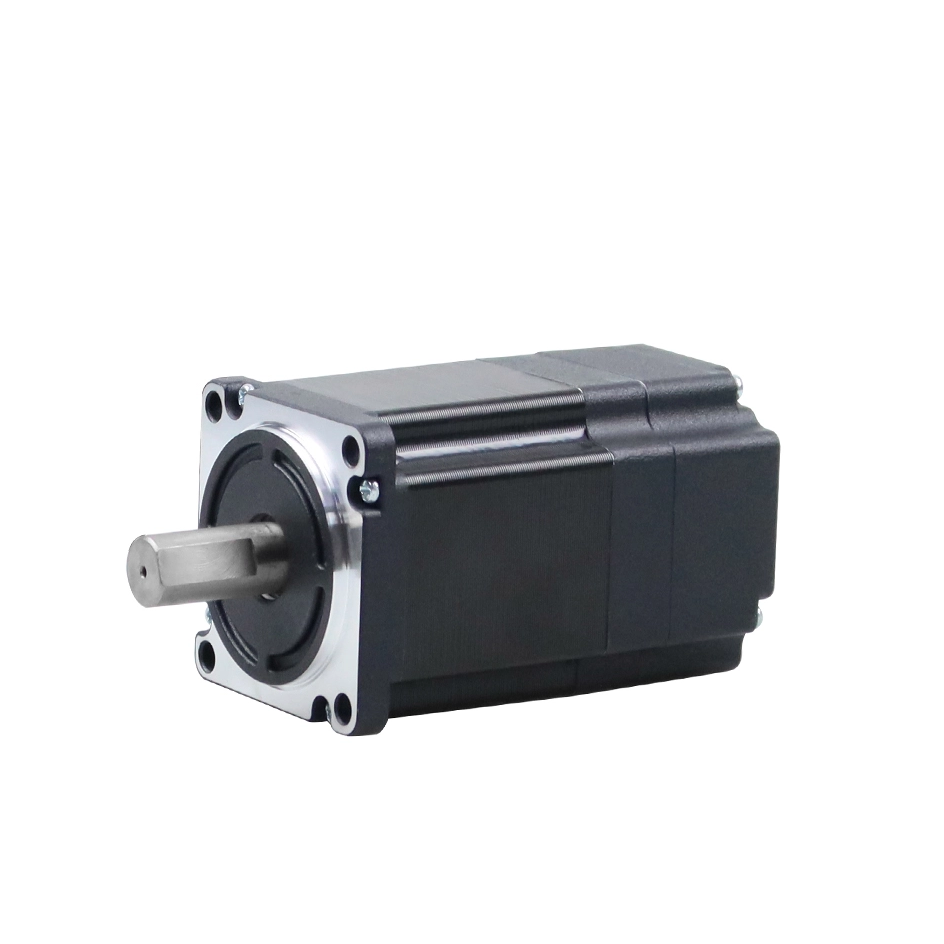
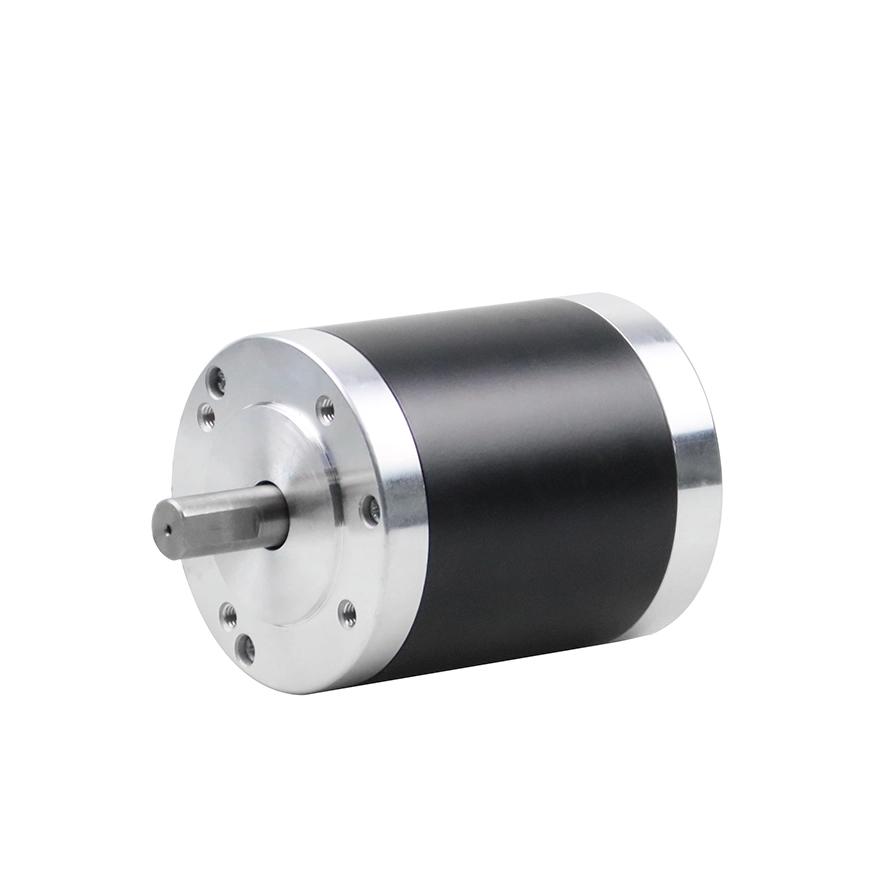
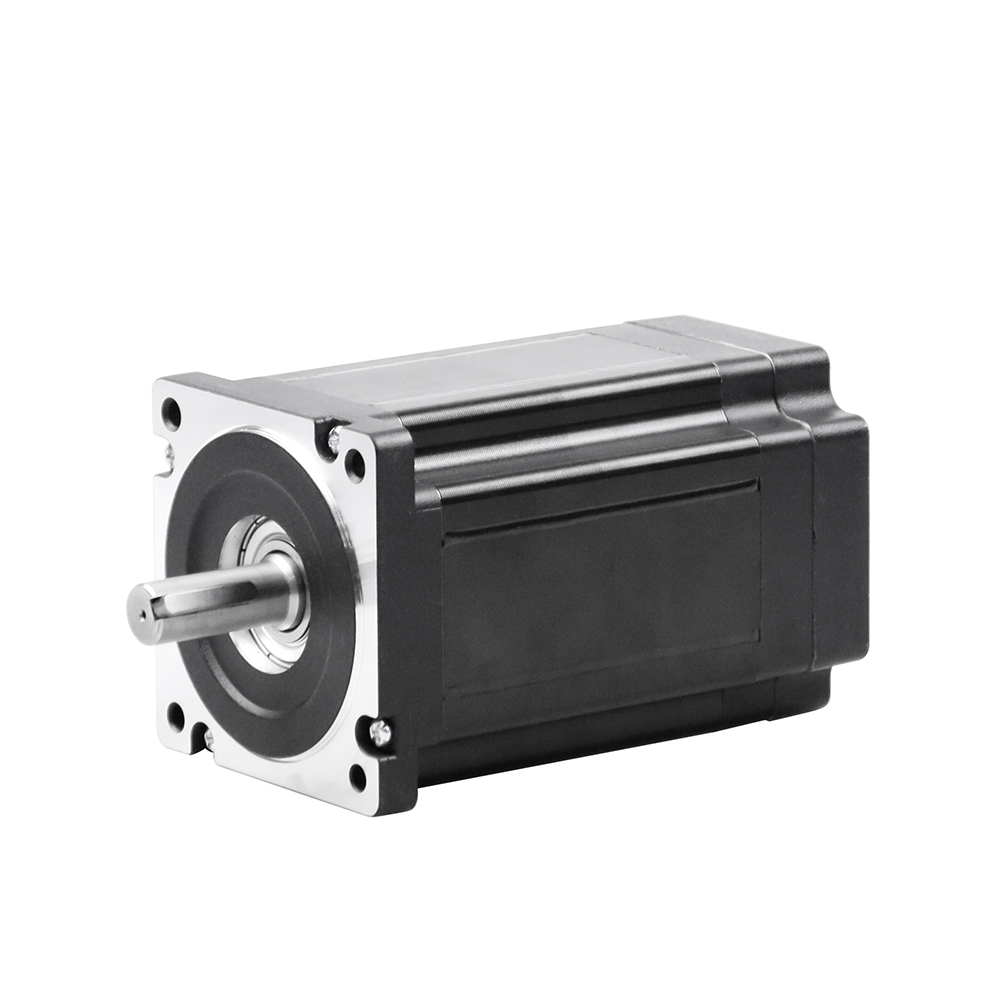
Modern automation, robotics, and high-precision industrial systems demand drive technologies that combine efficiency, reliability, and precise motion control. Among the most commonly compared solutions are Brushless DC (BLDC) motors and servo motors. Both technologies offer advanced performance advantages compared to traditional brushed motors, but their design philosophies, control characteristics, and application suitability differ significantly.
Understanding the key distinctions between BLDC motors and servo motors allows engineers, OEM manufacturers, and system designers to select the optimal drive solution for specific operational requirements. In this comprehensive guide, we examine the differences in structure, performance, control accuracy, cost, and industrial applications to help determine which motor technology best fits modern engineering demands.
Understanding BLDC Motors: Efficient and Reliable Brushless Drive Technology
A Brushless DC motor (BLDC motor) is an electronically commutated motor that eliminates mechanical brushes and commutators. Instead, it relies on electronic controllers and rotor position sensors to switch current through the stator windings.
Key Structural Characteristics
BLDC motors consist of three primary components:
This design removes friction caused by brushes, resulting in higher efficiency, longer lifespan, and reduced maintenance requirements.
Performance Advantages
BLDC motors deliver several notable performance benefits:
High efficiency, often exceeding 85–90%
Low mechanical wear due to brushless design
Compact size with high power density
Quiet operation with reduced electromagnetic noise
Excellent speed stability under varying loads
Because of these characteristics, BLDC motors are widely used in electric vehicles, drones, HVAC systems, household appliances, medical devices, and industrial automation equipment.
Typical Control Method
BLDC motors generally use:
While BLDC motors provide precise speed control, they are primarily optimized for continuous rotation and efficient power delivery rather than ultra-high positional accuracy.
Understanding Servo Motors: Precision Motion Control Systems
A servo motor is not just a motor; it is a closed-loop motion control system consisting of:
This integrated architecture allows servo systems to deliver extremely precise control of position, velocity, and torque.
Key Structural Components
Servo systems typically include:
High-resolution encoder or feedback sensor
Servo amplifier or drive controller
Precision motor design optimized for dynamic response
The feedback loop constantly monitors motor output and adjusts control signals in real time, ensuring exceptionally accurate positioning and rapid response.
Performance Capabilities
Servo motors excel in applications requiring:
These characteristics make servo systems indispensable in robotics, CNC machines, packaging machinery, semiconductor equipment, and industrial automation lines.
BLDC Motor vs Servo Motor: Core Differences
Although both technologies share brushless architecture, the differences lie primarily in control methodology and application focus.
Control Architecture
BLDC motors usually operate under open-loop or simplified closed-loop control primarily focused on speed regulation.
Servo motors, however, rely on advanced closed-loop feedback systems that continuously monitor position and torque to maintain exact motion profiles.
Control Comparison
| Feature | BLDC Motor | Servo Motor |
| Control Method | Open-loop or basic closed-loop | Advanced closed-loop |
| Feedback Device | Optional Hall sensors | High-resolution encoder |
| Position Accuracy | Moderate | Extremely high |
| Control Complexity | Relatively simple | Advanced control algorithms |
The result is that servo motors deliver significantly greater motion precision, especially in multi-axis synchronized systems.
Positioning Accuracy and Motion Control
Positioning accuracy and motion control are critical factors when evaluating motor technologies for automation systems, robotics, CNC equipment, and precision manufacturing machinery. The ability of a motor to start, stop, accelerate, decelerate, and reach an exact position repeatedly determines the overall performance and reliability of a motion control system. While both BLDC motors and servo motors provide advanced control capabilities compared to traditional brushed motors, their performance in positioning accuracy and motion regulation differs significantly.
Closed-Loop Feedback in Servo Motors
Servo motors are specifically designed for high-precision motion control applications. A typical servo system operates using a closed-loop feedback mechanism that constantly monitors the motor's position, velocity, and torque.
The feedback device—usually a high-resolution encoder or resolver—continuously sends positional data to the servo drive controller. The controller compares the actual motor position with the target command and instantly adjusts the motor output to eliminate any error.
This real-time correction allows servo systems to achieve:
Extremely precise positioning accuracy
High repeatability in automated tasks
Fast response to load changes
Stable torque output at low speeds
In advanced servo systems, positioning accuracy can reach micron-level precision, which is essential in applications such as robotic assembly lines, semiconductor equipment, CNC machining centers, and medical automation systems.
Another advantage of servo motors is their ability to handle complex motion profiles, including synchronized multi-axis movements, precise trajectory control, and dynamic torque adjustments during operation.
Speed-Oriented Control in BLDC Motors
BLDC motors also use electronic commutation and intelligent controllers, but they are typically optimized for speed control rather than ultra-precise positioning.
Most BLDC motor systems operate using:
These control methods allow BLDC motors to maintain stable rotational speeds and efficient power delivery, especially in applications requiring continuous operation.
However, without a high-resolution feedback system, BLDC motors generally offer:
Moderate positioning accuracy
Limited trajectory control
Less precise torque regulation during rapid changes
While advanced controllers can improve BLDC positioning performance, they usually do not match the fine positional control provided by dedicated servo systems.
Dynamic Motion Performance
Motion control performance also involves how quickly a motor can respond to changes in command signals or load conditions.
Servo motors are engineered for high dynamic responsiveness, meaning they can rapidly adjust speed, torque, and position. This is particularly important in systems where the motor must accelerate quickly, stop precisely, and immediately reverse direction.
Servo systems excel in environments that require:
Frequent start-stop cycles
Rapid acceleration and deceleration
Precise synchronization between multiple motors
Real-time torque adjustments
BLDC motors, on the other hand, perform exceptionally well in continuous rotation applications, where stable speed and energy efficiency are more important than rapid dynamic adjustments.
Repeatability and Precision in Industrial Automation
Another key aspect of motion control is repeatability, which refers to the ability of a motor system to return to the same position repeatedly with minimal deviation.
Servo motors provide exceptional repeatability, often within extremely tight tolerances. This capability is essential for automated production lines, where consistent positioning directly affects product quality and manufacturing efficiency.
For example:
In robotic pick-and-place systems, servo motors ensure that each component is placed in exactly the same position every cycle.
In CNC machining, servo control guarantees precise tool movement for accurate cutting and shaping.
In automated inspection systems, servo motors allow cameras and sensors to position themselves with extreme precision.
BLDC motors can achieve good repeatability in many applications, but their control architecture is generally better suited for speed regulation and power delivery rather than ultra-precise positioning tasks.
Application-Based Motion Control Selection
Choosing between a BLDC motor and a servo motor for motion control depends largely on system requirements and operational goals.
BLDC motors are ideal when the application requires:
Continuous rotation
High efficiency
Low maintenance
Stable speed control
Servo motors become the preferred solution when the system demands:
High positioning accuracy
Precise motion trajectories
Fast dynamic response
Complex automated movement
Industries such as robotics, aerospace, semiconductor manufacturing, and precision packaging equipment rely heavily on servo technology because of its ability to maintain exact motion control under varying load conditions.
Integration with Modern Motion Control Systems
Modern automation platforms increasingly integrate advanced digital controllers, high-resolution encoders, and intelligent motion algorithms. These technologies allow servo motors to achieve extremely sophisticated levels of motion control, including:
Real-time adaptive positioning
Predictive load compensation
High-speed synchronized axis control
Ultra-smooth motion profiles
Although BLDC motors continue to evolve with improved control electronics and sensorless technologies, servo systems remain the industry standard for applications requiring maximum motion precision.
Ultimately, understanding the differences in positioning accuracy and motion control capabilities enables engineers to select the most appropriate motor technology for achieving optimal performance, reliability, and operational efficiency in modern electromechanical systems.
Torque Performance and Dynamic Response
Servo motors are specifically engineered to deliver high torque at low speeds and maintain stable torque throughout the motion cycle.
BLDC motors, while efficient, typically emphasize continuous high-speed operation rather than dynamic torque bursts.
Torque Behavior Comparison
This makes servo motors ideal for applications requiring frequent start-stop cycles or precise load control.
Efficiency and Energy Consumption
Both technologies are highly efficient compared to brushed motors, but their energy usage patterns differ.
BLDC motors often achieve higher efficiency during continuous operation, especially in applications like fans, pumps, and compressors.
Servo motors, while efficient, prioritize precision and responsiveness, which can slightly increase energy consumption during dynamic motion control.
For long-duration operation at constant speeds, BLDC motors often represent the more energy-efficient solution.
Cost Considerations and System Complexity
Cost is another significant factor when selecting a motor solution.
BLDC Motor System Costs
BLDC systems typically require:
This relatively simple configuration results in lower initial investment and simpler integration.
Servo Motor System Costs
Servo systems include:
These additional components lead to higher upfront costs but superior motion control performance.
In applications where extreme accuracy and synchronization are critical, the investment in servo technology delivers substantial long-term value.
Industrial Applications of BLDC Motors
BLDC motors dominate industries that require efficiency, reliability, and compact motor design.
Common BLDC Motor Applications
Their combination of long lifespan, quiet operation, and high efficiency makes them ideal for continuous-duty applications.
Industrial Applications of Servo Motors
Servo motors are widely used in systems where precise motion control determines production accuracy and efficiency.
Common Servo Motor Applications
Robotic arms and collaborative robots
CNC machining centers
Packaging automation lines
Semiconductor manufacturing equipment
Textile automation machinery
Automated guided vehicles (AGVs)
These environments demand extremely accurate positioning and dynamic load control, which servo technology delivers consistently.
How to Choose the Right Motor for Your Application
Selecting the right motor is a critical engineering decision that directly affects system performance, operational efficiency, reliability, and long-term operating costs. When comparing BLDC motors and servo motors, engineers must carefully evaluate the application’s motion requirements, control complexity, precision level, and cost constraints. Each motor technology offers unique advantages, and the best choice depends on how well those characteristics align with the operational demands of the system.
A systematic approach to motor selection ensures that the chosen drive solution delivers optimal torque, speed, accuracy, and efficiency while maintaining stable performance throughout the product lifecycle.
Evaluate Motion Control Requirements
The first step in selecting the right motor is understanding the type of motion control required by the application. Different industrial systems demand different levels of precision and responsiveness.
If the system mainly requires continuous rotational movement at a stable speed, a BLDC motor is often the most efficient and cost-effective solution. BLDC motors are widely used in equipment such as cooling fans, pumps, compressors, electric vehicles, and industrial ventilation systems, where maintaining constant speed and high efficiency is the primary objective.
However, if the system requires precise positioning, rapid direction changes, and controlled acceleration and deceleration, a servo motor system becomes the better option. Servo motors are engineered for high-precision motion control, making them ideal for robotic arms, CNC machinery, automated assembly systems, and precision packaging equipment.
Clearly defining whether the application prioritizes speed control or positional accuracy is the most important factor in the motor selection process.
Analyze Torque and Speed Requirements
Every motor-driven system operates within specific torque and speed parameters, and selecting a motor that matches these requirements is essential for stable operation.
BLDC motors are well known for delivering high efficiency at moderate to high rotational speeds. They perform exceptionally well in applications where the motor operates continuously and load conditions remain relatively stable.
Servo motors, on the other hand, are optimized for high torque output at low speeds and dynamic load conditions. Their closed-loop control systems allow them to maintain consistent torque even during rapid acceleration, sudden load changes, or frequent start-stop cycles.
Applications that require:
generally benefit from the advanced torque control capabilities of servo motors.
In contrast, applications requiring steady high-speed operation with minimal load variation are typically better suited for BLDC motors.
Consider Positioning Accuracy and Repeatability
For many automation systems, positioning accuracy and repeatability are essential to maintaining consistent product quality and manufacturing precision.
Servo motors incorporate high-resolution encoders and real-time feedback systems, enabling them to achieve extremely precise positioning. This allows servo-driven machines to perform tasks such as micron-level positioning, synchronized multi-axis movement, and precise trajectory control.
These capabilities are particularly important in industries such as:
BLDC motors can achieve moderate positioning control when combined with advanced controllers, but they are typically optimized for speed regulation rather than ultra-fine positional accuracy.
When the application requires high repeatability and precision motion, servo motors provide a clear advantage.
Assess System Complexity and Integration
Another important consideration is the complexity of the control system and integration requirements.
BLDC motor systems are relatively simple to implement. A typical configuration includes:
This straightforward architecture allows for easy integration into many consumer and industrial products. It also reduces system cost and simplifies maintenance.
Servo systems, however, involve a more sophisticated architecture consisting of:
Although servo systems offer superior control performance, they require more complex programming, tuning, and system integration.
For applications where simplicity, reliability, and cost efficiency are priorities, BLDC motors often provide a practical solution. For high-end automation requiring complex motion control, servo motors deliver the necessary performance capabilities.
Evaluate Energy Efficiency and Operating Cost
Energy efficiency plays a significant role in long-term operating costs, particularly in industrial environments where motors run continuously for extended periods.
BLDC motors are widely recognized for their excellent energy efficiency and low power loss due to the absence of mechanical brushes and their optimized electronic commutation. This makes them ideal for systems operating 24/7, such as HVAC equipment, industrial pumps, and electric mobility platforms.
Servo motors also offer efficient performance, but their advanced control systems prioritize precision and responsiveness over pure efficiency. In highly dynamic motion control systems, energy consumption may increase slightly due to frequent acceleration and deceleration cycles.
Therefore, when continuous energy-efficient operation is the primary goal, BLDC motors often provide a more economical solution.
Consider Budget and Total Cost of Ownership
Cost considerations include both the initial purchase price and the long-term cost of operation and maintenance.
BLDC motor systems generally have:
These characteristics make them suitable for large-scale production applications where cost efficiency is critical.
Servo motor systems require a greater investment due to their:
However, in applications where precision directly affects productivity, accuracy, and product quality, the higher initial investment in servo technology can deliver significant returns through improved manufacturing performance and reduced error rates.
Match the Motor Technology to Industry Applications
Motor selection becomes clearer when aligned with the requirements of specific industries.
BLDC motors are commonly used in:
Servo motors dominate applications requiring precise motion control, including:
Understanding how each motor technology performs within real-world applications helps engineers make more informed design decisions.
Future-Proofing Motor Selection
As automation technologies evolve, modern motor systems are increasingly integrated with smart controllers, advanced sensors, and digital communication protocols. Choosing a motor that supports scalable control architecture and future upgrades ensures long-term system flexibility.
Servo systems often provide more advanced network communication, programmable motion profiles, and intelligent diagnostics, making them well suited for Industry 4.0 and smart factory environments.
BLDC motors are also evolving rapidly with improvements in sensorless control algorithms, integrated drivers, and compact high-efficiency designs, expanding their potential applications across many industries.
Final Decision Framework
Choosing between a BLDC motor and a servo motor ultimately depends on balancing several key factors:
Motion precision requirements
Torque and speed characteristics
System complexity
Energy efficiency goals
Budget constraints
Industry application demands
If the application prioritizes efficiency, reliability, and continuous operation, a BLDC motor is often the most practical solution.
If the system demands high positioning accuracy, dynamic motion control, and precise synchronization, a servo motor system delivers superior performance.
By carefully evaluating these parameters, engineers and equipment designers can select the optimal motor technology to maximize productivity, performance, and long-term operational efficiency.
Future Trends in Motor Drive Technology
Motor drive technology is evolving rapidly as industries move toward automation, electrification, energy efficiency, and intelligent manufacturing systems. Both BLDC motors and servo motors are benefiting from advancements in materials science, digital control systems, and integrated electronics. These innovations are reshaping how motion systems are designed, controlled, and optimized across a wide range of industries including robotics, electric mobility, medical devices, industrial automation, and smart manufacturing.
Understanding the future trends in motor drive technology helps engineers and manufacturers prepare for the next generation of high-performance, energy-efficient, and intelligent motion systems.
Integration of Smart Motor Controllers
One of the most significant developments in modern motor systems is the integration of intelligent motor controllers directly into the drive architecture. Traditional motor systems often required separate control units and complex wiring configurations. Today, manufacturers are increasingly designing integrated motor-drivers systems that combine the motor, driver, and control electronics into a single compact unit.
These smart motor systems offer several advantages:
Simplified installation and wiring
Reduced system size and weight
Improved reliability through integrated design
Advanced diagnostics and monitoring capabilities
Integrated controllers are particularly common in BLDC motor systems used in consumer electronics, medical devices, and compact automation equipment, where space and efficiency are critical design considerations.
In servo systems, integrated drives enable high-speed communication with industrial networks, allowing for faster response times and improved synchronization between multiple axes.
Advancements in Digital Motion Control Algorithms
Modern motor drives rely heavily on advanced control algorithms to optimize performance, stability, and efficiency. New developments in digital signal processing and microcontroller technology are enabling more sophisticated motion control techniques.
Key innovations include:
Field-Oriented Control (FOC) for improved torque efficiency
Sensorless control algorithms for BLDC motors
Adaptive control systems that adjust to load conditions
Real-time predictive motion correction
Field-Oriented Control, in particular, has become widely adopted in high-performance motor systems. It allows motors to achieve smoother torque output, higher efficiency, and more precise speed control, making it valuable for both servo drives and advanced BLDC motor applications.
These intelligent algorithms enable motor systems to operate with greater stability and reduced energy loss, even in demanding dynamic environments.
Growth of Sensorless Motor Control Technology
Traditional motion systems often rely on Hall sensors or encoders to determine rotor position and ensure proper commutation. However, advances in sensorless control techniques are reducing the need for additional hardware.
Sensorless BLDC motor control uses back electromotive force (back-EMF) detection and advanced estimation algorithms to determine rotor position in real time.
The benefits of sensorless technology include:
Lower system cost
Reduced component complexity
Improved reliability due to fewer mechanical parts
Better performance in harsh environments
Sensorless control is increasingly used in applications such as electric vehicles, HVAC systems, drones, and industrial pumps, where eliminating sensors improves durability and reduces maintenance.
Although high-precision servo applications still rely on encoders, the gap between sensorless BLDC performance and traditional feedback systems continues to narrow.
High-Efficiency Motor Design and Advanced Materials
Energy efficiency remains one of the most important drivers of motor technology innovation. Governments and industries worldwide are implementing stricter energy efficiency standards for electric motors, encouraging manufacturers to develop more efficient designs.
Key improvements include:
High-performance rare-earth permanent magnets
Improved stator winding techniques
Low-loss electrical steel laminations
Optimized thermal management structures
These innovations allow modern motors to achieve higher power density while reducing energy consumption.
BLDC motors, in particular, benefit from these developments because their brushless architecture already minimizes friction losses. Combined with advanced materials, modern BLDC motors deliver exceptional efficiency levels in compact designs.
Servo motors are also evolving with improved rotor magnet structures and enhanced cooling systems, allowing them to maintain stable performance in high-load and high-speed environments.
Rise of Industry 4.0 and Smart Manufacturing
The transition toward Industry 4.0 and smart factories is transforming how motor drive systems operate within industrial environments.
Modern motor drives are increasingly equipped with:
IoT connectivity
Real-time performance monitoring
Predictive maintenance capabilities
Remote diagnostics and configuration
These smart features allow manufacturers to monitor motor performance continuously, detect potential issues before failures occur, and optimize production processes.
For example, a servo motor system in an automated production line can transmit data about torque load, vibration levels, temperature, and operational efficiency to a centralized monitoring platform. This data enables predictive maintenance strategies that reduce downtime and extend equipment lifespan.
BLDC motor systems are also adopting smart connectivity features, especially in applications such as smart appliances, autonomous devices, and electric mobility platforms.
Expansion of Electric Mobility and Electrification
Another major trend shaping motor drive technology is the global push toward electrification and sustainable transportation.
BLDC motors have become a key technology in:
Their high efficiency, lightweight structure, and excellent power-to-weight ratio make them ideal for battery-powered applications.
Servo motor technology is also playing a growing role in automotive manufacturing automation, where precise motion control is required for robotic assembly systems and high-speed production lines.
As electric mobility expands worldwide, demand for high-performance BLDC motors and advanced motor drive systems will continue to increase.
Miniaturization and High Power Density
As devices become smaller and more sophisticated, motor manufacturers are focusing on achieving higher power output within smaller physical dimensions.
Advances in magnetic materials, winding techniques, and thermal management have enabled motors to deliver greater torque and efficiency without increasing size.
Miniaturized BLDC motors are now widely used in:
Servo motors are also benefiting from compact designs that enable high torque density for robotic joints, collaborative robots (cobots), and automated manufacturing equipment.
The ability to combine compact motor size with high performance is becoming a defining feature of next-generation motion systems.
Artificial Intelligence and Predictive Motion Control
Artificial intelligence is beginning to influence motor control systems through machine learning-based optimization algorithms.
AI-enabled motor drives can analyze operational data to:
Optimize energy consumption
Adjust motion parameters automatically
Predict mechanical wear and maintenance needs
Improve overall system efficiency
In advanced automation environments, AI-driven motion control allows machines to adapt to changing workloads and environmental conditions in real time.
This level of intelligence will significantly enhance the performance of both servo systems and high-end BLDC motor drives in future industrial applications.
The Convergence of BLDC and Servo Technologies
One of the most notable industry trends is the gradual convergence between BLDC motor technology and servo drive systems.
Many modern servo motors are essentially high-performance brushless motors combined with sophisticated feedback and control systems. As digital control technology advances, the distinction between BLDC and servo motors becomes more about control architecture and application requirements rather than fundamental motor design.
Future motion systems will increasingly combine the efficiency of BLDC motors with the precision of servo control, creating highly versatile drive solutions capable of meeting diverse industrial needs.
Summary: The Future of Intelligent Motion Systems
Motor drive technology is entering a new era defined by intelligent control, energy efficiency, compact design, and seamless integration with digital manufacturing ecosystems.
The next generation of BLDC motors and servo drive systems will feature:
Smart integrated controllers
Advanced digital motion algorithms
IoT connectivity and predictive diagnostics
High-efficiency magnetic materials
AI-assisted motion optimization
As industries continue to embrace automation and electrification, these innovations will enable motor systems to deliver unprecedented levels of precision, reliability, and performance, shaping the future of modern electromechanical engineering
Conclusion: Selecting the Optimal Drive Solution
Both BLDC motors and servo motors play essential roles in modern electromechanical systems. While they share similar brushless architecture, their functional focus differs significantly.
BLDC motors deliver exceptional efficiency, reliability, and cost-effective continuous operation.
Servo motors provide unmatched accuracy, dynamic response, and precision motion control.
The optimal choice depends on application requirements, control complexity, performance expectations, and budget considerations. By understanding the core differences in design and functionality, engineers can confidently select the right drive solution to maximize system performance and operational efficiency.