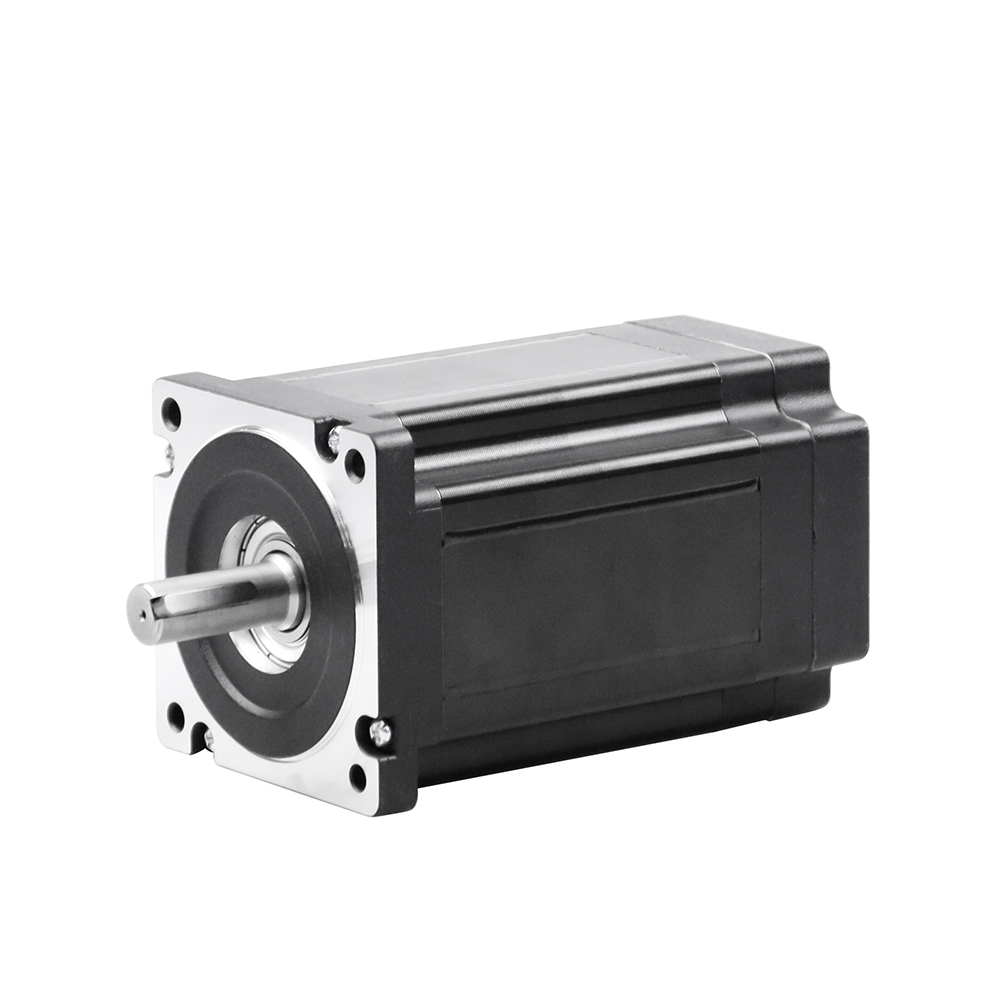
Energy efficiency has become a decisive factor in modern industrial design, automation, home appliances, electric vehicles, and smart equipment. When engineers evaluate motor technologies for efficient power conversion and long-term operational reliability, two major categories dominate the conversation: Brushless DC (BLDC) motors and AC motors.
Both motor types have proven performance in different applications, but when the priority is energy-efficient systems, precise control, and optimized power consumption, the comparison between BLDC motors vs AC motors becomes critical.
In this comprehensive guide, we examine the structural design, efficiency performance, control technology, operating costs, and application suitability of both motor types to determine which motor technology provides superior energy efficiency for modern systems.
Understanding BLDC Motors
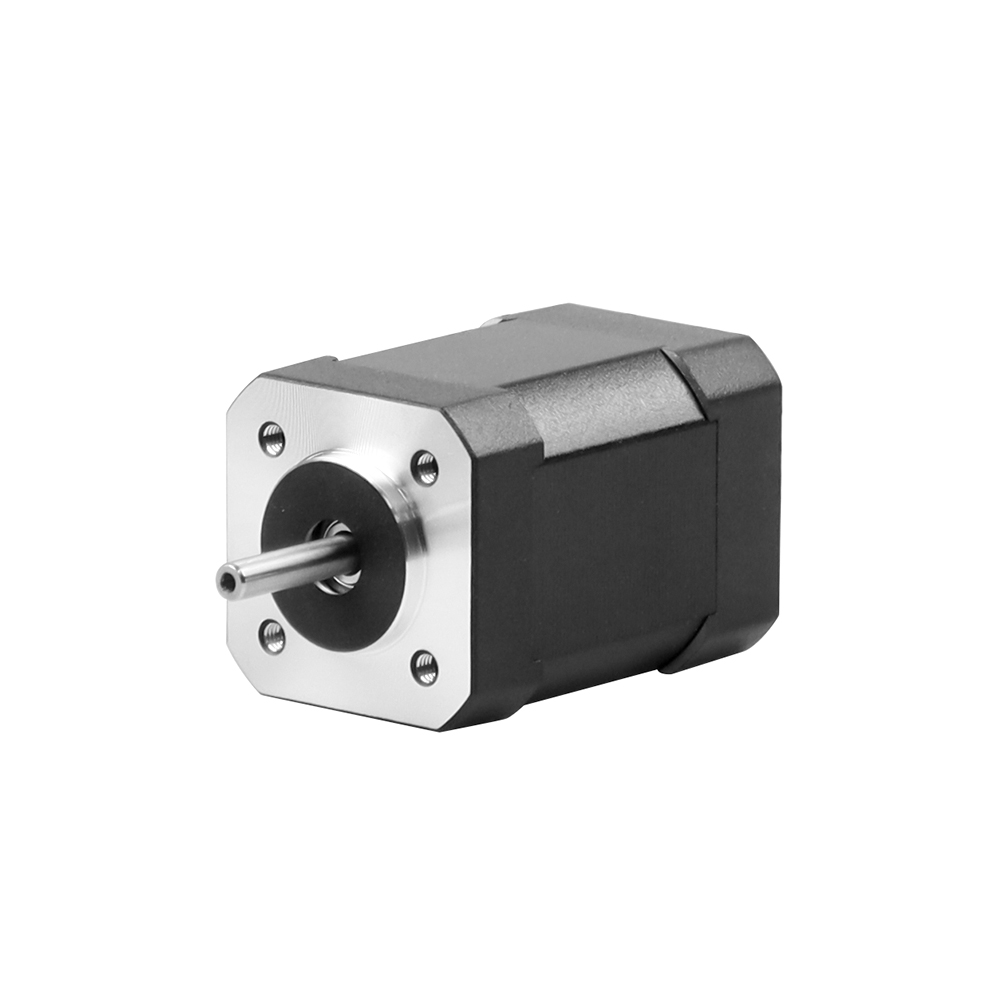
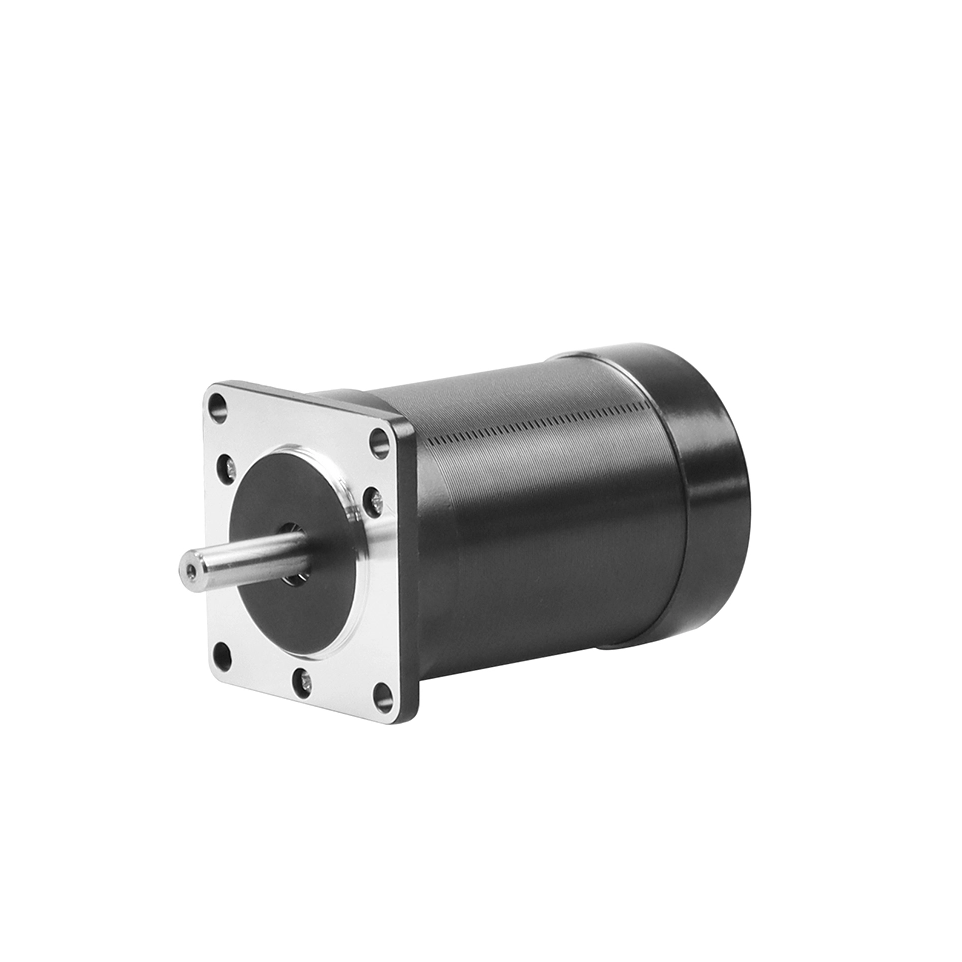
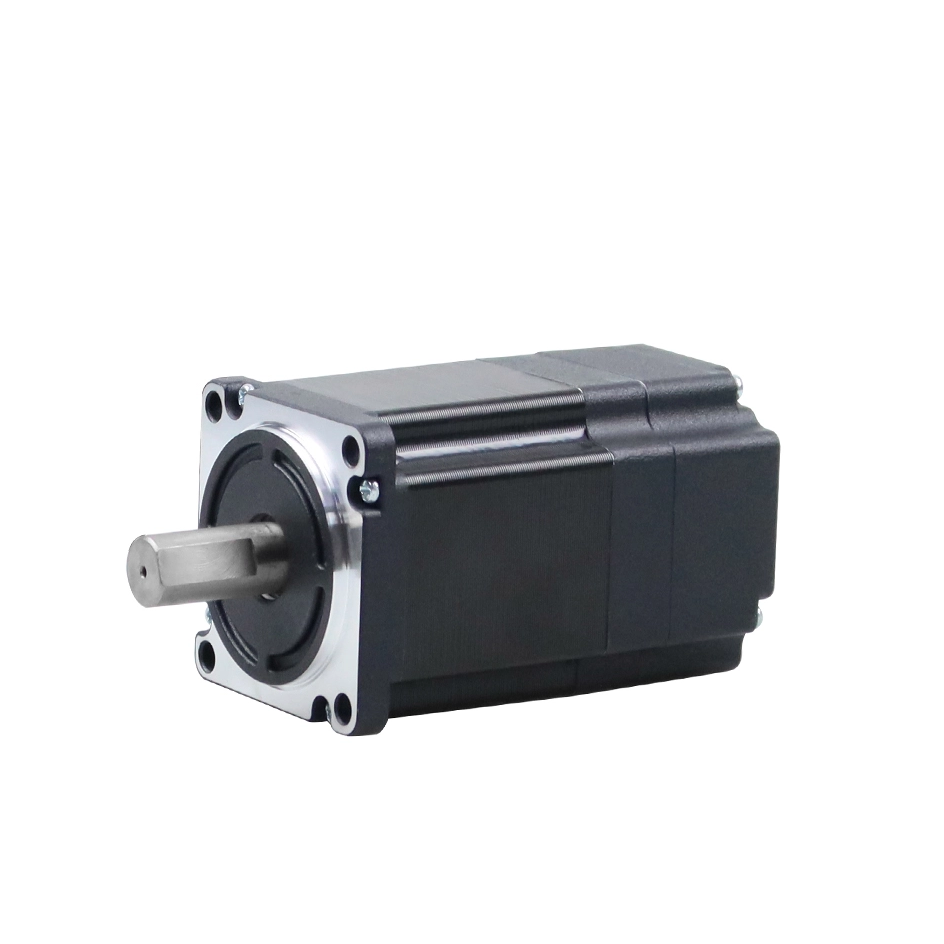
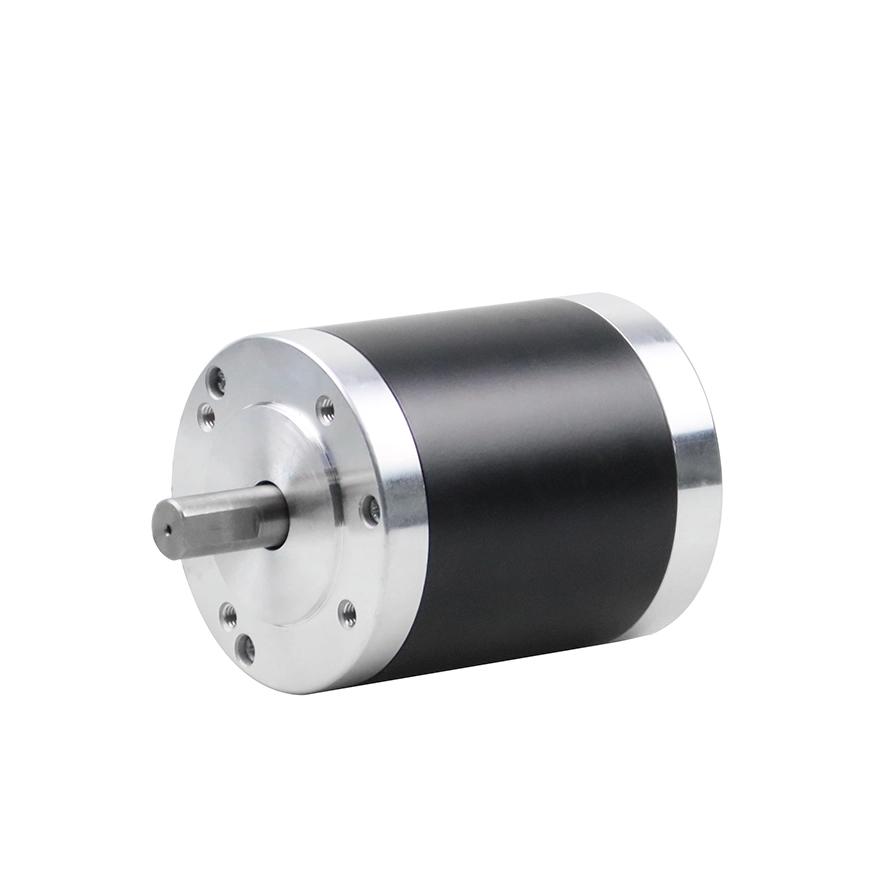
A Brushless DC Motor (BLDC motor) is an electronically commutated motor that operates using permanent magnets on the rotor and electronic controllers instead of mechanical brushes. Unlike traditional brushed motors, BLDC motors eliminate friction-causing components, resulting in higher efficiency, reduced maintenance, and longer operational life.
Key Characteristics of BLDC Motors
Permanent magnet rotor design
Electronic commutation using controllers
High torque-to-weight ratio
Minimal mechanical friction
Low maintenance requirements
The absence of brushes significantly reduces energy losses caused by friction and electrical arcing, making BLDC motors ideal for applications that require consistent energy-efficient operation.
Energy Efficiency Advantages
BLDC motors are widely recognized for delivering efficiency levels of 85–95%, depending on design quality and controller integration. This high efficiency is achieved through:
These advantages allow BLDC motors to convert a greater percentage of electrical energy into mechanical motion.
Understanding AC Motors
An AC motor operates using alternating current and typically relies on electromagnetic induction to generate rotational motion. The two most common types are:
Induction motors
Synchronous motors
AC motors have been the backbone of industrial systems for decades because of their robust structure, reliability, and scalability.
Key Characteristics of AC Motors
Simple and rugged design
No permanent magnets required
Direct connection to AC power sources
Cost-effective for large-scale applications
AC motors are widely used in pumps, compressors, industrial machinery, HVAC systems, and heavy manufacturing equipment.
Typical Energy Efficiency
Standard AC induction motors typically achieve efficiency ratings between 75% and 90%, depending on load conditions, motor size, and efficiency classification (IE2, IE3, IE4).
While high-efficiency AC motors exist, they often require variable frequency drives (VFDs) to improve speed control and energy optimization.
Structural Differences Between BLDC Motors and AC Motors
Understanding the structural design of both motors explains their energy performance differences.
| Feature | BLDC Motor | AC Motor |
| Rotor Type | Permanent magnet | Conductive rotor |
| Commutation | Electronic | Electromagnetic induction |
| Brushes | No | No |
| Controller Requirement | Required | Optional (VFD for control) |
| Efficiency | Very high | Moderate to high |
| Maintenance | Low | Low to moderate |
The permanent magnet rotor of BLDC motors eliminates the need for induced rotor currents, which significantly reduces heat generation and energy losses.
Energy Efficiency Comparison: BLDC vs AC Motors
1. Power Conversion Efficiency
BLDC motors excel in converting electrical energy into mechanical motion.
BLDC Motor Efficiency:
AC Motor Efficiency:
Because AC induction motors rely on rotor current induction, some energy is inevitably lost as heat.
BLDC motors avoid this loss by using direct magnetic interaction between stator windings and rotor magnets.
2. Partial Load Efficiency
Many systems operate below maximum load for most of their lifecycle. In these conditions:
For energy-sensitive applications such as HVAC systems, robotics, smart appliances, and automated equipment, BLDC motors offer superior performance.
3. Heat Generation and Thermal Loss
Energy loss often manifests as heat.
BLDC motors generate significantly less heat because:
AC motors, particularly induction motors, generate more heat due to rotor current flow and magnetic slip.
Lower heat production improves overall system efficiency and component lifespan.
Speed Control and Precision
In modern energy-efficient systems, speed control and precision are critical performance factors. The ability of a motor to maintain accurate speed and respond dynamically to load changes directly affects energy consumption, system efficiency, and operational reliability.
BLDC Motor Speed Control
Brushless DC (BLDC) motors excel in speed control due to their electronically controlled commutation system. Unlike traditional motors that rely on mechanical brushes, BLDC motors use electronic controllers to manage current flow through the stator windings. This allows for:
Precise RPM regulation: The motor can maintain exact rotational speeds, even under variable load conditions.
Dynamic torque adjustment: The controller can instantly adjust the torque output to match system demands, avoiding energy waste.
Smooth acceleration and deceleration: Electronic control eliminates mechanical lag and vibration, improving overall performance.
High responsiveness: BLDC motors can quickly adapt to rapid changes in load or operating conditions, which is essential for robotics, electric vehicles, and precision machinery.
The result is a motor system that operates efficiently at all times, reducing wasted energy while providing accurate motion control.
AC Motor Speed Control
Traditional AC motors, particularly induction motors, operate at speeds determined by the supply frequency. Their speed is largely fixed, and controlling it requires additional hardware, typically Variable Frequency Drives (VFDs). VFDs allow:
Variable speed operation: By adjusting the frequency of the AC supply, the motor speed can be varied.
Moderate efficiency improvement: VFDs help reduce energy consumption during partial load operation, but some losses occur in the drive electronics.
Less precise control: Compared to BLDC motors, AC motors with VFDs respond more slowly to sudden load changes, and fine-grained speed control is less accurate.
While AC motors can achieve variable speed control, BLDC motors inherently provide higher precision and energy efficiency without the need for additional hardware.
Comparison of Speed Control Performance
| Feature | BLDC Motor | AC Motor with VFD |
| Speed Accuracy | High | Moderate |
| Response Time | Fast | Slower |
| Torque Control | Dynamic & precise | Less precise |
| Partial Load Efficiency | Maintains high efficiency | Lower efficiency at partial load |
| System Complexity | Integrated in controller | Requires VFD and additional electronics |
Conclusion: For applications where exact speed regulation and energy-efficient performance are critical—such as drones, robotics, medical devices, and precision automation—BLDC motors are superior. AC motors, even with VFDs, are better suited for large-scale industrial machinery where extreme precision is not a primary requirement.
Operating Costs and Lifecycle Efficiency
Energy efficiency should be evaluated not only by power consumption but also by lifecycle operational costs.
BLDC Motor Operating Costs
BLDC motors offer:
Lower energy consumption
Minimal maintenance
Long service life
Reduced downtime
Although initial purchase costs may be higher, the total cost of ownership (TCO) is often significantly lower.
AC Motor Operating Costs
AC motors have lower upfront costs but may incur higher long-term expenses due to:
Higher energy consumption
Reduced efficiency under variable loads
Potential maintenance requirements
In energy-intensive environments, these factors can dramatically increase operating expenses.
Application Comparison
Applications Where BLDC Motors Excel
BLDC motors dominate industries where efficiency, precision, and compact design are required.
Common applications include:
These applications benefit from the high efficiency and precise control capabilities of BLDC motors.
Applications Where AC Motors Are Preferred
AC motors remain the preferred solution for heavy-duty industrial operations where simplicity and durability matter most.
Typical uses include:
Industrial pumps
Large compressors
Conveyor systems
Mining equipment
Large HVAC systems
For these high-power applications, AC motors provide cost-effective and rugged performance.
Reliability and Maintenance
BLDC Motor Reliability
BLDC motors offer exceptional durability due to their brushless construction.
Key reliability benefits include:
These features make BLDC motors highly suitable for continuous operation systems.
AC Motor Reliability
AC motors are also extremely reliable, particularly induction motors, due to their simple design and robust construction.
However, they may experience:
Environmental Impact and Sustainability
In today's world, the environmental footprint of electrical systems is as important as their performance. Motors are at the heart of industrial operations, household appliances, and electric vehicles, making their efficiency and sustainability a major contributor to energy conservation and carbon emission reduction. Understanding the environmental impact of BLDC and AC motors is critical for designing green, energy-efficient systems.
BLDC Motors and Environmental Benefits
Brushless DC (BLDC) motors are inherently more environmentally friendly due to their high efficiency, long lifespan, and low maintenance requirements. Key sustainability advantages include:
1. Reduced Energy Consumption
BLDC motors typically achieve 85–95% efficiency, converting most of the input electrical energy into mechanical work. Lower energy consumption directly reduces electricity demand, resulting in lower greenhouse gas emissions from power generation.
2. Minimal Heat Generation
Because BLDC motors avoid brush friction and minimize copper and rotor losses, they generate less waste heat, reducing the need for auxiliary cooling systems. This leads to additional energy savings and fewer emissions associated with HVAC or cooling equipment.
3. Longer Operational Lifespan
BLDC motors have fewer mechanical parts that wear out, meaning they last longer and require fewer replacements. This contributes to less industrial waste, reduced raw material usage, and lower lifecycle environmental impact.
4. Compatibility with Renewable Energy Systems
BLDC motors are highly suitable for solar-powered or battery-operated systems, such as electric vehicles, drones, and home automation. Their high efficiency maximizes the utilization of clean energy sources, enhancing overall system sustainability.
AC Motors and Environmental Considerations
AC motors, especially standard induction motors, are widely used due to their robustness and affordability, but their environmental impact is slightly higher in some scenarios:
1. Moderate Energy Efficiency
Standard AC motors typically operate at 75–90% efficiency, which is lower than BLDC motors. Energy losses occur mainly due to rotor currents and magnetic slip, increasing electricity consumption and the associated carbon footprint over time.
2. Higher Heat Loss
AC motors generate more heat during operation, especially under variable loads. Additional cooling may be required, consuming more energy and indirectly contributing to higher greenhouse gas emissions.
3. Lifespan and Maintenance
While AC motors are reliable, they often experience wear and tear on bearings and windings, which can lead to earlier replacement or higher maintenance requirements. This increases material consumption and environmental impact over the motor's lifecycle.
4. Integration with Green Technology
AC motors can work efficiently with Variable Frequency Drives (VFDs), which improve energy efficiency in partial-load operations. However, they are less inherently energy-efficient compared to BLDC motors, especially in dynamic or intermittent load systems.
Lifecycle Sustainability Comparison
| Feature | BLDC Motor | AC Motor |
| Energy Efficiency | 85–95% | 75–90% |
| Heat Generation | Low | Moderate to high |
| Maintenance Needs | Minimal | Moderate |
| Material and Replacement Needs | Low | Higher |
| Renewable Energy Compatibility | Excellent | Good but less optimized |
From a sustainability perspective, BLDC motors provide lower environmental impact, particularly in applications where continuous energy savings, reduced maintenance, and integration with renewable systems are priorities.
Role in Global Energy Conservation
As governments and industries adopt energy efficiency standards and carbon reduction mandates, the choice of motor technology significantly affects environmental outcomes:
BLDC motors contribute to lower operational carbon emissions across industrial, commercial, and consumer applications.
AC motors remain valuable in high-power, heavy-duty systems, but their energy losses can have a more significant environmental impact over time.
Incorporating BLDC motors into smart buildings, electric vehicles, robotics, and industrial automation aligns with sustainable engineering practices and global energy conservation initiatives.
Conclusion
For organizations prioritizing green technology and sustainability, BLDC motors clearly offer superior environmental performance. Their combination of high efficiency, minimal heat loss, long service life, and renewable energy compatibility makes them ideal for next-generation energy-efficient systems. While AC motors remain essential in certain industrial contexts, BLDC motors represent the future of eco-friendly, low-carbon, and high-performance motor solutions.
Future Trends in Motor Technology
The global shift toward smart automation, electrification, and green technology is accelerating the adoption of BLDC motors.
Several trends highlight this transition:
Expansion of electric vehicles
Growth of smart home appliances
Industrial automation upgrades
Energy efficiency regulations worldwide
As controller technology becomes more affordable, BLDC motors are increasingly replacing traditional AC motors in many applications.
Final Verdict: Which Motor Is Better for Energy-Efficient Systems?
When evaluating BLDC motors vs AC motors for energy-efficient systems, BLDC motors clearly offer several advantages:
While AC motors remain essential for large-scale industrial applications, BLDC motors are rapidly becoming the preferred choice for modern energy-efficient technologies.
Organizations seeking maximum energy savings, improved performance, and intelligent system control increasingly rely on BLDC motor technology to power next-generation equipment.