What Are The Benefits of Integrated Servo Motors in Embroidery Machines?
Views: 0 Author: Site Editor Publish Time: 2026-04-21 Origin: Site
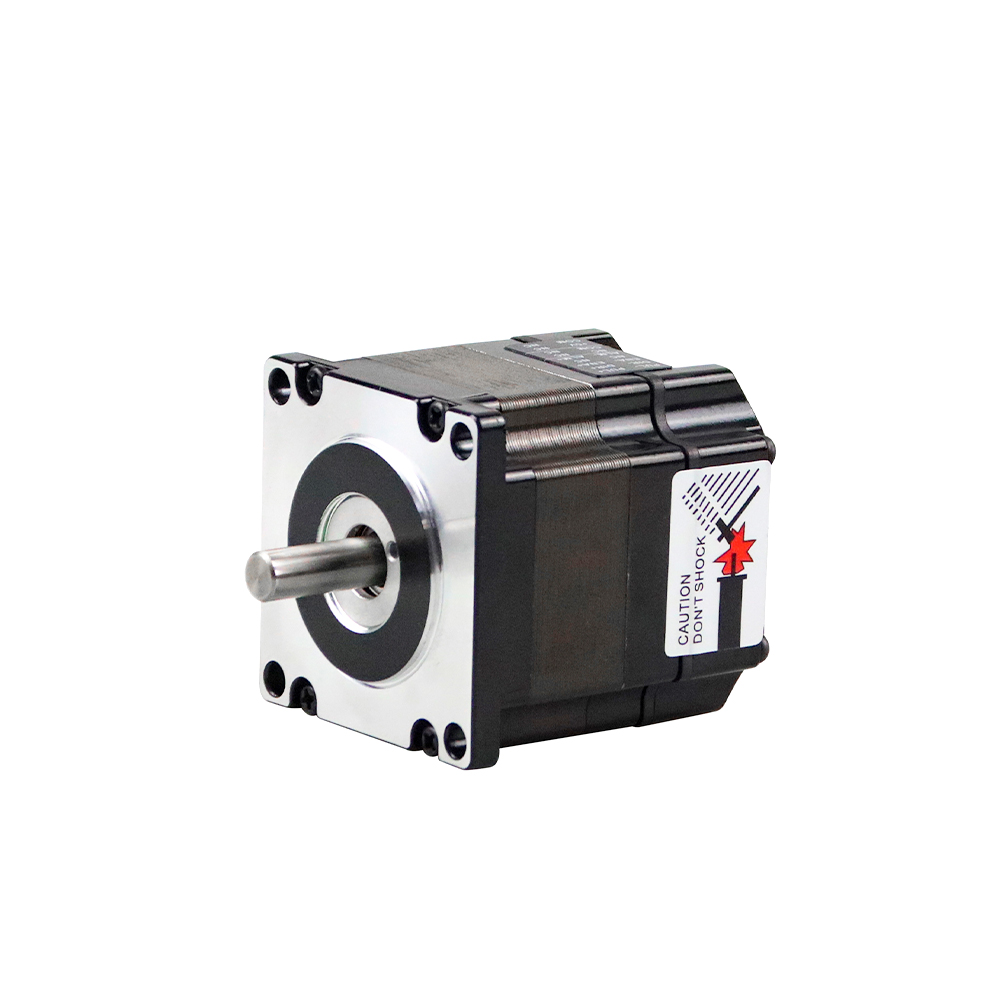
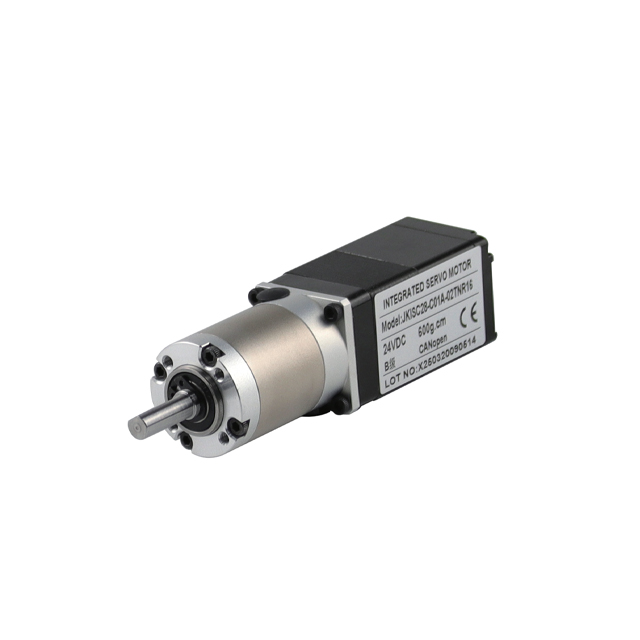
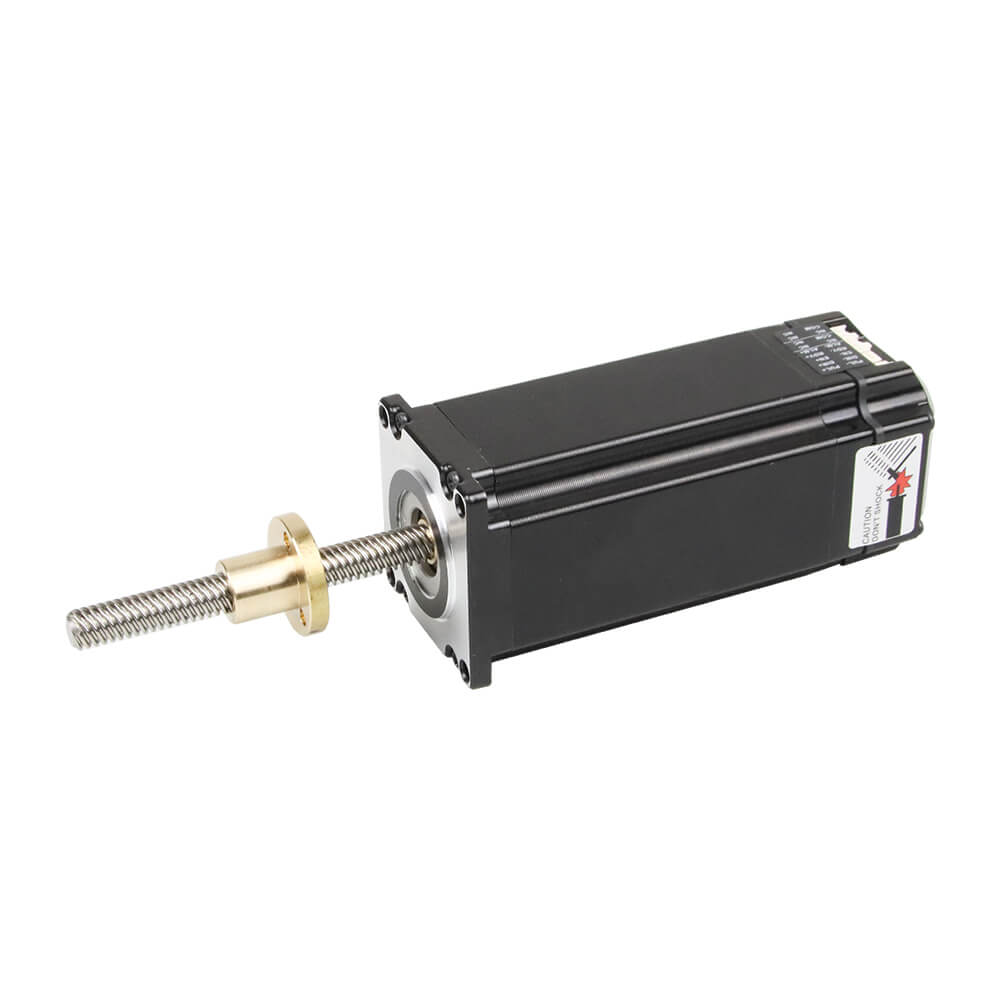
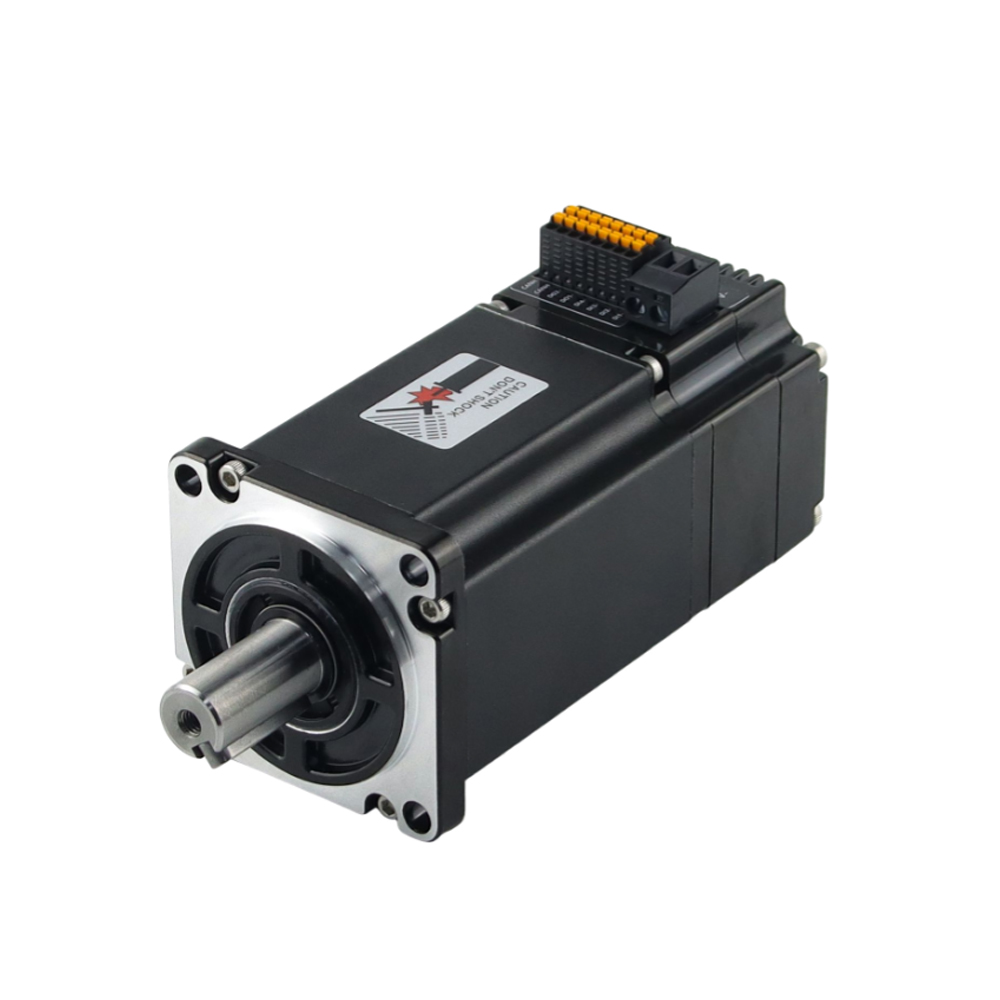
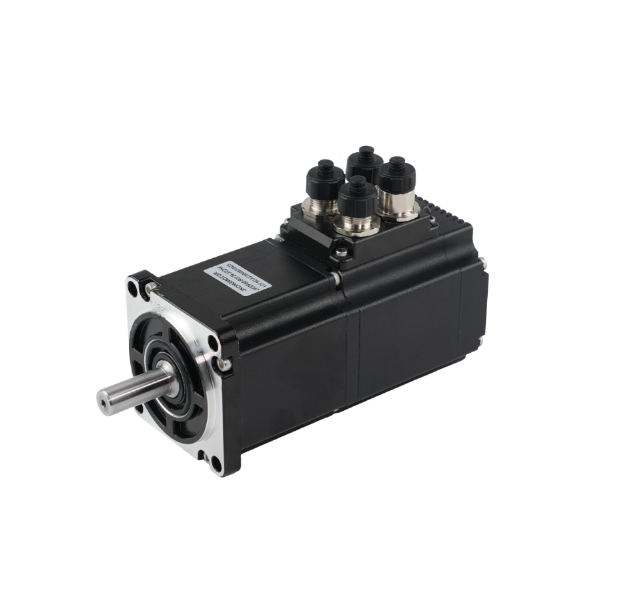
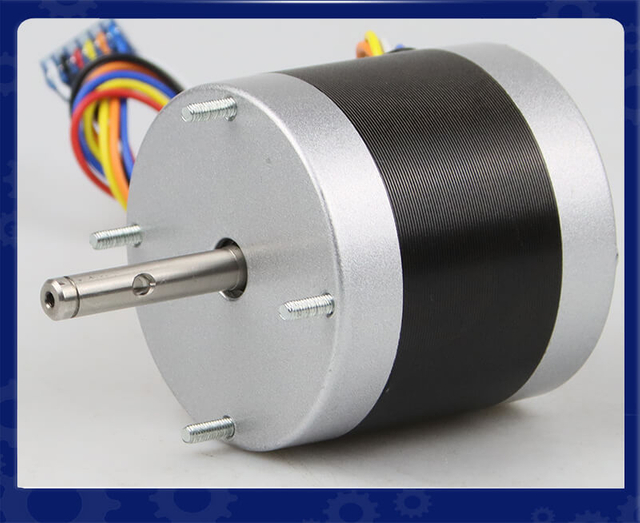
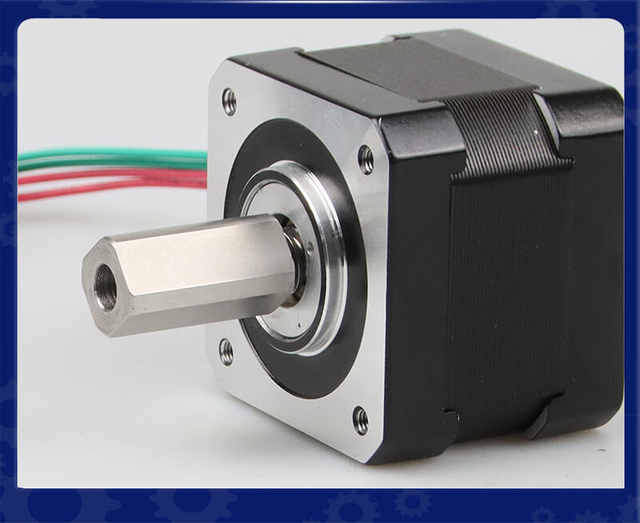
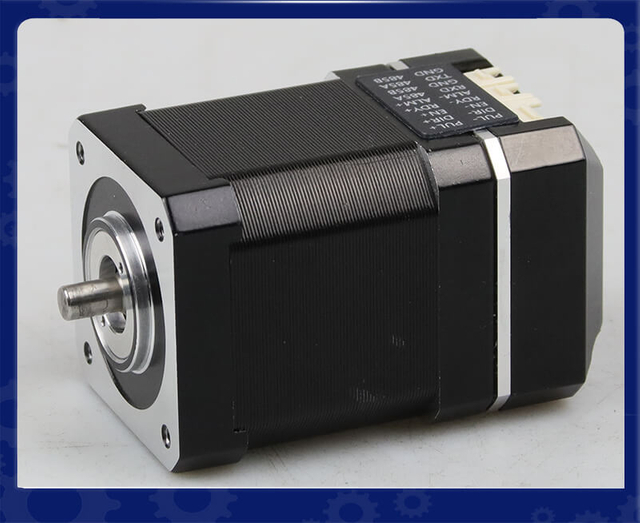
The embroidery industry is rapidly evolving toward higher precision, faster production speeds, and smarter automation. As manufacturers seek competitive advantages, integrated servo motors have emerged as a transformative solution for modern embroidery machines. By combining the servo motor, driver, encoder, and control electronics into a single compact unit, integrated servo motors significantly enhance performance, reliability, and system efficiency.
We are witnessing a major shift from traditional stepper motors and separated servo systems to fully integrated servo motor technology, particularly in multi-head embroidery machines, high-speed textile automation, and smart embroidery production lines. In this article, we explore in detail the key benefits of integrated servo motors in embroidery machines and why they are becoming the preferred choice for manufacturers worldwide.
Higher Precision Stitch Control for Superior Embroidery Quality
Precision is the most critical factor in embroidery machines. Integrated servo motors deliver exceptional positioning accuracy, ensuring consistent stitch quality, even at high speeds.
Unlike conventional motors, integrated servo motors utilize closed-loop feedback systems with high-resolution encoders. This allows real-time correction of position deviations, resulting in:
Uniform stitch length
Accurate thread placement
Smooth pattern transitions
Reduced thread breakage
For complex embroidery patterns, such as logos, fine text, and decorative stitching, micron-level positioning accuracy becomes essential. Integrated servo motors maintain stable torque and smooth motion, preventing vibration and ensuring clean, professional embroidery results.
This improved precision is especially valuable in:
High-end fashion embroidery
Automotive interior stitching
Technical textile embroidery
Sportswear branding applications
By improving stitching consistency, integrated servo motors reduce defect rates and enhance product quality, directly improving production profitability.
Compact Design That Saves Valuable Machine Space
This compact integrated architecture is one of the most significant advantages of integrated servo motors in embroidery machines, enabling manufacturers to design smaller, lighter, and more efficient embroidery systems without sacrificing performance.
Traditional servo motor systems typically consist of multiple components:
Separate servo motor
External servo driver
Encoder module
Control cables
Power wiring
Control cabinet space
These components require additional mounting space, complex wiring layouts, and larger control cabinets. In contrast, integrated servo motors combine all essential components into a single compact housing, eliminating the need for external drivers and reducing overall system complexity.
This all-in-one design provides significant space-saving benefits:
Reduced control cabinet size
Simplified mechanical layout
Minimal wiring requirements
Lower installation footprint
For embroidery machine manufacturers, this compact design enables more flexible machine architecture and better space utilization, particularly in multi-head embroidery machines where multiple motors operate within limited mechanical space.
Optimized Multi-Head Embroidery Machine Design
Multi-head embroidery machines require multiple synchronized motors to control needle movement, fabric positioning, and thread management. Traditional motor systems increase complexity and consume valuable installation space.
Integrated servo motors allow manufacturers to:
Install more embroidery heads within the same footprint
Improve head spacing and alignment
Reduce cable congestion
Simplify system integration
With compact integrated servo motors, machine designers can optimize the layout of embroidery heads, resulting in higher productivity without increasing machine size.
This advantage is particularly valuable for:
High-density embroidery production
Industrial garment manufacturing
Logo embroidery systems
Automated textile production lines
By reducing mechanical bulk, integrated servo motors help manufacturers maximize production capacity within limited factory space.
Lightweight Design Improves Machine Performance
Compact integrated servo motors are not only smaller but also lighter than traditional motor systems. This lightweight design offers several performance benefits:
Faster acceleration and deceleration
Reduced mechanical inertia
Improved motion responsiveness
Lower structural stress on embroidery heads
In high-speed embroidery machines, reduced weight improves motion stability, allowing faster stitching speeds without compromising accuracy.
Lightweight motors also contribute to:
Reduced vibration
Improved stitch quality
Extended machine lifespan
Lower maintenance requirements
These advantages make integrated servo motors ideal for precision embroidery applications where speed and accuracy must coexist.
Simplified Wiring and Cleaner Machine Layout
Wiring complexity is a common challenge in embroidery machine design. Traditional servo systems require multiple cables running between motor, driver, and controller, creating:
Cable clutter
Installation difficulty
Higher risk of wiring errors
Increased maintenance complexity
Integrated servo motors dramatically reduce wiring requirements, as most electronics are built directly into the motor housing.
This simplified wiring provides:
Cleaner machine layout
Faster installation
Reduced assembly time
Improved reliability
A cleaner wiring environment also improves electromagnetic compatibility (EMC), reducing signal interference and ensuring stable embroidery machine operation.
Smaller Control Cabinets and Reduced System Complexity
Traditional embroidery machines often require large control cabinets to house servo drivers and motion control electronics. These cabinets increase:
Machine size
Cooling requirements
System cost
Installation complexity
Integrated servo motors eliminate the need for external servo drivers, allowing manufacturers to reduce control cabinet size or even eliminate cabinets entirely in some compact designs.
Benefits of smaller control systems include:
Reduced machine footprint
Lower cooling requirements
Simplified electrical architecture
Improved energy efficiency
This is particularly beneficial for compact embroidery machines, desktop embroidery systems, and automated production lines.
Improved Modular Design for Flexible Machine Development
Compact integrated servo motors support modular embroidery machine designs, allowing manufacturers to:
Add or remove embroidery heads easily
Upgrade systems quickly
Simplify machine maintenance
Improve production scalability
Modular architecture also helps manufacturers standardize machine components, reducing engineering complexity and improving production efficiency.
This flexibility is essential for manufacturers producing:
Custom embroidery machines
Scalable production equipment
Smart embroidery automation systems
Integrated servo motors enable faster product development cycles and more adaptable machine designs.
Better Thermal Management in Compact Systems
Despite their compact size, modern integrated servo motors are designed with efficient thermal management systems. Advanced cooling technologies ensure:
Stable operating temperatures
Improved motor lifespan
Consistent performance
Reduced overheating risk
Efficient thermal design allows compact integrated servo motors to deliver high power density, making them suitable for high-speed embroidery applications.
Improved thermal performance also reduces:
Cooling system requirements
Fan noise
Maintenance costs
This contributes to more efficient and reliable embroidery machines.
Ideal for Smart and Automated Embroidery Machines
As embroidery machines evolve toward automation and smart manufacturing, compact integrated servo motors provide the foundation for intelligent machine design.
Compact motor architecture supports:
Smart control integration
IoT connectivity
Multi-axis synchronization
Automated production systems
These capabilities allow manufacturers to develop next-generation smart embroidery machines with advanced functionality and compact designs.
Leanmotor Customized Service
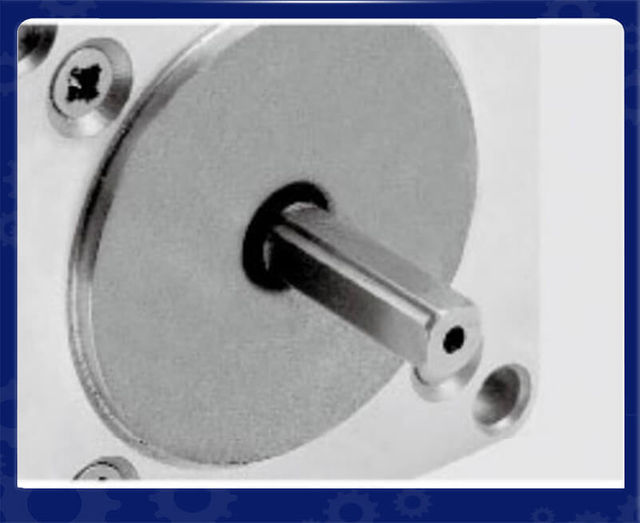
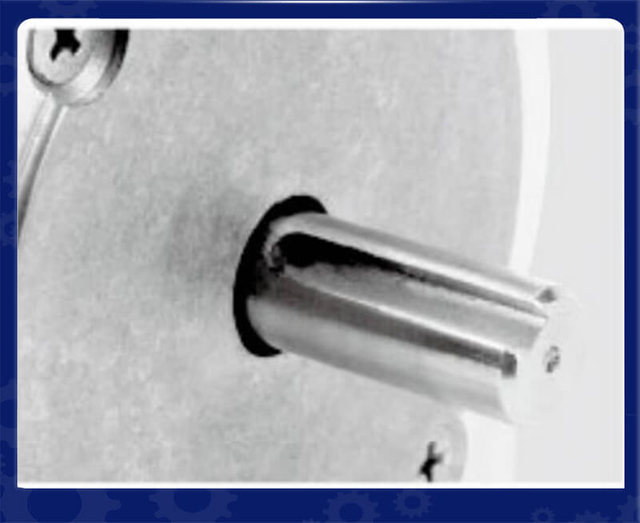
Customized Shaft Service
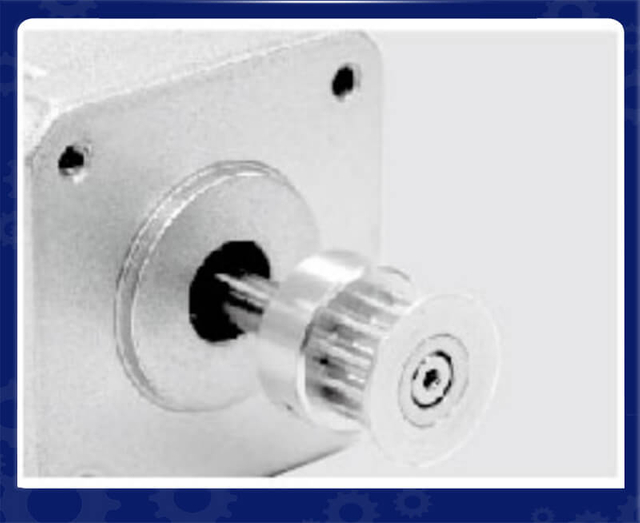
Metal Pulleys
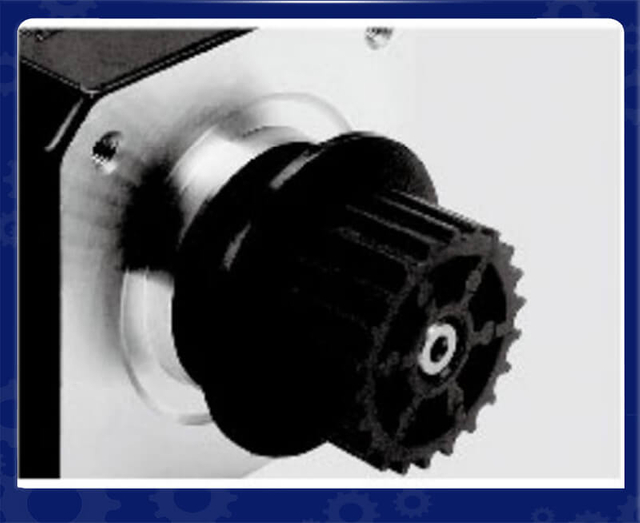
Plastic Pulley
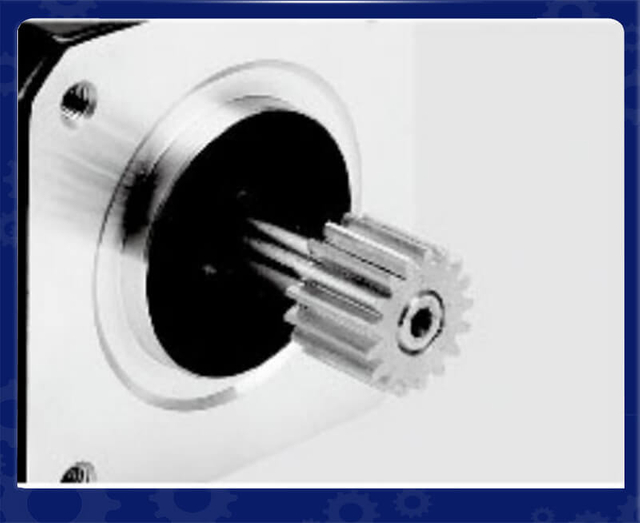
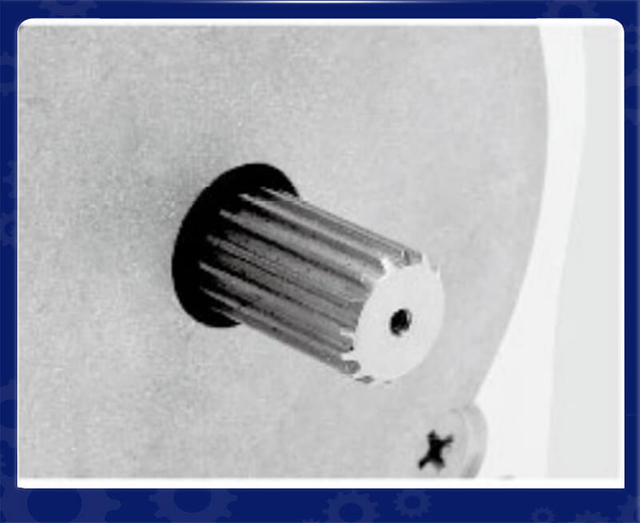
Gear
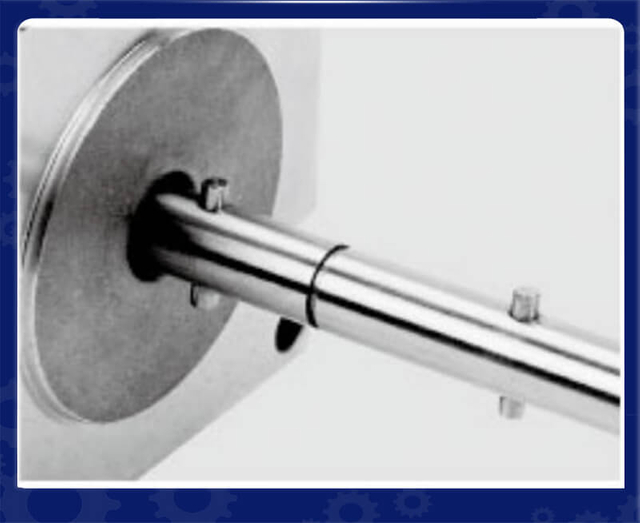
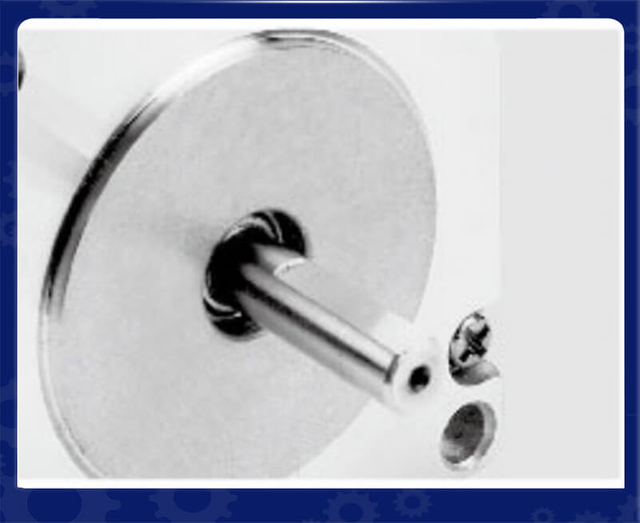
Shaft Pin
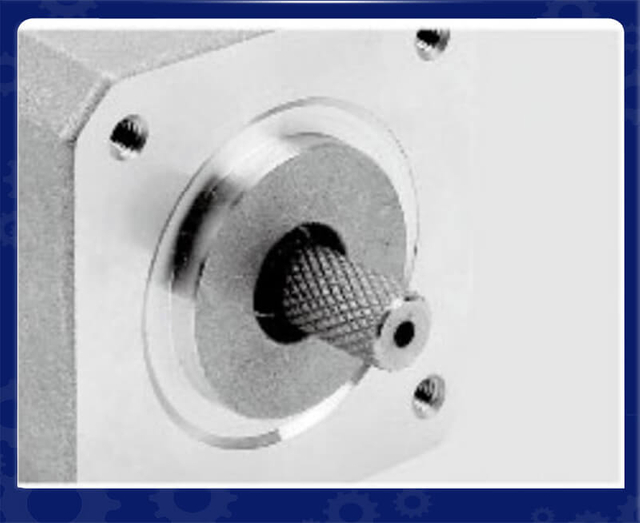
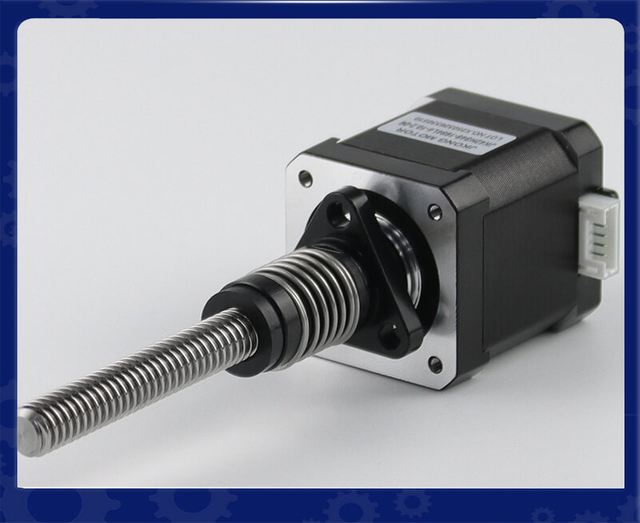
Threaded Shaft
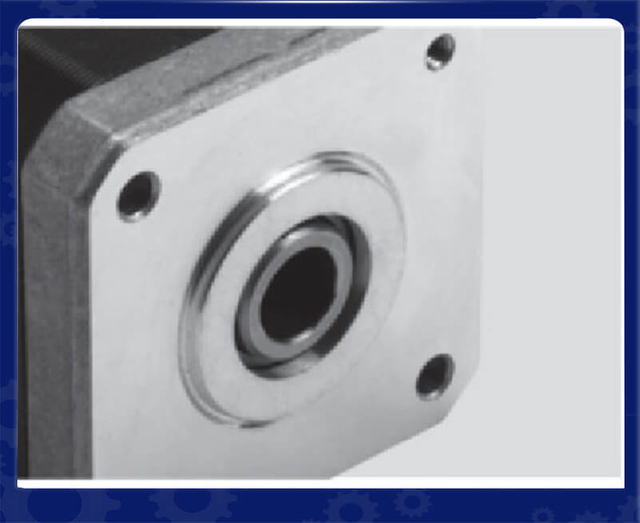
Panel Mount
Hollow Shaft
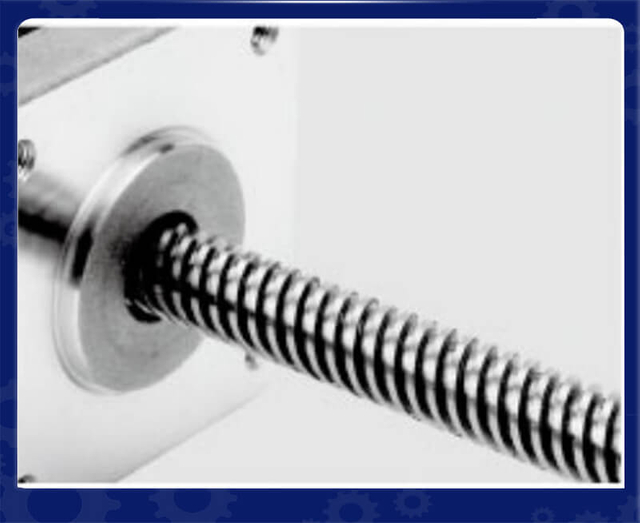
Lead Screw
Panel Mount
Single Flat
Dual Flat
Key Shaft
Customized Motor Service
Cables
Covers
Shaft
Lead Screw Rod
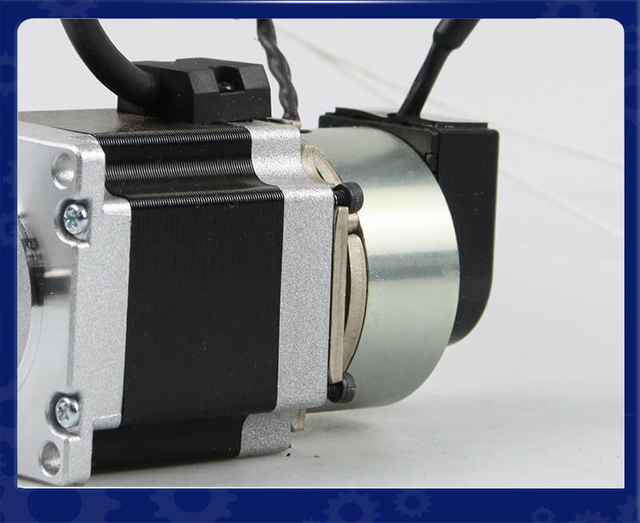
Encoders
Brakes
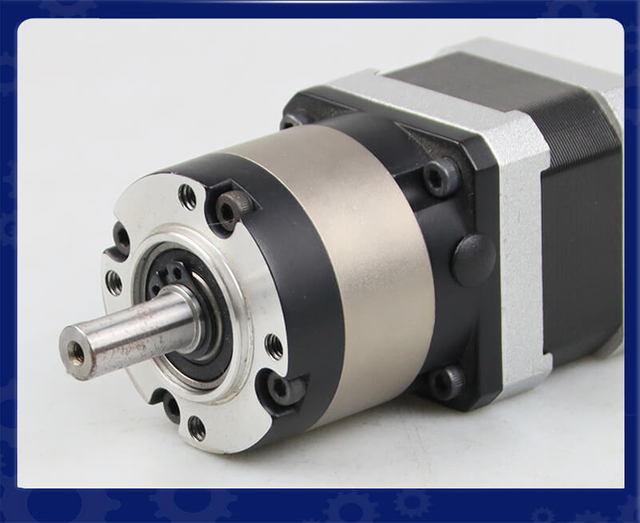
Gearboxes
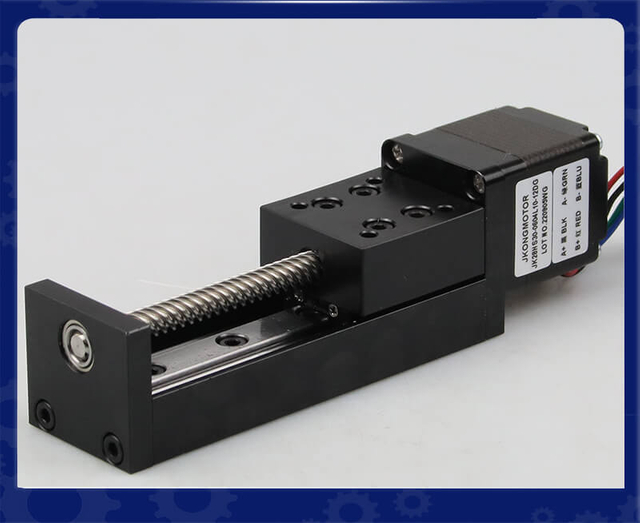
Linear Module
Integrated Drivers
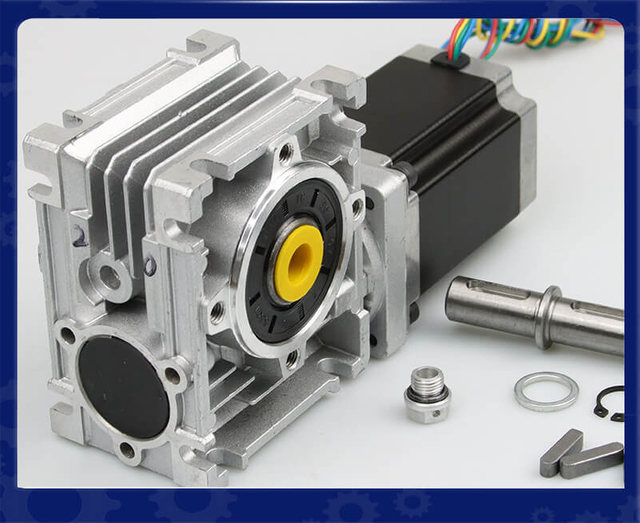
Worm Gearbox
Faster Response and Higher Production Speed
Modern embroidery production demands high throughput without compromising accuracy. Integrated servo motors deliver fast dynamic response and rapid acceleration/deceleration, enabling higher production speeds.
Key performance advantages include:
High-speed needle positioning
Rapid frame movement
Quick thread trimming operations
Smooth pattern switching
Integrated servo motors provide instant torque output, which allows embroidery machines to operate at higher RPMs while maintaining stability.
This is especially beneficial in:
Mass garment production
Logo embroidery
Multi-layer fabric stitching
Continuous production environments
Higher speed combined with precision leads to:
Increased production capacity
Reduced cycle times
Faster order fulfillment
Improved manufacturing efficiency
As a result, embroidery manufacturers can increase output without adding additional machines, significantly reducing capital investment.
Reduced Wiring and Simplified Installation
One of the most practical advantages of integrated servo motors is dramatically simplified wiring. Traditional servo systems require:
Power cables
Encoder cables
Communication cables
Driver wiring
Integrated servo motors reduce these connections to minimal cabling, which offers several benefits:
Faster machine assembly
Lower wiring errors
Improved reliability
Easier maintenance
Reduced wiring also improves electromagnetic compatibility (EMC), minimizing interference that could affect sensitive embroidery operations.
For manufacturers building large-scale embroidery machines, simplified wiring can significantly reduce production time and labor costs.
Lower Maintenance and Improved Reliability
Reliability is essential for embroidery machines operating in continuous production environments. Integrated servo motors provide enhanced durability and long-term operational stability.
With fewer external components, integrated servo motors offer:
Reduced connection failures
Lower cable wear
Improved vibration resistance
Enhanced thermal management
Additionally, many integrated servo motors include:
Built-in protection functions
Overload protection
Over-temperature protection
Fault diagnostics
These features help prevent machine downtime and allow predictive maintenance, which is critical for 24/7 embroidery operations.
Improved reliability translates into:
Lower maintenance costs
Reduced downtime
Increased production uptime
Higher equipment lifespan
For embroidery manufacturers, this directly improves overall operational efficiency.
Energy Efficiency and Reduced Power Consumption
Energy efficiency has become increasingly important in modern manufacturing. Integrated servo motors are designed for optimized power usage and high-efficiency operation.
Compared to traditional motors, integrated servo motors offer:
Higher torque efficiency
Lower heat generation
Reduced idle power consumption
Smart energy management
These advantages help embroidery machine manufacturers:
Lower electricity costs
Reduce cooling requirements
Improve environmental sustainability
Meet energy-saving regulations
Energy-efficient operation is particularly beneficial in large embroidery factories where multiple machines run simultaneously.
Over time, reduced energy consumption leads to significant cost savings, making integrated servo motors a cost-effective long-term investment.
Smooth and Quiet Operation for Better Working Environment
Integrated servo motors provide smooth motion control and low noise operation, improving working conditions in embroidery workshops.
Compared to stepper motors, integrated servo motors:
Reduce vibration
Minimize noise levels
Improve stitching smoothness
Extend machine lifespan
Low-noise operation is particularly valuable for:
High-density production facilities
Indoor manufacturing environments
Precision embroidery applications
A quieter and smoother operation also contributes to higher product consistency and improved operator comfort.
Advanced Communication and Smart Control Integration
Modern embroidery machines require intelligent control systems for automation and smart manufacturing. Integrated servo motors support advanced communication protocols, including:
These features support Industry 4.0 embroidery machine designs, helping manufacturers move toward smart textile automation.
Flexible Customization for Embroidery Machine Applications
Integrated servo motors can be customized to meet specific embroidery machine requirements. Customization options include:
Different torque ratings
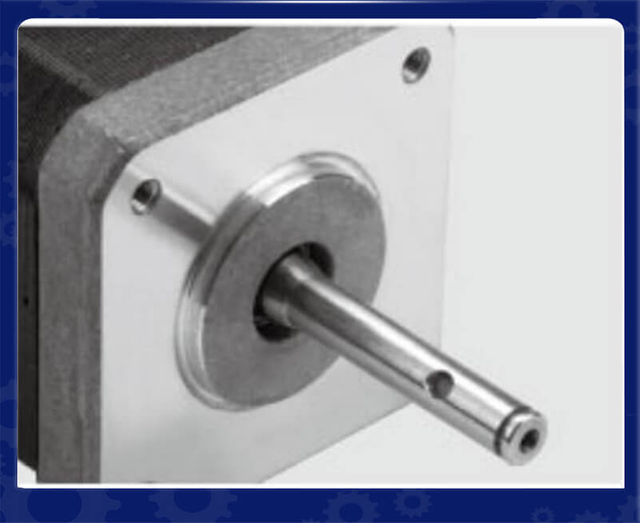
Shaft configurations
Mounting designs
Encoder resolutions
Waterproof protection levels
These customization capabilities allow manufacturers to optimize performance for:
Flat embroidery machines
Cap embroidery machines
Multi-head embroidery systems
Industrial embroidery production lines
Customized integrated servo motors help ensure perfect compatibility and maximum efficiency.
Lower Total Cost of Ownership (TCO)
Although integrated servo motors may have a higher upfront cost, they significantly reduce total system costs over time.
Cost-saving factors include:
Reduced wiring costs
Lower installation labor
Minimal maintenance expenses
Higher production efficiency
Reduced downtime
Additionally, integrated servo motors reduce:
Control cabinet size
Cooling system requirements
Spare parts inventory
When evaluating the total cost of ownership, integrated servo motors provide superior long-term value for embroidery machine manufacturers.
Future Trends: Integrated Servo Motors in Smart Embroidery Machines
The embroidery industry is entering a new era driven by automation, intelligence, and digital manufacturing. As production demands increase and customization becomes more complex, integrated servo motors are evolving into the core motion technology powering smart embroidery machines. These motors are no longer just motion components — they are becoming intelligent control hubs that enable faster, more flexible, and highly efficient embroidery systems.
Below are the key future trends shaping integrated servo motors in smart embroidery machines.
AI-Driven Motion Control for Adaptive Embroidery
Artificial intelligence is beginning to influence embroidery machine design, and integrated servo motors will play a central role in AI-driven motion control. Future smart embroidery machines will use real-time data analysis to automatically adjust motor performance based on:
Fabric thickness variations
Thread tension changes
Stitch density requirements
Pattern complexity
With AI integration, integrated servo motors will automatically optimize speed, torque, and positioning, ensuring consistent stitch quality across different materials.
This intelligent motion control will benefit:
Multi-layer embroidery
Elastic fabric stitching
High-density decorative embroidery
Technical textile applications
AI-enabled servo systems will also reduce manual adjustments, allowing operators to switch between patterns and materials without complex configuration.
IoT Connectivity and Remote Monitoring
Future embroidery machines will increasingly rely on IoT-enabled integrated servo motors. These motors will provide real-time operational data to centralized monitoring systems, including:
Motor temperature
Load conditions
Speed performance
Error diagnostics
Operating hours
This data allows manufacturers to implement predictive maintenance, preventing unexpected downtime and improving production efficiency.
IoT-connected integrated servo motors also enable:
Remote troubleshooting
Cloud-based performance analysis
Production optimization
Smart factory integration
For large embroidery factories, remote monitoring helps reduce maintenance costs and maximize equipment uptime, making production more efficient and reliable.
Higher Precision with Advanced Encoder Technology
Future integrated servo motors will feature next-generation high-resolution encoders, delivering even greater precision and smoother motion.
Advanced encoder technology will provide:
Ultra-fine stitch positioning
Reduced vibration
Faster response time
Improved multi-axis synchronization
This is particularly important for high-end embroidery applications, including:
Luxury fashion embroidery
Automotive textile interiors
Medical textile embroidery
High-precision branding applications
Higher precision motors will also support more complex embroidery patterns, allowing manufacturers to expand design capabilities.
Compact and Lightweight Motor Designs
Machine manufacturers are continuously working to reduce machine size and improve efficiency. Future integrated servo motors will become:
More compact
Lighter weight
Higher power density
More thermally efficient
Compact integrated servo motors allow more embroidery heads in the same footprint, improving production capacity without expanding factory space.
Lightweight motor designs also provide:
Faster acceleration
Reduced mechanical wear
Improved energy efficiency
Enhanced machine responsiveness
These advancements will support high-speed embroidery machines operating at maximum efficiency.
Energy-Efficient and Sustainable Manufacturing
Energy efficiency will continue to be a major focus in smart embroidery machines. Future integrated servo motors will feature:
Low power consumption
Intelligent power management
Regenerative braking technology
Reduced heat generation
Energy-efficient integrated servo motors help manufacturers:
Reduce operating costs
Improve sustainability
Lower cooling requirements
Meet environmental regulations
As embroidery factories move toward green manufacturing, integrated servo motors will become a key component of energy-efficient production systems.
Multi-Axis Synchronization for High-Speed Embroidery
Smart embroidery machines often require multiple motors working simultaneously. Future integrated servo motors will provide advanced multi-axis synchronization capabilities.
This allows:
Precise needle positioning
Smooth frame movement
Accurate thread trimming
Coordinated embroidery head motion
Improved synchronization ensures smooth and stable operation, even at extremely high speeds.
Multi-axis integrated servo motors are particularly beneficial for:
Multi-head embroidery machines
Automated embroidery production lines
High-speed industrial embroidery systems
This technology will significantly increase production efficiency while maintaining high-quality stitching results.
Plug-and-Play Smart Motor Integration
Future integrated servo motors will support plug-and-play functionality, allowing faster installation and easier system integration.
Plug-and-play advantages include:
Reduced setup time
Simplified wiring
Automatic configuration
Faster commissioning
Machine manufacturers will be able to reduce assembly time and improve production efficiency, making smart embroidery machines more cost-effective.
This flexibility is essential for modern embroidery machine production.
Enhanced Customization for Specialized Embroidery Machines
As embroidery applications diversify, integrated servo motors will offer more customization options, including:
Specialized torque profiles
Custom mounting designs
Waterproof protection
Dust-resistant structures
High-temperature resistance
These customized integrated servo motors will support:
Industrial embroidery machines
Outdoor textile embroidery
Heavy-duty embroidery systems
Automated smart embroidery lines
Customization ensures optimal performance for different embroidery environments.
Industry 4.0 Integration and Smart Factory Automation
Integrated servo motors will become a core component of Industry 4.0 embroidery systems. Future smart embroidery machines will include:
Real-time production monitoring
Automated process optimization
Data-driven quality control
Machine learning performance improvement
Integrated servo motors will provide the motion intelligence required for fully automated embroidery production lines.
Smart factories using integrated servo motors will achieve:
Higher production efficiency
Lower operational costs
Reduced downtime
Improved product consistency
These advantages will accelerate the adoption of smart embroidery manufacturing worldwide.
Summary
Integrated servo motors are shaping the future of embroidery machines through intelligent control, high precision, energy efficiency, and smart connectivity. As automation and smart manufacturing continue to evolve, these motors will become essential components of next-generation embroidery systems.
Manufacturers adopting advanced integrated servo motor technology will gain significant advantages in productivity, reliability, and embroidery quality, ensuring long-term success in an increasingly competitive textile industry.
Integrated servo motors are not just improving embroidery machines — they are redefining the future of smart embroidery manufacturing.
Conclusion: Why Integrated Servo Motors Are Essential for Modern Embroidery Machines
Integrated servo motors provide unmatched precision, compact design, energy efficiency, and intelligent control capabilities. These advantages significantly enhance embroidery quality, production speed, and system reliability.
As embroidery manufacturers continue to pursue automation, efficiency, and high-quality production, integrated servo motors will remain a key technology driving innovation in the embroidery industry.
By adopting integrated servo motor solutions, embroidery machine manufacturers can increase productivity, reduce operational costs, and achieve superior embroidery performance, ensuring long-term competitiveness in the global textile market.