Comprehensive Profiles, Core Products, and Competitive Advantages
Integrated servo motors—combining motor, drive, encoder, and controller into a single compact unit—are transforming modern automation by reducing wiring complexity, saving space, and improving system reliability. The United States remains a global leader in high-performance Integrated servo motor design, driven by strong innovation in robotics, CNC machinery, semiconductor equipment, medical devices, and smart manufacturing.
Below, we present a deep, authoritative, and up-to-date ranking of the Top 15 Integrated servo motor manufacturers in the United States, including detailed company profiles, main products, and key advantages. This guide is designed for OEMs, system integrators, automation engineers, and procurement decision-makers seeking reliable, scalable, and high-precision motion control solutions.
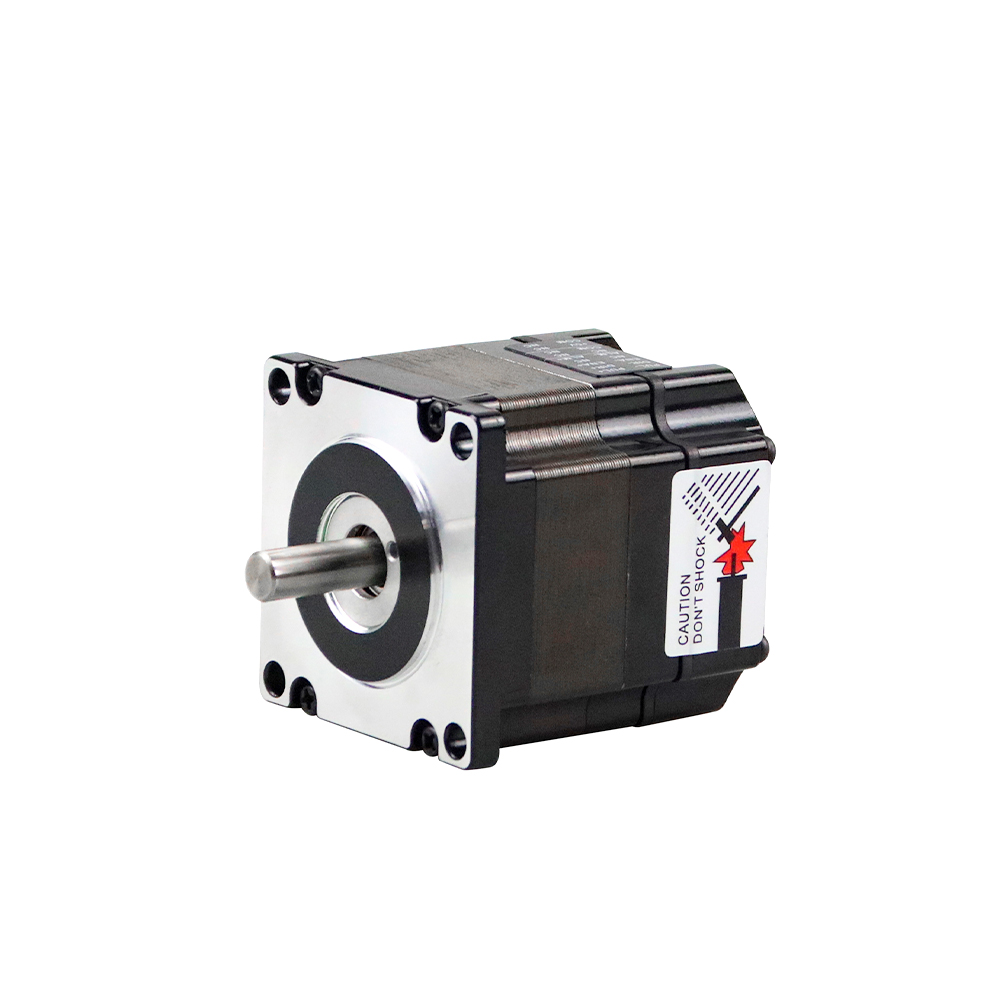
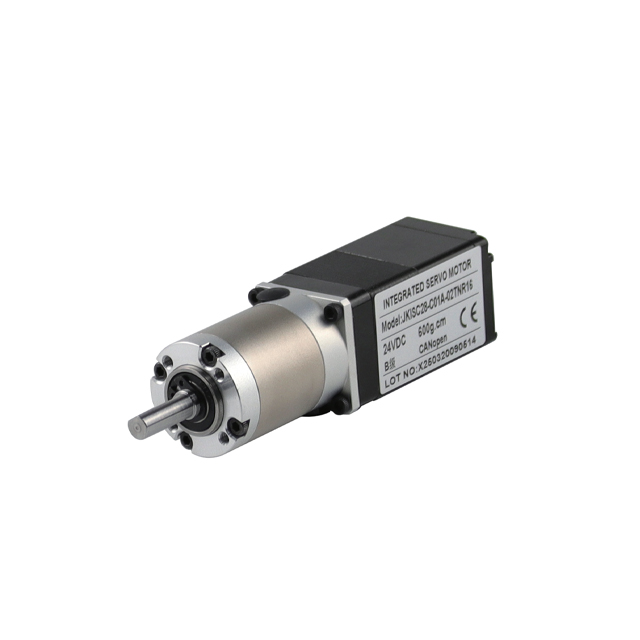
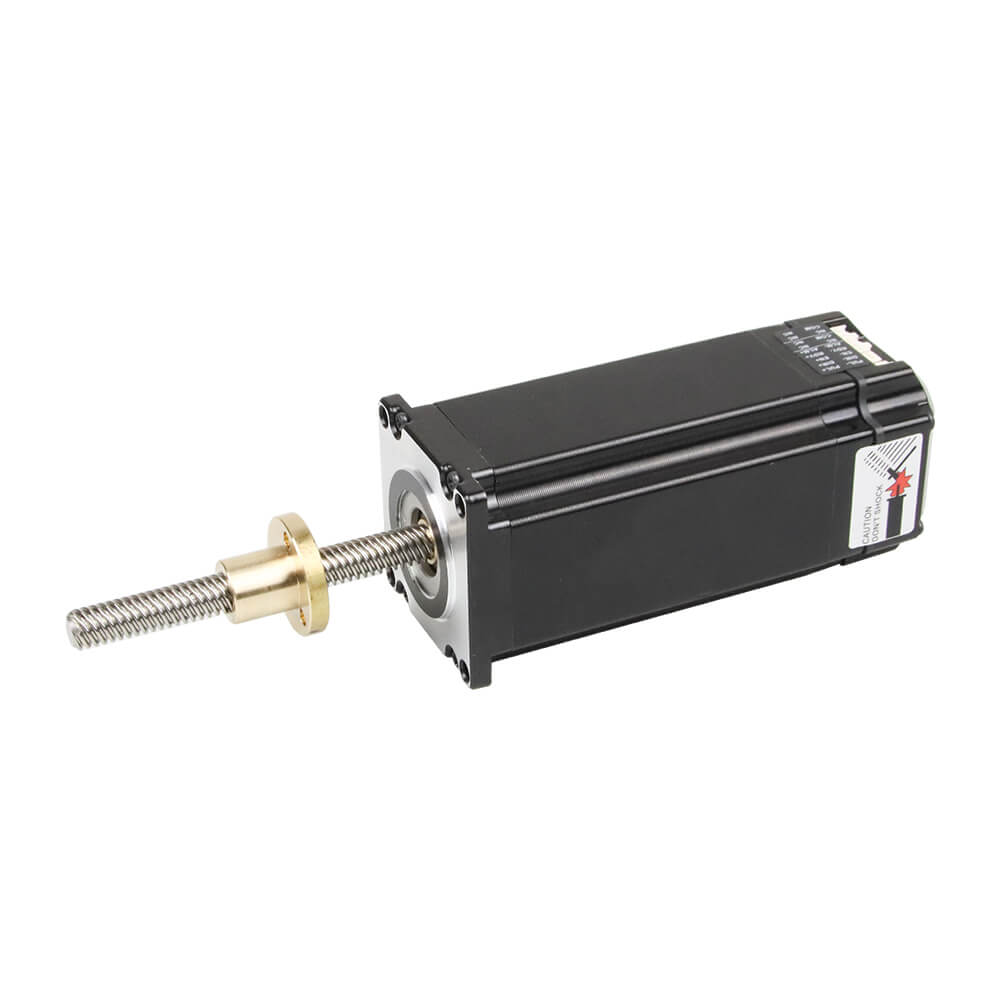
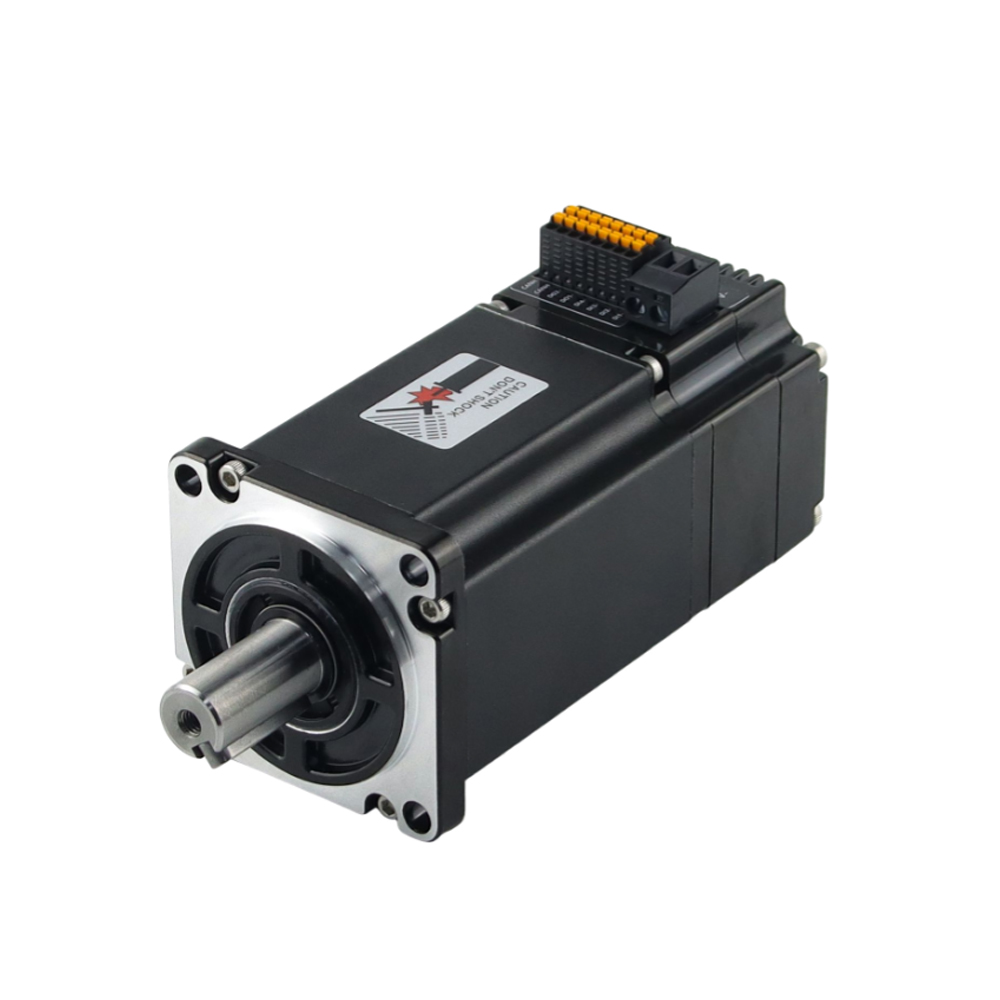
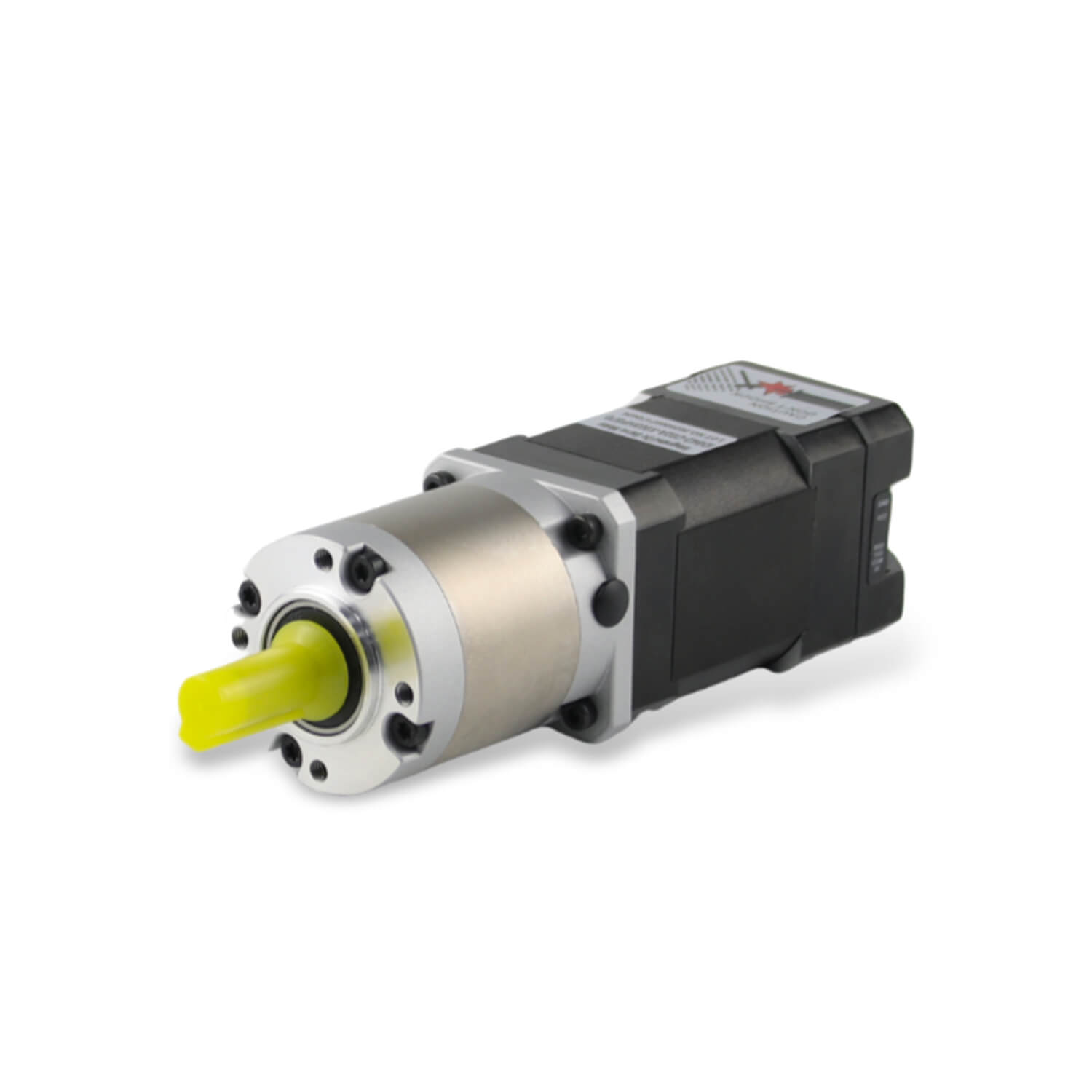
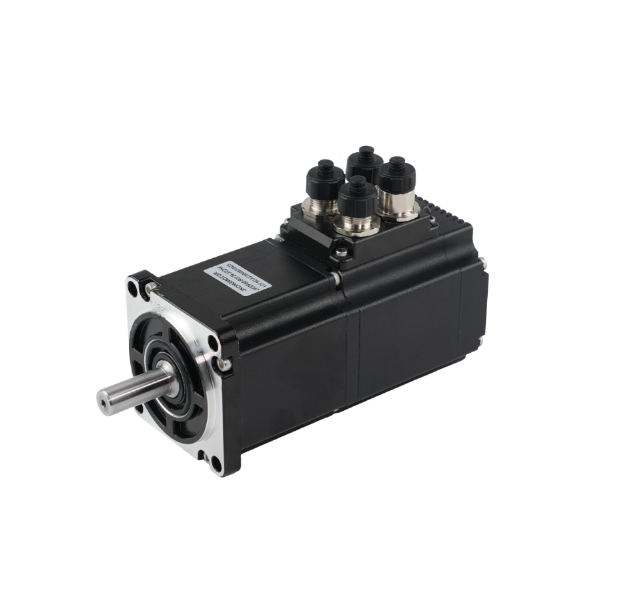
LeanMotor Integrated Servo Motor Products
1. Rockwell Automation (Allen-Bradley)
Company Profile
Rockwell Automation is one of the most influential industrial Integrated servo motor manufacturer globally, headquartered in Milwaukee, Wisconsin. Its Allen-Bradley brand is synonymous with industrial reliability and advanced motion control.
Main Products
Kinetix® integrated servo motors
Integrated servo drives with EtherNet/IP
Motion control systems for PLC-based automation
Advantages
2. Kollmorgen
Company Profile
Based in Radford, Virginia, Kollmorgen has decades of experience delivering high-performance motion solutions for demanding applications.
Main Products
AKM™ integrated servo motors
Integrated servo drives with feedback options
Motion solutions for robotics and AGVs
Advantages
3. Parker Hannifin – Electromechanical Group
Company Profile
Parker Hannifin is a Fortune 250 company with a strong presence in motion and control technologies across multiple industries.
Main Products
Integrated servo motors with onboard drives
Compact servo systems for packaging and automation
Servo solutions with multi-protocol support
Advantages
Broad industrial compatibility
Robust global supply chain
Excellent thermal and mechanical durability
4. Advanced Motion Controls (AMC)
Company Profile
Advanced Motion Controls, headquartered in California, is a respected specialist in high-performance servo drives and integrated solutions.
Main Products
Advantages
5. Moog Inc.
Company Profile
Moog is a globally recognized Integrated servo motor manufacturer serving aerospace, defense, industrial, and medical markets.
Main Products
Advantages
Extreme precision and reliability
Aerospace-grade engineering standards
Strong R&D-driven innovation
6. Emerson (Control Techniques)
Company Profile
Emerson's Control Techniques division provides advanced automation and motion solutions for industrial applications worldwide.
Main Products
Integrated servo motors with drives
Digitally optimized servo systems
Smart motion control platforms
Advantages
7. Baldor (ABB Group)
Company Profile
Baldor Electric, now part of ABB, is a major Integrated servo motor manufacturer in industrial motors and motion systems in North America.
Main Products
Integrated servo motor-drive solutions
High-efficiency industrial servos
Motion systems for heavy-duty automation
Advantages
Industrial-grade durability
Wide voltage and power ranges
Backed by ABB’s global infrastructure
8. Tolomatic
Company Profile
Tolomatic specializes in electric linear motion and servo solutions, serving automation-focused OEMs.
Main Products
Advantages
9. Animatics (AAM – Allied Motion)
Company Profile
Animatics is a pioneering Integrated servo motor manufacturer in smart motor technology, now operating under Allied Motion.
Main Products
Advantages
All-in-one motor-drive-controller
Simplified system architecture
Ideal for distributed automation
10. Teknic
Company Profile
Teknic is a U.S.-based Integrated servo motor manufacturer known for engineering-driven innovation and vertically integrated manufacturing.
Main Products
ClearPath® integrated servo motors
Servo motors with built-in drives
High-efficiency closed-loop systems
Advantages
11. Yaskawa America
Company Profile
While part of a global Japanese group, Yaskawa America operates extensively within the U.S. industrial automation ecosystem.
Main Products
Sigma series integrated servo solutions
Smart servo motors with advanced feedback
Motion systems for robotics
Advantages
World-class servo control algorithms
High-speed, high-precision performance
Proven reliability in automation
12. Aerotech
Company Profile
Aerotech focuses on ultra-high-precision motion control systems, particularly for advanced manufacturing.
Main Products
Integrated servo motors for precision stages
Direct-drive servo solutions
Motion platforms for semiconductor equipment
Advantages
Sub-micron positioning accuracy
Cleanroom-compatible designs
Industry-leading motion precision
13. Copley Controls (Analog Devices Group)
Company Profile
Copley Controls is known for advanced digital motion control technology and integrated servo solutions.
Main Products
Integrated servo motors with drives
Networked servo control systems
High-performance motion amplifiers
Advantages
14. LeanMotor
Company Profile
LeanMotor is a leading Integrated servo motor manufacturer which specializes in motion controllers and integrated motor solutions for automation engineers.
Main Products
Integrated servo motor systems
Multi-axis motion controllers
Ethernet-based servo solutions
Advantages
Flexible multi-axis control
Strong software ecosystem
Reliable performance in industrial environments
15. AMETEK (Automation & Precision Motion Division)
Company Profile
AMETEK is a global Integrated servo motor manufacturer with a strong U.S. footprint in precision motion and automation technologies.
Main Products
Advantages
High customization capability
Precision-focused engineering
Strong presence in medical and industrial markets
Future Outlook of Integrated Servo Motors in the United States
The future of Integrated servo motors in the United States is strongly aligned with the evolution of Industry 4.0, smart factories, and decentralized automation architectures. As manufacturers continue to pursue higher productivity with lower system complexity, integrated servo motors are becoming a foundational component of next-generation motion control systems.
Acceleration of Smart Manufacturing and Industry 4.0
U.S. manufacturers are rapidly adopting data-driven production environments, where motion devices are no longer isolated components but intelligent nodes within a connected ecosystem. Integrated servo motors with built-in drives, encoders, and communication interfaces are uniquely positioned to support this transition. They enable real-time monitoring, predictive maintenance, and seamless integration with PLCs, MES, and cloud platforms.
As a result, demand is increasing for integrated servo motors that support EtherNet/IP, EtherCAT, PROFINET, and TSN-based industrial Ethernet protocols, allowing direct participation in digital factory networks.
Rising Demand from Robotics, AGVs, and AMRs
The United States is experiencing sustained growth in industrial robotics, collaborative robots (cobots), automated guided vehicles (AGVs), and autonomous mobile robots (AMRs). These systems require compact, lightweight, and highly efficient motion solutions.
Integrated servo motors offer clear advantages by:
Reducing control cabinet size
Simplifying wiring and commissioning
Improving system reliability in mobile and space-constrained platforms
Future designs will increasingly emphasize high torque density, low inertia, and onboard intelligence, enabling more agile and energy-efficient robotic systems.
Miniaturization and Higher Power Density
U.S. manufacturers are heavily investing in advanced materials, improved thermal management, and high-efficiency magnetic designs. The goal is to deliver smaller integrated servo motors with higher continuous torque and peak performance.
This trend is especially important for:
Integrated servo motors will continue evolving toward compact, high-performance modules capable of replacing traditional motor-drive combinations without sacrificing accuracy or durability.
Customization and Application-Specific Integration
Another defining trend in the U.S. market is the growing preference for application-specific integrated servo solutions. Rather than generic motors, OEMs increasingly request:
Custom shaft designs
Integrated brakes or gearboxes
Application-tuned firmware
Environmental protection (IP65–IP67)
U.S. manufacturers are well positioned to meet these demands due to their strong engineering support, rapid prototyping capabilities, and close collaboration with OEM customers.
Key Factors When Selecting an Integrated Servo Motor Manufacturer in the United States
Choosing the right integrated servo motor manufacturer is a strategic decision that directly impacts machine performance, lifecycle cost, scalability, and long-term competitiveness. Below are the most critical factors that buyers should evaluate when sourcing from U.S. manufacturers.
1. Integration Level and System Architecture
Not all integrated servo motors offer the same level of integration. Buyers should carefully assess whether the manufacturer provides:
Fully integrated motor + drive + encoder + controller
Partial integration requiring external controllers
Support for decentralized control architectures
Higher integration reduces wiring, shortens installation time, and minimizes failure points—key advantages in modern automation systems.
2. Communication Protocol Compatibility
In the U.S. market, compatibility with dominant industrial networks is essential. Leading manufacturers support:
EtherNet/IP for Rockwell-based systems
EtherCAT for high-speed motion applications
PROFINET for Siemens environments
Selecting a manufacturer with native protocol support ensures seamless integration and reduces commissioning complexity.
3. Motion Performance and Control Precision
Critical performance indicators include:
Continuous and peak torque capability
Speed range and dynamic response
Encoder resolution and feedback accuracy
U.S. manufacturers are known for delivering high-bandwidth control and exceptional repeatability, making them ideal for precision-driven applications.
4. Customization and OEM Support Capability
One of the strongest advantages of U.S.-based manufacturers is their ability to support OEM customization. Buyers should evaluate:
Mechanical customization options
Firmware and parameter optimization
Branding and private labeling support
Engineering collaboration during design-in stages
Manufacturers with strong OEM programs provide faster time-to-market and better alignment with application requirements.
5. Reliability, Compliance, and Certification
Integrated servo motor must meet strict industrial standards. Leading U.S. suppliers offer products compliant with:
High reliability is especially critical in 24/7 industrial operations, where downtime translates directly into financial loss.
6. After-Sales Support and Lifecycle Availability
Long-term support is a key differentiator. Buyers should prioritize manufacturers that provide:
Local technical support teams
Long product lifecycle commitments
Firmware updates and backward compatibility
U.S. manufacturers typically excel in technical documentation, training resources, and responsive service, reducing total cost of ownership over time.
Competitive Advantages of U.S. Integrated Servo Motor Manufacturers
U.S. integrated servo motor manufacturers occupy a leading position in the global motion control market due to a unique combination of advanced engineering, system-level thinking, and deep industrial collaboration. Their competitive advantages extend beyond product specifications, influencing long-term reliability, scalability, and total cost of ownership for OEMs and system integrators worldwide.
1. System-Level Engineering Expertise
U.S. manufacturers excel at system-oriented design, rather than treating the motor, drive, encoder, and controller as isolated components. Integrated servo motors developed in the United States are typically engineered as complete motion subsystems, optimized for electrical, thermal, and mechanical compatibility from the ground up.
This approach delivers:
Higher control stability and dynamic performance
Optimized thermal dissipation and longer service life
Reduced tuning effort during commissioning
Such system-level optimization is critical for high-speed automation, robotics, and precision manufacturing environments.
2. Advanced Motion Control Algorithms
One of the most significant advantages of U.S. integrated servo motor suppliers lies in their proprietary control algorithms and firmware intelligence. These manufacturers invest heavily in software development, enabling features such as:
High-bandwidth current, velocity, and position loops
Adaptive tuning and vibration suppression
Advanced torque control and load compensation
These capabilities result in superior accuracy, faster settling times, and smoother motion, even under rapidly changing load conditions.
3. Strong Customization and OEM Collaboration
U.S.-based manufacturers are widely recognized for their ability to support deep OEM customization. Rather than offering only standardized catalog products, they frequently engage in early-stage design collaboration to tailor integrated servo motors for specific applications.
Customization advantages include:
Custom shaft geometries and mounting interfaces
Integrated brakes, gearheads, or linear mechanisms
Application-specific firmware and parameter presets
Environmental sealing for harsh or cleanroom conditions
This level of flexibility enables OEMs to differentiate their machines while reducing internal engineering burden.
4. High Manufacturing and Quality Standards
Integrated servo motors produced in the United States are manufactured under stringent quality control systems, often exceeding international industrial standards. These manufacturers typically implement:
Full functional testing and burn-in procedures
Traceability of critical components
Compliance with UL, CSA, CE, and RoHS requirements
As a result, U.S. integrated servo motors are known for exceptional reliability, making them suitable for continuous-duty and safety-critical applications.
5. Leadership in Industrial Communication and Connectivity
U.S. manufacturers are early adopters and active contributors to industrial networking standards, particularly those dominant in North American automation ecosystems. Integrated servo motors commonly support:
EtherNet/IP for PLC-centric architectures
EtherCAT for high-speed synchronized motion
Advanced diagnostic and monitoring capabilities
This connectivity allows integrated servo motors to function as intelligent network nodes, enabling predictive maintenance and real-time performance analytics.
6. Rapid Innovation Driven by R&D Investment
Sustained investment in research and development is a defining characteristic of U.S. motion control companies. Continuous innovation focuses on:
Higher torque density and energy efficiency
Improved thermal management and compact form factors
Enhanced feedback technologies and sensor integration
This R&D-driven culture ensures that U.S. manufacturers remain at the forefront of next-generation integrated servo motor technology.
7. Robust Technical Support and Lifecycle Commitment
Another key competitive advantage is the depth of technical support and long-term product availability offered by U.S. manufacturers. Customers benefit from:
Direct access to application engineers
Comprehensive documentation and training resources
Long lifecycle support for industrial platforms
This reduces downtime, simplifies maintenance, and lowers total cost of ownership across the equipment lifecycle.
8. Strong Alignment with High-Value Industries
U.S. Integrated servo motor manufacturers have deep experience serving high-value, high-precision industries, including:
Robotics and automation
Semiconductor and electronics manufacturing
Medical devices and laboratory automation
Aerospace and defense systems
Their ability to meet the strict performance, reliability, and compliance requirements of these sectors further strengthens their competitive position globally.
Summary
The competitive strength of U.S. Integrated servo motor manufacturers is built on engineering depth, customization capability, advanced software intelligence, and unwavering quality standards. By delivering fully optimized, intelligent motion solutions rather than standalone components, they provide long-term value to OEMs and system integrators seeking performance, reliability, and scalable innovation.
As global automation continues to advance, these advantages ensure that U.S. manufacturers remain key drivers of integrated servo motor technology worldwide.
Final Perspective
As automation systems become more intelligent, compact, and decentralized, Integrated servo motors will play an increasingly central role in U.S. industrial innovation. Manufacturers that combine deep motion expertise, flexible customization, and advanced digital integration will continue to define the future of motion control.
For system builders and OEMs seeking long-term performance, reliability, and engineering partnership, selecting the right U.S. integrated servo motor manufacturer remains a decisive factor for success.
The United States continues to dominate the integrated servo motor market through a combination of advanced engineering, robust industrial standards, deep OEM collaboration, and continuous innovation. These manufacturers excel in delivering compact, intelligent, and high-performance motion solutions tailored to modern automation demands.
For OEMs and system integrators seeking reliability, precision, and scalable customization, U.S.-based Integrated servo motor manufacturers remain among the most trusted partners worldwide.