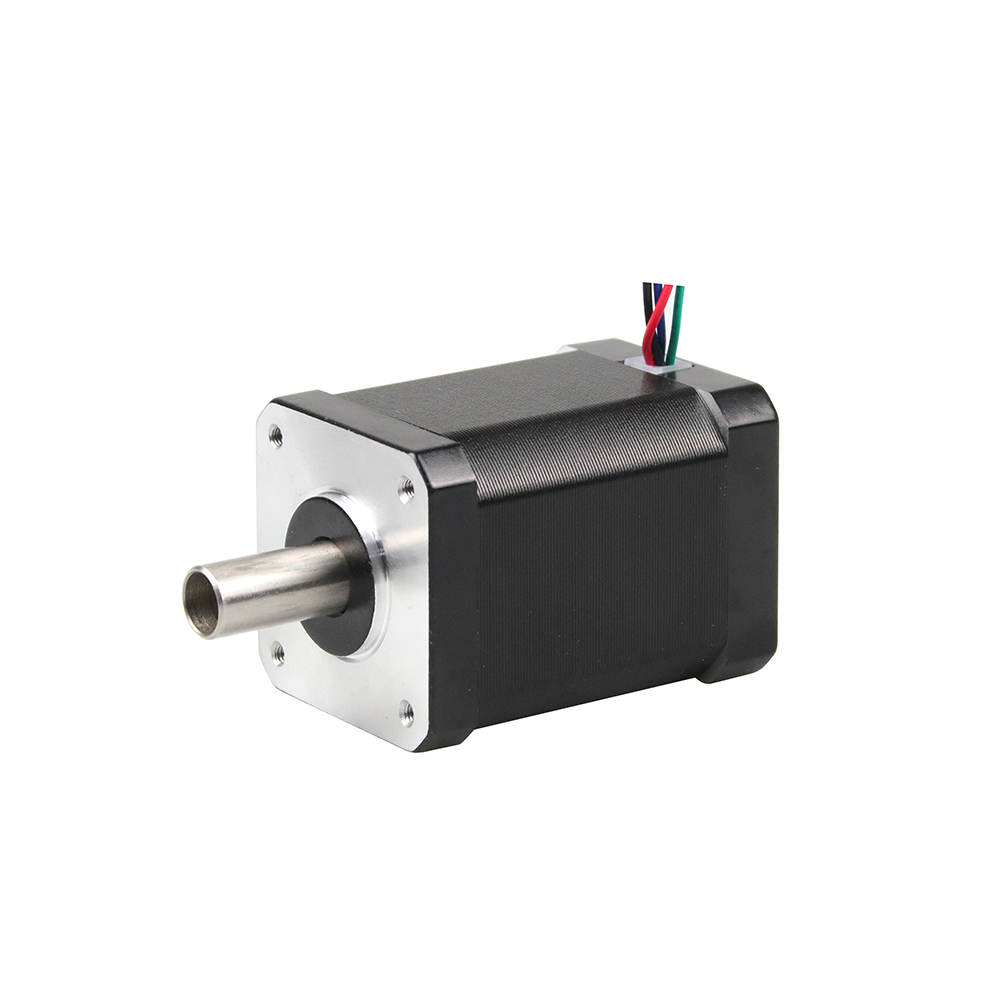
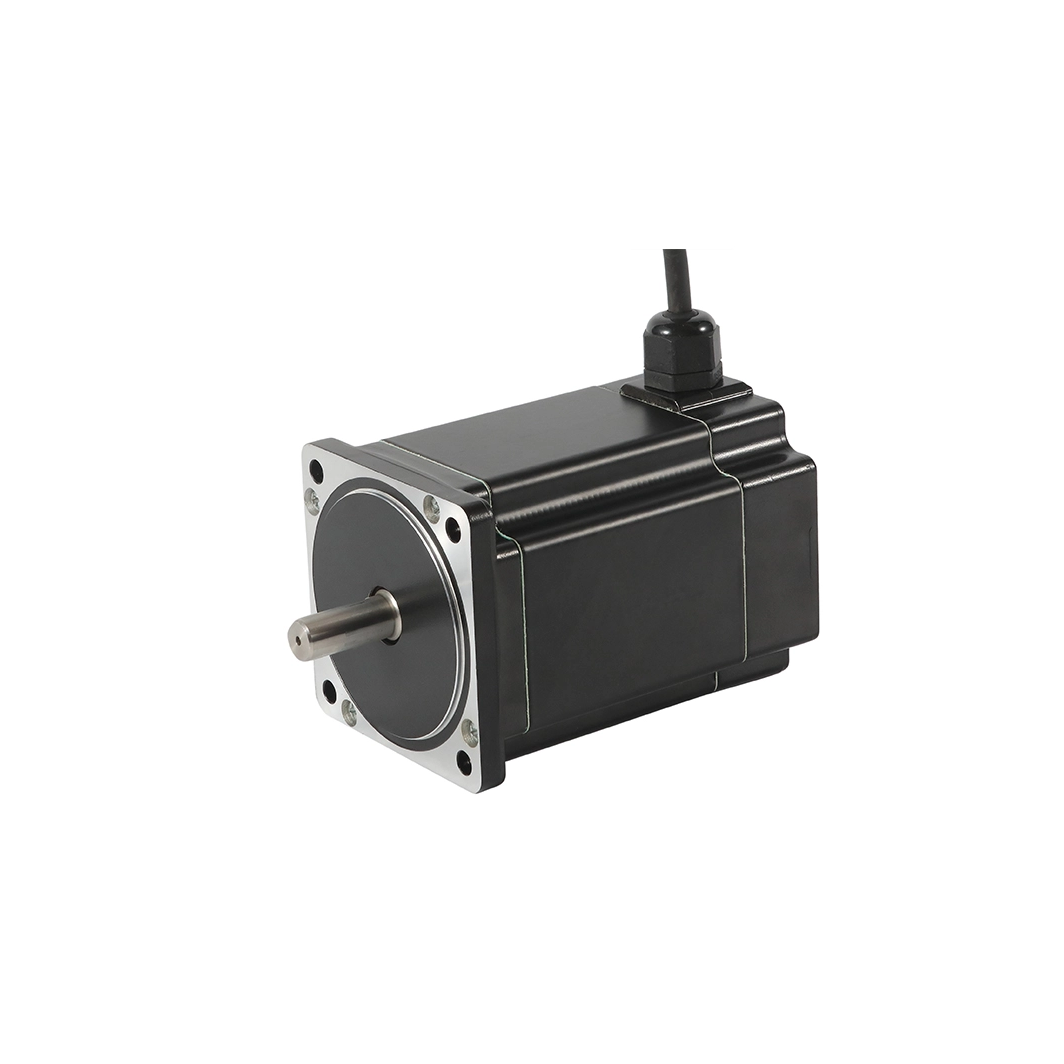
In modern industrial automation, selecting the right motion control solution directly impacts precision, efficiency, reliability, and total system cost. Among all motion technologies, stepper motors and servo motors remain the two most widely adopted options across CNC machines, packaging lines, robotics, medical equipment, and smart manufacturing systems.
We provide a clear, in-depth, and technically grounded comparison to help engineers, system integrators, and OEM decision-makers choose the optimal motor technology for their automation projects.
Understanding Motion Control in Industrial Automation
Motion control is the backbone of modern industrial automation, governing how machines move, position, accelerate, decelerate, and synchronize with precision. At its core, motion control integrates motors, drives, controllers, feedback devices, and mechanical components into a coordinated system that executes complex tasks reliably and repeatably.
In automated production environments, motion control determines throughput, product quality, energy efficiency, and system uptime. Whether driving a conveyor belt, positioning a robotic arm, or indexing a CNC toolhead, motion systems must respond accurately to command signals while adapting to changing loads and operating conditions.
A complete motion control architecture typically consists of:
Motion Controller or PLC – Generates movement commands such as position, speed, and torque profiles
Motor Drive (Driver/Amplifier) – Converts control signals into electrical power suitable for the motor
Motor (Stepper or Servo) – Produces mechanical motion from electrical energy
Feedback Device – Encoders or resolvers that monitor actual position and speed (mainly in servo systems)
Mechanical Transmission – Ball screws, belts, gearboxes, or linear guides translating motor motion into useful work
The seamless interaction among these components ensures precise, synchronized, and stable motion across the entire machine.
Why Motion Control Precision Matters
In industrial automation, even minor positioning errors can lead to:
High-performance motion control enables:
Micron-level positioning accuracy
Consistent repeatability across long production runs
Smooth motion profiles that reduce vibration and mechanical stress
Faster cycle times without sacrificing stability
These advantages are especially critical in industries such as electronics manufacturing, medical devices, semiconductor equipment, packaging, and robotics.
Open-Loop vs Closed-Loop Motion Control
Industrial motion systems generally operate using either open-loop or closed-loop control strategies.
Open-loop motion control, commonly associated with stepper motors, executes commands without verifying actual movement. It offers simplicity and cost efficiency for predictable loads and moderate speeds.
Closed-loop motion control, used in servo systems, continuously compares commanded motion with real-time feedback, enabling automatic correction and superior performance under dynamic conditions.
Understanding this distinction is essential when selecting the appropriate motor technology for a given automation task.
Motion Profiles and System Dynamics
Advanced motion control is not just about moving from point A to point B. It involves carefully designed motion profiles that define:
Optimized motion profiles improve machine longevity, operational smoothness, and process accuracy, particularly in multi-axis systems.
Role of Motion Control in Smart Manufacturing
As factories evolve toward Industry 4.0, motion control systems are increasingly integrated with:
Industrial networks (EtherCAT, PROFINET, CANopen)
Real-time monitoring and diagnostics
Predictive maintenance algorithms
This integration transforms motion control from a mechanical function into a data-driven performance asset, enabling smarter, more adaptive automation systems.
In industrial automation, motion control is not merely a supporting technology—it is a strategic enabler of precision, productivity, and competitive advantage.
What Is a Stepper Motor?
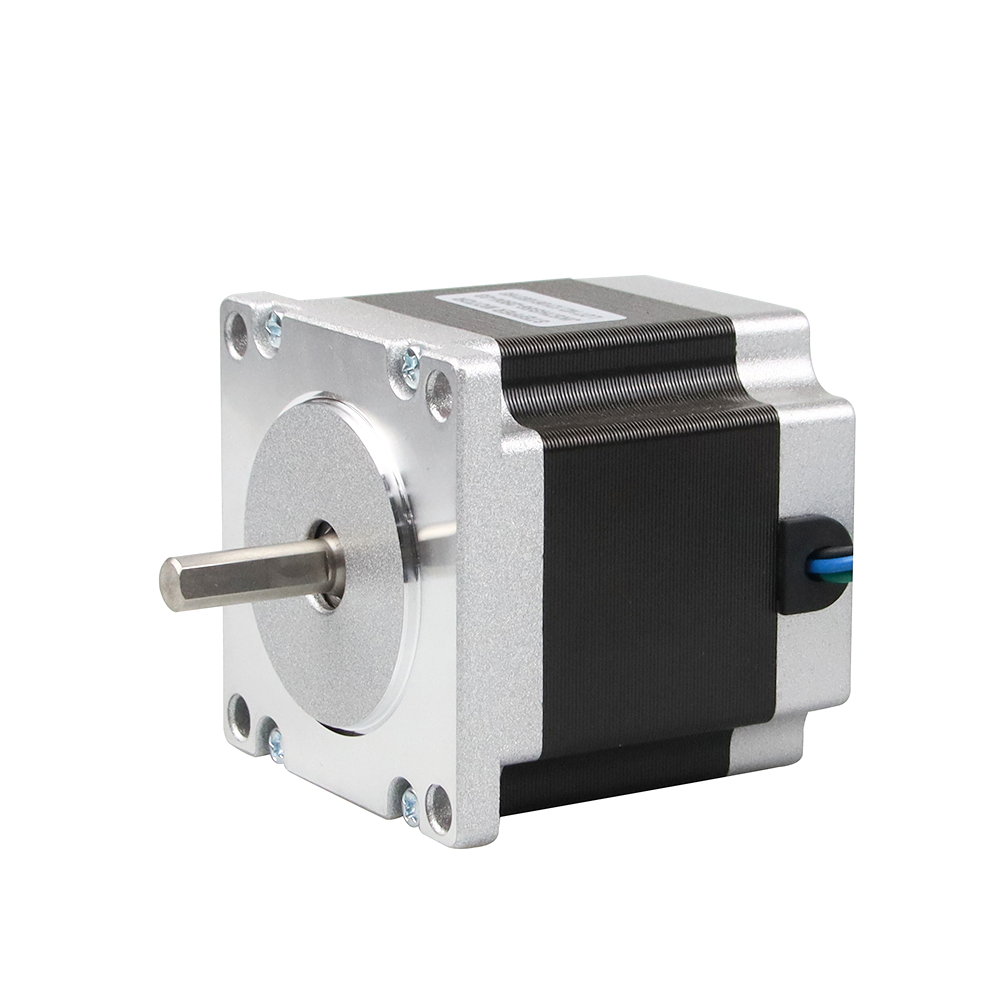
A stepper motor is a brushless, synchronous electric motor that divides a full rotation into a series of equal steps. Each electrical pulse moves the shaft by a fixed angle, enabling open-loop position control without the need for feedback devices.
Key Characteristics of Stepper Motors
Discrete step positioning
High holding torque at low speed
Simple control architecture
Cost-effective implementation
Excellent repeatability
Stepper motors are extensively used in 3D printers, desktop CNC machines, labeling equipment, semiconductor handling, and laboratory automation.
What Is a Servo Motor?
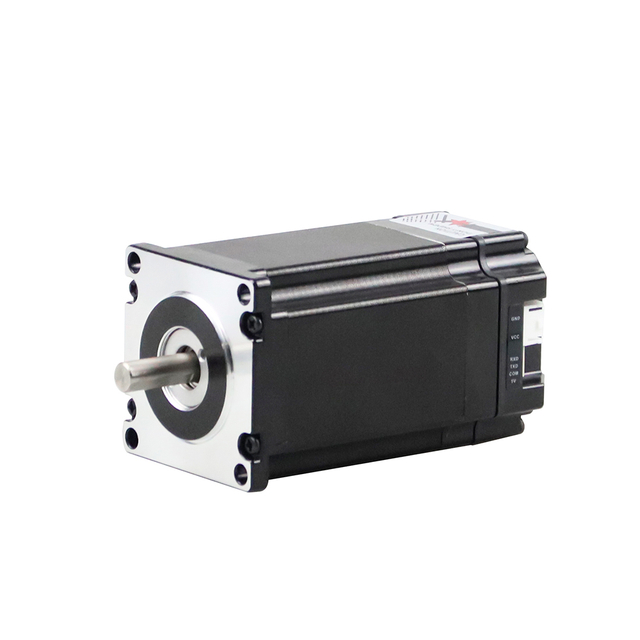
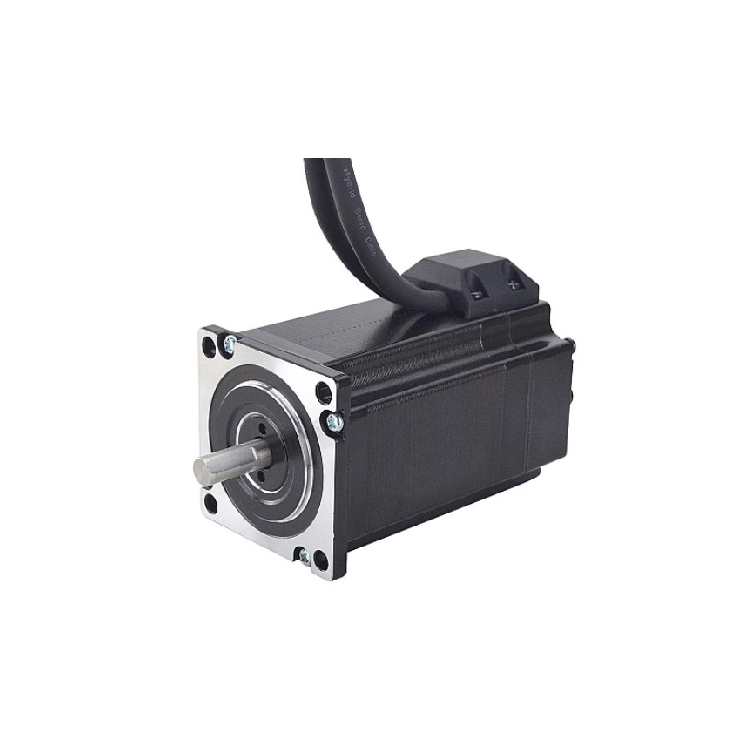
A servo motor is a closed-loop motion system that integrates a motor, encoder (or resolver), and drive. It continuously monitors actual position, speed, and torque, adjusting output in real time to match commanded values.
Key Characteristics of Servo Motors
Closed-loop feedback control
High-speed operation
Exceptional torque consistency
Superior dynamic response
Automatic error correction
Servo motors dominate applications requiring high precision, rapid acceleration, variable loads, and continuous duty cycles, such as industrial robots, CNC machining centers, conveyor systems, and automated assembly lines.
Stepper Motor vs Servo Motor: Core Technical Differences
Control Method
Position Accuracy
Speed Range
Stepper Motor: Optimal at low to medium speeds
Servo Motor: Stable performance across low, medium, and high speeds
Torque Performance
System Complexity
Stepper Motor: Simple wiring and tuning
Servo Motor: Requires tuning, feedback setup, and drive configuration
Performance Comparison in Real Industrial Scenarios
Low-Speed, High-Holding Applications
Stepper motors excel in indexing, positioning, and holding tasks where movement occurs incrementally and loads remain predictable.
Typical applications include:
High-Speed, Dynamic Load Applications
Servo motors outperform in rapid motion cycles, where speed changes, inertia, and external disturbances occur.
Typical applications include:
Accuracy, Resolution, and Feedback
Stepper motors achieve positioning accuracy based on step angle and microstepping, typically ranging from 1.8° to 0.9° per step. While microstepping improves smoothness, it does not guarantee true positional accuracy under load.
Servo motors rely on high-resolution encoders, often exceeding 17-bit or 20-bit resolution, ensuring true closed-loop accuracy, even under variable loads or mechanical backlash.
Efficiency and Thermal Performance
Stepper motors draw constant current, even when holding position, resulting in:
Servo motors adjust current dynamically based on load demand, offering:
Noise, Vibration, and Smoothness
Stepper motors can produce resonance, vibration, and audible noise, particularly at certain speeds. Advanced drivers reduce this effect but cannot eliminate it entirely.
Servo motors operate with smooth sinusoidal commutation, delivering:
Cost Considerations: Initial vs Lifecycle Cost
Stepper Motor Cost Advantage
Servo Motor Long-Term Value
Higher initial investment
Lower maintenance requirements
Higher throughput and productivity
Reduced downtime
For systems operating continuously or under demanding conditions, servo motors often deliver lower total cost of ownership.
Integration with Modern Automation Systems
Stepper motors integrate easily with basic PLCs, pulse controllers, and simple motion cards.
Servo motors integrate seamlessly with:
This makes servo systems ideal for Industry 4.0 and smart factory environments.
Reliability and Fault Handling
Stepper motors lack feedback and cannot detect:
Missed steps
Shaft stalls
Overload conditions
Servo motors provide:
Real-time fault detection
Position deviation alarms
Torque and overload protection
Predictive maintenance data
When to Choose a Stepper Motor
Selecting a stepper motor is a strategic decision that aligns best with applications requiring precise, repeatable positioning, straightforward control, and cost efficiency. Stepper motors remain a cornerstone of industrial automation and precision equipment where motion demands are predictable and tightly defined.
Applications Requiring Accurate Positioning Without Feedback
Stepper motors are ideal when open-loop control is sufficient. Because each input pulse corresponds to a fixed angular movement, stepper motors provide deterministic positioning without the need for encoders or complex feedback systems. This makes them well-suited for:
Indexing tables
Labeling and marking machines
Pick-and-place systems with consistent loads
Optical inspection platforms
When the risk of missed steps is minimal, stepper motors deliver reliable performance with simplified system architecture.
Low-Speed, High-Holding Torque Requirements
One of the strongest advantages of stepper motors is their high holding torque at standstill. This makes them the preferred choice for applications that must maintain position under load without mechanical brakes, such as:
Vertical axis positioning
Valve and damper control
Dosing and dispensing equipment
Lead-screw-driven linear actuators
The ability to hold position precisely while stationary improves safety and process stability.
Predictable Load and Motion Profiles
Stepper motors perform best in systems where:
In these conditions, stepper motors maintain consistent performance and avoid step loss, making them highly dependable for repeatable automation tasks.
Cost-Sensitive Automation Projects
For many OEMs and system integrators, budget efficiency is a primary concern. Stepper motors offer:
Lower motor and drive costs
Reduced wiring complexity
Minimal setup and tuning time
This cost advantage is especially important in compact machines, entry-level automation, and scalable multi-axis systems.
Compact Designs and Space Constraints
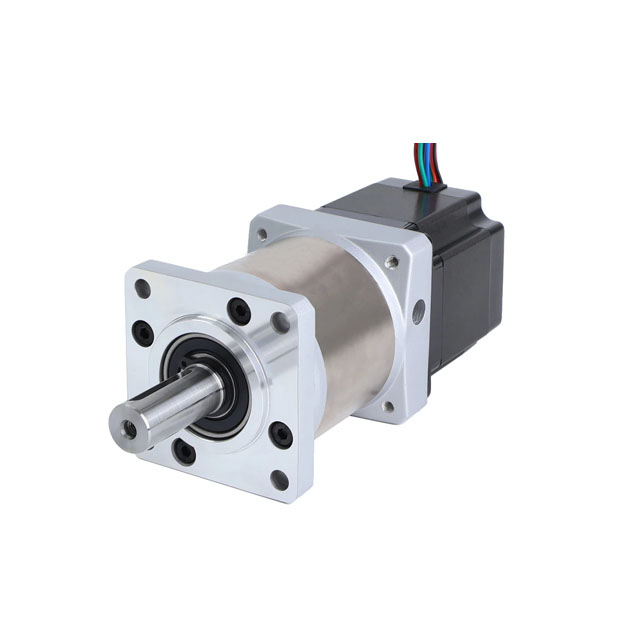
Stepper motors, particularly in integrated or hybrid configurations, provide high torque density in compact frames. This makes them suitable for:
Their mechanical simplicity allows easier integration into tight spaces.
Simple Control and Fast Deployment
Stepper motors require no complex tuning parameters. Motion control is achieved directly through pulse and direction signals, enabling:
This simplicity accelerates time-to-market for automation equipment.
Controlled Speed Ranges
Stepper motors are best suited for low to medium speed applications where smooth, incremental movement is required. When combined with advanced microstepping drivers, they deliver improved smoothness and reduced resonance for precision tasks.
Conclusion
A stepper motor is the optimal choice when precision, simplicity, and affordability outweigh the need for high-speed performance and real-time feedback. For predictable motion, stable loads, and applications demanding reliable holding torque, stepper motors provide a proven, efficient, and economical motion control solution.
When to Choose a Servo Motor
Choosing a servo motor is the optimal decision for applications that demand high precision, dynamic performance, and absolute reliability under changing operating conditions. Servo motors are engineered for advanced motion control tasks where speed, accuracy, and adaptability are critical to overall system performance.
High-Speed and High-Acceleration Applications
Servo motors excel in systems requiring rapid acceleration, high rotational speeds, and fast response times. Their closed-loop control architecture enables precise speed regulation even during aggressive motion profiles. Typical applications include:
High-speed packaging and labeling lines
CNC machining centers
Robotic pick-and-place systems
Automated assembly equipment
In these environments, servo motors maintain stability and accuracy at speeds where stepper motors would lose torque or synchronization.
Variable and Dynamic Load Conditions
When load conditions fluctuate during operation, servo motors provide a decisive advantage. Real-time feedback from encoders allows the system to automatically compensate for load changes, ensuring consistent performance in:
Conveyor systems with variable payloads
Robotic arms handling different parts
Pressing and forming machines
Multi-axis automation platforms
This adaptability prevents positioning errors and enhances process reliability.
Applications Demanding Absolute Position Accuracy
Servo motors are the preferred solution when true position verification is required. Encoder feedback ensures the commanded position matches the actual shaft position, which is essential in:
Precision machining
Semiconductor manufacturing
Medical and laboratory automation
High-end inspection systems
This closed-loop accuracy eliminates the risk of cumulative positioning errors.
Continuous Duty and Long Operating Cycles
Servo motors are designed for continuous operation with optimized thermal management. Unlike stepper motors, they draw current proportional to load demand, resulting in:
This makes servo motors ideal for 24/7 production environments.
Smooth Motion and Low Vibration Requirements
Servo systems deliver exceptionally smooth motion, even at low speeds, due to sinusoidal commutation and high-resolution feedback. This is critical in applications sensitive to vibration, such as:
Reduced vibration improves product quality and minimizes mechanical wear.
Advanced Automation and Industry 4.0 Integration
Servo motors integrate seamlessly with modern industrial networks and motion controllers, supporting protocols such as:
EtherCAT
PROFINET
CANopen
Modbus
This connectivity enables real-time monitoring, diagnostics, and predictive maintenance—key elements of smart manufacturing systems.
Safety, Diagnostics, and Fault Detection
Servo systems provide built-in protection and diagnostics, including:
These features enhance system safety and reduce unplanned downtime.
Conclusion
A servo motor is the right choice when performance, precision, and reliability are non-negotiable. For high-speed, high-accuracy, and dynamically changing applications, servo motors deliver superior motion control and long-term operational value, making them the foundation of advanced industrial automation systems.
Modern automation increasingly adopts closed-loop stepper motors—also known as integrated stepper servo motors. These systems combine:
They are ideal for applications seeking enhanced reliability without full servo complexity.
Final Comparison Summary
| Feature | Stepper Motor | Servo Motor |
| Control Type | Open-loop | Closed-loop |
| Speed Range | Low–Medium | Low–High |
| Torque Stability | Drops at speed | Constant |
| Accuracy | Step-based | Encoder-based |
| Efficiency | Moderate | High |
| Cost | Low initial | Higher initial |
| Reliability | Limited fault detection | Advanced diagnostics |
Conclusion: Making the Right Choice for Industrial Automation
There is no universal solution in motion control. The optimal choice between stepper motors and servo motors depends on application demands, performance expectations, and long-term operational goals. By aligning motor selection with system requirements, manufacturers can achieve higher efficiency, better reliability, and scalable automation performance.