Why Are Integrated Servo Motors Ideal for Autonomous Disinfection Robots?
Views: 0 Author: Site Editor Publish Time: 2026-04-01 Origin: Site
Autonomous disinfection robots are rapidly becoming essential across hospitals, airports, factories, warehouses, laboratories, hotels, and public infrastructure. These robots must operate with high precision, compact structure, reliable motion control, and intelligent integration to deliver effective sterilization and sanitation.
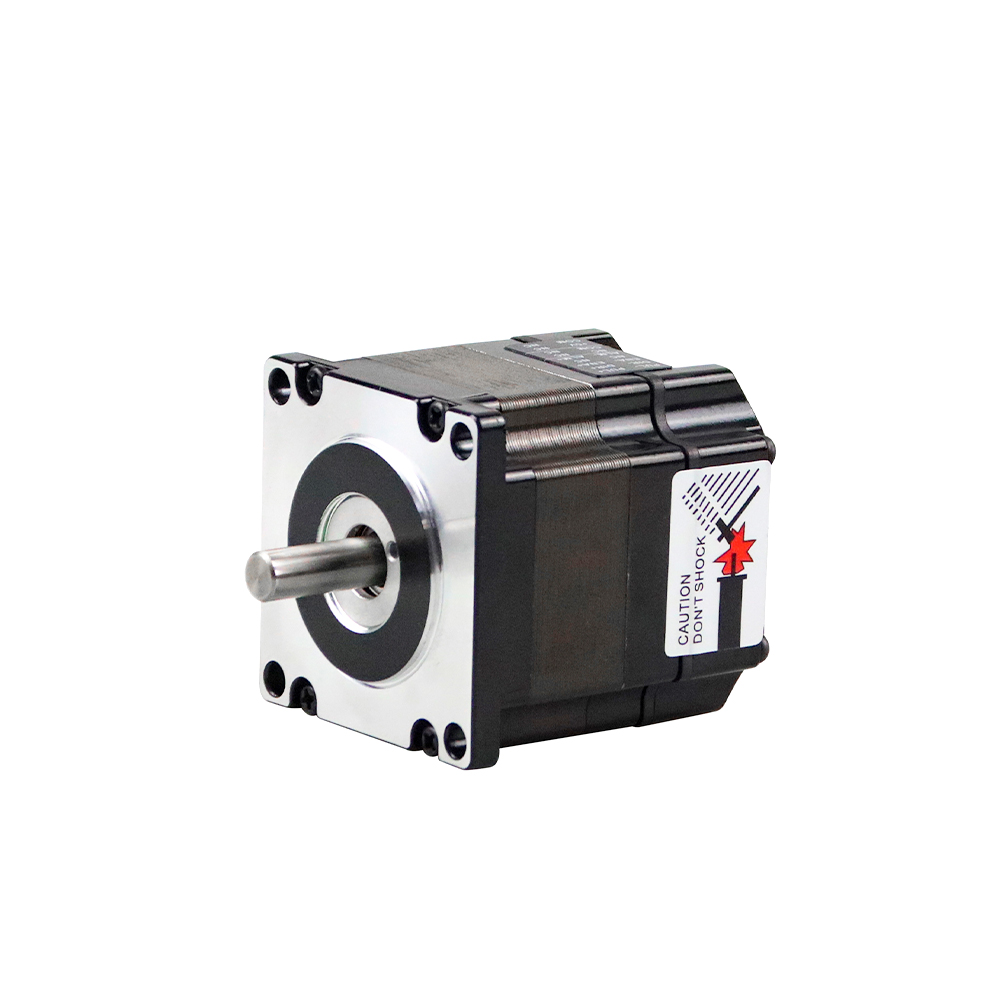
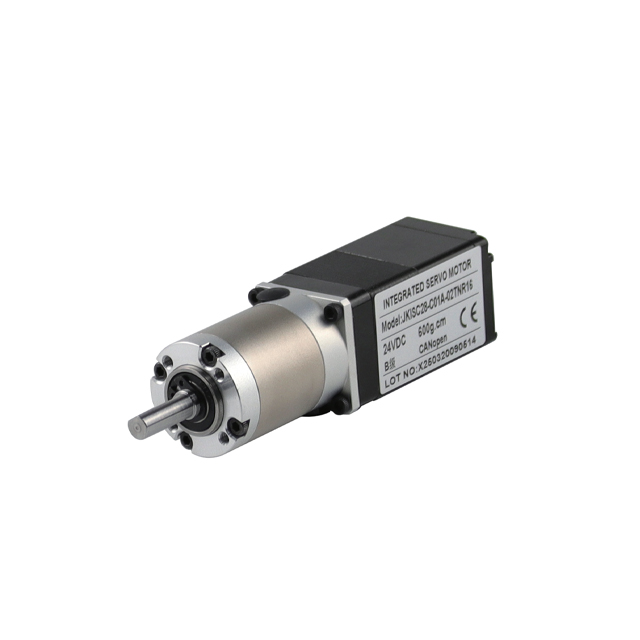
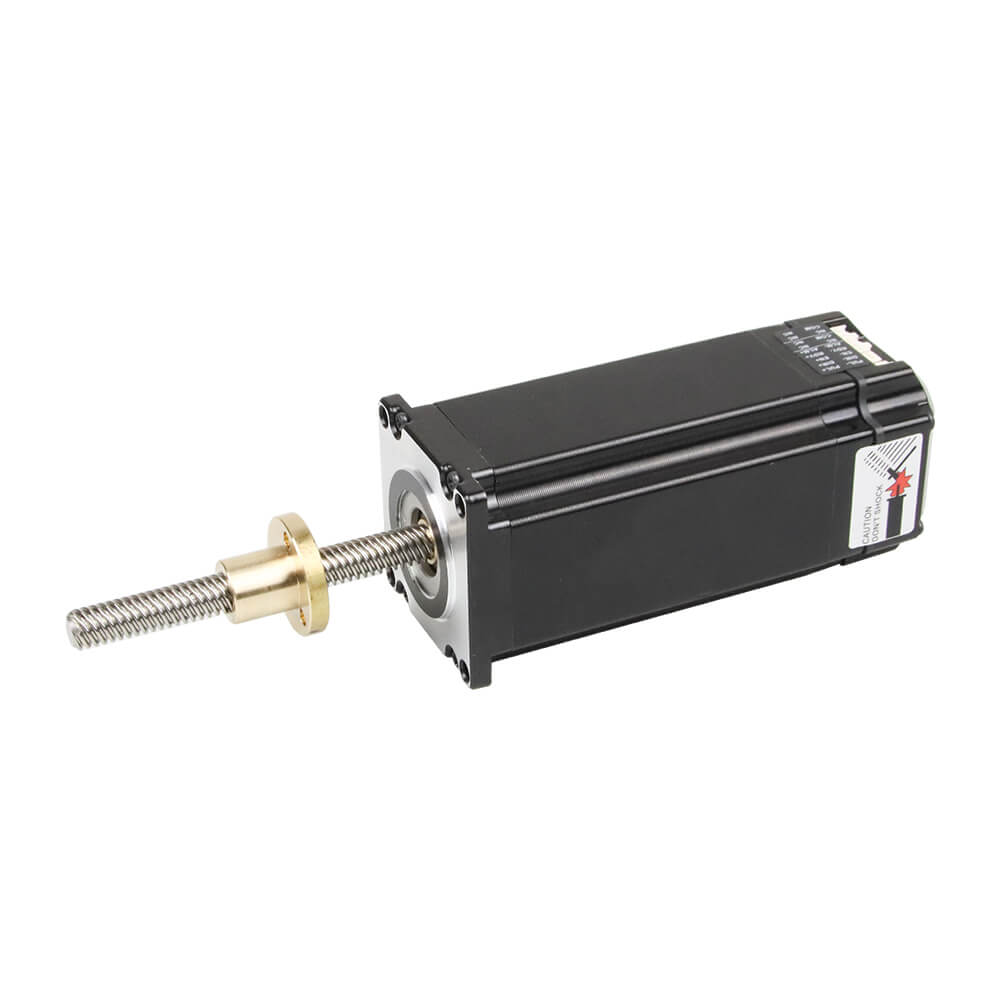
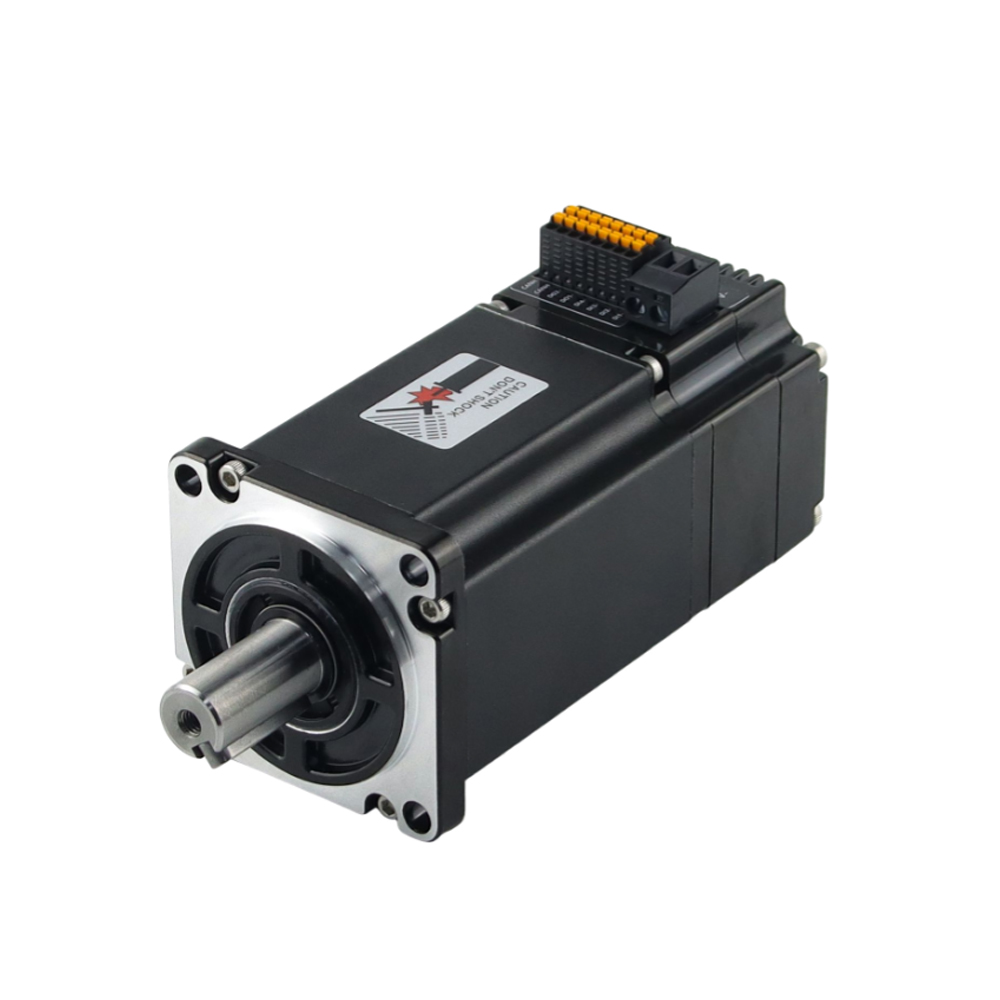
To achieve these demanding requirements, Integrated Servo Motors have emerged as the ideal motion control solution for autonomous disinfection robots. By combining motor, driver, encoder, and controller into a single compact unit, integrated servo motors provide unmatched performance, efficiency, and reliability.
In this article, we explore why integrated servo motors are the optimal choice for autonomous disinfection robots, and how they enhance mobility, precision, safety, and long-term operational efficiency.
What Are Integrated Servo Motors?
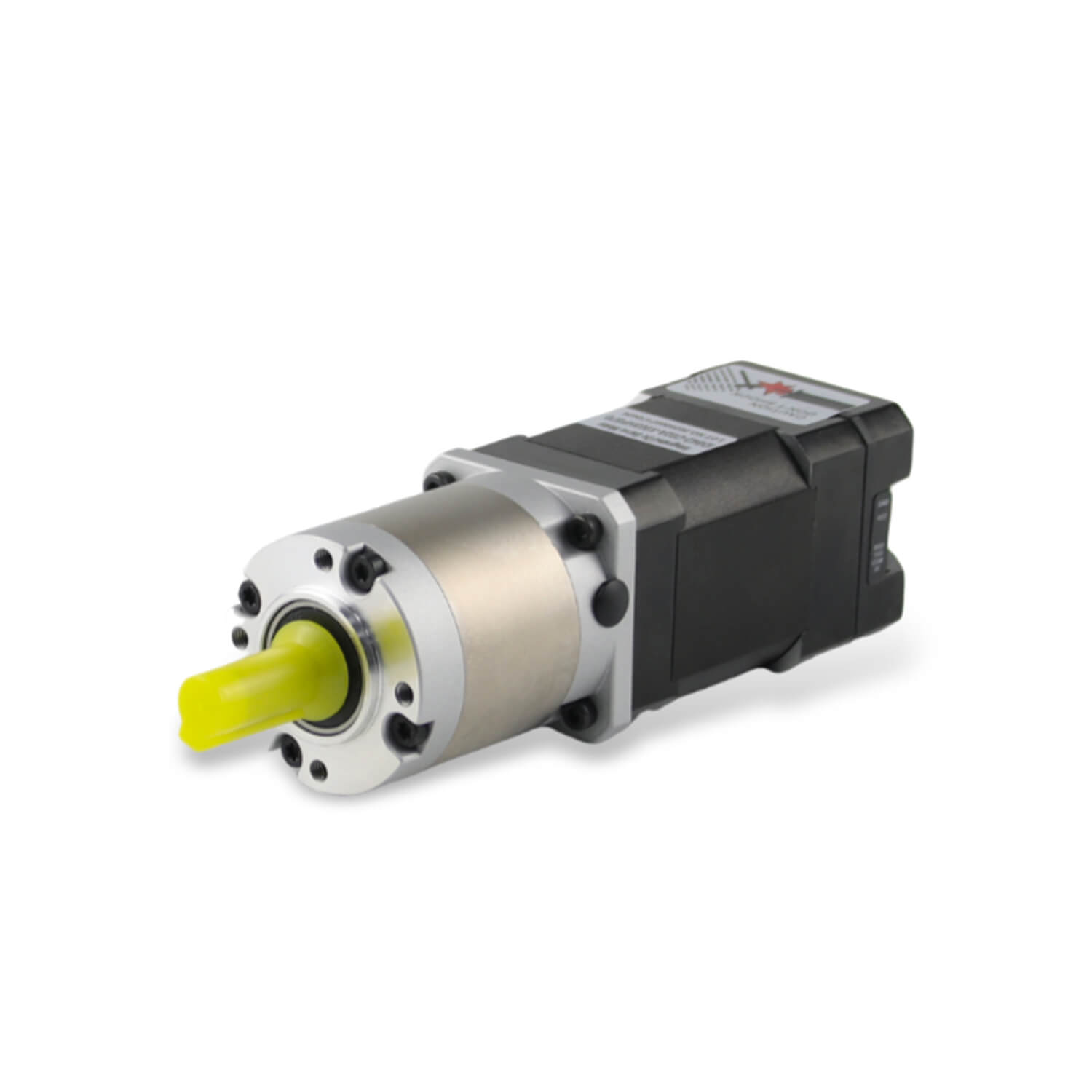
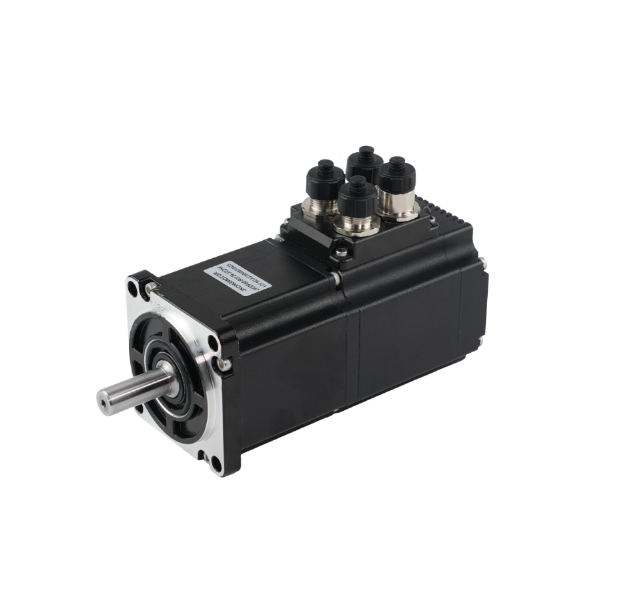
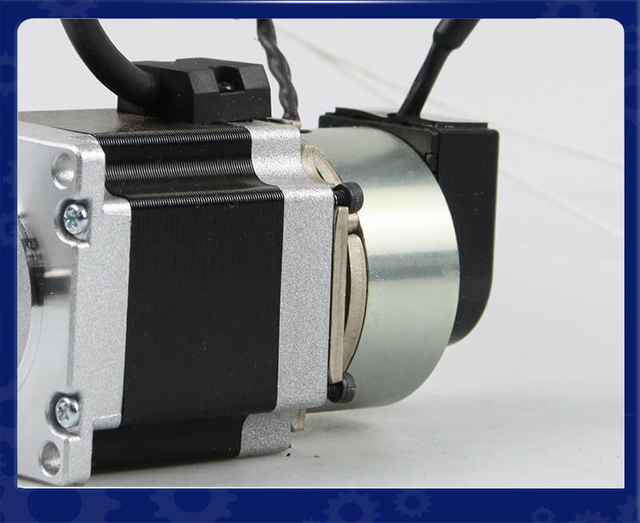
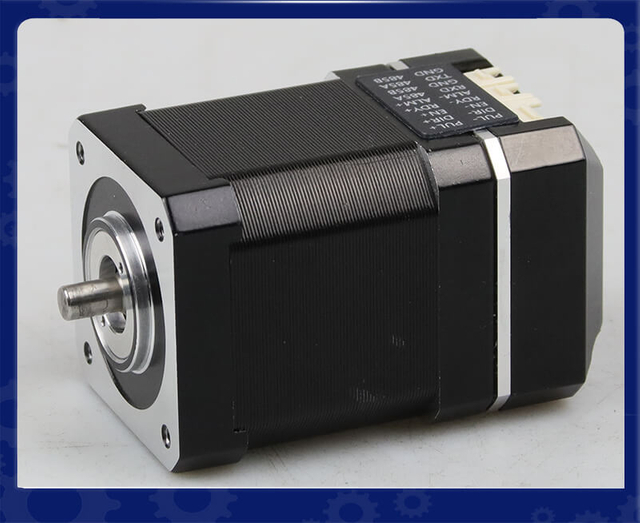
Integrated servo motors are advanced motion control devices that combine multiple components into a single compact housing, including:
Servo Motor
Servo Drive
Encoder
Controller
Communication Interface
Unlike traditional servo systems that require separate wiring, external controllers, and complex installation, integrated servo motors deliver plug-and-play simplicity and enhanced system performance.
Traditional Servo System vs Integrated Servo Motor
Feature
Traditional Servo System
Integrated Servo Motor
Wiring Complexity
High
Minimal
Installation Time
Long
Short
Space Requirement
Large
Compact
Reliability
Moderate
High
Maintenance
Complex
Easy
Cost Efficiency
Lower
Higher ROI
This all-in-one architecture makes integrated servo motors particularly suitable for autonomous disinfection robots, where space, efficiency, and reliability are critical.
Autonomous disinfection robots are designed to operate in space-constrained and dynamic indoor environments, including hospital corridors, patient rooms, laboratories, office spaces, airports, and public transportation areas. These environments demand compact, agile, and highly maneuverable robotic systems that can move efficiently without disrupting normal operations.
Integrated servo motors play a critical role in achieving compact robot design by combining multiple motion control components into a single, space-saving unit. Traditional motion systems require separate motors, drivers, controllers, and extensive wiring, which increases system size and complexity. In contrast, integrated servo motors consolidate these elements into one compact housing, significantly reducing the robot's footprint.
Key Advantages of Compact Integrated Servo Motors
Reduced mechanical space requirements
Simplified internal robot architecture
Lower overall robot weight
Improved mobility in tight environments
Reduced cable management complexity
Enhanced system reliability
By minimizing the number of external components, integrated servo motors allow engineers to optimize robot structure, enabling slimmer profiles and more efficient layouts. This is especially beneficial for autonomous disinfection robots, which must navigate through narrow aisles, under furniture, and around sensitive medical equipment.
Improved Maneuverability in Tight Spaces
Compact integrated servo motors enable robots to:
Move through narrow hospital hallways
Navigate crowded public areas
Access hard-to-reach disinfection zones
Perform precise turning and positioning
This level of maneuverability improves coverage efficiency, ensuring that the robot can disinfect every critical surface and area.
Optimized Battery and Component Placement
Smaller motor systems also provide more flexibility for:
Battery placement
Sensor integration
UV lamp installation
Spray disinfection modules
With more available internal space, engineers can optimize component layout, improving thermal management, stability, and operational efficiency.
These advantages are especially important for mobile autonomous disinfection robots that operate for extended periods.
Supporting Modern Robot Design Trends
Modern disinfection robots emphasize:
Slim designs
Modular structures
Mobile flexibility
Intelligent automation
Integrated servo motors align perfectly with these trends by providing compact, intelligent, and high-performance motion control solutions.
By enabling smaller, lighter, and more efficient robot designs, integrated servo motors significantly enhance the performance and practicality of autonomous disinfection robots, making them the preferred choice for next-generation sanitation automation systems.
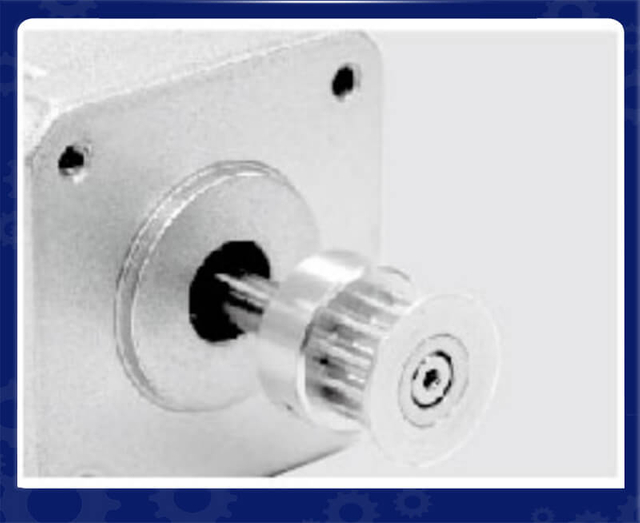
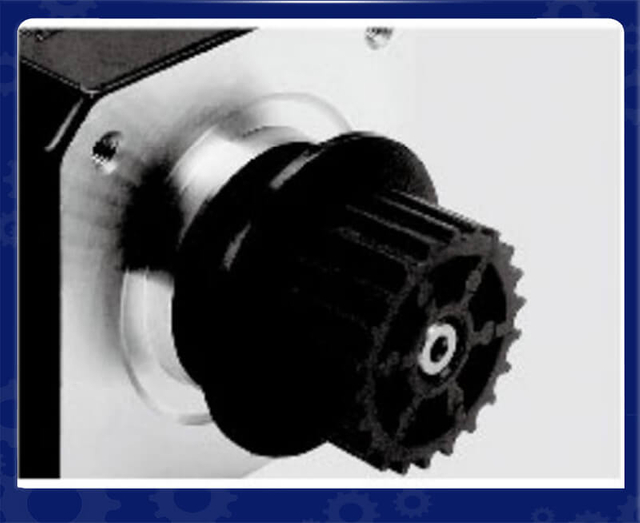
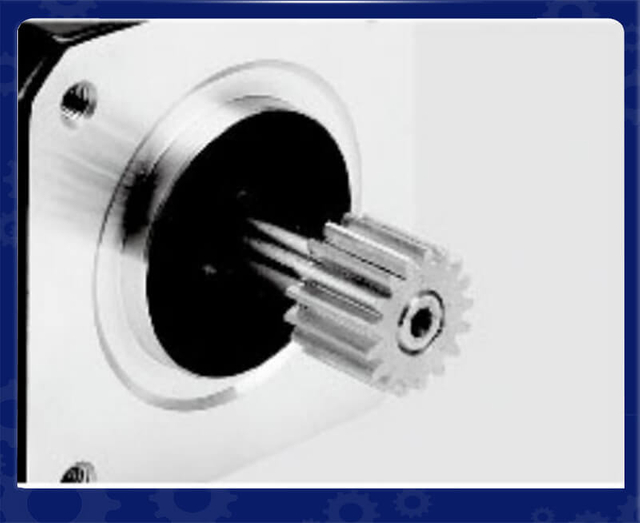
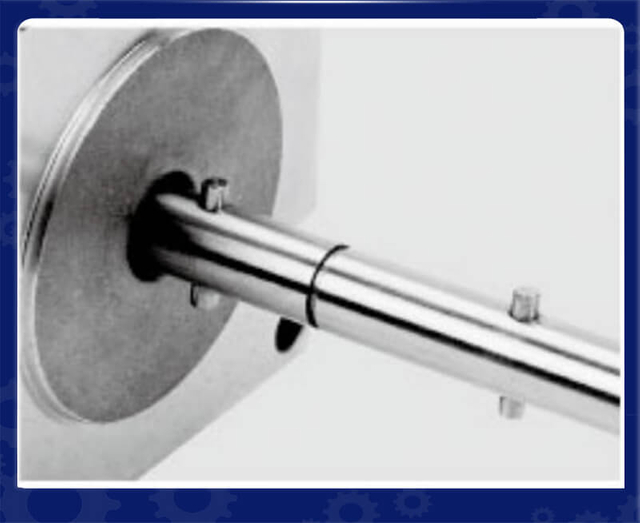
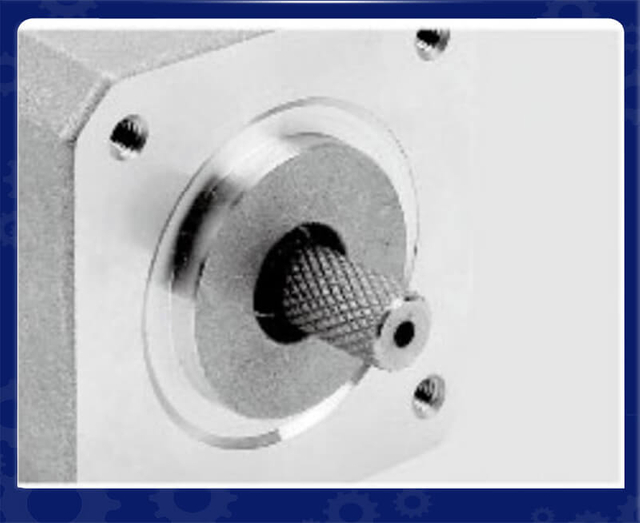
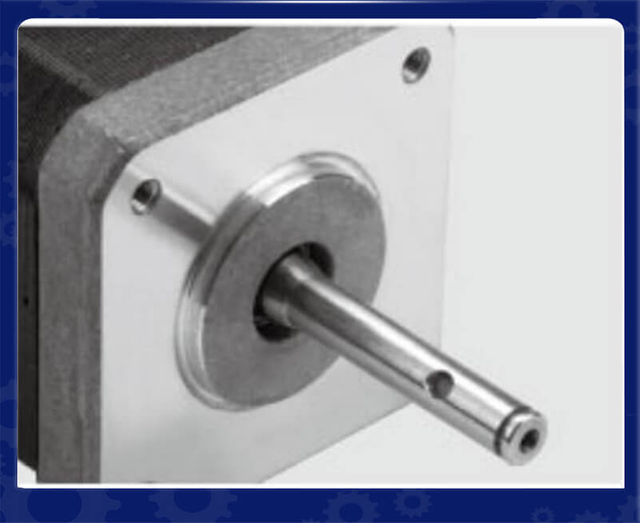
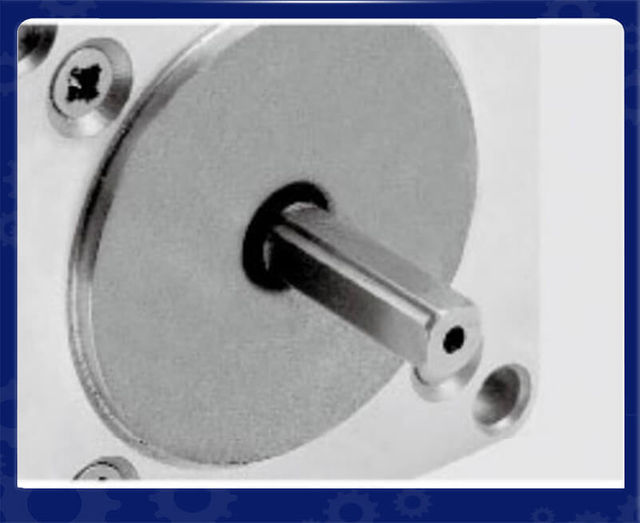
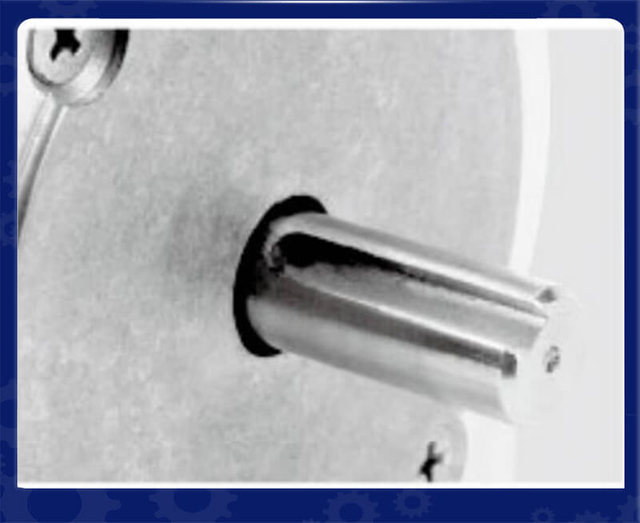
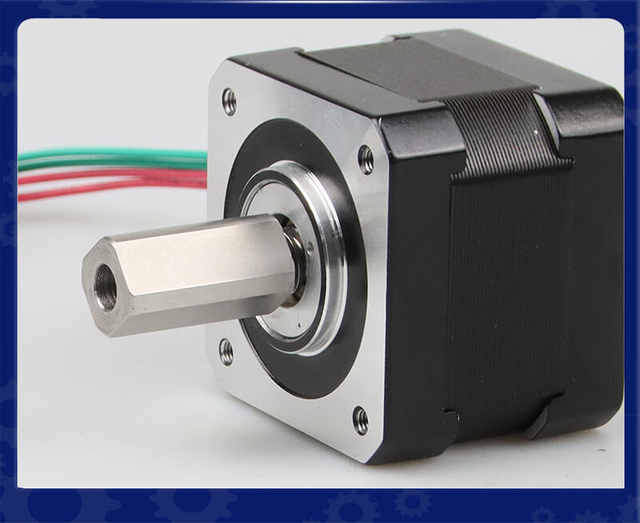
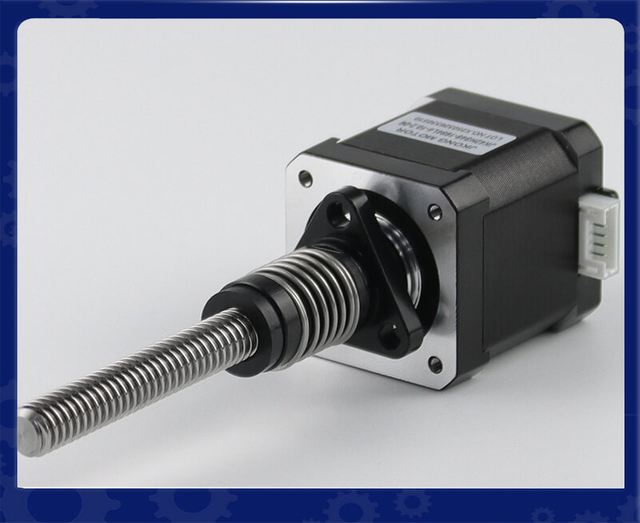
Customized Shaft Service
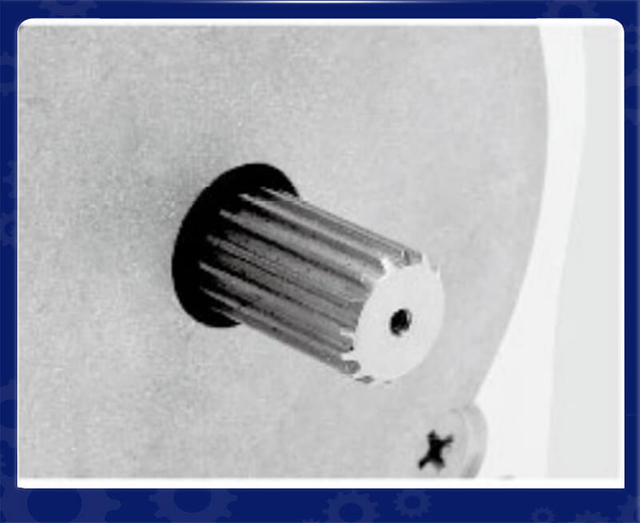
Metal Pulleys
Plastic Pulley
Gear
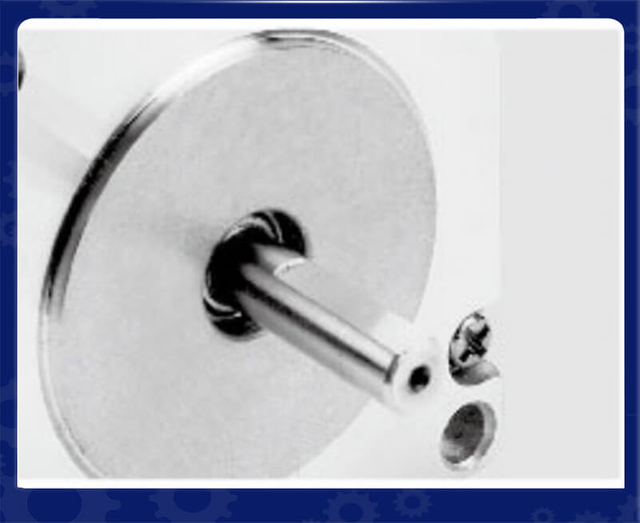
Shaft Pin
Threaded Shaft
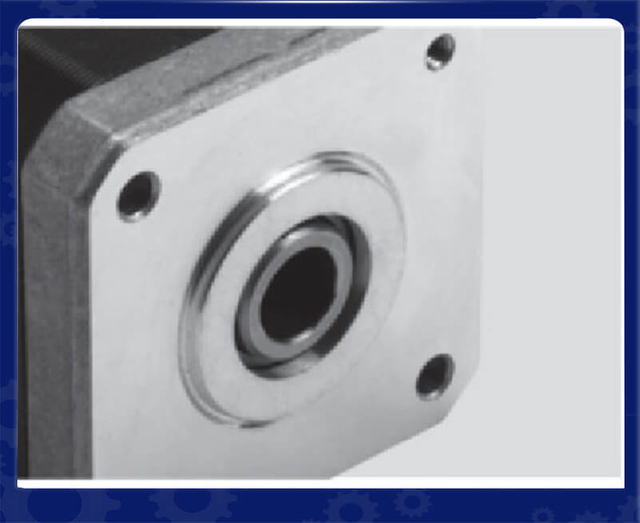
Panel Mount
Hollow Shaft
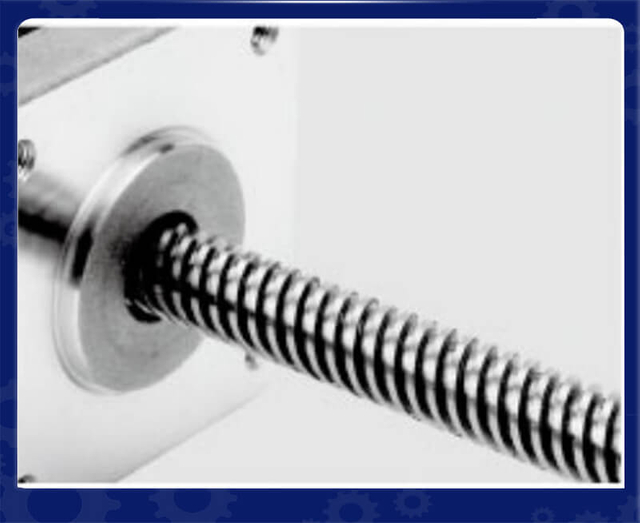
Lead Screw
Panel Mount
Single Flat
Dual Flat
Key Shaft
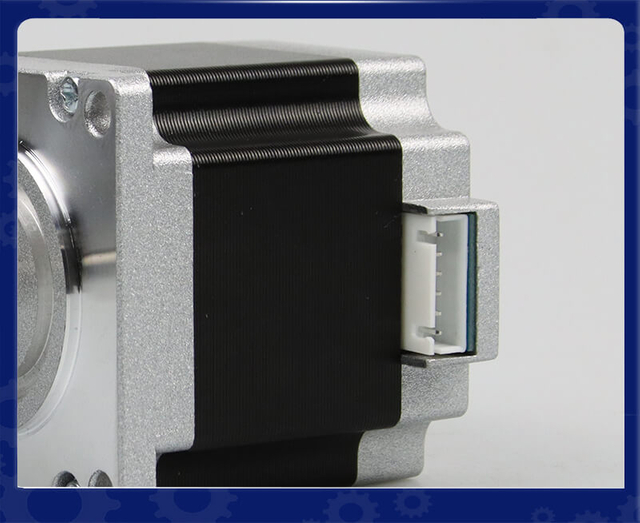
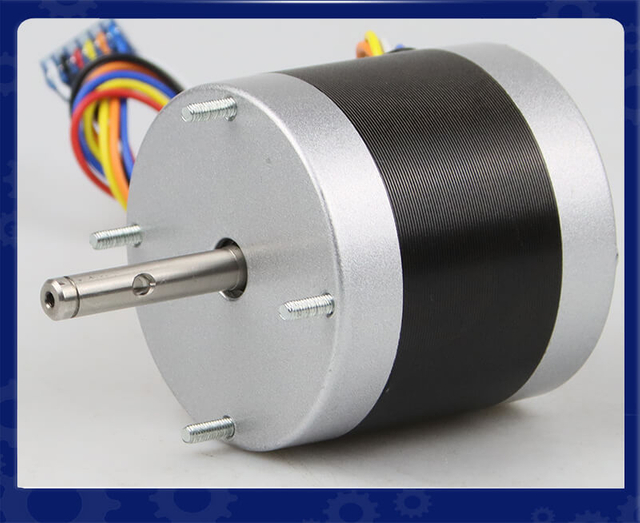
Customized Motor Service
Cables
Covers
Shaft
Lead Screw Rod
Encoders
Brakes
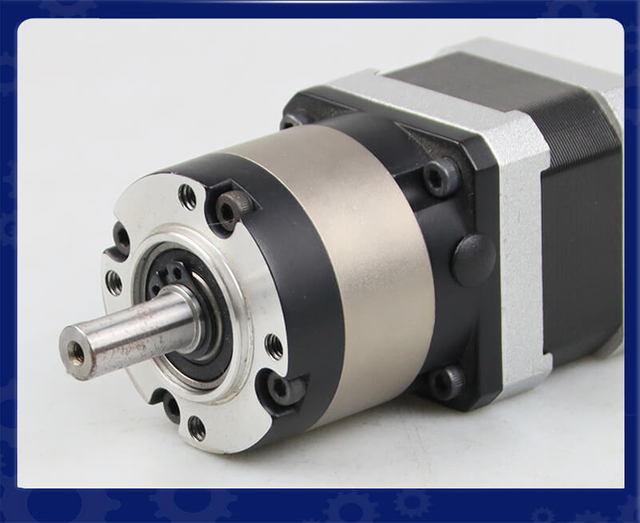
Gearboxes
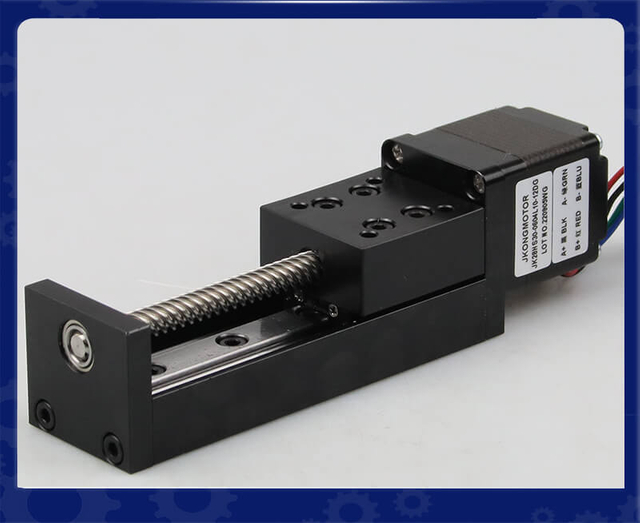
Linear Module
Integrated Drivers
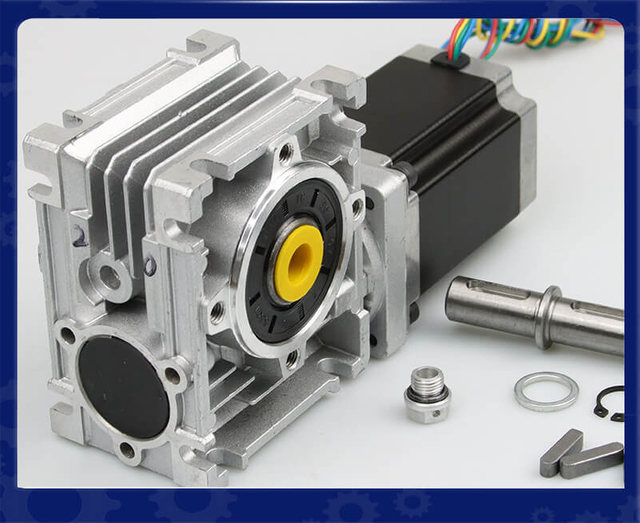
Worm Gearbox
High Precision Motion Control for Accurate Disinfection
Autonomous disinfection robots must precisely control movement to ensure uniform coverage during sterilization processes such as:
UV-C disinfection
Spray disinfection
Fogging disinfection
Electrostatic spraying
Integrated servo motors provide:
High-resolution encoders
Closed-loop control systems
Smooth acceleration and deceleration
Precise positioning capability
These capabilities allow robots to:
Maintain consistent distance from surfaces
Avoid missed disinfection zones
Optimize coverage efficiency
Improve sterilization effectiveness
Precision motion control directly improves disinfection performance, making integrated servo motors essential for healthcare-grade robots.
Improved Reliability for Continuous Operation
Autonomous disinfection robots often operate 24/7, especially in:
Integrated servo motors combine all components into one unit, enabling:
Plug-and-play installation
Reduced engineering time
Lower integration cost
Faster product development
This is especially valuable for robot manufacturers aiming to accelerate product launch timelines.
Advanced Communication for Smart Disinfection Robots
Modern autonomous disinfection robots require intelligent communication capabilities.
Integrated servo motors support various communication protocols, including:
CANopen
Modbus
EtherCAT
RS485
Ethernet
These communication options allow seamless integration with:
Robot control systems
Sensors
Navigation modules
AI algorithms
Smart Robot Capabilities Enabled
Autonomous navigation
Obstacle avoidance
Remote monitoring
Data logging
Predictive maintenance
Integrated servo motors help create intelligent, connected, and scalable disinfection robots.
Smooth and Quiet Operation for Indoor Environments
Disinfection robots frequently operate in sensitive environments, such as:
Hospitals
Offices
Hotels
Laboratories
Noise reduction is essential in these settings.
Integrated servo motors provide:
Smooth motion control
Low vibration
Quiet operation
Stable movement
This ensures robots can operate without disturbing patients, staff, or visitors.
Flexible Customization for Different Disinfection Robots
Different autonomous disinfection robots require custom motion solutions, depending on:
Robot size
Payload
Disinfection method
Mobility system
Integrated servo motor manufacturers offer customization options such as:
Voltage customization
Torque customization
Encoder selection
Gearbox integration
Brake options
Communication protocol selection
Customization Benefits
Optimized robot performance
Better mechanical integration
Enhanced efficiency
Reduced system complexity
This flexibility makes integrated servo motors suitable for a wide range of disinfection robot designs.
Applications of Integrated Servo Motors in Autonomous Disinfection Robots
Autonomous disinfection robots rely on precise, reliable, and intelligent motion control systems to perform effective sterilization across complex environments. Integrated servo motors play a vital role in enabling these robots to operate efficiently, accurately, and autonomously. By combining motor, driver, controller, and encoder into a compact unit, integrated servo motors simplify robot architecture while improving performance across multiple functional areas.
Below are the key applications of integrated servo motors in autonomous disinfection robots.
Mobile Drive Systems for Autonomous Navigation
One of the most critical applications of integrated servo motors is in the mobile drive systems of autonomous disinfection robots. These robots must navigate through hospitals, airports, warehouses, schools, and office buildings with high precision and stability.
Integrated servo motors provide:
Precise speed control
Smooth acceleration and deceleration
Accurate positioning
Stable low-speed operation
These features enable robots to perform:
Autonomous route planning
Obstacle avoidance
Safe human interaction
Accurate docking and charging
Common Drive Configurations
Drive Type
Application
Differential Drive
Hospital disinfection robots
Omni-directional Drive
Indoor public space robots
Mecanum Wheel Drive
Complex navigation environments
AGV-style Drive
Industrial disinfection robots
Integrated servo motors ensure smooth navigation and reliable mobility, which is essential for consistent disinfection coverage.
UV-C Disinfection Module Positioning
Many autonomous disinfection robots use UV-C light technology to eliminate bacteria, viruses, and pathogens. Proper positioning of UV lamps is essential for maximum sterilization efficiency.
Integrated servo motors are used for:
Rotating UV towers
Adjustable UV arms
Multi-angle disinfection systems
Telescopic UV lamp positioning
Benefits of Servo-Controlled UV Systems
Uniform light distribution
Improved disinfection coverage
Precise angle adjustment
Reduced shadow areas
By precisely controlling UV lamp movement, integrated servo motors help robots achieve consistent and thorough disinfection.
Spray and Fogging Disinfection Systems
Autonomous disinfection robots often use spray, fogging, or electrostatic disinfection technologies. Integrated servo motors play a key role in controlling these mechanisms.
Applications include:
Rotating spray nozzles
Adjustable spray arms
Controlled chemical distribution
Multi-directional fogging systems
Advantages of Integrated Servo Motors in Spray Systems
Accurate spray positioning
Controlled coverage patterns
Reduced chemical waste
Improved safety and efficiency
These capabilities allow robots to optimize disinfectant usage while maximizing coverage.
Height Adjustment and Lifting Mechanisms
Different surfaces require disinfection at various heights, including:
This allows autonomous disinfection robots to adapt to different environments and disinfect multiple surface levels.
Robotic Arm and Manipulator Systems
Some advanced autonomous disinfection robots feature robotic arms or manipulators to perform targeted disinfection tasks.
Integrated servo motors control:
Robotic arm joints
Rotational mechanisms
End-effector positioning
Multi-axis movement
Robotic Arm Applications
Targeted surface disinfection
Equipment sterilization
Door handle disinfection
High-touch area sanitization
Integrated servo motors provide precise multi-axis control, enabling robots to perform complex disinfection operations.
Autonomous Docking and Charging Systems
Autonomous disinfection robots must automatically return to charging stations when battery levels are low. Integrated servo motors ensure precise docking control.
Applications include:
Charging dock alignment
Slow-speed positioning
Battery replacement modules
Automatic parking systems
Benefits of Servo-Based Docking
Accurate docking alignment
Reduced mechanical wear
Improved charging efficiency
Reliable autonomous operation
This enables fully automated, unattended disinfection operations.
Sensor Positioning and Scanning Systems
Autonomous disinfection robots rely on sensors and scanning technologies for navigation and environment mapping.
Integrated servo motors control:
LiDAR rotation systems
Camera positioning modules
Scanning platforms
Obstacle detection sensors
Sensor Control Advantages
Improved environmental mapping
Accurate obstacle detection
Enhanced navigation performance
Better disinfection path planning
These functions help robots operate safely and efficiently in dynamic environments.
Wheel Steering and Direction Control
Some advanced disinfection robots use independent steering systems to enhance maneuverability.
Integrated servo motors are used in:
Steering wheel control
Independent wheel drive
Multi-axis movement systems
Precision turning mechanisms
Steering System Benefits
Tight turning radius
Smooth directional changes
Enhanced mobility
Better obstacle avoidance
These features are especially useful in crowded indoor environments.
Air Disinfection and Ventilation Systems
Certain autonomous disinfection robots include air purification and filtration modules. Integrated servo motors help control:
Airflow direction
Adjustable air outlets
Rotating air purification systems
Filter positioning mechanisms
Benefits
Improved air disinfection coverage
Efficient airflow control
Better indoor air quality
Flexible purification direction
This expands the robot’s functionality beyond surface disinfection.
Modular and Expandable Robot Platforms
Integrated servo motors support modular robot design, allowing manufacturers to develop scalable disinfection platforms.
Applications include:
Add-on disinfection modules
Expandable robot arms
Additional mobility systems
Custom disinfection attachments
Modular Design Benefits
Flexible product customization
Reduced development time
Future upgrade capability
Lower system complexity
This makes integrated servo motors ideal for next-generation autonomous disinfection robots.
Conclusion
Integrated servo motors are widely used across mobility systems, UV disinfection modules, spray mechanisms, lift systems, robotic arms, docking systems, sensor platforms, and air purification modules in autonomous disinfection robots.
Their compact design, high precision, intelligent control, and reliability make them essential for modern autonomous sanitation solutions.
As demand for automated disinfection technology continues to grow, integrated servo motors will remain a core component in developing efficient, intelligent, and highly capable autonomous disinfection robots.
Future Trends in Integrated Servo Motors for Disinfection Robotics
As autonomous disinfection robots become increasingly important across healthcare, transportation, manufacturing, hospitality, and public infrastructure, the demand for more intelligent, compact, and efficient motion control solutions continues to grow. Integrated servo motors are evolving rapidly to meet these requirements, enabling the next generation of high-performance autonomous disinfection robots.
Below are the key future trends in integrated servo motors for disinfection robotics that are shaping the industry.
Smarter Integrated Servo Motors with Built-in Intelligence
Future integrated servo motors will incorporate more advanced onboard intelligence, reducing reliance on centralized controllers. This shift will allow autonomous disinfection robots to operate more efficiently and respond faster to environmental changes.
Key Developments
Embedded motion controllers
Advanced digital signal processing
Real-time motion optimization
Self-calibration capabilities
Adaptive motion control algorithms
These intelligent servo systems will allow robots to:
Adjust speed automatically
Optimize disinfection routes
Improve navigation accuracy
Enhance operational stability
Smarter integrated servo motors will enable fully autonomous disinfection robots with improved decision-making capabilities.
Ultra-Compact and Lightweight Designs
As disinfection robots become smaller, more agile, and more mobile, integrated servo motors will continue to evolve toward ultra-compact and lightweight designs-compact and lightweight designs.
Future improvements include:
Miniaturized electronic components
High-density motor winding technology
Advanced compact housing designs
Lightweight materials
Benefits for Disinfection Robots
Smaller robot footprints
Improved maneuverability
Lower power consumption
Increased battery life
Flexible installation options
These compact integrated servo motors will allow manufacturers to design sleeker and more efficient disinfection robots.
Enhanced Energy Efficiency and Low Power Consumption
Energy efficiency is becoming a major priority for mobile autonomous disinfection robots. Future integrated servo motors will feature advanced energy-saving technologies.
Energy Optimization Technologies
Intelligent power management
Regenerative braking technology
High-efficiency magnetic materials
Optimized motor control algorithms
These technologies will enable:
Longer operating time
Reduced charging frequency
Lower operational costs
Increased productivity
Energy-efficient integrated servo motors will support continuous and long-duration disinfection operations.
Advanced Communication and Connectivity
Future disinfection robots will rely heavily on smart connectivity and real-time data communication. Integrated servo motors will support more advanced industrial communication protocols.
Emerging Communication Technologies
EtherCAT
CANopen
PROFINET
Ethernet/IP
Wireless communication integration
These capabilities will enable:
Remote monitoring
Cloud-based diagnostics
Predictive maintenance
Real-time performance tracking
Integrated servo motors will become key components in smart, connected disinfection robot ecosystems.
Improved Safety and Functional Reliability
Autonomous disinfection robots operate in human-populated environments, making safety a critical factor. Future integrated servo motors will include enhanced safety features.
Future Safety Enhancements
Safe torque off (STO)
Emergency stop integration
Overload protection improvements
Temperature monitoring systems
Fault detection and alerts
These safety features will ensure:
Reliable operation in hospitals and public areas
Reduced equipment damage
Enhanced operational stability
Improved user confidence
Safety-focused integrated servo motors will support wider adoption of disinfection robotics.
Integration with AI and Autonomous Navigation Systems
Artificial intelligence is transforming autonomous disinfection robots, and integrated servo motors will play a central role in supporting AI-driven motion control.
AI Integration Capabilities
Smart motion learning
Predictive path optimization
Adaptive obstacle avoidance
Intelligent speed adjustment
AI-enabled integrated servo motors will allow robots to:
Improve efficiency over time
Optimize disinfection coverage
Reduce operational errors
Enhance autonomy
This integration will lead to smarter and more efficient robotic disinfection solutions.
Modular and Scalable Motion Control Platforms
Future disinfection robots will emphasize modular and scalable architecture. Integrated servo motors will support plug-and-play modular designs.
Modular Design Benefits
Easy robot customization
Faster product development
Flexible configuration options
Simplified maintenance
Manufacturers will be able to develop:
Multi-function disinfection robots
Expandable robot platforms
Industry-specific robot designs
Integrated servo motors will enable highly flexible and scalable robotic solutions.
Improved Environmental Adaptability
Disinfection robots often operate in challenging environments, including:
Hospitals with strict hygiene standards
Industrial facilities with dust exposure
Public spaces with temperature variations
Future integrated servo motors will feature:
Higher protection ratings (IP65, IP67)
Enhanced thermal performance
Dust and moisture resistance
Anti-corrosion coatings
These improvements will ensure reliable performance in diverse operating environments.
Integration with Multi-Axis Motion Systems
Next-generation autonomous disinfection robots will use multi-axis motion systems for improved flexibility and coverage.
Integrated servo motors will support:
Multi-axis robotic arms
Rotating disinfection towers
Adjustable spray modules
Telescopic disinfection systems
Multi-Axis Advantages
Better coverage
Flexible disinfection angles
Improved efficiency
Enhanced robot functionality
Integrated servo motors will enable more sophisticated disinfection robot designs.
Customization and Industry-Specific Solutions
Future integrated servo motors will offer greater customization for specific disinfection applications.
Customization options may include:
Voltage selection
Torque requirements
Encoder resolution
Communication protocols
Brake integration
These customizable solutions will allow manufacturers to optimize performance for specific disinfection robot designs.
Summary
The future of integrated servo motors in disinfection robotics is driven by intelligence, miniaturization, efficiency, connectivity, and safety. These advancements will enable autonomous disinfection robots to become more reliable, flexible, and capable across a wide range of industries.
As demand for automated sanitation solutions continues to expand, integrated servo motors will remain a core enabling technology for next-generation disinfection robots. Manufacturers that adopt advanced integrated servo motor solutions will gain significant advantages in performance, efficiency, and product innovation, shaping the future of autonomous disinfection robotics.
Why Choose Professional Integrated Servo Motor Manufacturers
Selecting a professional integrated servo motor supplier ensures:
High-quality components
Advanced engineering support
Custom design capabilities
Stable supply chain
Long-term reliability
Professional manufacturers also provide:
Technical consultation
Rapid prototyping
Custom integration
After-sales support
Working with experienced integrated servo motor suppliers ensures optimal performance for autonomous disinfection robots.
Conclusion
Integrated servo motors offer compact design, high precision, energy efficiency, intelligent control, and superior reliability, making them the ideal solution for autonomous disinfection robots.
As demand for automated sanitation continues to grow, integrated servo motors will play a critical role in improving robot performance, reducing operational costs, and enabling smarter automation solutions.
Manufacturers that adopt integrated servo motors gain competitive advantages, including faster development cycles, improved robot efficiency, and enhanced product reliability.
Integrated servo motors are not just a motion control component — they are the core technology powering the future of autonomous disinfection robotics.