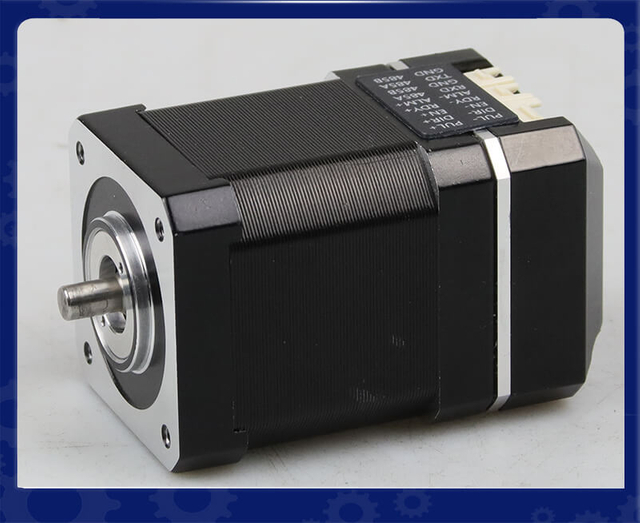
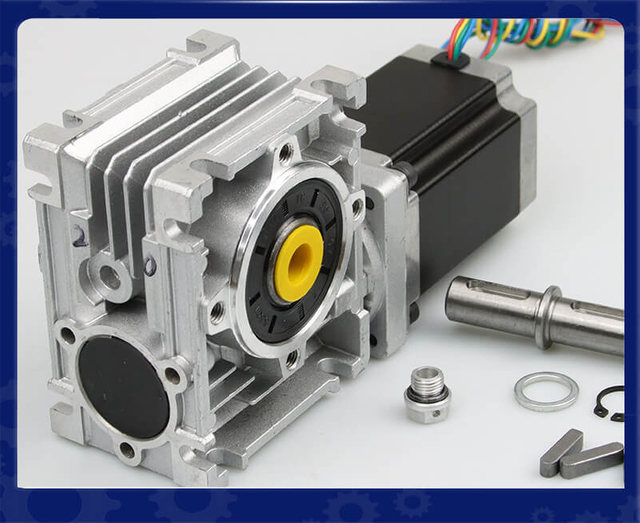
How Waterproof Stepper Motors Enhance Food Packaging Machine Reliability ?
Views: 0 Author: Site Editor Publish Time: 2026-06-18 Origin: Site
Food packaging machines operate in demanding environments where precision, reliability, and hygiene are critical. From filling and sealing systems to labeling, sorting, and automated handling equipment, every motion component must maintain consistent performance under continuous operation. In these applications, waterproof stepper motors provide an effective solution for reducing maintenance risks by protecting motion systems from moisture, cleaning processes, food particles, and harsh operating conditions.
Unlike standard stepper motors, waterproof stepper motors are designed with enhanced sealing structures, corrosion-resistant materials, and improved protection against environmental exposure. These features help food packaging manufacturers achieve longer service life, fewer unexpected failures, and more stable production performance.
Food packaging environments involve many factors that can negatively affect traditional motor systems. Packaging machines often experience:
Frequent washing and sanitation procedures
Exposure to water spray and cleaning chemicals
High humidity levels
Food residue contamination
Temperature variations
Continuous high-frequency operation
A conventional stepper motor may suffer from moisture penetration, corrosion, insulation damage, or mechanical degradation when exposed to these conditions. Over time, these issues increase maintenance frequency and create unexpected production interruptions.
Waterproof stepper motors are engineered to handle these challenges by providing better protection against environmental factors. With proper sealing and protection ratings, they maintain reliable operation even in applications requiring regular cleaning and strict hygiene standards.
How Waterproof Stepper Motors Prevent Moisture-Related Failures
In the food processing, pharmaceutical, beverage, and medical industries, equipment hygiene and mechanical reliability are two of the most important design considerations. Automated machines must operate accurately while meeting strict cleanliness requirements. Traditional motors can create challenges in these environments because they are vulnerable to moisture, cleaning agents, dust, and contamination.
Waterproof stepper motors provide a reliable solution by combining precise motion control with enhanced environmental protection. Their sealed construction, corrosion-resistant materials, and compact design help manufacturers build cleaner, safer, and more efficient automated equipment.
Improving Hygiene Standards in Automated Equipment
Hygiene is a critical requirement for industries where contamination control is essential. Food packaging machines, filling systems, and processing equipment are frequently exposed to water, steam, and cleaning solutions during routine sanitation procedures.
Standard motors often require additional protective covers or external enclosures to prevent liquid and contaminants from entering the motor housing. These extra components may increase machine complexity and create additional areas where dirt, bacteria, or residue can accumulate.
A waterproof stepper motor reduces these hygiene concerns through integrated protection. Its sealed structure helps prevent:
Water penetration
Dust accumulation
Food residue contamination
Chemical exposure damage
Internal component corrosion
By reducing external protection requirements, waterproof motors support cleaner machine designs that are easier to wash, maintain, and sanitize.
Supporting Washdown-Ready Machine Designs
Many food and beverage production environments require frequent washdown cleaning. Equipment must withstand direct exposure to water sprays and cleaning processes without affecting performance.
Waterproof stepper motors are designed with protective features such as:
Sealed motor housings
Waterproof cable connections
Protected bearings
Enhanced shaft sealing
Corrosion-resistant surfaces
These features allow manufacturers to design equipment that can better handle demanding cleaning cycles.
For example, in a food packaging line, motors used for conveyor adjustment, sealing mechanisms, or dosing systems may be exposed to moisture every day. A waterproof stepper motor minimizes the risk of failure caused by repeated cleaning operations.
Reducing the Need for Additional Protective Components
Traditional motor installations often require extra protection methods, including:
Protective boxes
Rubber covers
External sealing systems
Additional ventilation barriers
While these solutions can improve protection, they may increase machine size, installation complexity, and maintenance requirements.
A waterproof stepper motor integrates environmental protection directly into the motor structure. This allows engineers to simplify equipment layouts and reduce the number of additional protective parts.
The result is:
More compact machine designs
Easier installation
Reduced maintenance workload
Improved overall equipment appearance
This integrated approach is especially valuable for modern automation systems where space efficiency and cleanliness are important.
Enhancing Clean and Compact Equipment Architecture
Modern industrial equipment increasingly focuses on compact designs with fewer mechanical obstacles. Large external enclosures or protective structures can limit machine flexibility and make cleaning more difficult.
Waterproof stepper motors help create streamlined equipment architectures because they can be installed directly into the motion system without requiring complex protection solutions.
Applications include:
Food filling machines
Packaging automation systems
Labeling machines
Medical equipment
Pharmaceutical processing equipment
Conveyor systems
The compact design of waterproof stepper motors allows manufacturers to maximize available space while maintaining reliable operation.
Improving Corrosion Resistance in Harsh Environments
Humidity and chemical exposure can gradually damage motor components. Corrosion may affect:
Motor housing strength
Bearing performance
Shaft movement
Electrical insulation
Overall motor lifespan
Waterproof stepper motors improve durability by using materials and structures designed for harsh environments. Their protective sealing reduces the chance of moisture reaching sensitive internal parts.
For equipment operating in wet or high-humidity environments, improved corrosion resistance means fewer replacements and more stable long-term performance.
Maintaining Precision While Meeting Hygiene Requirements
Hygiene-focused industries cannot sacrifice accuracy for cleanliness. Packaging and automation systems require precise positioning to maintain product quality.
Waterproof stepper motors provide both:
Environmental protection
Accurate motion control
They deliver consistent step-by-step movement for applications such as:
Filling adjustments
Cutting mechanisms
Product positioning
Conveyor control
Automated consistent step-by-step movement for applications such as:
Filling adjustments
Cutting mechanisms
Product positioning
Conveyor control
Automated inspection systems
Because the motor remains protected from external contamination, it can maintain stable performance over longer operating periods.
Simplifying Maintenance and Cleaning Procedures
Equipment maintenance becomes easier when motors are designed for challenging environments. Traditional motors may require careful protection during cleaning operations, increasing labor time and inspection requirements.
With waterproof stepper motors, operators can perform routine sanitation procedures with fewer concerns about motor damage.
Benefits include:
Shorter cleaning preparation time
Reduced inspection frequency
Lower risk of unexpected failures
Longer maintenance intervals
This improves operational efficiency and helps production facilities maintain consistent workflow.
Supporting Safer Food and Pharmaceutical Production
In industries where product safety is critical, equipment design directly affects production quality. Components that collect contaminants or require frequent manual protection can increase operational risks.
Waterproof stepper motors contribute to safer machine designs by reducing exposed mechanical areas and improving resistance to environmental factors.
They help manufacturers achieve:
Cleaner production environments
More reliable automation
Better compliance with hygiene requirements
Improved equipment durability
The Role of Waterproof Stepper Motors in Future Equipment Design
As automation technology continues to develop, manufacturers are looking for motion solutions that are smaller, smarter, and more reliable. Waterproof stepper motors support these trends by providing a combination of precision, protection, and design flexibility.
Future equipment designs will increasingly require:
Compact waterproof motion systems
Higher protection ratings
Lower maintenance requirements
Better integration with intelligent automation
Waterproof stepper motors will continue to play an important role in creating advanced machines for food packaging, medical, and industrial applications.
Conclusion
Waterproof stepper motors improve hygiene and equipment design by providing reliable motion control while protecting against moisture, contamination, and harsh cleaning environments. Their sealed construction reduces the need for additional protective components, simplifies machine structures, and supports cleaner industrial designs.
For manufacturers developing food packaging machines and other hygiene-sensitive equipment, waterproof stepper motors offer a practical way to achieve higher reliability, easier maintenance, and improved long-term performance.
Improved Resistance to Cleaning Processes
Food packaging machines must meet strict sanitation requirements. Regular cleaning is necessary to prevent contamination and maintain food safety standards. However, repeated exposure to water jets, detergents, and cleaning solutions can accelerate equipment wear.
Traditional motors may require additional protective covers or special installation methods to avoid damage. These solutions can increase system complexity and maintenance workload.
A waterproof stepper motor for food packaging machines provides built-in environmental protection. Its sealed structure allows easier machine cleaning while reducing concerns about water penetration.
Benefits include:
Less downtime after cleaning operations
Reduced risk of electrical failures
Simplified machine maintenance procedures
Longer motor replacement cycles
This makes waterproof stepper motors especially suitable for packaging equipment used in food processing, beverage filling, pharmaceutical packaging, and other hygiene-sensitive industries.
Reducing Corrosion and Extending Motor Service Life
Corrosion is a common cause of premature motor failure in humid or wet environments. Metal components inside a motor can gradually deteriorate when exposed to moisture, causing reduced mechanical performance and increased friction.
Waterproof stepper motors help prevent corrosion through:
Corrosion-resistant motor housings
Protective coatings
Sealed bearings
Improved shaft protection
Durable connector designs
By protecting internal components from moisture and contaminants, these motors maintain stable torque output and positioning accuracy over a longer operating period.
For automated packaging systems that run thousands of hours per year, extending motor lifespan directly reduces maintenance costs and improves overall equipment availability.
Maintaining Accurate Motion Control in Packaging Applications
Food packaging machines require precise positioning for operations such as:
Bag cutting
Label positioning
Bottle filling
Conveyor adjustment
Product sorting
Sealing mechanisms
Any loss of positioning accuracy can affect packaging quality and production efficiency.
Environmental contamination can impact motor performance by increasing mechanical resistance or damaging electrical components. Waterproof stepper motors help maintain consistent motion control by protecting the internal drive system from external interference.
With stable torque output and reliable step-by-step movement, waterproof stepper motors support accurate and repeatable automation processes.
Lowering Unexpected Downtime in Automated Packaging Systems
Unplanned downtime is one of the biggest challenges in manufacturing. A single motor failure can stop an entire packaging line, causing production delays and increased operating costs.
Waterproof stepper motors reduce unexpected downtime by improving reliability in harsh environments. Their protective design allows them to operate consistently despite exposure to moisture, dust, and cleaning procedures.
The advantages include:
Fewer emergency repairs
Reduced machine stoppages
More predictable maintenance schedules
Improved production efficiency
For manufacturers operating continuous packaging lines, reliable motion components are essential for maintaining productivity.
How Waterproof Stepper Motors Improve Hygiene and Equipment Design
Modern food packaging equipment requires compact, clean, and efficient designs. External protection methods such as additional covers or protective enclosures can increase machine size and complicate maintenance.
Waterproof stepper motors simplify equipment design by integrating protection directly into the motor structure.
This provides:
Cleaner machine layouts
Easier installation
Reduced external protection requirements
Better compatibility with automated systems
A compact waterproof motor solution allows engineers to create packaging machines that are easier to maintain and better suited for strict hygiene environments.
Applications of Waterproof Stepper Motors in Food Packaging Machines
Accurate liquid or powder control requires precise motor movement. Waterproof stepper motors provide reliable positioning for pumps, valves, and adjustment mechanisms while resisting moisture exposure.
2. Sealing and Wrapping Equipment
Sealing machines often operate near steam, heat, and cleaning systems. Waterproof motors help maintain consistent operation in these challenging conditions.
3. Conveyor and Sorting Systems
Packaging conveyors require stable motion control. Waterproof stepper motors provide dependable operation where dust, humidity, and cleaning processes are common.
4. Labeling Machines
Precise label placement depends on accurate motor positioning. Waterproof stepper motors help maintain repeatable movement and reduce maintenance caused by environmental exposure.
5. Food Processing Automation Equipment
Equipment used in meat, beverage, dairy, and frozen food industries benefits from motors designed for wet and demanding environments.
Key Factors When Selecting Waterproof Stepper Motors for Packaging Equipment
Selecting the right waterproof stepper motor for packaging equipment is essential for ensuring reliable operation, accurate motion control, and long-term machine performance. Packaging systems often operate in challenging environments where motors are exposed to moisture, cleaning procedures, dust, temperature changes, and continuous workloads.
A suitable waterproof stepper motor must not only provide precise positioning but also withstand harsh operating conditions while meeting the specific requirements of the packaging application. Understanding the key selection factors helps engineers improve equipment reliability, reduce maintenance costs, and achieve better production efficiency.
1. Determine the Required Waterproof Protection Rating
One of the most important factors when selecting a waterproof stepper motor is the required IP protection rating. The IP rating defines how well the motor is protected against solid particles and water exposure.
Common protection levels include:
IP54: Provides basic protection against dust and limited water splashes.
IP65: Protects against dust ingress and low-pressure water jets, suitable for many packaging environments.
IP66: Provides stronger protection against powerful water jets and frequent cleaning conditions.
IP67: Allows temporary immersion in water and is suitable for more demanding applications.
For food packaging machines that require regular washdown procedures, a higher IP rating is usually preferred. Choosing the correct protection level ensures the motor can handle the actual working environment without unnecessary cost or oversized specifications.
2. Evaluate Torque Requirements and Mechanical Load
The motor must provide enough torque to move the mechanical load accurately and consistently. Insufficient torque may cause:
Positioning errors
Motor overheating
Missed steps
Reduced production accuracy
When selecting a waterproof stepper motor, engineers should consider:
Load weight
Friction forces
Acceleration requirements
Operating speed
Duty cycle
For example, sealing mechanisms, filling systems, and conveyor adjustment units may require different torque levels. A motor with the correct torque rating ensures stable operation and prevents performance problems during continuous packaging processes.
3. Consider Motion Accuracy and Positioning Performance
Packaging equipment often requires precise movement for processes such as:
Product filling
Label alignment
Cutting operations
Packaging material feeding
Robotic handling
A high-quality waterproof stepper motor should provide accurate positioning and repeatable motion.
Important performance factors include:
Step angle accuracy
Holding torque
Speed stability
Low vibration operation
Smooth acceleration and deceleration
Accurate motion control helps maintain consistent packaging quality and reduces material waste caused by positioning errors.
4. Check Compatibility With the Packaging Machine Control System
A waterproof stepper motor must work correctly with the existing automation system. Before selection, engineers should verify compatibility with:
Stepper motor drivers
PLC controllers
Motion control systems
Power supply specifications
Communication interfaces
The motor and driver combination directly affects performance. A properly matched system improves efficiency, reduces electrical stress, and ensures stable operation.
For advanced packaging machines, integrated solutions such as waterproof stepper motors with built-in drivers or controllers may simplify installation and improve system reliability.
5. Select Suitable Materials for Food and Hygienic Environments
Packaging equipment used in food, beverage, and pharmaceutical industries requires materials that can withstand frequent cleaning and exposure to moisture.
Important material considerations include:
Corrosion-resistant housing
Stainless steel components
Durable shaft materials
Chemical-resistant seals
Food-safe surface finishes
A motor designed with suitable materials can maintain performance even when exposed to humidity, cleaning agents, and demanding production conditions.
6. Consider Operating Environment and Temperature Conditions
Packaging machines may operate in different environments, including:
Cold storage areas
Heated processing zones
High-humidity production rooms
Continuous production lines
Temperature changes can affect motor performance, lubrication, insulation, and electrical characteristics.
When selecting a waterproof stepper motor, check:
Operating temperature range
Heat dissipation capability
Insulation class
Continuous operation capability
A motor designed for the correct temperature environment will have better reliability and longer service life.
7. Pay Attention to Motor Size and Installation Space
Modern packaging equipment often requires compact mechanical designs. Large motors or additional protective enclosures may increase machine size and complicate installation.
Waterproof stepper motors help save space because they combine motion performance and environmental protection in one unit.
Engineers should evaluate:
Motor dimensions
Mounting method
Shaft configuration
Cable routing
Installation position
A compact motor solution allows more flexible machine design and easier integration into automated systems.
8. Analyze Maintenance Requirements and Expected Service Life
Reducing maintenance is a major goal when selecting components for packaging equipment. Frequent motor replacement can increase downtime and operating costs.
A reliable waterproof stepper motor should provide:
Long operating life
Stable performance
Reduced corrosion risk
Minimal maintenance requirements
Features such as sealed bearings, protected connectors, and durable housing designs help extend service intervals and improve machine availability.
9. Consider Energy Efficiency and Heat Generation
Continuous packaging operations require motors that can operate efficiently for long periods. Excessive heat generation may reduce motor lifespan and affect nearby components.
Factors to evaluate include:
Motor efficiency
Current consumption
Heat dissipation design
Operating load conditions
An efficient waterproof stepper motor helps reduce energy usage while maintaining reliable motion performance.
10. Choose a Reliable Manufacturer and Technical Support Partner
The quality of the motor supplier also affects long-term equipment performance. A professional manufacturer should provide:
Detailed technical specifications
Application support
Customization options
Quality testing
Reliable after-sales service
For packaging machine manufacturers, working with an experienced waterproof stepper motor supplier helps ensure the motor matches the application requirements and performs reliably in real-world conditions.
Conclusion
Choosing the right waterproof stepper motor for packaging equipment requires careful consideration of protection rating, torque, accuracy, materials, compatibility, environmental conditions, and maintenance requirements.
A properly selected waterproof stepper motor can improve machine reliability, reduce downtime, simplify maintenance, and support cleaner equipment designs. For food packaging and other hygiene-sensitive applications, the right motor solution provides the durability and precision needed for efficient long-term automation performance.
Future Trends of Waterproof Stepper Motors in Food Packaging Automation
The food packaging industry is rapidly moving toward higher levels of automation, efficiency, and intelligent manufacturing. As production lines become faster and more complex, motion components must provide greater reliability, precision, and environmental resistance. In this evolving landscape, waterproof stepper motors are becoming increasingly important for food packaging automation because they combine accurate motion control with strong protection against moisture, cleaning processes, and harsh operating conditions.
Future developments in waterproof stepper motor technology will focus on improving durability, intelligence, energy efficiency, and integration capabilities. These trends will help packaging manufacturers build cleaner, smarter, and more reliable automated systems.
1. Higher Waterproof Protection for Advanced Cleaning Environments
Food packaging equipment is subject to increasingly strict hygiene standards. Frequent washdown procedures, high-pressure cleaning, and exposure to sanitation chemicals require motors with stronger environmental protection.
Future waterproof stepper motors will continue to improve through:
Higher IP protection ratings
Enhanced sealing structures
Improved waterproof connectors
More durable protective coatings
Advanced corrosion-resistant materials
These improvements will allow motors to operate reliably in demanding environments such as meat processing, beverage production, dairy packaging, and frozen food automation.
As cleaning requirements become more rigorous, waterproof stepper motors with stronger protection will help reduce equipment downtime caused by moisture-related failures.
2. Integration of Smart Monitoring and Condition Detection
One major trend in industrial automation is the development of intelligent components. Traditional motors mainly provide mechanical movement, but future waterproof stepper motors will increasingly include monitoring capabilities.
Smart waterproof stepper motor systems may integrate:
Temperature monitoring
Load detection
Vibration analysis
Operating status feedback
Predictive maintenance functions
These features allow manufacturers to identify potential issues before failures occur.
For food packaging systems running continuously, predictive maintenance can significantly improve production stability by reducing unexpected machine stoppages.
3. More Compact and Integrated Motor Solutions
Modern packaging machines require smaller footprints and higher functionality. Equipment designers are looking for components that reduce installation space while maintaining performance.
Future waterproof stepper motors will trend toward:
Compact mechanical structures
Integrated drivers
Built-in controllers
Simplified wiring systems
Modular installation designs
Integrated waterproof stepper motors can reduce the number of external components required, making packaging equipment cleaner and easier to maintain.
This design approach supports the development of compact automated machines with improved reliability.
4. Improved Energy Efficiency and Lower Heat Generation
Energy efficiency is becoming a key consideration in industrial equipment design. Food packaging machines often operate for long periods, making motor energy consumption an important factor.
Future waterproof stepper motors will focus on:
Lower power consumption
Improved electromagnetic design
Reduced heat generation
More efficient control methods
Lower heat production also benefits equipment reliability because excessive temperature can accelerate component aging.
Energy-efficient waterproof stepper motors will help manufacturers reduce operating costs while maintaining stable motion performance.
5. Enhanced Precision for High-Speed Packaging Automation
Packaging automation is becoming faster and more precise. Applications such as high-speed filling, labeling, sorting, and robotic packaging require accurate motion control.
Future waterproof stepper motors will improve through:
Higher positioning accuracy
Smoother motion control
Reduced vibration
Better speed performance
Improved torque stability
These improvements will support more advanced packaging systems where even small positioning errors can affect product quality and production efficiency.
6. Greater Use of Corrosion-Resistant and Food-Safe Materials
Material technology will continue to influence waterproof stepper motor development. Food packaging environments require components that can withstand moisture, cleaning chemicals, and long-term exposure.
Future motors will increasingly use:
Stainless steel structures
Advanced protective coatings
Chemical-resistant sealing materials
Durable industrial-grade components
These material improvements will extend motor lifespan and improve compatibility with strict hygiene environments.
7. Better Compatibility With Intelligent Factory Systems
The growth of Industry 4.0 is transforming food packaging automation. Machines are becoming more connected, data-driven, and flexible.
Future waterproof stepper motors will need to integrate better with:
Industrial communication networks
Smart PLC systems
Automated production management platforms
Remote monitoring systems
Connected motor solutions will allow manufacturers to optimize production performance and manage equipment more efficiently.
8. Increased Demand for Custom Waterproof Motion Solutions
Different packaging applications have unique requirements. A filling machine, labeling system, and robotic packaging unit may require different torque, speed, size, and protection levels.
Future trends will include more customized waterproof stepper motor solutions based on:
Application-specific torque requirements
Machine structure
Installation environment
Operating cycle
Hygiene standards
Customized solutions will help equipment manufacturers achieve better performance compared with standard motor options.
9. Expansion Into More Food Packaging Applications
As automation expands, waterproof stepper motors will be used in more areas, including:
Automated Filling Systems
Precise liquid and powder control requires reliable motion components that can withstand moisture exposure.
Sealing and Wrapping Machines
Motors must maintain accurate movement while operating near heat, steam, and cleaning processes.
Smart Conveyor Systems
Waterproof motors support reliable material handling in humid production environments.
Robotic Packaging Equipment
Compact and durable motors enable precise movement in automated picking and placing systems.
The wider adoption of automation will continue increasing demand for waterproof motor solutions.
10. Focus on Long-Term Reliability and Reduced Maintenance Costs
One of the biggest priorities in food packaging automation is reducing downtime. Equipment failures can interrupt production schedules and increase operating expenses.
Future waterproof stepper motors will continue to focus on:
Longer service life
Reduced maintenance frequency
Improved environmental resistance
More predictable operation
By improving reliability, these motors help manufacturers achieve higher equipment availability and better production efficiency.
Final
The future of waterproof stepper motors in food packaging automation will be shaped by higher protection levels, intelligent monitoring, compact designs, improved efficiency, and stronger integration with smart manufacturing systems.
As food packaging equipment becomes more automated and hygiene requirements become stricter, waterproof stepper motors will play an increasingly important role in delivering precise, reliable, and maintenance-friendly motion control solutions. Their continued development will help manufacturers create safer, cleaner, and more efficient packaging systems for the future.
Waterproof stepper motors play an important role in reducing maintenance risks in food packaging machines by protecting against moisture, cleaning processes, corrosion, and environmental contamination. Their sealed design, durable construction, and reliable motion control capabilities help manufacturers reduce downtime, extend equipment lifespan, and maintain consistent production quality.
For food packaging applications that require precision, hygiene, and long-term reliability, waterproof stepper motors provide a practical motion solution that supports safer and more efficient automation systems.