Home » News » Stepper Motor » How To Match Drivers And Controllers with High Torque Geared Stepper Motors
How To Match Drivers And Controllers with High Torque Geared Stepper Motors
Views: 0 Author: Site Editor Publish Time: 2026-05-22 Origin: Site
High torque geared stepper motors are widely used in industrial automation, robotics, medical systems, CNC equipment, packaging machinery, textile automation, semiconductor handling, and precision positioning applications. Selecting the correct motor is only one part of achieving reliable motion performance. The true efficiency, torque output, positioning accuracy, and operational stability of the system depend heavily on how well the driver and controller are matched with the geared stepper motor.
An improperly matched driver can lead to overheating, resonance, vibration, step loss, poor torque output, and reduced lifespan. A poorly selected controller can limit system responsiveness, synchronization accuracy, and motion smoothness. To achieve optimal performance, engineers must carefully evaluate voltage, current, microstepping, communication protocols, feedback systems, acceleration profiles, and application load characteristics.
This guide explains how to properly match drivers and controllers with high torque geared stepper motors for industrial-grade performance and long-term reliability.
Understanding High Torque Geared Stepper Motors
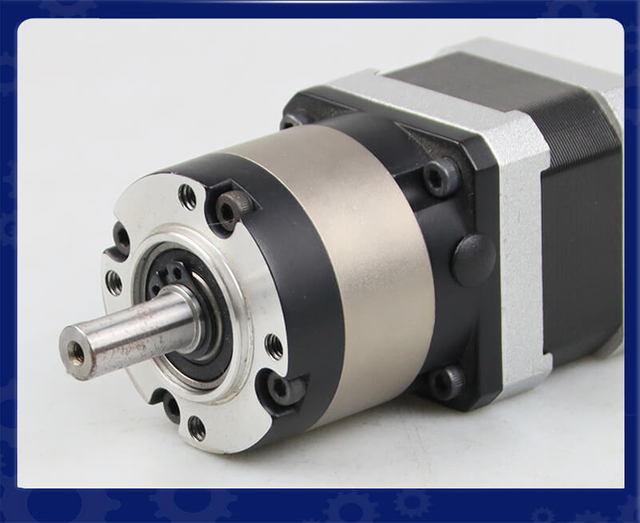
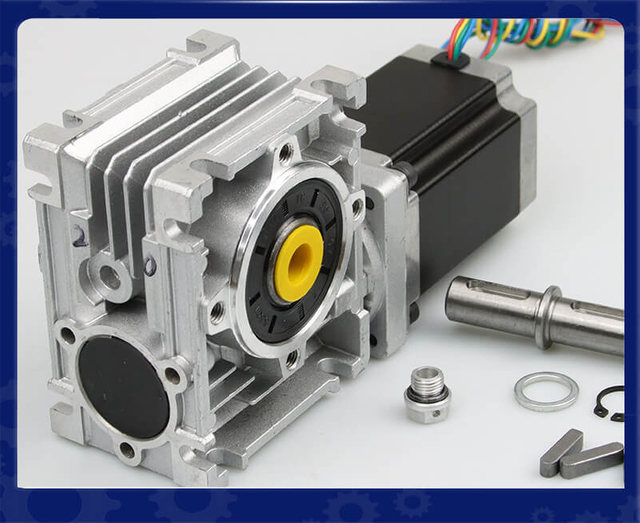
A high torque geared stepper motor combines a standard stepper motor with a gearbox to increase output torque while reducing output speed. The gearbox multiplies torque and enhances positional resolution, making these motors ideal for heavy-load and precision applications.
Key Advantages of Geared Stepper Motors
Higher output torque
Improved positioning accuracy
Lower output speed with stable control
Enhanced load handling
Compact mechanical design
Better low-speed performance
Reduced inertia mismatch
Common gearbox types include:
Gearbox Type
Features
Planetary Gearbox
High efficiency, compact, low backlash
Worm Gearbox
Self-locking, high reduction ratios
Spur Gearbox
Cost-effective, simple design
Harmonic Gearbox
Ultra-high precision, minimal backlash
The driver and controller must be selected according to the gearbox characteristics and motor electrical parameters.
The stepper driver plays a critical role in determining the overall performance of a stepper motor system. It controls the current supplied to the motor windings and directly affects torque, speed, smoothness, accuracy, and heat generation.
A properly matched driver helps the motor operate efficiently, while an incorrect driver can cause vibration, missed steps, overheating, and unstable motion.
Current Control
The driver regulates motor current to maintain stable torque output. If the current is too low, the motor may lose torque and fail under load. Excessive current increases motor temperature and shortens service life.
Voltage Performance
Higher driver voltage improves high-speed performance by allowing current to rise faster in the motor windings. This helps the motor maintain torque at higher RPMs and improves acceleration capability.
Microstepping Capability
Modern drivers use and improves acceleration capability.
Microstepping Capability
Modern drivers use microstepping technology to divide full motor steps into smaller increments. This provides:
Smoother motion
Lower vibration
Reduced noise
Improved positioning accuracy
Microstepping is especially important in precision automation and CNC applications.
Motion Stability
A quality driver minimizes resonance and ensures smoother acceleration and deceleration. Stable pulse processing also improves synchronization between the controller and motor.
Protection Functions
Advanced stepper drivers often include:
Overcurrent protection
Overvoltage protection
Thermal shutdown
Short-circuit protection
These features improve system reliability and reduce maintenance risks.
Communication Compatibility
Industrial drivers may support communication protocols such as RS-485, CANopen, EtherCAT, or Modbus, enabling better integration with PLCs and automation systems.
Conclusion
The performance of a high torque stepper motor depends heavily on driver selection. Properly matched drivers improve torque output, motion smoothness, positioning accuracy, and long-term reliability while reducing vibration, overheating, and step loss.
Leanmotor Customized Service
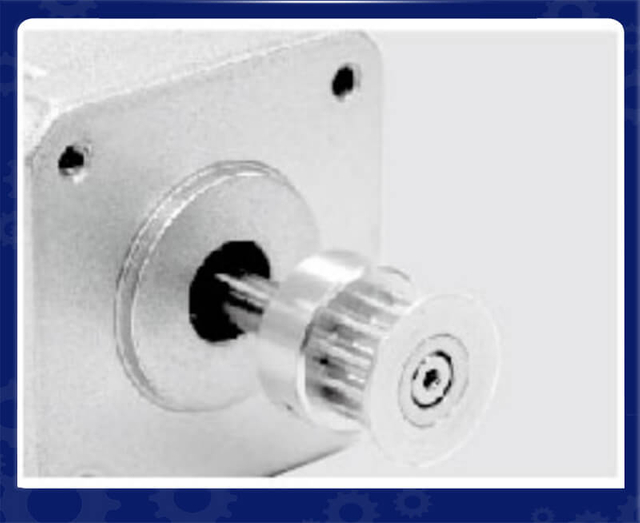
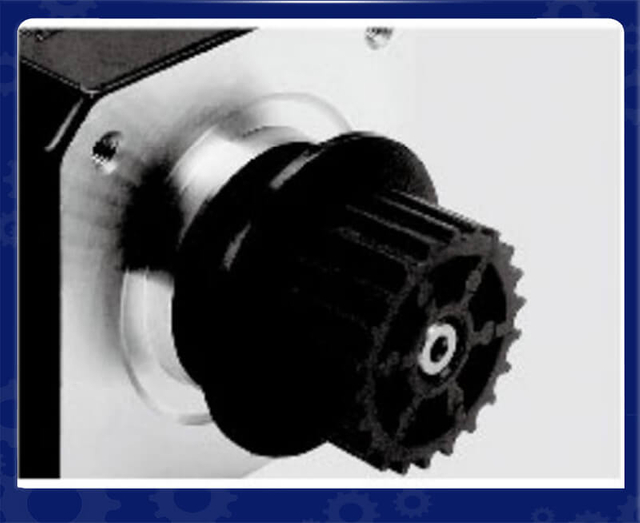
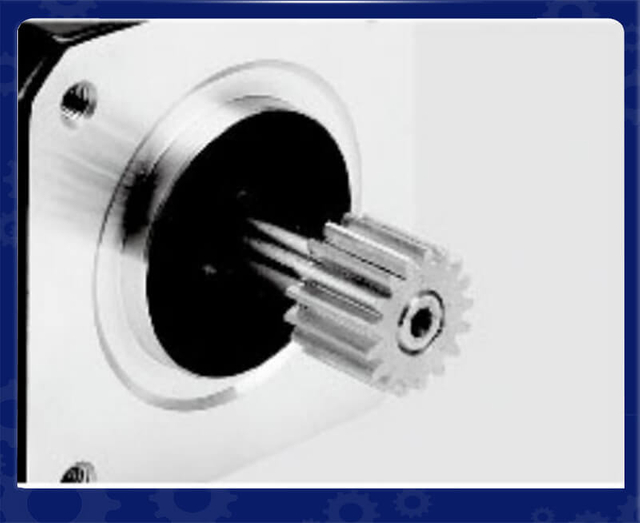
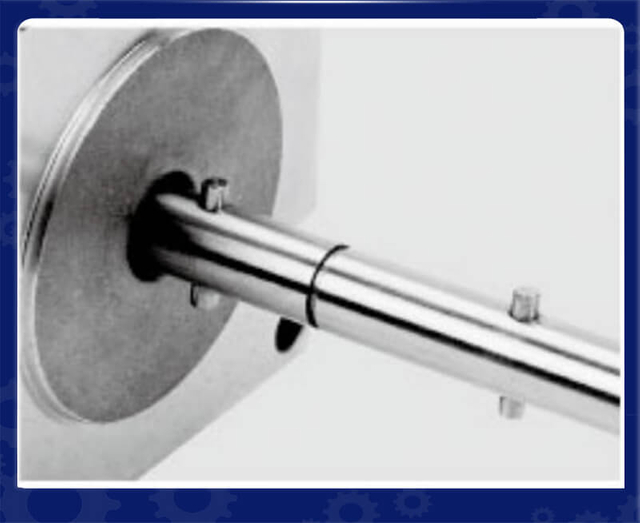
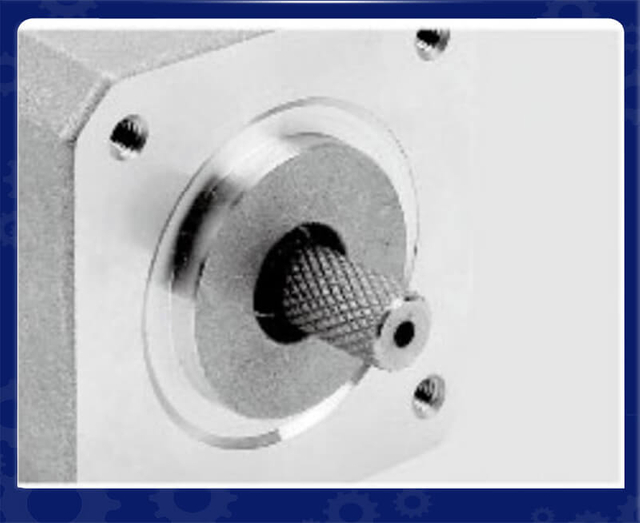
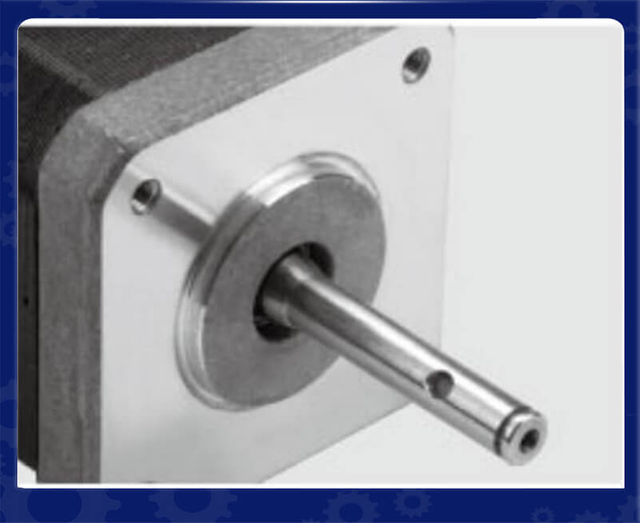
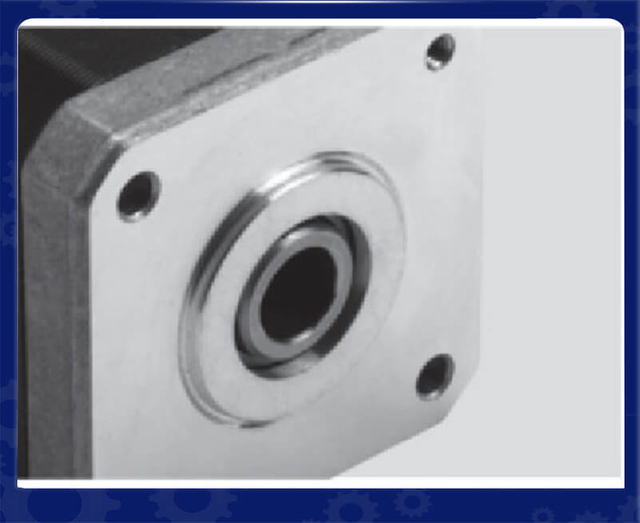
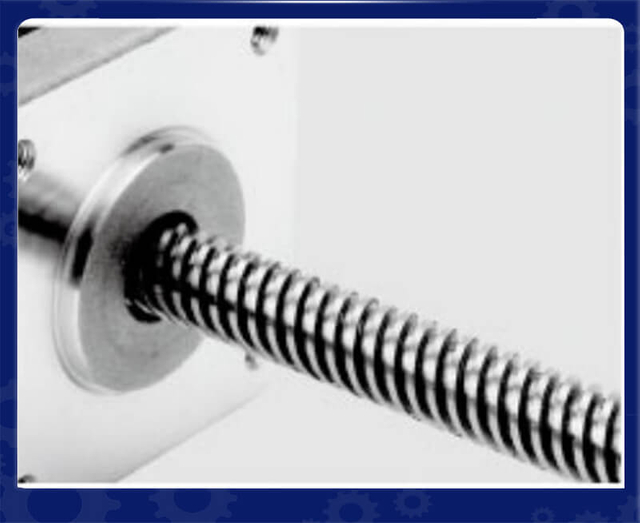
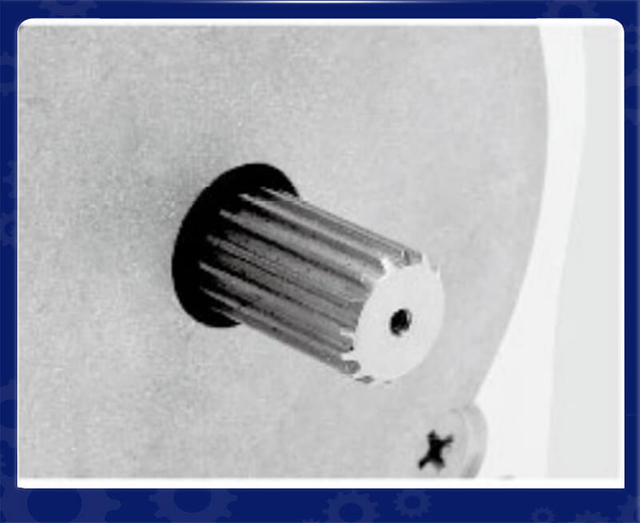
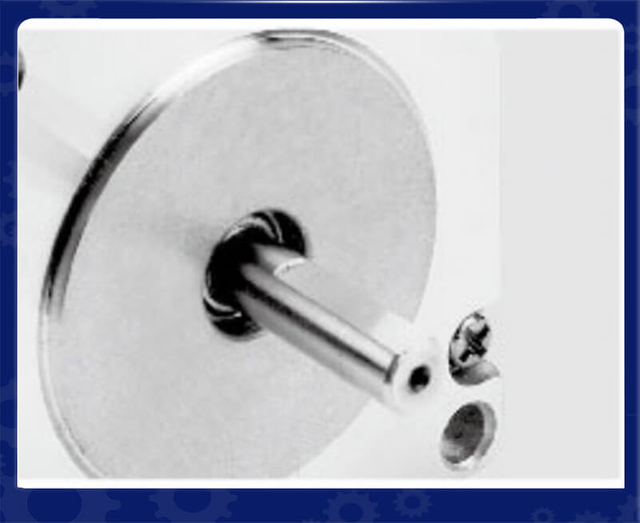
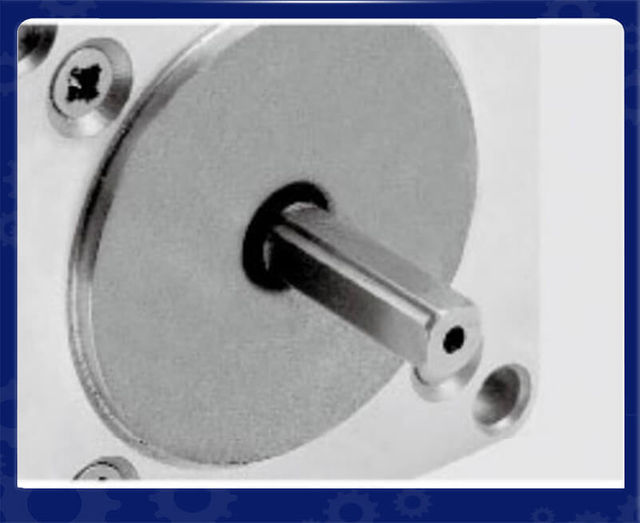
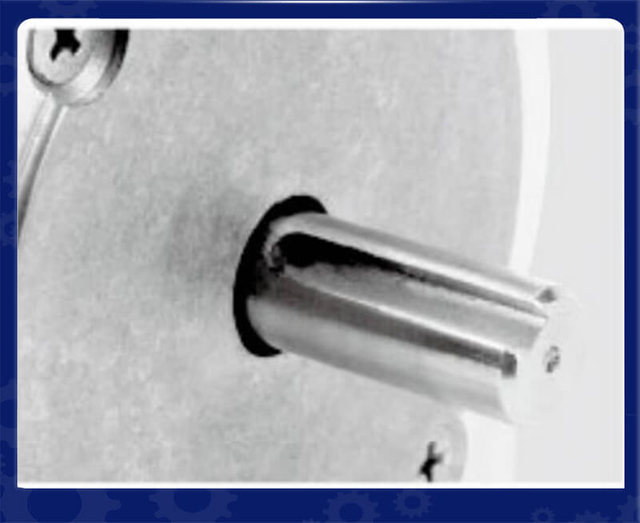
Customized Shaft Service
Metal Pulleys
Plastic Pulley
Gear
Shaft Pin
Threaded Shaft
Panel Mount
Hollow Shaft
Lead Screw
Panel Mount
Single Flat
Dual Flat
Key Shaft
Customized Motor Service
Cables
Covers
Shaft
Lead Screw Rod
Encoders
Brakes
Gearboxes
Linear Module
Integrated Drivers
Worm Gearbox
Matching Driver Current with Motor Current
The most critical parameter when choosing a driver is the motor’s rated current.
Determine the Motor Rated Current
Every geared stepper motor has a rated phase current specified in its datasheet.
Example:
Motor Specification
Value
Motor Type
NEMA 23 Geared Stepper
Rated Current
4.2A
Holding Torque
3Nm
Gear Ratio
10:1
The selected driver should support at least the rated current of the motor.
Current Matching Guidelines
Driver current should equal or slightly exceed motor rated current
Undersized drivers reduce torque output
Excessive current increases heat and reduces motor life
Recommended Margin
Choose a driver with:
10–20% current overhead
Adjustable current settings
Overcurrent protection
For a 4.2A motor, a driver supporting 4.5A–5.0A peak current is ideal.
Selecting the Correct Driver Voltage
Voltage directly impacts motor speed performance.
Low Voltage vs High Voltage
Voltage Range
Performance
Low Voltage
Better low-speed efficiency
High Voltage
Better high-speed torque
Geared stepper motors operating under load often require higher voltage to overcome inductive losses.
General Recommendations
Motor Size
Recommended Voltage
NEMA 17
24V
NEMA 23
24V–48V
NEMA 34
48V–80V
Higher voltage improves:
Torque retention at speed
Acceleration capability
Dynamic response
Motion smoothness
Always ensure the driver voltage rating matches the power supply.
Microstepping Selection for Smooth Motion
Microstepping divides full motor steps into smaller increments.
Benefits of Microstepping
Smoother rotation
Reduced resonance
Lower vibration
Improved positioning accuracy
Quieter operation
For geared stepper motors used in precision automation, microstepping is highly recommended.
Typical Microstep Settings
Application
Recommended Microstep
Conveyor Systems
8–16 microsteps
CNC Equipment
16–32 microsteps
Medical Devices
32–128 microsteps
Robotics
16–64 microsteps
Excessive microstepping may reduce usable torque. The ideal balance depends on speed and load requirements.
Matching Controllers with Geared Stepper Systems
The controller generates pulse and direction commands that define motor movement.
Controllers may include:
PLCs
Motion controllers
CNC controllers
Microcontrollers
Industrial PCs
The controller must support the motion complexity and communication requirements of the application.
Pulse Frequency Compatibility
The driver and controller must support matching pulse frequencies.
Why Pulse Frequency Matters
Higher pulse frequencies allow:
Faster speeds
Smoother motion
Better interpolation
Higher precision
However, geared motors usually operate at reduced output speed due to gearbox reduction.
Example Calculation
If:
Motor step angle = 1.8°
Microstep = 16
Gear ratio = 10:1
Then:
Steps per revolution = 200 × 16 × 10
Total = 32,000 pulses/output revolution
The controller must generate pulses accurately at the required operating speed.
Communication Protocol Selection
Modern automation systems rely heavily on digital communication protocols.
Common Communication Interfaces
Protocol
Advantages
Pulse & Direction
Simple, universal
RS-485
Long-distance communication
CANopen
Reliable industrial networking
EtherCAT
High-speed real-time control
Modbus RTU
Easy PLC integration
Ethernet/IP
Advanced automation systems
For synchronized multi-axis systems, EtherCAT and CANopen are preferred.
Closed Loop vs Open Loop Control
Traditional stepper systems operate in open loop mode. However, high torque geared applications increasingly use closed loop stepper systems.
High torque applications generate substantial heat.
Heat Sources
Driver current
Motor winding losses
Mechanical friction
Continuous holding torque
Thermal Protection Recommendations
Use drivers with thermal shutdown
Add cooling fans when necessary
Maintain airflow around drivers
Avoid excessive current settings
Use aluminum mounting surfaces
Efficient thermal design improves long-term system reliability.
EMI and Noise Reduction
Industrial environments often introduce electromagnetic interference.
Methods to Reduce Electrical Noise
Use shielded motor cables
Separate power and signal wiring
Ground the system correctly
Use differential signals
Install EMI filters
Noise reduction improves encoder accuracy and communication stability.
Power Supply Selection
The power supply must support:
Driver voltage requirements
Peak current demand
Regenerative energy absorption
Power Supply Guidelines
System Type
Recommended Supply
Small NEMA 17
24V Switching Supply
NEMA 23 Systems
48V Industrial Supply
NEMA 34 Systems
60–80V High Power Supply
Use regulated industrial-grade power supplies for stable operation.
Application-Specific Driver and Controller Matching
CNC Machines
Recommended Features:
High microstepping
Closed loop feedback
EtherCAT communication
High voltage drivers
Robotics
Recommended Features:
Smooth acceleration
Real-time synchronization
Encoder feedback
Compact integrated drivers
Packaging Machinery
Recommended Features:
High-speed indexing
Reliable repeatability
Multi-axis coordination
Medical Equipment
Recommended Features:
Ultra-low vibration
Quiet operation
Precision positioning
Compact electronics
Common Matching Mistakes to Avoid
Using Undersized Drivers
Results:
Torque loss
Overheating
Missed steps
Ignoring Gearbox Backlash
Results:
Positioning errors
Reduced accuracy
Incorrect Microstepping
Results:
Resonance
Reduced efficiency
Poor Controller Pulse Quality
Results:
Motion instability
Synchronization errors
Improper Voltage Selection
Results:
Weak high-speed performance
Driver damage
Integrated Driver Solutions for Geared Stepper Motors
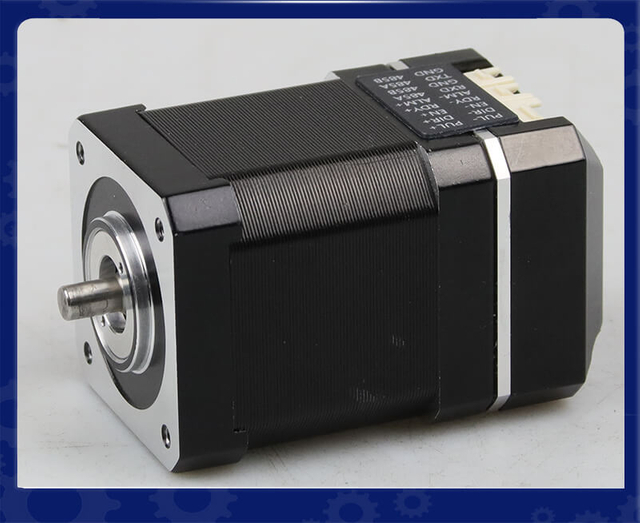
Integrated driver solutions combine the stepper motor, gearbox, and driver electronics into a single compact unit. This design simplifies installation, reduces wiring complexity, and improves overall system reliability in industrial automation applications.
Compared with traditional separate driver systems, integrated geared stepper motors offer easier setup, cleaner electrical layouts, and better motion performance.
Advantages of Integrated Driver Systems
Compact Structure
The driver is built directly into the motor assembly, reducing cabinet space and simplifying machine design. This is especially useful in compact equipment and robotic systems.
Simplified Wiring
Integrated systems reduce external cables between the motor and driver, minimizing installation time and lowering the risk of wiring errors.
Reduced Electrical Noise
Shorter internal connections help reduce electromagnetic interference (EMI), improving signal stability and positioning accuracy.
Improved Reliability
Integrated drivers are optimized specifically for the motor’s electrical characteristics, providing more stable current control and smoother operation.
Easier Maintenance
Fewer external components mean simpler troubleshooting and lower maintenance requirements.
Key Features of Integrated Geared Stepper Motors
Modern integrated systems often include:
Built-in microstepping drivers
Closed-loop encoder feedback
Overcurrent and thermal protection
RS-485, CANopen, or EtherCAT communication
Programmable motion control
Compact planetary or worm gearboxes
These features improve automation efficiency and precision control.
Applications of Integrated Geared Stepper Systems
Integrated driver solutions are widely used in:
Application
Benefits
Robotics
Compact design and precise positioning
Packaging Equipment
Smooth indexing and stable motion
Medical Devices
Quiet and accurate operation
AGV Robots
Simplified installation and control
CNC Machines
High precision and reduced vibration
Textile Machinery
Stable low-speed torque output
Closed-Loop Integrated Systems
Many advanced integrated stepper motors now use closed-loop control with encoder feedback. These systems automatically correct position errors and reduce the risk of step loss.
Advantages include:
Higher efficiency
Lower heat generation
Improved torque utilization
Better high-speed performance
Enhanced positioning accuracy
Closed-loop integrated systems are ideal for demanding industrial automation tasks.
Selecting the Right Integrated Driver Solution
When choosing an integrated geared stepper motor, engineers should consider:
Required torque output
Gear ratio
Operating voltage
Communication protocol
Motion accuracy
Environmental conditions
Installation space
Matching these factors ensures stable and efficient long-term operation.
Summary
Integrated driver solutions for geared stepper motors provide a compact, efficient, and reliable motion control solution for modern automation systems. By combining the motor, gearbox, and driver into a single unit, these systems reduce wiring complexity, improve motion stability, and simplify installation. They are increasingly used in robotics, CNC equipment, packaging systems, and precision industrial applications where space-saving and reliable performance are critical.
Future Trends in Geared Stepper Motion Control
Geared stepper motion control technology is evolving rapidly as industrial automation demands higher precision, efficiency, and intelligence. Modern systems are moving toward smarter, more compact, and highly connected motion solutions.
Closed-Loop Control Growth
More geared stepper systems now use encoder feedback for closed-loop operation. This improves positioning accuracy, reduces step loss, and increases overall efficiency.
Integrated Motion Systems
Manufacturers are increasingly combining motors, drivers, encoders, and controllers into compact integrated units. These systems simplify wiring, save installation space, and improve reliability.
Industrial Ethernet Communication
Protocols such as EtherCAT, CANopen, and Modbus are becoming standard in advanced automation systems. These communication methods provide faster data exchange and better multi-axis synchronization.
Higher Energy Efficiency
Modern drivers are designed to reduce heat generation and optimize current control, helping lower energy consumption and extend motor lifespan.
Smart Monitoring and Diagnostics
Future motion systems will include real-time monitoring features such as temperature tracking, fault detection, and predictive maintenance functions to reduce downtime.
Compact and High-Torque Designs
Industries increasingly require smaller motors with higher torque density. Advanced gearbox designs and improved magnetic materials are helping achieve stronger performance in compact sizes.
The future of geared stepper motion control focuses on intelligent integration, higher precision, improved efficiency, and advanced communication capabilities. These developments are driving better performance across robotics, CNC machinery, medical equipment, and industrial automation systems.
Conclusion
Matching drivers and controllers with high torque geared stepper motors requires careful evaluation of electrical, mechanical, and communication parameters. Proper current matching, voltage selection, microstepping configuration, acceleration tuning, and communication compatibility are essential for maximizing torque, efficiency, and positioning accuracy.
Industrial applications demand stable and reliable motion systems capable of handling complex loads with precision. By selecting compatible drivers and intelligent controllers, engineers can significantly improve system performance, reduce maintenance, and extend operational lifespan.
High-quality geared stepper motor systems paired with optimized drivers and advanced motion controllers deliver superior results in modern automation, robotics, CNC machinery, and precision industrial equipment.
FAQs
Q: Why is driver matching important for high torque geared stepper motors?
A:Proper driver matching ensures the geared stepper motor operates with stable torque, accurate positioning, and smooth motion. An unsuitable driver may cause overheating, vibration, missed steps, or reduced efficiency. LeanMotor recommends selecting drivers based on motor current, voltage, and application load requirements for optimal performance.
Q: How do I select the correct driver current for a geared stepper motor?
A:The driver’s output current should match the motor’s rated phase current. LeanMotor suggests choosing a driver with adjustable current settings and a small safety margin above the motor rating to maintain torque while preventing overheating.
Q: What voltage is recommended for high torque geared stepper motor systems?
A:Higher voltage generally improves high-speed torque and acceleration performance. LeanMotor commonly recommends 24V to 48V systems for NEMA 23 geared stepper motors and higher voltages for larger NEMA 34 applications, depending on speed and load demands.
Q:How does microstepping affect motor performance?
A:Microstepping improves motion smoothness, reduces vibration, and increases positioning resolution. LeanMotor recommends moderate microstepping settings to balance smooth operation and torque output in industrial automation systems.
Q: Should I use open-loop or closed-loop control for geared stepper motors?
A:Open-loop systems are suitable for basic automation tasks, while closed-loop systems provide encoder feedback for higher accuracy and improved reliability. LeanMotor recommends closed-loop control for robotics, CNC equipment, and precision positioning applications.
Q: What communication protocols are commonly used in modern stepper systems?
A:Modern motion systems often use RS-485, Modbus, CANopen, and EtherCAT communication protocols. LeanMotor integrated solutions support multiple industrial communication options for easier PLC and automation integration.
Q:How can I reduce vibration and resonance in geared stepper motor applications?
A:Using proper microstepping settings, optimized acceleration profiles, and correctly matched drivers can significantly reduce vibration and resonance. LeanMotor also recommends using high-quality gearboxes and stable power supplies for smoother operation.
Q: Why is acceleration tuning important in geared stepper systems?
A:Heavy loads and high gear ratios create larger inertia, making acceleration tuning essential. LeanMotor recommends gradual acceleration and deceleration settings to avoid step loss, mechanical shock, and gearbox wear.
Q: What are the advantages of integrated geared stepper motor solutions?
A:Integrated systems combine the motor, driver, and controller into one compact unit. LeanMotor integrated solutions simplify wiring, reduce installation space, improve EMI resistance, and enhance system reliability.
Q:How do I choose the right controller for a geared stepper motor application?
A:The controller should match the required pulse frequency, communication method, and motion complexity of the application. LeanMotor recommends selecting controllers that support stable pulse output, multi-axis synchronization, and industrial communication compatibility.