How To Choose The Best Integrated Servo Motor for Weeding Robots?
Views: 0 Author: Site Editor Publish Time: 2026-04-14 Origin: Site
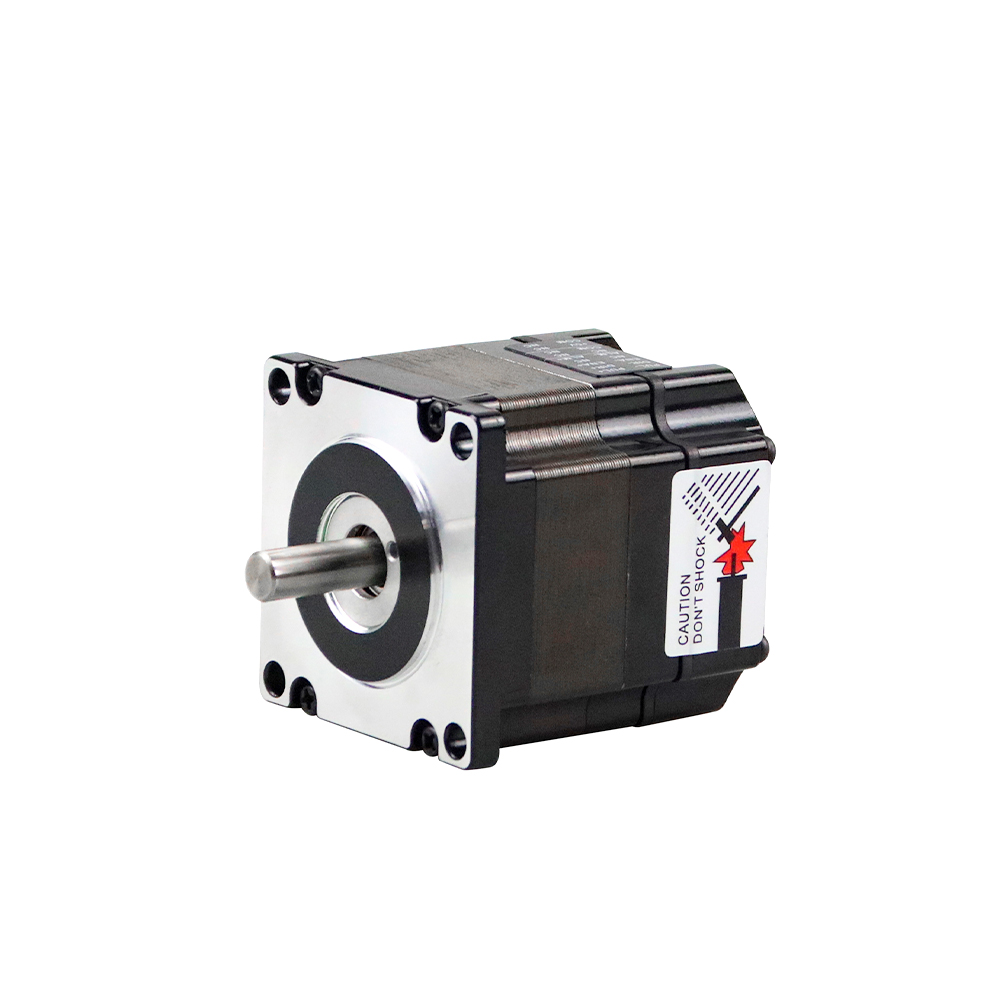
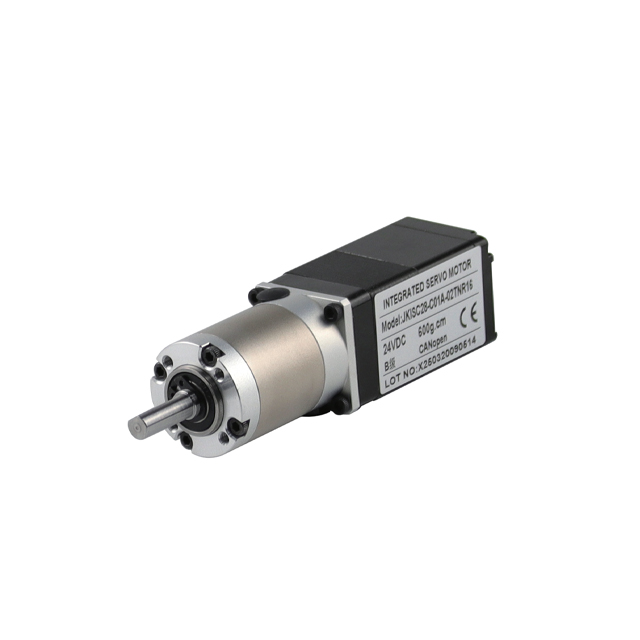
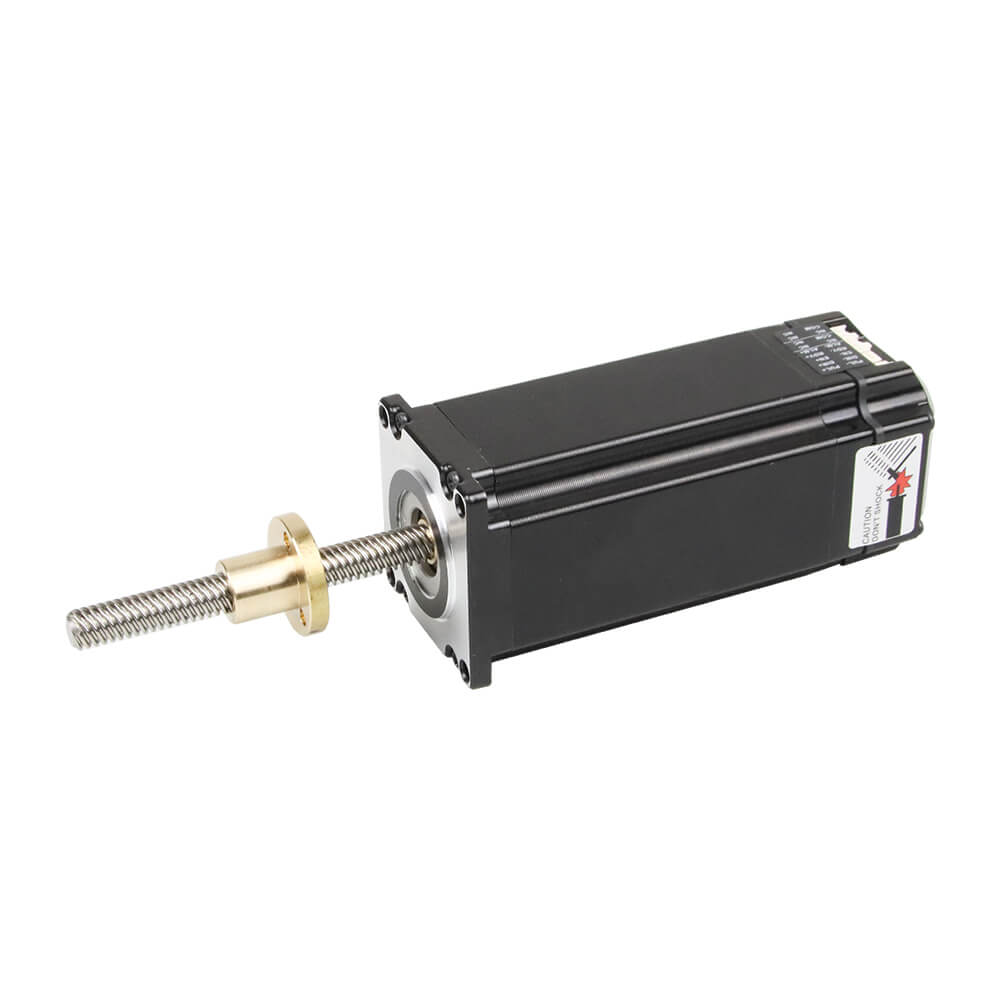
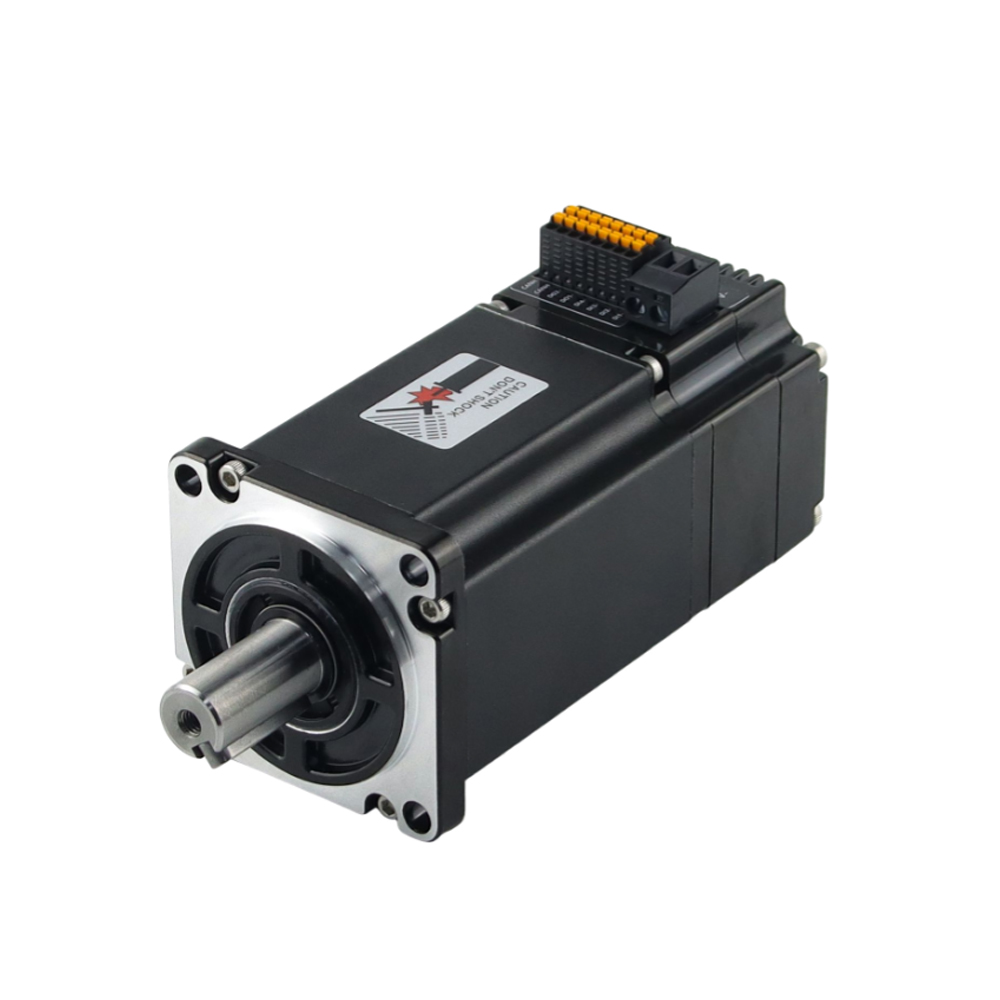
The rapid evolution of agricultural automation has made weeding robots a critical component in modern precision farming. These robots must operate with high precision, reliable motion control, and energy efficiency in complex outdoor environments. At the core of these systems lies one of the most important components: the Integrated Servo Motor.
Choosing the best integrated servo motor for weeding robots directly impacts accuracy, efficiency, durability, and operational cost. In this comprehensive guide, we present a technical, detailed, and practical selection framework to help engineers, robotics designers, and agricultural equipment manufacturers make the optimal decision.
What Is an Integrated Servo Motor for Weeding Robots?
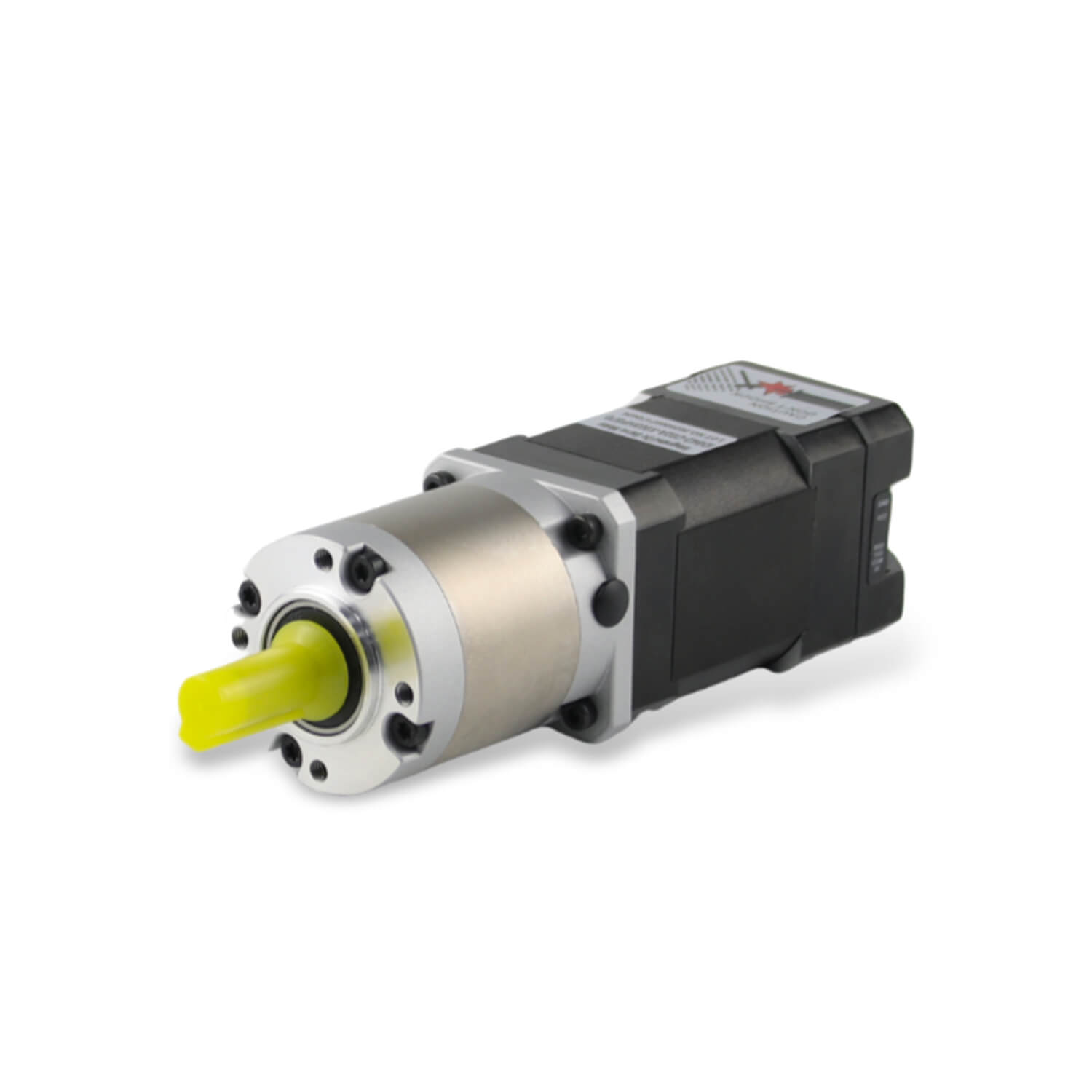
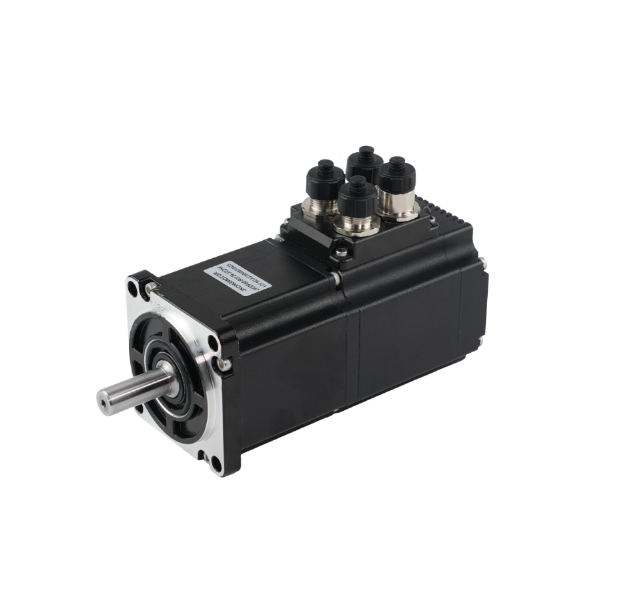
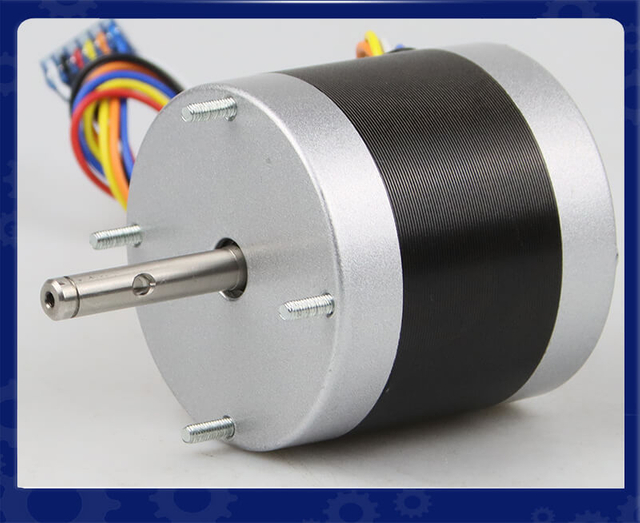
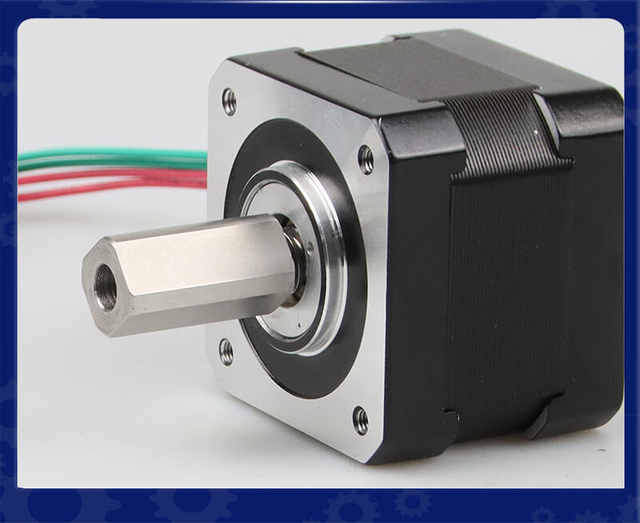
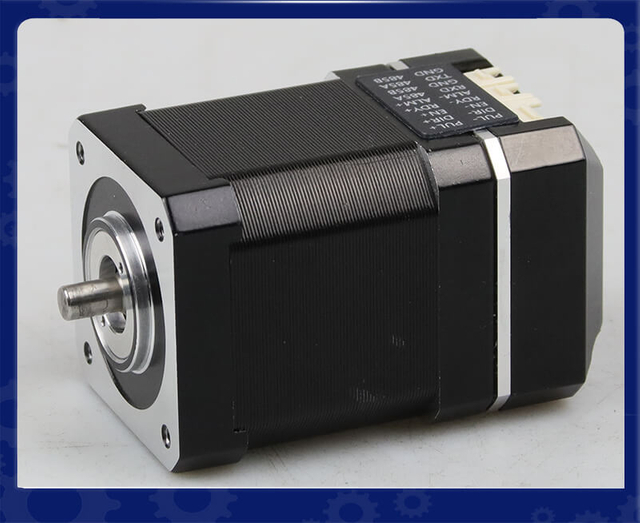
An Integrated Servo Motor combines multiple components into a single compact unit, including:
Servo Motor
Driver
Controller
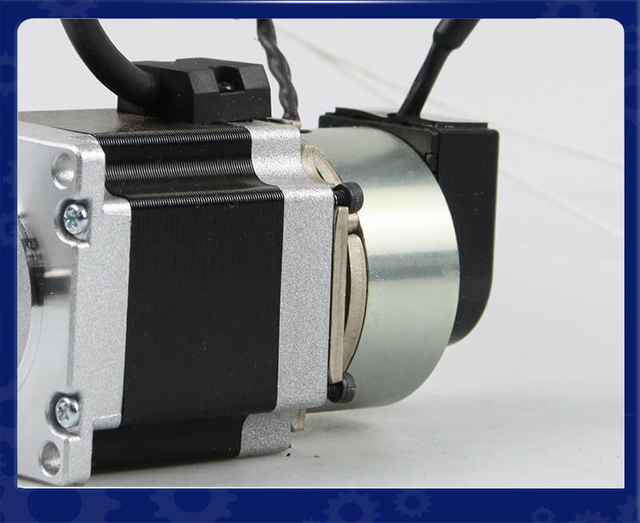
Encoder
Communication Interface
Unlike traditional servo systems, integrated servo motors eliminate external wiring and control cabinets, making them ideal for compact agricultural robots.
For weeding robots, integrated servo motors offer:
Compact design for tight installation space
Reduced wiring complexity
Improved reliability in harsh environments
Lower maintenance requirements
Higher motion precision
These advantages make integrated servo motorsthe preferred solution for autonomous weeding robots.
Modern weeding robots operate in complex agricultural environments where precision, reliability, and efficiency are critical. High-performance integrated servo motors ensure stable operation, accurate weed removal, and long-term durability.
High Precision for Accurate Weed Removal
Weeding robots must distinguish crops from weeds and perform precise removal without damaging plants.
High-performance integrated servo motors provide:
Accurate positioning control
Smooth low-speed motion
High repeatability
These features allow robots to remove weeds precisely while protecting crops.
High Torque for Challenging Field Conditions
Agricultural fields present uneven terrain, soil resistance, and varying loads.
Integrated servo motors with high torque output enable:
Stable movement on rough terrain
Effective operation of cutting or pulling tools
Reliable performance under sudden load changes
High torque ensures consistent weeding performance in real-world environments.
Compact Design for Space-Limited Robots
Weeding robots often require lightweight and compact structures.
Integrated servo motors combine motor, driver, and controller into one unit, offering:
Reduced wiring complexity
Smaller installation space
Lower system weight
This compact design improves robot mobility and efficiency.
Energy Efficiency for Longer Operation
Most weeding robots are battery-powered, making energy efficiency essential.
High-performance integrated servo motors deliver:
Optimized power consumption
Efficient motion control
Extended operating time
This helps robots cover larger farming areas without frequent charging.
Durability for Harsh Agricultural Environments
Weeding robots operate outdoors under dust, moisture, and temperature fluctuations.
High-quality integrated servo motors provide:
Sealed housing design
High protection ratings (IP65 or higher)
Long operational lifespan
Durable motors ensure reliable performance and reduced maintenance.
Smart Communication for Autonomous Operation
Modern weeding robots rely on intelligent control systems.
Integrated servo motors support:
CANopen
EtherCAT
RS485
Modbus
These communication options enable real-time control and precise automation.
Conclusion
High-performance integrated servo motors enable precision, torque, compact design, energy efficiency, and durability, making them essential components for modern autonomous weeding robots.
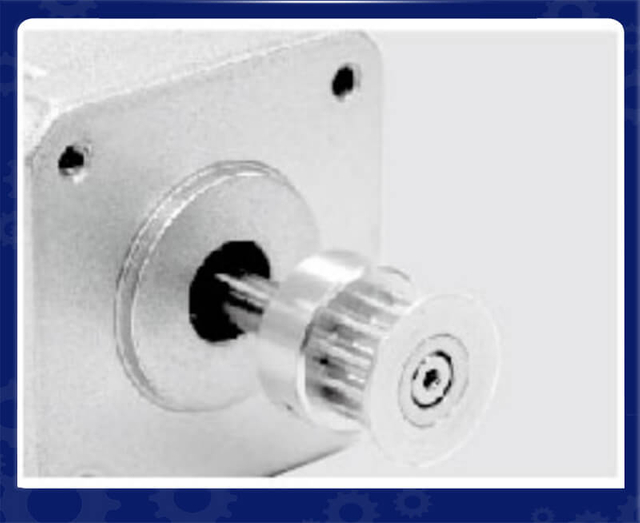
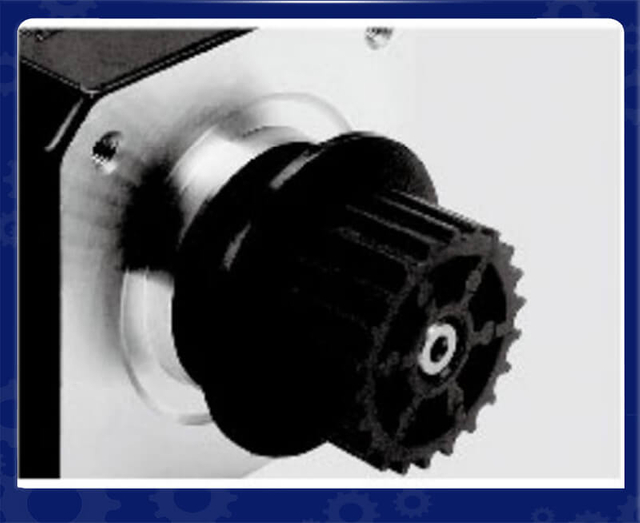
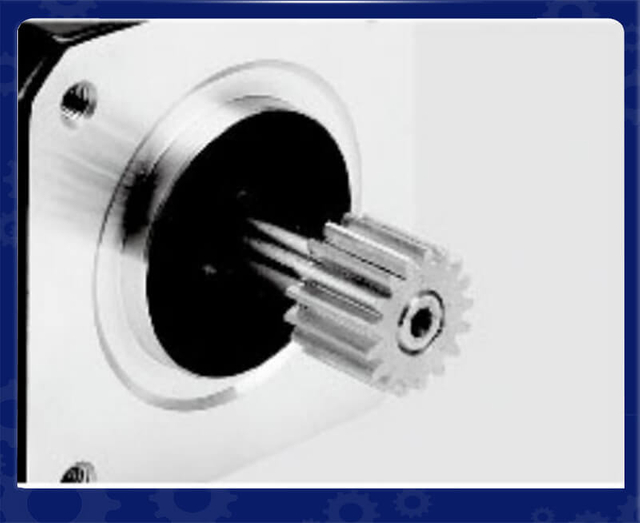
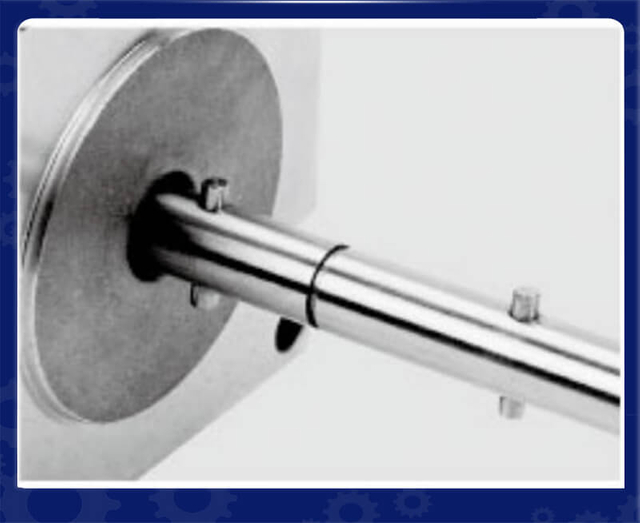
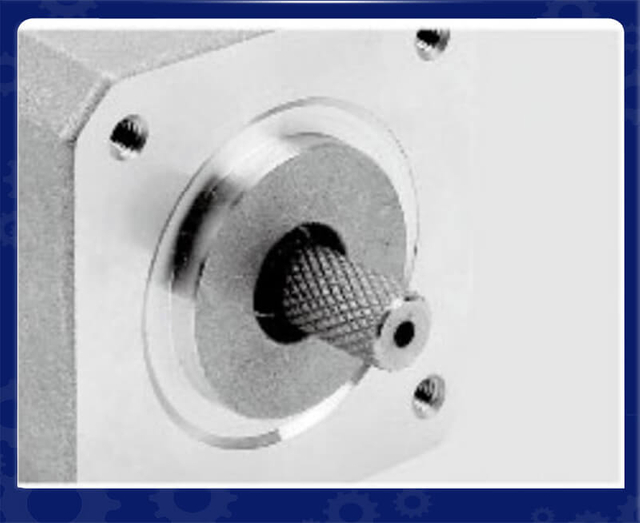
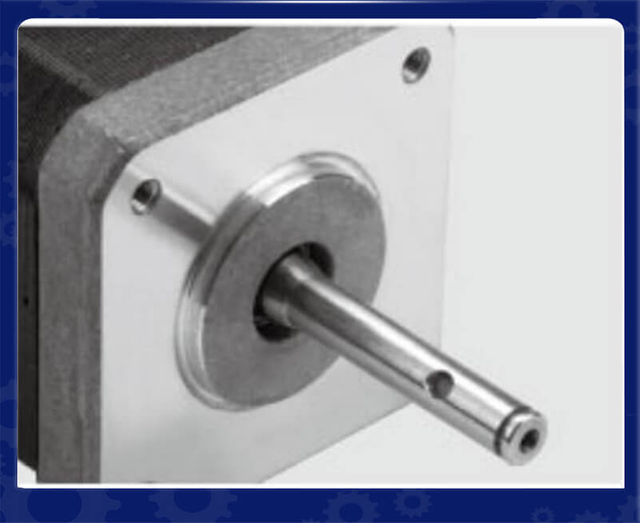
Customized Shaft Service
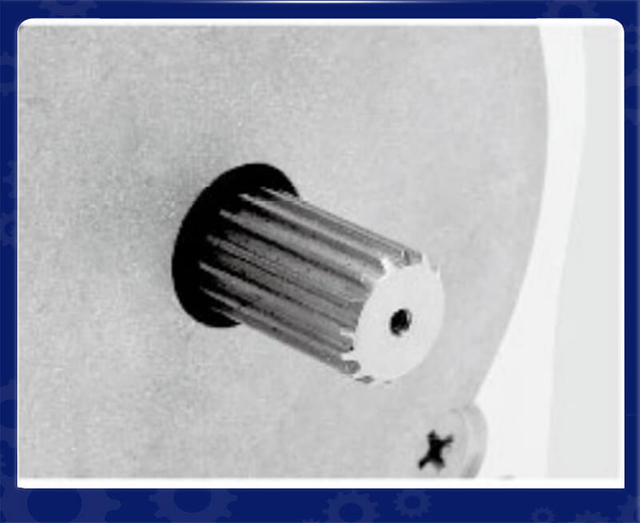
Metal Pulleys
Plastic Pulley
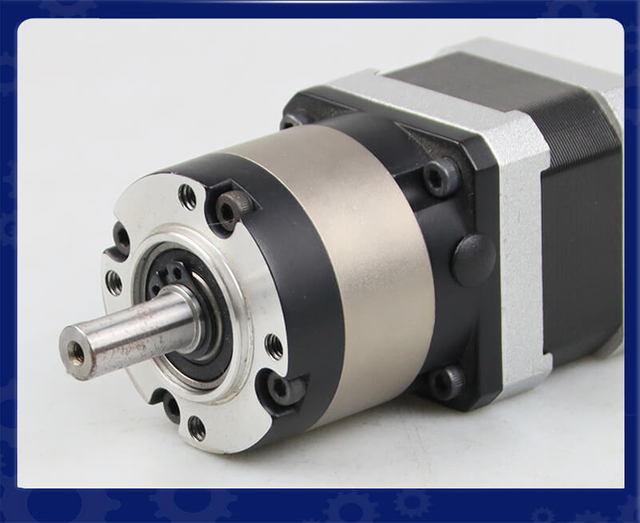
Gear
Shaft Pin
Threaded Shaft
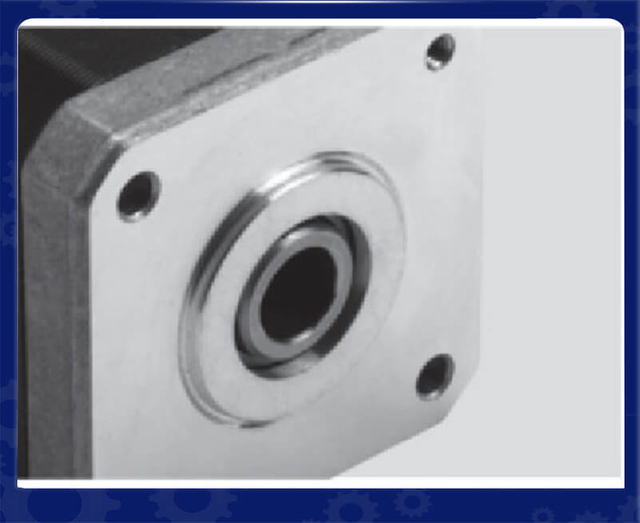
Panel Mount
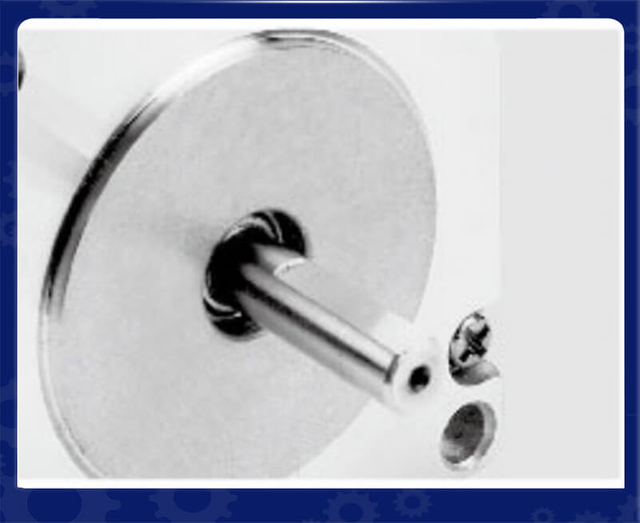
Hollow Shaft
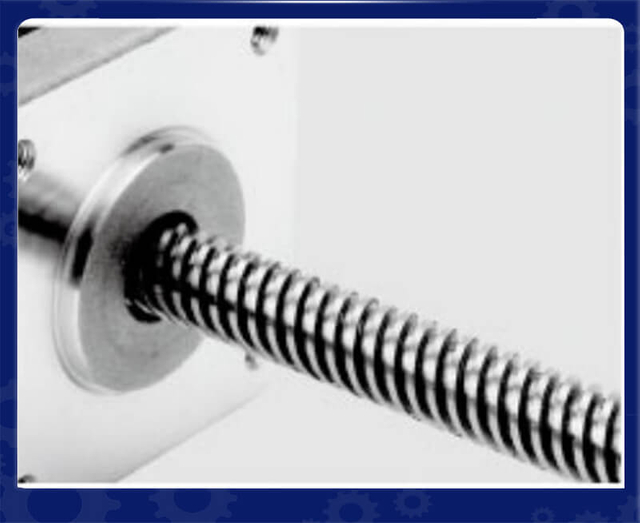
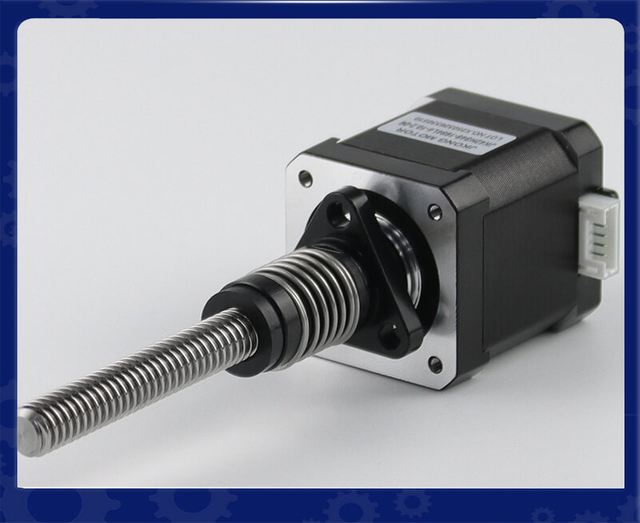
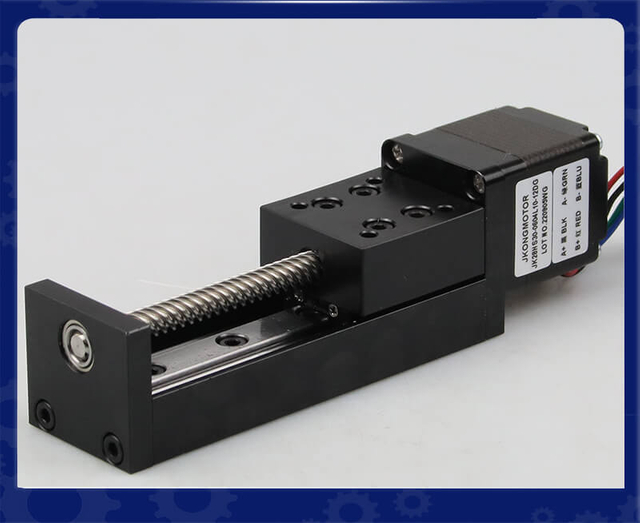
Lead Screw
Panel Mount
Single Flat
Dual Flat
Key Shaft
Customized Motor Service
Cables
Covers
Shaft
Lead Screw Rod
Encoders
Brakes
Gearboxes
Linear Module
Integrated Drivers
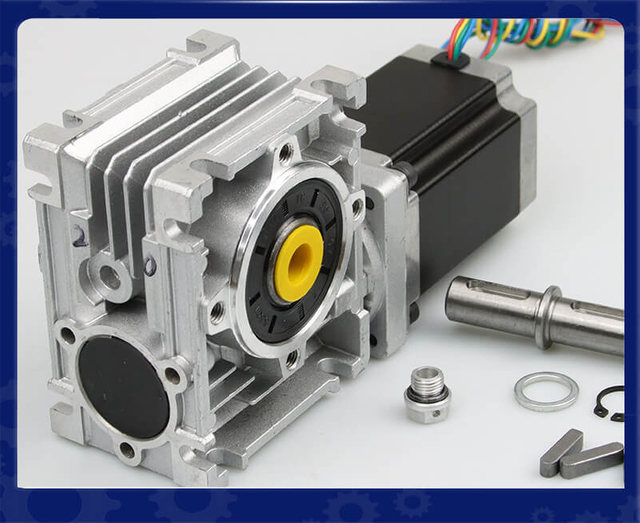
Worm Gearbox
Key Factors to Consider When Choosing Integrated Servo Motors for Weeding Robots
1. Torque Requirements for Weeding Applications
Torque is one of the most critical parameters when selecting an integrated servo motor.
When selecting an integrated servo motor for weeding robots, evaluate the following:
Specification
Importance
Rated Torque
Determines working capability
Peak Torque
Handles sudden resistance
Rated Speed
Controls motion performance
Encoder Resolution
Affects positioning accuracy
Voltage Range
Battery compatibility
Protection Level
Environmental durability
Communication Interface
System integration
Motor Size
Installation flexibility
Careful evaluation ensures optimal performance and reliability.
Customization Options for Weeding Robot Manufacturers
Weeding robots often require tailored motion solutions to match different crops, terrains, and robotic structures. Integrated servo motor customization allows manufacturers to optimize performance, improve efficiency, and simplify system integration.
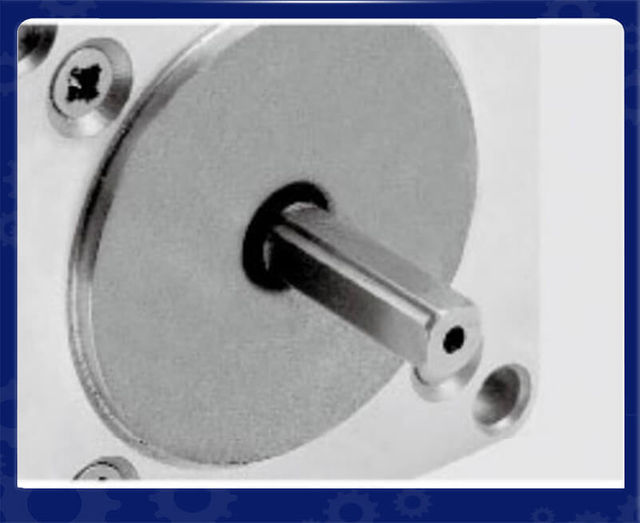
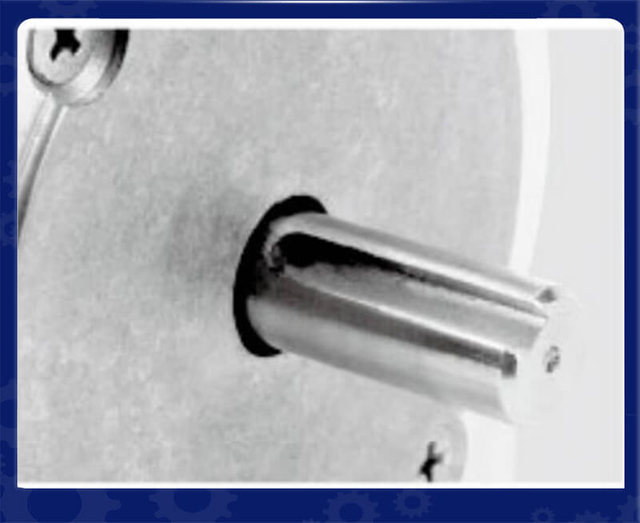
Mechanical Structure Customization
Different weeding robots have unique mechanical designs. Integrated servo motors can be customized with:
These modifications ensure seamless mechanical integration and reduce installation complexity.
Torque and Speed Optimization
Weeding applications vary from lightweight precision weeding to heavy-duty soil penetration. Manufacturers can customize:
Rated torque
Peak torque
Speed range
Gear ratio
Optimized torque and speed provide stable performance across different agricultural tasks.
Environmental Protection Enhancements
Weeding robots operate in dusty, humid, and muddy environments. Custom protection options include:
IP65 / IP67 protection levels
Waterproof connectors
Corrosion-resistant coatings
Sealed cable outlets
These features improve durability and long-term reliability in outdoor conditions.
Communication Protocol Customization
Different robotic control systems require specific communication protocols. Integrated servo motors can support:
CANopen
EtherCAT
Modbus
RS485
Pulse & Direction
Customized communication ensures smooth integration with robot controllers.
Voltage and Power Configuration
Weeding robots use different battery systems. Custom voltage options include:
24V DC
36V DC
48V DC
Custom voltage ranges
This flexibility allows efficient power management and longer operating time.
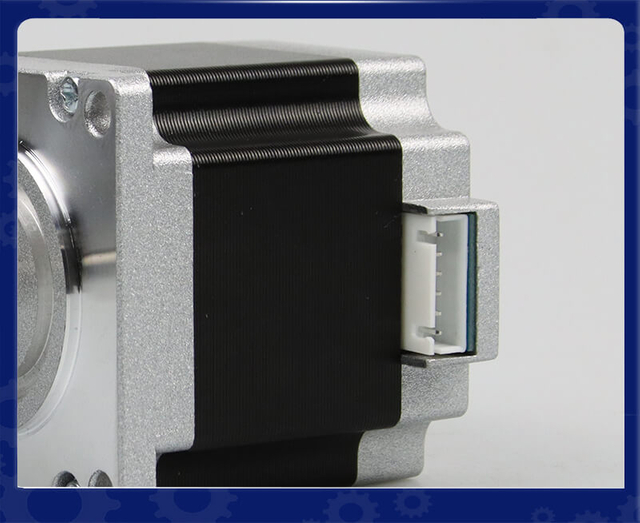
Cable and Connector Customization
Installation requirements vary across robot designs. Custom options include:
Cable length adjustment
Connector type customization
Right-angle connectors
Quick-connect solutions
These features simplify assembly and maintenance.
Software and Control Tuning
Integrated servo motors can be optimized through software customization, including:
Motion profile tuning
Acceleration and deceleration control
Positioning accuracy adjustment
Protection parameter configuration
Customized control improves precision and operational stability.
Conclusion
Customization options allow weeding robot manufacturers to achieve better performance, easier integration, and higher reliability. By tailoring mechanical design, torque, protection level, communication, and control settings, integrated servo motors become ideal motion solutions for modern agricultural weeding robots.
Advantages of Using Integrated Servo Motors in Weeding Robots
Integrated servo motors provide multiple benefits:
Reduced Wiring Complexity
Simplified wiring improves reliability and reduces installation time.
Reduced components mean fewer maintenance requirements.
These advantages make integrated servo motors the preferred choice for modern weeding robots.
Future Trends of Integrated Servo Motors in Agricultural Weeding Robots
As precision agriculture continues to advance, weeding robots are becoming more intelligent, efficient, and autonomous. Integrated servo motors are evolving alongside these innovations, offering improved performance, smarter control, and better adaptability to complex farming environments.
Higher Torque Density for Compact Robot Designs
Future weeding robots demand smaller, lighter, and more powerful motion systems. Integrated servo motors are moving toward:
Higher torque in smaller sizes
Lightweight materials
Compact integrated structures
Higher torque density enables stronger performance without increasing robot size, improving mobility and efficiency in tight agricultural spaces.
Smarter Integrated Control and AI Compatibility
Agricultural robots are becoming more AI-driven and autonomous. Future integrated servo motors will feature:
Built-in intelligent control algorithms
Self-optimization capabilities
Adaptive motion control
These smart features allow weeding robots to adjust movement based on terrain, crop spacing, and weed density.
Improved Energy Efficiency for Longer Field Operation
Modular designs enable faster development and easier system upgrades.
Conclusion
Future integrated servo motors for agricultural weeding robots will focus on higher torque density, smarter control, energy efficiency, improved durability, and advanced connectivity. These innovations will support the next generation of autonomous weeding robots, improving precision farming efficiency and sustainable agricultural productivity.
Choosing the right integrated servo motor supplier is critical for ensuring performance, reliability, and long-term support for weeding robots. A qualified supplier not only provides quality products but also offers engineering expertise and customization capabilities.
Evaluate Technical Expertise and Manufacturing Capability
A reliable supplier should have strong engineering and production capabilities. Look for:
In-house R&D team
Advanced manufacturing equipment
Strict quality control processes
Proven experience in motion control solutions
Suppliers with strong technical expertise can provide stable and high-performance integrated servo motors for agricultural robotics.
Check Customization Capabilities
Weeding robots often require application-specific designs. A good supplier should offer:
Custom torque and speed configurations
Mechanical structure customization
Communication protocol options
Environmental protection enhancements
Customization ensures better compatibility and optimized robot performance.
Verify Quality Certifications and Standards
Quality certifications demonstrate product reliability and manufacturing standards. Look for suppliers with:
ISO9001 quality management certification
CE certification
RoHS compliance
Other industry-related certifications
Certified suppliers help reduce quality risks and ensure consistent performance.
Assess Application Experience in Agricultural Robotics
Suppliers with agricultural robotics experience understand:
Outdoor operating conditions
High torque requirements
Precision motion control needs
This experience helps deliver optimized integrated servo motors for weeding robots.
Evaluate Technical Support and Service
Strong technical support is essential for smooth integration and operation. Choose suppliers that provide:
Pre-sales technical consultation
Application engineering support
Fast troubleshooting assistance
After-sales service
Reliable support reduces development time and operational risk.
Consider Delivery Time and Production Capacity
Weeding robot manufacturers often require stable supply chains. Evaluate:
Production capacity
Lead time
Inventory availability
Scalability for large orders
Suppliers with stable production ensure consistent project timelines.
Summary
Selecting the right integrated servo motor supplier requires evaluating technical expertise, customization capabilities, certifications, application experience, technical support, and delivery reliability. A professional supplier ensures high-performance integrated servo motors and supports the successful development of agricultural weeding robots.
Conclusion
Selecting the best integrated servo motor for weeding robots requires careful evaluation of torque, precision, environmental protection, communication compatibility, and energy efficiency. Integrated servo motors provide compact design, reliable performance, and advanced motion control, making them ideal for agricultural automation.
As precision farming continues to expand, high-performance integrated servo motors will play a crucial role in improving weeding efficiency, crop protection, and farming productivity. Choosing the right integrated servo motor today ensures competitive advantage and long-term success in agricultural robotics.
FAQ: Integrated Servo Motors for Weeding Robots
What torque is required for weeding robots?
Torque requirements depend on robot size and tool design, but high torque density motors are recommended for stable operation.
Why choose integrated servo motors instead of traditional servo systems?