Home » News » Application Industries » How Do BLDC Motors Improve Traction And Stability in Solar Panel Cleaning Robots?
How Do BLDC Motors Improve Traction And Stability in Solar Panel Cleaning Robots?
Views: 0 Author: Site Editor Publish Time: 2026-07-14 Origin: Site
Solar panel cleaning robots operate in challenging outdoor environments where stable movement, reliable traction, and precise control are essential for efficient cleaning performance. Unlike traditional cleaning equipment, solar panel robots must travel across large photovoltaic surfaces while maintaining constant contact with panels, avoiding slippage, and adapting to different operating conditions such as dust accumulation, uneven surfaces, wind loads, and inclined installations.
The choice of motor technology directly affects the robot’s mobility and reliability. Brushless DC motors (BLDC motors) have become a preferred drive solution for solar panel cleaning robots because they provide high efficiency, precise speed regulation, compact design, and excellent torque performance. By improving wheel traction, motion stability, and overall control accuracy, BLDC motors help cleaning robots achieve safer and more effective operation on solar panel systems.
The Importance of Traction and Stability in Solar Panel Cleaning Robots
Solar panel cleaning robots are designed to move directly on photovoltaic modules to remove dust, sand, bird droppings, and other contaminants that reduce solar energy efficiency. During operation, the robot needs to maintain continuous movement while preventing wheel slipping or sudden position changes.
Several factors create challenges for robot mobility:
Inclined solar panel surfaces: Many photovoltaic installations are installed at angles to maximize sunlight exposure. Robots operating on inclined panels require sufficient torque and grip to overcome gravity.
Dust and contamination: Dust particles between wheels and panels can reduce friction and increase the risk of slipping.
Outdoor environmental conditions: Wind, temperature changes, and weather exposure can affect robot movement stability.
Continuous operation requirements: Large solar farms require robots to operate for long periods with minimal maintenance.
A motor system with unstable speed control or insufficient torque may cause inconsistent cleaning paths, incomplete coverage, or even robot failure. Therefore, selecting a motor that can deliver smooth and controlled driving performance is critical.
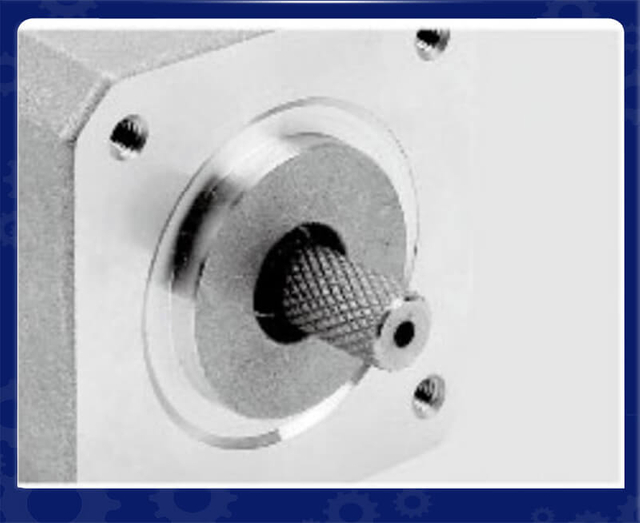
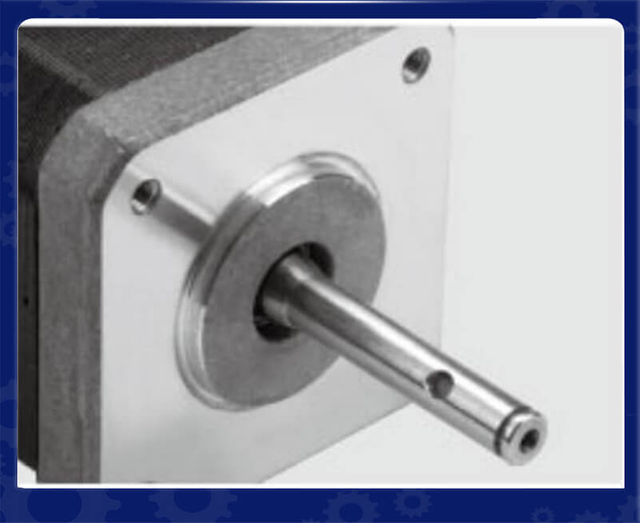
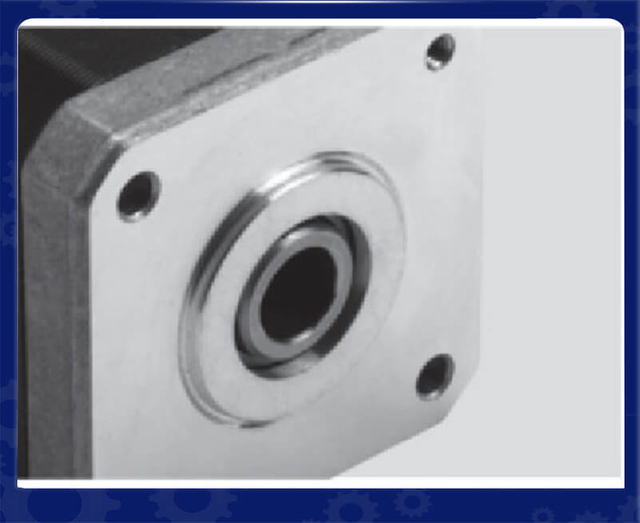
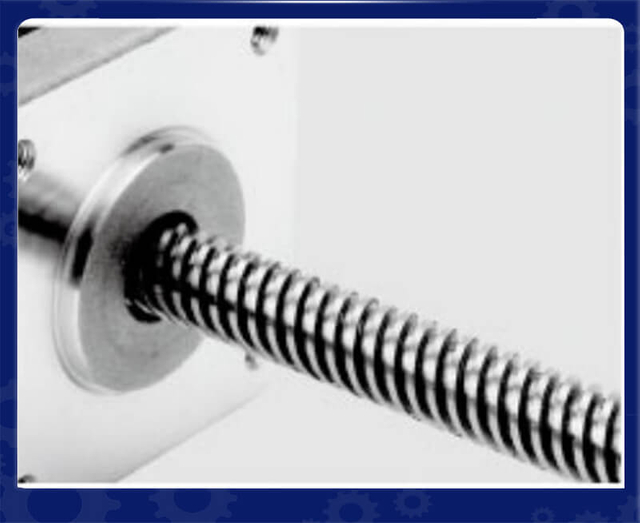
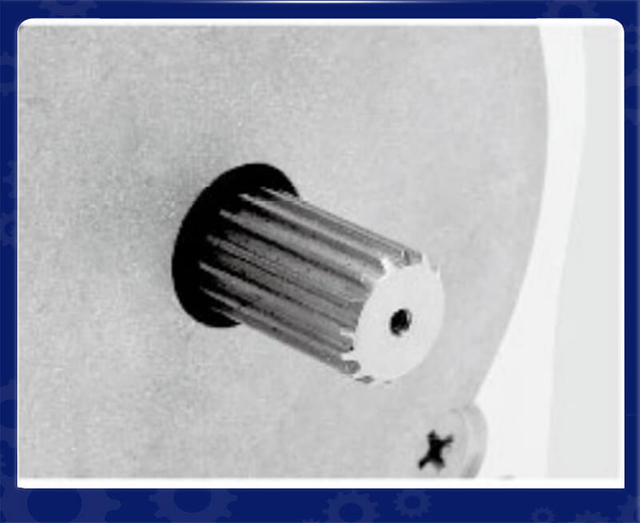
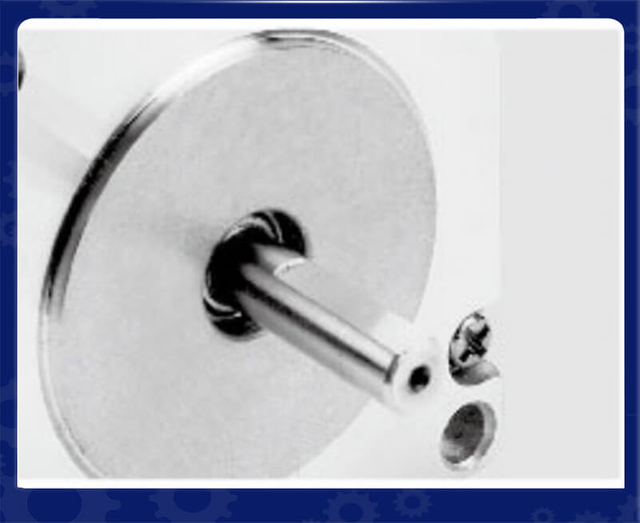
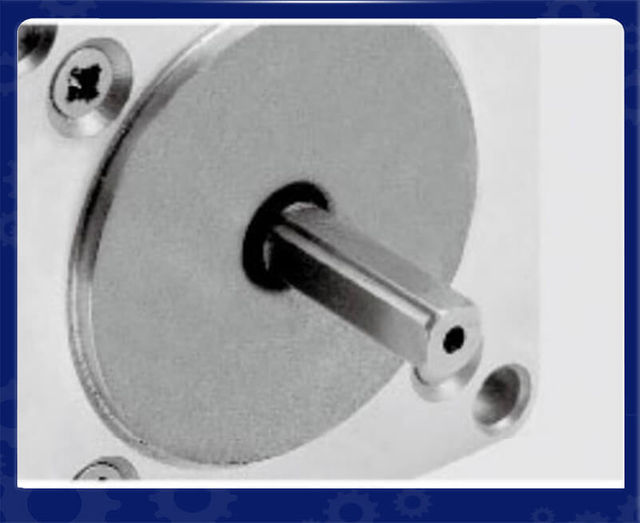
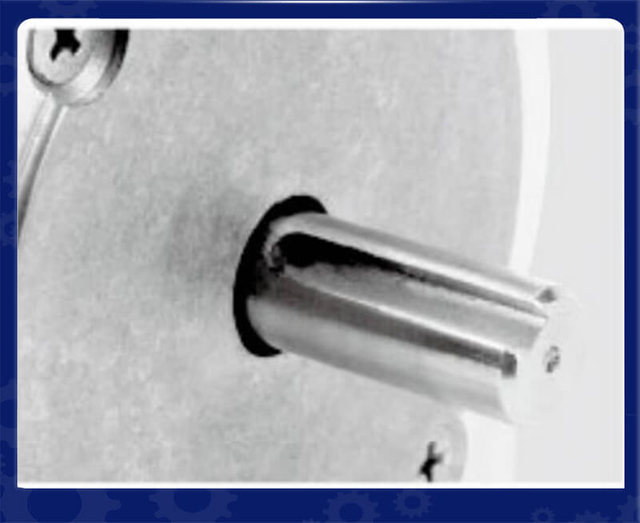
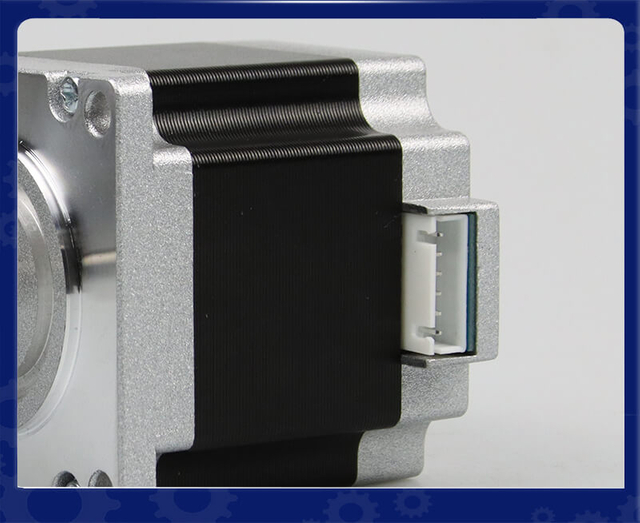
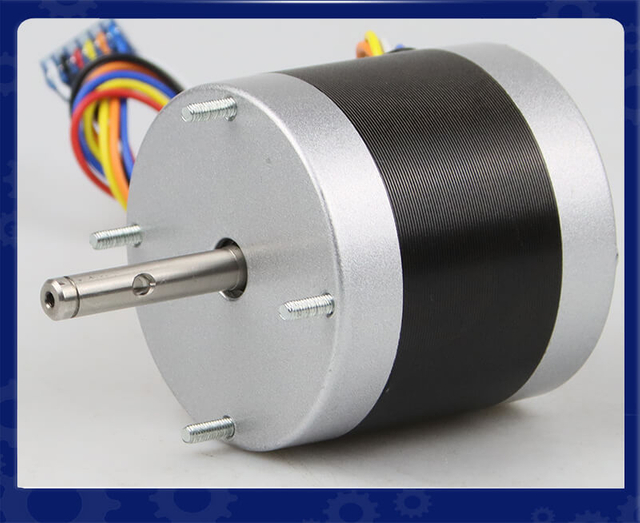
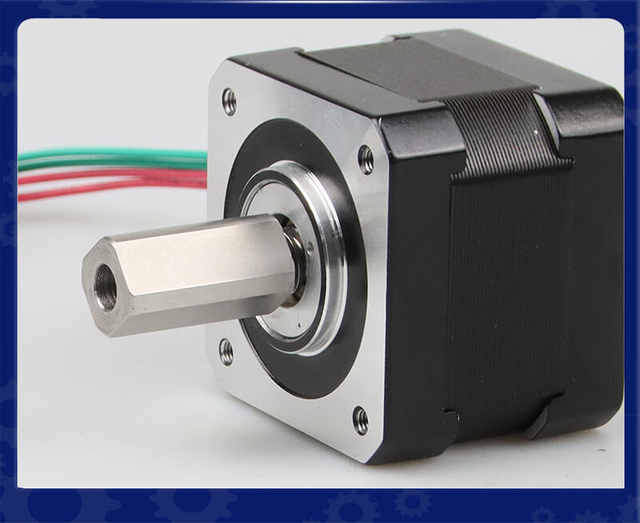
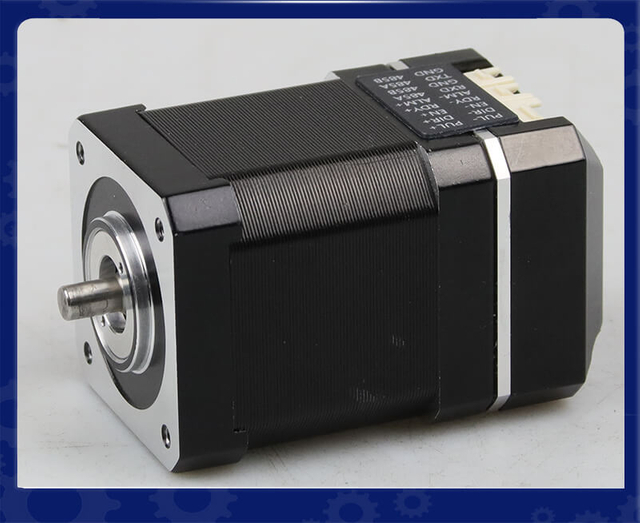
42BLS01 BLDC Motor — Compact, Intelligent, and Reliable Brushless Motor Drive System
Product Overview:The NEMA 17 42BLS Brushless DC Motor is a compact, high-efficiency motor designed for precision motion applications. Featuring reliable performance, low noise operation, and excellent speed control, it provides stable power output for automation equipment, robotics, medical devices, and other space-constrained systems requiring efficient and durable motion solutions.
Key Technical Highlights
Compact NEMA 17 Frame Size: Provides a space-saving design while delivering reliable torque output for compact automation and motion systems.
High Efficiency Brushless Design: Ensures low energy consumption, reduced heat generation, and longer service life compared with traditional brushed motors.
Low Noise & Smooth Operation: Optimized electromagnetic design enables stable rotation and quiet performance for precision applications.
Excellent Speed Control Capability: Supports accurate speed regulation and responsive dynamic performance for various motion requirements.
Durable & Maintenance-Free Operation: The brushless structure eliminates brush wear, improving reliability and reducing maintenance needs.
Wide Application Flexibility: Suitable for robotics, automation equipment, medical devices, and other compact motion control systems.
Typical Applications
Robotics and Automation Equipment – Provides precise and stable driving power for robotic mechanisms and automated systems.
Medical Devices – Suitable for compact medical instruments requiring quiet, reliable, and maintenance-free operation.
Laboratory and Testing Equipment – Delivers smooth speed control and consistent performance for precision motion applications.
3D Printers and CNC Equipment – Supports efficient and stable movement in compact manufacturing systems.
LEANMOTOR 42BLS Series Brushless Dc Motor Parameters
Why BLDC Motors Are Ideal for Solar Panel Cleaning Robots
BLDC motors use electronic commutation instead of mechanical brushes, providing several advantages compared with traditional brushed DC motors. Their advanced control characteristics make them highly suitable for mobile robotic applications where efficiency and precision are required.
The main advantages of BLDC motors in solar panel cleaning robots include:
Higher energy efficiency
Stable torque output
Low maintenance requirements
Precise speed control
Compact and lightweight construction
Long service life
These characteristics directly contribute to improved traction and stability during robot operation.
BLDC Motors Provide High Torque for Better Traction
One of the biggest challenges for solar panel cleaning robots is maintaining traction while moving on inclined or dusty surfaces. The drive motor must generate enough torque to move the robot smoothly without wheel slipping.
BLDC motors provide high torque density, allowing them to deliver strong driving force from a compact motor size. This is especially important for lightweight robotic platforms where installation space is limited.
When the robot encounters resistance caused by:
accumulated dust,
panel inclination,
cleaning brushes,
additional payload weight,
the BLDC motor can maintain sufficient torque output to keep the wheels rotating consistently.
Compared with conventional motors, BLDC motors offer more stable torque characteristics across different speeds. This allows the robot to maintain constant contact pressure between wheels and solar panels, improving grip and preventing sudden movement interruptions.
Precise Speed Control Improves Robot Movement Stability
Stable movement requires more than just motor power. Solar panel cleaning robots need accurate speed control to ensure smooth travel across photovoltaic modules.
BLDC motors are commonly combined with advanced controllers and feedback systems such as:
Hall sensors,
encoders,
closed-loop control algorithms.
These systems allow the motor controller to monitor real-time operating conditions and adjust motor speed instantly.
For example, when a robot moves from a flat section to an inclined panel area, the controller can increase motor output to compensate for the additional load. When resistance decreases, the motor speed can be adjusted automatically to maintain consistent movement.
This precise control prevents:
sudden acceleration,
uneven cleaning paths,
wheel vibration,
unnecessary energy consumption.
As a result, the robot can achieve smoother and more reliable cleaning performance.
Closed-Loop BLDC Motor Control Prevents Wheel Slippage
Wheel slipping is one of the main causes of instability in solar panel cleaning robots. If the driving wheels rotate faster than the actual robot movement, traction loss occurs, reducing cleaning efficiency and potentially damaging the panel surface.
A closed-loop BLDC servo motor system solves this problem by continuously comparing the target speed with actual motor feedback.
The control system can detect:
speed changes,
load variations,
unexpected resistance,
motor position errors.
When slipping is detected, the controller automatically adjusts torque output to restore stable movement.
This intelligent feedback capability enables solar panel robots to maintain accurate positioning even in difficult outdoor conditions.
BLDC Motors Enhance Energy Efficiency for Long-Term Operation
Solar panel cleaning robots often rely on battery power or solar charging systems. Therefore, reducing energy consumption is important for extending operating time.
BLDC motors have higher efficiency than brushed motors because they eliminate mechanical brush friction and reduce electrical losses. Their efficiency advantages include:
lower heat generation,
reduced power consumption,
improved battery utilization,
longer operating cycles.
For large photovoltaic installations, improved motor efficiency means robots can clean more panels per charging cycle, reducing downtime and increasing overall productivity.
Compact BLDC Motor Design Supports Lightweight Robot Structures
The weight of a solar panel cleaning robot directly affects traction performance. A heavier robot requires more driving force and increases the risk of damaging photovoltaic modules.
BLDC motors offer a high power-to-weight ratio, making them suitable for compact robotic designs.
Their small size allows manufacturers to integrate motors into:
wheel drive systems,
crawler mechanisms,
robotic cleaning modules,
autonomous navigation platforms.
A lightweight motor system reduces the overall robot weight while maintaining sufficient torque output, helping improve movement efficiency and surface protection.
BLDC Motors Enable Reliable Operation in Outdoor Environments
Solar panel cleaning robots must operate under harsh environmental conditions, including:
high temperatures,
humidity,
dust exposure,
continuous outdoor operation.
BLDC motors are designed with fewer mechanical wear components compared with brushed motors. Without carbon brushes that require regular replacement, BLDC motors provide improved durability and lower maintenance requirements.
With proper protection designs such as sealed housings and appropriate IP ratings, BLDC motors can maintain reliable performance in outdoor photovoltaic applications.
This long service life is particularly valuable for large-scale solar farms where frequent maintenance can significantly increase operational costs.
The Role of Integrated BLDC Servo Motors in Solar Cleaning Robots
Modern solar panel cleaning robots increasingly use integrated BLDC servo motors, which combine the motor, driver, controller, and feedback system into a single compact unit.
This integrated design provides several benefits:
Simplified Robot Architecture
Traditional motor systems require separate components, including:
motor drivers,
controllers,
communication modules,
feedback devices.
Integrated BLDC servo motors reduce wiring complexity and simplify system integration.
Improved Motion Control
Built-in control electronics enable faster response times and more accurate speed regulation, improving robot stability during operation.
Reduced Installation Space
The compact structure allows designers to create smaller and lighter cleaning robots without sacrificing performance.
Higher Reliability
Fewer external connections reduce potential failure points, improving system durability in outdoor environments.
How BLDC Motors Improve Overall Solar Panel Cleaning Performance
The performance of a solar panel cleaning robot depends greatly on the reliability and control accuracy of its drive system. Since these robots must move across large photovoltaic surfaces while removing dust, sand, and other contaminants, the motor must provide stable movement, sufficient torque, and efficient energy usage. BLDC motors (Brushless DC motors) improve overall solar panel cleaning performance by delivering precise motion control, strong traction capability, high efficiency, and long-term reliability.
By integrating advanced motor technology with intelligent control systems, BLDC motors help cleaning robots achieve more consistent cleaning results while reducing maintenance requirements and operational costs.
Improved Cleaning Efficiency Through Precise Motion Control
A solar panel cleaning robot needs to follow a planned route to ensure every section of the photovoltaic surface is properly cleaned. Any unstable movement, speed fluctuation, or positioning error can result in missed areas or repeated cleaning paths.
BLDC motors provide accurate speed regulation and smooth rotation, allowing robots to maintain consistent travel speed during operation. With the support of encoders, Hall sensors, and closed-loop controllers, BLDC motor systems can monitor real-time operating conditions and automatically adjust output according to changes in load or surface conditions.
This precise control helps achieve:
Uniform cleaning coverage
Stable robot movement
Reduced cleaning time
Improved overall system efficiency
As a result, solar panel cleaning robots can operate more effectively across large photovoltaic installations.
Enhanced Traction for Reliable Movement on Solar Panels
Solar panels are often installed at an angle, creating challenges for robotic movement. In addition, dust accumulation can reduce friction between wheels and the panel surface, increasing the risk of slipping.
BLDC motors deliver high torque output and excellent torque stability, enabling cleaning robots to maintain strong traction even under demanding conditions. When the robot encounters increased resistance caused by inclined surfaces, cleaning brushes, or heavier loads, the motor can provide additional torque to maintain smooth movement.
Better traction performance allows robots to:
Climb inclined solar panels more effectively
Maintain stable contact with the surface
Reduce wheel slipping
Improve cleaning consistency
This makes BLDC motors especially suitable for photovoltaic cleaning robots used in large-scale solar farms.
Higher Energy Efficiency Extends Robot Operating Time
Solar panel cleaning robots often rely on batteries or solar-powered charging systems, making energy efficiency a critical factor. Excessive energy consumption reduces operating time and increases charging frequency.
Compared with traditional brushed DC motors, BLDC motors operate with higher efficiency because they eliminate brush friction and reduce mechanical losses. Their efficient electromagnetic design allows more electrical energy to be converted into useful mechanical power.
The advantages include:
Longer battery life
Lower power consumption
Reduced heat generation
More cleaning cycles per charge
For autonomous solar cleaning systems, improved energy efficiency directly increases productivity and reduces operational interruptions.
Reduced Maintenance Requirements Increase System Reliability
Solar panel cleaning robots are designed for long-term outdoor operation, where reliability and low maintenance are essential. Traditional brushed motors require regular replacement of brushes due to mechanical wear, which can increase maintenance costs.
BLDC motors use electronic commutation instead of physical brushes, significantly reducing wear-related failures. This provides:
Longer service life
Lower maintenance frequency
Higher operational reliability
Reduced downtime
For solar farms covering thousands of photovoltaic modules, minimizing maintenance requirements helps improve the economic efficiency of automated cleaning systems.
Compact Design Supports Lightweight Robot Development
The weight of a cleaning robot affects its traction, energy consumption, and ability to move safely on photovoltaic modules. A heavy robot requires more power and may increase stress on solar panels.
BLDC motors offer high power density, providing strong output performance within a compact may increase stress on solar panels.
BLDC motors offer high power density, providing strong output performance within a compact and lightweight structure. This allows manufacturers to design smaller and more efficient cleaning robots while maintaining sufficient driving force.
The compact characteristics of BLDC motors support:
Smaller robot structures
Easier mechanical integration
Reduced overall system weight
Improved mobility
This is especially valuable for portable and autonomous solar panel cleaning equipment.
Improved Stability Through Closed-Loop Control
Modern solar panel cleaning robots require intelligent motion management to adapt to changing operating conditions. Open-loop motor systems may struggle to maintain consistent speed when the robot encounters different loads or surface conditions.
A closed-loop BLDC servo motor system continuously receives feedback from sensors and adjusts motor operation in real time. This enables the robot to respond quickly to:
Load changes
Inclined surfaces
Wheel resistance variations
Unexpected movement conditions
The result is smoother operation, better positioning accuracy, and improved cleaning performance.
Reliable Performance in Harsh Outdoor Conditions
Solar panel cleaning robots operate in environments exposed to dust, temperature changes, moisture, and continuous sunlight. The motor system must withstand these conditions while maintaining stable performance.
BLDC motors are well suited for outdoor applications because of their durable structure and reduced mechanical wear. When combined with proper protection designs, such as sealed housings and suitable IP ratings, BLDC motors can provide reliable operation in demanding photovoltaic environments.
Their durability ensures that cleaning robots can continue working efficiently throughout long service periods.
Summary
BLDC motors significantly improve solar panel cleaning robot performance by enhancing traction, stability, energy efficiency, and reliability. Their high torque output, precise speed control, compact design, and low maintenance requirements enable robots to operate smoothly across photovoltaic surfaces while delivering consistent cleaning results.
As solar power installations continue to expand, BLDC motor technology will remain an essential solution for developing smarter, more efficient, and more reliable solar panel cleaning robots.
How to Choose the Right BLDC Motor for Solar Panel Cleaning Robots
Selecting the right BLDC motor for a solar panel cleaning robot is critical to achieving stable movement, efficient cleaning, and long-term reliability. Since these robots operate on inclined photovoltaic surfaces and must overcome challenges such as dust, friction changes, and continuous outdoor operation, the motor selection process requires careful consideration of torque, speed, power efficiency, control capability, and environmental durability.
1. Consider the Required Torque for Stable Traction
The first factor when choosing a BLDC motor is the required torque output. The motor must provide enough driving force to move the robot smoothly while carrying cleaning components and overcoming resistance from brushes, wheels, and inclined solar panels.
A motor with insufficient torque may cause:
Wheel slipping on dusty surfaces
Unstable climbing performance
Reduced cleaning efficiency
Increased motor stress
Therefore, the BLDC motor should be selected according to the robot’s total weight, wheel diameter, panel inclination angle, and required safety margin. A properly sized motor ensures reliable traction and stable operation under different working conditions.
2. Select the Appropriate Speed Range
Solar panel cleaning robots usually require controlled and consistent movement rather than extremely high speed. Excessive speed can reduce cleaning effectiveness, while insufficient speed may increase operation time.
When selecting a BLDC motor, the rated speed should match the robot’s travel requirements. Motors with precise speed control capabilities allow the robot to maintain a constant cleaning speed, ensuring uniform coverage across the entire photovoltaic surface.
3. Choose a Motor with High Efficiency and Low Power Consumption
Because many solar cleaning robots operate using batteries or solar charging systems, energy efficiency is an important consideration. A high-efficiency BLDC motor can maximize operating time while reducing charging frequency.
Key factors include:
Motor efficiency rating
Power consumption under different loads
Heat generation during continuous operation
Controller efficiency
A highly efficient BLDC motor helps extend cleaning cycles and improves the overall energy management of autonomous solar maintenance systems.
4. Prioritize Closed-Loop Control Capability
For solar panel cleaning robots, accurate movement control is essential. A BLDC motor with closed-loop feedback can monitor actual operating conditions and automatically adjust performance.
Integrated feedback systems such as encoders or Hall sensors enable:
Accurate speed regulation
Improved positioning accuracy
Faster response to load changes
Reduced risk of slipping
For advanced autonomous cleaning robots, an integrated BLDC servo motor with built-in driver and controller provides a simplified solution with improved reliability and easier system integration.
5. Evaluate Environmental Protection and Durability
Solar cleaning robots are exposed to outdoor conditions, including dust, humidity, temperature fluctuations, and long operating hours. The selected BLDC motor should have sufficient protection against these environmental factors.
Important considerations include:
Protection rating (such as IP protection level)
Operating temperature range
Mechanical durability
Resistance to dust and moisture
A durable BLDC motor ensures stable performance and reduces maintenance requirements throughout the robot’s service life.
6. Match Motor Size and Installation Requirements
Space limitations are common in compact solar cleaning robots. The motor must provide sufficient performance while fitting within the available mechanical structure.
Factors to consider include:
Motor diameter and length
Mounting method
Weight limitations
Cable and connector arrangement
A compact BLDC motor with high power density allows designers to create lightweight robots without sacrificing driving capability.
7. Select the Right BLDC Motor Configuration
Different solar panel cleaning robots may require different motor solutions depending on their structure and application requirements.
Common options include:
Standard BLDC motors: Suitable for simple wheel-drive systems requiring efficient rotation control.
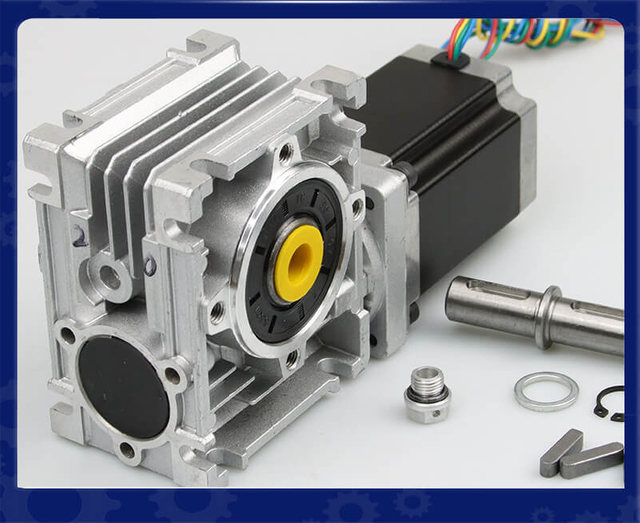
Geared BLDC motors: Provide higher torque for heavier robots or steep solar panel installations.
Integrated BLDC servo motors: Combine motor, driver, controller, and feedback functions for precise and intelligent motion control.
For advanced solar panel cleaning robots, integrated BLDC servo motors are increasingly preferred because they simplify wiring, reduce installation space, and improve overall system performance.
Final
Choosing the right BLDC motor for a solar panel cleaning robot requires balancing torque, speed, efficiency, control accuracy, environmental protection, and mechanical integration. A properly selected motor ensures strong traction, stable movement, and reliable operation in challenging photovoltaic environments.
By using high-performance BLDC motors, especially integrated closed-loop servo solutions, solar cleaning robots can achieve higher cleaning efficiency, longer operating time, and improved automation capability.
Conclusion: BLDC Motors Are Key to Stable and Efficient Solar Panel Cleaning Robots
The performance of a solar panel cleaning robot depends heavily on its ability to move smoothly, maintain traction, and operate reliably in outdoor environments. BLDC motors improve traction and stability by providing high torque, precise speed control, efficient operation, and intelligent feedback capabilities.
With advantages such as compact design, low maintenance, and excellent control performance, BLDC motors enable solar cleaning robots to achieve safer movement and higher cleaning efficiency. As solar energy systems continue to expand worldwide, advanced BLDC motor solutions will play an increasingly important role in improving photovoltaic maintenance automation.
FAQs
1. Why are BLDC motors used in solar panel cleaning robots?
Answer: BLDC motors are widely used in solar panel cleaning robots because they provide high efficiency, stable torque output, precise speed control, and long service life. These advantages help robots move smoothly across photovoltaic surfaces, maintain reliable traction, and achieve consistent cleaning performance under outdoor conditions.
2. How do BLDC motors improve traction in solar panel cleaning robots?
Answer: BLDC motors improve traction by providing high torque density and stable power output, allowing cleaning robots to overcome resistance caused by inclined panels, dust accumulation, and cleaning loads. The precise torque control helps maintain strong wheel contact with solar panels and reduces the risk of slipping during operation.
3. How do BLDC motors improve the stability of solar panel cleaning robots?
Answer: BLDC motors improve robot stability through accurate speed regulation and closed-loop control. With feedback devices such as encoders or Hall sensors, the motor system can monitor operating conditions and adjust output in real time, ensuring smooth movement, consistent cleaning paths, and reliable positioning on photovoltaic surfaces.
4. What advantages do BLDC motors provide for solar panel cleaning robot efficiency?
Answer: BLDC motors improve efficiency by reducing energy losses and providing higher power conversion efficiency compared with traditional brushed motors. Their low power consumption helps extend battery operating time, reduce heat generation, and enable solar panel cleaning robots to complete more cleaning tasks with less energy usage.
5. How should a BLDC motor be selected for a solar panel cleaning robot?
Answer: When selecting a BLDC motor for a solar panel cleaning robot, factors such as required torque, operating speed, power efficiency, control accuracy, motor size, and environmental protection should be considered. For advanced robotic applications, integrated BLDC servo motors with built-in drivers and feedback systems provide improved control performance, simplified installation, and higher reliability.