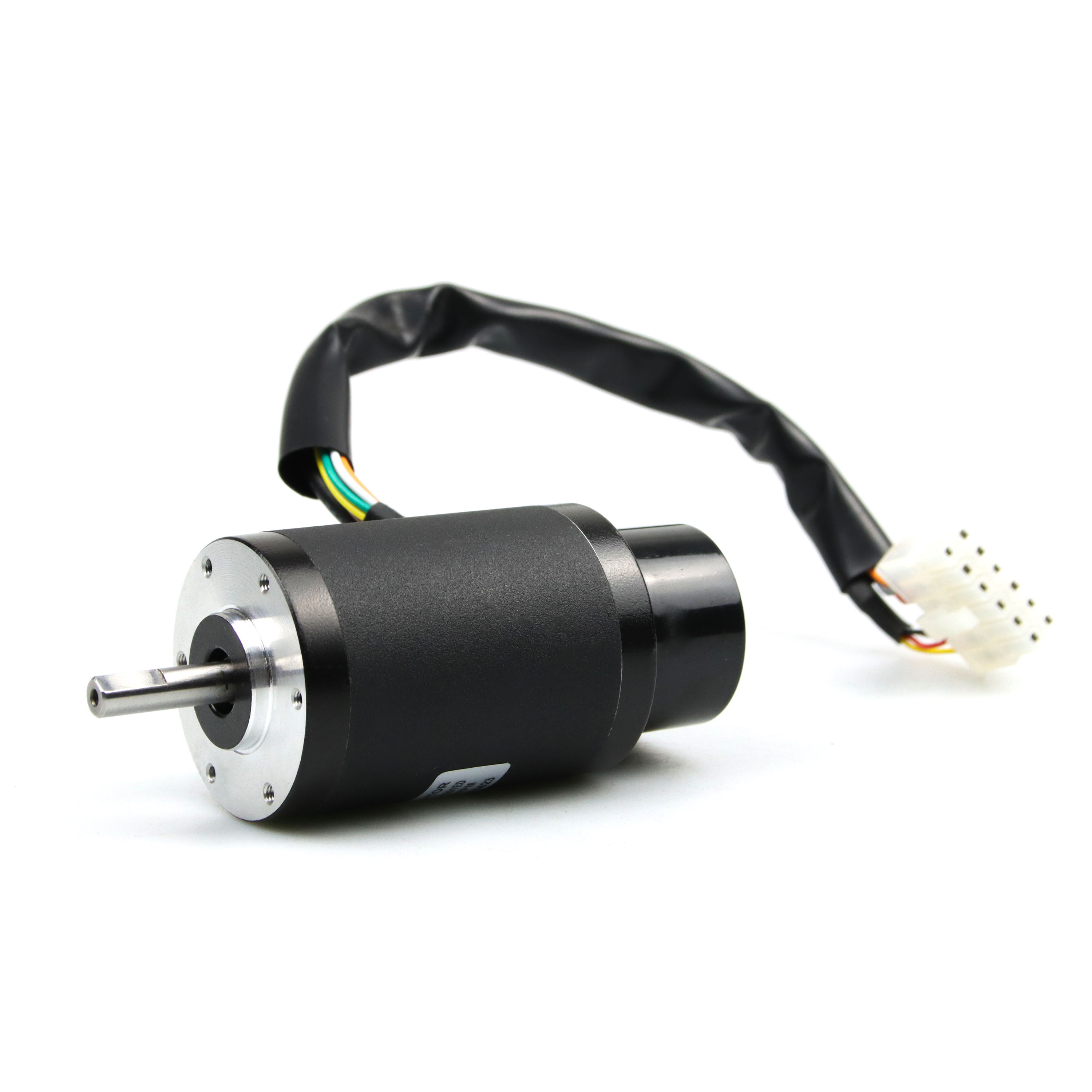
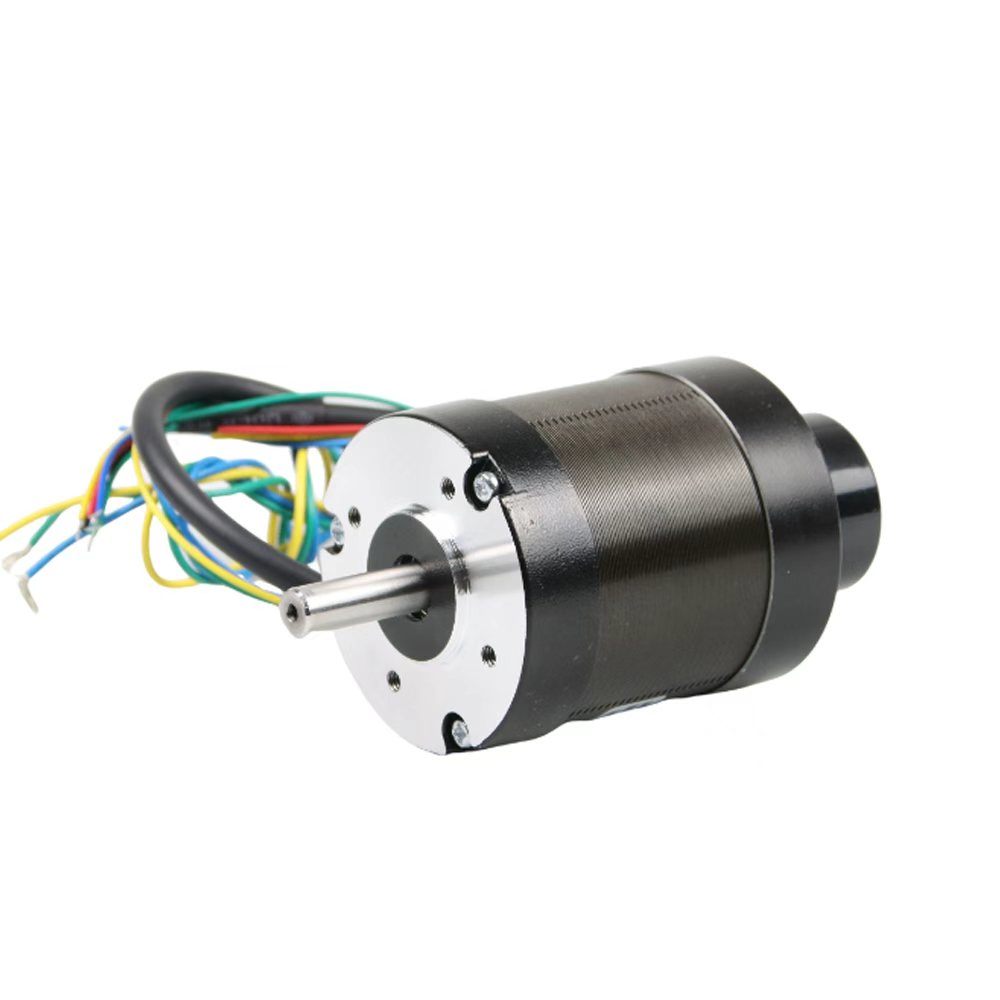
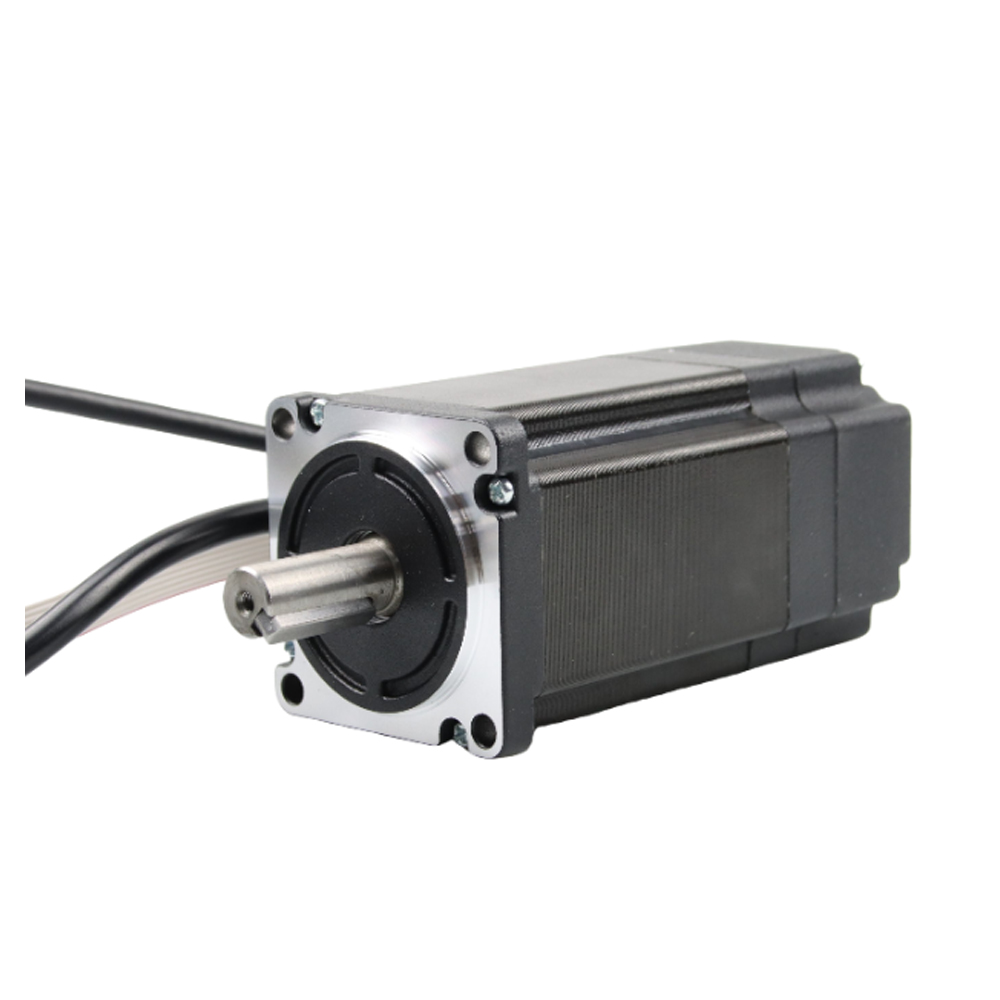
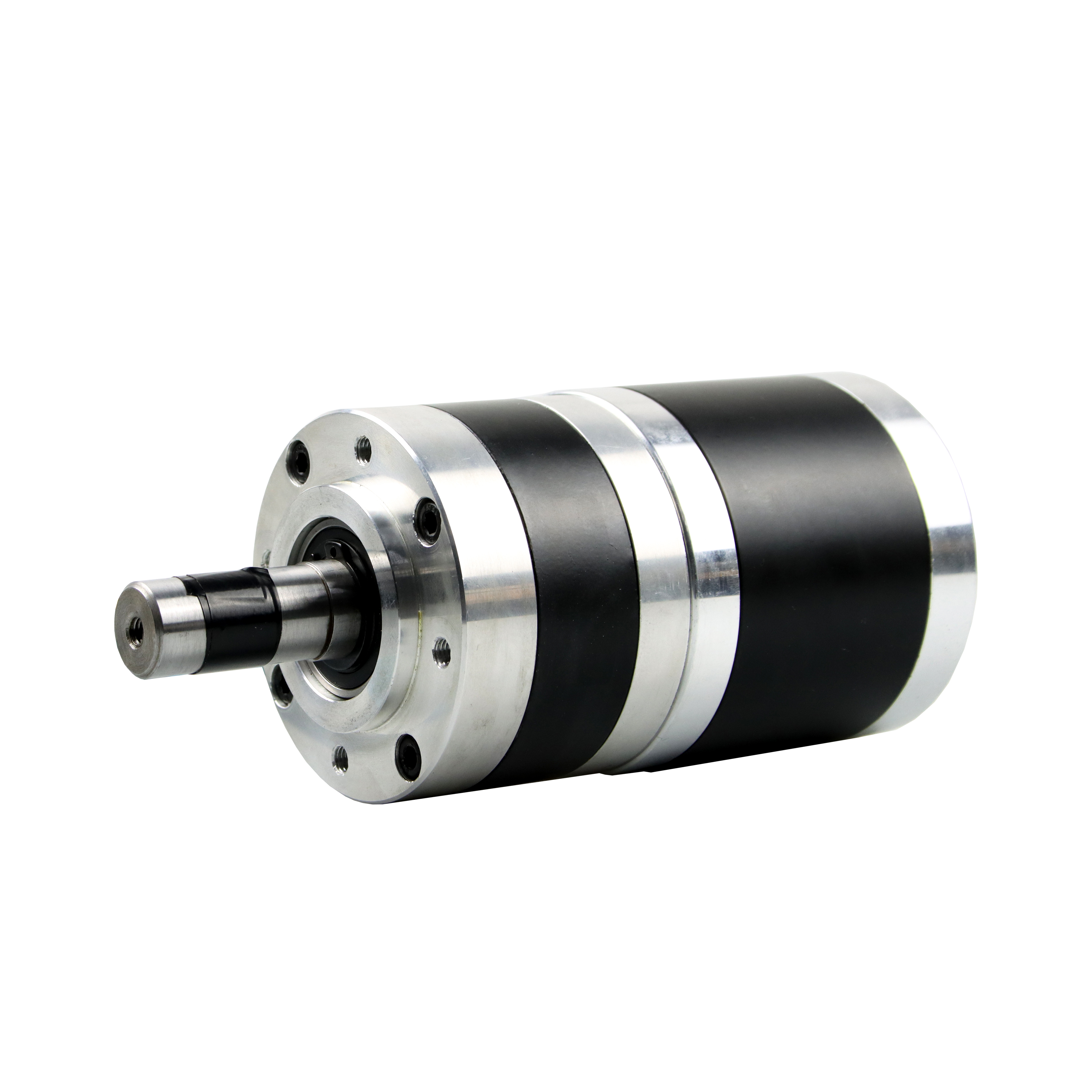
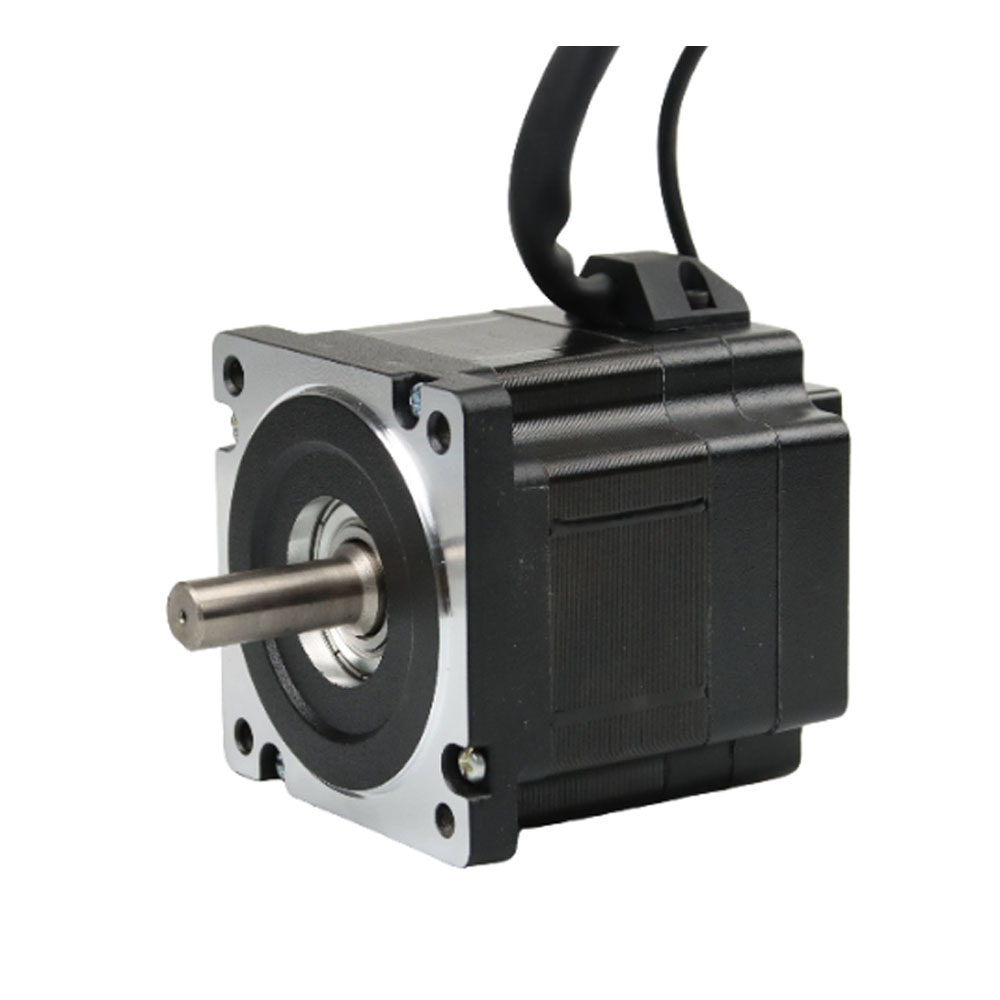
A DC servo motor is one of the most widely used actuators in motion-control systems, known for its precision, responsiveness, and reliability. Yet one question repeatedly arises among engineers, integrators, and automation designers: Do we need a motor driver (or servo drive) for a DC servo motor?
The short answer is yes—and understanding why is essential for achieving maximum performance, protection, and efficiency in any servo-driven application.
In this article, we provide a comprehensive, in-depth explanation of why a motor driver is mandatory for DC servo motors, how it functions, what benefits it delivers, and what happens if you try to operate a servo motor without the appropriate drive. This knowledge empowers you to design more reliable systems and choose the right components for optimal performance.
Why a DC Servo Motor Requires a Dedicated Servo Driver
A DC servo motor cannot operate directly from a power supply. Its closed-loop nature, the need for precise control, and the characteristics of servo motor windings make a dedicated motor driver essential. A servo driver is not simply a power amplifier—it is the central intelligence that ensures the motor performs with precision, stability, and responsiveness.
1. Servo Drivers Provide Closed-Loop Position, Speed, and Torque Control
At the core of every DC servo system is a feedback mechanism, typically using:
Encoders
Tachometers
Resolvers
Hall sensors
These sensors generate feedback signals that inform the controller about actual motor performance.
A servo driver then:
Reads the feedback
Compares it with the commanded value
Corrects deviations by adjusting current, voltage, or PWM output
Without the driver's closed-loop processing, a DC servo motor cannot maintain precise positioning, stable speed, or controlled torque.
Why This Matters
DC servo motors are used in applications where errors of even fractions of a millimeter or millisecond are unacceptable, including:
Without a servo driver, such precision would be impossible.
2. A Servo Driver Regulates Current for Accurate Torque Control
Torque in a DC servo motor is directly proportional to the motor current. A proper servo driver continuously regulates current to deliver exactly the torque required for a given load.
Key Functions:
Torque limiting to prevent mechanical damage
Current feedback control for stable operation
Dynamic current adjustments during rapid acceleration or load changes
Attempting to power a servo motor directly without controlled current regulation will almost always result in:
Overcurrent
Motor overheating
Torque instability
Burned windings
Rapid hardware failure
The servo driver ensures the motor can deliver high torque accurately and safely.
3. A Servo Driver Ensures Smooth and Precise Speed Regulation
DC servo motors excel in applications where variable and ultra-accurate speed control is required. The driver enables:
Proportional–integral–derivative (PID) speed control
Stable operation regardless of load changes
Smooth acceleration and deceleration curves
Ultra-low-speed operation without cogging
Directly powering a servo motor from a DC supply cannot provide these essential characteristics. The motor would:
Spin uncontrollably
Lose stability under load
Fail to maintain a commanded speed
Exhibit severe overshoot and oscillation
Speed performance depends entirely on the servo driver's control algorithms.
4. Servo Drivers Provide Safe Start-Up, Stop, and Protection Functions
A servo motor is a high-performance electromechanical device that needs protection to ensure long-term reliability. Servo drivers include multiple built-in safety mechanisms such as:
These protections prevent catastrophic damage. Without them, connecting a servo motor directly to a power source is likely to destroy the motor or surrounding equipment within seconds.
5. Servo Drivers Translate Control Signals Into Motor Commands
Modern automation systems use numerous control interfaces:
A DC power supply alone cannot interpret or execute such commands.
The servo driver acts as a translator, converting higher-level control signals into precise motor actions.
This is essential in systems such as:
Without a servo driver as the interface, communication and control cannot occur.
6. DC Servo Motor Windings Require Commutation and Drive Control
Unlike brushed DC motors, many DC servo motors require:
A servo driver performs these tasks with microcontroller-based logic and high-power MOSFET or IGBT stages.
Attempting to bypass the driver leads to:
Inefficient operation
Severe heating
Poor torque output
Motor instability
The driver is engineered specifically to match the electrical characteristics of the servo windings.
What Happens If You Try to Run a DC Servo Motor Without a Driver?
Running a DC servo motor without a proper servo driver is one of the fastest ways to damage both the motor and the system around it. A servo motor is a precision, closed-loop device, and it depends heavily on its driver to supply controlled power, read feedback, and maintain stable operation. Without that driver, the motor cannot function correctly and becomes highly vulnerable to failure.
Below are the key consequences of attempting to operate a DC servo motor without its required driver:
1. Loss of Closed-Loop Control
A DC servo motor relies on feedback signals—usually from an encoder or tachometer—to maintain its commanded position, speed, and torque.
Without a driver to interpret this feedback:
The motor cannot hold a position.
It cannot maintain a stable speed.
It cannot correct for load changes.
The result is uncontrolled motion that is unsafe and unpredictable.
2. Unstable and Dangerous Speed Behavior
If you directly connect a servo motor to a power supply, it may:
A DC supply cannot provide controlled acceleration, deceleration, or speed regulation. This can lead to mechanical damage or safety hazards.
3. Immediate Overcurrent and Overheating
Servo motors are designed to be driven with precisely regulated current.
Without current control:
The driver normally limits and stabilizes current. Without it, the motor is unprotected.
4. Zero Torque Regulation
Torque in a DC servo motor is tightly tied to controlled current.
Without a proper driver:
Torque becomes unpredictable
The motor may produce too little or too much torque
Mechanical parts can be stressed or snapped
The system loses all precision
Servo motors are not designed to be operated in open-loop torque mode.
5. No Electronic Commutation or PWM Control
Many DC servo motors require:
A raw power supply cannot provide these functions. Without the correct waveform and timing, the motor:
Runs inefficiently
Vibrates
Heats excessively
May fail prematurely
6. No Safety Protection
Servo drivers include essential protections such as:
Without the driver, none of these exist.
Any abnormal condition—common during startups or load shifts—can destroy the motor.
7. Risk of Permanent Motor Damage
Running a DC servo without a driver can cause irreversible damage, including:
Even a single uncontrolled cycle can be enough to ruin the motor.
8. The Motor Simply Cannot Perform Its Intended Function
A DC servo motor is not a regular DC motor.
It is engineered to provide:
Precision positioning
Stable speed
Controlled torque
Smooth motion
Without a driver, it becomes nothing more than an unstable, unregulated motor, unable to deliver any of the characteristics that make it a servo.
Conclusion
Attempting to run a DC servo motor without a driver is unsafe, technically incorrect, and almost guaranteed to result in motor failure, loss of control, and equipment damage.
The driver is not optional—it is an essential component that enables the servo motor to operate accurately, efficiently, and safely.
Choosing the Right Motor Driver for a DC Servo Motor
Selecting the correct motor driver (or servo drive) for a DC servo motor is essential for achieving accurate motion control, stable performance, and long-term reliability. The servo driver is the intelligence of the entire system—responsible for powering the motor, processing feedback, regulating torque, and ensuring safe operation. Choosing the wrong driver can lead to poor performance, overheating, instability, or even motor failure.
Below are the key factors to consider when choosing the right servo motor driver:
1. Match the Driver to the Motor Voltage
Every DC servo motor has a rated operating voltage.
The servo driver must support:
The motor's nominal voltage
Safe overvoltage margins during acceleration and regenerative braking
Required peak operating voltage
Undervoltage reduces torque and speed. Overvoltage risks burning the motor or driver.
Always ensure the driver's voltage range comfortably covers the motor's rating.
2. Determine Continuous and Peak Current Requirements
Servo motors draw two types of current:
Continuous current – required for normal operation
Peak current – needed for acceleration, sudden load changes, and start-up
The driver must support both.
If the driver cannot deliver enough peak current, the motor will:
Stall
Overshoot
Lose torque
Run inefficiently
A properly rated driver ensures stable torque and smooth motion.
3. Choose the Correct Feedback Interface
DC servo motors commonly use:
Incremental encoders
Absolute encoders
Hall sensors
Tachometers
Resolvers
The driver must be compatible with the motor's feedback device.
Incorrect feedback pairing results in:
Feedback compatibility is one of the most important selection criteria.
4. Select the Appropriate Control Interface
Servo drivers receive commands from controllers such as PLCs, microcontrollers, and motion controllers.
Typical control inputs include:
Choose a driver that supports the same communication protocol as your system's controller.
This ensures seamless integration.
5. Match the Driver to the Application's Performance Requirements
Applications vary widely in their speed, torque, and precision demands.
Consider:
Required speed range
Torque output under load
Acceleration and deceleration profiles
Holding torque and static accuracy
Backlash compensation features
Response time (bandwidth)
Smoothness of motion
High-performance applications—such as CNC machines or robotics—require drivers with advanced control algorithms and high bandwidth.
6. Check for Built-In Safety and Protection Features
A high-quality servo driver includes multiple protections, such as:
These protections prevent damage to the motor, the machine, and surrounding components.
7. Evaluate Environmental and Mechanical Requirements
For industrial or harsh environments, consider:
Operating temperature range
Humidity tolerance
Vibration and shock resistance
IP rating (water/dust protection)
Mounting options (DIN rail, panel mount, integrated)
The right driver must be designed for the environment in which it operates.
8. Consider Additional Smart Features
Modern servo drivers may offer useful advanced features such as:
Auto-tuning for easier setup
Regenerative braking
Position indexing or standalone motion modes
Diagnostics and fault logging
Fieldbus networking
Energy-saving modes
These features can significantly improve system performance and ease of use.
9. Ensure Compatibility Between Motor and Driver Brand
Although many servo motors and drivers are cross-compatible, some brands use proprietary:
Encoder formats
Communication protocols
Tuning parameters
Connector types
Whenever possible, pairing a motor and driver from the same manufacturer ensures the highest compatibility and best performance.
Conclusion
Choosing the right motor driver for a DC servo motor is essential for achieving precise, stable, and safe motion control. Matching the driver to your motor's electrical characteristics, feedback system, control interface, environmental conditions, and performance requirements ensures reliable operation and optimal results. A properly selected driver allows the servo system to fully unlock its potential for accuracy, responsiveness, and efficiency.
Conclusion: A Motor Driver Is Absolutely Essential for Every DC Servo Motor
A DC servo motor is not merely a motor—it is a precision control device. Without a servo driver, it cannot perform its purpose, cannot be controlled, and cannot operate safely.
The motor driver provides:
Closed-loop control
Power regulation
Feedback processing
Motion stability
Safety protection
Interface communication
For this reason, every DC servo motor requires a dedicated servo driver, and the performance, reliability, and lifespan of the servo system depend heavily on selecting the right one.