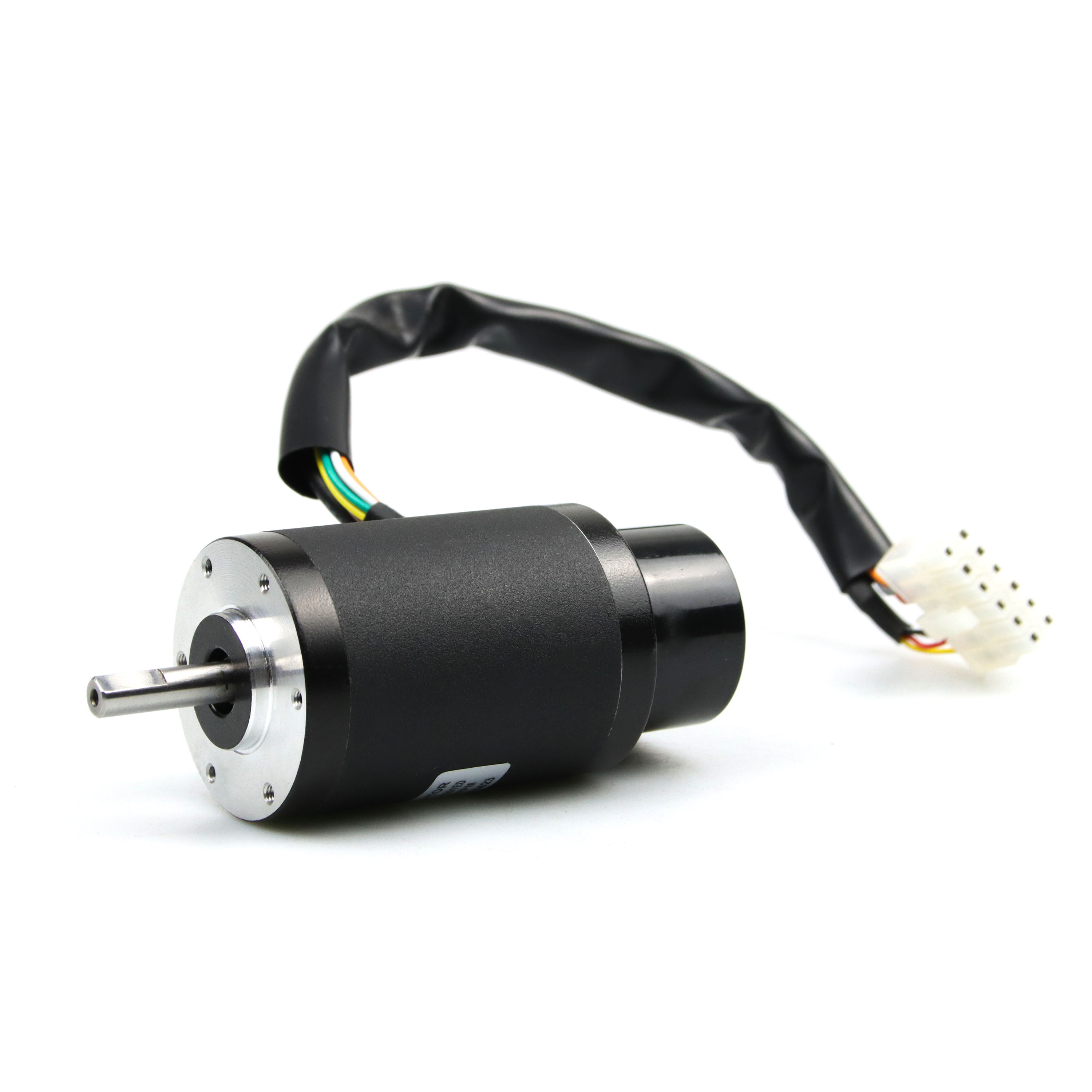
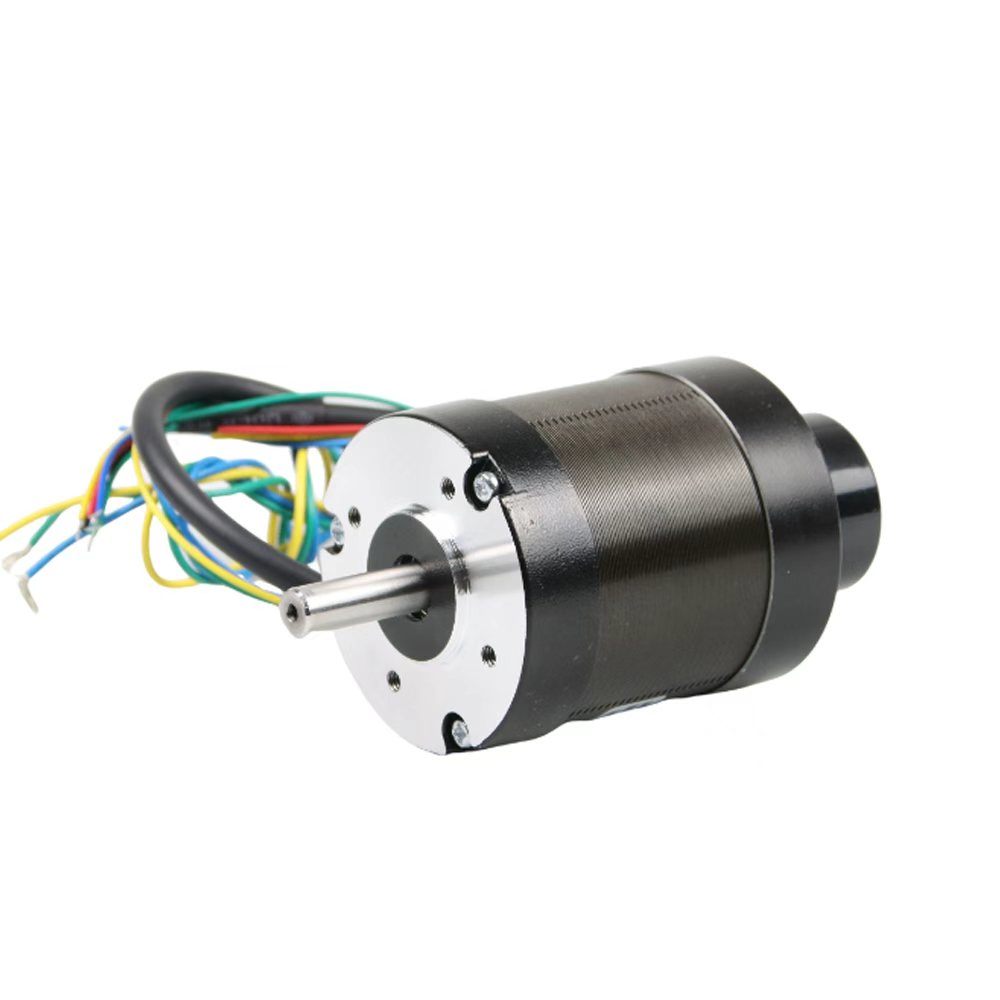
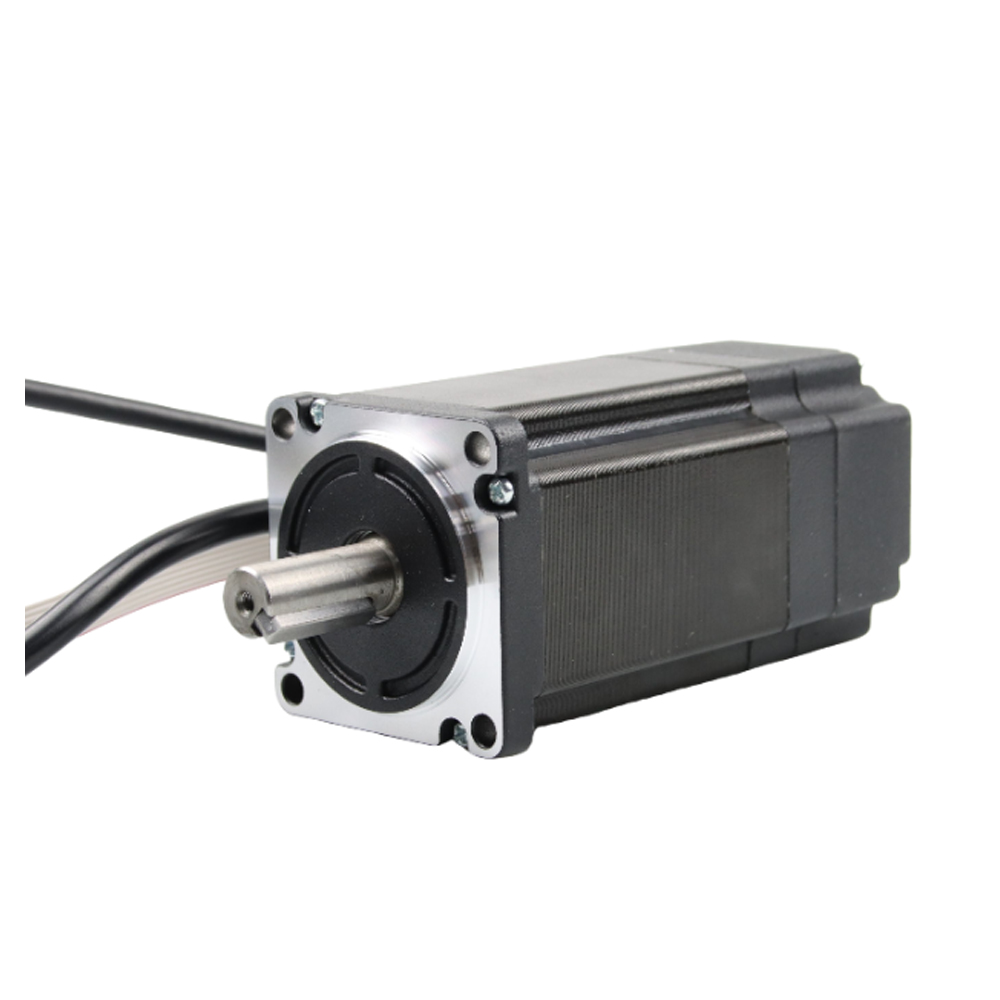
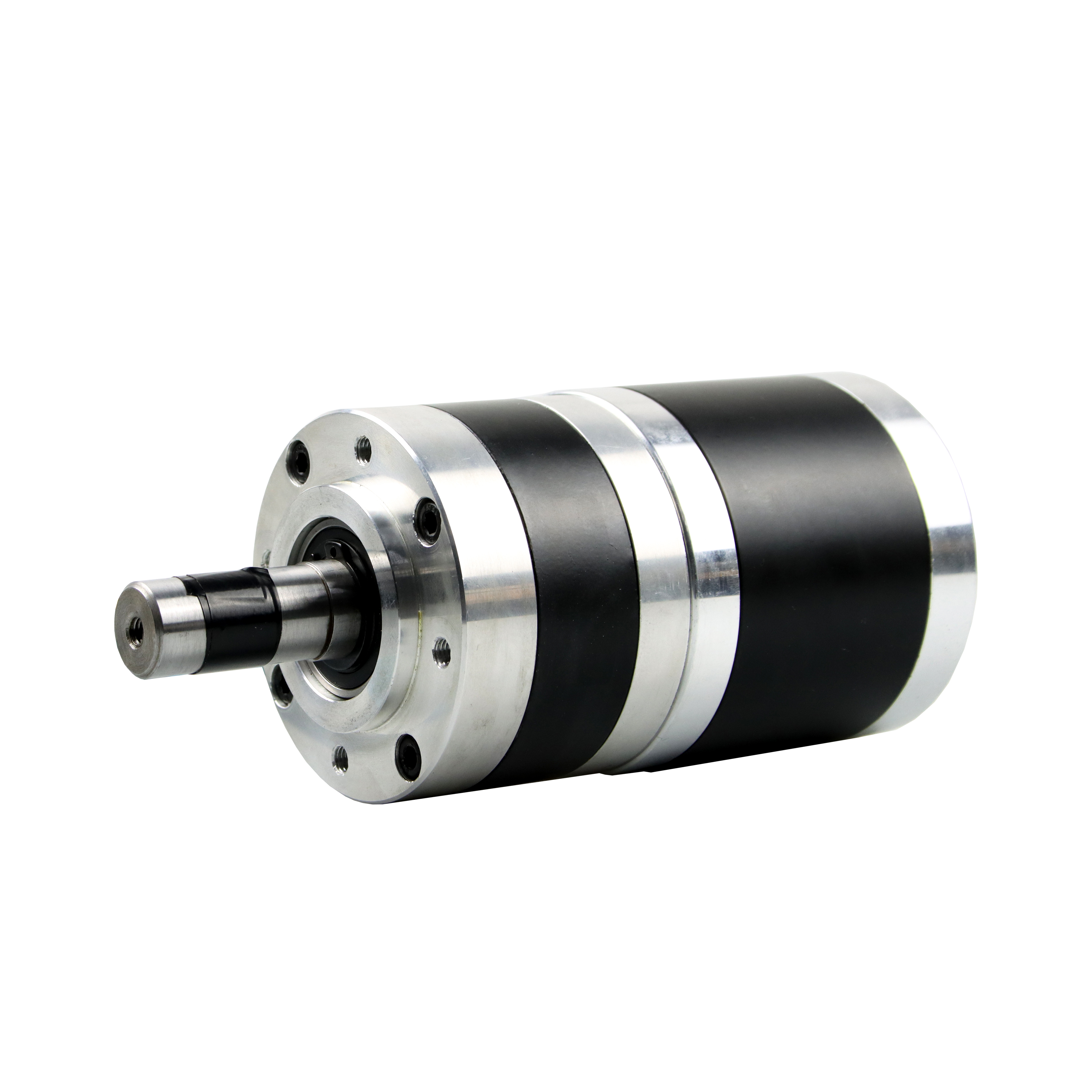
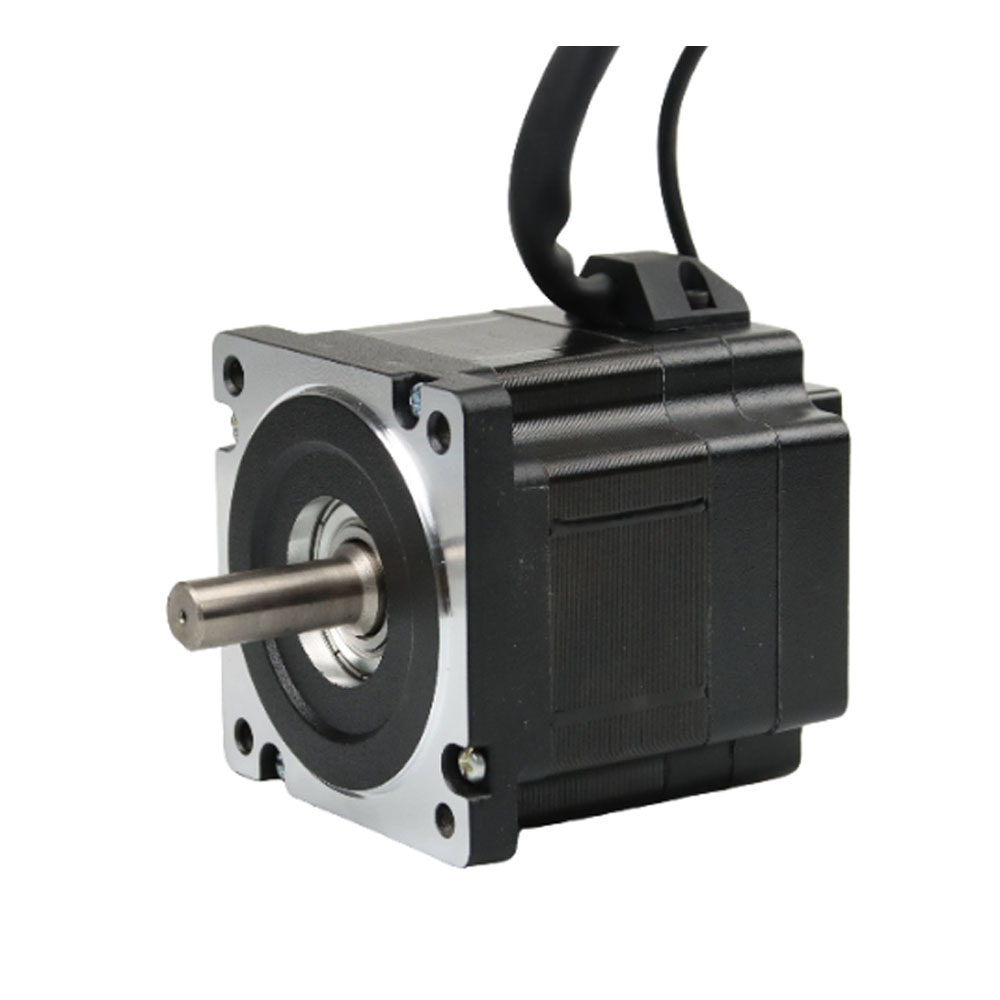
DC servo motors are widely trusted for precision motion control, fast response, and stable torque regulation across industries ranging from robotics to CNC machinery. One of the most recurring questions engineers and system integrators ask is whether DC servo motors require a special power supply. Since the motor's performance, stability, and reliability depend heavily on the quality and suitability of the power source, understanding this requirement is essential for designing long-lasting, high-accuracy systems.
This comprehensive guide provides an in-depth, technical explanation of the power supply requirements for DC servo motors, exploring how servo drives interact with power sources, what makes a supply “special,” and what specifications matter most for optimal performance.
Why Power Supply Requirements Are Critical for DC Servo Motors
DC servo motors rely on precise, stable, and responsive power delivery to maintain accurate control of speed, torque, and position. Because these motors operate in closed-loop systems, even minor fluctuations in power can directly impact performance. This makes the power supply not just a supporting component, but a core element of the servo system's reliability and accuracy.
A DC servo motor constantly adjusts its output based on real-time feedback from encoders, tachometers, or other position sensors. To execute these corrections smoothly, the servo drive must deliver clean, stable DC voltage and instantaneous current changes. Any irregularities—such as voltage ripple, electrical noise, or current sag—can introduce errors, vibration, overheating, or loss of position.
Additionally, DC servo motors frequently undergo rapid acceleration and deceleration, which demands high peak current capability from the power source. Standard power supplies are not designed to accommodate these sudden current changes, making them unsuitable for servo applications.
Another critical aspect involves regenerative energy. When a servo motor decelerates or reverses direction, it sends energy back into the power system. If the power supply cannot absorb or redirect this energy safely, it can cause overvoltage faults or damage the servo drive.
Because of these factors, DC servo systems require a power supply that can:
Maintain low-noise, low-ripple DC output
Respond instantly to surge and peak current demands
Safely handle regenerative energy during braking
Protect the motor and drive from voltage spikes and instability
In short, the right power supply safeguards the performance, precision, and lifespan of both the servo motor and its control electronics.
Understanding the Role of the Servo Drive
Before determining whether a special power supply is required, it is important to clarify the function of the servo drive (also called servo amplifier).
A DC servo drive is responsible for:
Regulating current to control motor torque
Regulating voltage to control speed
Interpreting feedback signals from encoders or tachometers
Protecting the system from overcurrent, overvoltage, and thermal faults
Ensuring smooth, stable motion under varying load conditions
Because the servo drive acts as an intermediary between the motor and the power supply, the drive determines what type of power supply is ideal.
In many systems, the motor itself does not directly dictate power supply specifications—the servo drive does.
Do DC Servo Motors Require a Special Power Supply?
The simple answer is:
Yes—DC servo motors generally require a specialized power supply to ensure stable performance, since standard power supplies are often inadequate for servo applications.
But the details matter. Below is a full explanation of what “special” means in this context.
Key Power Supply Requirements for DC Servo Motors
1. Clean, Stable DC Voltage Output
Servo drives require high-quality DC power that is stable under load and free from:
Voltage ripple
Noise
Transient spikes
Fluctuations in voltage directly disturb the servo drive's ability to regulate torque and speed.
Why this matters:
Even small ripples can cause micro-vibrations, audible noise, overshooting, or degraded positioning accuracy.
2. High Peak Current Capability
DC servo motors often draw rapid bursts of current when accelerating, decelerating, or changing direction. While the continuous current rating might be modest, the peak current demand can be 3–5× higher.
A proper servo power supply must therefore support:
Typical generic supplies cannot handle these peaks reliably, causing the system to trip or sag under dynamic loads.
3. Adequate Power for Regenerative Energy
During braking or deceleration, DC servo motors act as generators and push energy back into the system. This results in regenerative power, which must be properly managed.
A standard power supply cannot absorb this returned energy. When regen energy cannot be dissipated, the system may experience:
Overvoltage faults
Power supply damage
Servo amplifier shutdown
Servo systems resolve this by using:
This is a key reason why servo applications demand specialized power management hardware.
4. Low Electromagnetic Interference (EMI)
Because servo drives operate at high switching frequencies, noise and EMI can compromise:
Encoder feedback signals
Communication lines (e.g., RS485, CAN, EtherCAT)
Other sensitive electronics in the system
Specialized servo-rated power supplies include EMI filtering and shielding.
5. Compatibility With Servo Drive Input Requirements
Different servo drives may require:
DC supply (common for DC servo systems)
AC supply with internal rectification
Isolation features
Specific voltage tolerances
Using an incorrect power supply can lead to:
Always match the supply to the servo drive specifications, not just the motor.
What Makes a Power Supply “Special” for DC Servo Motors?
A power supply becomes “special” for DC servo motors when it is designed to support the unique electrical demands of closed-loop motion control systems. Unlike generic power supplies that simply deliver a steady output under predictable loads, servo-rated power supplies must accommodate rapid load changes, regenerative energy, high peak currents, and low-noise requirements. These features ensure the servo drive can deliver precise, stable control under all operating conditions.
Below are the characteristics that define a specialized servo power supply:
1. High Peak Current Capability
DC servo motors can draw three to five times their continuous current rating during acceleration, direction reversal, or sudden load changes. A servo-specific power supply provides the necessary surge current without voltage drop, overheating, or tripping its protection circuits.
This ensures smooth motion, consistent torque, and uninterrupted operation.
2. Low-Ripple, Low-Noise DC Output
Servo drives require clean, steady DC voltage to regulate torque and speed accurately.
A specialized supply minimizes:
Voltage ripple
Switching noise
Electrical interference
This is essential because even minor noise or ripple can affect encoder readings, cause jitter, and degrade motion accuracy.
3. Fast Transient Response
When load conditions change abruptly, the power supply must respond instantly to maintain voltage stability.
A servo-rated supply provides:
Rapid compensation for current spikes
Zero or minimal droop during dynamic motion
Stable voltage under continuous modulation
Generic switching supplies cannot react quickly enough, causing instability and performance loss.
4. Regenerative Energy Handling
DC servo motors generate power during braking or deceleration, feeding energy back into the DC bus.
Specialized servo power supplies include:
Regenerative braking circuitry
Built-in absorption capacity
External braking resistor or regen module support
Without this capability, overvoltage faults can occur, potentially damaging the drive or power supply.
5. Built-In Protection Mechanisms
Servo power supplies feature advanced protection to safeguard the motor, drive, and control system, including:
Overcurrent protection
Overvoltage suppression
Short-circuit protection
Thermal shutdown
Soft-start circuitry
These features enhance system reliability and prevent expensive component failures.
6. EMI Filtering and Electrical Shielding
Servo systems are highly sensitive to electromagnetic interference.
Therefore, a specialized power supply incorporates:
This prevents noise from affecting encoder signals, communication lines, or other electronics.
7. Energy Storage and Buffering
Servo-rated power supplies typically include increased capacitance to buffer rapid energy changes generated during motor motion.
This improves:
Such buffering is rarely present in standard supplies.
Conclusion
A “special” power supply for DC servo motors is one designed to meet the demanding electrical requirements of high-precision motion control. Its features—such as low noise, regen handling, high surge current, and robust protection—ensure that the servo motor and drive can achieve optimal performance, stability, and longevity.
Linear vs. Switching Power Supplies for DC Servo Motors
Linear Power Supplies
These are often recommended for high-precision or high-end robotics systems.
Switching Power Supplies
However, many generic SMPS units have:
Only servo-rated SMPS are suitable for DC servo motors.
When a Standard Power Supply Is Not Enough
A standard power supply may function adequately for simple DC loads, but it quickly becomes insufficient when used with a DC servo motor. Servo systems impose dynamic electrical demands, rapid load changes, and energy regeneration that generic supplies are not designed to handle. When a standard supply fails to meet these requirements, the servo system becomes unstable, inaccurate, or even unsafe.
Below are the specific situations where a regular power supply is not enough for proper servo operation.
1. When Rapid Acceleration or Deceleration Is Required
DC servo motors draw significantly higher current during fast direction changes or sudden speed adjustments.
A standard power supply typically cannot:
Deliver high peak current
Respond instantly to current spikes
Maintain voltage stability under heavy load
This results in:
Voltage sag
Missed steps
Reduced torque
Jerky or unstable motion
Any high-dynamic motion profile requires a servo-rated power supply capable of handling short bursts of high current.
2. When Precision and Accuracy Are Critical
Servo motors rely on precise feedback and control loops. Noise and voltage ripple from standard power supplies can interfere with:
Encoder signals
Drive current loops
Position readings
This leads to:
Micro-vibrations
Position drift
Overshooting
Loss of control accuracy
Applications such as robotics, CNC machines, camera systems, and automation cells cannot tolerate this degradation.
3. When the System Generates Regenerative Energy
During braking, descending loads, or reversing direction, a DC servo motor acts as a generator and pushes energy back into the supply.
A standard supply cannot absorb this sudden influx, causing:
Servo-specific systems include:
Regen capability
Braking resistors
Energy dumping circuits
Overvoltage absorption
Without these features, regen energy becomes hazardous to the entire system.
4. When the Motor Has High Inertia Loads
High-inertia systems—such as conveyor belts, flywheels, and large mechanical assemblies—create huge current demands and strong regenerative surges.
A regular power supply is too weak for such conditions, causing:
Servo motors driving heavy loads must use a properly engineered power source.
5. When Operating in EMI-Sensitive Environments
Standard power supplies generate electrical noise that can:
Interrupt feedback signals
Disrupt communication buses (CAN, RS485, EtherCAT)
Affect nearby instruments or sensors
In precision industrial environments, this leads to system faults, false interrupts, or unexpected stops.
Servo power supplies incorporate special EMI filtering and shielding to ensure clean operation.
6. When Long-Duration, High-Stability Operation Is Required
Continuous industrial duty exposes weaknesses in standard power supplies, such as:
Inadequate thermal management
Poor voltage regulation
Limited lifespan under constant load
Sensitivity to ambient conditions
Servo-grade supplies are designed for 24/7 operation, offering improved durability and electrical robustness.
7. When Safety and Drive Protection Are Priorities
Servo motors require advanced power management that standard supplies lack, such as:
Without these protections, the drive and motor become vulnerable to:
Electrical stress
Overheating
Component failure
Conclusion
A standard power supply is insufficient for any servo system that demands precision, rapid motion, safety, or long-term stability. DC servo motors require a power source specifically engineered to handle fast current changes, regenerative energy, noise reduction, and continuous industrial operation. Using the wrong supply compromises performance, reliability, and safety—making a specialized servo power supply not just beneficial, but essential.
Recommended Power Supply Configurations for Optimal Servo Performance
1. Dedicated DC Servo Power Supply
Ideal for most precision applications.
Provides stability, high peak current, and advanced protection.
2. Servo Drive With Integrated Power Module
Some modern servo drives contain built-in power stages, simplifying installation.
3. AC Input Servo Drive With Internal Rectification
Allows use of standard AC mains.
The drive generates the DC bus internally.
4. Power Supply + Regen Module + Braking Resistor
Best for applications with heavy deceleration or lifting loads.
Conclusion: Yes, DC Servo Motors Need a Special Power Supply
Because DC servo motors operate under dynamic loads and require precise, stable control, a specialized power supply is essential. Servo-optimized power sources ensure:
Steady voltage
Clean DC output
High peak current handling
Proper management of regenerative energy
Long-term reliability of the drive and motor
To achieve maximum performance, the power supply must be selected based on servo drive requirements, motor characteristics, and application demands.