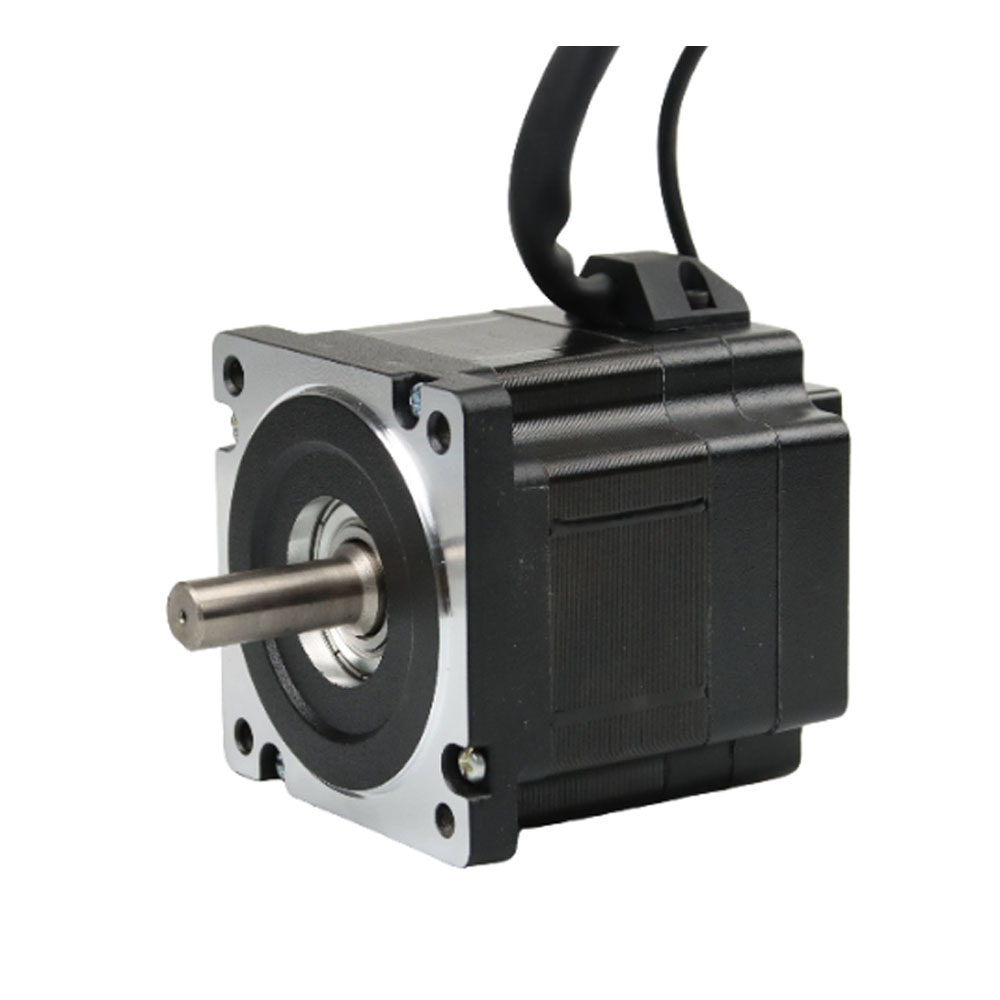
Introduction: Precision in Motion for Modern Laser Cutting
In the high-stakes world of industrial laser cutting, where tolerances are measured in microns and throughput in milliseconds, the choice of drive technology is not merely a component selection—it is the foundational decision that determines a machine's capability, reliability, and competitive edge. DC servo motors have emerged as the undisputed champion in this domain, displacing older hydraulic and stepper systems to become the core of precision motion control. Their dominance is not accidental but engineered, offering an unmatched combination of dynamic response, positional accuracy, and power density that directly translates to superior cut quality, faster processing speeds, and lower operational costs. This guide provides a comprehensive engineering analysis of DC servo systems specifically for laser cutting applications, offering actionable insights for machine designers, integrators, and end-users seeking to optimize performance.
The Critical Role of Servo Motors in Laser Cutting Dynamic
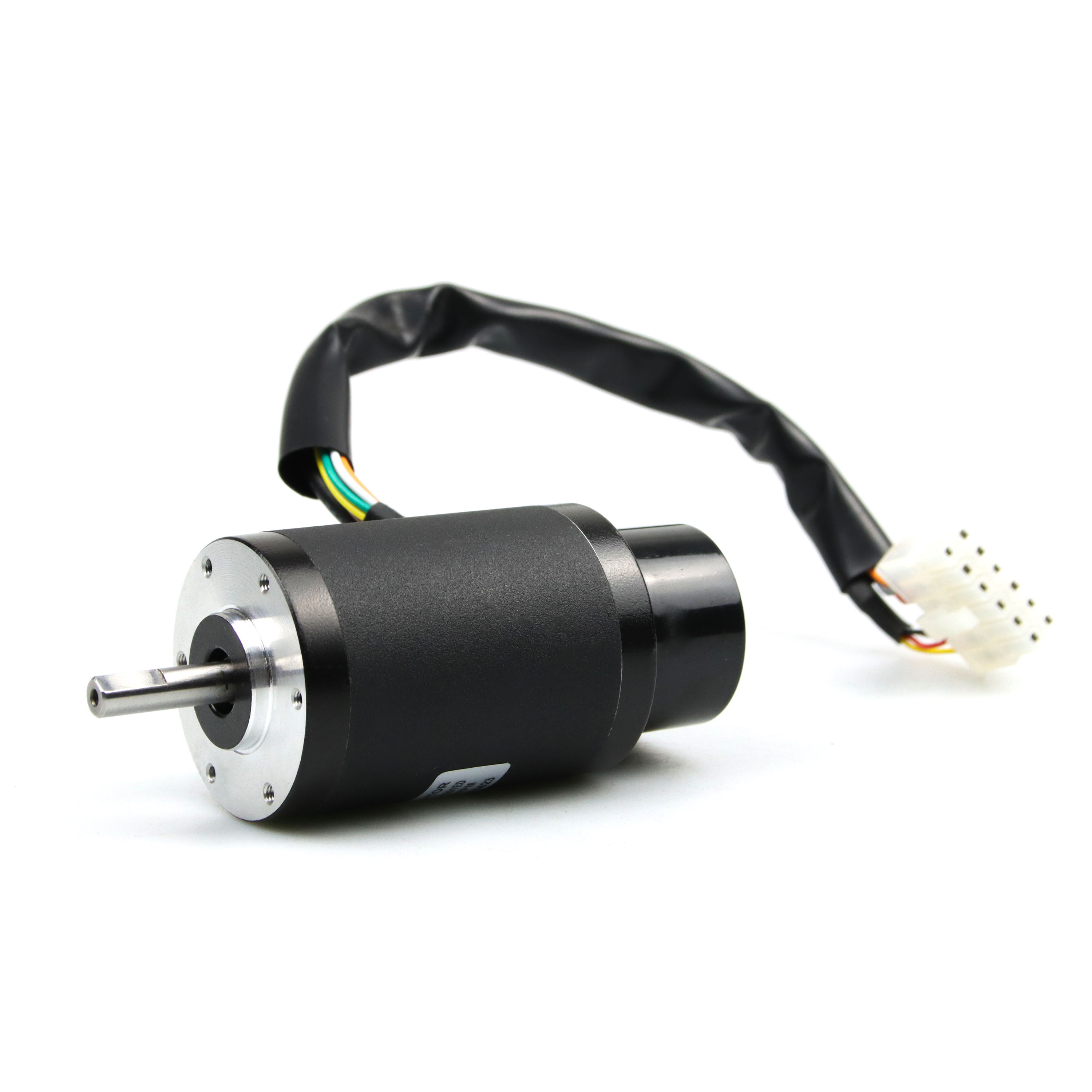
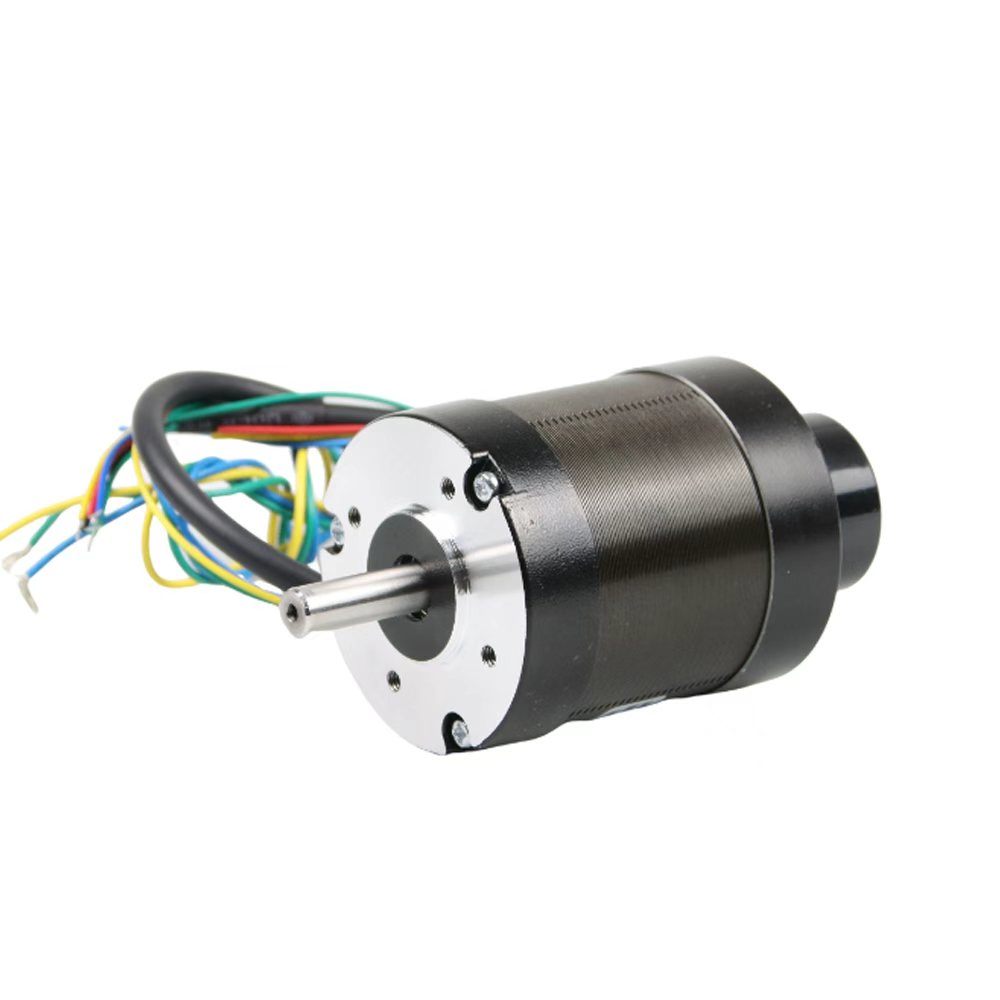
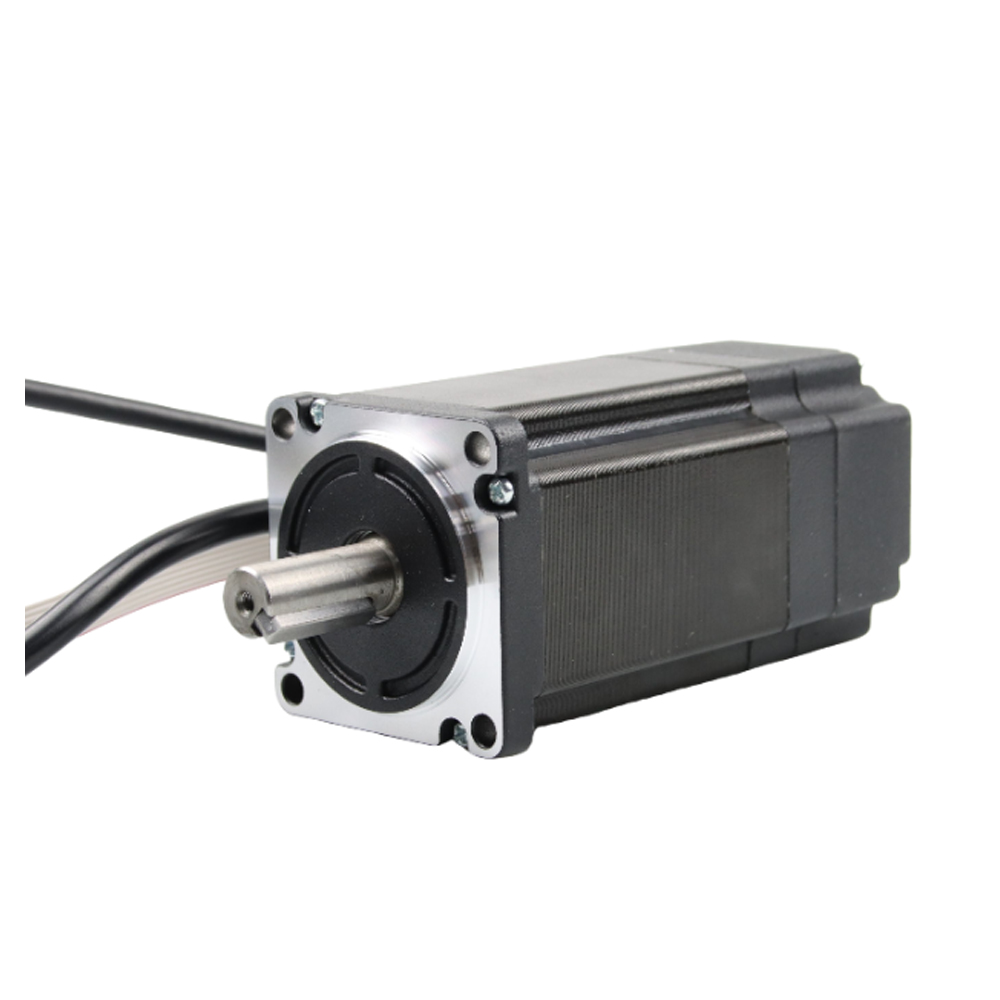
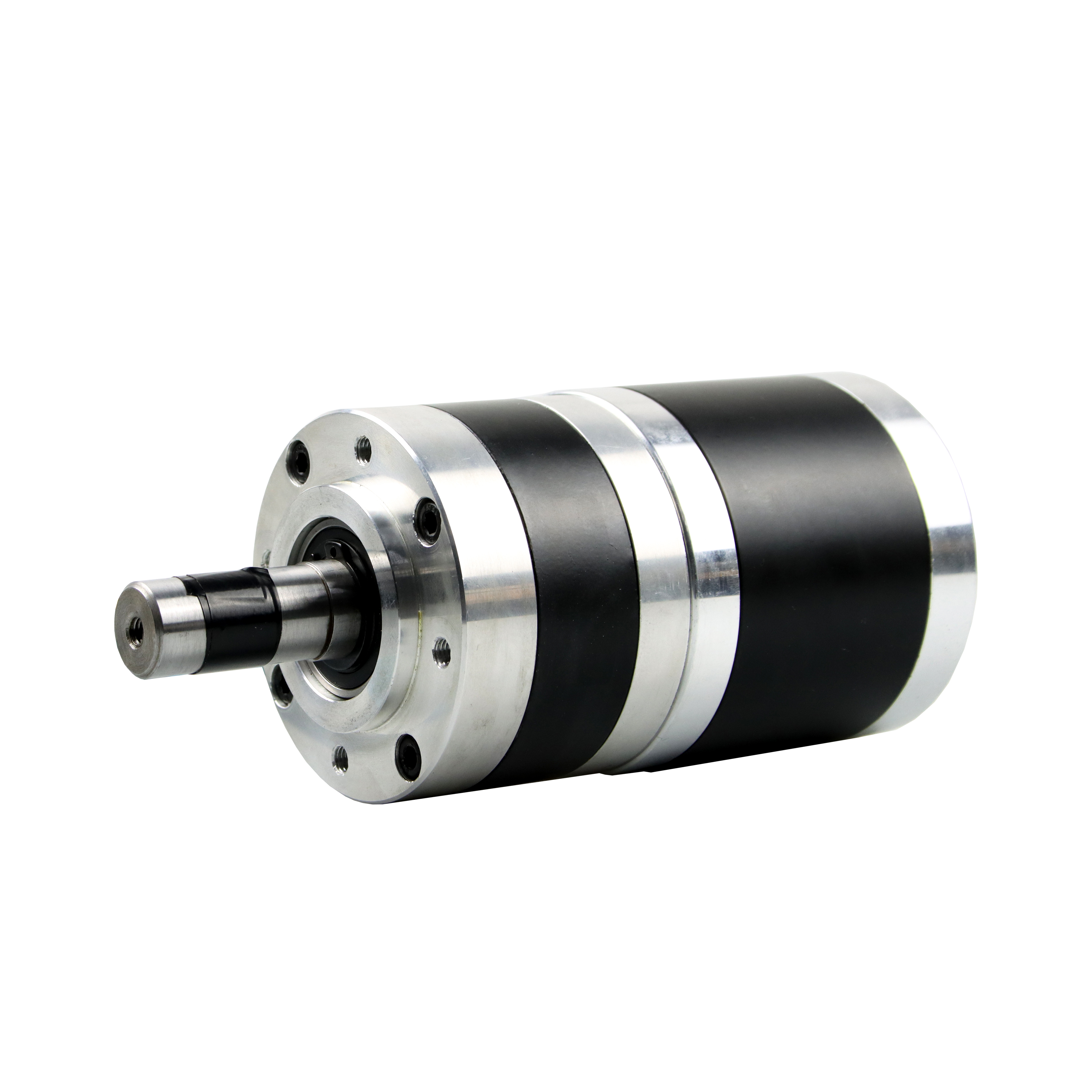
In laser cutting, the DC servo motor is the critical actuator that translates digital design commands into precise physical motion. Its performance dictates the machine's fundamental capabilities: cutting speed, positional accuracy, and contour fidelity. Unlike processes with constant toolpaths, laser cutting involves rapid accelerations, sudden stops, and sharp directional changes, placing extreme dynamic demands on the drive system.
Managing Dynamic Loads and Inertia
The primary challenge is the high ratio of peak-to-average power required. The motor must deliver high torque for rapid acceleration to traverse between cut features quickly (minimizing cycle time), then provide exceptionally smooth, constant velocity during the cutting pass to ensure a uniform kerf. A key metric is the torque-to-inertia ratio of the motor. A high ratio allows the system to accelerate and decelerate the moving mass (laser head, linear stages) with greater agility, enabling the "stop-and-go" patterning typical in sheet metal cutting without lag or overshoot.
Precision for Complex Contours and High Speeds
For intricate designs or high-speed cutting, the servo system's bandwidth and stiffness are paramount. High bandwidth allows the control loop to correct trajectory errors at a very high frequency, maintaining precision even during rapid changes in direction. This prevents rounding of sharp corners and ensures the laser beam follows the programmed path exactly. Servo stiffness—the system's resistance to deviation under load—combats deflection caused by forces from cable carriers or friction, ensuring the cut remains true regardless of the head's position on the gantry.
The Direct Impact on Cut Quality
Ultimately, any deficiency in servo performance manifests directly in the workpiece. Velocity ripple during a cut causes variations in energy deposition, leading to striations or an uneven cut edge. Positional jitter or following error results in dimensional inaccuracy and poor edge quality. Therefore, the DC servo motor is not merely a movement component; it is the fundamental determinant of the laser cutter's processing capability and final output quality, making its selection and integration the cornerstone of machine design.
Decoding Technical Specifications for Laser Cutting Applications
Selecting a DC servo motor for a laser cutter requires a deep analysis of key performance parameters that directly impact cut quality, speed, and machine longevity.
Torque: The Foundation of Dynamic Motion
Two torque values are critical:
Peak Torque: This is the maximum torque the motor can generate for short bursts. It determines the axis's maximum acceleration and deceleration capability, which is essential for minimizing non-cutting time between shapes. Insufficient peak torque results in sluggish movement and reduced productivity.
Continuous Torque (RMS): This is the torque the motor can deliver continuously without overheating. It must support the Root Mean Square (RMS) torque demand of the application's duty cycle, which includes constant-velocity cutting, friction, and frequent starts/stops. Sizing based on RMS torque ensures long-term thermal stability and reliability.
Inertia Mismatch and System Responsiveness
The ratio of load inertia to motor rotor inertia is a crucial control parameter. A high mismatch (a very heavy load connected to a low-inertia motor) makes the system prone to oscillation and difficult to tune for stability. An optimal ratio (typically recommended below 10:1, ideally closer to 5:1) allows for higher servo gain settings, resulting in faster response, better disturbance rejection, and superior contouring accuracy at high speeds.
Feedback Resolution: The Basis of Precision
The encoder provides the positional feedback for closed-loop control. Its resolution, measured in counts per revolution (CPR), defines the system's positioning granularity.
Standard Encoders (e.g., 20-bit, ~1 million CPR): Suitable for general precision cutting.
High-Resolution Encoders (e.g., 24-bit or above, 16+ million CPR): Essential for nanometer-level precision in applications like micro-machining or wafer dicing. Higher resolution enables smoother velocity control and minimizes following error.
Velocity and Bandwidth: Determining Cut Consistency
Rated Speed: Must meet the machine's maximum traversing requirements.
Velocity Control Bandwidth: This indicates how quickly the drive can correct deviations from the commanded speed. A high bandwidth (≥500 Hz) is critical for maintaining constant surface speed during intricate contours, directly preventing variations in cut depth and edge finish caused by velocity ripple.
System Integration: Beyond the Motor to a Cohesive Motion Solution
A superior DC servo motors is a critical component, but its full potential is only unlocked through seamless integration with the drive, controller, and machine mechanics. True performance is determined by the system's synergy.
Drive Selection and Communication Protocols
The servo drive acts as the intelligent power amplifier. The choice of communication protocol is fundamental:
Pulse Train (Step/Direction):
A simple, universal standard suitable for basic applications but can introduce latency.
High-Speed Fieldbus (EtherCAT, PROFINET IRT, POWERLINK):
Essential for multi-axis, high-performance systems. EtherCAT, for example, provides deterministic, sub-millisecond communication for perfectly synchronized motion across all machine axes.
The Critical Role of the Motion Controller
The controller is the system's brain, generating the trajectory path. For laser cutting, advanced controllers enable:
Position Synchronized Output (PSO):
This function triggers the laser pulse based on the motor's real-time encoder feedback, not a programmed timeline. This ensures laser pulses are fired at exact spatial intervals, guaranteeing uniform cut quality during acceleration and deceleration.
Advanced Error Mapping:
Sophisticated systems allow for 2D error compensation tables to be loaded, correcting for minute mechanical imperfections in ball screws or guideways in real-time.
Mechanical Integration and Tuning
The motor must be properly coupled to the machine's mechanical transmission (e.g., ball screw, belt, direct drive). Rigidity here is paramount to prevent torsional resonance. Post-installation, servo tuning—adjusting the drive's proportional, integral, and derivative (PID) gains—is essential to match the motor's response to the specific mechanical load, optimizing settling time and eliminating vibration.
Ultimately, a cohesive motion solution views the motor, drive, controller, and mechanics as a single, optimized entity. This holistic approach is what transforms individual components into a machine capable of exceptional speed, precision, and reliability.
Future-Proofing Your Laser Cutting Machine: Emerging Trends and Smart Selection
The evolution of DC servo technology is tightly coupled with the broader trends in industrial automation and laser processing.
Direct Drive Integration:
The adoption of torque motors and linear direct drive motors is accelerating. By directly coupling the moving mass to the motor without mechanical transmission elements like ball screws or belts, these systems eliminate backlash, reduce maintenance, and enable higher acceleration and precision. This is particularly transformative for high-speed, high-accuracy gantry-style laser cutters.
Intelligence and Connectivity:
The next generation of servo drives are smart edge devices. They continuously log data on temperature, vibration, load, and error counts. By streaming this data to a cloud or local analytics platform, they enable predictive maintenance, allowing operators to replace a bearing or ball screw during a planned stoppage rather than after a catastrophic failure.
Making the Final Decision: A Structured Selection Framework
Define Application Parameters:
Start with the maximum cutting speed, positioning speed, acceleration rate, workpiece weight, and desired positioning accuracy. This forms your non-negotiable performance envelope.
Perform Rigorous Calculations:
Calculate the load inertia reflected to the motor shaft. Use this with your target acceleration to determine peak torque. Analyze your machine's duty cycle to determine RMS torque. These are your key motor sizing parameters.
Evaluate the Total System:
Choose a motor and drive from the same ecosystem for guaranteed compatibility. Decide on the communication protocol (EtherCAT for high speed, Modbus TCP for simplicity) based on your controller's capability. Ensure the encoder type and resolution meet your accuracy needs.
Prioritize Support and Lifecycle:
Consider the availability of local technical support, warranty terms, and the manufacturer's roadmap for spare parts. The long-term operational cost is heavily influenced by these factors.
Conclusion: Engineering Excellence Through Informed Choice
In the competitive landscape of laser cutting, where efficiency and precision are directly correlated with profitability, the motion system is not a commodity but a strategic asset. DC servo motors, with their superior dynamic capabilities, precision control, and growing intelligence, provide the technological foundation for machines that lead the market. The journey from a basic functional machine to an exceptional one is defined by a deep understanding of servo dynamics, a meticulous selection process grounded in application physics, and the strategic integration of the motor into a cohesive, intelligent motion system. By applying the principles and analysis contained in this guide, engineers and decision-makers can specify DC servo solutions that not only meet today's cutting challenges but are also ready to embrace the innovations of tomorrow.