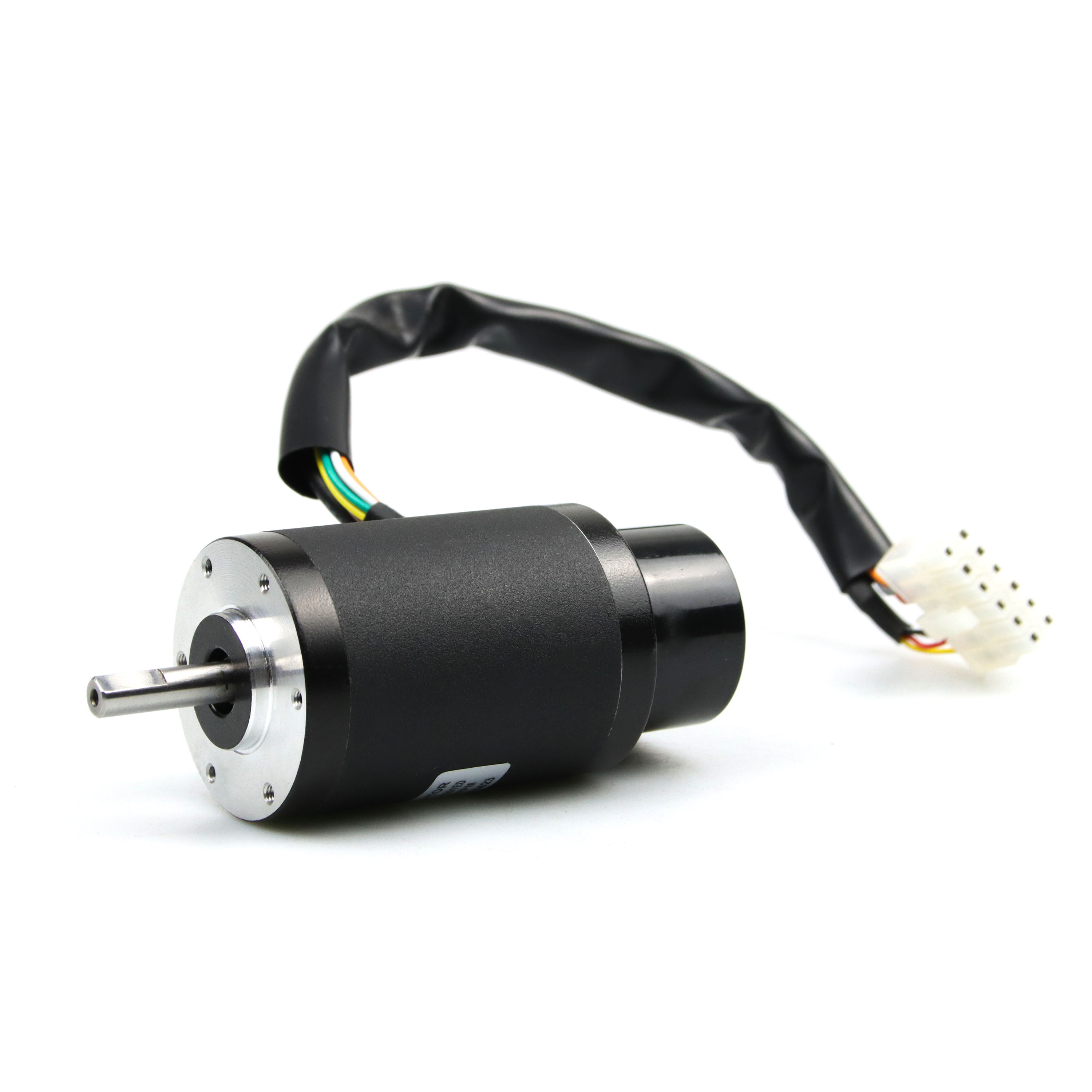
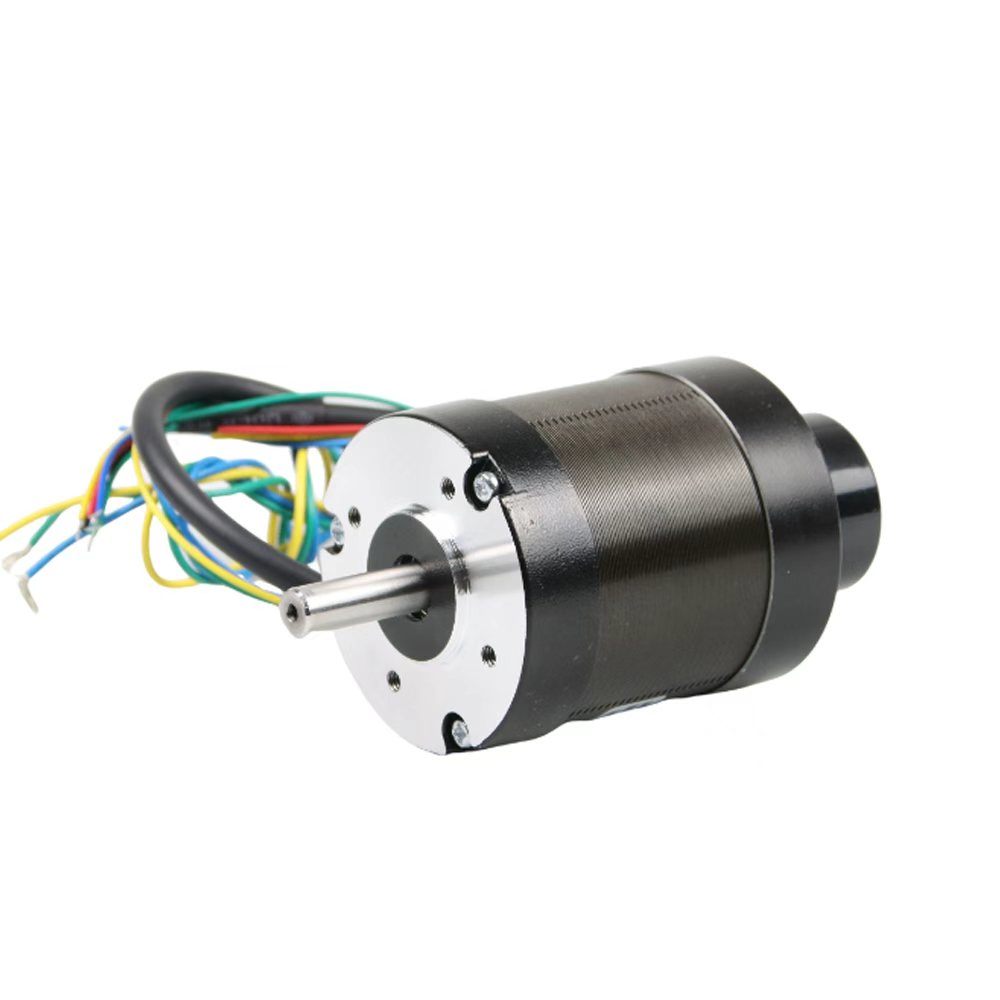
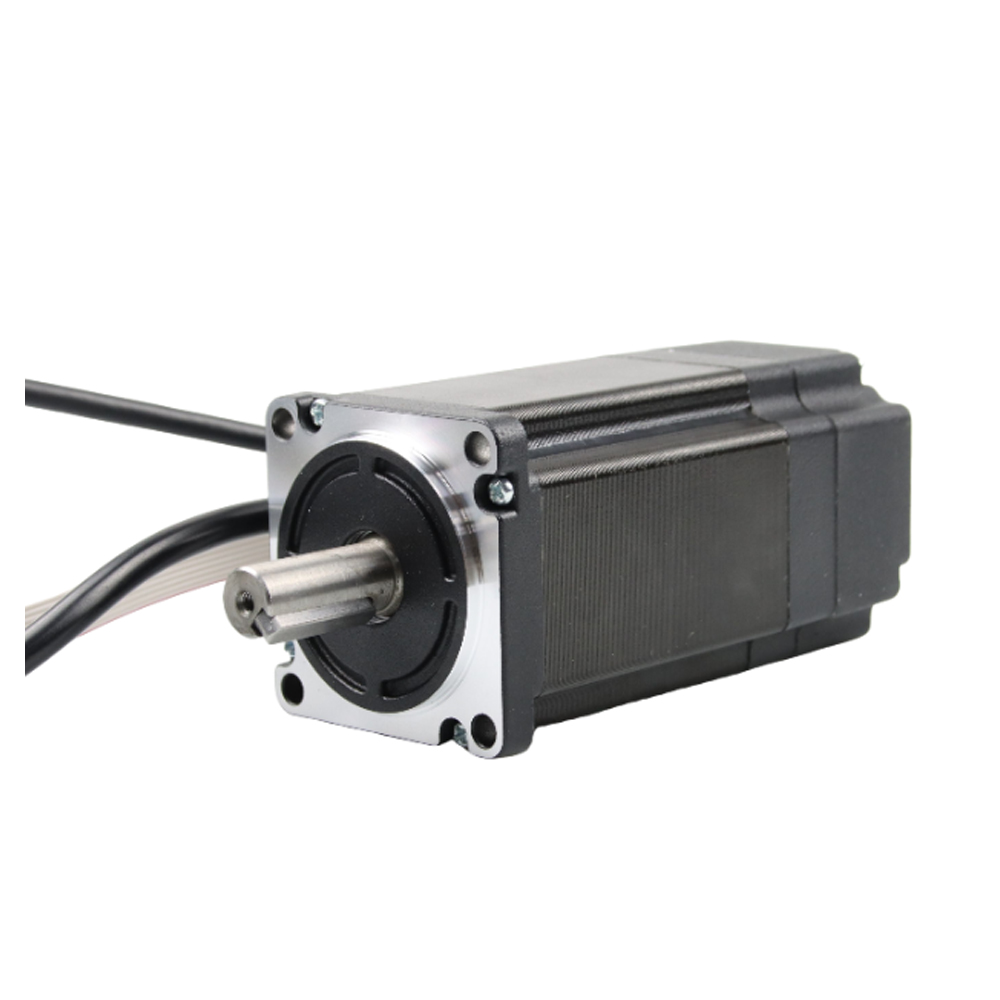
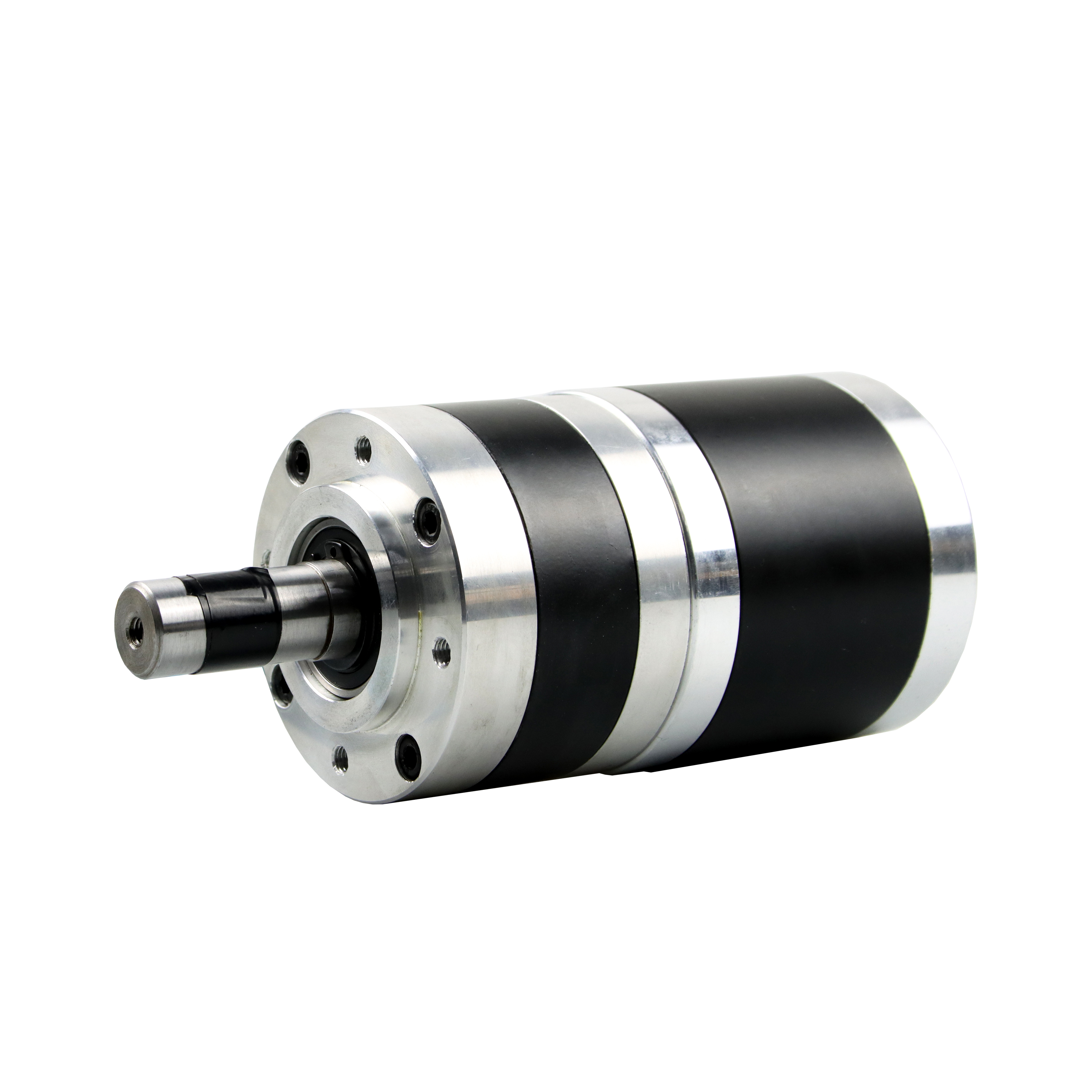
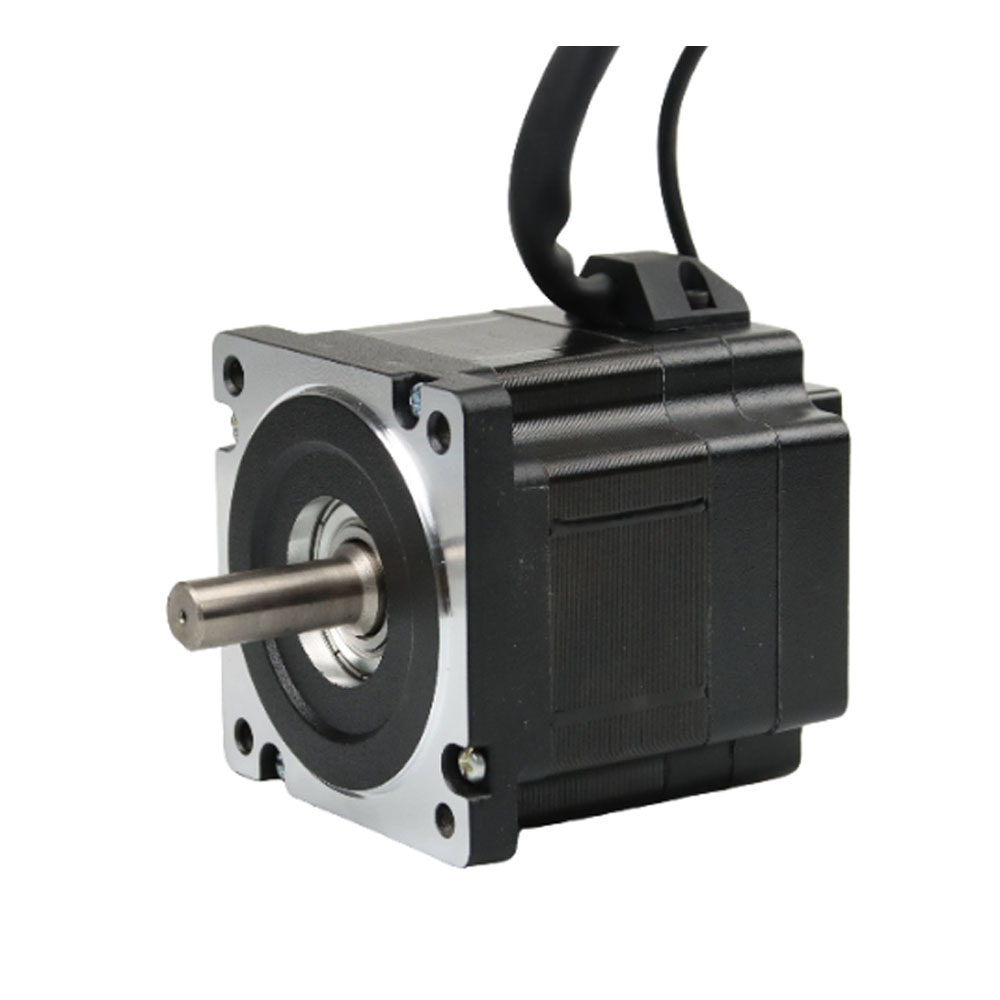
In the demanding world of computer numerical control (CNC) engraving, the choice of drive technology is not merely a specification—it is the foundational decision that determines the ceiling of your machine's capability. While various motor types exist, the integration of high-performance DC servo motors represents a paradigm shift in precision machining. We assert that for applications requiring exceptional detail, high-speed operation, and relentless reliability, DC servo motors are not just an option; they are the superior engineering solution. This comprehensive analysis delves into the intrinsic advantages, technical specifications, and critical selection criteria that establish DC servo motors as the definitive choice for advanced engraving systems.
The Fundamental Role of Motion Control in Precision Engraving
In the realm of CNC engraving, where microns define the boundary between success and failure, the motion control system is the central nervous system. It is the critical intermediary that transforms digital design data into exquisite physical form. We understand that the precision, finish, and speed of the final engraved product are not solely a function of the cutting tool or spindle, but are fundamentally dictated by the accuracy, responsiveness, and stability of the motors driving each axis.
From Digital Command to Physical Reality
The engraving process begins with a vector file or 3D model. The machine's controller calculates the precise toolpath, generating a rapid stream of positional commands. The motion control system—comprising the motor, drive, and feedback device—must interpret these commands and execute them with absolute fidelity. Any lag, overshoot, or vibration in this system introduces errors that are permanently etched into the workpiece. Therefore, the dynamic performance of the motor directly correlates to the machine's ability to render sharp corners, smooth curves, and consistent depths.
Key Motion Control Challenges in Engraving:
| Challenge | Consequence if Unmanaged | Required Motor Characteristic |
| High-Frequency Directional Changes | Rounded corners, loss of detail | Exceptional acceleration/deceleration (high dynamic response) |
| Maintaining Feed Rate Under Load | Inconsistent depth, tool wear, poor finish | Constant torque across speed range, overload capacity |
| Eliminating Vibration & Resonance | Chattered surface finish, reduced tool life | Smooth rotation, precise current control, effective tuning |
| Micro-Step Positioning for Fine Details | Loss of intricate features, "stair-stepping" on curves | Extremely high resolution feedback and precise commutation |
The Closed-Loop Imperative
For precision engraving, open-loop systems (like typical stepper motors) present an inherent risk. They operate on the assumption that the motor has reached its commanded position. In reality, load variations, friction, or high-speed demands can cause missed steps, creating unreported and uncorrected positional errors. We utilize closed-loop systems with real-time feedback exclusively for critical applications. An encoder on the motor shaft continuously reports actual position and velocity back to the drive. The controller instantly calculates any error between the commanded and actual state and adjusts the motor's torque output to correct it. This continuous correction cycle ensures that the tool tip adheres to the programmed path with unwavering accuracy, session after session.
The Result: Predictable, Repeatable Perfection
Ultimately, superior motion control is about eliminating variables. It ensures that the only factor determining the workpiece outcome is the original design file. By providing rigid, responsive, and intelligent control of motion, advanced systems allow engraving machines to achieve repeatable perfection, whether producing a single prototype or a thousand production parts. This transforms the machine from a simple tool into a reliable and deterministic manufacturing asset.
Technical Advantages of DC Servo Motors in Engraving Applications
1. Exceptional Dynamic Response and High Torque Density:
The core of a DC servo motor's superiority lies in its ability to deliver high torque from standstill to high speeds. This high torque density means a more compact motor can produce the forceful, rapid movements required for piercing hard materials or executing sharp directional changes at speed. The dynamic response—the motor's ability to accelerate and decelerate rapidly—is paramount in engraving, where tool paths are rarely straight lines but a series of complex vectors. Superior response time directly translates to reduced cycle times and the ability to maintain programmed feed rates without deviation, ensuring both efficiency and accuracy.
2. Unrivaled Precision Through Closed-Loop Feedback:
Every DC servo system is integrated with a high-resolution rotary encoder. This encoder acts as the system's conscience, providing real-time, precise data on shaft position and velocity. If the motor encounters an unexpected load variation—such as hitting a material inconsistency—the controller detects the minute positional error via the feedback and commands an immediate torque adjustment to correct it. This continuous error correction ensures that every pass is identical to the last, guaranteeing repeatable accuracy at the micron level. This is especially critical for multi-stage engraving processes where tool changes or material repositioning must not affect registration.
3. Consistent High-Speed Performance Without Thermal Issues:
Engraving machines often operate for extended periods, demanding sustained performance. DC servo motors are engineered for this duty. Their design allows for efficient heat dissipation, and their performance curves are characterized by a flat torque curve across a wide speed range. This means that the motor delivers consistent rated torque from low to high RPMs, unlike other motor types whose torque can drop off dramatically as speed increases. This capability ensures that your engraving machine maintains optimal cutting forces and finish quality whether it is performing delicate, slow detailed work or high-speed contouring.
4. Enhanced Reliability and Reduced Maintenance:
Modern DC servo motors are designed with durability as a cornerstone. With fewer components subject to wear compared to some alternatives and the utilization of high-quality, long-life bearings, these motors offer exceptional mean time between failures (MTBF). The closed-loop system itself also protects the machine; by preventing stalling and overloads through active monitoring, it reduces mechanical stress on the entire drive train, including ball screws, linear guides, and the spindle. This proactive protection extends the operational lifespan of the entire engraving platform.
Critical Selection Criteria for DC Servo Motors in Your Engraving Machine
Selecting the appropriate DC servo motor is a precise calculation, not a guess. We recommend a meticulous evaluation based on the following parameters:
Rated and Peak Torque Requirements:
The motor must supply adequate torque to overcome the cutting forces of your intended materials (e.g., hardened steel, aluminum, composites, wood) at your desired feed rates. Peak torque is crucial for handling acceleration/deceleration and momentary load spikes without faulting.
Speed Range (RPM):
The motor must reach the rotational speeds required for both rapid traverses across the workpiece and the precise, slower speeds for intricate detailing. A wide, flat speed-torque curve is ideal.
Feedback Resolution:
The encoder's resolution, measured in pulses per revolution (PPR) or lines, dictates the smallest position increment the system can detect and control. For micron-level engraving, high-resolution absolute encoders are often recommended to provide ultimate positional certainty, even after a power cycle.
Compatibility with the Drive and Controller:
The servo motor must be perfectly matched with its accompanying servo drive (amplifier) and the machine's CNC controller. This includes compatibility in communication protocols (e.g., EtherCAT, CANopen, Pulse & Direction), voltage ratings, and tuning software. A harmonized system ensures optimal performance and stability.
Physical Form Factor and Mounting:
The motor's flange size, shaft dimensions, and overall length must integrate seamlessly into your machine's mechanical design. Consider both NEMA standard mounting patterns and metric designs to ensure a perfect fit.
Overcoming Specific Engraving Challenges with DC Servo Technology
Vibration and Surface Finish:
The precise control of a tuned servo loop minimizes unwanted vibration during operation. Smooth motion trajectories result in a superior surface finish on the engraved part, often reducing or eliminating the need for secondary polishing or finishing operations.
Small Feature Engraving:
When engraving extremely fine text or microscopic features, the servo motor's ability to make tiny, controlled movements without cogging or hesitation is what makes the impossible, possible. The motor's low-speed smoothness is a critical factor here.
Non-Ferrous and Exotic Materials:
Engraving materials like copper or certain alloys can be challenging due to their gummy nature. The responsive torque control of a servo motor helps maintain a consistent chip load and prevents tool grabbing, leading to cleaner cuts and longer tool life.
High-Volume Production:
For production environments, the combined speed, precision, and reliability of a DC servo system maximize throughput and yield. The reduction in scrap parts due to positional errors directly improves profitability and justifies the investment in superior motion control technology.
Integration and Tuning: Maximizing Your Servo System's Potential
The installation of a high-performance DC servo motor and drive is a critical step, but it is merely the beginning. We assert that a servo system's true potential is only unlocked through meticulous system integration and precision tuning. A poorly tuned servo will underperform, regardless of its rated specifications, potentially introducing vibration, overshoot, or instability that directly compromises engraving quality.
The Imperative of Proper Mechanical Integration
Before any electrical tuning commences, the mechanical integration must be flawless. This includes ensuring perfect alignment between the motor and the driven load (e.g., ball screw, belt drive) to prevent binding and premature bearing wear. All couplings must be secure, and mechanical backlash in the drive train must be minimized. A servo system will aggressively attempt to correct for positional error caused by mechanical slack, leading to oscillations and a phenomenon known as "hunting." A rigid, well-maintained mechanical foundation is non-negotiable for stable servo operation.
The Science of Servo Loop Tuning
Servo tuning is the process of optimizing the drive's control parameters to achieve the ideal dynamic response from the motor-load combination. This revolves around adjusting the PID (Proportional, Integral, Derivative) gain filters within the drive's control loop.
Proportional Gain (P):
This is the primary responsiveness control. Increasing P-gain makes the system react more aggressively to position error, improving stiffness. However, setting it too high causes oscillation and ringing.
Integral Gain (I):
This eliminates steady-state error by addressing small, persistent offsets in position. It is crucial for absolute accuracy but can introduce sluggishness or instability if excessive.
Derivative Gain (D):
This acts as a damping factor, predicting future error based on its rate of change. It smooths motion and helps stabilize the system against oscillation caused by high P-gain.
Leveraging Advanced Tools and Expert Techniques
Modern digital servo drives provide auto-tuning functions that provide an excellent starting point. These algorithms typically move the axis and analyze the response to calculate initial gain values. However, for the demanding requirements of precision engraving, manual refinement is almost always necessary. We utilize software oscilloscopes to graph key parameters like commanded position, actual position, and following error. The objective is to achieve a critically damped response: a fast reaction to commands that reaches the target position without overshoot or oscillation. This results in smooth, quiet, and exceptionally accurate axis movement—characteristics directly transferred to superior surface finish and edge detail on the engraved workpiece. Proper tuning is the final, essential step that transforms a collection of high-specification components into a harmonized, high-fidelity motion system.
The Future of Engraving: Smart Servos and Integrated Intelligence
The evolution of DC servo technology continues to advance. The rise of EtherCAT-enabled smart servo drives and motors with integrated intelligence is shaping the next generation of engraving machines. These systems allow for distributed control, faster network communication, advanced diagnostics, and condition monitoring. Features like automatic inertia compensation, adaptive filtering, and built-in safety functions (STO) are becoming standard, pushing the boundaries of what is achievable in precision engraving. Investing in a modern DC servo system today positions your operations at the forefront of this technological wave.
Conclusion: An Investment in Capability and Quality
In conclusion, the decision to power your engraving machine with a high-quality DC servo motor system is a decisive investment in the core competency of your operation. It is a commitment to achieving the highest standards of precision, maximizing productivity through speed and reliability, and ensuring the consistent quality that defines a superior end product. While the initial investment may be higher than alternative systems, the return manifested in reduced waste, lower maintenance costs, faster job completion, and the ability to confidently accept more complex, higher-value work delivers a compelling and rapid return on investment (ROI).
We stand by the principle that the tool must be master of the material. For the modern engraving machine confronting the challenges of advanced materials, intricate designs, and demanding production schedules, DC servo motors provide the authoritative control, unwavering power, and intelligent precision required to not only meet but exceed expectations. They transform a capable machine into a world-class manufacturing asset, ensuring that every engraved line is a testament to engineering excellence.