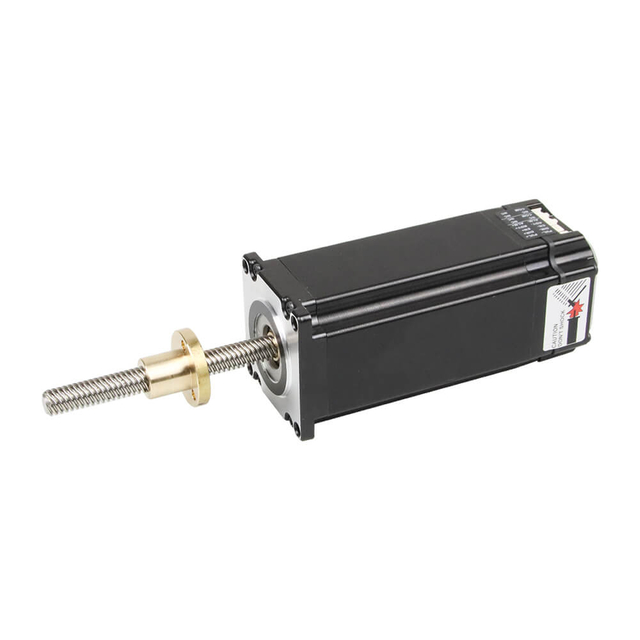
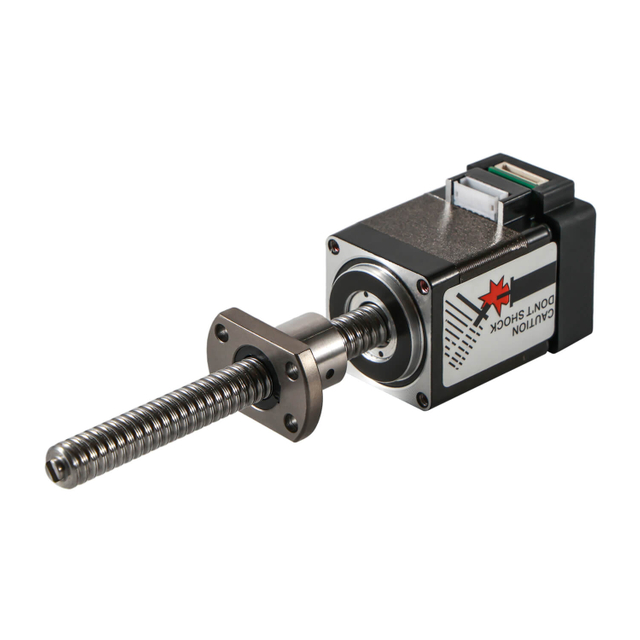
Linear motors have become indispensable in modern automation, delivering exceptional speed, precision, and force without the mechanical limitations of traditional systems. However, when it comes to wet, humid, or washdown environments, many decision-makers wonder whether linear motors can operate safely and reliably. In this comprehensive guide, we analyze everything required to ensure optimal performance, longevity, and reliability of linear motor systems operating in moisture-exposed industrial conditions.
Understanding the Working Principles of Linear Motors in Moist Environments
Linear motors are well-established for their high precision, rapid dynamic response, and frictionless direct-drive operation, but when moisture enters the picture, their behavior, reliability, and design requirements change significantly. Operating a linear motor in a wet environment introduces unique technical challenges that must be addressed through engineering, material selection, and environmental protection. Understanding how linear motors function under these conditions is essential for ensuring stable, long-lasting performance.
How Linear Motors Generate Motion — Core Operating Principles
At the heart of every linear motor is the electromagnetic interaction between two key components:
When controlled current flows through the forcer windings, it creates an electromagnetic force that interacts with the magnetic field—producing direct linear motion without mechanical intermediaries such as screws, belts, or gears.
Because the motion is direct-drive:
However, when moisture is introduced into the operating environment, several components become vulnerable unless properly protected.
How Moisture Influences the Core Operating Mechanisms
Moisture affects linear motors in ways that can impact performance, efficiency, and electrical stability. Below are the major influences on linear motor operation in wet conditions.
1. Impact on Electromagnetic Performance
Moisture does not directly disrupt magnetic fields, but it can:
Introduce conductive paths leading to short circuits
Increase leakage currents in the motor windings
Damage insulation around coils
Lead to electrical arcing in severe cases
To maintain stable electromagnetic operation, windings must be fully encapsulated or potted in protective insulating compounds.
2. Influence on Thermal Management
Linear motors generate heat during operation, primarily within the forcer windings. Moisture affects cooling efficiency:
Water exposure can alter surface temperature distribution
Encapsulation (required for waterproofing) reduces thermal dissipation
Sealed housings may trap heat
Therefore, motors in moist environments must be designed with:
Improved thermal conductivity materials
Oversized thermal paths
Integrated temperature sensors
Protective control algorithms
These ensure that electromagnetic performance stays consistent, even in sealed configurations.
3. Magnetic Track Behavior Under Moisture Exposure
The magnet track is particularly sensitive to wet conditions because:
Neodymium magnets corrode rapidly when exposed to water
Condensation can enter micro-cracks in magnet coatings
Rust or degradation changes the magnetic field profile
To preserve magnetic integrity, manufacturers use:
Epoxy-coated magnets
Stainless steel encapsulation
Hermetically sealed magnet assemblies
Continuous housings to eliminate moisture ingress
These protections ensure that the magnetic field strength—and therefore the drive force—remains stable.
4. Mechanical Motion in Wet Conditions
While linear motors rely on non-contact electromagnetic movement, their guidance systems still require mechanical components such as:
Moisture can cause:
Rusting of steel surfaces
Increased friction in bearings
Degradation of lubrication
Reduced smoothness of motion
Thus, linear motors designed for wet environments often use:
Stainless steel and corrosion-resistant alloys
Self-lubricating bearing systems
Hard-anodized aluminum structures
Non-contact magnetic or air bearing systems
These ensure smooth motion even under continual humidity or washdowns.
5. Encoder and Position Feedback Behavior in Moisture
High-performance linear motors depend on precise feedback from:
Moisture impacts each differently:
Optical encoders
Magnetic encoders
Inductive encoders
For wet applications, magnetic or inductive encoders are the optimal choice, ensuring stable feedback and protection against environmental interference.
Why Linear Motors Can Still Operate Efficiently in Moist Environments
Despite environmental challenges, linear motors maintain exceptional performance when engineered correctly.
Key advantages include:
Direct-drive motion unaffected by lubrication washout
High precision maintained through sealed feedback systems
Smooth surfaces enable easy cleaning in sanitary applications
No contact wear even in the presence of moisture
These attributes make linear motors highly effective even in industries requiring constant washdowns, humidity, or fluid exposure.
Required Protections to Ensure Reliable Operation
To operate safely in wet environments, linear motors rely on protective measures such as:
IP65–IP69K sealing
Epoxy potting of coils
Stainless steel construction
Chemical-resistant cable systems
Hermetically sealed magnets
Water-resistant encoders
Temperature-compensated control systems
With these protections in place, linear motors can endure:
Washdown cycles
High-pressure cleaning
Continuous humidity
Chemical rinsing
Rain exposure
Marine environments
Conclusion: Reliable Linear Motion in Moist Environments Requires Proper Design
Linear motors offer exceptional performance in moist environments when correctly engineered with robust sealing, materials, and protection systems. Their direct-drive nature minimizes mechanical wear, and modern waterproofing technologies ensure electrical and magnetic stability even under continuous exposure to water, steam, and chemicals.
The result is a highly efficient, durable, and precise motion solution ideal for demanding wet or hygienic industries.
Why Moisture Creates Challenges for Standard Linear Motors
1. Risk of Electrical Failure
Coils, windings, and connectors within the forcer are vulnerable to water penetration. Moisture can cause:
This makes protective sealing essential for wet applications.
2. Magnet Corrosion
Rare-earth magnets used in linear motors—typically neodymium—are particularly sensitive to water. Without protective plating and sealing, they can corrode rapidly, losing magnetic strength and structural integrity.
3. Mechanical Degradation
Bearings, sliders, and structural steel components can rust, seize, or wear prematurely when consistently exposed to moisture.
4. Sensor Damage
Linear encoders, especially optical models, are highly sensitive to:
Condensation
Water droplets
Steam
Chemical cleaning agents
These require additional protection or specialized encoder types suitable for washdown environments.
Engineering Solutions That Make Linear Motors Suitable for Wet Environments
To ensure reliable operation, manufacturers employ a range of protective features tailored to industry requirements. Below are the essential protections required for wet-area deployments.
Essential Protection Measures for Using Linear Motors in Wet Conditions
1. IP-Rated Sealed Motor Design
When linear motors are used in wet or washdown environments, IP65, IP67, or IP69K protection levels are commonly required.
Common IP Ratings for Linear Motors
| IP Rating | Protection Level |
| IP54 | Splash-resistant; suitable for damp environments |
| IP65 | Fully dust-tight, protected from low-pressure jets |
| IP67 | Protected from immersion up to 1 meter |
| IP69K | Resistant to high-pressure, high-temperature washdown |
For food, beverage, and pharmaceutical applications, IP69K sealed linear motors are the preferred standard.
2. Corrosion-Resistant Materials
To survive moisture, linear motors must be built with materials that resist corrosion.
Common Material Upgrades Include:
Stainless steel housings (304 or 316L)
Hard-anodized aluminum
Epoxy-coated steel components
Chemical-resistant cable jackets (PUR / TPE)
316L stainless steel is especially effective for resisting acids, saltwater, and harsh industrial cleaners.
3. Encapsulation and Potting
The motor windings and electronics can be fully potted using epoxy or silicone materials that prevent water intrusion.
Encapsulation protects:
Coils
Connectors
Temperature sensors
Internal electronics
Epoxy-filled coils also minimize vibration and improve heat transfer—beneficial for high-duty-cycle wet applications.
4. Hermetically Sealed Magnets
Because raw neodymium magnets corrode easily, they must be coated and sealed.
Typical Magnet Protections Include:
Some motor designs isolate the magnet track inside a stainless steel tube for complete protection.
5. Washdown-Compatible Feedback Systems
Optical encoders are not suitable for harsh conditions unless protected. In wet environments, we recommend:
Magnetic and inductive systems are ideal due to high resistance to water and contamination.
Industries That Commonly Use Linear Motors in Wet Environments
Thanks to their precision and maintenance-free performance, linear motors are increasingly used in moisture-heavy settings such as:
Food & Beverage Processing
Pharmaceutical Manufacturing
Hygienic tablet handling
Sterile packaging lines
Washdown robotics
Chemical Processing
Marine and Offshore Machinery
Agricultural and Environmental Equipment
In all these applications, motors must comply with strict hygiene and waterproofing standards.
Key Advantages of Using Linear Motors in Wet Environments
Despite the additional challenges, linear motors offer major advantages over mechanical systems.
1. Zero Contact, Zero Wear
Because they operate with no mechanical transmission:
No gears
No screws
No belts
No lubrication needed
This sharply reduces maintenance in wet environments, where lubrication can wash away and corrosion quickly damages mechanical systems.
2. Higher Hygiene and Cleanability
Unlike ball screws or mechanical actuators, linear motors have smooth surfaces, making them far easier to sanitize.
This reduces contamination risk and helps satisfy:
3. High Precision and Speed Are Maintained Even When Wet
Sealed linear motors retain their:
High acceleration
Smooth trajectory
Sub-micron precision
Fast settling times
Moisture and condensation do not affect motion quality when motors are properly protected.
4. Long-Term Reliability
With corrosion-resistant materials and IP sealing, linear motors have extremely long lifetimes in wet conditions, especially compared to:
Ball screws damaged by moisture
Pneumatic systems affected by condensation
Mechanical actuators requiring constant lubrication
Best Practices for Operating Linear Motors in Wet Environments
Operating linear motors in wet, humid, or washdown environments demands a level of engineering precision beyond standard applications. Moisture introduces risks that can compromise electrical integrity, mechanical reliability, and long-term durability if not properly addressed. To ensure optimal performance and extend the operational lifespan of linear motors in moisture-rich environments, a set of carefully designed best practices should be followed. These guidelines help maintain system reliability, ensure safety, and preserve high motion accuracy—even under constant water exposure.
1. Select the Correct IP Rating for the Application
Choosing an appropriate IP (Ingress Protection) rating is the foundation of designing a linear motor for wet conditions. Each rating determines the level of protection against water intrusion.
Recommended IP Ratings
IP65 – Suitable for environments with light washdowns and water spray.
IP67 – Safe for occasional immersion in water up to 1 meter.
IP69K – Designed for high-pressure, high-temperature washdown; ideal for food processing, pharmaceutical, and hygienic industries.
Selecting an insufficient IP rating can lead to water ingress, short circuits, and irreversible damage to coils, magnets, and sensors.
2. Use Corrosion-Resistant Materials and Components
Wet environments accelerate corrosion, which can damage both mechanical and magnetic components. To prevent structural degradation, only moisture-resistant materials should be used.
Recommended Corrosion-Resistant Materials
316L stainless steel housings
Hard-anodized aluminum components
Polymer or composite covers
PUR or TPE insulated cables
Epoxy-coated magnet tracks
316L stainless steel is especially effective in resisting acidic, saline, and high-humidity environments.
3. Ensure Complete Encapsulation or Potting of Coils
Water is a major threat to the electrical windings inside the forcer. To prevent moisture penetration, the windings must be fully encapsulated.
Potting materials commonly used include:
High-grade epoxy
Silicone gel
Polyurethane resin
Encapsulation not only blocks moisture but also:
This ensures operational stability even in continuous humidity or washdown environments.
4. Use Sealed Cable Glands and Waterproof Connections
Even with a fully sealed motor housing, one weak point remains: the cable entry.
To prevent water ingress:
Use IP67 or IP69K-rated cable glands
Select molded, over-molded, or sealed connectors
Avoid field-wired connections unless properly protected
Route cables so water cannot pool around connection points
Proper cable sealing prevents short circuits and ensures long-term electrical reliability.
5. Choose the Right Encoder Type for Wet Conditions
Encoders are the heart of motion precision. However, they are also some of the most vulnerable components in wet environments.
Recommended Encoder Types
Magnetic encoders: Resistant to water, dust, and condensation
Inductive encoders: Immune to moisture and corrosion
Fully sealed optical encoders: Only when required for high precision and protected with IP67/69K sealing
Avoid open or unsealed optical encoders, as moisture can interrupt light paths and cause erroneous positioning.
6. Optimize Thermal Management for Sealed Motors
Water exposure and sealed designs affect thermal flow. When a motor is potted or enclosed for protection, heat dissipation becomes more difficult.
Thermal performance improvements include:
Using thermally conductive potting compounds
Incorporating heat sinks or cooling plates
Monitoring temperature sensors built into the windings
Adjusting duty cycles to prevent hot spots
Proper heat handling is essential for maintaining consistent force output and preventing overheating.
7. Prevent Water Accumulation and Standing Liquids
Water pooling on or around a motor increases corrosion risk and can compromise seals over time.
To avoid water accumulation:
Install the motor at a slight angle for drainage
Avoid horizontal mounting surfaces that trap water
Keep cable entry points facing downward
Ensure drip shields are installed when necessary
A design that encourages water runoff drastically extends motor lifespan.
8. Use Hygienic Design Principles for Sanitary Environments
In industries such as food, beverage, and pharmaceuticals, motors must be designed for easy cleaning.
Key sanitary design principles include:
Smooth, crevice-free surfaces
Rounded edges to prevent bacteria buildup
Use of FDA-approved materials
Resistance to corrosive cleaning agents and detergents
High-pressure washdown compatibility
This ensures compliance with hygiene standards while maximizing system reliability.
9. Regularly Inspect Seals, Gaskets, and Connectors
Maintenance routines must be tailored for wet environments. Even small seal failures can lead to catastrophic moisture damage.
Inspection checklist:
Look for cracks or wear on gaskets and seals
Verify cable gland tightness
Check for condensation inside housings
Inspect magnet tracks for corrosion or contamination
Confirm encoder covers remain intact
Routine inspections prevent downtime and ensure consistent motion quality.
10. Implement Moisture-Resistant Control Systems
Electronics controlling the motor must also be protected.
Best practices include:
Installing drives in climate-controlled enclosures
Using conformal coating on exposed electronics
Adding humidity sensors when needed
Ensuring proper ventilation and dehumidification
A linear motor's performance depends heavily on the stability of its control system, so moisture protection must extend beyond the motor itself.
Conclusion
When implemented correctly, these best practices ensure linear motors operate safely, efficiently, and reliably—even in challenging wet or washdown environments. With proper sealing, material selection, encoder protection, and thermal management, linear motors deliver superior precision and performance where traditional mechanical actuators often fail.
Adopting these strategies not only extends motor life but also ensures compliance with industry regulations, minimizes downtime, and supports long-term operational efficiency.
Conclusion: Yes, Linear Motors Can Operate in Wet Environments—When Properly Engineered
With the right sealing, materials, and protection systems, linear motors excel in wet, humid, or washdown environments. They offer unmatched hygiene, precision, and reliability compared to mechanical actuators. As industries shift toward higher automation and stricter cleanliness standards, sealed linear motors continue to gain adoption across food, pharmaceutical, marine, and chemical sectors.
For facilities requiring clean, fast, maintenance-free motion in moisture-heavy environments, linear motors remain one of the most powerful and dependable solutions available.