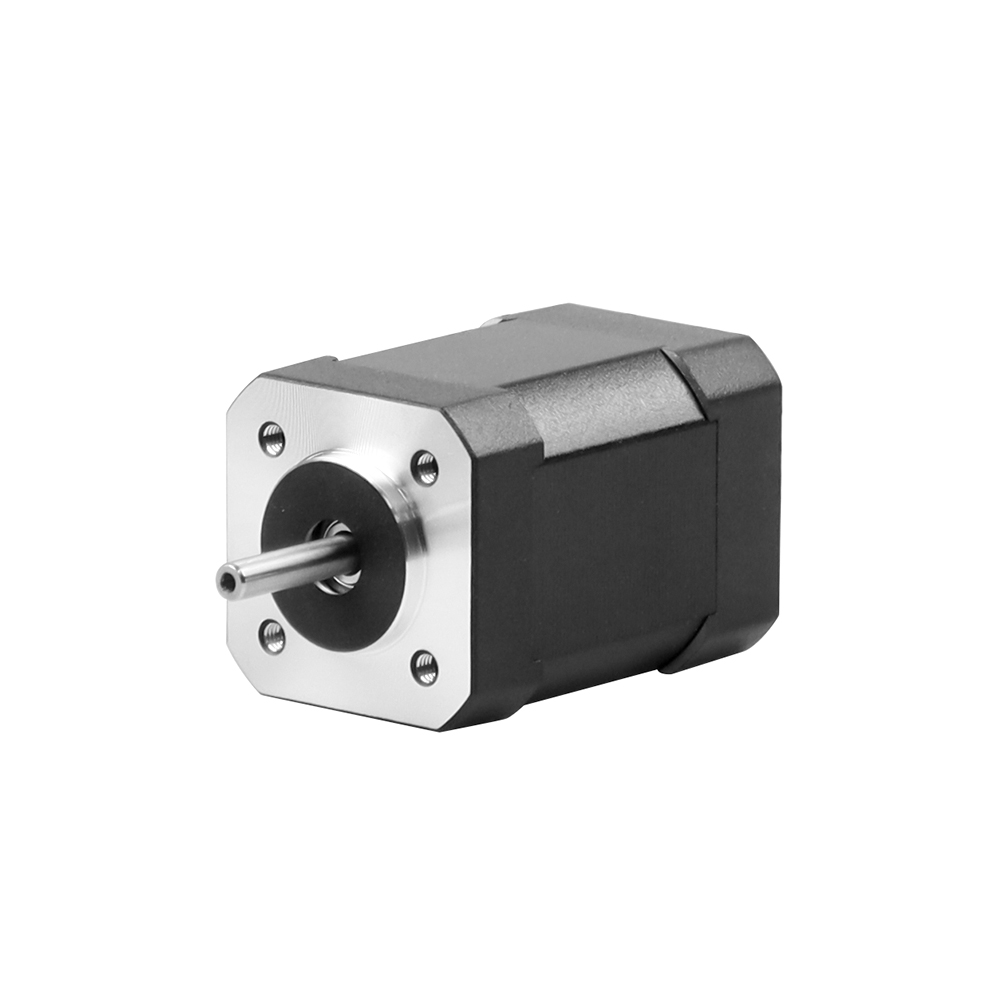
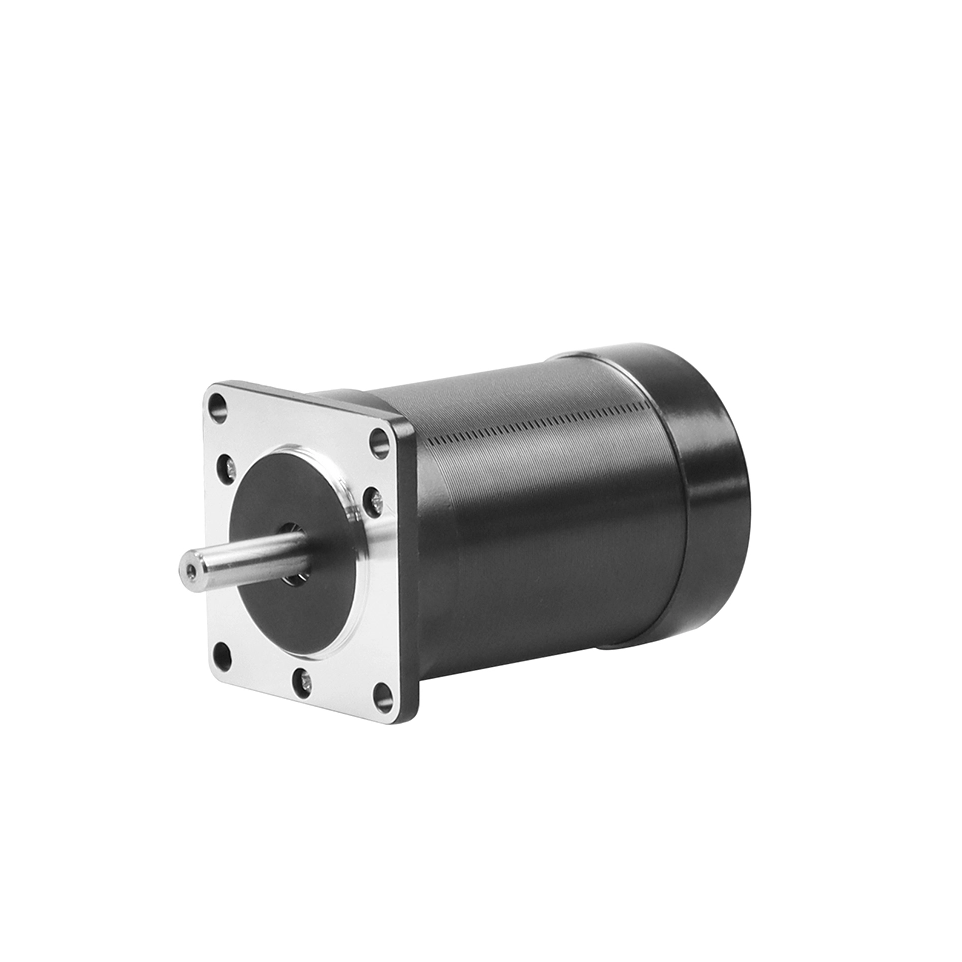
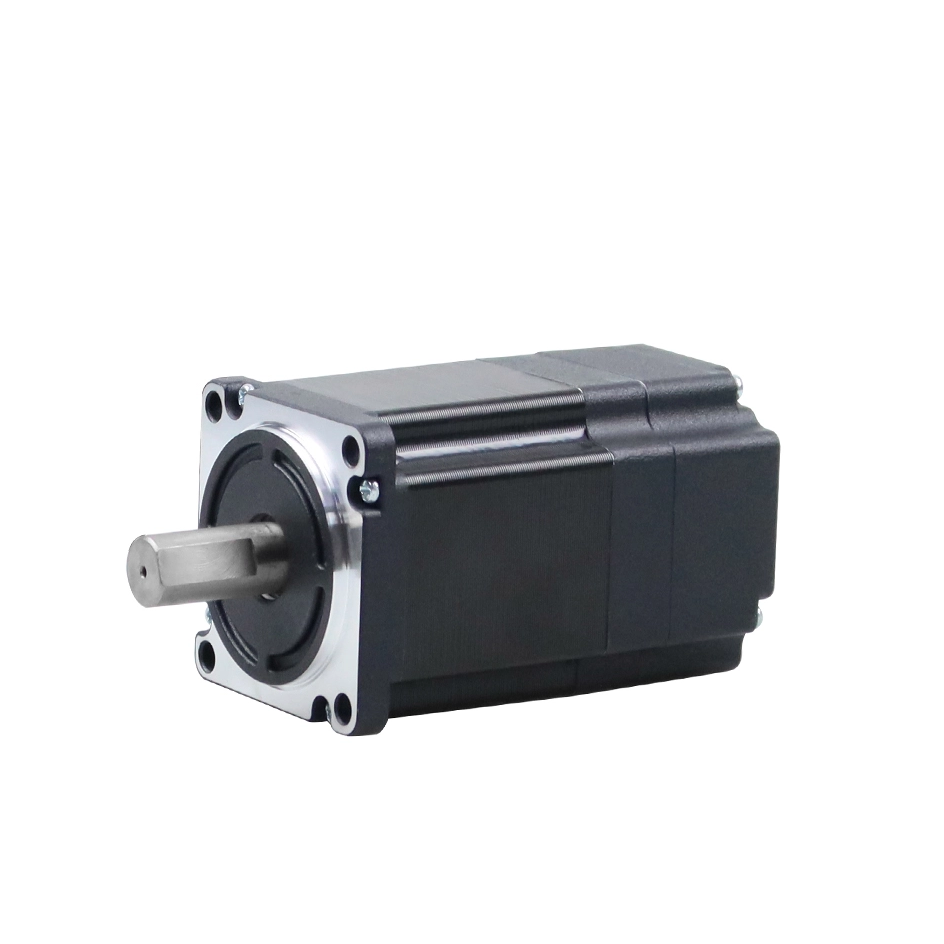
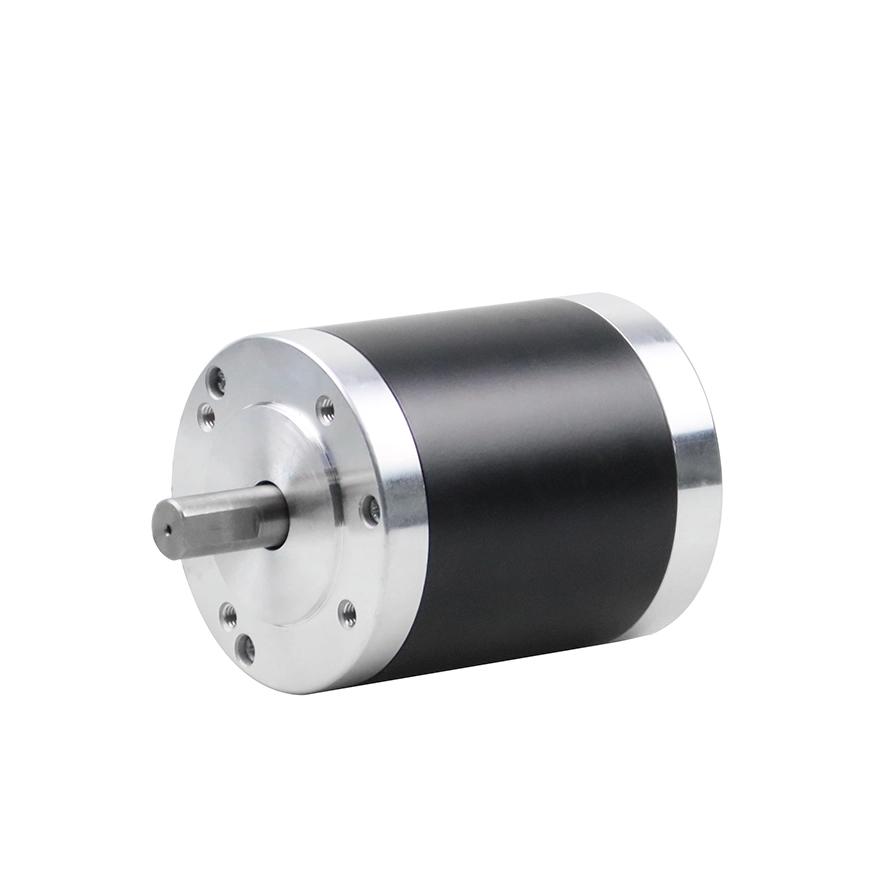
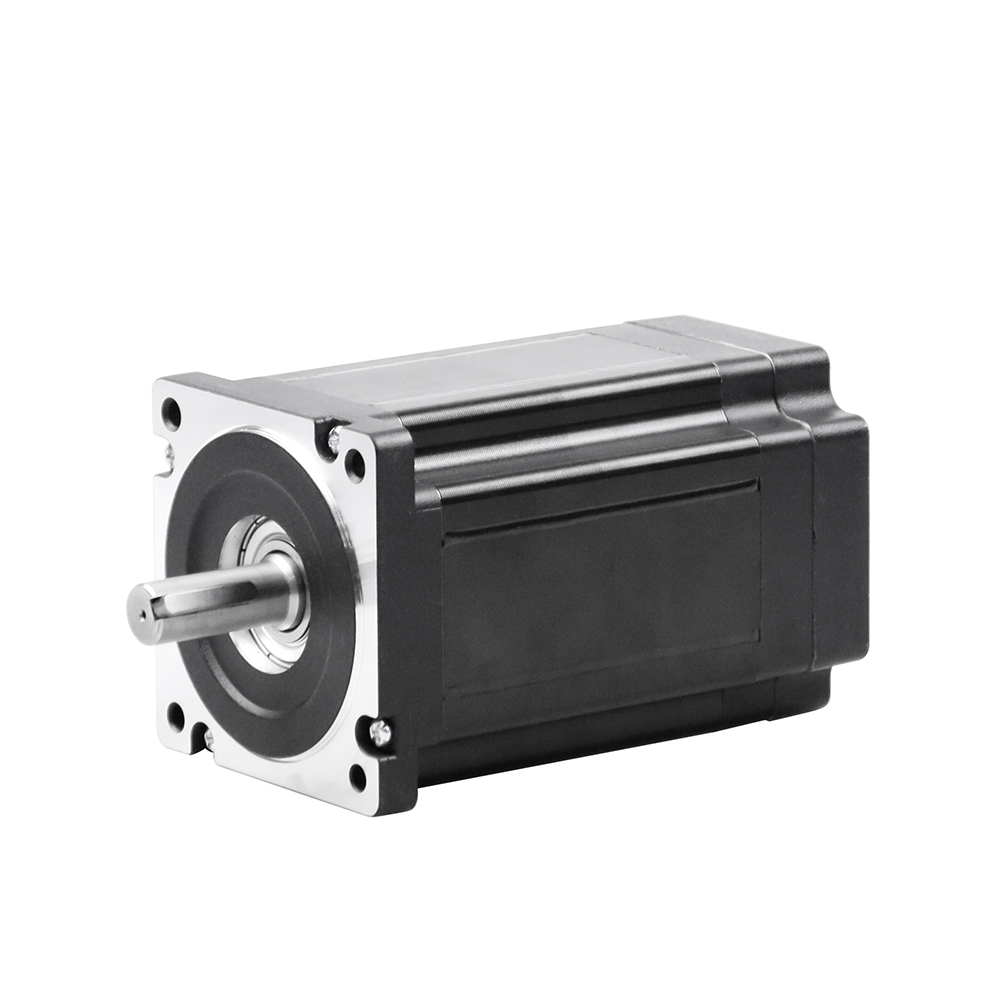
High-speed systems demand uncompromising precision, thermal resilience, and mechanical integrity. When we engineer motion platforms operating at elevated RPM ranges, the selection of a Brushless DC (BLDC) motor becomes a decisive factor that determines efficiency, reliability, acoustic performance, and lifecycle cost. We approach high-speed BLDC motor selection as an integrated engineering task involving electromagnetic design, rotor dynamics, control architecture, and application-specific constraints. The following comprehensive framework outlines the critical considerations required to specify a high-speed BLDC motor capable of sustained performance under extreme operating conditions.
Performance Requirements for High-Speed BLDC Operation
We begin by defining the exact speed-torque envelope. High-speed applications such as turbomachinery, medical centrifuges, dental tools, spindles, compressors, and UAV propulsion often exceed 20,000 to 100,000 RPM. At these speeds, torque demand typically decreases while power density requirements rise sharply.
We calculate:
Rated speed and maximum speed
Continuous and peak torque
Acceleration and deceleration profiles
Duty cycle and overload conditions
High-speed BLDC motors must maintain torque stability at elevated electrical frequencies, which requires optimized stator winding design and minimal inductance variation. We prioritize motors engineered for constant power regions rather than conventional constant torque profiles.
Rotor Construction and Mechanical Integrity
We engineer the rotor as the structural and electromagnetic core of a high-speed BLDC motor, where mechanical strength, dimensional stability, and magnetic performance must coexist under extreme centrifugal forces. As rotational speed increases, the rotor experiences exponentially rising hoop stress, making material selection, magnet retention, and structural reinforcement decisive for safe and reliable operation.
High-Strength Rotor Materials and Shaft Design
We select ultra-high-strength alloy steels or advanced precipitation-hardened stainless steels for the rotor shaft to withstand tensile stress and prevent deformation at elevated RPM. Precision machining ensures concentricity between the shaft, laminations, and magnets, minimizing imbalance that could induce destructive vibration. For aerospace-grade or ultra-high-speed applications, we may integrate titanium alloys to reduce mass while preserving structural rigidity.
The shaft geometry is optimized through finite element analysis to ensure:
Adequate safety margin against yield and fatigue failure
Minimal deflection at critical speeds
Secure interfaces for bearings and couplings
Stable operation under thermal expansion
Permanent Magnet Retention and Protection
In high-speed BLDC motors, magnet retention is a critical safety requirement. Surface-mounted magnets face the risk of detachment due to centrifugal force, which can cause catastrophic failure. To address this, we implement robust containment strategies:
Carbon fiber retaining sleeves for maximum tensile strength with minimal electrical losses
Non-magnetic metal sleeves such as Inconel or stainless steel for harsh environments
High-temperature structural adhesives to bond magnets securely
For extreme speeds, we prefer interior permanent magnet (IPM) rotor configurations, where magnets are embedded within the rotor core. This architecture significantly enhances mechanical integrity while also enabling flux-weakening capabilities for extended speed ranges.
Rotor Core and Lamination Integrity
We construct the rotor core using precision-stacked electrical steel laminations to minimize eddy current losses while maintaining structural cohesion. Interlocking lamination designs and compression techniques prevent separation under dynamic loading. In ultra-high-speed designs, we may employ solid rotor constructions or specialized alloys to eliminate lamination movement entirely.
Mechanical integrity is further reinforced through:
Shrink-fit assembly techniques
Keyless interference fits
High-precision bonding processes
Dynamic Balancing and Vibration Stability
Even microscopic mass asymmetry becomes significant at high rotational speeds. We perform multi-plane dynamic balancing to strict tolerances, ensuring smooth operation across the entire speed range. Balancing reduces bearing loads, noise, and structural fatigue while extending motor lifespan.
Rotor dynamic stability is achieved by analyzing:
Critical speed margins
Mode shapes and resonance behavior
Interaction with bearing stiffness
Effects of thermal growth
Thermal Expansion and Structural Stability
High-speed operation generates heat that causes differential expansion between rotor components. We design for thermal compatibility among shaft materials, magnets, sleeves, and laminations to prevent stress concentration or loosening. Advanced simulation ensures dimensional stability across the full temperature range.
Containment and Safety Considerations
For applications where failure is not an option—such as medical devices, aviation systems, or precision machining—we incorporate containment sleeves and protective housings capable of withstanding worst-case rotor burst scenarios. Safety-oriented design ensures compliance with international standards while protecting surrounding equipment and personnel.
Engineering Outcome
Through meticulous attention to rotor construction and mechanical integrity, we achieve a high-speed BLDC motor capable of sustained operation under extreme mechanical stress. The resulting system delivers superior reliability, reduced vibration, extended service life, and uncompromising performance in the most demanding environments.
Bearing Selection for Extreme RPM
Bearings often define the upper speed limit of the motor. We evaluate bearing technology based on DN value (bearing bore diameter × speed).
Recommended options include:
Ceramic hybrid ball bearings for reduced friction and heat generation
Air or magnetic bearings for ultra-high-speed, low-vibration applications
Precision lubrication systems such as oil mist or oil-air lubrication
We ensure the bearing system supports both radial and axial loads, especially in vertical installations or thrust-loaded configurations. Bearing preload optimization is essential to prevent skidding and premature failure.
Thermal Management and Heat Dissipation
High-speed BLDC motors generate significant heat due to iron losses, copper losses, and windage. Without effective thermal management, insulation breakdown and demagnetization risks increase.
We design cooling strategies including:
Thermal simulation allows us to maintain winding temperatures within safe limits and preserve magnet coercivity. For applications requiring continuous high-speed operation, we prioritize motors with low-loss lamination materials and optimized slot fill factors.
Electromagnetic Design Optimization
At high speeds, electrical frequency increases dramatically, amplifying core losses. We select stator laminations made from thin, high-grade silicon steel or cobalt alloys to reduce hysteresis and eddy current losses.
Key electromagnetic considerations include:
We ensure the motor's electrical time constant aligns with the controller’s switching capabilities to maintain efficiency across the operating range.
Electronic Speed Controller (ESC) Compatibility
We treat the Electronic Speed Controller (ESC) as an integral component of a high-speed BLDC motor system rather than a separate accessory. True performance, efficiency, and reliability at extreme rotational speeds depend on precise synchronization between the motor’s electromagnetic characteristics and the controller’s switching strategy. Selecting an ESC with insufficient capability leads to torque ripple, overheating, desynchronization, or catastrophic failure. Therefore, ESC compatibility is engineered from the earliest design stage.
Electrical Frequency and Commutation Capability
High-speed BLDC motors operate at exceptionally high electrical frequencies due to elevated RPM and pole counts. We ensure the ESC can sustain:
High commutation rates without timing errors
Stable operation at maximum electrical frequency
Minimal phase lag between current and back-EMF
Controllers designed for low-speed applications often fail when pushed into high-frequency regions. We specify ESCs with advanced microprocessors and high-speed gate drivers capable of maintaining accurate commutation even under rapid load changes.
Field-Oriented Control (FOC) for Precision
For demanding applications, we prioritize ESCs implementing Field-Oriented Control (FOC). This control method delivers:
FOC enables precise torque regulation and stable operation across both constant torque and constant power regions. It is particularly essential for applications requiring tight speed regulation, such as spindles, compressors, and medical equipment.
Voltage and Current Matching
We match the ESC's voltage and current ratings precisely to the motor's electrical parameters. High-speed motors often operate at elevated bus voltages to reduce current and copper losses. The ESC must support:
Adequate voltage headroom for back-EMF at peak speed
Continuous current handling for sustained loads
Peak current capability for acceleration
Thermal design of the ESC is equally important, as switching losses increase with frequency.
Sensorless vs. Sensored Operation
We evaluate control feedback requirements based on application demands:
Sensorless Control Advantages
Higher reliability due to fewer components
Better suitability for extreme speeds
Reduced wiring complexity
Sensored Control Advantages
Precise low-speed startup torque
Accurate positioning capability
Improved performance under heavy load at low RPM
For ultra-high-speed systems, sensorless algorithms with adaptive observers provide optimal performance once the motor reaches operational speed.
Switching Technology and Efficiency
Modern ESCs use advanced semiconductor devices such as:
MOSFETs for lower voltage, high-frequency operation
IGBTs for high-power systems
Silicon carbide (SiC) or gallium nitride (GaN) devices for maximum efficiency and thermal performance
Wide-bandgap semiconductors enable faster switching, reduced losses, and higher operating temperatures—key advantages in compact high-speed systems.
Protection and Reliability Features
We integrate ESCs equipped with comprehensive protection mechanisms to safeguard both motor and controller:
These features prevent damage during abnormal operating conditions and extend system lifespan.
Communication and Integration
Advanced applications require seamless integration with higher-level control systems. We select ESCs supporting:
Industrial communication protocols
Real-time telemetry for temperature, speed, and current
Programmable parameters for tuning performance
This connectivity enables predictive maintenance and system optimization.
Thermal Management of the ESC
High switching frequencies generate substantial heat within the controller. We design cooling solutions such as heat sinks, liquid cooling plates, or forced airflow to maintain safe operating temperatures. Proper thermal management ensures consistent performance and prevents derating under continuous duty.
System-Level Optimization
ESC compatibility is finalized through system-level testing, validating:
Acceleration response
Stability across load variations
Efficiency across the speed range
Electromagnetic interference compliance
By optimizing the motor and ESC as a unified system, we achieve maximum power density, precise control, and long-term reliability.
Engineering Outcome
A carefully matched Electronic Speed Controller transforms a high-speed BLDC motor into a precisely controlled motion system capable of operating efficiently at extreme RPM. Through advanced control algorithms, robust power electronics, and integrated protection strategies, ESC compatibility ensures smooth operation, minimized losses, and dependable performance in the most demanding high-speed applications.
Rotor Dynamics and Vibration Control
Critical speeds and resonance phenomena can compromise system stability. We conduct rotor dynamic analysis to identify:
First and second critical speeds
Imbalance sensitivity
Shaft deflection characteristics
Housing stiffness requirements
Precision balancing to ISO standards significantly reduces vibration and noise. For applications such as precision machining or medical devices, we implement additional damping measures to ensure smooth operation.
Aerodynamic Loss Reduction
Windage losses become substantial at high RPM. We minimize aerodynamic drag through:
Streamlined rotor geometry
Optimized air gaps
Reduced surface roughness
Vacuum or controlled atmosphere enclosures
In ultra-high-speed environments, even minor aerodynamic improvements yield measurable efficiency gains.
Insulation and Electrical Reliability
High-frequency switching stresses insulation systems. We specify motors with:
High-temperature insulation classes (Class H or above)
Vacuum pressure impregnation (VPI)
Partial discharge-resistant materials
Electrical reliability ensures long service life even under continuous high-speed operation.
Application-Specific Customization
We engineer application-specific customization as the decisive step that transforms a Standard BLDC motor into a precision-matched solution for high-speed environments. No two high-speed applications share identical load profiles, environmental conditions, spatial constraints, or regulatory requirements. Therefore, we tailor mechanical, electrical, thermal, and control characteristics to ensure the motor performs optimally within its exact operational context.
Load Profile and Duty Cycle Adaptation
Every application imposes a unique combination of continuous loads, peak demands, acceleration cycles, and idle periods. We customize the motor’s electromagnetic design to match:
Continuous high-speed operation such as centrifuges and compressors
Frequent start-stop cycles seen in automated production equipment
Rapid acceleration requirements in spindles and propulsion systems
Intermittent overload capability for dynamic tools
By aligning torque constants, winding configurations, and thermal capacity with the real duty cycle, we maximize efficiency while preventing overheating and premature wear.
Mechanical Integration and Form Factor
Space constraints and mounting requirements often dictate motor geometry. We design customized housings, shaft extensions, and mounting interfaces to integrate seamlessly into the host system. This includes:
Compact outer diameters for confined installations
Extended shafts for direct-drive configurations
Hollow shafts for fluid or cable routing
Flange or foot mounting adaptations
Precision alignment features reduce installation time and ensure optimal load transfer without inducing vibration.
Environmental Protection and Sealing
High-speed BLDC motors frequently operate in challenging environments involving dust, moisture, chemicals, or extreme temperatures. We customize protection measures such as:
Ingress protection ratings (IP65, IP67, or higher)
Corrosion-resistant coatings and materials
Sealed bearing systems
Specialized gaskets and labyrinth seals
For outdoor or industrial settings, enhanced environmental protection ensures consistent performance and extended service life.
Thermal Management Tailored to Application
Different applications dissipate heat differently depending on airflow availability, enclosure design, and ambient temperature. We tailor cooling strategies including:
Integrated liquid cooling channels for enclosed systems
Optimized airflow paths for ventilated installations
Heat sinks designed for confined spaces
Thermal interface materials for efficient heat transfer
Customized thermal solutions allow sustained high-speed operation without derating.
Electrical Interface and Control Requirements
We adapt winding specifications, voltage ratings, and connector configurations to match the available power infrastructure and control architecture. Customization may include:
Specific voltage classes for battery or industrial supply
Shielded cables for electromagnetic compatibility
Integrated sensors such as encoders or resolvers
Pre-tuned compatibility with designated ESC models
This ensures seamless electrical integration and precise control performance.
Noise, Vibration, and Precision Requirements
Applications such as medical devices, laboratory equipment, and consumer products impose strict acoustic and vibration limits. We implement design refinements including:
Precision rotor balancing
Optimized electromagnetic geometry to reduce torque ripple
Structural damping elements
Low-noise bearing selections
These measures deliver smooth, quiet operation even at extreme speeds.
Safety and Regulatory Compliance
Customized motors must comply with industry-specific standards and safety requirements. We incorporate features aligned with:
Medical equipment regulations
Aerospace certification standards
Industrial safety directives
Energy efficiency requirements
Documentation, testing, and traceability are integrated into the development process to ensure full compliance.
Smart Features and Monitoring Integration
Modern high-speed systems benefit from embedded intelligence. We can integrate:
Temperature and vibration sensors
Speed feedback devices
Condition monitoring interfaces
Predictive maintenance capabilities
Real-time data enables proactive maintenance and reduces unexpected downtime.
Engineering Outcome
Through comprehensive application-specific customization, we deliver a high-speed BLDC motor precisely aligned with operational demands, environmental conditions, and system architecture. The result is superior efficiency, reliability, compactness, and performance—far beyond what a standard motor can achieve. Tailored engineering ensures the motor not only meets specifications but enhances the overall capability and competitiveness of the end product.
Efficiency and Power Density Optimization
High-speed BLDC motors are selected not only for speed capability but for maximum power density. We evaluate:
Power-to-weight ratio
Efficiency across the operating curve
Energy consumption over lifecycle
System-level integration benefits
Advanced magnet materials such as NdFeB with high temperature ratings enable compact designs without sacrificing performance.
Reliability and Lifecycle Engineering
We design reliability and lifecycle engineering into every high-speed BLDC motor to ensure sustained performance under continuous stress, extreme rotational forces, and demanding duty cycles. In high-speed applications, failure is rarely gradual; it is often sudden and catastrophic. Therefore, we engineer durability at the component, subsystem, and system levels to achieve predictable operation, extended service intervals, and minimized total cost of ownership.
Designing for Extended Operational Life
We begin by defining the required service life in operating hours and cycles, then engineer the motor to exceed those targets with a substantial safety margin. This includes optimizing:
Bearing life calculations (L10 and beyond)
Thermal limits of winding insulation
Magnet demagnetization thresholds
Structural fatigue resistance of rotor components
By aligning material properties with real operating conditions, we prevent premature degradation and ensure stable long-term performance.
Accelerated Life Testing and Validation
To verify durability, we conduct rigorous accelerated testing that simulates years of operation within a compressed timeframe. These validation processes include:
Thermal cycling across extreme temperature ranges
Continuous high-speed endurance runs
Vibration and shock testing
Electrical overstress evaluation
Accelerated testing reveals latent weaknesses in materials, bonding methods, and assembly processes, allowing corrective refinements before deployment.
Thermal Reliability and Insulation Longevity
Heat is the primary enemy of electrical machines. We engineer thermal resilience through:
High-temperature insulation systems (Class H, Class N, or higher)
Vacuum pressure impregnation to eliminate air pockets
Optimized cooling pathways
Real-time temperature monitoring integration
Maintaining stable operating temperatures preserves insulation integrity, prevents short circuits, and protects magnets from thermal demagnetization.
Bearing Durability and Lubrication Strategy
Bearings are often the first components to reach end-of-life in high-speed motors. We extend bearing longevity by selecting:
Hybrid ceramic bearings for reduced friction
Advanced lubrication methods tailored to speed and load
Contamination-resistant sealing solutions
Proper lubrication management minimizes wear, prevents overheating, and maintains rotational accuracy over time.
Rotor Fatigue and Structural Endurance
Repeated stress cycles can cause microscopic cracks that propagate into structural failure. We analyze rotor components using fatigue modeling to ensure they withstand billions of revolutions without compromise. Reinforced retaining sleeves, high-strength alloys, and precise manufacturing processes contribute to exceptional structural endurance.
Electrical Reliability and Protection
We integrate electrical safeguards that protect the motor throughout its lifecycle:
Surge protection against voltage spikes
Phase imbalance detection
Overcurrent and stall protection
Insulation monitoring systems
These protections prevent damage from abnormal operating conditions and extend the functional lifespan of the motor.
Predictive Maintenance and Condition Monitoring
Modern reliability engineering emphasizes proactive maintenance rather than reactive repair. We incorporate sensors and diagnostic capabilities that monitor:
Temperature trends
Vibration signatures
Bearing condition
Electrical performance
Data-driven maintenance strategies allow early detection of anomalies, enabling scheduled servicing before failures occur.
Environmental Durability
High-speed motors may operate in environments involving humidity, dust, chemicals, or temperature extremes. We enhance environmental resilience through:
Environmental protection ensures reliability regardless of operating conditions.
Quality Control and Manufacturing Precision
Reliability begins at the manufacturing stage. We implement strict quality assurance procedures including:
Precision machining tolerances
Automated winding consistency checks
Dynamic balancing verification
Comprehensive final performance testing
Consistent production quality ensures every motor meets the same high reliability standards.
Engineering Outcome
Through disciplined reliability and lifecycle engineering, we deliver high-speed BLDC motors capable of operating continuously for thousands of hours with minimal performance degradation. The result is a motion system that maintains efficiency, precision, and safety throughout its entire service life, even in the most demanding applications. By anticipating failure modes and engineering against them, we ensure dependable operation, reduced downtime, and long-term value for critical high-speed systems.
Conclusion: Engineering Precision for Extreme Speed
Selecting a BLDC motor for high-speed applications requires a holistic engineering approach that integrates mechanical strength, electromagnetic efficiency, thermal management, and control sophistication. By rigorously analyzing performance requirements, rotor construction, bearing technology, cooling methods, and controller compatibility, we ensure the motor delivers stable, efficient, and reliable operation even at extreme rotational velocities.
A meticulously specified high-speed BLDC motor transforms system performance, enabling compact designs, reduced energy consumption, and superior operational stability across demanding industrial, medical, aerospace, and precision manufacturing environments.
FAQs: BLDC Motor Selection for High-Speed Applications
I. Product Perspective: Speed, Efficiency & Performance
1. What defines a high-speed BLDC motor?
A high-speed BLDC motor is designed to operate at very high RPM with optimized rotor balance, low inertia, and efficient cooling, often exceeding the limits of a standard BLDC motor.
2. Why are BLDC motors suitable for high-speed applications?
BLDC motors provide precise electronic commutation, low friction, and high efficiency, making them ideal for high-speed systems.
3. How does a standard BLDC motor differ from a high-speed BLDC motor?
A standard BLDC motor is designed for general-purpose use, while a high-speed version features specialized windings, bearings, and rotor design.
4. What factors determine the maximum speed of a BLDC motor?
Key factors include voltage, winding design, rotor balance, bearing quality, and controller capability.
5. How important is cooling in high-speed BLDC motor operation?
Cooling is critical because high RPM generates significant heat that can affect performance and lifespan.
6. Are high-speed BLDC motors energy efficient?
Yes, a well-designed high-speed BLDC motor maintains high efficiency even at elevated speeds.
7. Which applications require high-speed BLDC motors?
Applications include medical devices, dental equipment, industrial spindles, drones, compressors, and high-speed fans.
8. How does noise compare at high speeds?
A properly engineered high-speed BLDC motor operates with lower noise and vibration due to precise balancing.
9. What role does the motor driver play in high-speed operation?
A compatible driver ensures accurate commutation and stable performance at high RPM.
10. Can high-speed BLDC motors operate continuously?
Yes, if properly designed with thermal management, they can support continuous operation.
II. Factory Customization Capability: Engineering for High-Speed Performance
11. Can a BLDC motor manufacturer design motors specifically for high-speed applications?
Yes, a professional BLDC motor manufacturer can optimize rotor structure, windings, and cooling for high-speed requirements.
12. What customization options are available beyond a standard BLDC motor?
Custom BLDC motors may include high-strength shafts, precision bearings, specialized insulation, and optimized electromagnetic design.
13. Can BLDC motors be customized for ultra-high RPM ranges?
Yes, manufacturers can design custom BLDC motors capable of extremely high rotational speeds for specialized equipment.
14. Is rotor balancing important in custom high-speed BLDC motors?
Yes, precision balancing performed by a BLDC motor manufacturer reduces vibration and improves reliability.
15. Can integrated sensors be added for high-speed control?
Yes, encoders or Hall sensors can be integrated for accurate speed monitoring and control.
16. What is the typical MOQ for a custom high-speed BLDC motor?
MOQ depends on design complexity, but many manufacturers support prototyping and pilot production.
17. How does customization affect production lead time?
A standard BLDC motor ships quickly, while custom high-speed designs require additional testing and validation.
18. Can manufacturers optimize motors for specific high-speed applications?
Yes, motors can be tailored for fans, pumps, spindles, or aerospace equipment.
19. Do BLDC motor manufacturers provide performance testing for high-speed motors?
Reputable manufacturers conduct dynamic balancing, thermal testing, and endurance testing.
20. Why choose a professional BLDC motor manufacturer for high-speed projects?
A professional BLDC motor manufacturer ensures reliable design, safety, and optimal performance for demanding high-speed applications.