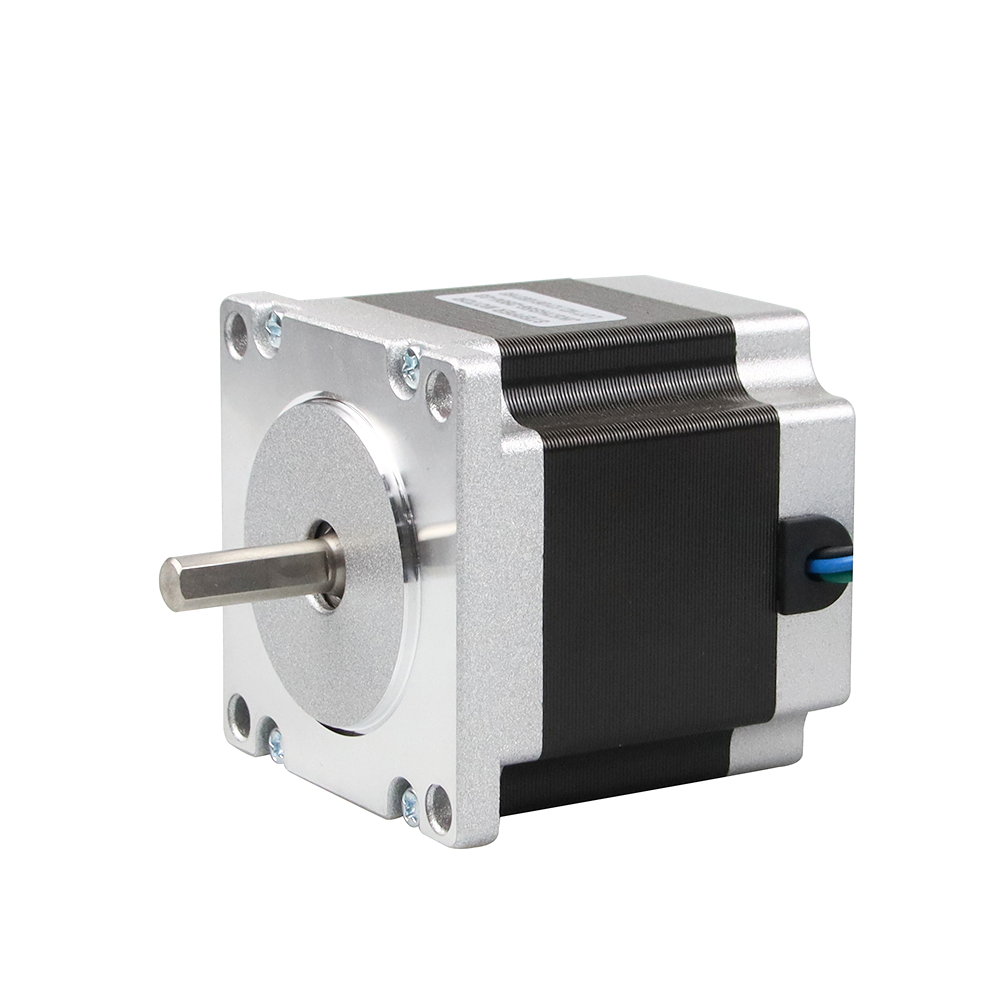
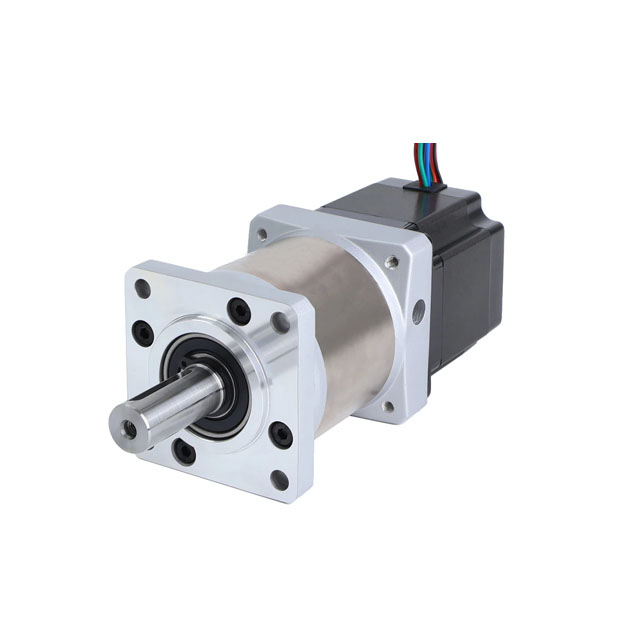
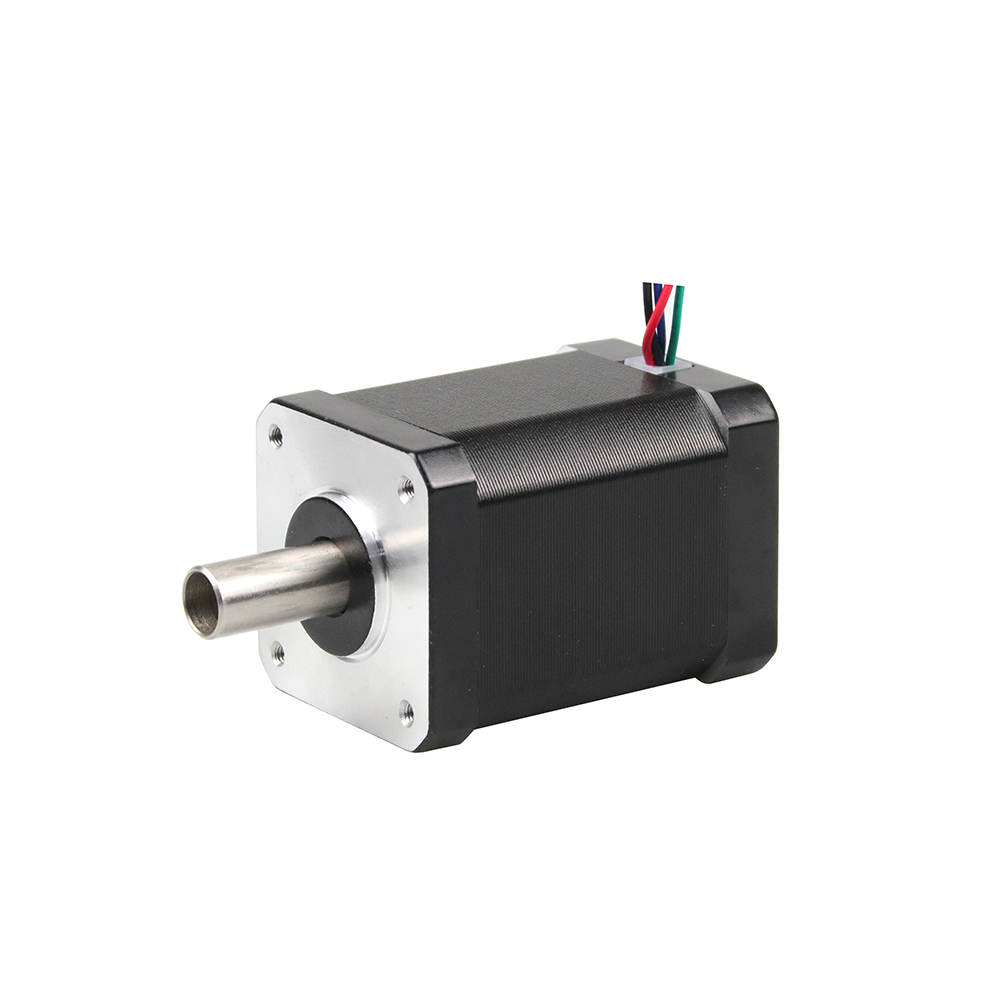
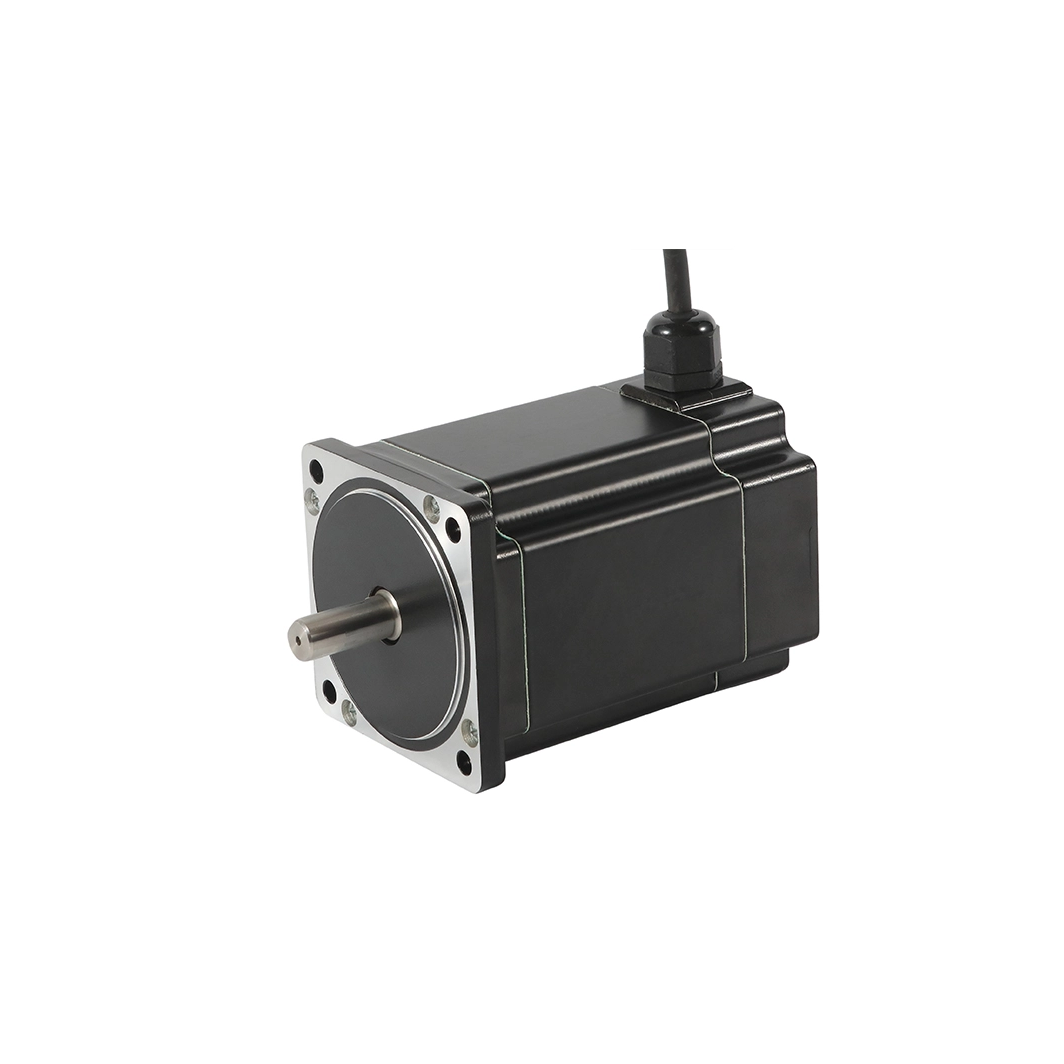
In the semiconductor industry, where nanometer-level precision, 24/7 continuous operation, and zero tolerance for instability are non-negotiable, motion control systems define the performance ceiling of the entire machine. We firmly believe that stepper motors engineered specifically for semiconductor equipment are not merely drive components, but strategic enablers of yield, throughput, and long-term process reliability.
This article delivers an in-depth, system-level overview of best-in-class stepper motor solutions for semiconductor equipment, focusing on stability, accuracy, cleanliness, and integration reliability—the core metrics that matter most to equipment manufacturers and system integrators.
Why Semiconductor Equipment Demands Specialized Stepper Motors
Semiconductor manufacturing represents the highest standard of precision, reliability, and process control in modern industry. From wafer fabrication to packaging and testing, every motion inside semiconductor equipment must be executed with absolute consistency, micron-level accuracy, and long-term stability. In this environment, conventional industrial motors fall short. Specialized stepper motors engineered specifically for semiconductor equipment are essential to meet these extreme requirements.
This article explains, from a technical and application-driven perspective, why semiconductor equipment demands specialized stepper motors, and how these motors directly influence yield, uptime, and manufacturing performance.
Semiconductor Manufacturing Leaves No Room for Motion Error
Unlike general automation, semiconductor processes operate within nanometer-scale tolerances. Even the smallest positional deviation can result in:
Stepper motors used in semiconductor tools must therefore deliver deterministic, repeatable motion that does not drift over time. Specialized designs ensure precise step accuracy, consistent torque output, and stable positioning—cycle after cycle.
Extreme Positioning Accuracy Is Non-Negotiable
Semiconductor equipment relies on precise positioning for:
Wafer handling and alignment
Die bonding and pick-and-place
Optical inspection and metrology
Probe testing and packaging automation
Specialized stepper motors achieve this accuracy through:
Fine step angles (0.9° or smaller)
High-resolution microstepping
Optimized electromagnetic structures
Tight mechanical tolerances
These features enable sub-micron positioning accuracy without relying solely on complex feedback systems.
Repeatability Over Millions of Cycles
Accuracy alone is not sufficient. Semiconductor tools operate continuously, often 24/7 for years, performing millions of identical motion cycles. Any degradation in motor performance leads to cumulative errors and yield loss.
Specialized stepper motors are engineered for:
This ensures long-term repeatability, a critical factor in maintaining process stability.
Vibration and Resonance Control Are Critical
Even microscopic vibration can disrupt sensitive semiconductor processes, particularly in:
Specialized stepper motors incorporate:
Low-cogging torque designs
Advanced rotor balancing
Sinusoidal current control
Anti-resonance motor geometry
The result is ultra-smooth, low-vibration motion, especially at low speeds where standard stepper motors are prone to resonance.
Thermal Stability Directly Affects Accuracy
Heat generation causes material expansion, which directly impacts positioning precision. In semiconductor equipment, thermal drift can lead to misalignment and process deviation.
Specialized stepper motors are optimized for thermal performance through:
High-efficiency winding designs
Low-loss magnetic materials
Optimized current control
Enhanced heat dissipation structures
This ensures stable torque output and dimensional consistency during long operating cycles.
Cleanroom Compatibility Is Mandatory
Semiconductor manufacturing environments demand strict contamination control. Motors must minimize:
Particle generation
Outgassing
Lubricant leakage
Specialized stepper motors are designed with:
Sealed housings
Cleanroom-compatible materials
Low-outgassing bearing lubricants
Optional shaft sealing or bellows
These features allow safe deployment in cleanroom and vacuum-adjacent environments without compromising process integrity.
Deterministic Control Over Speed and Position
Stepper motors offer inherent advantages for semiconductor equipment because they provide precise, deterministic control without complex tuning.
Specialized stepper motors enhance this advantage with:
This makes them ideal for synchronized multi-axis systems commonly used in semiconductor tools.
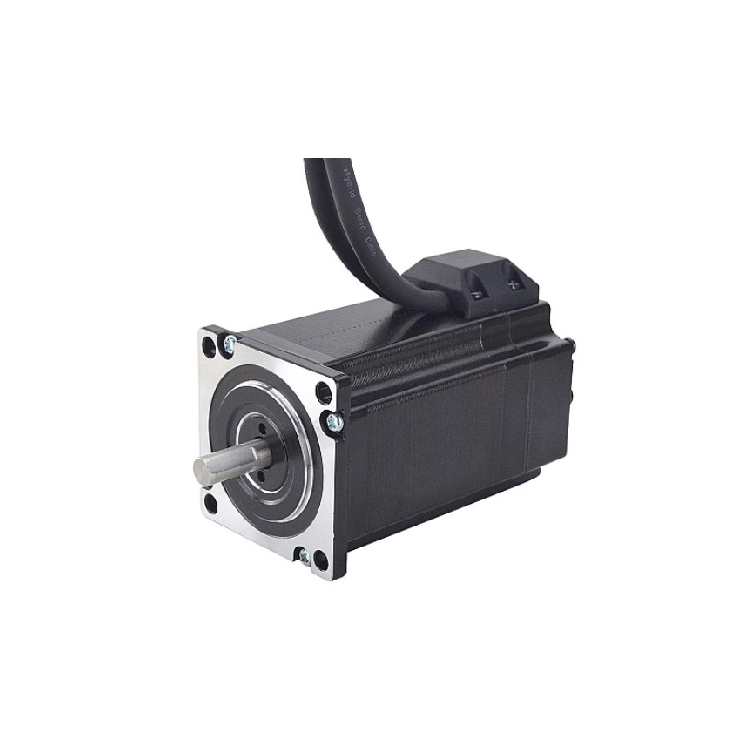
While traditional open-loop steppers are widely used, many semiconductor applications now demand closed-loop stepper motor systems.
Benefits include:
Real-time position verification
No missed steps under dynamic loads
Higher reliability during acceleration and deceleration
Servo-like performance with stepper simplicity
Specialized motors are designed to seamlessly integrate encoders without sacrificing compactness or cleanliness.
Customization for Equipment-Specific Requirements
No two semiconductor machines are identical. Specialized stepper motors support customization to match exact equipment needs, including:
Shaft length and geometry
Mounting interface and footprint
Torque and speed optimization
Integrated drivers or encoders
Cleanroom or vacuum adaptations
This ensures perfect mechanical and electrical compatibility, reducing integration risk and development time.
Reliability Equals Yield Protection
In semiconductor fabs, downtime is extremely costly. Motor failure or performance drift can halt production lines and cause significant financial loss.
Specialized stepper motors are built to deliver:
High MTBF
Predictable performance over time
Minimal maintenance requirements
Consistent operation in harsh duty cycles
Reliability at the motor level translates directly into higher equipment uptime and stable yield.
Conclusion: Specialized Stepper Motors Are a Strategic Necessity
Semiconductor equipment demands motion solutions that go far beyond standard industrial requirements. Specialized stepper motors provide the precision, stability, cleanliness, and reliability required to support advanced semiconductor manufacturing processes.
By addressing the unique challenges of accuracy, vibration control, thermal stability, and cleanroom compliance, these motors become a critical foundation for high-performance semiconductor equipment—ensuring consistent results, protected yield, and long-term operational success.
Core Performance Metrics: Stability and Accuracy Defined
High-Resolution Positioning Accuracy
Semiconductor processes rely on sub-micron motion control, especially in:
Wafer handling systems
Die bonding and pick-and-place modules
Inspection and metrology platforms
Lithography auxiliary stages
Advanced stepper motors achieve this through:
High step-angle resolution (0.9° or finer)
Microstepping control for smooth interpolation
Optimized magnetic circuit design
Precision-machined rotor and stator alignment
The result is precise, deterministic motion without feedback drift, essential for repeatable semiconductor processes.
Exceptional Repeatability and Long-Term Stability
Accuracy is meaningless without repeatability. Semiconductor equipment may perform tens of millions of cycles annually, demanding motors that maintain identical motion profiles over years of operation.
Key contributors to stability include:
We design stepper motors to sustain repeatability within microns, even under fluctuating thermal and load conditions.
Low Vibration & Ultra-Smooth Motion Control
Why Vibration Is a Critical Risk in Semiconductor Tools
Even microscopic vibration can cause:
Advanced stepper motor solutions mitigate these risks through:
This ensures stable, ripple-free motion, even at low speeds where conventional motors struggle.
Thermal Stability for Continuous Operation
Heat Management as a Performance Factor
In semiconductor equipment, thermal drift directly impacts positional accuracy. Stepper motors must deliver torque without excessive heat generation, especially in enclosed or cleanroom environments.
Thermal optimization includes:
High-efficiency electromagnetic design
Low-loss winding materials
Optimized current control
Advanced housing heat dissipation
The result is stable torque output and dimensional consistency, even during prolonged operation.
Cleanroom-Compatible Stepper Motor Design
Particle Control and Cleanliness Standards
Semiconductor fabs demand strict compliance with cleanroom classifications. Stepper motors must minimize contamination risk.
Cleanroom-ready features include:
These design elements enable deployment in front-end and back-end semiconductor tools without compromising fab cleanliness.
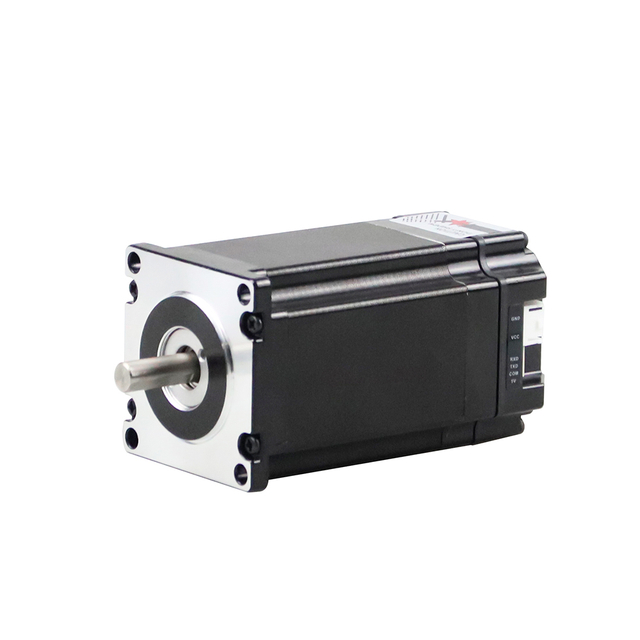
Integrated Motor + Driver Architecture
To improve system reliability and simplify wiring, many semiconductor OEMs prefer integrated stepper motor solutions, combining:
Motor
Driver
Encoder (optional)
Control electronics
Benefits include:
Reduced electromagnetic interference (EMI)
Simplified installation
Improved signal integrity
Higher overall system stability
Integrated architectures are especially valuable in compact, high-density semiconductor equipment.
Closed-Loop Stepper Motors for Enhanced Accuracy
While traditional open-loop stepper motors are widely used, closed-loop stepper systems are increasingly adopted for mission-critical axes.
Advantages include:
Real-time position verification
No step loss under dynamic loads
Servo-like accuracy with stepper simplicity
Lower system cost than full servo solutions
Closed-loop stepper motors deliver maximum positioning confidence without sacrificing deterministic control.
Customization Capabilities for Semiconductor OEMs
Why Customization Matters
No two semiconductor tools are identical. Motor solutions must be tailored to:
Customization options include:
Shaft design and length
Mounting flange modification
Special winding configurations
Encoder integration
Vacuum or cleanroom adaptations
A flexible motor platform ensures perfect alignment with equipment architecture.
Applications of Stepper Motors in Semiconductor Equipment
High-performance stepper motors are widely used across semiconductor manufacturing stages:
Wafer transfer and alignment systems
Die sorting and bonding machines
Probe stations
AOI and metrology equipment
Packaging and testing automation
Material handling subsystems
In each application, motion consistency directly influences yield and uptime.
Reliability as a Strategic Advantage
Downtime in semiconductor fabs translates directly into lost revenue. Therefore, stepper motors must offer:
Through rigorous testing, material selection, and design validation, high-end stepper motor solutions provide unmatched operational reliability.
Future Trends: Smarter Motion for Semiconductor Manufacturing
As semiconductor nodes shrink and automation complexity increases, stepper motor technology continues to evolve:
Higher microstepping resolution
Smarter integrated diagnostics
Energy-efficient motor designs
Digital communication protocols
AI-assisted motion tuning
These advancements ensure stepper motors remain a core motion solution for next-generation semiconductor equipment.
Conclusion: Precision Motion as a Competitive Edge
In semiconductor manufacturing, precision is not optional—it is fundamental. The best stepper motor solutions deliver the stability, accuracy, cleanliness, and reliability required to meet today's and tomorrow's semiconductor challenges.
By combining advanced motor design, intelligent control, and application-specific customization, stepper motors continue to empower semiconductor equipment manufacturers to achieve higher yields, faster throughput, and uncompromising process control.