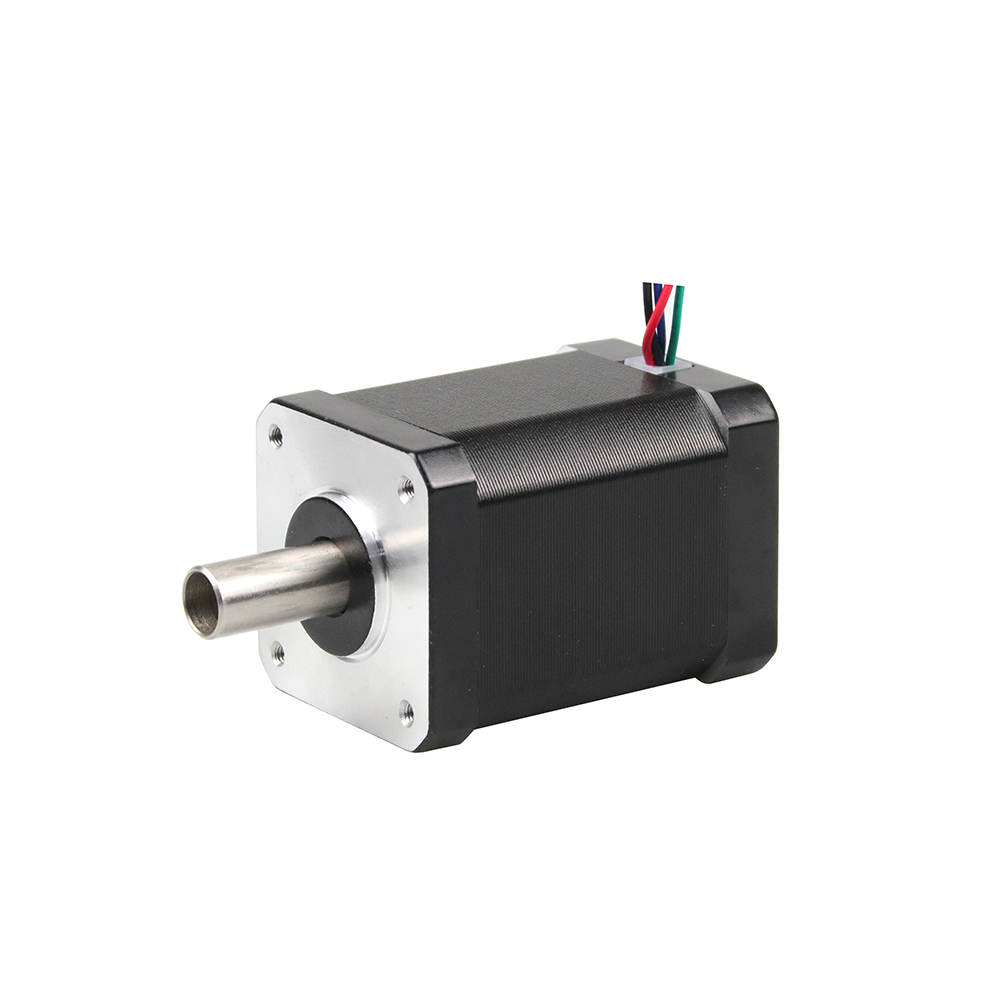
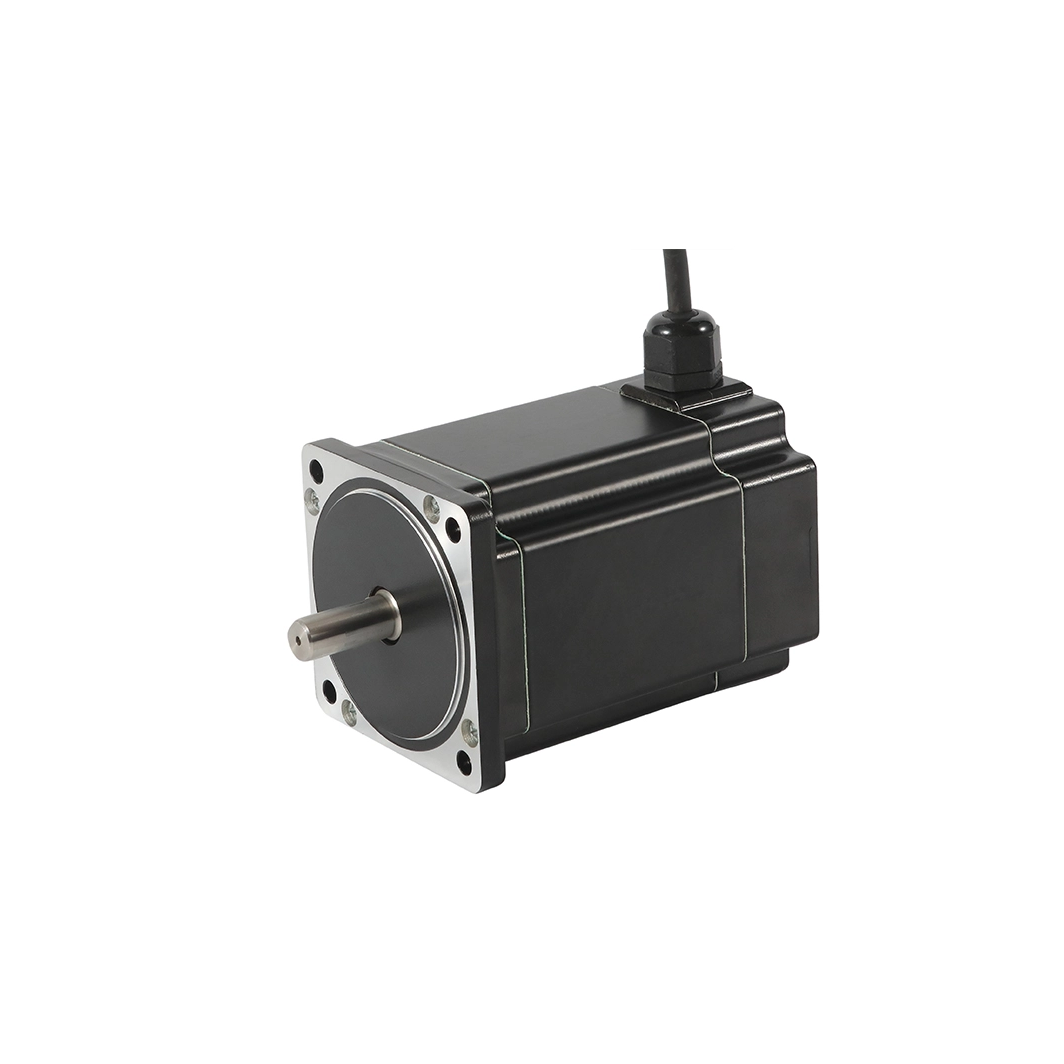
The Strategic Role of Stepper Motors in Modern Automated Assembly Lines
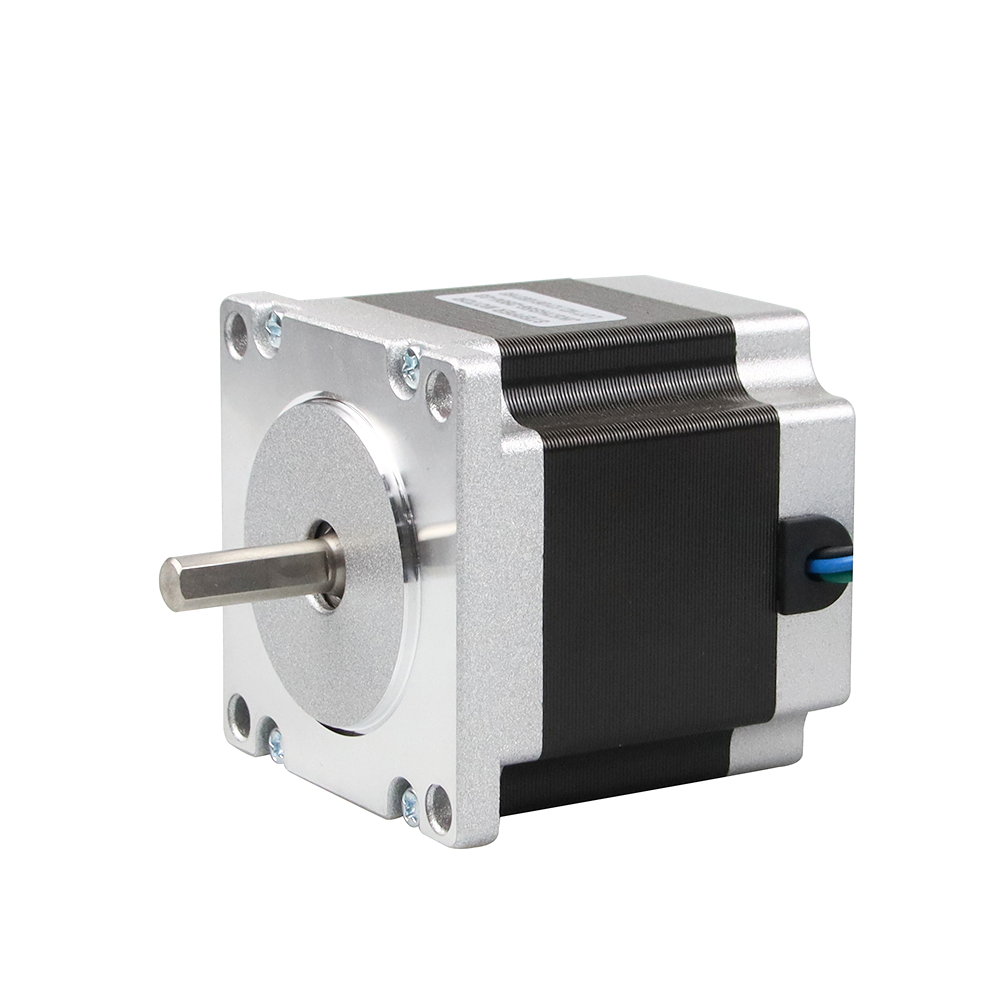
In modern automated assembly lines, motor performance directly affects production speed and precision. Stepper motors remain a core motion solution because they deliver deterministic positioning, repeatable torque output, and predictable behavior without complex feedback systems. From an engineering perspective, the correct stepper motor selection is not merely a component choice—it is a system-level decision that affects reliability, maintenance cycles, energy efficiency, and scalability.
As assembly lines become faster, more compact, and increasingly flexible, stepper motors must meet higher performance thresholds while maintaining cost-effectiveness. Advanced motion control can optimize energy efficiency and production accuracy.We examine these requirements from real-world industrial deployment rather than theoretical specifications.
Precision Positioning and Repeatability as Core Performance Metrics
Automated assembly relies on micron-level positioning accuracy for tasks such as component insertion, fastening, labeling, and inspection alignment. Stepper motors inherently provide open-loop positional accuracy through fixed step angles, making them ideal for indexed and point-to-point motion.
Key engineering considerations include:
Step angle resolution (1.8°, 0.9°, or microstepped equivalents)
Cumulative positioning error control
Repeatability under load variation
For assembly lines running continuous cycles, repeatability is often more critical than absolute accuracy. A well-matched stepper motor maintains consistent step integrity over millions of cycles, ensuring uniform product output without recalibration.
Torque Characteristics Across Operating Speed Ranges
In automated assembly systems, torque behavior across the entire speed range is one of the most critical engineering considerations when specifying a stepper motor. While many selections are mistakenly based on static holding torque, real-world performance is governed by dynamic torque availability under motion, especially during acceleration, constant-speed travel, and deceleration phases.
Static Torque vs. Dynamic Torque in Assembly Applications
Stepper motors are often advertised by their holding torque, measured at standstill with rated current applied. However, in automated assembly lines, motors spend the majority of their operating life in motion, not at rest. Engineers therefore prioritize:
Pull-in torque (maximum torque at which the motor can start without losing steps)
Pull-out torque (maximum torque the motor can sustain once running)
Usable torque at target operating speeds
A motor with high holding torque but poor high-speed torque will fail to meet cycle time requirements, leading to missed steps, inconsistent positioning, and reduced throughput.
Torque-Speed Curve Interpretation for Engineering Decisions
The torque-speed curve defines how torque decreases as rotational speed increases. This decline is primarily caused by winding inductance, back EMF, and current rise limitations. From an engineering perspective, the focus is on identifying:
The continuous operating region where torque remains stable
The knee point where torque begins to drop sharply
The maximum practical speed under real load conditions
For automated assembly lines, motors must operate well below the pull-out torque curve to maintain process stability and safety margins.
Impact of Load Inertia and Acceleration Requirements
Assembly systems frequently involve rapid start-stop motion, indexing tables, and pick-and-place operations. These motion profiles impose high acceleration torque demands, often exceeding steady-state torque requirements.
Key engineering factors include:
Load-to-rotor inertia ratio
Required acceleration time
Peak torque during transient motion
If acceleration torque exceeds available dynamic torque, the motor will lose synchronization. Proper torque sizing ensures smooth motion ramps, accurate positioning, and zero step loss, even under fluctuating payloads.
Low-Speed Torque Stability and Microstepping Effects
At low speeds, stepper motors must deliver smooth, ripple-free torque to avoid vibration and resonance. In assembly operations involving precision insertion or alignment, torque instability can cause:
Advanced microstepping control significantly improves low-speed torque linearity by smoothing current waveforms. While microstepping slightly reduces peak torque per microstep, it greatly enhances motion smoothness and controllability, which is essential for high-precision assembly tasks.
High-Speed Torque Optimization Through Electrical Design
At higher speeds, torque availability is dominated by electrical characteristics rather than mechanical construction. Engineers evaluate:
Phase inductance and resistance
Rated current and voltage
Driver supply voltage headroom
Low-inductance windings paired with higher drive voltages allow current to rise more quickly, maintaining torque at elevated speeds. This configuration is particularly advantageous for high-throughput assembly lines where fast indexing and short cycle times are mandatory.
Effect of Drive Technology on Torque Retention
The stepper motor driver plays a decisive role in torque performance. Modern digital drivers enhance torque utilization through:
When properly matched, the motor-driver combination delivers higher usable torque across a wider speed range, enabling faster motion without sacrificing positional accuracy or reliability.
Thermal Constraints and Continuous Torque Limits
Sustained torque output is ultimately constrained by thermal limits. In continuous-duty assembly environments, excessive current draw leads to overheating, reducing torque consistency over time.
Engineers define continuous torque limits based on:
A well-designed system ensures that required operating torque remains comfortably below the thermal threshold, guaranteeing long-term torque stability and motor lifespan.
Engineering Summary
From an engineering standpoint, torque characteristics across operating speed ranges determine whether a stepper motor can reliably support automated assembly processes. By focusing on dynamic torque availability, acceleration demands, electrical optimization, and thermal stability, engineers ensure consistent performance, reduced downtime, and predictable production outcomes.
In automated assembly lines where precision, speed, and reliability must coexist, torque-speed optimization is not optional—it is fundamental to system success.
Speed Stability and Cycle Time Optimization
In high-throughput assembly environments, cycle time consistency is critical. Stepper motors offer synchronous motion control, ensuring each movement completes within a predictable time window.
Engineering requirements include:
Modern stepper systems integrate advanced microstepping and current control algorithms, significantly reducing vibration while maintaining torque density. This enables faster indexing without compromising mechanical stability or component lifespan.
Mechanical Integration and Load Compatibility
Automated assembly lines impose diverse mechanical constraints. Stepper motors must integrate seamlessly with:
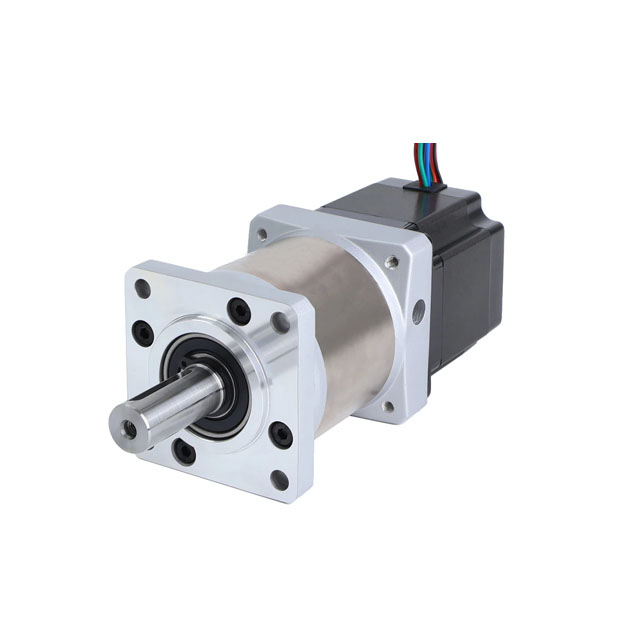
From an engineering standpoint, shaft rigidity, bearing quality, and axial load capacity are as important as electrical specifications. Improper load matching accelerates wear, increases backlash, and introduces positioning errors.
Compact assembly modules often require high torque density in limited installation space, favoring motors with optimized lamination stacks and high-energy magnets.
Thermal Performance and Continuous Duty Reliability
Assembly lines frequently operate 24/7 under continuous load, making thermal stability a non-negotiable requirement. Excessive heat leads to:
Insulation degradation
Magnet demagnetization
Reduced torque output
Engineers evaluate:
Rated current versus actual duty cycle
Thermal resistance of motor housing
Heat dissipation through mounting interfaces
Motors designed for industrial automation feature enhanced winding insulation, optimized airflow paths, and low-loss magnetic materials, enabling stable operation even in confined enclosures.
Electrical Compatibility and Drive System Optimization
The performance of stepper motors in automated assembly lines is deeply influenced by their electrical compatibility and integration with drive systems. Selecting the right motor alone is insufficient; the motor must operate seamlessly with drivers capable of precise current regulation, fast response times, and compatibility with the line’s voltage infrastructure. Mismatched drive systems can lead to lost steps, torque fluctuations, excessive heat generation, and reduced overall reliability.
Key engineering factors include:
Current Regulation and Microstepping Control:
Modern digital drivers allow for fine microstepping, dividing each full step into multiple microsteps. This reduces vibration, improves positional resolution, and enhances smooth motion, particularly important in high-speed assembly operations where minute positional errors can affect product quality. Properly regulated current ensures torque is consistently available across the motor’s operating speed range.
Voltage Compatibility:
Automated assembly lines often operate with varied power supplies, requiring motors and drivers that can handle wide voltage ranges. High-voltage drivers can improve dynamic performance by reducing torque loss at higher speeds, while low-voltage compatibility ensures safe operation and integration with existing electrical systems.
Driver-Motor Communication:
Advanced stepper drivers provide feedback features such as stall detection, error signaling, and real-time current adjustments. These capabilities allow the system to respond immediately to unexpected load changes, preventing downtime and ensuring reliable motion without adding full closed-loop servo systems.
Integration and Wiring Simplification:
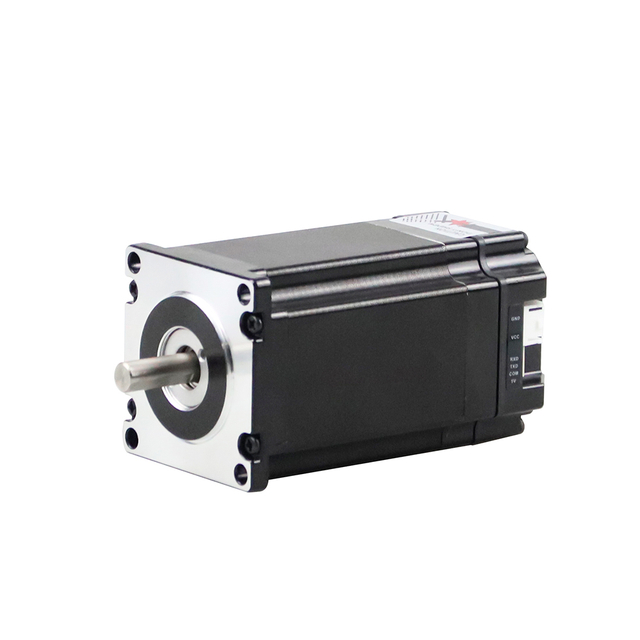
Stepper motors paired with integrated drivers reduce wiring complexity, lower electromagnetic interference, and simplify system commissioning. Compact integrated designs also facilitate space-constrained assembly modules without compromising performance.
System-Level Optimization:
Engineers often design motor-driver pairs as a single motion control unit, balancing inductance, current limits, and step resolution to match the mechanical load precisely. This optimization ensures maximum torque stability, minimal resonance, and consistent cycle times, critical for high-throughput automated lines.
By carefully selecting motors that are electrically compatible and optimized for their drive systems, assembly lines achieve greater reliability, smoother operation, and predictable performance, reducing maintenance needs and extending the operational lifespan of both motors and overall machinery.
Vibration Control and Noise Reduction
In precision assembly, vibration translates directly into dimensional inconsistency and tool wear. Stepper motors must operate with minimal resonance, particularly at low and mid-range speeds.
Critical design elements include:
Rotor inertia optimization
Precision-balanced shafts
Advanced microstepping control
Low-noise operation is especially important in electronics, medical device, and laboratory assembly lines, where environmental standards are strict and operator proximity is common.
Environmental Adaptability and Protection Ratings
Assembly environments vary widely—from cleanrooms to oil-contaminated factory floors. Stepper motors must meet application-specific environmental requirements such as:
Ingress protection (IP ratings)
Resistance to dust, moisture, and chemicals
Electrostatic discharge tolerance
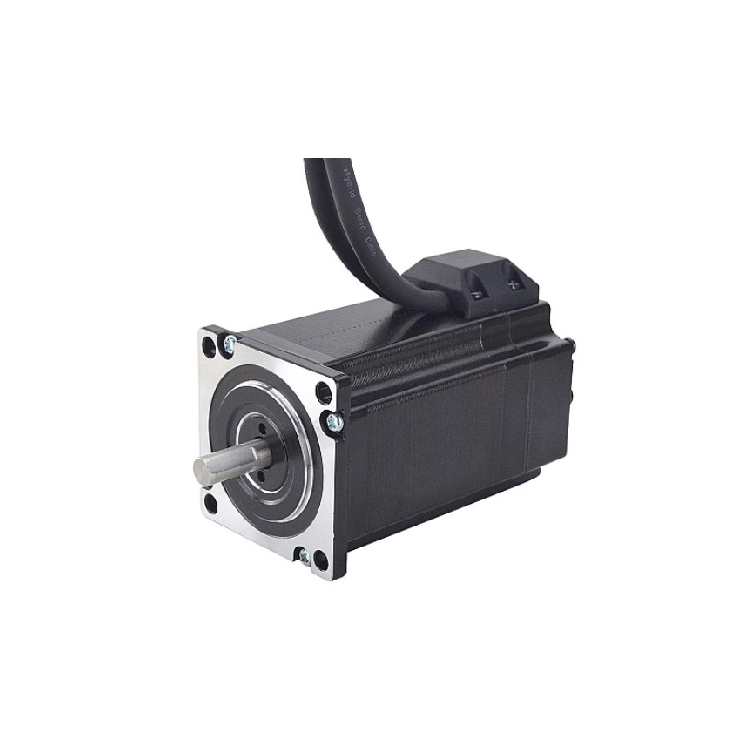
For harsh conditions, sealed motors with corrosion-resistant coatings and reinforced cable exits ensure long-term reliability without frequent replacement.
Scalability and Modular Design Considerations
Modern assembly lines are rarely static. Engineers design systems with future expansion and reconfiguration in mind. Stepper motors must support:
Multiple frame sizes with consistent mounting standards
Interchangeable shafts and connectors
Flexible control interfaces
This modularity allows production lines to scale output, adapt to new products, or upgrade performance without complete redesigns.
Cost Efficiency and Total Cost of Ownership
When selecting stepper motors for automated assembly lines, cost efficiency goes beyond the initial purchase price. Engineers focus on total cost of ownership (TCO), which accounts for energy consumption, maintenance requirements, downtime, and long-term reliability. A well-specified stepper motor can reduce hidden costs while maintaining high performance and throughput.
Key considerations include:
Energy Efficiency:
Motors optimized for continuous duty consume less power for the same torque output. Properly matched drivers and microstepping techniques reduce heat generation, minimizing energy loss and lowering operational costs.
Maintenance and Service Intervals:
Stepper motors designed for industrial automation require minimal maintenance due to durable bearings, high-quality insulation, and robust housing. Reduced maintenance frequency translates into fewer production stoppages and lower labor costs.
Minimizing Downtime:
Lost steps, overheating, or mechanical wear can cause line stoppages, directly affecting production efficiency. Motors with proper thermal management, torque stability, and vibration control reduce the risk of unplanned downtime.
Lifecycle Costs:
Investing in motors with high-quality materials and engineered reliability may have a higher upfront cost but significantly lowers replacement frequency and spare parts inventory, resulting in a better return on investment over time.
Scalability and Flexibility:
Modular stepper motor systems allow assembly lines to adapt to new products or increased output without extensive redesign, further reducing long-term capital expenditures.
By evaluating energy consumption, durability, reliability, and scalability, engineers ensure that stepper motors deliver both high performance and cost-effective operation. Optimized motor selection directly contributes to reduced operational expenses, consistent production quality, and sustainable assembly line efficiency.
Conclusion: Engineering-Driven Stepper Motor Selection for Assembly Excellence
From an engineer's perspective, stepper motor requirements for automated assembly lines extend far beyond basic torque and speed ratings. Precision, thermal stability, mechanical integration, and electrical compatibility form an interconnected system where every parameter influences performance.
By selecting stepper motors designed specifically for industrial automation—optimized for continuous duty, high repeatability, and seamless integration—assembly lines achieve higher throughput, consistent quality, and long-term operational stability.
The future of automated assembly depends on motion solutions that combine engineering precision with industrial resilience, and stepper motors remain a cornerstone of that evolution.