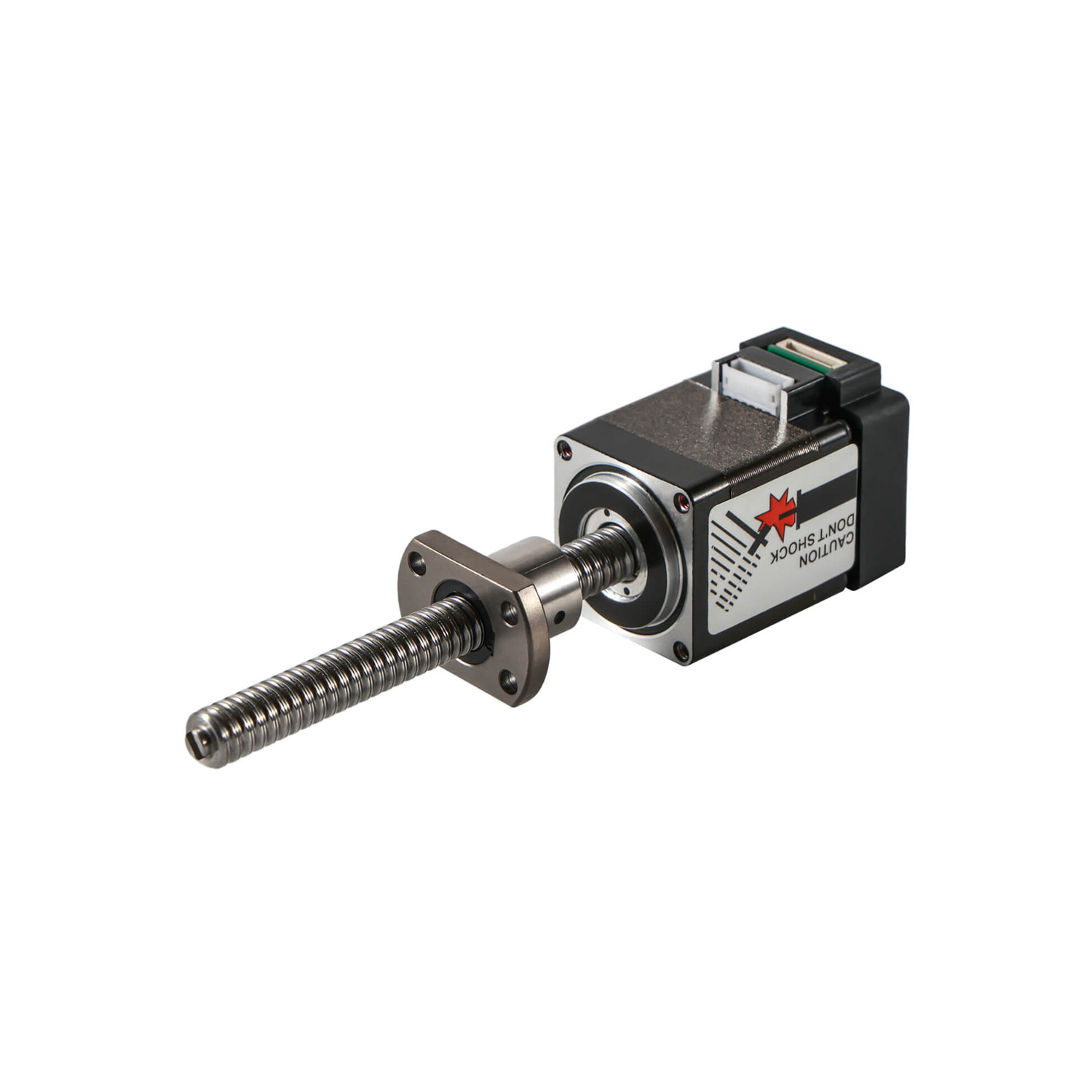
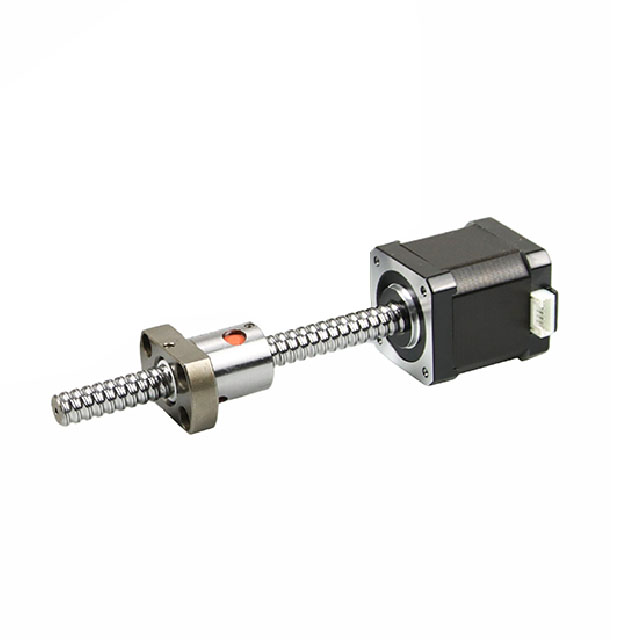
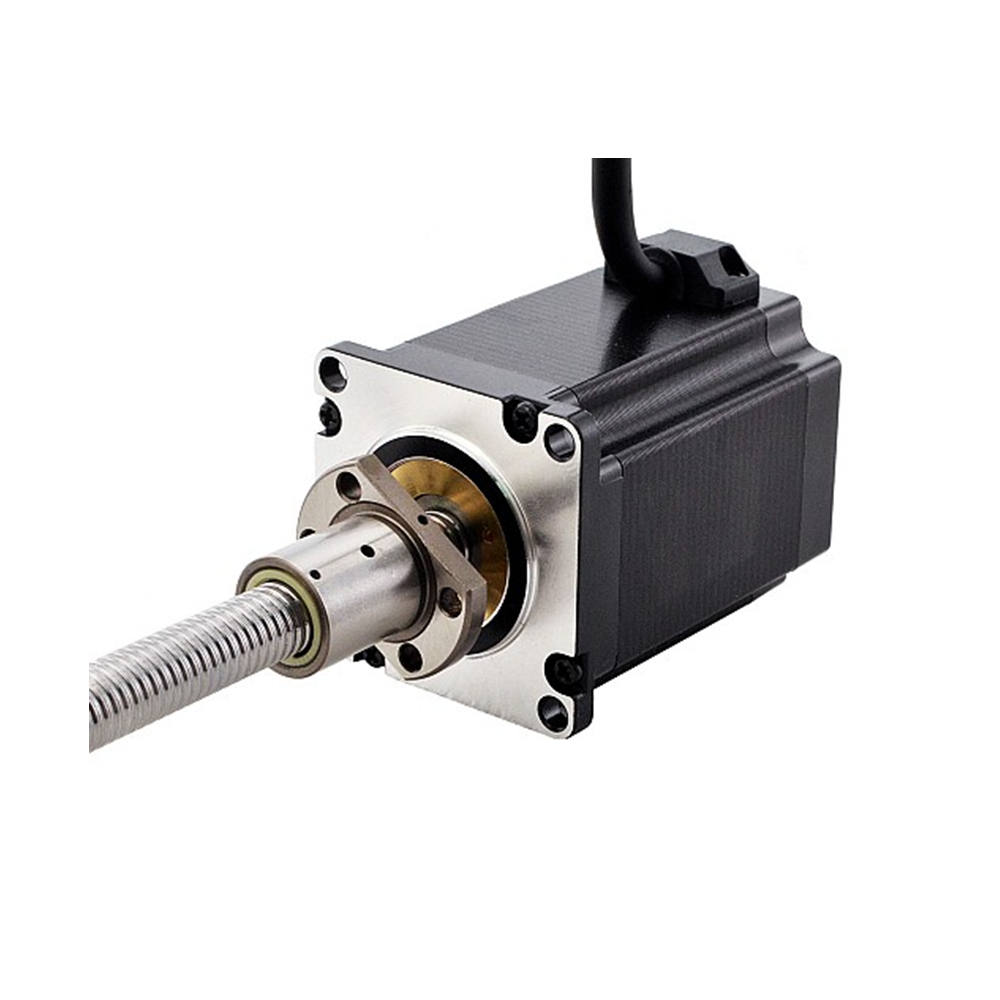
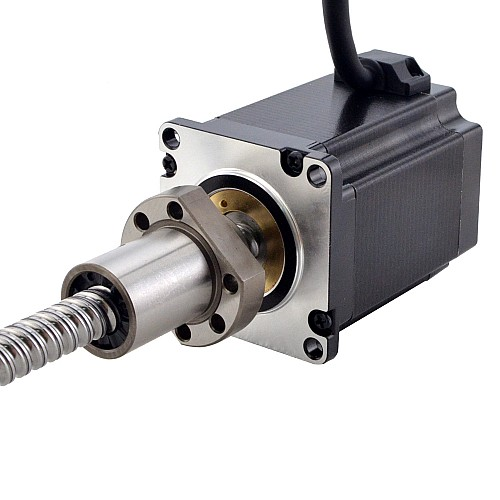
Ball screws stand at the core of many precision motion systems—from CNC machinery and industrial automation to robotics and semiconductor equipment. When evaluating mechanical components for linear motion, efficiency is often the decisive factor determining accuracy, power consumption, speed, and long-term cost. In this comprehensive guide, we examine the true efficiency of ball screws, how they compare to alternate mechanisms, and the factors that influence performance in real-world engineering applications.
What Makes Ball Screws Highly Efficient?
Ball screws are known for delivering some of the highest mechanical efficiencies among all linear motion systems—often reaching 90% to 98% efficiency. Their exceptional performance comes from a combination of design features and mechanical principles that minimize friction and maximize the conversion of rotary motion into linear motion.
Here are the main reasons ball screws are so efficient:
1. Rolling Contact Instead of Sliding Friction
The single most important reason for their high efficiency is that ball screws use rolling ball bearings between the screw shaft and the ball nut.
Unlike lead screws, which rely on sliding friction between mating threads, ball screws allow the balls to roll freely within precision raceways.
Rolling friction coefficient is extremely low
Much less energy is lost to heat
Less torque is required to move a given load
This design drastically reduces mechanical resistance and increases energy transfer efficiency.
2. Highly Polished Ball Bearings and Raceway Surfaces
The balls and grooves inside a ball screw are manufactured to extremely tight tolerances with smooth, polished surfaces.
This results in:
The smoother the surfaces, the less energy is wasted through resistance.
3. Precision Geometry and Consistent Contact
Ball screws are engineered with precise helical grooves that maintain a perfect rolling contact path for the balls.
This:
The uniform contact geometry ensures that efficiency remains high across the entire stroke.
4. Preloading for Backlash Reduction Without Excess Friction
Ball screws often incorporate preload mechanisms that eliminate backlash.
Well-designed preload:
Importantly, the preload is engineered to avoid excessive rolling resistance, allowing the system to stay efficient even under load.
5. Controlled Lubrication Reduces Wear and Friction
Ball screws use lubrication to maintain a thin film between metal surfaces.
Good lubrication provides:
With proper lubrication, ball screw friction remains low and predictable.
6. Efficient Recirculation Systems
Ball screws include recirculation channels that allow the ball bearings to move continuously through the nut.
Well-designed recirculation paths ensure:
No jamming
Smooth ball transfer
Stable rolling motion
This allows the assembly to maintain high efficiency even at high speeds or long cycles.
7. Minimal Energy Loss During Load Transfers
Because ball screws maintain constant rolling motion, very little energy is lost when converting motor torque into linear thrust.
This improves:
The mechanical design inherently supports high-load efficiency with minimal torque.
In Summary
Ball screws are highly efficient because they use rolling contact instead of sliding friction, combined with precision engineering, advanced preload design, high-quality materials, optimized lubrication, and reliable recirculation systems. These factors enable them to deliver efficiencies above 90%, making them ideal for applications requiring precision, energy efficiency, and smooth high-speed motion.
Ball Screw Efficiency Compared to Other Linear Motion Systems
To determine how efficient ball screws truly are, it is important to compare them against common linear motion options.
Ball Screws vs. Lead Screws
Ball screws: 90–98% efficiency
Lead screws: 20–70% efficiency (depending on lubrication, materials, and thread form)
Lead screws rely on sliding friction and are therefore less efficient, generate more heat, and require more torque to drive the same load.
Ball Screws vs. Rack and Pinion Systems
Rack and pinion efficiency typically ranges:
While rack and pinion systems excel in long-distance travel, ball screws deliver superior precision and lower energy loss.
Ball Screws vs. Linear Motors
Linear motors can achieve near-perfect efficiencies in electromagnetic conversion but often require higher upfront cost, complex controls, and thermal management. Ball screws remain the more energy-efficient mechanical solution for medium- to high-load applications with high precision.
How Ball Screw Efficiency Impacts System Performance
Ball screw efficiency plays a critical role in determining how a mechanical system performs, especially in applications requiring high precision, smooth motion, and low energy consumption. Efficiency directly affects everything from motor sizing and operating speed to system accuracy and long-term reliability. High-efficiency ball screws—typically operating in the 90% to 98% efficiency range—provide significant advantages over other linear motion technologies.
Here are the key ways ball screw efficiency influences system performance:
1. Lower Power Consumption and Smaller Motor Requirements
Because ball screws convert a high percentage of input torque into usable linear motion, they require significantly less torque to move the same load.
This leads to:
Smaller, less expensive servomotors or stepper motors
Reduced energy consumption during operation
Less heat generated in the motor and drive electronics
Lower peak current demands
High efficiency means the motor doesn't need to “fight” friction, allowing the entire system to run cooler and more economically.
2. Higher Positioning Accuracy and Repeatability
Mechanical efficiency directly affects how precisely the system can respond to motor commands. With minimal friction and low mechanical losses, ball screws provide:
Accurate linear displacement per motor revolution
Minimal hysteresis due to low internal drag
High repeatability even under varying loads
Stable, predictable motion characteristics
This makes ball screws ideal for CNC machines, robotics, metrology equipment, 3D printers, and semiconductor automation.
3. Faster Travel Speeds and Acceleration
Efficient motion conversion allows ball screws to reach high rotational speeds without excessive wear or heat buildup. As a result, systems can achieve:
Low friction enables the screw to spin freely at higher RPMs, boosting throughput in production environments.
4. Reduced Heat Generation and Longer Component Life
Friction is one of the main causes of heat and wear in mechanical systems. Since ball screws rely on rolling contact instead of sliding friction, they produce much less heat. This has several benefits:
Bearings and nut components last significantly longer
Lubrication remains effective for more operating hours
Reduced risk of thermal expansion affecting accuracy
Lower maintenance frequency and cost
Long-term reliability is one of the reasons ball screws are standard in industrial machinery.
5. Higher Load Capacity with Efficient Force Transfer
Ball screws efficiently translate motor torque into linear thrust, allowing the system to handle larger loads without excessive motor strain.
This leads to:
Increased thrust capability
Stable performance under load variations
Better control of heavy or dynamic loads
Enhanced rigidity when preloaded properly
High-efficiency load transfer improves both static and dynamic system performance.
6. Low Backdriving Resistance for Bidirectional Motion
Due to their efficiency, ball screws have relatively low backdriving resistance. Depending on preload and lead, this characteristic can be either a benefit or a design consideration.
Benefits include:
Smooth, responsive bidirectional motion
Accurate servo tuning with minimal deadband
Improved mechanical responsiveness in fast motion profiles
However, because of low friction, ball screws may require a brake or motor holding torque in vertical applications to prevent backdriving.
7. Improved Control System Performance
High efficiency reduces unpredictable frictional losses, which leads to cleaner control behavior. This improves:
Servo tuning stability
Consistency of motion profiles
Reduced corrective oscillation
Better overall dynamic response
Low friction allows control systems to operate with greater precision and less compensation.
Summary: Efficiency Drives Performance Across the Entire System
Ball screw efficiency impacts every part of a motion system—from motor selection and control behavior to accuracy, speed, and long-term reliability. High efficiency results in:
Lower power consumption
Precise positioning and smooth motion
Higher speeds and faster acceleration
Reduced heat and extended lifespan
Consistent, predictable performance
These advantages make ball screws one of the most trusted and widely used technologies for high-precision linear motion applications.
Factors That Influence Real-World Ball Screw Efficiency
Although ball screws have inherently high efficiency, actual performance depends on several design and operational factors.
1. Lead Angle of the Screw
Higher lead angles generally allow faster travel, but excessively high leads may:
An optimized lead angle ensures maximum efficiency without sacrificing load capacity.
2. Ball Nut Preload
Preload eliminates backlash, but higher preload creates more rolling resistance. Choosing the right preload class is essential for balancing:
Rigidity
Smoothness
Efficiency
Wear rate
3. Lubrication Quality
Proper lubrication significantly reduces friction and wear. Poor lubrication can reduce efficiency by 10–30% and shorten service life.
4. Machining Precision
Precision-ground screws typically offer higher efficiency than rolled screws due to:
5. Operating Conditions
Higher loads or misalignment can increase frictional forces, reducing efficiency. Proper installation ensures optimal performance.
How to Calculate Ball Screw Efficiency
Ball screw efficiency (η) is calculated using the relationship between input torque and output linear force.
Efficiency Formula
η = (F × Lead) / (2π × T)
Where:
Higher η values indicate better efficiency. Most ball screws fall between 0.90 and 0.98, depending on load and lubrication.
Common Signs of Efficiency Loss in Ball Screws
Even high-performance ball screws can lose efficiency over time. Warning signals include:
Excessive heat during operation
Higher motor current draw
Reduced travel speed
Increased noise or vibration
Abrupt changes in backlash
Regular maintenance ensures sustained high efficiency over the life of the system.
How to Maximize Ball Screw Efficiency
Choose the Correct Lead and Diameter
Selecting the right combination based on load, speed, and accuracy requirements helps maintain optimal performance.
Use High-Quality Lubrication
Lubricants should be:
Minimize System Misalignment
Even small offsets in mounting can drastically increase friction and reduce lifespan.
Choose Appropriate Preload
Proper preload enhances stiffness without compromising efficiency.
Maintain Clean Operating Conditions
Contamination such as dust, debris, or coolant ingress can damage ball bearings and block recirculation paths.
When Ball Screws Are Not the Most Efficient Choice
Although ball screws are widely valued for their high efficiency, precision, and smooth motion, there are several scenarios where they may not be the optimal choice. Factors such as travel length, environmental conditions, maintenance requirements, and application demands can make other linear motion systems more practical, cost-effective, or reliable. Understanding these exceptions helps engineers select the best solution for each use case.
Here are the situations where ball screws may not be the most efficient option:
1. Extremely Long Travel Applications
Ball screws are limited by critical speed—the maximum rotational speed before the screw begins to whip or vibrate.
In applications requiring very long travel distances, such as:
ball screws may experience:
Lower allowable RPM
Reduced maximum linear speed
Higher risk of screw deflection
Increased need for support bearings
In these cases, rack-and-pinion systems or linear motors often outperform ball screws in both efficiency and speed stability.
2. High-Speed or Ultra-High-Acceleration Requirements
Ball screws provide excellent efficiency, but extreme speed or acceleration demands can surpass their mechanical limits. At very high velocities, factors such as ball return system dynamics and lubrication stability can reduce efficiency and reliability.
For ultra-high-speed applications like:
linear motors or belt drives may be significantly more efficient due to their frictionless or low-friction operating principles.
3. Dirty, Contaminated, or Harsh Environments
Ball screws rely on precise, clean internal contact between balls and raceways. Environments containing:
Dust
Abrasive particles
Metal chips
Coolant splash
Chemical exposure
can quickly contaminate ball nuts and recirculation systems, reducing efficiency and causing premature wear.
Lead screws with polymer nuts or fully sealed linear actuators may be more reliable and require far less maintenance in such environments.
4. Vertical Lifting Without a Brake or Anti-Backdrive Mechanism
Because ball screws have very low friction, they can backdrive easily, particularly in systems with higher leads or heavier loads.
In vertical applications, this can lead to:
Load drop
Motor overload
Safety hazards
Unless a brake, locking nut, or holding torque motor is used, ball screws are not always the most efficient or safe choice.
Lead screws, with their self-locking ability, often perform better in vertical lifting systems.
5. Low-Speed or Light-Duty Applications with Tight Budgets
In systems where:
Precision is moderate
Loads are low
Speed is slow
Duty cycle is minimal
Cost is a priority
ball screws may provide more performance than necessary. Their higher purchase cost, preload complexity, and lubrication requirements may not justify their use.
Lead screws or belt-driven actuators often provide sufficient efficiency with far lower cost and simpler maintenance.
6. Maintenance-Constrained or No-Maintenance Applications
Ball screws require periodic lubrication and fine-tuning to maintain their high efficiency. If an application cannot support maintenance—or if the equipment is sealed, remote, or inaccessible—then:
Lubrication may deteriorate
Ball bearings may wear quickly
Efficiency drops significantly
Failure risk increases
Non-lubricated polymer lead screws or linear motors may be better suited for maintenance-free requirements.
7. Applications Requiring Low Noise or Zero Mechanical Contact
Ball screws, even when well-lubricated, generate mechanical noise due to rolling elements and recirculation tracks.
When extremely quiet operation or non-contact motion is required—such as:
linear motors or air bearings often outperform ball screws in efficiency, cleanliness, and noise reduction.
Summary: Ball Screws Excel in Many Applications, but Not All
Ball screws offer exceptional efficiency and performance, but they are not universally ideal. They may not be the best choice when applications demand:
Very long travel lengths
Ultra-high speed or acceleration
Harsh or contaminated environments
Maintenance-free operation
Vertical loads without braking
Low-cost or low-duty operation
Near-silent or contactless motion
By understanding these limitations, engineers can select the motion technology that delivers the best efficiency, reliability, and overall performance for the specific application.
Conclusion: Ball Screws Offer Exceptional Efficiency for Precision Motion Systems
Ball screws are among the most efficient and reliable components for converting rotary motion to linear motion. With efficiencies reaching up to 98%, they deliver significant advantages in precision, power consumption, heat reduction, and system responsiveness. When properly selected and maintained, ball screws provide long-term operational efficiency, making them the preferred choice across industries from CNC machining to automation and robotics.