Why Use Linear Stepper Motors in Semiconductor Manufacturing Equipment?
Views: 0 Author: Site Editor Publish Time: 2026-04-28 Origin: Site
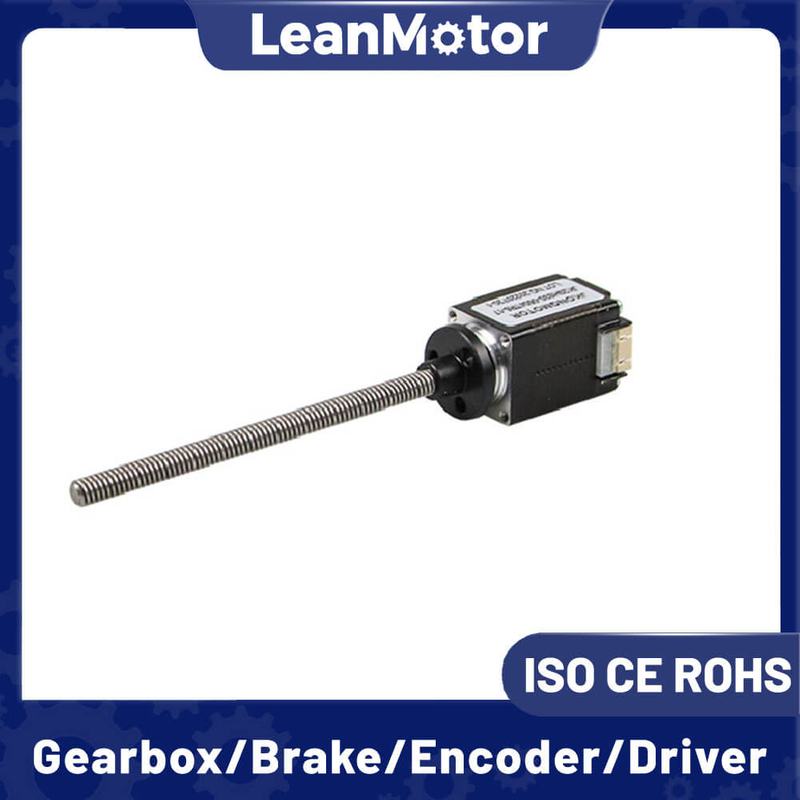
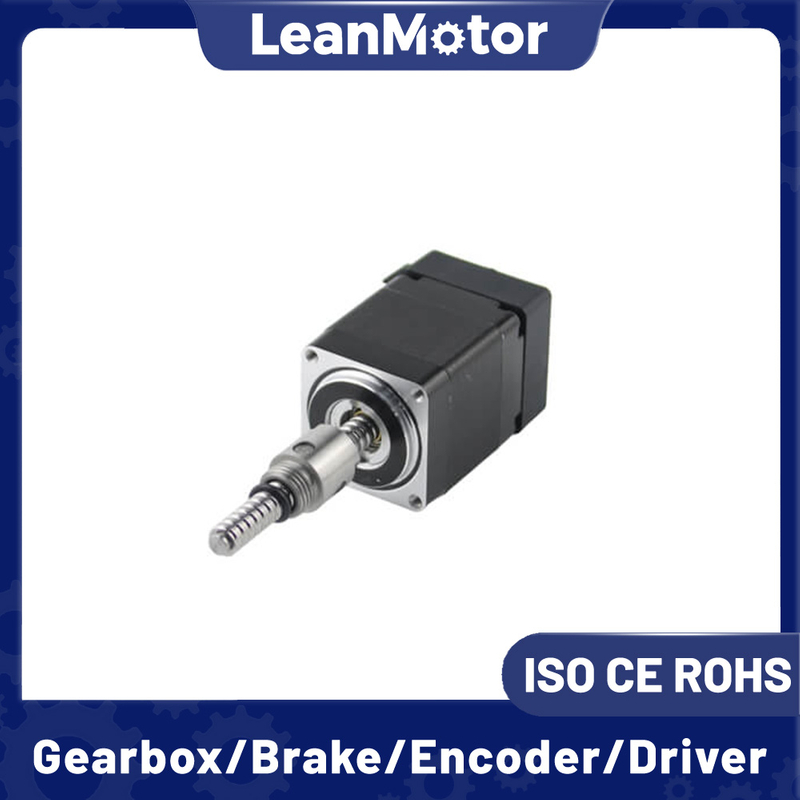
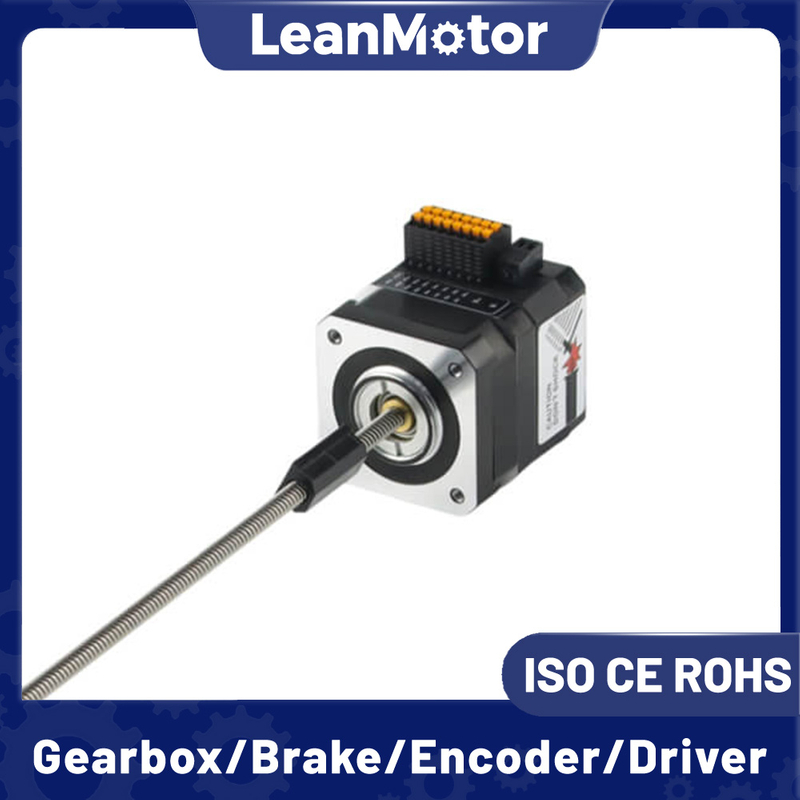
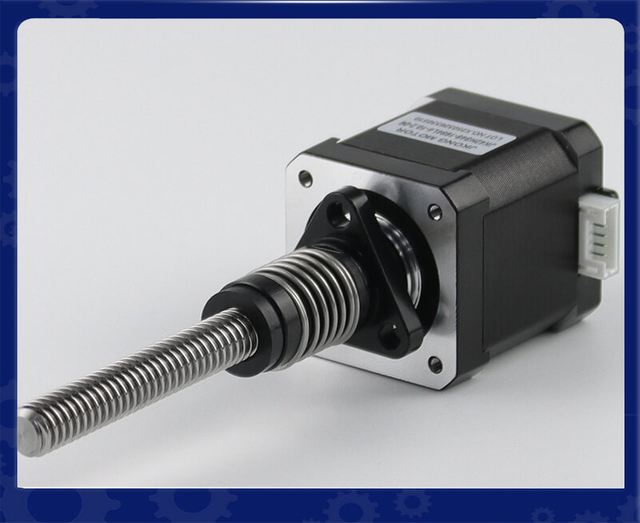
Linear stepper motors provide high-precision, clean, and reliable motion control for semiconductor manufacturing, enabling micron-level accuracy, low contamination, and efficient continuous operation, making them essential for advanced fabrication equipment.
What Makes Linear Stepper Motors Ideal for Semiconductor Equipment
Direct-Drive Precision with Minimal Mechanical Loss
Linear stepper motors deliver direct linear motion without intermediate transmission components, eliminating the inefficiencies and inaccuracies associated with belts, screws, or gears. This architecture ensures zero backlash, enabling highly accurate positioning that remains stable over long operational cycles. In semiconductor environments—where even microscopic deviations can affect yield—this level of precision allows for consistent wafer alignment and repeatable motion control without the need for complex compensation algorithms.
Cleanroom Compatibility and Contamination Control
Another defining advantage is their inherent suitability for cleanroom and vacuum environments. With fewer moving parts and reduced reliance on lubrication, linear stepper motors generate significantly lower particle emissions compared to traditional mechanical systems. This makes them ideal for processes such as lithography, inspection, and wafer handling, where contamination control is critical. Their design supports low-friction operation and minimal wear, directly contributing to higher process integrity and compliance with stringent semiconductor manufacturing standards.
Performance Comparison in Semiconductor Applications
Key Attribute
Linear Stepper Motor
Conventional Rotary + Screw System
Motion Transmission
Direct drive
Indirect (mechanical conversion)
Backlash
None
Present
Particle Generation
Low
Higher due to friction
Maintenance Requirement
Minimal
Frequent servicing needed
Positioning Accuracy
High (micron-level)
Moderate
This combination of precision, cleanliness, and simplified mechanics makes linear stepper motors a highly optimized solution for advanced semiconductor equipment, seamlessly aligning with the industry’s demand for accuracy, reliability, and contamination-free operation.
Semiconductor processes such as photolithography, wafer inspection, and die bonding require motion systems capable of sub-micron positioning accuracy. Linear stepper motors excel in this domain due to their:
Discrete step movement control
Consistent step resolution
Predictable motion without feedback dependency
We achieve repeatability levels that meet or exceed industry demands, ensuring that each wafer is processed with identical precision. This consistency is critical for maintaining high yield rates and minimizing defects.
Leanmotor Customized Service
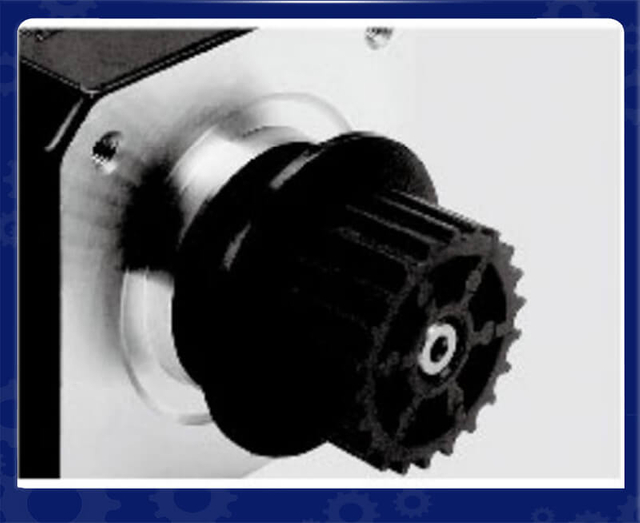
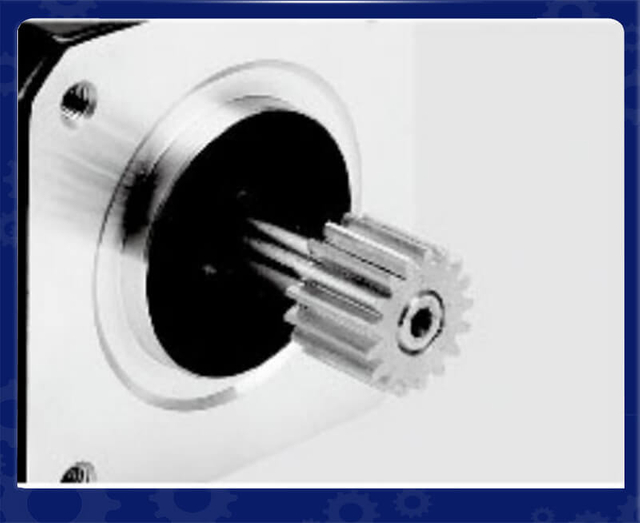
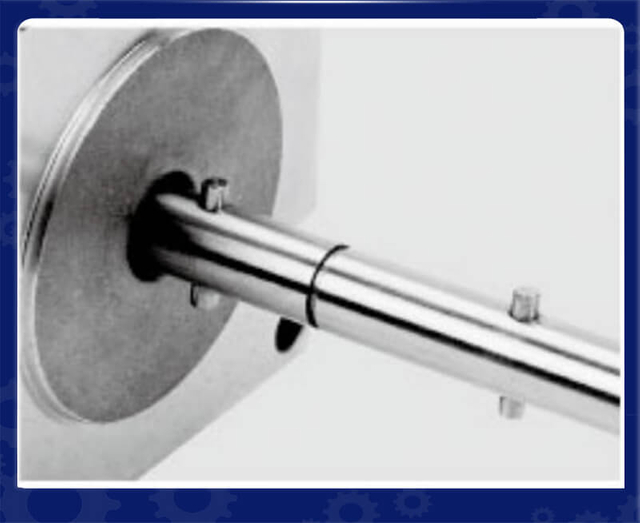
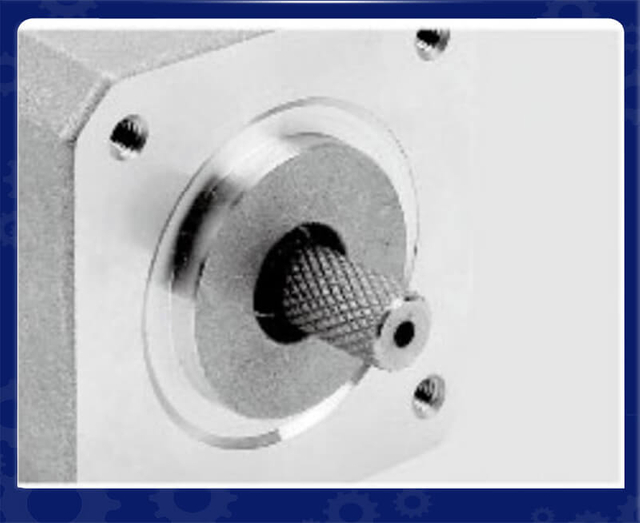
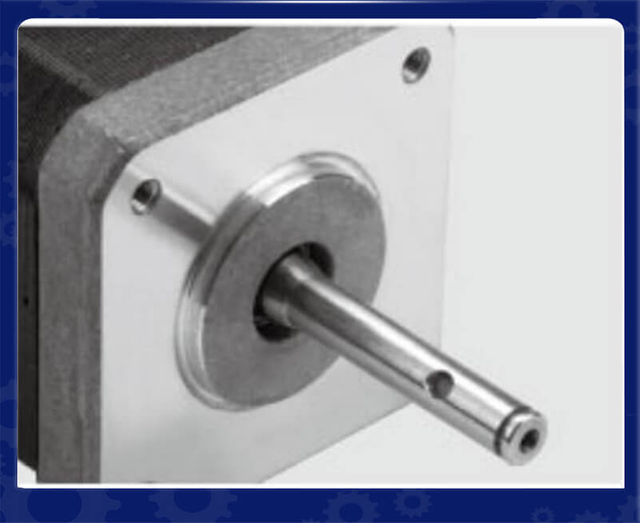
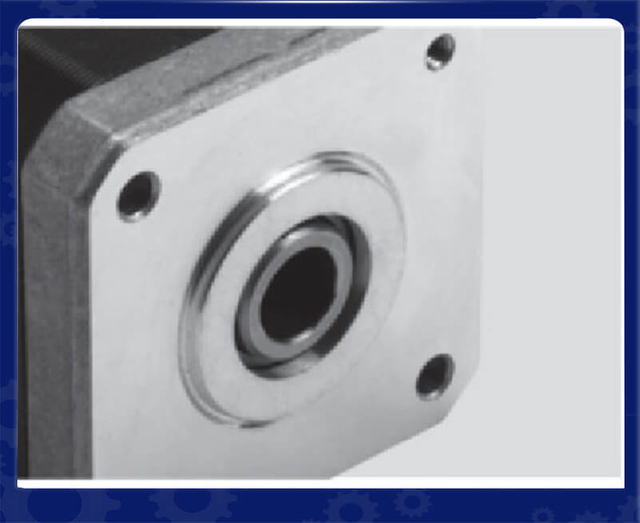
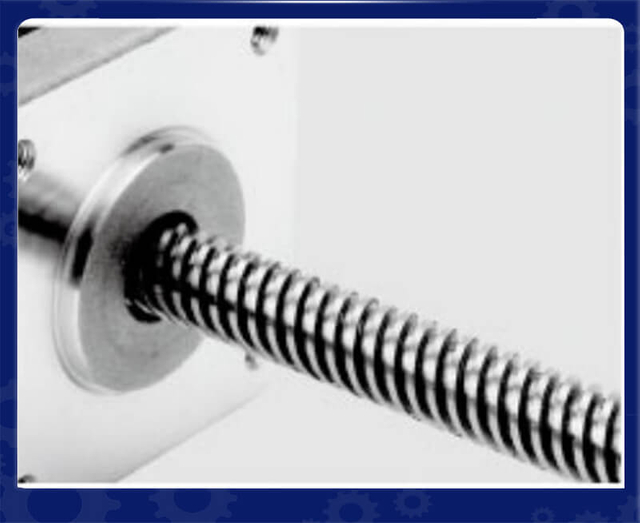
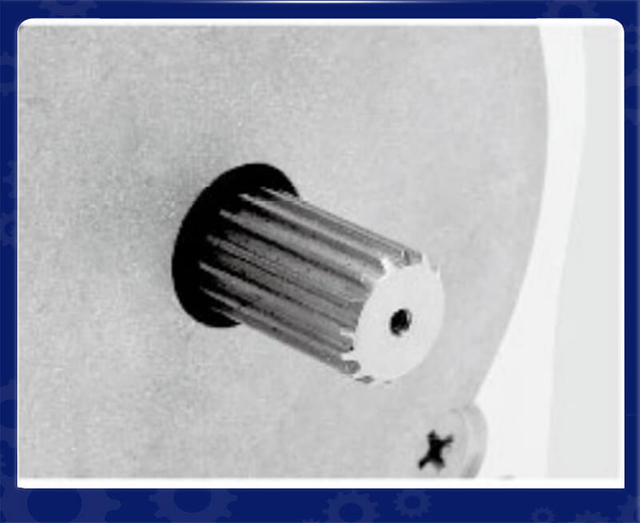
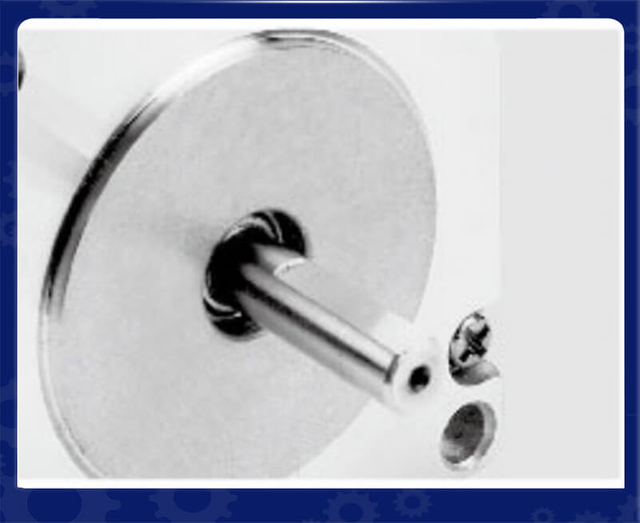
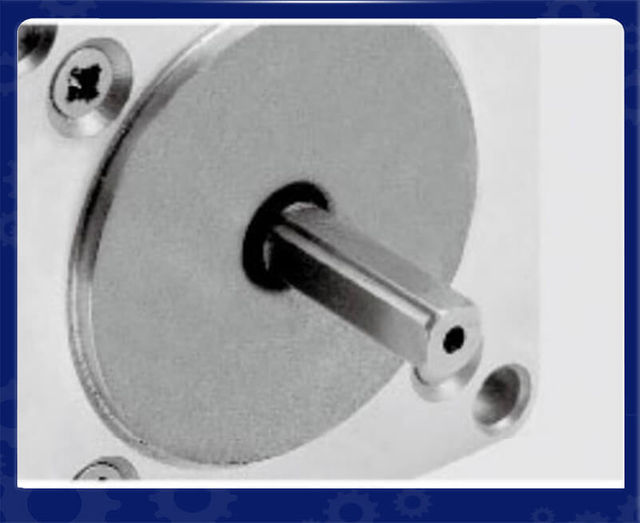
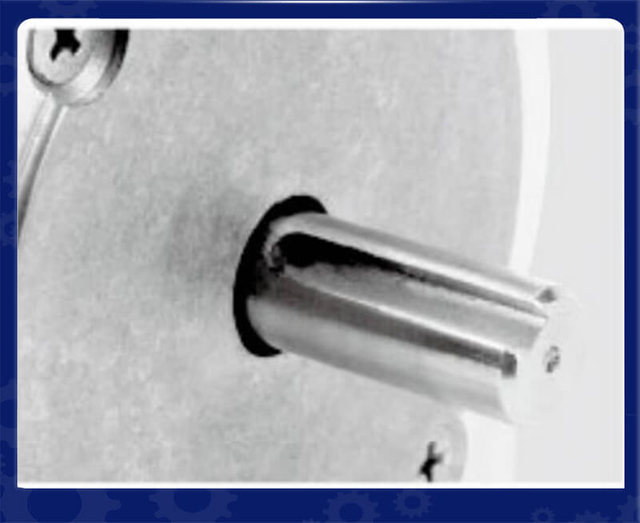
Customized Shaft Service
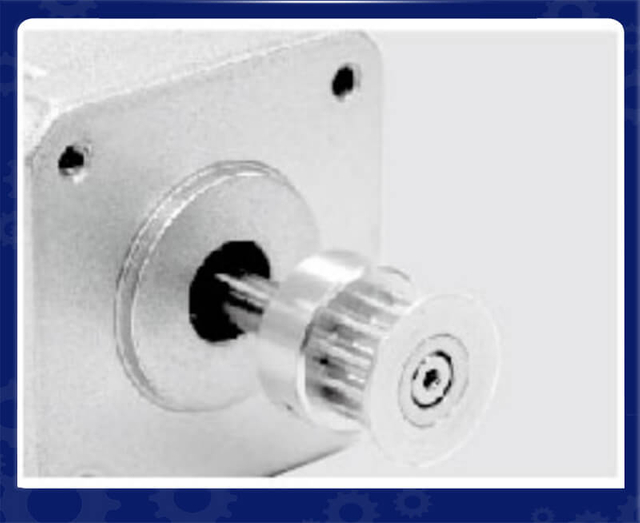
Metal Pulleys
Plastic Pulley
Gear
Shaft Pin
Threaded Shaft
Panel Mount
Hollow Shaft
Lead Screw
Panel Mount
Single Flat
Dual Flat
Key Shaft
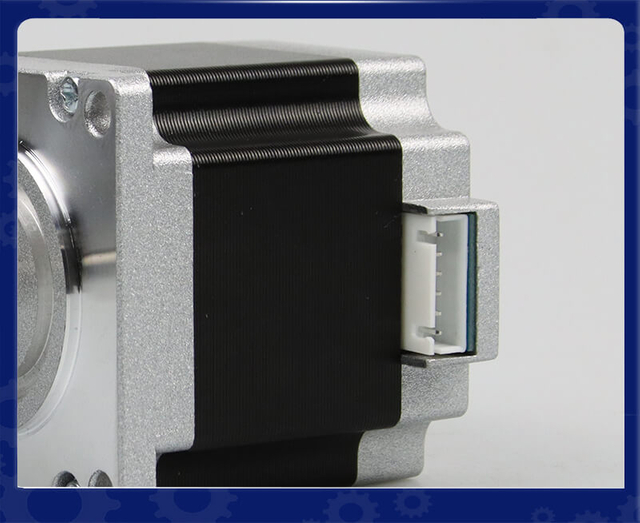
Customized Motor Service
Cables
Covers
Shaft
Lead Screw Rod
Encoders
Brakes
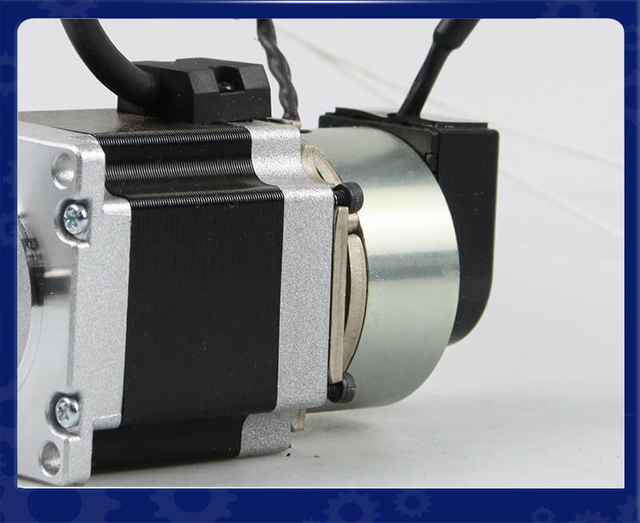
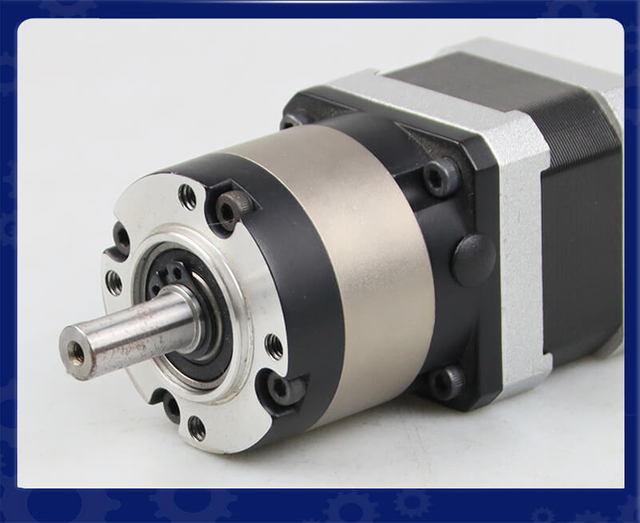
Gearboxes
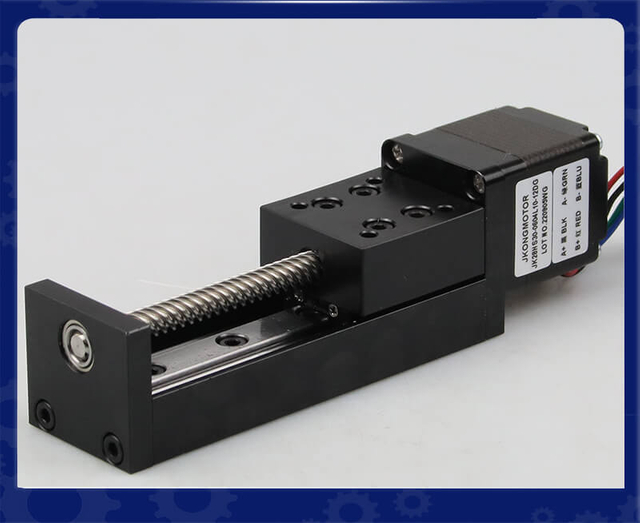
Linear Module
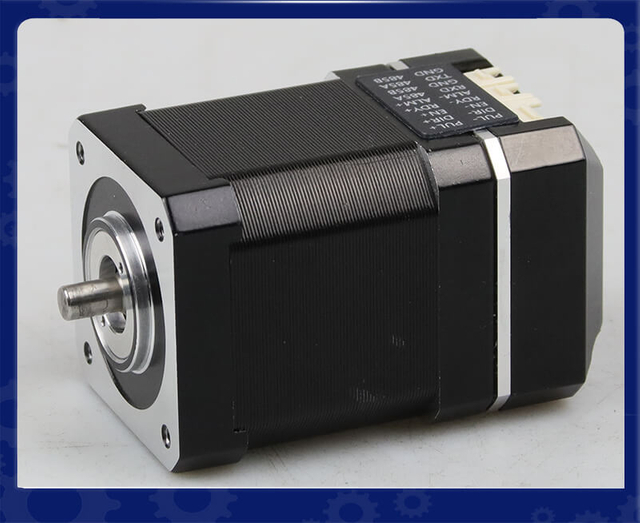
Integrated Drivers
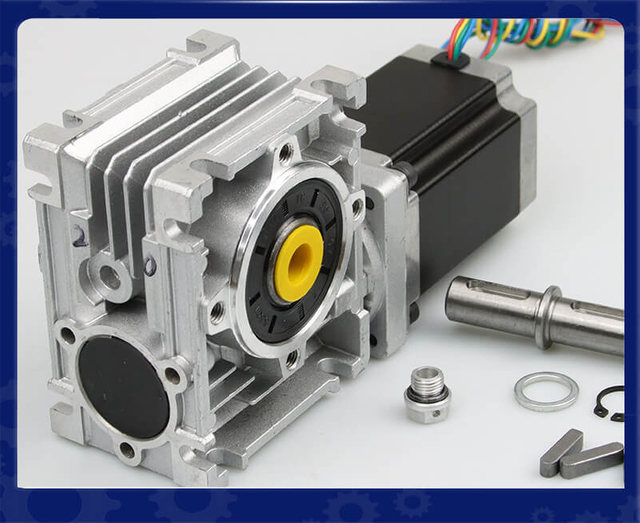
Worm Gearbox
Direct Drive Mechanism Eliminates Mechanical Complexity
Traditional motion systems often rely on rotary motors paired with ball screws or belt drives, introducing mechanical complexity and potential error sources. In contrast, linear stepper motors provide:
Direct linear actuation
Fewer moving parts
Reduced maintenance requirements
By eliminating intermediate transmission components, we significantly reduce:
Mechanical backlash
System inertia
Alignment errors
This leads to more stable operation and longer system lifespan, especially under continuous high-throughput conditions.
Cleanroom Compatibility and Low Particle Emission
Cleanroom environments demand strict contamination control, often classified under ISO standards. Linear stepper motors are inherently suitable because they:
Operate with minimal frictional contact
Require less lubrication compared to mechanical systems
Generate significantly fewer airborne particles
For semiconductor fabrication facilities, this translates into:
Improved process integrity
Reduced contamination risks
Compliance with stringent cleanroom standards
Additionally, specialized designs enable operation in ultra-high vacuum (UHV) environments, further expanding their applicability.
High Reliability in Continuous Operation
Semiconductor manufacturing is a 24/7 operation environment, where downtime is extremely costly. Linear stepper motors are engineered for:
Long operational life
Consistent performance over extended cycles
Resistance to thermal and mechanical stress
Their simple construction reduces failure points, allowing us to maintain high equipment uptime and predictable maintenance cycles.
Superior Control for Micro-Stepping and Smooth Motion
Advanced semiconductor processes require not only precision but also smooth motion profiles to prevent vibration-induced errors. Linear stepper motors support:
Micro-stepping control
Fine incremental positioning
Low vibration movement
This ensures:
Stable wafer transport
Accurate alignment during critical processes
Reduced mechanical shock
The result is enhanced process stability and improved product quality.
Compact Design for Space-Constrained Equipment
Modern semiconductor equipment is increasingly compact and modular, requiring motion components that fit within tight spatial constraints. Linear stepper motors offer:
Integrated structure
Slim form factor
Flexible mounting configurations
We can easily incorporate them into:
Wafer handling robots
Inspection stages
Packaging systems
Their compactness enables higher system integration density without sacrificing performance.
Energy Efficiency and Thermal Management
Energy consumption and thermal control are critical factors in semiconductor fabs. Linear stepper motors contribute to efficiency through:
Direct energy conversion with minimal losses
Reduced need for auxiliary cooling systems
Optimized current control
Lower heat generation helps maintain:
Stable environmental conditions
Reduced thermal drift in precision processes
Improved overall system reliability
Customization for Semiconductor Applications
In semiconductor manufacturing, standard motion solutions rarely meet the stringent and highly specialized requirements of advanced fabrication processes. We engineer customized linear stepper motor solutions to align precisely with the operational, environmental, and performance demands of semiconductor equipment. This level of customization ensures optimal integration, maximum reliability, and uncompromising precision across all process stages.
Tailored Stroke Length and Force Output
Different semiconductor applications require varying travel distances and thrust capabilities. We customize:
Stroke lengths ranging from ultra-short precision movements to extended linear travel
Force output profiles optimized for delicate wafer handling or high-load positioning tasks
Step resolution adjustments for ultra-fine positioning accuracy
This enables precise control in applications such as wafer transfer, die placement, and alignment systems, where even the smallest deviation can impact yield.
Vacuum-Compatible and Cleanroom-Ready Designs
Semiconductor environments often demand operation in cleanrooms (ISO Class 1–5) and vacuum conditions. We provide specialized configurations that include:
Low outgassing materials suitable for vacuum environments
Dry lubrication or lubrication-free designs to prevent contamination
Sealed motor structures to minimize particle emission
These features ensure compliance with strict contamination control standards, maintaining process integrity in sensitive fabrication steps.
Advanced Material Selection for Harsh Environments
Semiconductor processes may expose components to corrosive gases, temperature fluctuations, and chemical agents. To address this, we offer:
Corrosion-resistant coatings such as nickel plating or anodizing
Stainless steel or specialized alloy components
High-temperature resistant insulation systems
This enhances durability and ensures long-term stable operation even in aggressive process environments like etching or deposition chambers.
Integrated Position Feedback and Smart Control
While linear stepper motors inherently provide precise open-loop control, semiconductor applications often benefit from enhanced monitoring and feedback systems. We integrate:
Linear encoders for closed-loop positioning
Hall sensors for real-time motion tracking
Custom driver electronics for optimized micro-stepping control
These enhancements deliver higher accuracy, fault detection capability, and system intelligence, supporting advanced automation requirements.
Compact and Modular Integration Options
Space constraints in semiconductor equipment require highly compact and adaptable designs. We customize:
Motor dimensions and mounting interfaces
Integrated guide systems or hybrid assemblies
Cable routing and connector configurations
This allows seamless integration into wafer inspection systems, lithography stages, and robotic handling units, maximizing design flexibility.
Low Noise and Vibration Optimization
Precision processes demand minimal vibration and acoustic interference. We optimize motor design through:
Refined micro-stepping algorithms
Balanced electromagnetic structures
Damping-enhanced mechanical designs
This results in ultra-smooth motion profiles, critical for high-resolution imaging, metrology, and alignment applications.
Application-Specific Engineering Support
Beyond hardware customization, we provide application-driven engineering collaboration to ensure optimal performance. This includes:
Motion profile optimization for specific semiconductor processes
Thermal management strategies for continuous operation
System-level integration guidance for OEM equipment manufacturers
By aligning motor performance with real-world application demands, we enable higher throughput, improved yield, and reduced operational risk.
Through comprehensive customization, linear stepper motors become precision-engineered solutions tailored to the exact needs of semiconductor manufacturing equipment, delivering unmatched performance in even the most demanding environments.
Comparison with Alternative Motion Technologies
When compared to other motion solutions, linear stepper motors offer distinct advantages:
Feature
Linear Stepper Motor
Ball Screw System
Linear Servo Motor
Backlash
None
Present
None
Complexity
Low
High
Medium
Maintenance
Minimal
High
Medium
Cost Efficiency
High
Medium
Lower (higher cost)
Precision
High
Medium
High
While linear servo motors provide high performance, they often come with higher cost and system complexity. Linear stepper motors strike the ideal balance between performance, simplicity, and cost-effectiveness.
Applications in Semiconductor Manufacturing Equipment
Linear stepper motors are widely used across critical semiconductor processes, including:
Wafer Handling Systems
Precise positioning for loading and unloading wafers
Smooth motion to prevent wafer damage
Inspection and Metrology Equipment
High-resolution positioning for optical and electron inspection
Stable movement for accurate measurement
Lithography Systems
Fine alignment for pattern transfer accuracy
Repeatable motion for consistent exposure results
Packaging and Assembly
Controlled motion for die bonding and wire bonding
Reliable operation in high-speed production lines
Future Trends and Innovation
Intelligent Integration and Smart Control
As semiconductor manufacturing advances toward higher automation, linear stepper motors are increasingly designed with integrated intelligence. Built-in drivers, sensors, and closed-loop control capabilities enable real-time position correction and system optimization. This evolution reduces dependence on external controllers while improving motion accuracy, responsiveness, and system efficiency, making them ideal for next-generation smart fabrication equipment.
Miniaturization and Higher Precision Performance
The push for smaller semiconductor nodes is driving demand for ultra-compact and highly precise motion solutions. Linear stepper motors are evolving with finer step resolution, enhanced micro-stepping technology, and improved magnetic designs, allowing for sub-micron and even nanometer-level positioning. These advancements support critical processes such as advanced lithography and wafer inspection, where even the slightest deviation can impact production yield.
Enhanced Materials for Extreme Environments
Innovations in materials and surface treatments are enabling linear stepper motors to perform reliably in ultra-high vacuum (UHV), cleanroom, and chemically aggressive environments. The adoption of low outgassing materials, corrosion-resistant coatings, and advanced sealing structures ensures long-term stability while minimizing contamination risks. This makes them highly suitable for sensitive semiconductor processes requiring ultra-clean operating conditions.
Key Innovation Directions Overview
Trend Area
Development Focus
Industry Impact
Smart Integration
Embedded control & feedback systems
Higher automation and process reliability
Precision Enhancement
Micro-stepping & magnetic optimization
Improved accuracy and yield
Material Advancements
Low outgassing & anti-corrosion solutions
Cleanroom and vacuum compatibility
System Efficiency
Energy optimization & thermal control
Reduced operational cost and heat generation
These innovation trends ensure that linear stepper motors continue to align with the semiconductor industry's demand for greater precision, cleaner operation, and smarter manufacturing systems.
Conclusion
Linear stepper motors represent a critical enabling technology in semiconductor manufacturing equipment, delivering precision, reliability, and efficiency in one compact solution. Their direct-drive design, cleanroom compatibility, and superior motion control capabilities make them indispensable for modern fabrication processes. By integrating linear stepper motors, we achieve higher accuracy, reduced maintenance, and improved production yields, positioning semiconductor manufacturers for sustained technological advancement and operational excellence.
FAQs
Q:Why are linear stepper motors widely used in semiconductor equipment?
A: Linear stepper motors are widely adopted because they provide direct-drive motion with zero backlash, ensuring high precision and repeatability. Their simplified mechanical structure reduces wear, making them ideal for cleanroom environments and high-accuracy semiconductor processes.
Q: What level of positioning accuracy can linear stepper motors achieve?
A: LeanMotor linear stepper motors can achieve micron-level and even sub-micron positioning accuracy, depending on the configuration. This makes them suitable for critical applications such as wafer alignment, inspection, and lithography.
Q: How do linear stepper motors reduce contamination in cleanrooms?
A: These motors feature minimal friction components and reduced lubrication requirements, resulting in low particle generation. LeanMotor also offers cleanroom-compatible designs using low outgassing materials to meet strict semiconductor standards.
Q: Are linear stepper motors suitable for vacuum environments?
A: Yes, LeanMotor provides vacuum-compatible linear stepper motors designed with special materials and coatings to ensure stable operation in ultra-high vacuum (UHV) environments commonly used in semiconductor manufacturing.
Q: What are the advantages over traditional ball screw systems?
A: Compared to ball screw systems, linear stepper motors offer zero backlash, fewer mechanical parts, lower maintenance, and higher reliability. They eliminate mechanical transmission losses, improving overall system efficiency and precision.
Q:Can linear stepper motors operate continuously in high-throughput production?
A: LeanMotor designs motors for 24/7 industrial operation, ensuring long service life and consistent performance. Their robust structure minimizes downtime and supports continuous semiconductor production environments.
Q: What types of semiconductor equipment use linear stepper motors?
A: These motors are used in wafer handling systems, inspection equipment, lithography machines, and semiconductor packaging systems, where precise linear motion is critical.
Q: Do linear stepper motors require complex control systems?
A: No, they can operate in open-loop systems for simplicity or be upgraded to closed-loop configurations with feedback for enhanced accuracy. LeanMotor offers flexible control solutions tailored to application needs.
Q: Can linear stepper motors be customized for specific applications?
A: Yes, LeanMotor provides full customization, including stroke length, force output, mounting design, materials, and integrated sensors, ensuring perfect compatibility with semiconductor equipment.
Q: How do linear stepper motors improve overall production efficiency?
A: By delivering precise, reliable, and low-maintenance motion, these motors reduce errors, minimize downtime, and enhance throughput, leading to higher yield rates and optimized manufacturing efficiency.