What Features Should an Integrated Servo Motor for Pharmaceutical Machines Have?
Views: 0 Author: Site Editor Publish Time: 2026-04-24 Origin: Site
Precision-Driven Motion Control for Pharmaceutical Excellence
In pharmaceutical manufacturing, precision is not optional—it is regulatory, operational, and commercial necessity. We design and select integrated servo motors not merely as motion components, but as critical enablers of accuracy, repeatability, and compliance. From tablet presses to filling lines, every micron of positioning and every millisecond of timing matters. Therefore, the features of an integrated servo motor must align tightly with the strict demands of GMP (Good Manufacturing Practice) environments.
What Is an Integrated Servo Motor in Pharmaceutical Systems?
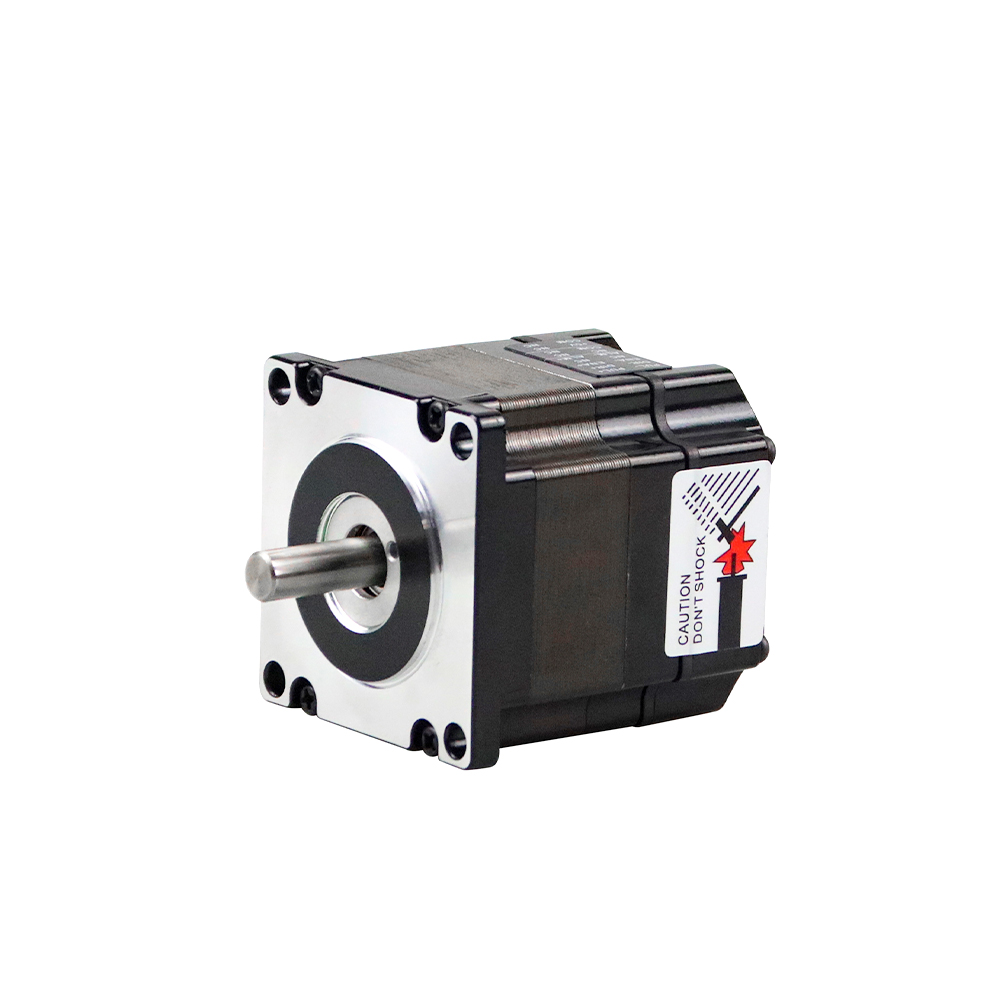
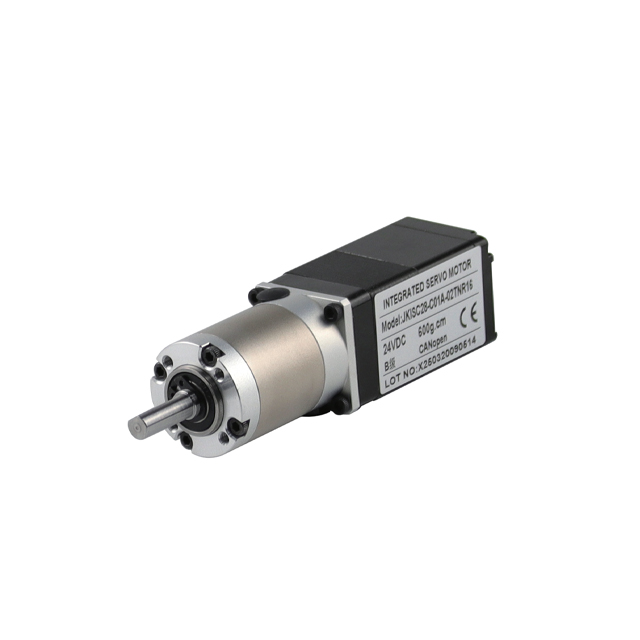
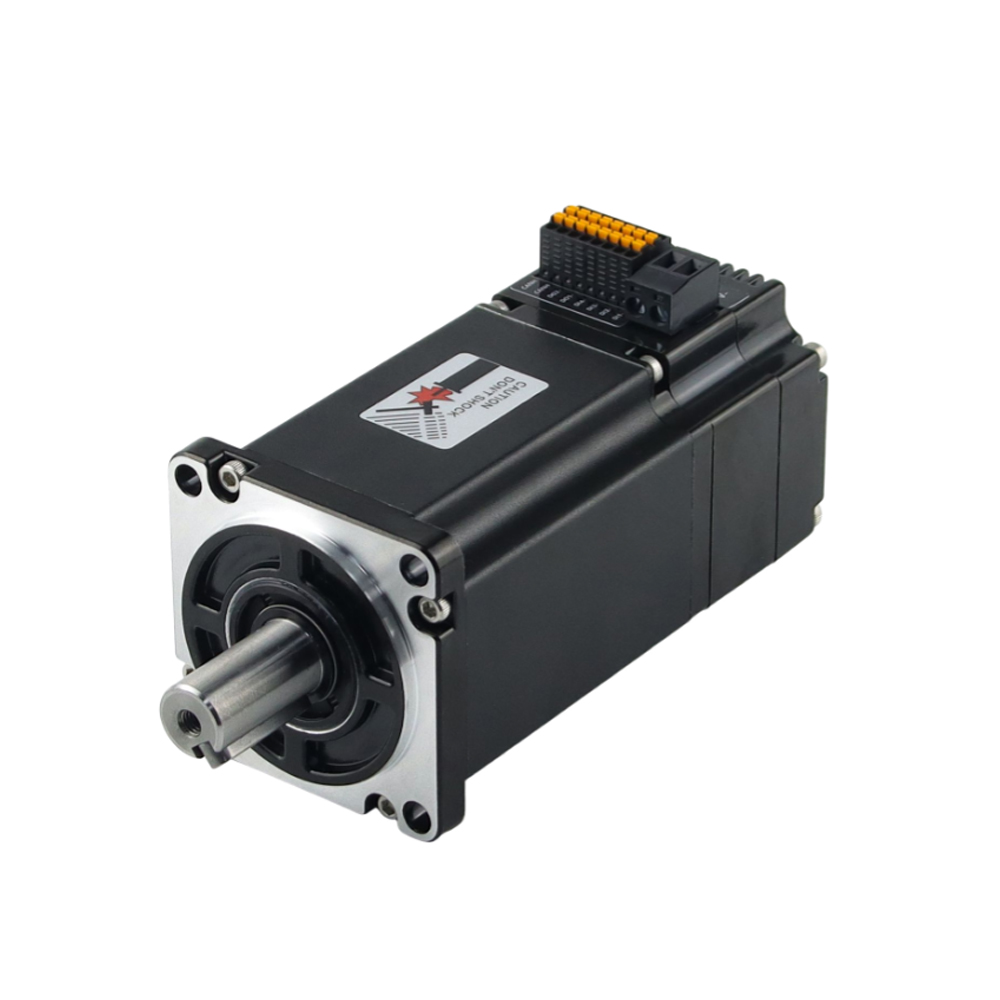
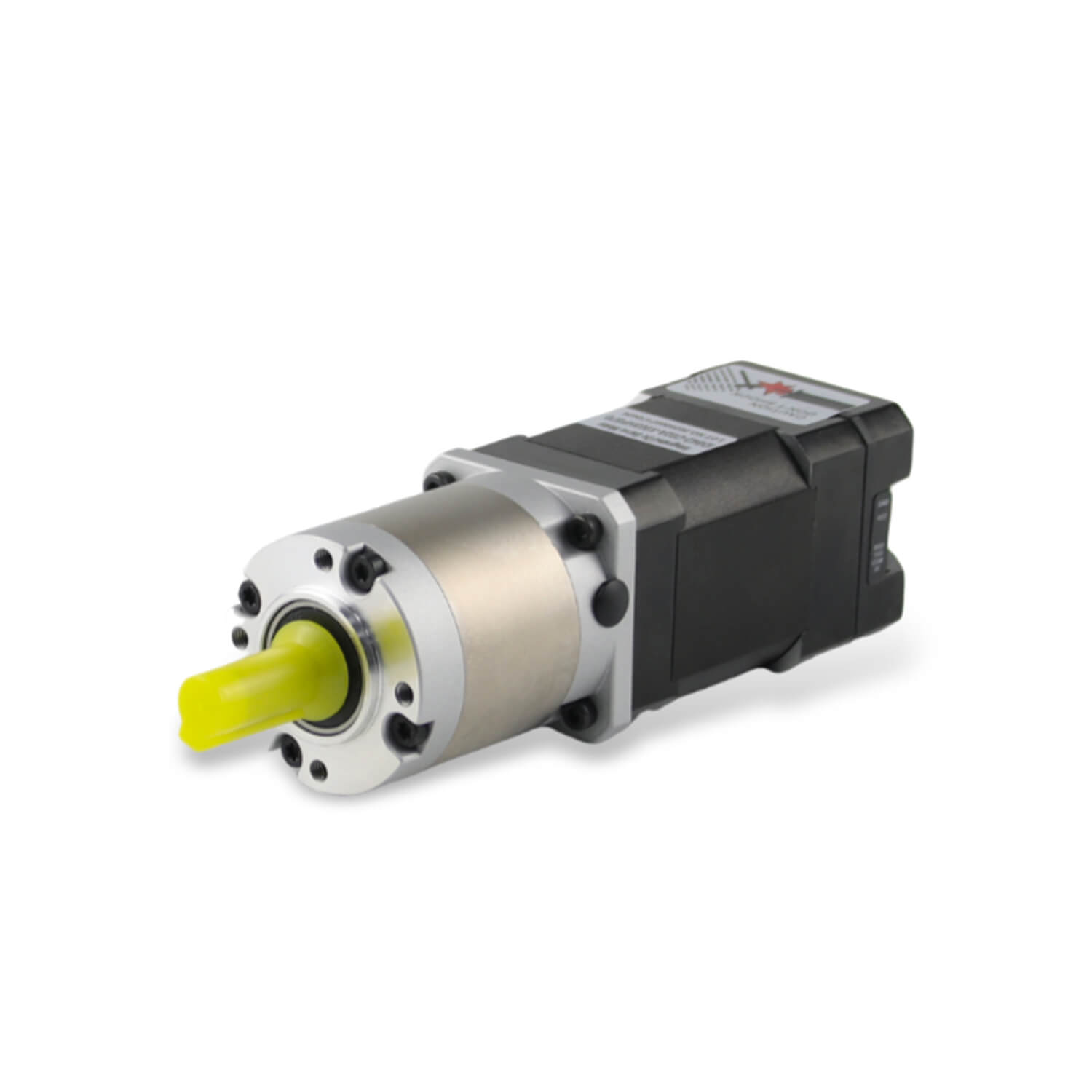
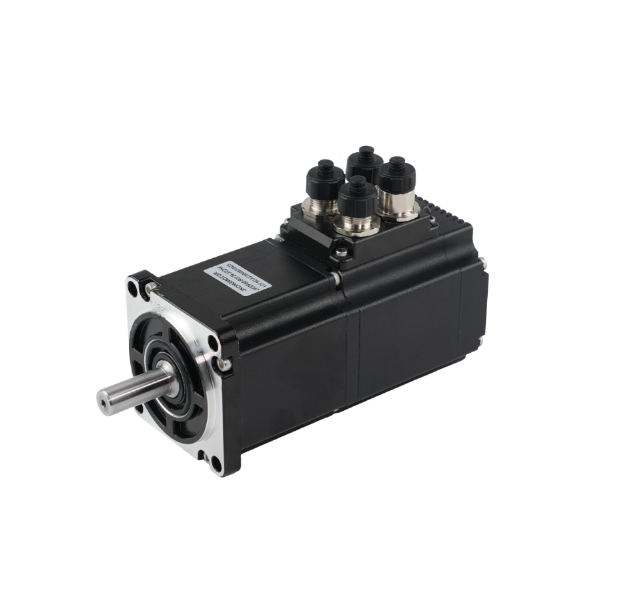
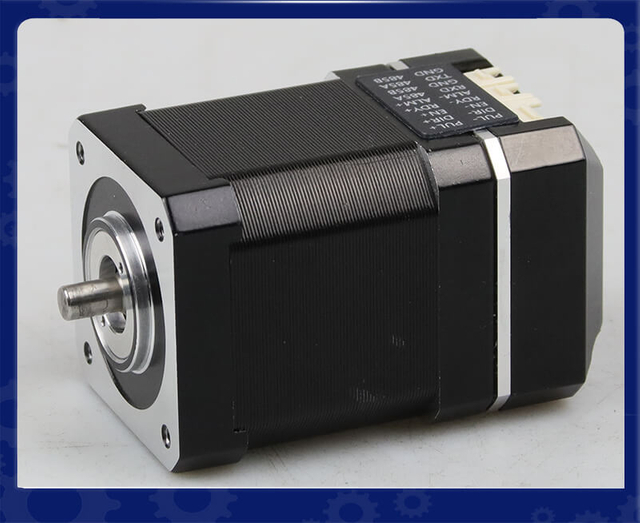
Anintegrated servo motorcombines the motor, drive, encoder, and controller into a single compact unit. This architecture eliminates the need for separate drive cabinets and significantly reduces wiring complexity. In pharmaceutical machines, this translates to:
Cleaner machine design
Reduced contamination risk
Faster installation and commissioning
Improved system reliability
We prioritize integrated solutions because they support modular machine architectures, which are increasingly common in modern pharmaceutical production lines.
Pharmaceutical processes demand exceptional motion accuracy, especially in applications such as:
Tablet compression force control
Capsule filling
Liquid dosing and dispensing
An integrated servo motor must deliver:
High-resolution encoders (typically 17-bit to 23-bit or higher)
Closed-loop feedback systems for real-time correction
Minimal positioning error and drift
Consistent Repeatability Across Cycles
Batch consistency is a regulatory requirement. We ensure that every motion cycle is identical by selecting motors with:
Stable torque output
Low hysteresis
Advanced servo algorithms for motion smoothing
Leanmotor Customized Service
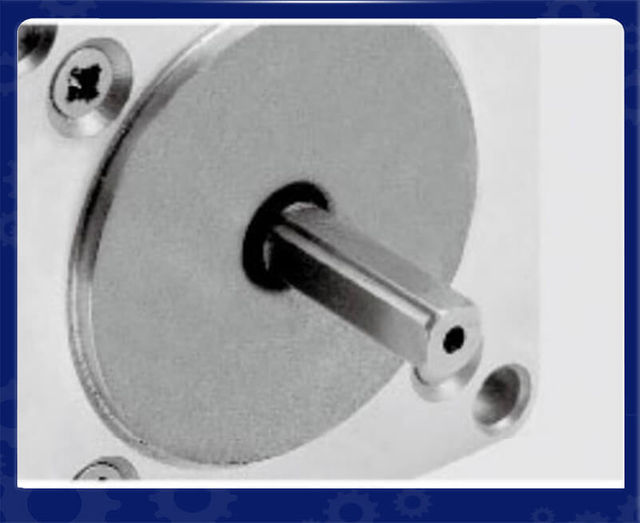
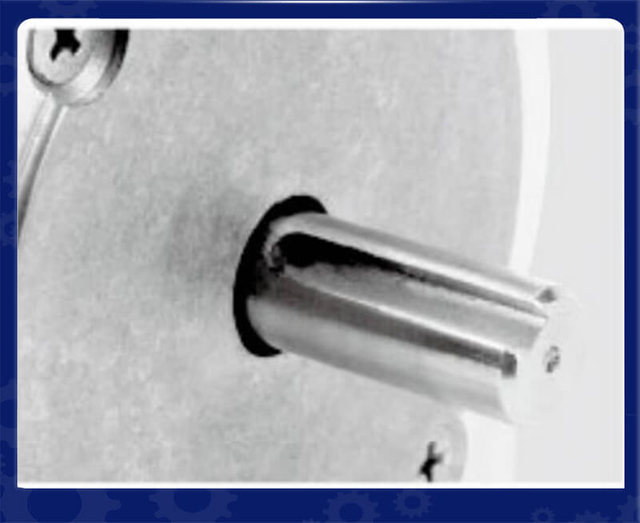
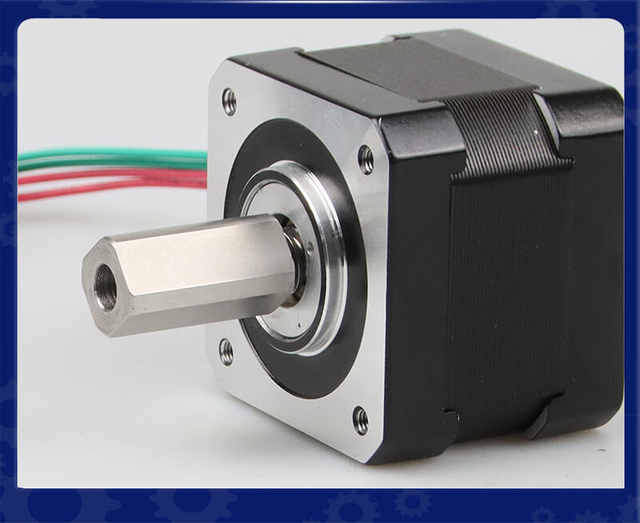
Customized Shaft Service
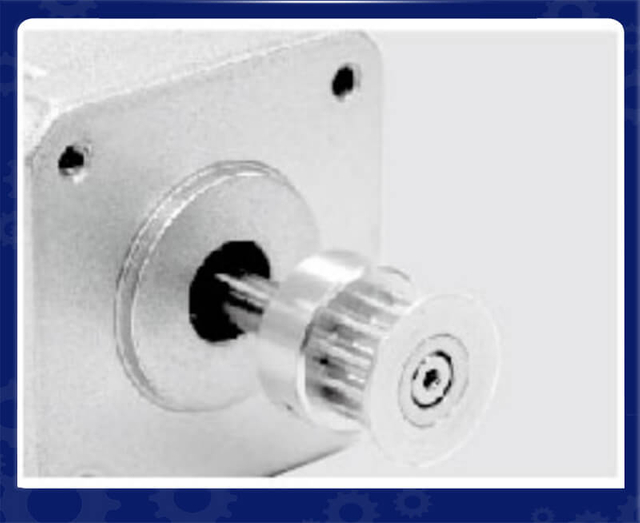
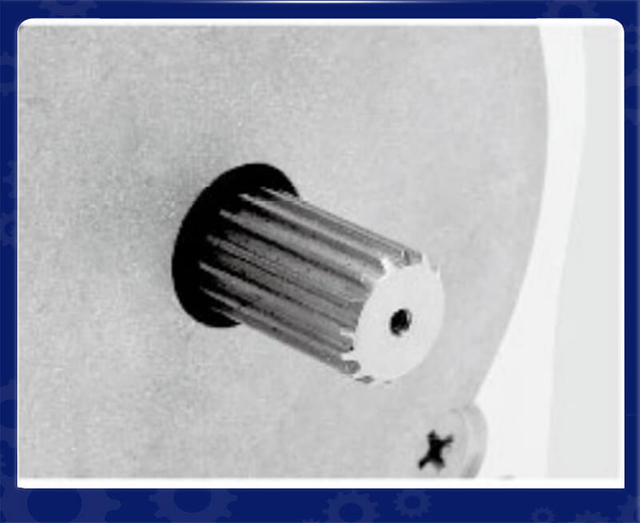
Metal Pulleys
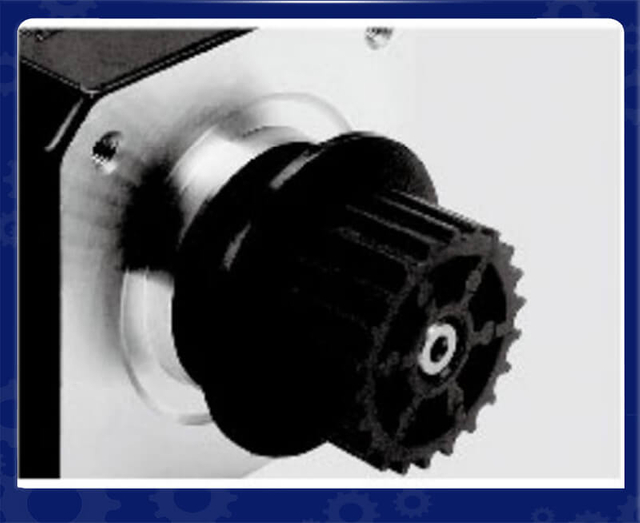
Plastic Pulley
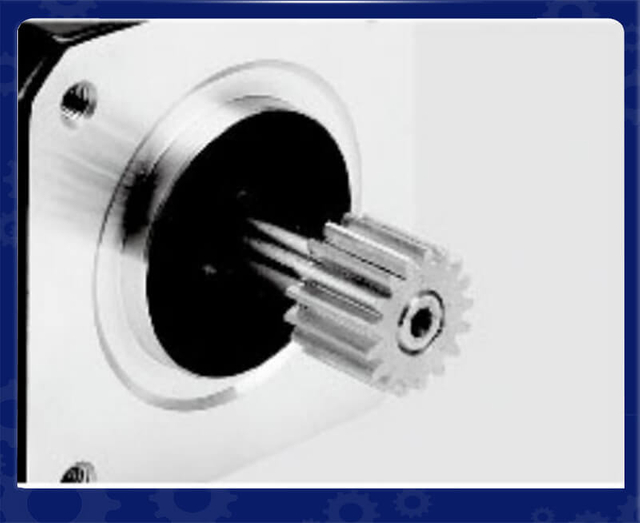
Gear
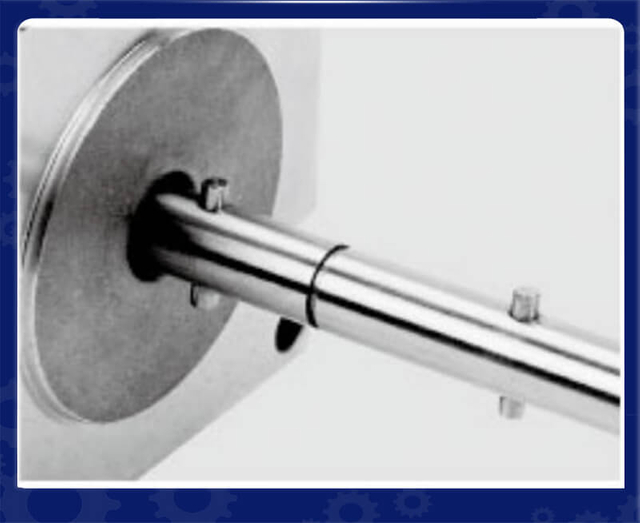
Shaft Pin
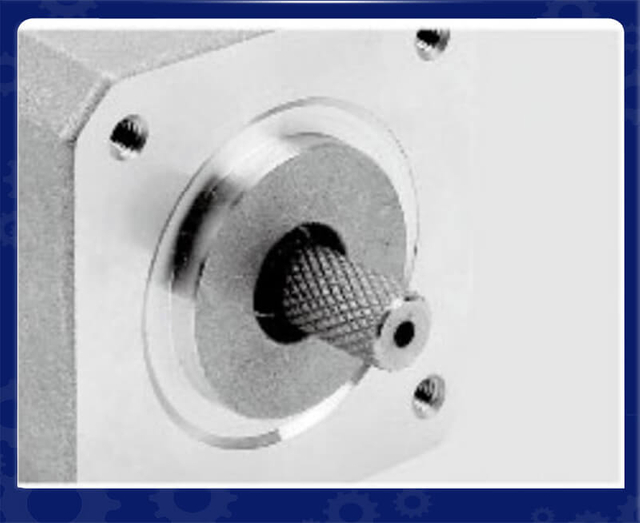
Threaded Shaft
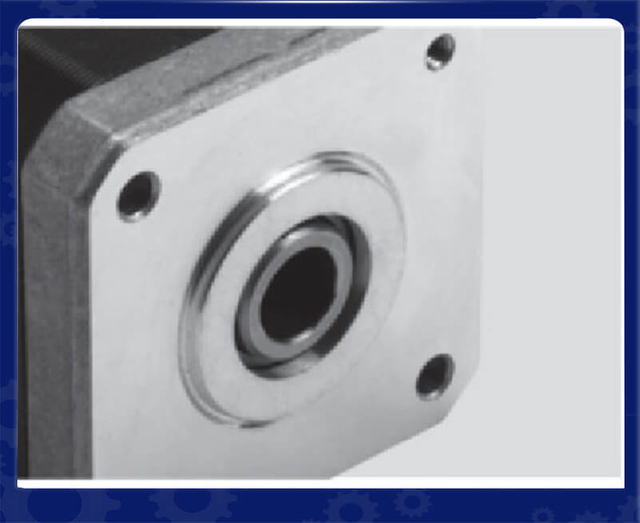
Panel Mount
Hollow Shaft
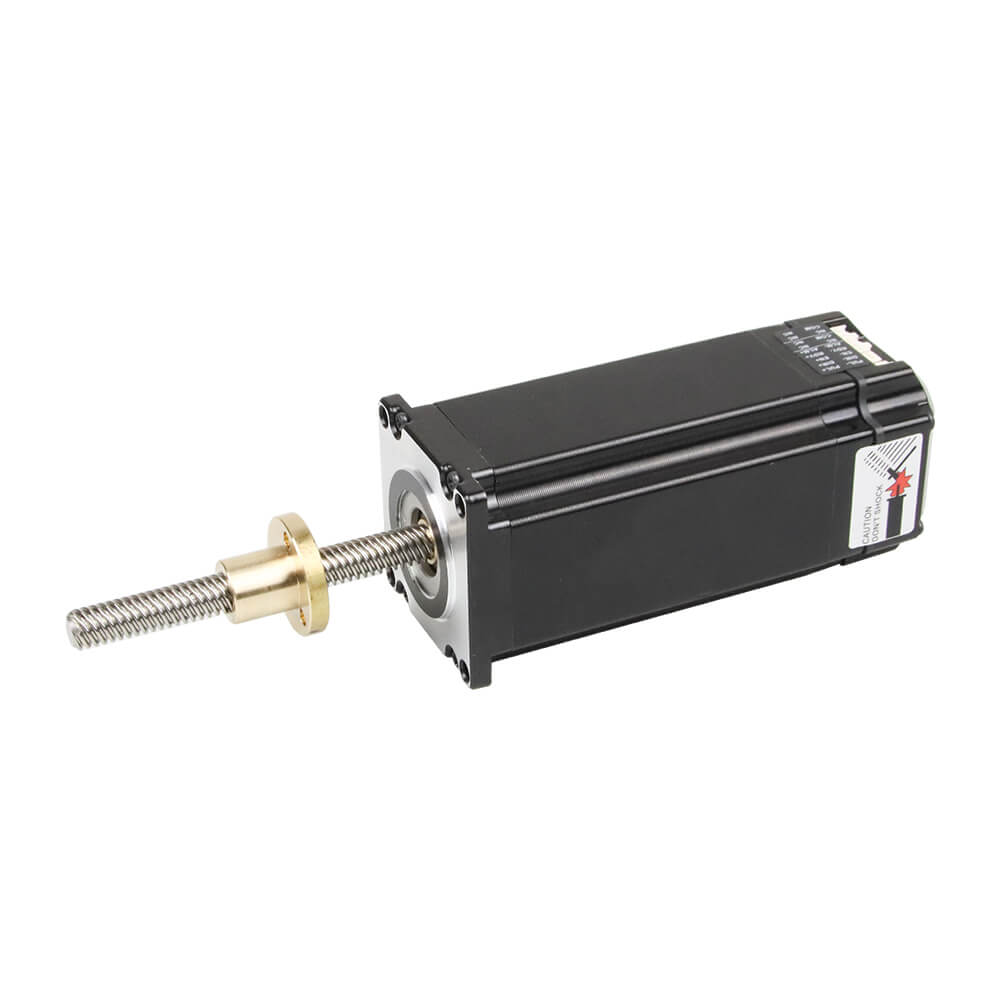
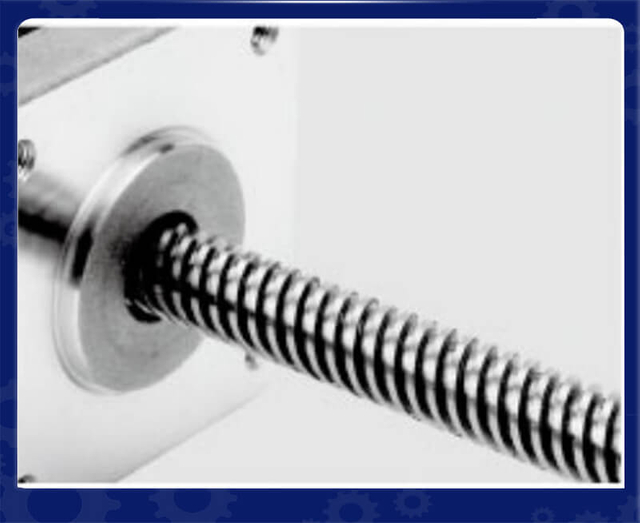
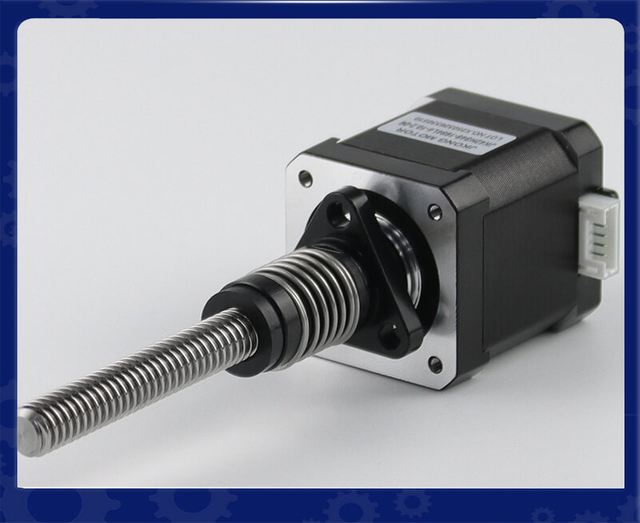
Lead Screw
Panel Mount
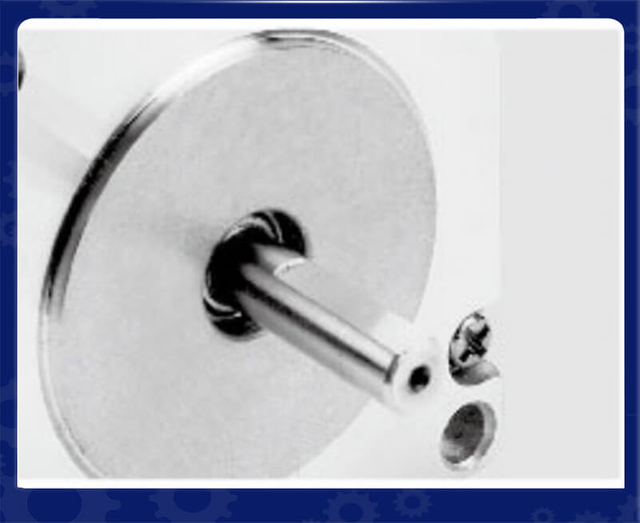
Single Flat
Dual Flat
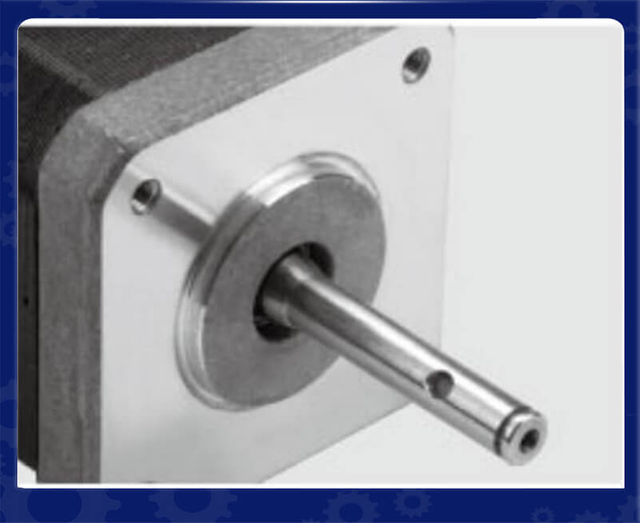
Key Shaft
Customized Motor Service
Cables
Covers
Shaft
Lead Screw Rod
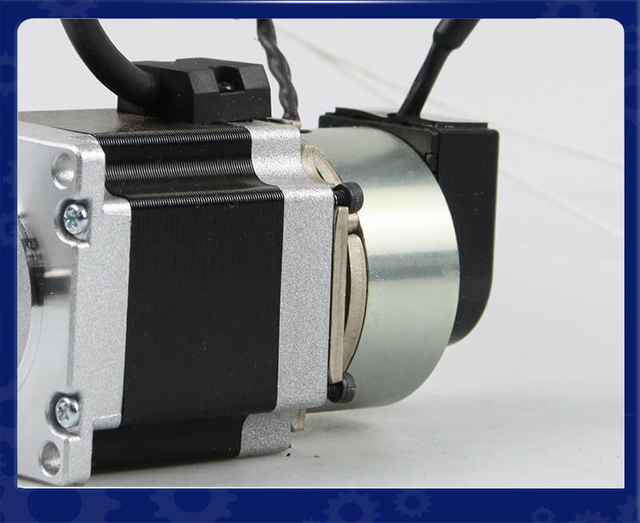
Encoders
Brakes
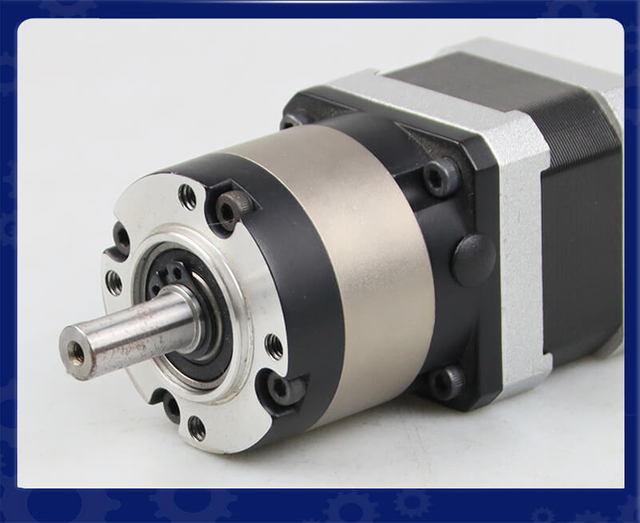
Gearboxes
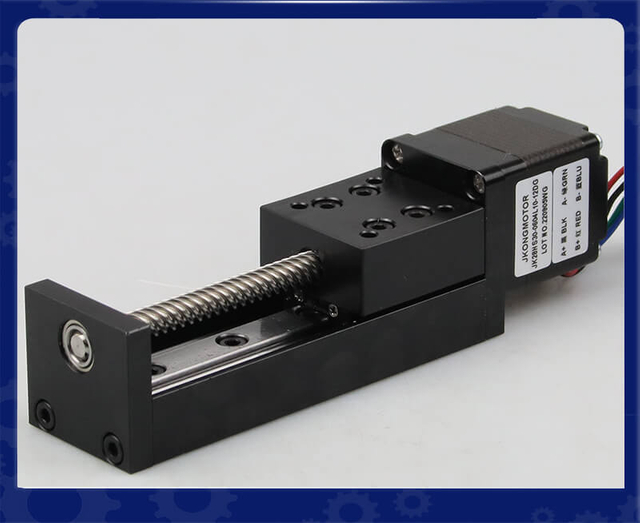
Linear Module
Integrated Drivers
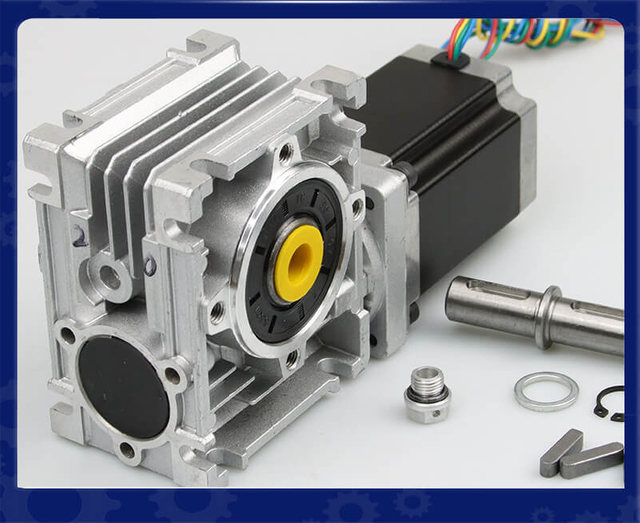
Worm Gearbox
Compact Design for Hygienic Machine Integration
Space-Saving Architecture
Pharmaceutical machines often operate in space-constrained cleanroom environments. Integrated servo motors reduce footprint by eliminating:
External drives
Long cable runs
Control cabinets
This enables more compact machine layouts and improved accessibility for maintenance.
Smooth Surfaces and Hygienic Design
A critical feature is the hygienic motor housing, which must include:
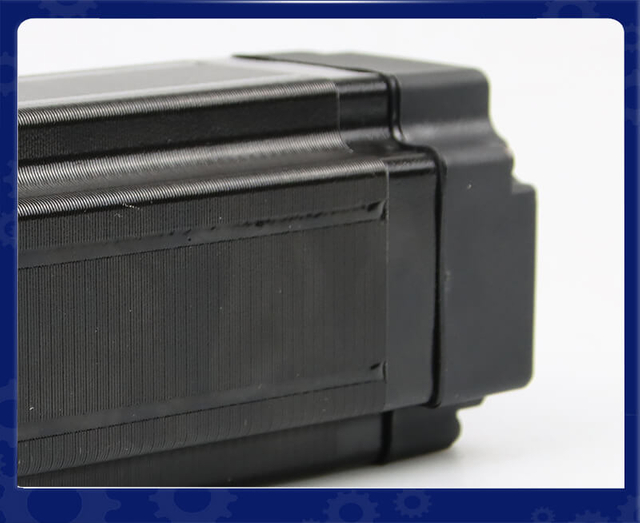
Smooth, crevice-free surfaces
Stainless steel or coated aluminum construction
IP65/IP67 protection ratings
These characteristics prevent particle accumulation and microbial growth, supporting strict cleanroom standards.
Advanced Environmental Protection
Sealed for Washdown and Chemical Exposure
Pharmaceutical environments involve frequent cleaning using aggressive disinfectants and washdown procedures. Integrated servo motors must offer:
High ingress protection (IP65 to IP69K)
Chemical-resistant seals and coatings
Corrosion-resistant materials
Temperature and Humidity Stability
Motors must operate reliably under varying environmental conditions, including:
Temperature fluctuations in production areas
High humidity in sterile zones
We prioritize motors with robust thermal management systems and stable performance across temperature ranges.
Low Noise and Vibration for Sensitive Applications
In pharmaceutical manufacturing, noise and vibration are not merely mechanical side effects—they directly influence product quality, process stability, and compliance. We engineer integrated servo motor systems to deliver ultra-smooth motion profiles, ensuring that even the most sensitive applications operate with absolute consistency and minimal disturbance.
Why Low Noise and Vibration Matter in Pharma Equipment
Sensitive processes such as tablet compression, capsule filling, liquid dosing, and vision inspection require an environment where mechanical disturbances are tightly controlled. Excessive vibration can lead to:
Inconsistent fill weights or dosage inaccuracies
Particle segregation in powders
Reduced inspection accuracy in high-speed vision systems
Accelerated wear of precision mechanical components
By minimizing vibration and acoustic noise, we ensure stable process conditions and repeatable outcomes, which are essential for regulatory compliance.
Advanced Motor Design for Smooth Operation
Integrated servo motors designed for pharmaceutical use incorporate refined electromagnetic and mechanical engineering to reduce unwanted motion artifacts. Key design features include:
Low cogging torque to eliminate torque ripple at low speeds
Optimized stator and rotor geometry for uniform magnetic flux distribution
High-quality bearings that minimize mechanical friction and resonance
Precision balancing of rotating components to reduce dynamic vibration
These elements work together to deliver exceptionally smooth torque output across the entire speed range.
High-Resolution Feedback for Motion Stability
Accurate feedback is essential for suppressing vibration. We implement:
High-resolution absolute encoders (up to 23-bit or higher)
Real-time closed-loop control systems
Advanced servo tuning algorithms
This enables the motor to continuously correct position and velocity deviations, ensuring stable and vibration-free motion, even under varying load conditions.
Optimized Servo Control Algorithms
Modern integrated servo motors utilize intelligent control strategies to further reduce noise and vibration:
Adaptive gain tuning for different load profiles
Feedforward control to anticipate motion demands
Jerk-limited motion profiles to eliminate sudden mechanical shocks
These algorithms ensure that acceleration and deceleration occur smoothly and predictably, protecting both the product and the machine.
Acoustic Noise Reduction for Cleanroom Environments
Pharmaceutical cleanrooms demand not only cleanliness but also low acoustic disturbance. Integrated servo motors are designed with:
Quiet switching electronics
Optimized PWM (Pulse Width Modulation) strategies
Damped motor housings to absorb sound emissions
The result is near-silent operation, improving working conditions and supporting noise-sensitive inspection and monitoring systems.
Structural Integration and Resonance Control
Mechanical integration plays a critical role in vibration suppression. We ensure:
Rigid motor mounting interfaces to prevent structural amplification
Compact integrated design that reduces transmission paths for vibration
Resonance avoidance through system-level tuning
By addressing vibration at both the motor and machine design levels, we achieve holistic stability across the entire system.
Ultimately, this leads to greater confidence in product quality and regulatory compliance, which are critical in pharmaceutical production environments.
Integrated Safety and Compliance Features
In pharmaceutical manufacturing, safety and regulatory compliance are engineered into the motion system—not added afterward. Integrated servo motors must provide built-in functional safety, data integrity, and validation-ready operation to meet the stringent demands of GMP-regulated environments. We specify solutions that reduce external components while elevating machine safety, audit readiness, and lifecycle traceability.
Modern integrated servo motors embed certified safety functions directly within the drive electronics, eliminating the need for separate safety relays and reducing wiring complexity. Essential capabilities include:
Safe Torque Off (STO): Immediately removes motor torque without cutting control power, enabling fast, safe intervention during faults or emergency stops.
Safe Stop 1 (SS1): Executes a controlled deceleration before torque removal, protecting both product and mechanics.
Safe Limited Speed (SLS): Restricts motor speed during setup or maintenance modes to safeguard operators.
Safe Direction (SDI) & Safe Position (SP): Ensures motion occurs only within defined limits and directions.
These features are typically certified to ISO 13849 (PL d/e) and IEC 61508 (SIL 2/3), enabling machine builders to simplify safety architecture while achieving high performance levels.
GMP-Ready Design for Hygienic and Validated Operation
Compliance with Good Manufacturing Practice (GMP) requires components that support cleanability, traceability, and consistent performance. Integrated servo motors must incorporate:
Hygienic housings with smooth, crevice-free surfaces to prevent contamination buildup
Sealed enclosures (IP65–IP69K) suitable for washdown procedures
Corrosion-resistant materials compatible with disinfectants
From a validation standpoint, motors should be delivered with complete technical documentation, including material declarations and performance specifications to support IQ/OQ (Installation/Operational Qualification).
Data Integrity and 21 CFR Part 11 Alignment
Pharmaceutical production increasingly relies on electronic records and audit trails. Integrated servo systems must support:
Secure parameter management with controlled access levels
Event logging and timestamped fault history
Tamper-resistant firmware and configuration control
When connected to compliant control systems, these capabilities help align with 21 CFR Part 11, ensuring data integrity, traceability, and audit readiness.
Safe and Deterministic Communication Protocols
Reliable communication is essential for both motion coordination and safety signaling. Integrated servo motors should support:
Fail-safe industrial networks such as FSoE (Fail Safe over EtherCAT) or PROFIsafe
Deterministic real-time communication for synchronized multi-axis control
Redundant communication paths where required for critical processes
This ensures that safety commands are executed instantly and predictably, even in complex, high-speed pharmaceutical machinery.
Thermal, Electrical, and Mechanical Protection
Integrated servo motors must continuously monitor and protect themselves against abnormal conditions. Key protection mechanisms include:
Overtemperature protection via embedded thermal sensors
Overcurrent and overvoltage safeguards
Short-circuit and ground fault detection
Mechanical overload monitoring
These protections prevent unexpected failures, product loss, and costly downtime, while maintaining safe operating conditions.
Simplified Validation and Documentation Support
A critical requirement in pharmaceutical environments is the ability to validate every component within the machine. Integrated servo motor suppliers should provide:
This level of transparency supports faster validation cycles and ensures compliance during audits by regulatory authorities.
Cybersecurity and Access Control
As machines become more connected, cybersecurity becomes part of compliance. Integrated servo systems must include:
User authentication and role-based access control
Encrypted communication where applicable
Firmware integrity protection
These measures safeguard intellectual property, process parameters, and regulatory data, reducing the risk of unauthorized changes.
System-Level Safety Integration
Beyond the motor itself, integrated servo solutions must seamlessly interact with the broader machine safety system. This includes:
Compatibility with safety PLCs and controllers
Standardized safety function blocks for easy programming
Coordinated multi-axis safety behavior
This ensures that the entire machine operates as a cohesive, safety-certified system, rather than a collection of independent components.
Operational Benefits for Pharmaceutical Manufacturers
By integrating safety and compliance directly into the servo motor, we achieve:
Reduced system complexity and wiring effort
Faster certification and time-to-market
Lower risk of non-compliance during audits
Enhanced operator safety and machine reliability
Ultimately, these features enable manufacturers to maintain continuous, compliant production while minimizing risk and maximizing efficiency.
Seamless Communication and Connectivity
Industrial Network Compatibility
Pharmaceutical machines rely on real-time communication networks for synchronization and control. Integrated servo motors must support:
EtherCAT
PROFINET
EtherNet/IP
Modbus TCP
This ensures fast data exchange, precise coordination, and easy system integration.
Plug-and-Play Integration
We emphasize motors with:
Auto-configuration capabilities
Predefined motion profiles
Simplified commissioning tools
This reduces engineering time and accelerates machine deployment.
Energy Efficiency and Thermal Performance
Optimized Power Consumption
Energy efficiency is both an economic and environmental priority. Integrated servo motors should provide:
High efficiency ratings
Dynamic power adjustment based on load
Regenerative braking capabilities
Effective Heat Dissipation
Compact integration increases thermal density. Therefore, motors must include:
Advanced heat dissipation design
Integrated temperature monitoring sensors
Overload protection mechanisms
This ensures long-term reliability and consistent performance.
Scalability and Customization Options
Flexible Power and Torque Ranges
Pharmaceutical applications vary widely—from micro-dosing systems to high-force tablet presses. Integrated servo motors must be available in:
Multiple frame sizes
Wide torque ranges
Custom winding configurations
Application-Specific Customization
We often require tailored solutions, including:
Special shaft designs
Custom mounting options
Enhanced sealing for sterile environments
Customization ensures that the motor perfectly matches the machine’s functional and regulatory requirements.
Reduced Wiring and Simplified Maintenance
In pharmaceutical machinery, system simplicity directly translates into reliability, cleanliness, and uptime. Integrated servo motors fundamentally transform machine architecture by eliminating complex wiring networks and reducing maintenance burden, making them an ideal choice for GMP-regulated environments where efficiency and control are paramount.
Elimination of Complex Cabling Architecture
Traditional servo systems require multiple components—separate drives, controllers, encoders, and extensive cable routing. Integrated servo motors consolidate these into a single unit, dramatically reducing:
Motor-to-drive power cables
Encoder feedback cables
Control signal wiring
Cabinet interconnections
This streamlined architecture results in cleaner machine layouts, which are especially critical in pharmaceutical environments where cable clutter can become a contamination risk.
Plug-and-Play Installation for Faster Deployment
Integrated servo motors are engineered for rapid installation and commissioning. With fewer components and standardized interfaces, we enable:
Pre-configured motor-drive units
Single-cable or hybrid cable solutions
Quick-connect connectors with error-proof design
This significantly reduces installation time, wiring errors, and commissioning complexity, allowing machine builders to accelerate time-to-market.
Compact Control Without External Cabinets
By embedding the drive and control electronics directly into the motor housing, we eliminate the need for large electrical cabinets. This provides:
Reduced panel space requirements
Lower cooling demands inside enclosures
Simplified machine footprint
For pharmaceutical equipment manufacturers, this means more flexible machine design and easier integration into space-constrained cleanrooms.
Improved Reliability Through Fewer Failure Points
Every cable, connector, and interface represents a potential failure point. By reducing these elements, integrated servo motors deliver:
Higher system reliability
Lower risk of connection failures
Reduced electromagnetic interference (EMI)
Fewer components lead to more stable operation, which is essential for maintaining consistent production quality and regulatory compliance.
Simplified Maintenance and Troubleshooting
Maintenance efficiency is critical in pharmaceutical production, where downtime can result in significant financial loss and batch rejection. Integrated servo motors simplify service by offering:
Centralized diagnostics within the motor
Clear fault codes and status indicators
Remote monitoring and troubleshooting capabilities
Technicians can quickly identify and resolve issues without navigating complex wiring systems, reducing mean time to repair (MTTR).
Predictive Maintenance with Built-In Diagnostics
Modern integrated servo motors incorporate intelligent monitoring features that support predictive maintenance strategies, including:
Real-time temperature tracking
Load and torque analysis
Vibration and performance monitoring
These insights allow operators to detect anomalies early, schedule maintenance proactively, and avoid unexpected machine failures.
Reduced Spare Parts and Inventory Complexity
With fewer discrete components, spare parts management becomes significantly easier. Instead of maintaining inventories for:
Drives
Cables
Feedback devices
We consolidate requirements into fewer, standardized integrated units, reducing:
Inventory costs
Storage space
Procurement complexity
Enhanced Cleanroom Compatibility
Reduced wiring is not only a technical advantage but also a hygienic benefit. Fewer արտաքին components mean:
Less surface area for dust and particle accumulation
Simplified cleaning and washdown procedures
Improved compliance with cleanroom standards
This aligns directly with GMP requirements for cleanliness and contamination control.
Lifecycle Cost Reduction
By minimizing installation effort, reducing maintenance time, and improving reliability, integrated servo motors contribute to a lower total cost of ownership (TCO). Key cost-saving factors include:
Reduced labor for wiring and commissioning
Lower maintenance and downtime costs
Extended equipment lifespan due to stable operation
Operational Advantages for Pharmaceutical Manufacturers
The combination of reduced wiring and simplified maintenance delivers tangible operational benefits:
Faster machine deployment and validation
Higher production uptime
Improved process consistency
Lower risk of human error during installation and service
By adopting integrated servo technology, we create cleaner, more reliable, and easier-to-maintain pharmaceutical machines, fully aligned with the demands of modern, high-precision manufacturing environments.
Reliability and Long-Term Performance
Industrial-Grade Durability
Pharmaceutical production runs continuously, often 24/7. Integrated servo motors must offer:
High MTBF (Mean Time Between Failures)
Robust internal components
Protection against electrical and mechanical stress
Stable Performance Over Time
Consistency is critical for regulatory compliance. Motors must maintain:
Stable torque output
Accurate positioning over millions of cycles
Minimal performance degradation
Future-Ready Smart Features
IoT and Smart Manufacturing Integration
Industry 4.0 is transforming pharmaceutical production. Integrated servo motors should support:
Remote monitoring and diagnostics
Cloud connectivity
Data analytics integration
Digital Twin Compatibility
Advanced systems benefit from digital twin models, allowing:
Simulation of motor behavior
Optimization of machine performance
Reduced commissioning time
Conclusion: Engineering the Ideal Integrated Servo Solution
Selecting the right integrated servo motor for pharmaceutical machines requires a holistic approach. We focus on combining:
Precision and repeatability
Hygienic and compact design
Robust environmental protection
Advanced safety and connectivity
Energy efficiency and scalability
By integrating these features into a single, optimized solution, we enable pharmaceutical manufacturers to achieve higher productivity, stricter compliance, and superior product quality.