How To Choose Stroke Length for A Linear Stepper Motor ?
Views: 0 Author: Site Editor Publish Time: 2026-04-30 Origin: Site
Selecting the correct stroke length for a linear stepper motor is a critical engineering decision that directly impacts system performance, efficiency, precision, and cost. In advanced automation, medical devices, semiconductor equipment, and industrial robotics, the wrong stroke length can lead to mechanical inefficiencies, unnecessary energy consumption, and reduced lifespan. We approach this topic with a practical, engineering-driven perspective to ensure optimal system design and maximum operational reliability.
Understanding Stroke Length in Linear Stepper Motors
The stroke length of a linear stepper motor defines the total linear distance the motor’s moving element—either a shaft or a nut—can travel from its starting position to its maximum extension. This parameter is fundamental in motion system design because it directly determines the usable range of motion, influencing how far a load can be positioned, shifted, or actuated within a given application.
In practical terms, stroke length represents the operational boundary of the motor’s linear movement. Whether the system is used in precision medical equipment, semiconductor machinery, industrial automation, or robotics, stroke length must be carefully matched to the exact travel requirements to ensure optimal performance and reliability.
Core Concept of Stroke Length
A linear stepper motor converts rotational motion into linear displacement through a threaded mechanism. The stroke length is therefore limited by:
The physical length of the lead screw or threaded shaft
The design of the motor (captive, non-captive, or external)
Mechanical constraints such as end stops or housing limits
Unlike rotary motors, where motion is continuous, linear stepper motors operate within a fixed linear range, making stroke length a defining specification rather than an optional parameter.
How Stroke Length Affects System Performance
The selection of stroke length has a direct impact on several critical performance factors:
Positioning Capability: Determines how far the load can travel in a single motion cycle
System Size: Longer strokes require larger motor assemblies
Precision: Increased stroke can introduce cumulative positioning deviations
Mechanical Stability: Longer travel distances may lead to shaft deflection or vibration
A well-matched stroke length ensures that the system operates efficiently without unnecessary mechanical stress or wasted motion.
Stroke Length Across Different Motor Types
Linear stepper motors are available in several configurations, each affecting how stroke length is implemented:
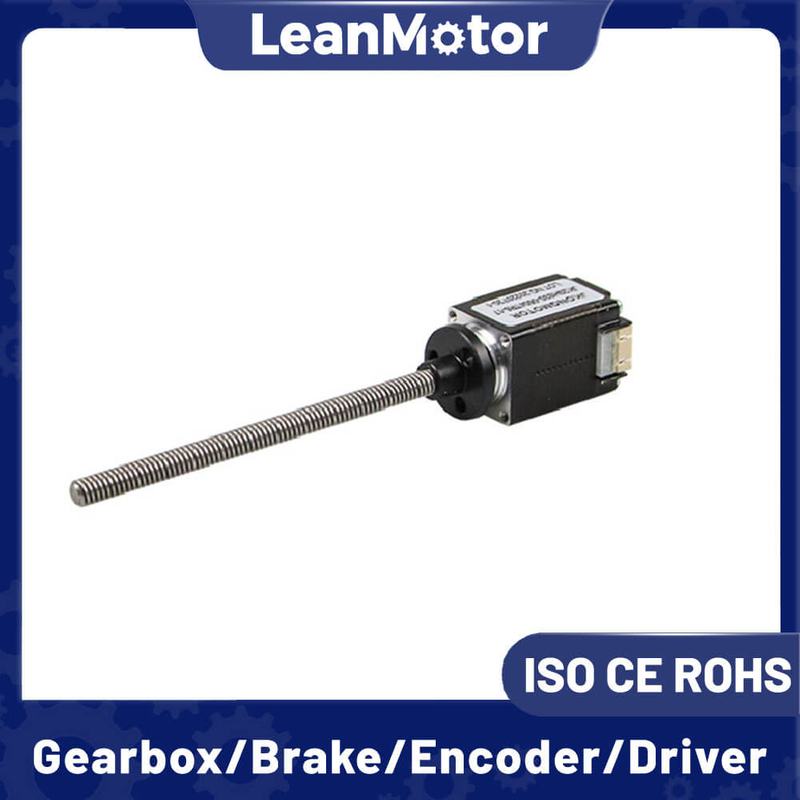
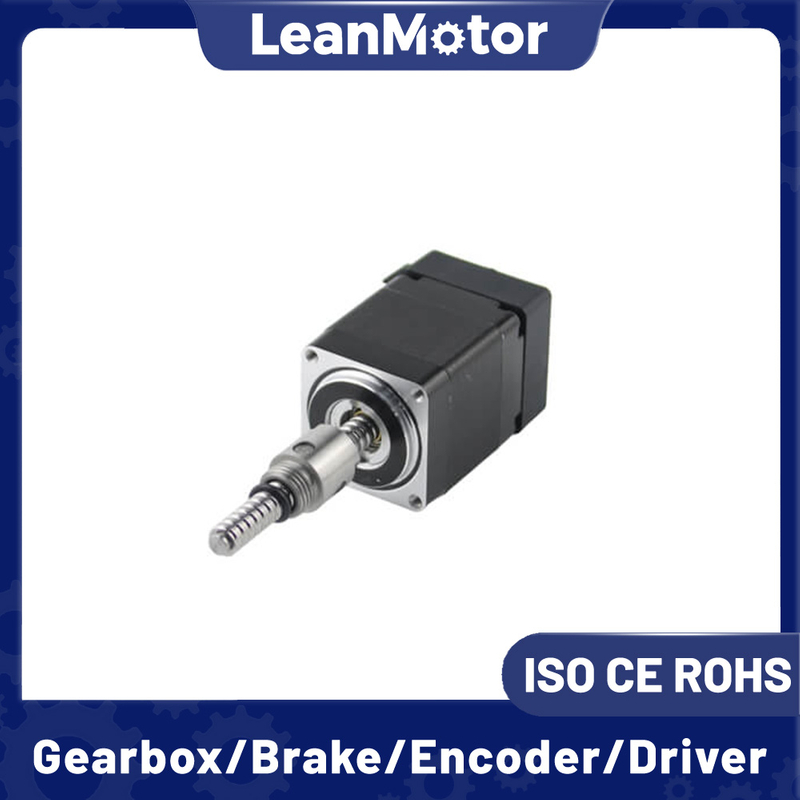
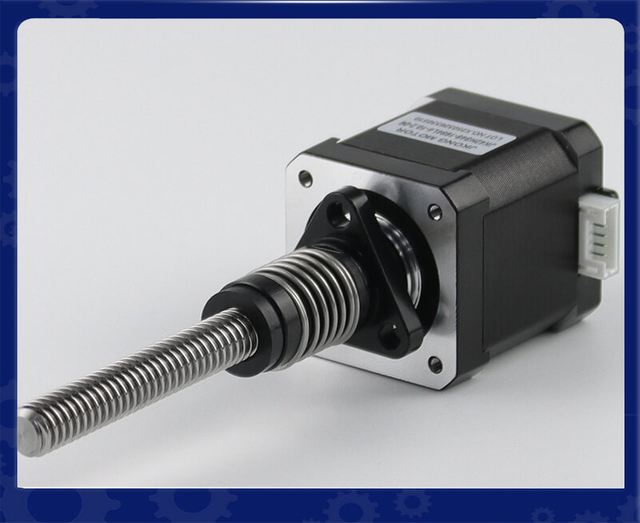
Captive Linear Stepper Motors These include an integrated shaft that moves in and out of the motor body. The stroke length is fixed and predefined, making them ideal for compact systems requiring controlled, repeatable motion.
Non-Captive Linear Stepper Motors In this design, the shaft passes completely through the motor. Stroke length is externally defined, offering greater flexibility but requiring additional guidance mechanisms.
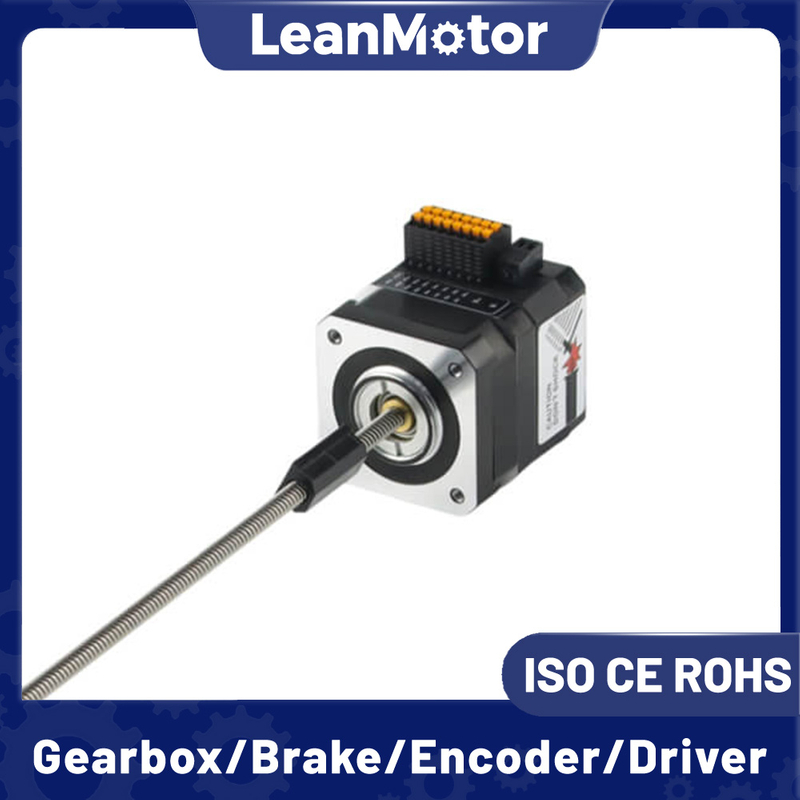
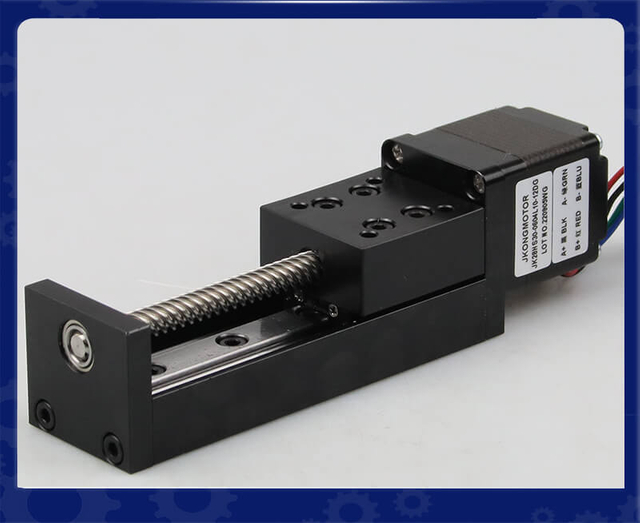
External Linear Stepper Motors These use a rotating lead screw and a traveling nut. Stroke length can be extended significantly, making them suitable for applications requiring long-distance linear motion.
Engineering Considerations
When defining stroke length, engineers must account for more than just the required travel distance. Important considerations include:
Safety Margins: Preventing operation at mechanical limits
Load Alignment: Ensuring smooth motion across the entire stroke
Environmental Factors: Dust, temperature, and vibration can affect long-stroke performance
Integration Constraints: Available space within the machine or system
Why Stroke Length Matters
An accurately defined stroke length ensures:
Efficient use of motor capacity
Reduced wear and extended lifespan
Improved motion control and repeatability
Optimized system footprint and cost
Conversely, an improperly selected stroke length can result in oversized components, reduced precision, and premature mechanical failure.
Summary
The stroke length in linear stepper motors is a foundational parameter that defines the extent of linear motion and directly influences system design, performance, and durability. By understanding how stroke length interacts with motor type, load conditions, and application requirements, engineers can design motion systems that are both precise and highly efficient.
We begin by defining the actual travel distance required by the application. This includes:
Maximum displacement between start and end positions
Intermediate positioning points
Safety margins to prevent mechanical overrun
A practical engineering rule is to add a 10–20% buffer beyond the required travel distance. This prevents end-of-stroke stress and enhances durability.
2. Mechanical Constraints and Installation Space
Stroke length must align with available installation space. In compact systems such as laboratory automation or medical devices, longer strokes may not be feasible.
We evaluate:
Total actuator length (motor + stroke)
Mounting orientation (horizontal/vertical)
Clearance for moving components
A longer stroke increases overall motor size, so optimization between stroke length and system compactness is essential.
3. Load and Force Requirements
Stroke length indirectly affects force stability and load dynamics. As stroke increases:
Risk of shaft deflection rises
Potential for vibration and resonance increases
Load alignment becomes more critical
For longer strokes, we recommend:
Using guided systems or linear rails
Selecting motors with larger lead screws or reinforced shafts
Ensuring proper load distribution
4. Speed and Acceleration Demands
Longer stroke lengths often correlate with higher speed requirements. However, increased travel distance requires careful balance between:
Motor speed (RPM)
Lead screw pitch
Step resolution
High-speed applications benefit from larger lead pitches, while precision positioning may require finer pitch with shorter strokes.
5. Accuracy and Resolution Considerations
Stroke length influences positioning resolution due to cumulative error over distance. Longer strokes may introduce:
Backlash accumulation
Thermal expansion effects
Mechanical wear over time
For precision-critical applications:
Use anti-backlash nuts
Implement closed-loop feedback systems
Minimize unnecessary stroke length
6. Environmental and Operational Conditions
Environmental factors significantly impact stroke length selection. In harsh conditions such as:
Dusty or wet environments
High-temperature operations
Cleanroom or vacuum systems
Longer strokes may require:
Enhanced sealing (IP-rated designs)
Specialized lubrication systems
Corrosion-resistant materials
Leanmotor Customized Service
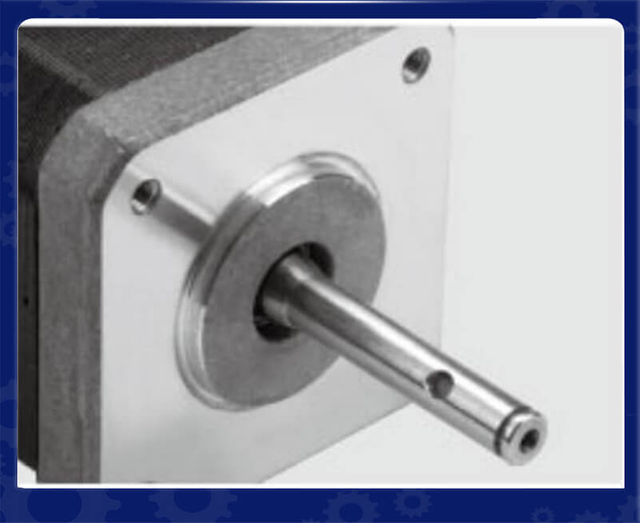
Customized Shaft Service
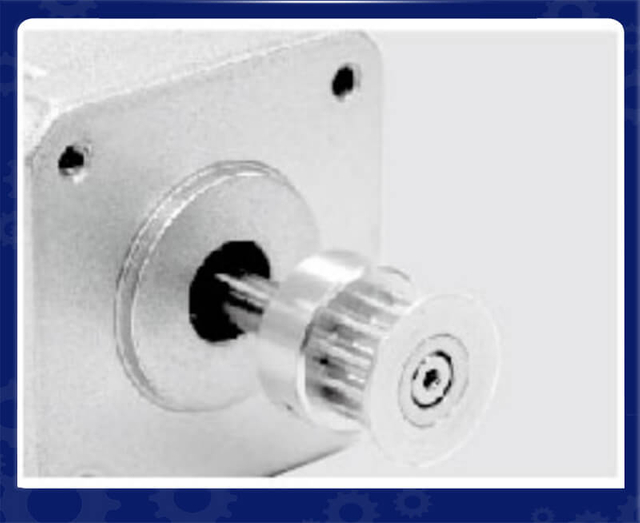
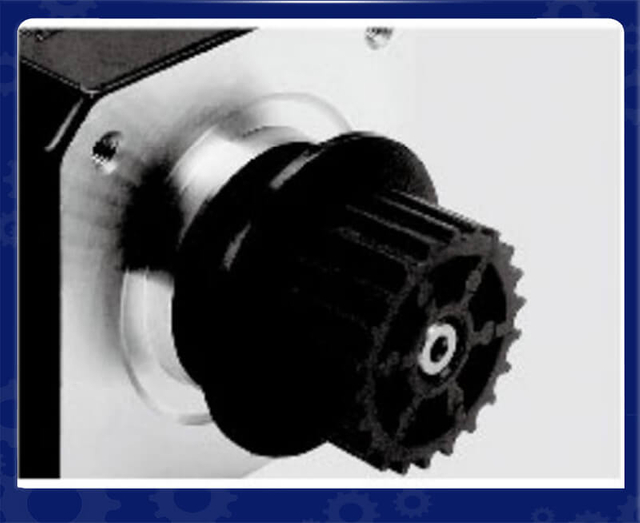
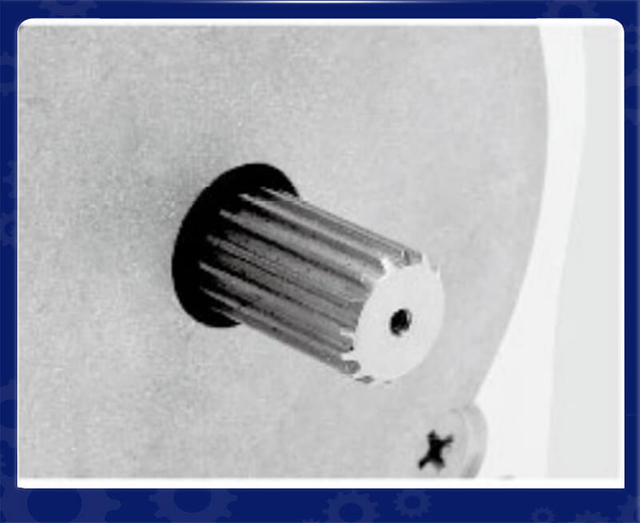
Metal Pulleys
Plastic Pulley
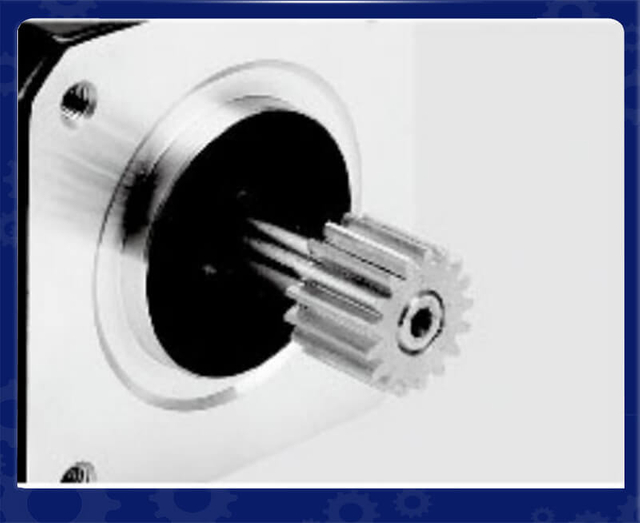
Gear
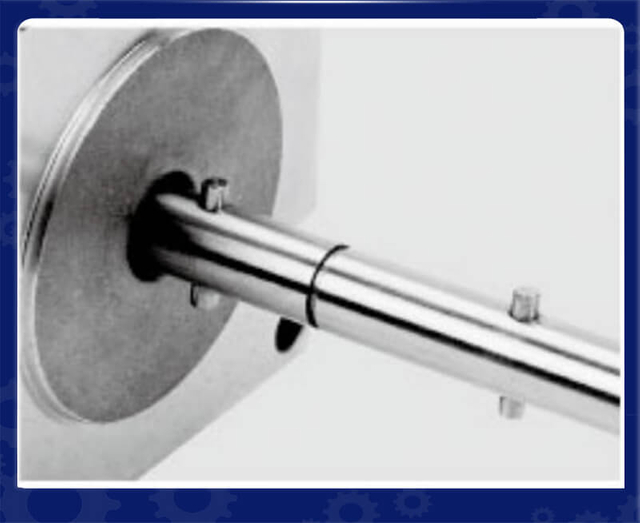
Shaft Pin
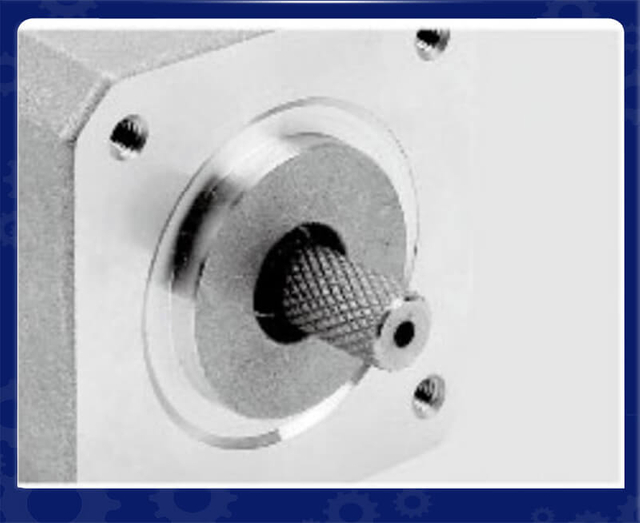
Threaded Shaft
Panel Mount
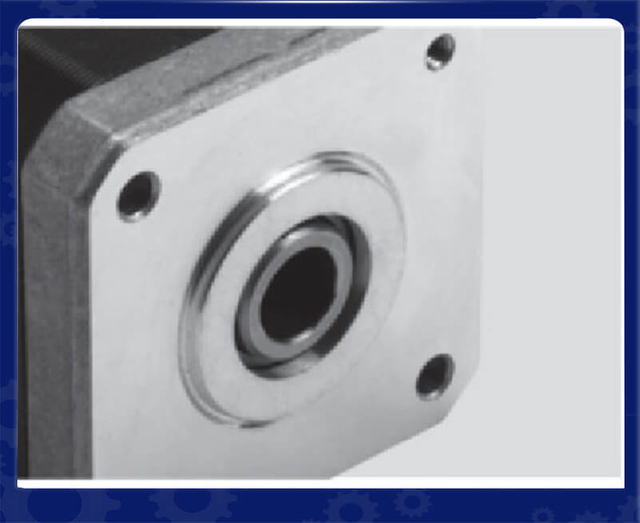
Hollow Shaft
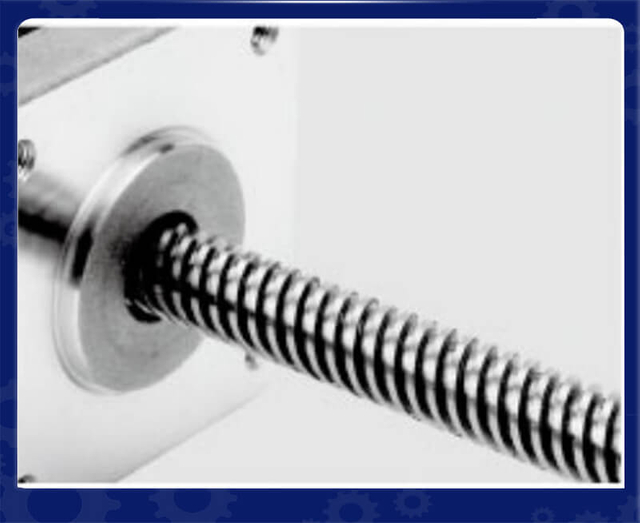
Lead Screw
Panel Mount
Single Flat
Dual Flat
Key Shaft
Customized Motor Service
Cables
Covers
Shaft
Lead Screw Rod
Encoders
Brakes
Gearboxes
Linear Module
Integrated Drivers
Worm Gearbox
Types of Linear Stepper Motors and Stroke Implications
Preferred in industrial automation and conveyor-based systems.
Calculating Optimal Stroke Length
We apply a structured approach to determine the ideal stroke:
Step 1: Define Required Travel
Measure the exact motion range needed for the application.
Step 2: Add Safety Margin
Include an additional 10–20% buffer.
Step 3: Evaluate Mechanical Limits
Ensure compatibility with system size and structure.
Step 4: Consider Dynamic Performance
Factor in speed, load, and acceleration.
Step 5: Validate Dynamic Performance
Factor in speed, load, and acceleration.
Step 5: Validate Through Simulation
Use CAD and motion simulation tools to verify performance under real conditions.
Common Mistakes to Avoid
Selecting the correct stroke length for a linear stepper motor requires careful engineering judgment. Missteps in this stage often lead to reduced efficiency, increased costs, and long-term reliability issues. The following are the most common mistakes that should be avoided to ensure optimal system performance.
1. Oversizing the Stroke Length
One of the most frequent errors is selecting a stroke length that significantly exceeds the actual application requirement. While it may seem safer to allow extra travel, an oversized stroke introduces several drawbacks:
Increased motor size and footprint
Higher system cost and material usage
Reduced stiffness and potential vibration issues
A longer-than-necessary stroke can also compromise precision and repeatability, especially in high-accuracy applications.
2. Ignoring End-of-Stroke Buffer Zones
Designing a system that operates continuously at or near the maximum stroke limits is a critical mistake. Without proper buffer zones:
Mechanical components experience excessive stress
Risk of collision with end stops increases
Motor lifespan is significantly reduced
A practical approach is to maintain a 10–20% safety margin within the usable stroke range.
3. Neglecting Load Support for Long Strokes
As stroke length increases, the likelihood of shaft deflection and misalignment grows. Many designs fail because they overlook the need for additional support:
Unsupported loads can cause bending or uneven wear
Misalignment leads to inconsistent motion and reduced accuracy
Increased friction may result in higher power consumption
For longer strokes, integrating linear guides or support rails is essential.
4. Overlooking Dynamic Performance Requirements
Stroke length is often chosen based solely on distance, without considering speed, acceleration, and duty cycle. This leads to:
Poor synchronization with system motion profiles
Inadequate motor performance at higher speeds
Increased risk of missed steps or resonance
A well-designed system aligns stroke length with dynamic motion requirements, not just static travel distance.
5. Failing to Account for Accumulated Error
Longer strokes can introduce cumulative positioning errors, especially in open-loop systems. Common issues include:
Backlash buildup over distance
Thermal expansion affecting positioning accuracy
Gradual wear impacting repeatability
Ignoring these factors can compromise precision-critical applications such as medical or semiconductor equipment.
6. Choosing the Wrong Motor Type for the Stroke
Different linear stepper motor designs handle stroke length differently. A mismatch can lead to inefficiencies:
Using a captive motor for long strokes may limit flexibility
Selecting a non-captive motor without proper guidance reduces stability
Avoiding external linear designs for long travel distances can restrict scalability
Matching the motor type to the required stroke is essential for optimal performance.
7. Ignoring Environmental Influences
Environmental conditions are often underestimated when defining stroke length. In real-world applications:
Dust and debris can affect long exposed shafts
Temperature changes can cause material expansion
Moisture may lead to corrosion and increased friction
Longer strokes are more vulnerable to these factors, requiring protective design considerations.
8. Lack of Integration Planning
Stroke length must fit seamlessly within the overall system design. A lack of integration planning can result in:
Interference with surrounding components
Insufficient mounting space
Compromised system ergonomics
Proper coordination between mechanical layout and stroke requirements is critical.
9. Underestimating Maintenance Requirements
Long-stroke systems typically require more attention in terms of:
Lubrication
Alignment checks
Wear monitoring
Ignoring maintenance implications can lead to unexpected downtime and increased operational costs.
10. Skipping Validation and Testing
Relying solely on theoretical calculations without real-world validation is a costly mistake. Without testing:
Hidden mechanical constraints may go unnoticed
Performance deviations can occur under load
Reliability issues may surface during operation
Simulation and prototype testing ensure that the selected stroke length performs as expected under actual conditions.
Final Insight
Avoiding these common mistakes ensures that the linear stepper motor stroke length is not only technically correct but also optimized for durability, efficiency, and precision. A well-informed selection process leads to stable motion control, reduced system costs, and long-term operational reliability.
Advanced Optimization Strategies
Optimizing the stroke length of a linear stepper motor goes beyond basic sizing. It involves refining system architecture, improving motion efficiency, and aligning mechanical and control elements to achieve maximum precision, durability, and performance. The following advanced strategies focus on elevating system design to a professional engineering standard.
1. Optimize Stroke-to-Travel Ratio
A high-performance system maintains a tight correlation between required travel and actual stroke length. Instead of oversizing, we engineer the stroke to closely match operational needs while maintaining a minimal safety margin.
Optimization approach:
Keep excess stroke within 10–15% of required travel
Reduce idle movement zones to improve cycle efficiency
Minimize mechanical exposure to reduce wear
This improves both response time and system compactness.
2. Match Lead Screw Pitch to Stroke Requirements
The lead screw pitch directly influences how efficiently the motor converts rotational motion into linear displacement. Proper pairing of pitch and stroke length enhances both speed and resolution.
Application Type
Recommended Pitch Strategy
Short stroke, high precision
Fine pitch for micro-positioning accuracy
Long stroke, high speed
Coarse pitch for faster travel per revolution
Balanced performance
Medium pitch for optimized speed and control
A well-matched pitch reduces energy consumption and control complexity.
3. Integrate Closed-Loop Feedback Systems
For applications with longer stroke lengths or high precision demands, integrating closed-loop control significantly enhances performance.
Key benefits:
Real-time position correction
Elimination of missed steps
Improved accuracy over extended distances
Encoders and feedback sensors ensure consistent positioning across the entire stroke range.
4. Use Zoned Motion Profiles
Instead of applying a uniform motion profile across the entire stroke, advanced systems use zoned motion control:
Acceleration zone at the start
Constant velocity zone in mid-travel
Deceleration zone near endpoints
This reduces mechanical stress and improves smoothness and positioning accuracy, especially in longer strokes.
5. Reinforce Mechanical Stability for Extended Strokes
As stroke length increases, mechanical stability becomes a critical factor. Optimization involves reinforcing the system to prevent deflection and vibration.
Recommended enhancements:
Add linear guides or rails
Use larger diameter lead screws
Implement anti-backlash nuts
These improvements ensure consistent motion and load alignment.
6. Apply Modular Stroke Design
A modular approach allows stroke length to be adjusted or scaled without redesigning the entire system.
Advantages:
Faster customization for different applications
Reduced development time
Improved flexibility in production environments
This is especially valuable in OEM and high-mix manufacturing scenarios.
7. Optimize for Thermal Stability
Thermal effects become more pronounced over longer strokes. Expansion of components can affect positioning accuracy.
Optimization methods:
Use low thermal expansion materials
Implement temperature compensation algorithms
Design for uniform heat distribution
Thermal stability ensures repeatable performance in demanding environments.
8. Minimize Backlash and Mechanical Play
Backlash can accumulate over longer travel distances, reducing precision. Advanced systems address this through:
Preloaded nuts
Dual-nut anti-backlash mechanisms
Precision machining and tighter tolerances
Reducing backlash improves repeatability and motion consistency.
9. Integrate Smart Limit Control
Modern systems incorporate intelligent limit management to protect the motor and optimize stroke usage.
Key features:
Electronic limit switches
Software-defined motion boundaries
Adaptive stroke limits based on application mode
This prevents overtravel while maximizing usable stroke efficiency.
10. Simulate and Validate Under Real Conditions
Optimization is incomplete without simulation and real-world validation. Advanced tools allow engineers to model:
Load distribution across the stroke
Dynamic motion behavior
Stress and wear patterns
Testing under actual operating conditions ensures that the system performs reliably over time.
Strategic Outcome
By applying these advanced optimization strategies, we achieve a highly efficient and precisely controlled linear motion system. Properly optimized stroke length leads to:
Improved motion accuracy
Reduced mechanical wear
Enhanced energy efficiency
Extended system lifespan
A refined approach to stroke length optimization transforms a standard linear stepper motor into a precision-engineered solution tailored for demanding applications.
Industry-Specific Stroke Length Guidelines
Industry
Typical Stroke Range
Key Considerations
Medical Devices
5–50 mm
Precision, compact size
Semiconductor Equipment
10–200 mm
Cleanroom compatibility
Industrial Automation
50–500 mm
Speed and durability
Robotics
20–300 mm
Dynamic motion control
Packaging Machinery
50–400 mm
High cycle reliability
Balancing Stroke Length with System Performance
We emphasize that stroke length is not an isolated parameter. It must be optimized alongside:
Motor torque and thrust
Lead screw pitch
Driver control system
Power supply characteristics
A well-balanced system ensures:
Smooth motion
High repeatability
Energy efficiency
Conclusion: Engineering Precision Through Proper Stroke Selection
Choosing the correct stroke length for a linear stepper motor requires a precise balance between mechanical design, motion requirements, and environmental conditions. By carefully evaluating travel distance, load dynamics, system constraints, and performance goals, we can achieve a highly efficient and reliable motion solution.
A well-selected stroke length not only enhances system performance but also reduces maintenance costs, improves lifespan, and ensures consistent operational accuracy across demanding applications.
FAQs
Q: What is stroke length in a linear stepper motor?
A: Stroke length refers to the maximum linear travel distance the motor’s shaft or nut can move during operation. LeanMotor designs ensure precise and stable motion across the full stroke range, supporting both short and extended travel applications.
Q: How do I determine the correct stroke length for my application?
A: The correct stroke length is determined by the required travel distance plus a safety margin (typically 10–20%). LeanMotor recommends evaluating real working conditions to ensure optimal performance and prevent mechanical overrun.
Q: Why is it important not to oversize stroke length?
A: Oversizing leads to larger motor dimensions, reduced rigidity, and increased cost. LeanMotor solutions focus on optimized stroke matching to improve efficiency, precision, and system compactness.
Q: What happens if the stroke length is too short?
A: A stroke that is too short can cause incomplete motion, mechanical stress, and potential system failure. LeanMotor ensures accurate customization to meet exact travel requirements without compromising reliability.
Q: Does stroke length affect positioning accuracy?
A: Yes, longer strokes may introduce cumulative positioning errors and backlash. LeanMotor integrates precision components and optional closed-loop control to maintain high accuracy over extended distances.
Q: Which type of linear stepper motor is best for long stroke applications?
A: For long stroke requirements, external linear stepper motors are ideal due to their scalable design. LeanMotor provides robust external solutions capable of handling extended travel with high stability.
Q: Do longer strokes require additional mechanical support?
A: Yes, longer strokes often require linear guides or support rails to prevent deflection and ensure smooth motion. LeanMotor systems are engineered for stability, especially in demanding long-stroke environments.
Q :How does stroke length impact motor speed and performance?
A: Stroke length influences travel time, acceleration, and system dynamics. LeanMotor optimizes lead screw design and motor control to balance speed and precision across various stroke lengths.
Q:Can stroke length be customized?
A: Yes, LeanMotor offers custom stroke length solutions tailored to specific application needs, ensuring optimal integration, performance, and efficiency.
Q:What safety considerations should be taken when selecting stroke length?
A: It is essential to include buffer zones, limit switches, and proper motion control to prevent overtravel. LeanMotor incorporates advanced safety features to enhance system protection and longevity.