Motor Length: 30mm / 38mm
| Availability: | |
|---|---|
| Quantity: | |
Nema 8 Captive Linear Actuator Stepper Motor
LEANMOTOR
Linear Motors
Captive Linear
Nema8 (20mm)
4wires
2 Phase
1.8°
10 Pcs
| Item | Specifications |
| Step Angle | 1.8° |
| Temperature Rise | 80℃max |
| Ambient Temperature | -20℃~+50℃ |
| Insulation Resistance | 100 MΩ Min. ,500VDC |
| Dielectric Strength | 500VAC for 1minute |
| Shaft Radial Play | 0.02Max. (450g-load) |
| Shaft Axial Play | 0.08Max. (450g-load) |
| Max. radial force | 28N (20mm from the flange) |
| Max. axial force | 10N |
| Model No. | Step Angle | Motor Length | Current | Resistance | Inductance | Holding Torque | # of Leads | Mass |
| ( °) | (L)mm | A | Ω | mH | g.cm | No. | kg | |
| LM20HSK30-0604 | 1.8 | 30 | 0.6 | 6.5 | 1.7 | 180 | 4 | 0.05 |
| LM20HSK38-0604 | 1.8 | 38 | 0.6 | 9 | 3.0 | 220 | 4 | 0.08 |
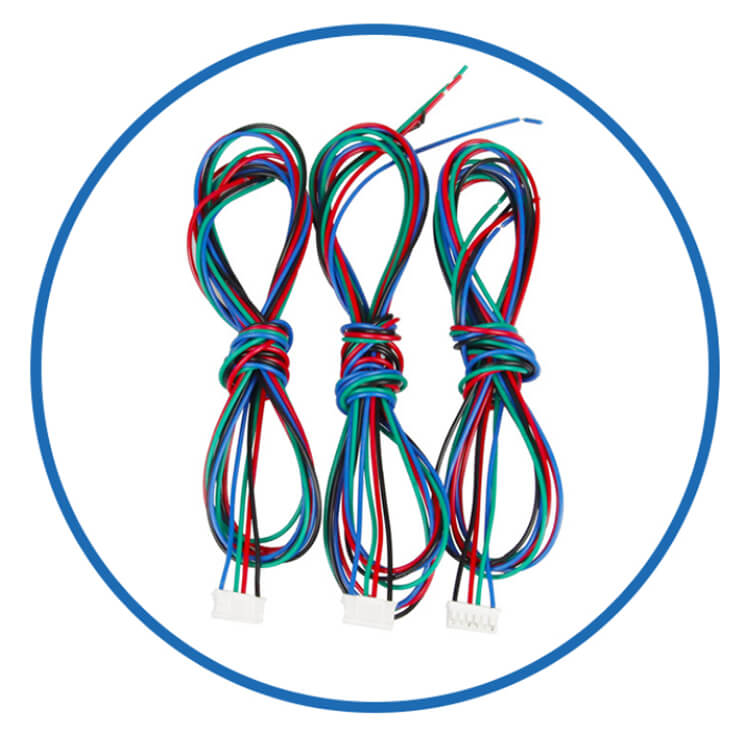
| A+ | A- | B+ | B- |
| Black | Green | Red | Blue |
| Item | Specifications |
| Step Angle | 1.8° |
| Temperature Rise | 80℃max |
| Ambient Temperature | -20℃~+50℃ |
| Insulation Resistance | 100 MΩ Min. ,500VDC |
| Dielectric Strength | 500VAC for 1minute |
| Shaft Radial Play | 0.02Max. (450g-load) |
| Shaft Axial Play | 0.08Max. (450g-load) |
| Max. radial force | 28N (20mm from the flange) |
| Max. axial force | 10N |
| Model No. | Step Angle | Motor Length | Current | Resistance | Inductance | Holding Torque | # of Leads | Mass |
| ( °) | (L)mm | A | Ω | mH | g.cm | No. | kg | |
| LM20HSK30-0604 | 1.8 | 30 | 0.6 | 6.5 | 1.7 | 180 | 4 | 0.05 |
| LM20HSK38-0604 | 1.8 | 38 | 0.6 | 9 | 3.0 | 220 | 4 | 0.08 |
| A+ | A- | B+ | B- |
| Black | Green | Red | Blue |


Connectors, Gearbox, Encoder, Brake, Integrated Driver...
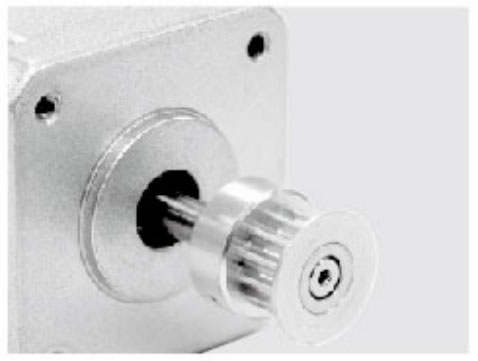
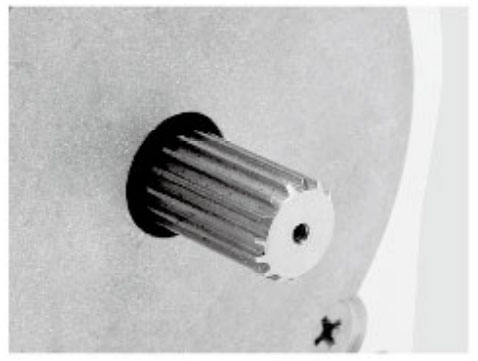
Metal Pulleys
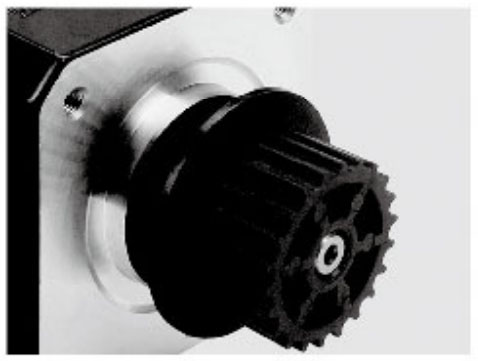
Plastic Pulley
Gear
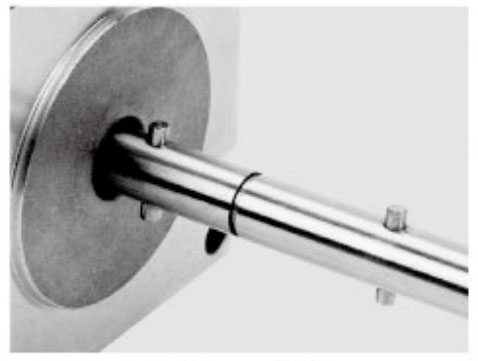
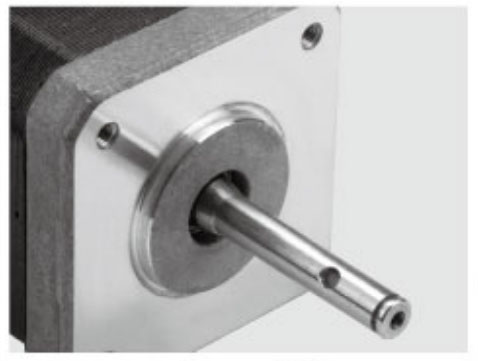
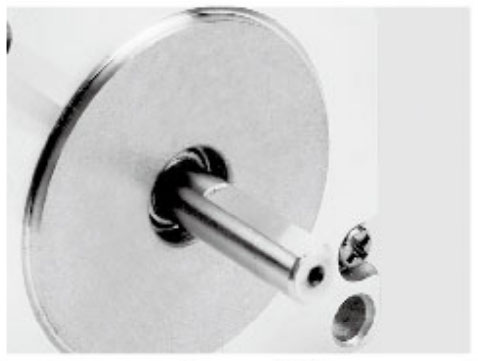
Shaft Pin
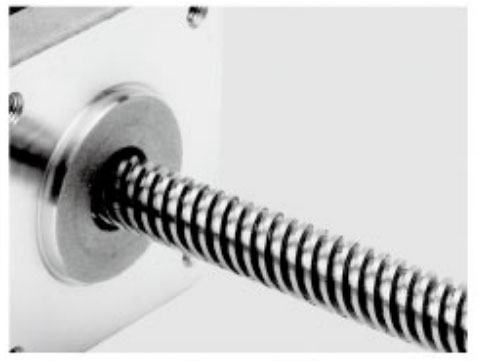
Threaded Shaft
Panel Mount
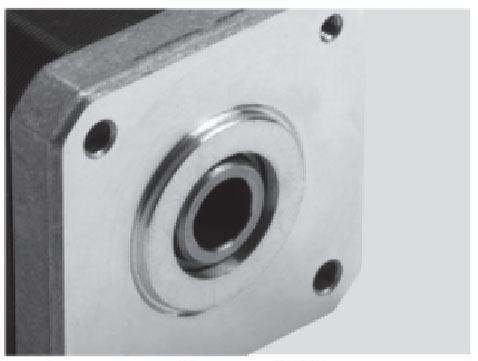
Hollow Shaft
Threaded Shaft
Panel Mount
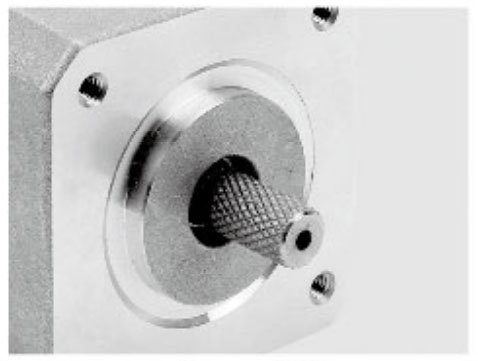
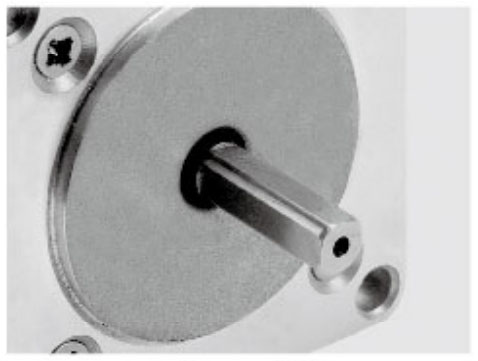
Single Flat
Dual Flat
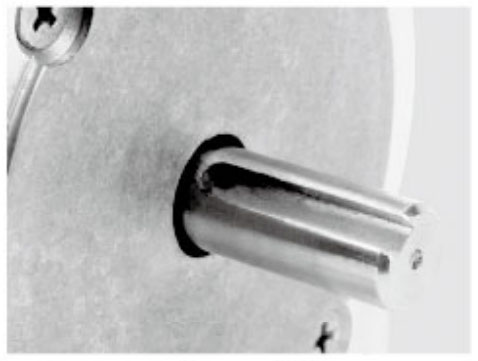
Key Shaft
Cables
Flanges
Shaft
Lead Screw Rod
Encoders
Brakes
Gearboxes
Motor Kits
Integrated Drivers
More Customized
Connectors, Gearbox, Encoder, Brake, Integrated Driver...
Metal Pulleys
Plastic Pulley
Gear
Shaft Pin
Threaded Shaft
Panel Mount
Hollow Shaft
Threaded Shaft
Panel Mount
Single Flat
Dual Flat
Key Shaft
Cables
Flanges
Shaft
Lead Screw Rod
Encoders
Brakes
Gearboxes
Motor Kits
Integrated Drivers
More Customized
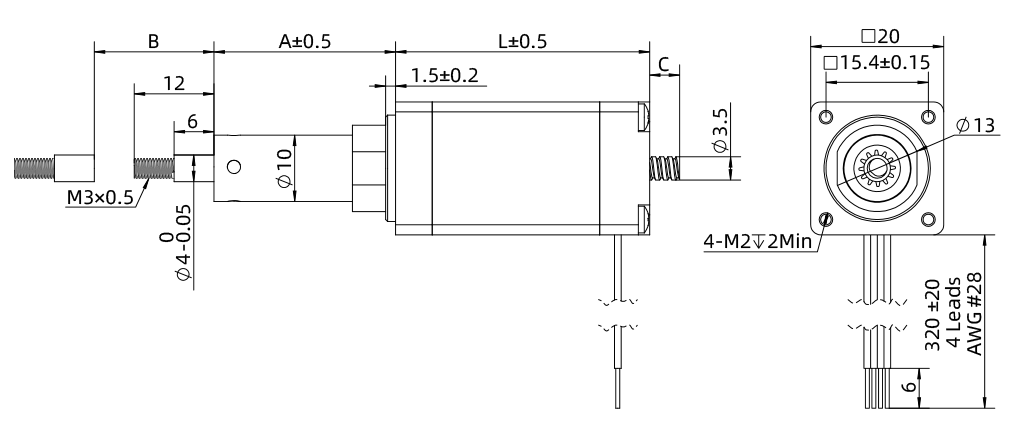
Nema 8 Linear Stepper Motor Drawings:
Nema 8 20HSK Captive Linear Lead Screw Rod Dimension.png
Nema 8 Linear Stepper Motor Drawings:
Nema 8 20HSK Captive Linear Lead Screw Rod Dimension.png
1. What is a NEMA 8 linear captive stepping motor?
A NEMA 8 linear captive stepping motor is a compact stepper motor with an integrated lead screw and anti-rotation mechanism, allowing precise linear motion without external guides.
2. What does “captive” mean in a linear stepper motor?
“Captive” means the lead screw is constrained within the motor body, preventing rotation and ensuring stable, guided linear movement.
3. What are the advantages of a NEMA 8 linear captive stepper motor?
Key advantages include ultra-compact size, high positioning accuracy, low backlash, simple installation, and minimal maintenance.
4. What is the frame size of a NEMA 8 motor?
NEMA 8 motors have a 0.8-inch (20 mm) frame size, ideal for space-constrained applications.
5. How precise is a NEMA 8 linear captive stepping motor?
With a standard step angle of 1.8° and fine lead screw pitch, it provides high-resolution linear positioning, especially with microstepping drivers.
6. What thrust force can this motor provide?
Thrust depends on motor torque and lead screw pitch, making it suitable for light-load precision linear applications.
7. Can the motor operate continuously?
Yes, it supports continuous operation when driven correctly and within rated thermal limits.
8. What lead screw options are available?
Various lead pitches and screw lengths are available to balance speed, force, and positioning resolution.
9. What applications commonly use NEMA 8 linear captive stepping motors?
Typical applications include medical devices, laboratory automation, optical instruments, micro-positioning systems, and precision dispensing equipment.
10. How does a linear captive stepper motor compare to a rotary motor with an external actuator?
Linear captive stepper motors simplify mechanical design, reduce backlash, improve accuracy, and save space compared to rotary systems with external linear mechanisms.
11. Can NEMA 8 linear captive stepping motors be customized?
Yes, manufacturers can customize motor length, winding parameters, lead screw pitch, and electrical specifications.
12. Are different lead screw materials available?
Yes, lead screws can be made from stainless steel or other materials for durability or corrosion resistance.
13. Can the nut design be customized?
Yes, standard, anti-backlash, or wear-resistant nut options are available depending on application requirements.
14. Can encoders or sensors be integrated?
Yes, encoders can be added to create closed-loop linear stepper motor systems for higher precision.
15. Can the motor be supplied with a matched driver?
Yes, compatible stepper drivers can be provided for optimal performance and ease of integration.
16. Are low-noise and low-vibration versions available?
Yes, optimized windings, precision lead screws, and microstepping control reduce noise and vibration.
17. Can the motor be customized for harsh environments?
Yes, IP-rated protection, special coatings, and high-temperature insulation can be applied.
18. What shaft or mounting options are available?
Mounting configurations, stroke lengths, and mechanical interfaces can be customized to match system designs.
19. What quality control tests are performed?
Tests include thrust testing, step accuracy verification, insulation testing, thermal testing, and endurance testing.
20. How does factory-level customization improve application performance?
Customization ensures the motor’s force, speed, and resolution are precisely matched to the application, improving reliability, accuracy, and service life.
1. What is a NEMA 8 linear captive stepping motor?
A NEMA 8 linear captive stepping motor is a compact stepper motor with an integrated lead screw and anti-rotation mechanism, allowing precise linear motion without external guides.
2. What does “captive” mean in a linear stepper motor?
“Captive” means the lead screw is constrained within the motor body, preventing rotation and ensuring stable, guided linear movement.
3. What are the advantages of a NEMA 8 linear captive stepper motor?
Key advantages include ultra-compact size, high positioning accuracy, low backlash, simple installation, and minimal maintenance.

4. What is the frame size of a NEMA 8 motor?
NEMA 8 motors have a 0.8-inch (20 mm) frame size, ideal for space-constrained applications.
5. How precise is a NEMA 8 linear captive stepping motor?
With a standard step angle of 1.8° and fine lead screw pitch, it provides high-resolution linear positioning, especially with microstepping drivers.
6. What thrust force can this motor provide?
Thrust depends on motor torque and lead screw pitch, making it suitable for light-load precision linear applications.
7. Can the motor operate continuously?
Yes, it supports continuous operation when driven correctly and within rated thermal limits.
8. What lead screw options are available?
Various lead pitches and screw lengths are available to balance speed, force, and positioning resolution.
9. What applications commonly use NEMA 8 linear captive stepping motors?
Typical applications include medical devices, laboratory automation, optical instruments, micro-positioning systems, and precision dispensing equipment.
10. How does a linear captive stepper motor compare to a rotary motor with an external actuator?
Linear captive stepper motors simplify mechanical design, reduce backlash, improve accuracy, and save space compared to rotary systems with external linear mechanisms.
11. Can NEMA 8 linear captive stepping motors be customized?
Yes, manufacturers can customize motor length, winding parameters, lead screw pitch, and electrical specifications.
12. Are different lead screw materials available?
Yes, lead screws can be made from stainless steel or other materials for durability or corrosion resistance.
13. Can the nut design be customized?
Yes, standard, anti-backlash, or wear-resistant nut options are available depending on application requirements.
14. Can encoders or sensors be integrated?
Yes, encoders can be added to create closed-loop linear stepper motor systems for higher precision.
15. Can the motor be supplied with a matched driver?
Yes, compatible stepper drivers can be provided for optimal performance and ease of integration.
16. Are low-noise and low-vibration versions available?
Yes, optimized windings, precision lead screws, and microstepping control reduce noise and vibration.
17. Can the motor be customized for harsh environments?
Yes, IP-rated protection, special coatings, and high-temperature insulation can be applied.
18. What shaft or mounting options are available?
Mounting configurations, stroke lengths, and mechanical interfaces can be customized to match system designs.
19. What quality control tests are performed?
Tests include thrust testing, step accuracy verification, insulation testing, thermal testing, and endurance testing.
20. How does factory-level customization improve application performance?
Customization ensures the motor’s force, speed, and resolution are precisely matched to the application, improving reliability, accuracy, and service life.