FAQs About NEMA 14 Linear Non-Captive Stepping Motor
I. Product Perspective: Performance, Structure & Applications
1. What is a NEMA 14 linear non-captive stepping motor?
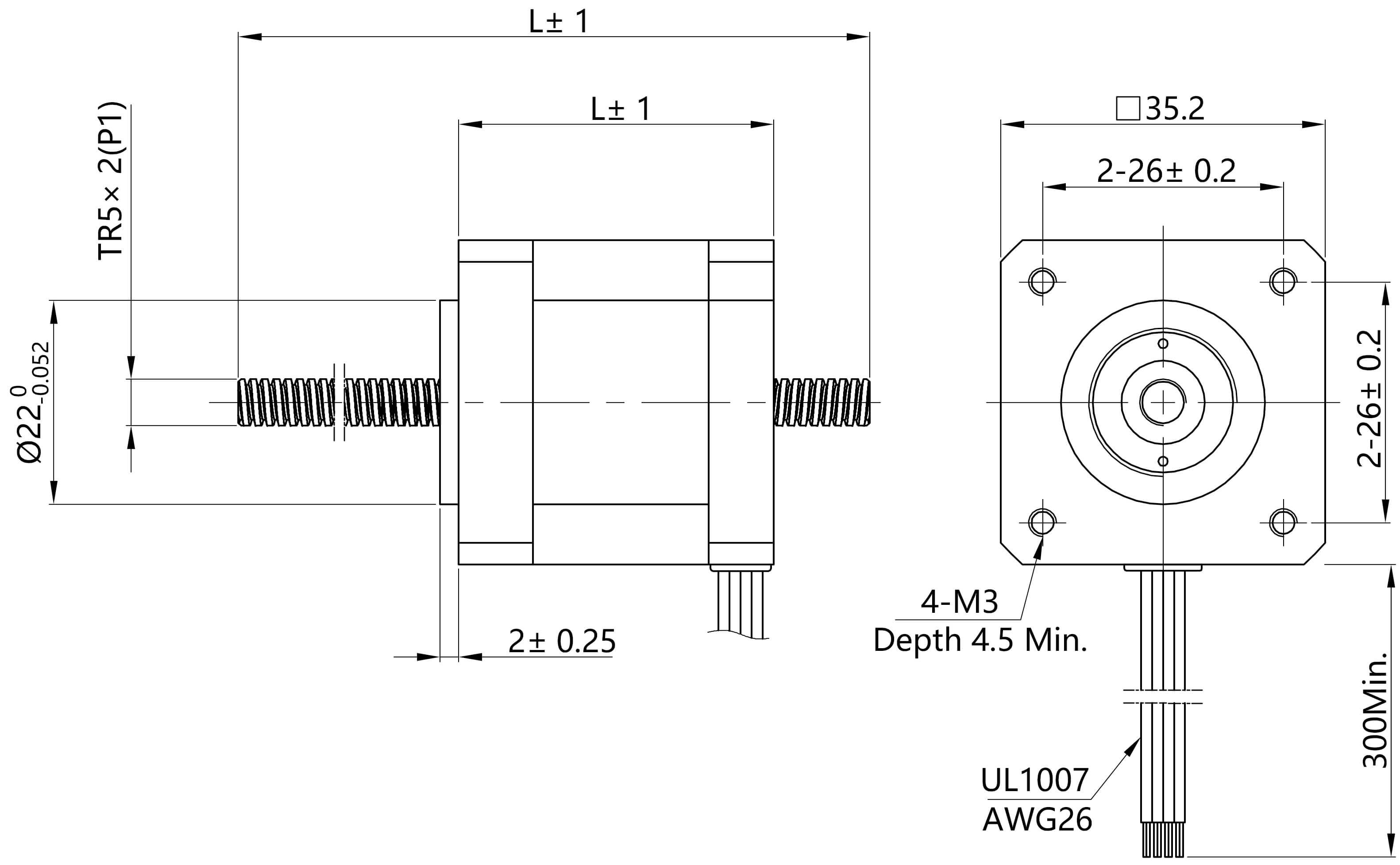
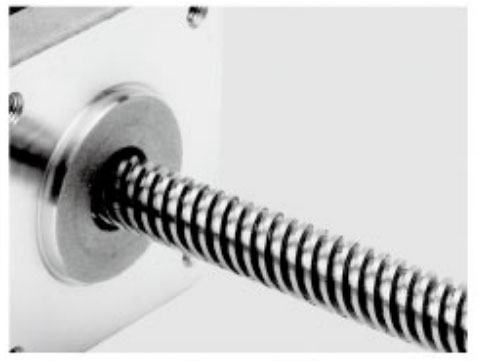
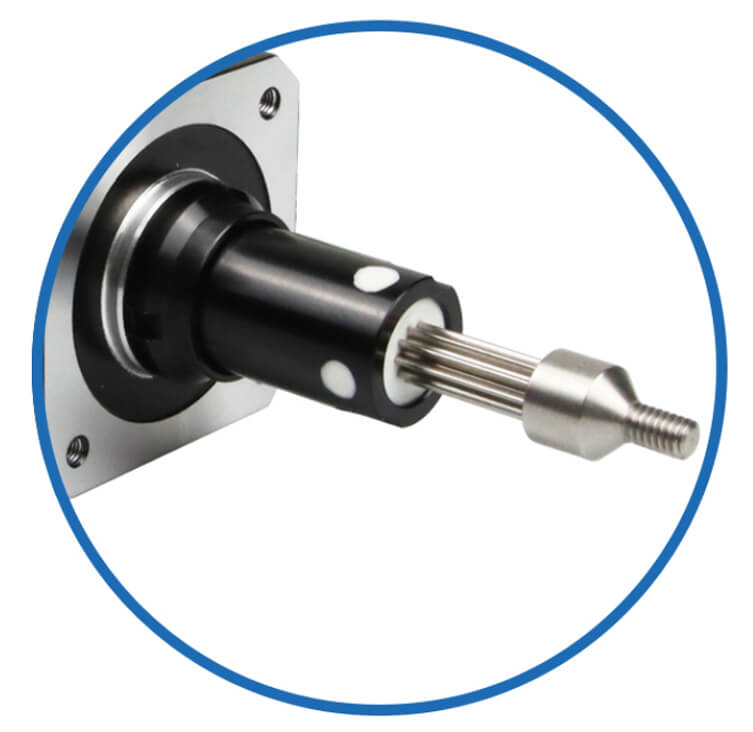
A NEMA 14 linear non-captive stepping motor is a compact stepper motor with an integrated lead screw, where the nut moves linearly while the screw rotates.
2. How does a non-captive linear stepper motor differ from a captive one?
Non-captive motors allow the nut to move independently along the screw, offering flexible mechanical integration, whereas captive motors have built-in anti-rotation mechanisms.
3. What are the main advantages of a NEMA 14 linear non-captive stepping motor?
Advantages include compact size, precise linear motion, simple structure, low maintenance, and easy integration into space-limited applications.
4. What is the frame size of NEMA 14 motors?
NEMA 14 motors have a 1.4-inch (35 mm) frame size, making them suitable for compact linear actuation systems.
5. How accurate is a NEMA 14 linear non-captive stepping motor?
With a standard 1.8° step angle and proper lead screw pitch, it offers high positioning accuracy, especially with microstepping drivers.
6. What thrust force can a NEMA 14 linear non-captive stepper motor produce?
Thrust depends on motor torque, lead screw pitch, and efficiency, suitable for light to medium loads.
7. Can NEMA 14 linear stepper motors operate continuously?
Yes, they are designed for continuous operation when properly driven and cooled.
8. What lead screw options are available for NEMA 14 linear stepper motors?
Various lead pitches and diameters are available to balance speed, resolution, and thrust.
9. What applications typically use NEMA 14 linear non-captive stepping motors?
Common applications include medical devices, lab automation, optical instruments, micro-actuators, and compact positioning systems.
10. What are the advantages of using linear stepper motors instead of rotary motors with external actuators?
Linear stepper motors reduce mechanical complexity, provide higher accuracy, and minimize backlash and alignment issues.
II. Factory Customization Capability: Manufacturing & OEM Services
11. Can NEMA 14 linear non-captive stepping motors be customized?
Yes, motor length, winding parameters, lead screw diameter, and electrical specifications can be tailored to specific applications.
12. Are different lead screw pitches available?
Yes, manufacturers can provide various lead pitches to optimize speed, resolution, and thrust.
13. Can lead screws be made from different materials?
Yes, options include stainless steel, anodized aluminum, or other materials for corrosion resistance or special environmental requirements.
14. Can the nut type be customized?
Yes, plastic, bronze, or anti-backlash nuts are available depending on application requirements.
15. Can encoders be added to NEMA 14 linear stepper motors?
Yes, encoders can be integrated to create closed-loop systems for higher precision and reliability.
16. Are low-noise and low-vibration designs available?
Yes, optimized windings, precision bearings, and microstepping drivers help minimize vibration and noise.
17. Can NEMA 14 linear stepper motors be customized for harsh environments?
Yes, IP-rated housings and coatings are available for dust, moisture, or clean-room environments.
18. What quality control tests are performed on NEMA 14 linear stepper motors?
Testing includes thrust testing, linear accuracy verification, insulation testing, thermal performance, and endurance testing.
19. What is the typical lead time for custom NEMA 14 linear stepper motors?
Prototypes typically take 2–4 weeks, while mass production usually requires 4–8 weeks.
20. How does factory-level customization improve performance?
Customization ensures optimal matching of motor torque, lead screw pitch, and nut design, improving accuracy, reliability, and long-term durability.