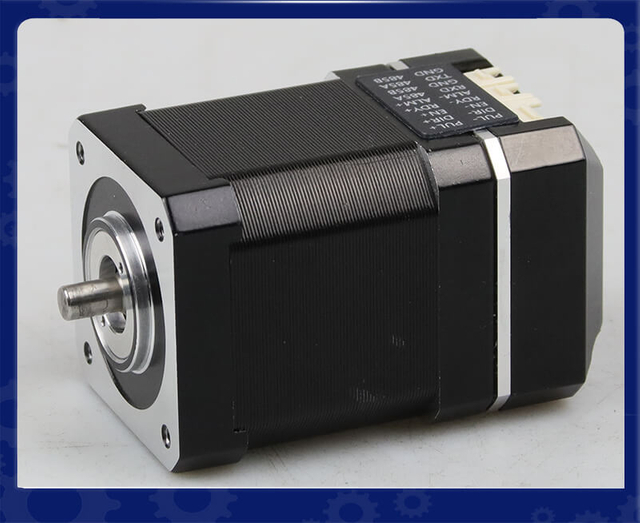
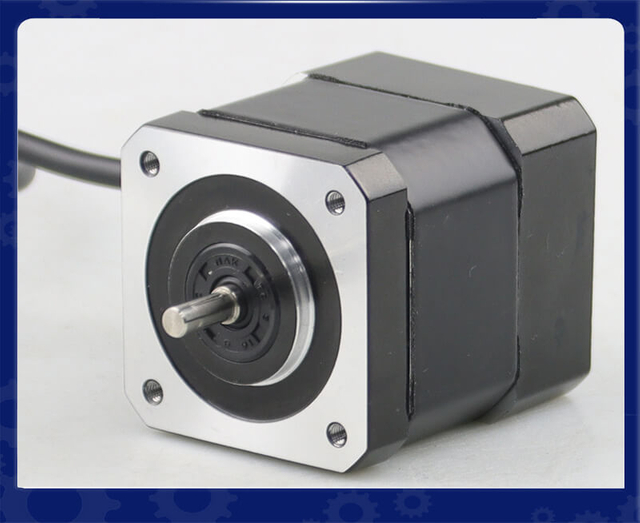
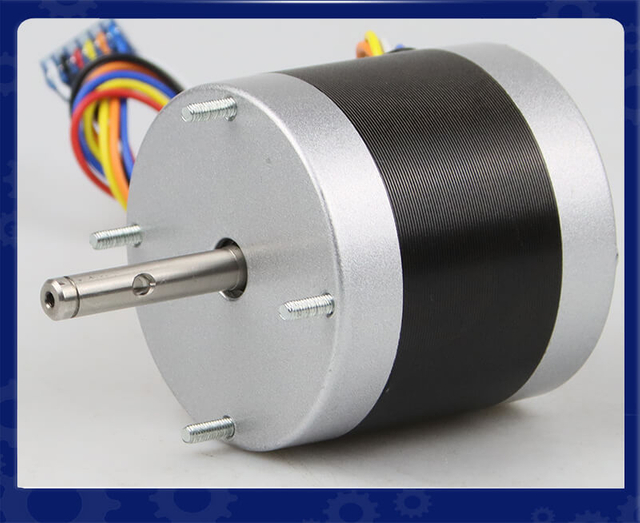
-
Q What is a linear stepper motor?
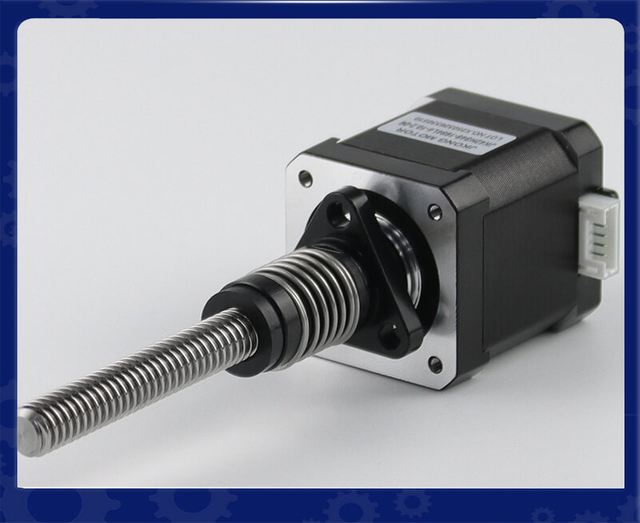
A A ”linear stepper motor“ is a type of motor that directly produces linear motion without the need for rotary-to-linear conversion, offering precise positioning and high repeatability.
-
Q What is a linear actuator motor?
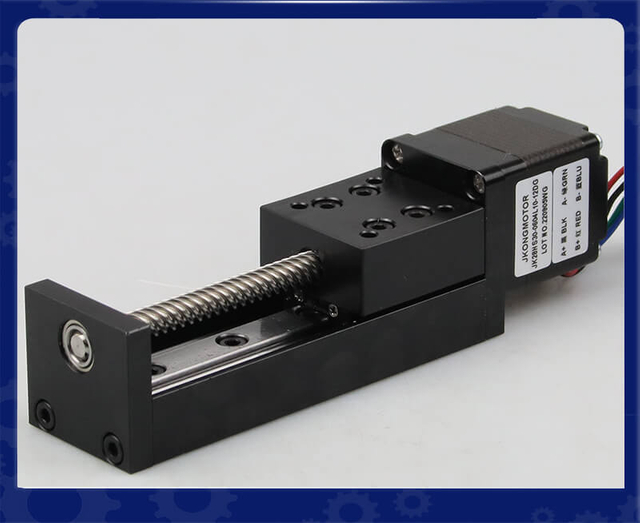
A A “linear actuator motor” is a device that converts electrical energy into linear motion, often using a stepper motor integrated with a lead screw, ball screw, or belt system.
-
Q What are the main advantages of linear stepper motors?
A Linear stepper motors provide “high precision, reliable open-loop control, easy integration, compact design, and smooth motion”, making them ideal for automation and positioning systems.
-
Q What types of linear stepper motors are available?
A Common types include “captive linear stepper motors, non-captive linear stepper motors, external T-type linear stepper motors, and integrated ball screw linear stepper motors”.
-
Q What is the difference between captive and non-captive linear stepper motors?
A “Captive linear stepper motors”move the motor body along the shaft, while “non-captive types” push a rod through a stationary motor body for linear displacement.
-
Q What applications are suitable for linear actuator motors?
A Linear actuator motors are widely used in “CNC machines, 3D printers, medical devices, lab automation, packaging equipment, and industrial automation”.
-
Q How precise is a linear stepper motor?
A Depending on the step angle and screw lead, linear stepper motors can achieve “sub-millimeter positioning accuracy”, suitable for high-precision applications.
-
Q Can linear stepper motors support microstepping?
A Yes, microstepping improves smoothness, reduces vibration, and increases resolution in linear stepper motors.
-
Q What is the typical stroke length of a linear actuator motor?
A Stroke lengths vary by model, ranging from “a few millimeters to several hundred millimeters”, and can be customized to specific application requirements.
-
Q How much force can a linear actuator motor produce?
A Depending on the motor size and screw type, linear actuator motors can produce forces from “tens of Newtons to several hundred Newtons”.
-
Q Can linear stepper motors be customized for specific stroke lengths?
A Yes, factories can produce “linear actuator motors with custom stroke lengths”to fit application needs.
-
Q Can the force or thrust of a linear actuator motor be customized?
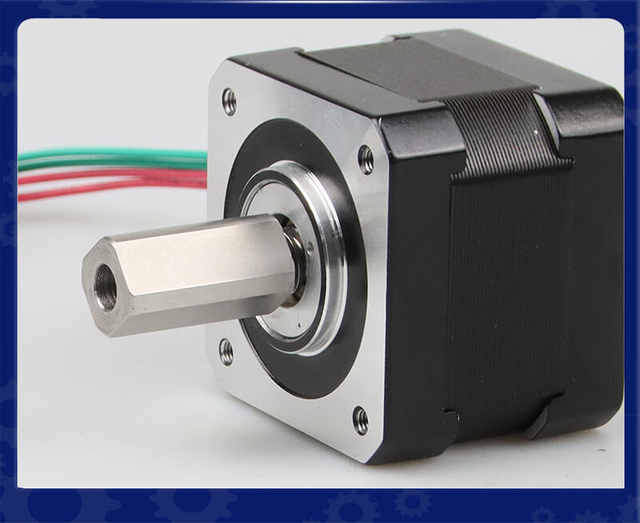
A Yes, motor torque, screw type, and gearbox options can be adjusted to achieve the desired thrust or output force.
-
Q Are different lead screw types available for linear stepper motors?
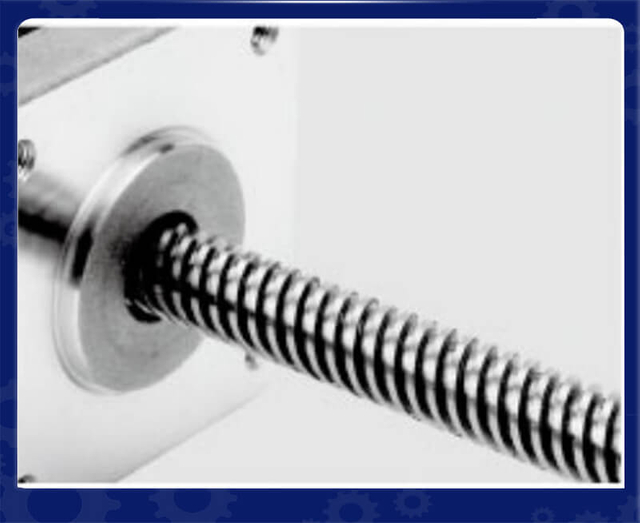
A Yes, options include “ball screws, trapezoidal screws, and T-type lead screws”, selected based on accuracy, load, and efficiency requirements.
-
Q Can the motor configuration be customized for captive or non-captive designs?
A Yes, factories can design both “captive and non-captive linear stepper motors” depending on space and motion requirements.
-
Q Can linear actuator motors be integrated with gearboxes or encoders?
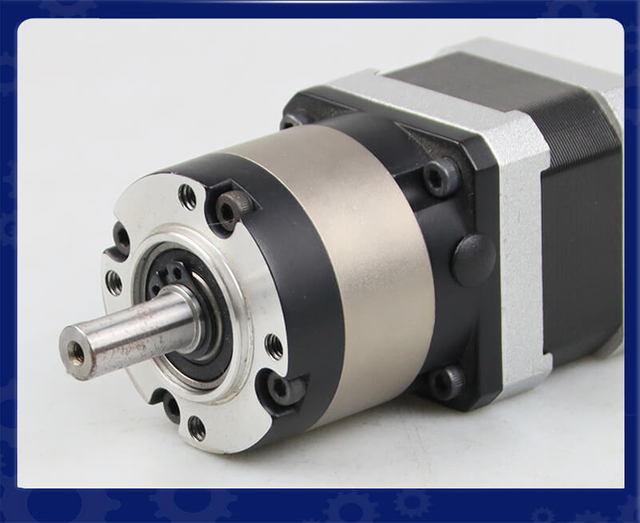
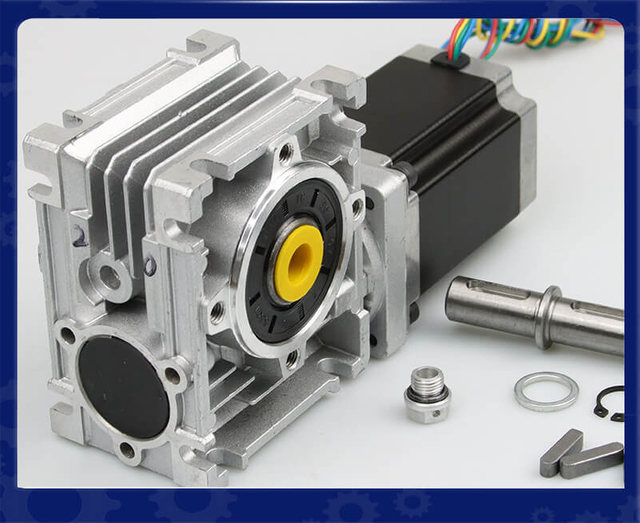
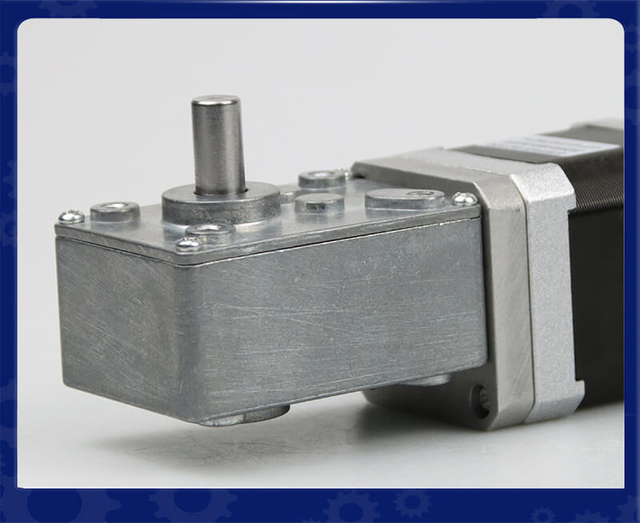
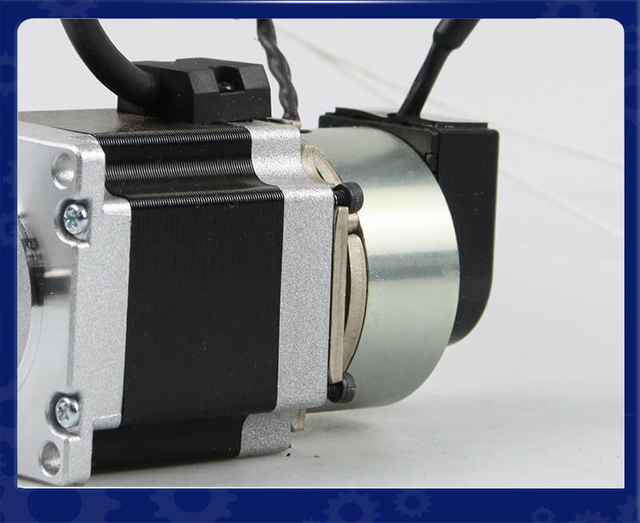
A Yes, optional “gear reduction units and encoders”can be added to improve torque, precision, and closed-loop control.
-
Q Is it possible to customize mounting options and dimensions?
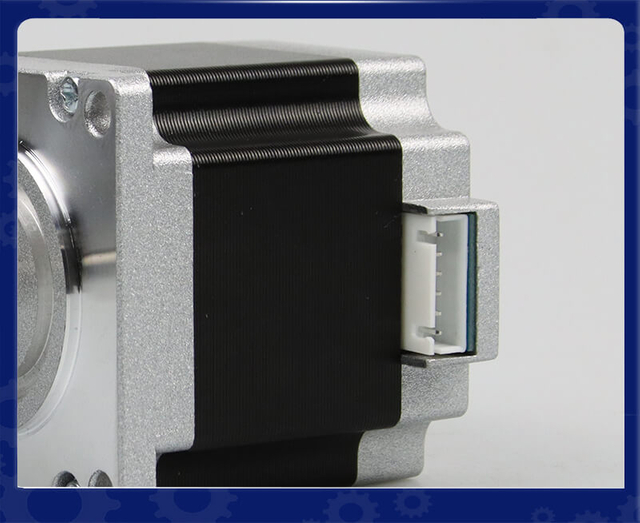
A Yes, mounting flanges, hole patterns, and overall dimensions can be tailored to customer equipment.
-
Q Can cable length and connector types be customized for linear stepper motors?
A Yes, cable lengths, connector types, and pin configurations can be customized for easy system integration.
-
Q Can linear actuator motors be designed for high-speed or high-duty applications?
A Yes, manufacturers can optimize motor windings, screw types, and bearings to support high-speed and continuous operation.
-
Q Are there options to reduce noise and vibration in linear stepper motors?
A Yes, optimization of screw selection, microstepping, and motor design can minimize vibration and operational noise.
-
Q What is the typical lead time for customized linear stepper motors?
A Customized linear actuator motors typically require “2–6 weeks” depending on stroke length, force, and design complexity.